Inspiration
Children aged 6–12 often struggle to clearly express their symptoms, pain, sensations, or emotions to doctors in waiting rooms. Due to limited vocabulary, fear of judgment, or the sheer anxiety of a medical setting, they tend to under-report or give incomplete information. Research shows that pediatric anxiety is incredibly common—affecting up to 1 in 12 children—and plain waiting rarely works well. We realized that standard verbal questioning often leads to rushed visits, missed details, and high stress for both kids and healthcare teams. We were inspired to bridge this communication gap by transforming the anxiety-inducing waiting room into an empowering, story-driven environment where kids feel confident enough to share how they truly feel.
What it does
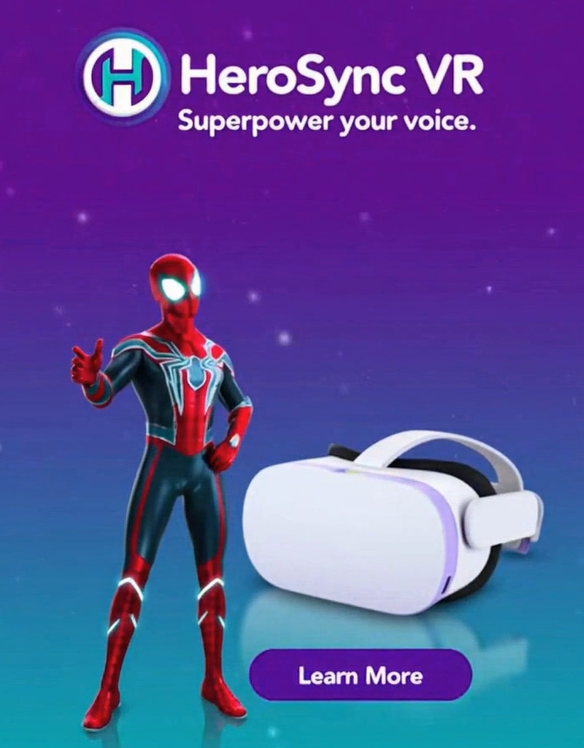
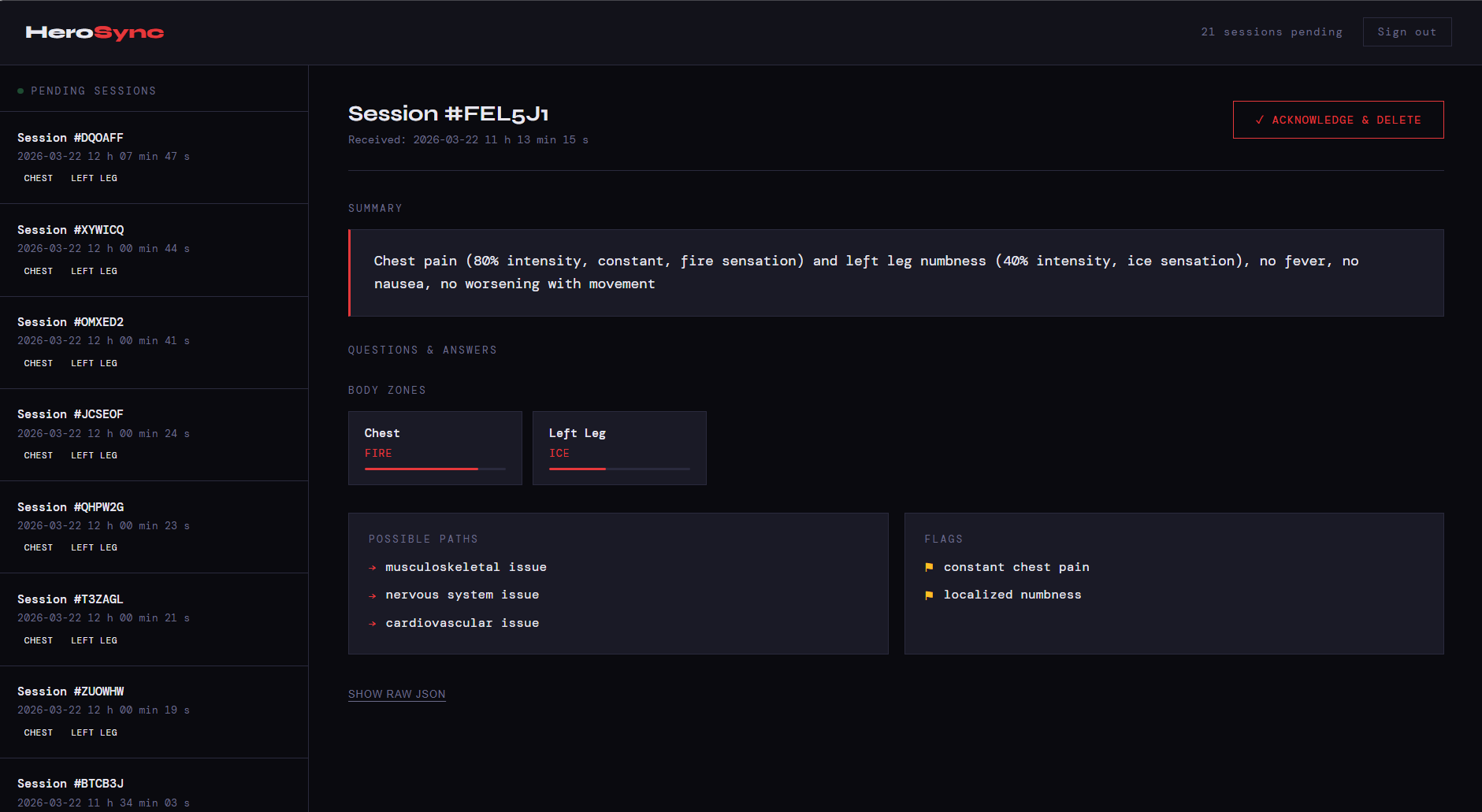
HeroSync VR is an immersive, storytelling VR experience that turns a stressful medical wait into an engaging superhero mission. The child teams up with a superhero who acts as an enthusiastic, caring guide. The hero tells the child that they aer linked and he feels the pain too but he doesn't know what or where it is. Instead of answering scary medical questions, the child communicates through play: Using color based system to show pain intensity, use drawing tools to paint directly on a mannequin to show where they hurt or feel "different" , and answer gentle yes/no questions made by AI to harvest context relevant data by shooting webs at floating signs. Behind the scenes, the app compiles these playful interactions into a simple, structured visual report for the doctor. After the doctor consults this report which compiled every question and answer and brings attention to flags he found in the conversation the report is deleted which preserves makes the data safe. It’s not a diagnostic tool, but rather a way to collect vital, rich data while keeping the child calm and engaged before the actual consultation.
How we built it
We built the VR experience in Unity, optimizing it for the Meta Quest headset so it can be easily deployed in clinical settings. The core mechanics were directly informed by evidence-based pediatric therapy. We idigitized the concept of artistic body-mapping, a proven clinical art therapy technique used to reveal somatic feelings. Our design builds directly upon proven tools and methodologies already being used in Quebec children’s hospitals, combining them with 2025 systematic research showing that VR storytelling significantly lowers fear and improves emotional sharing
Challenges we ran into
One of our biggest challenges was balancing the fun, gamified elements with the need for reliable clinical data. We had to ensure that painting on the superhero and shooting webs didn't just feel like a random game, but actually collected standardized, actionable information for healthcare providers. Additionally, designing an intuitive VR user interface for kids aged 6–12 required multiple iterations.
Accomplishments that we're proud of
We’re happy to have reached the stage of a functional prototype. This tool not only supports the patient's emotional well-being but also delivers high-quality visual reports to streamline clinical consultations.
What we learned
Building HeroSync VR taught us that indirect communication is a powerful tool in pediatric healthcare. By allowing kids to project their symptoms onto a superhero avatar rather than trying to articulate their own physical distress, they communicate much more accurately and with far less stress. We also learned that gamified mechanics provide a sense of agency that standard waiting room questionnaires simply cannot match. When children feel brave and involved, the quality of the information they share increases dramatically.
What's next for HeroSync VR
Our immediate next step is to pilot the Meta Quest app in real-world clinical settings, starting with pediatric clinics and children's hospitals in Quebec. We plan to expand our roster of superheroes to give kids more options to choose a character they connect with. Additionally, we want to refine the doctor's dashboard, working toward seamless integration into Electronic Health Records (EHR) so that the visual reports are automatically available to the physician the moment the child walks out of the waiting room and into the doctor's office.


Log in or sign up for Devpost to join the conversation.