-
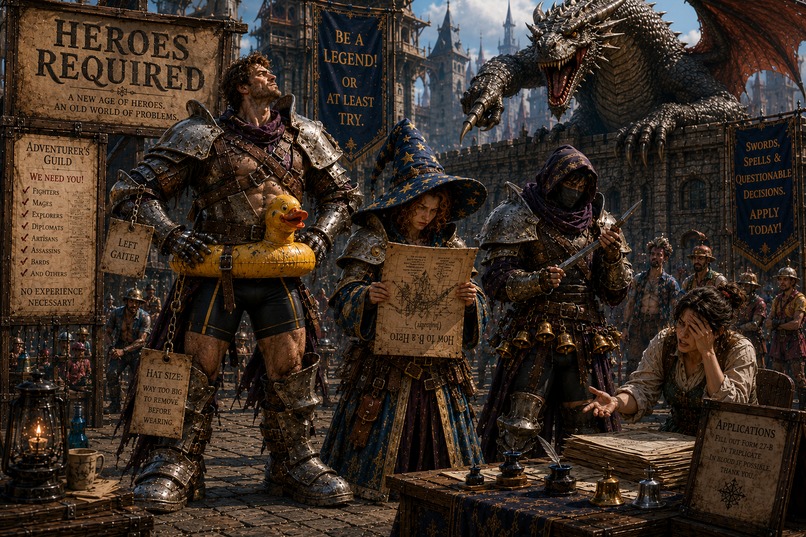
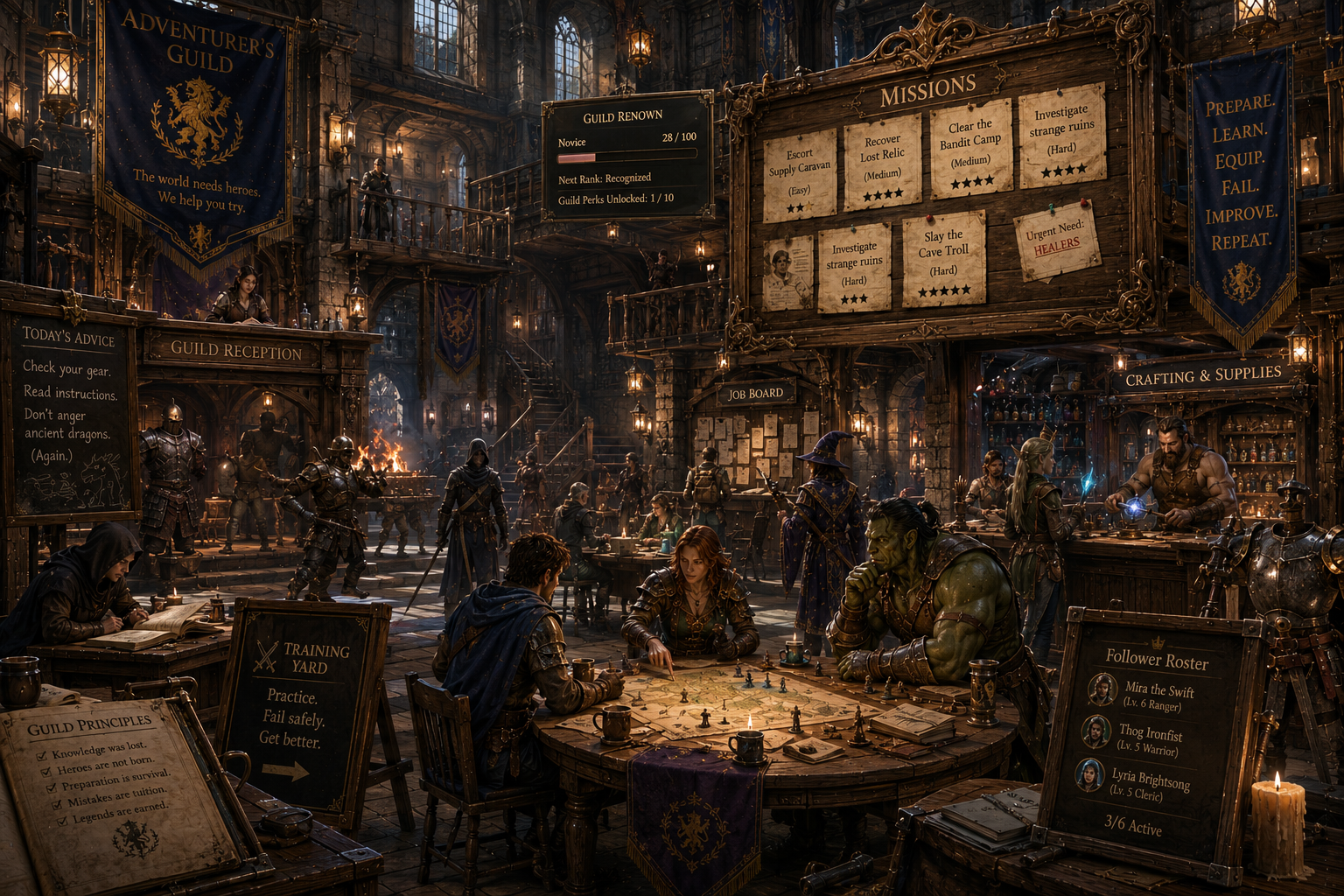
Hero Image - Untrained heroes need more than good intentions. They need proper staff to select a proper staff!
-
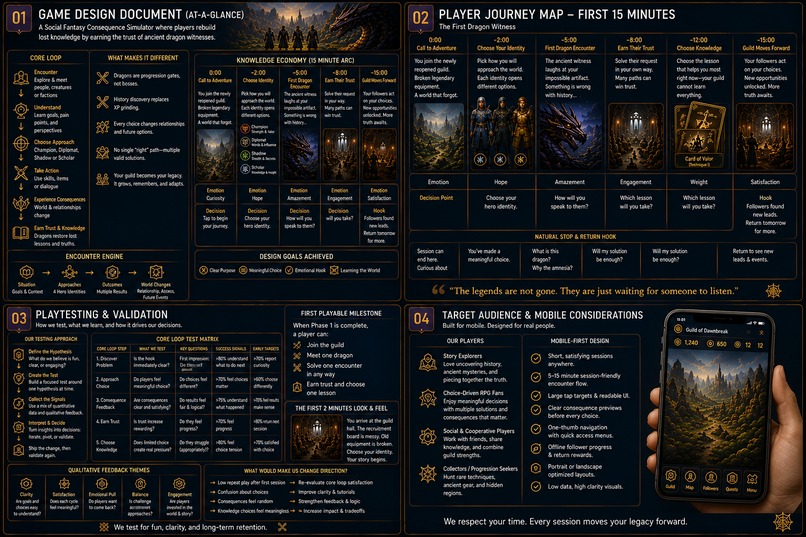
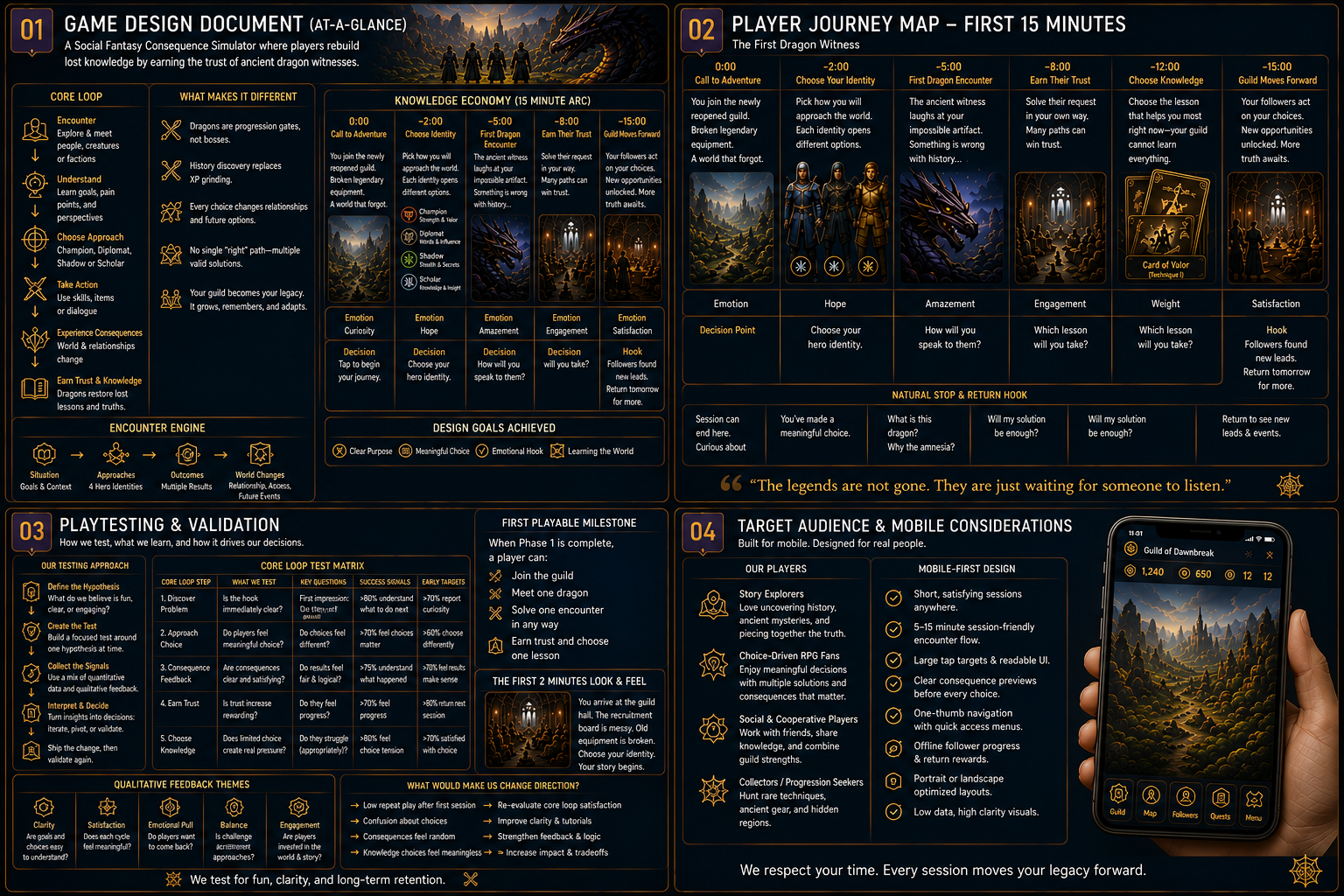
Game Design is built around flexibility. Choose a hero and hire vassals with desired abilities and develop a unique playstyle.
-
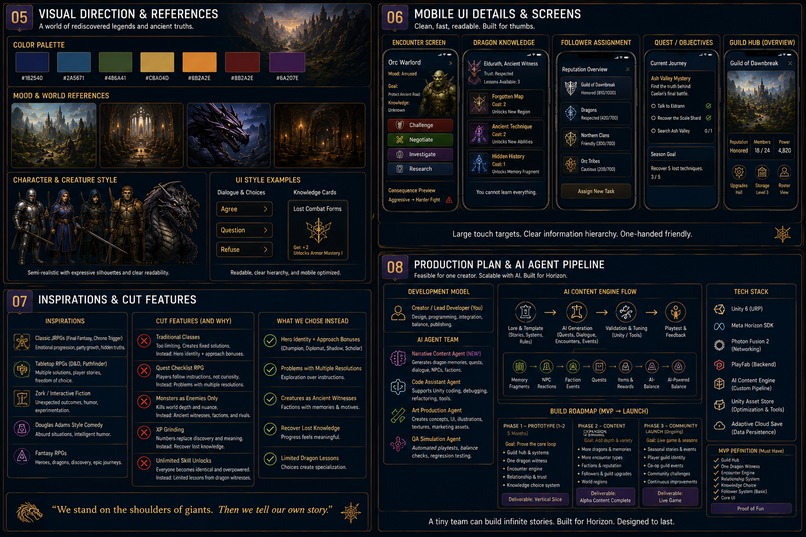
Game Design - Mobile friendly and continually evolving gameplay.
-
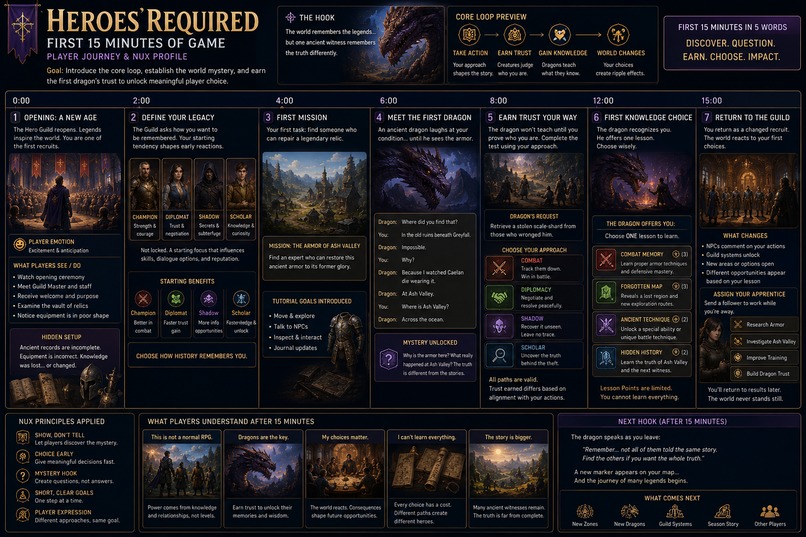
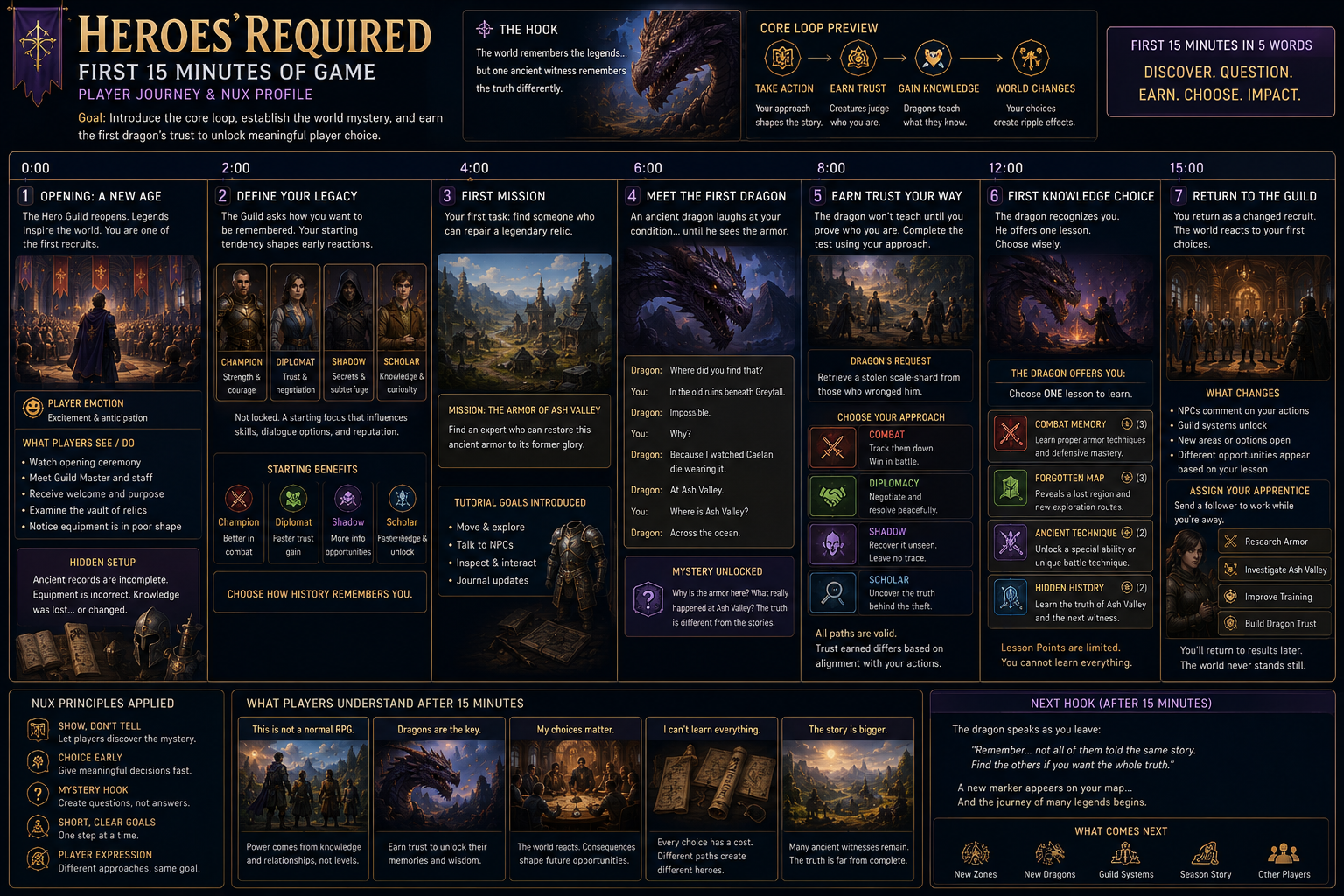
The first 15 minutes. Players are ready to conquer the world, but its the vassals that grease the wheels and make things happen.
-
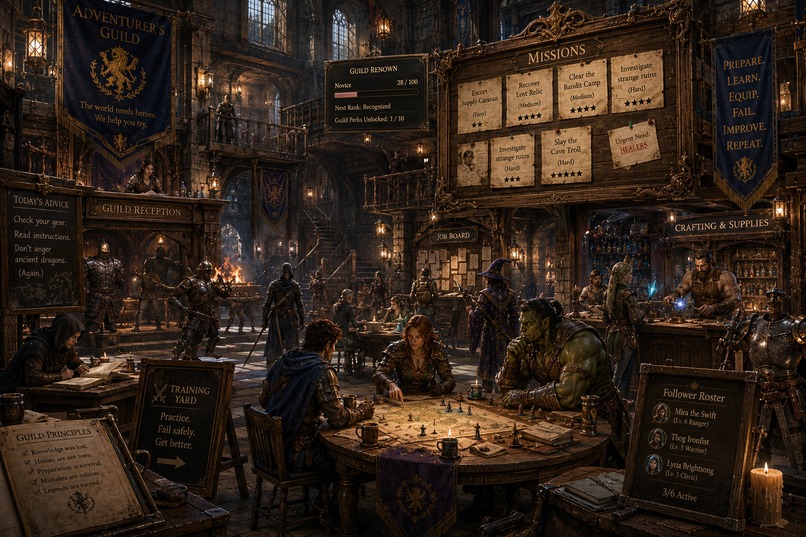
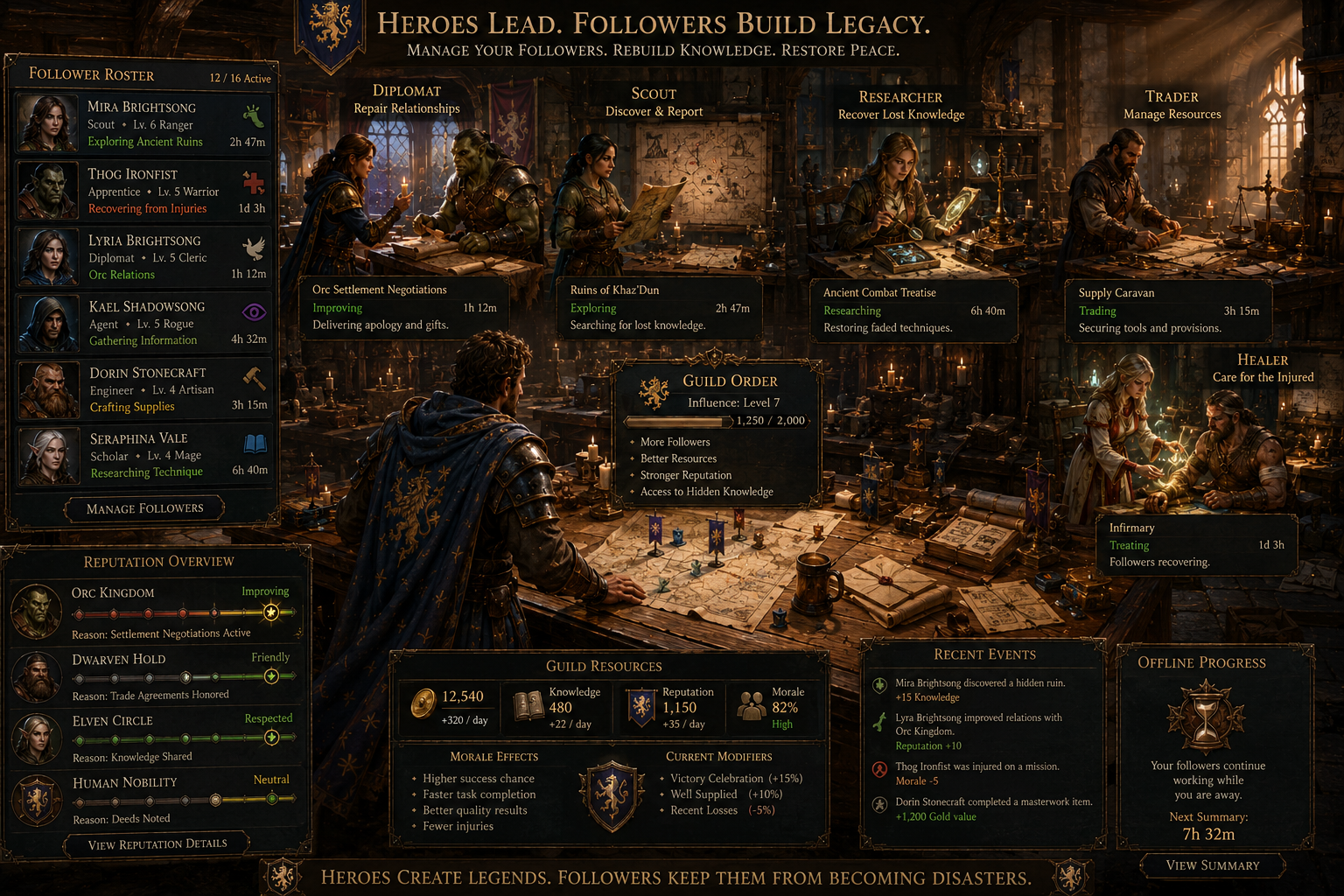
Guild Hall - Guild give players a social space to share strategies, select group or solo missions, and meet new vassals after missions.
-
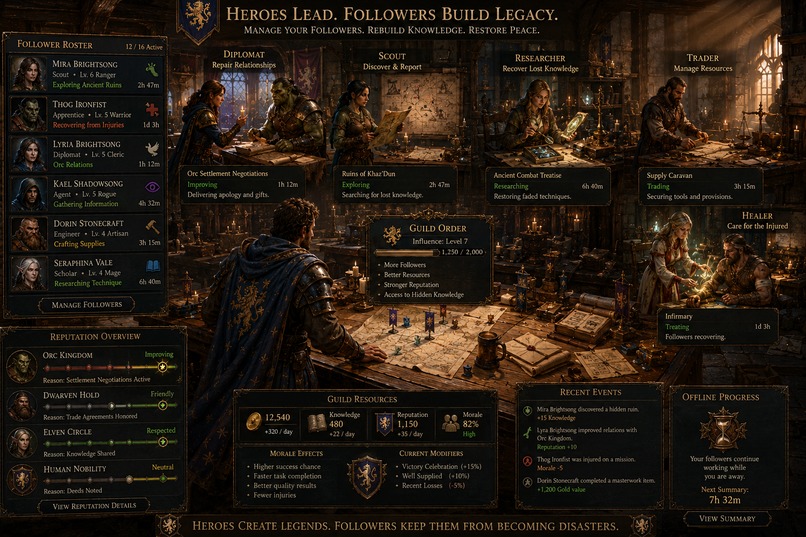
Vassal Management - Vassals do the heavy lifting and acquire resources, reputation, or knowledge and share it with their employer.
-
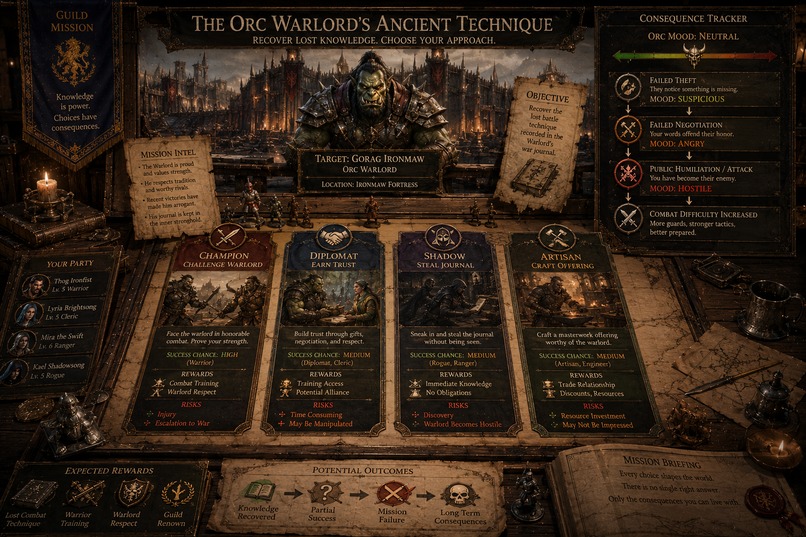
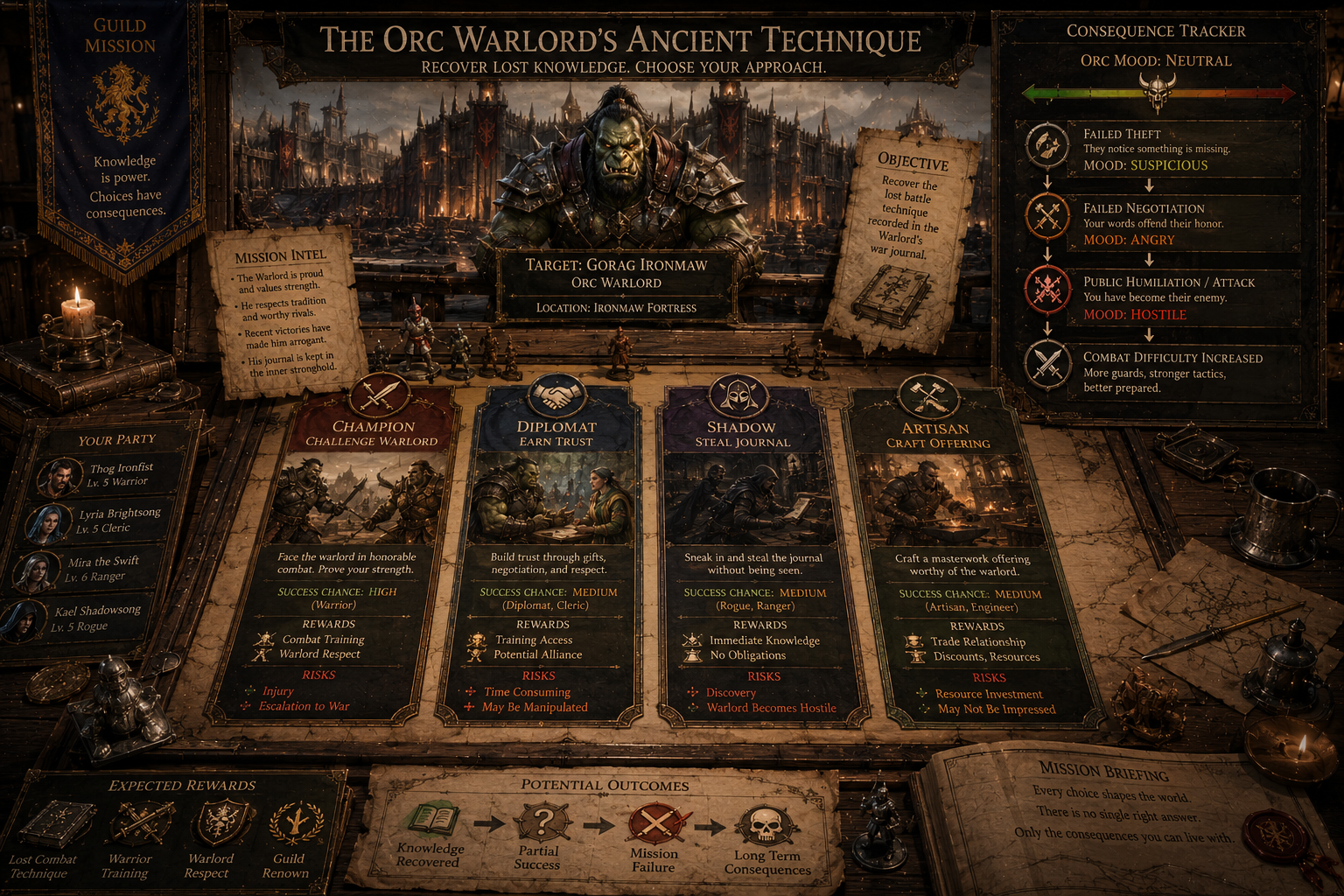
Guild Missions - Players unlock new locations and engage in encounters with high level foes. Fight, Negotiate, Steal, Trade - Choose Wisely
-
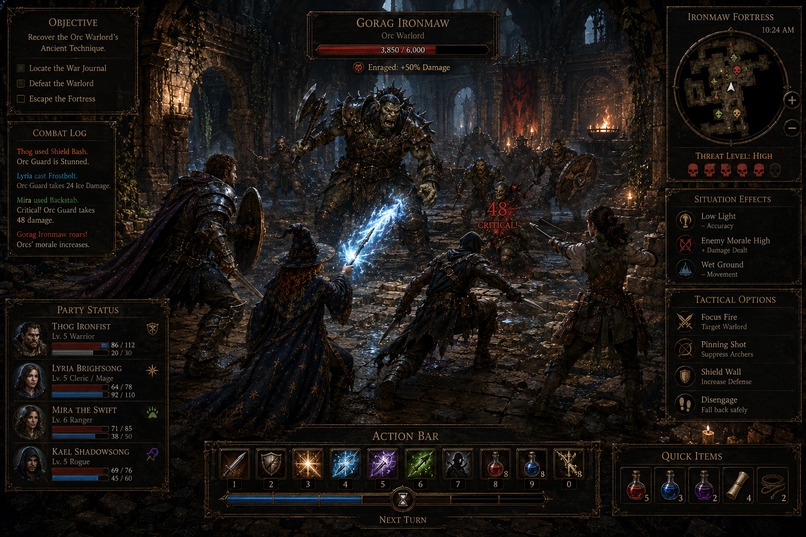
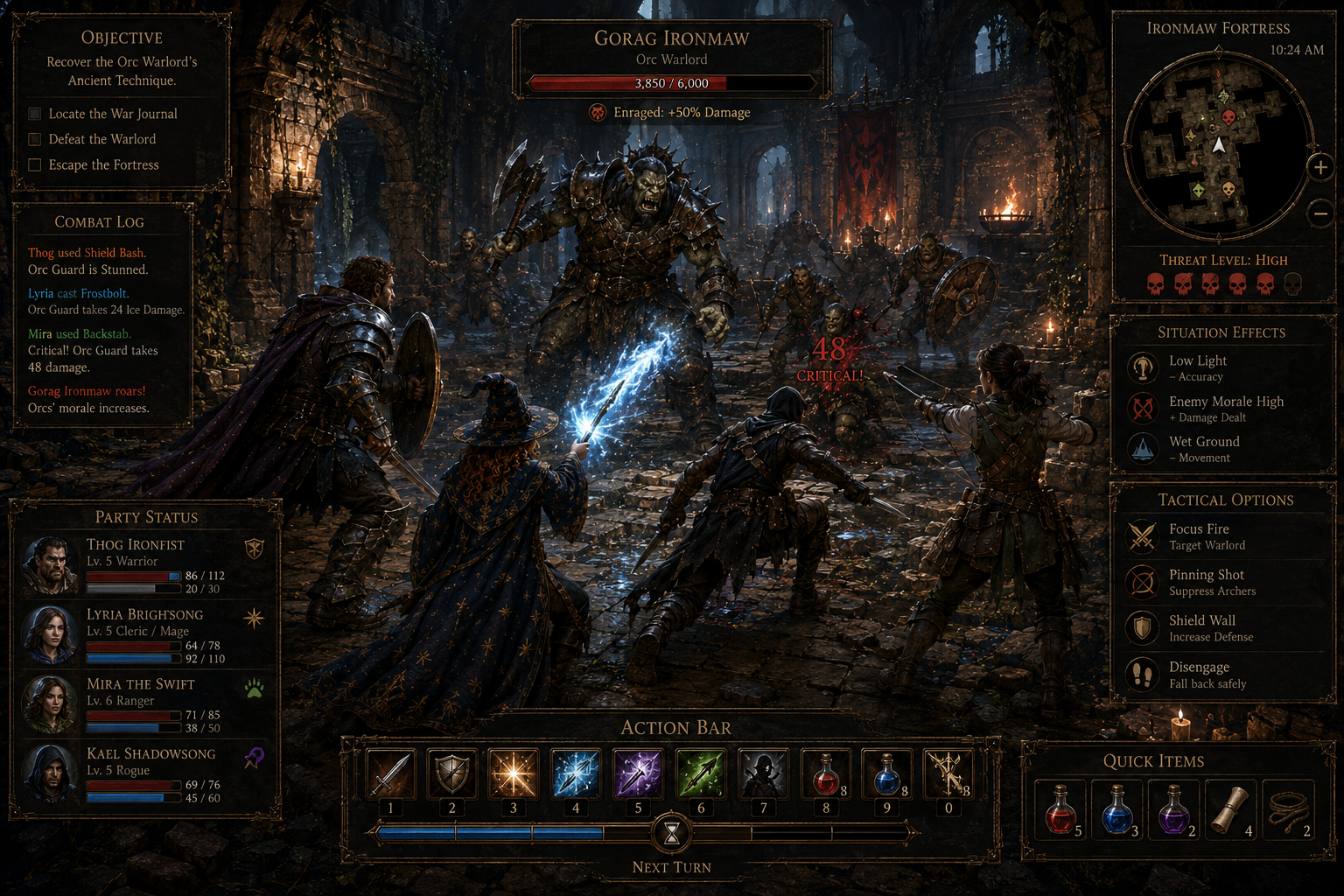
Boss Encounter - The party's configuration and vassals determine available actions.
-
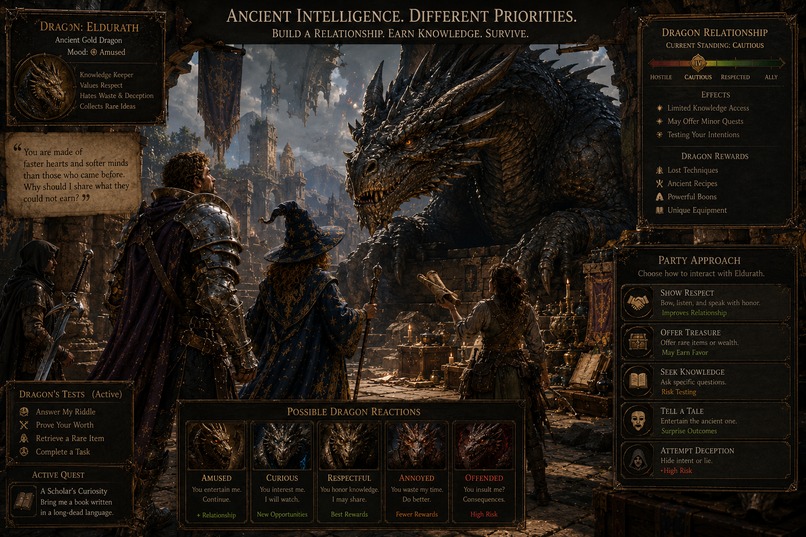
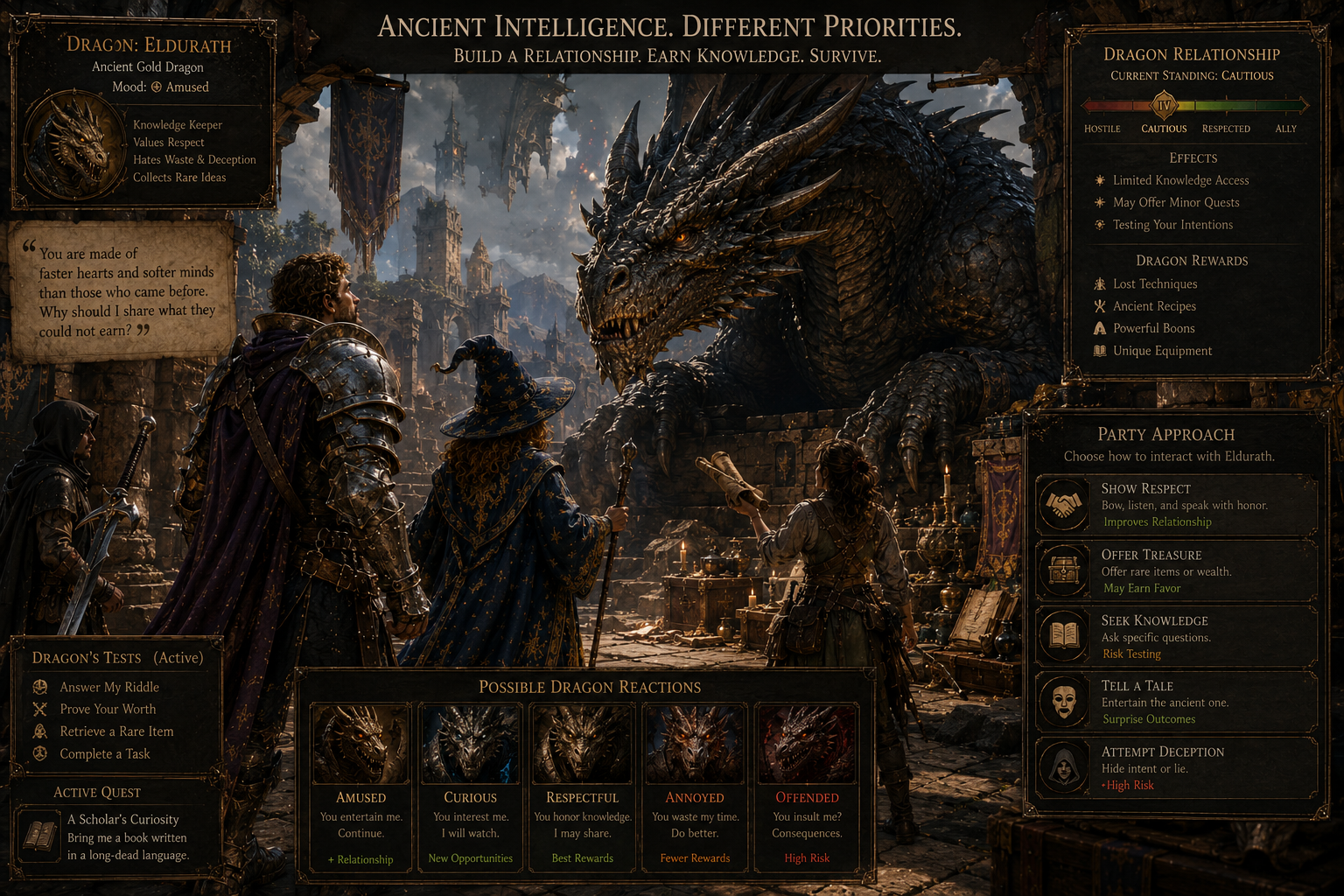
Dragon Encounter - A successful encounter advances the party, but a stalemate blocks advancement until a strategy is discovered.
-
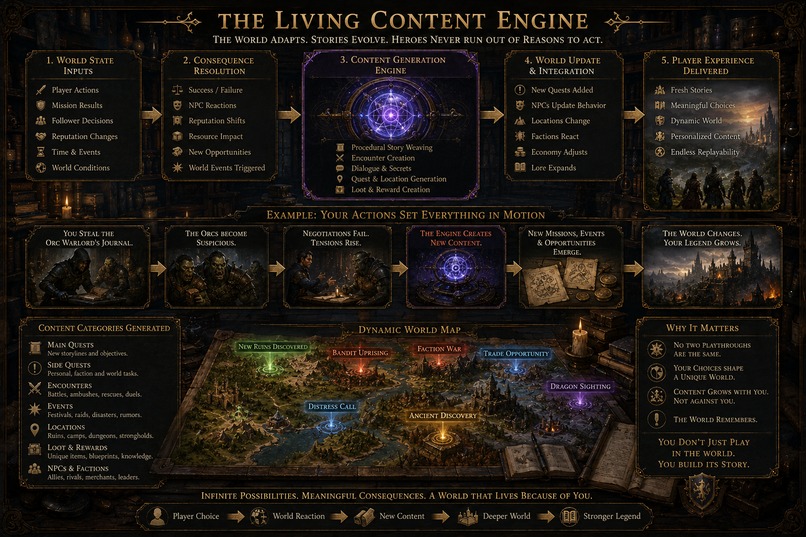
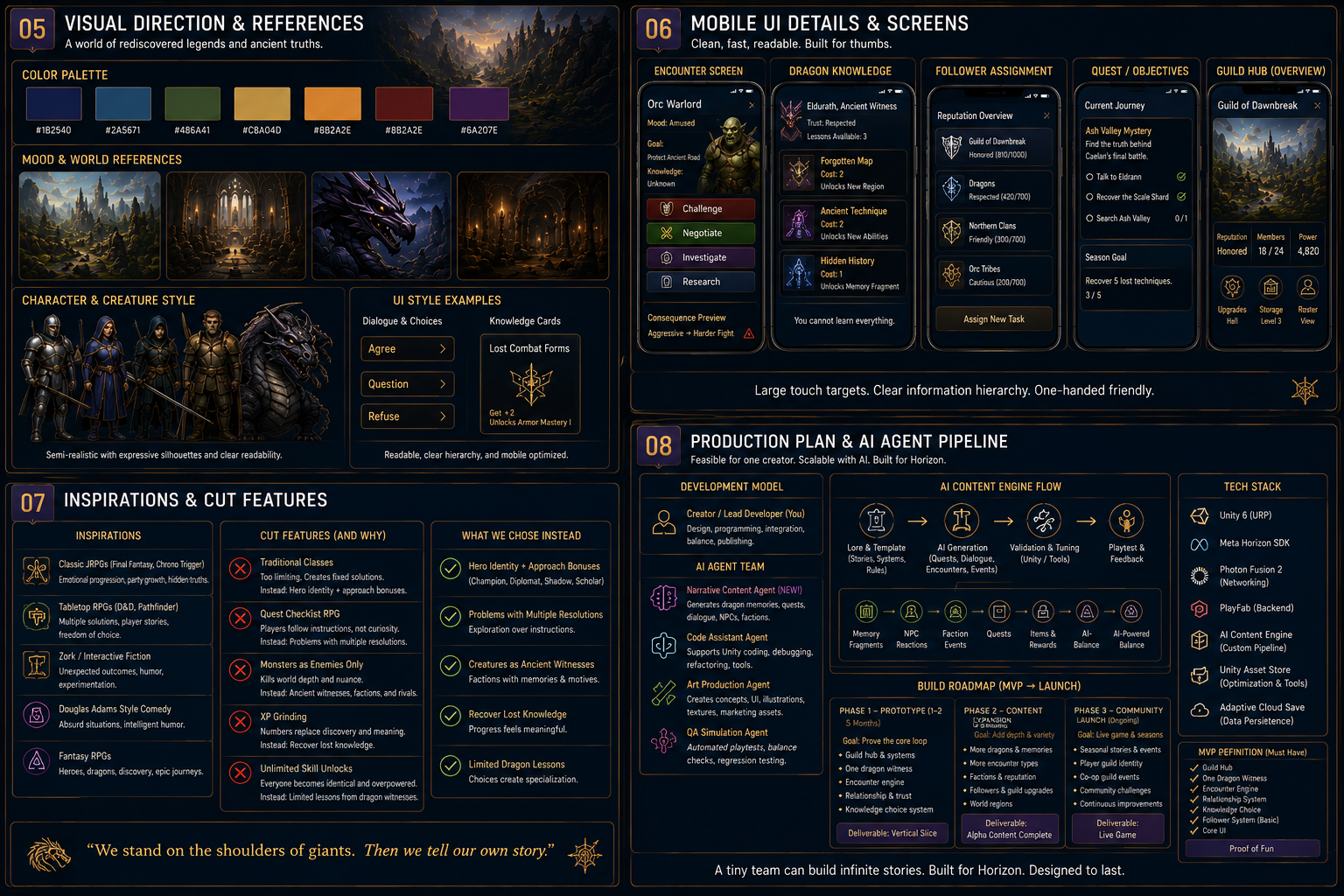
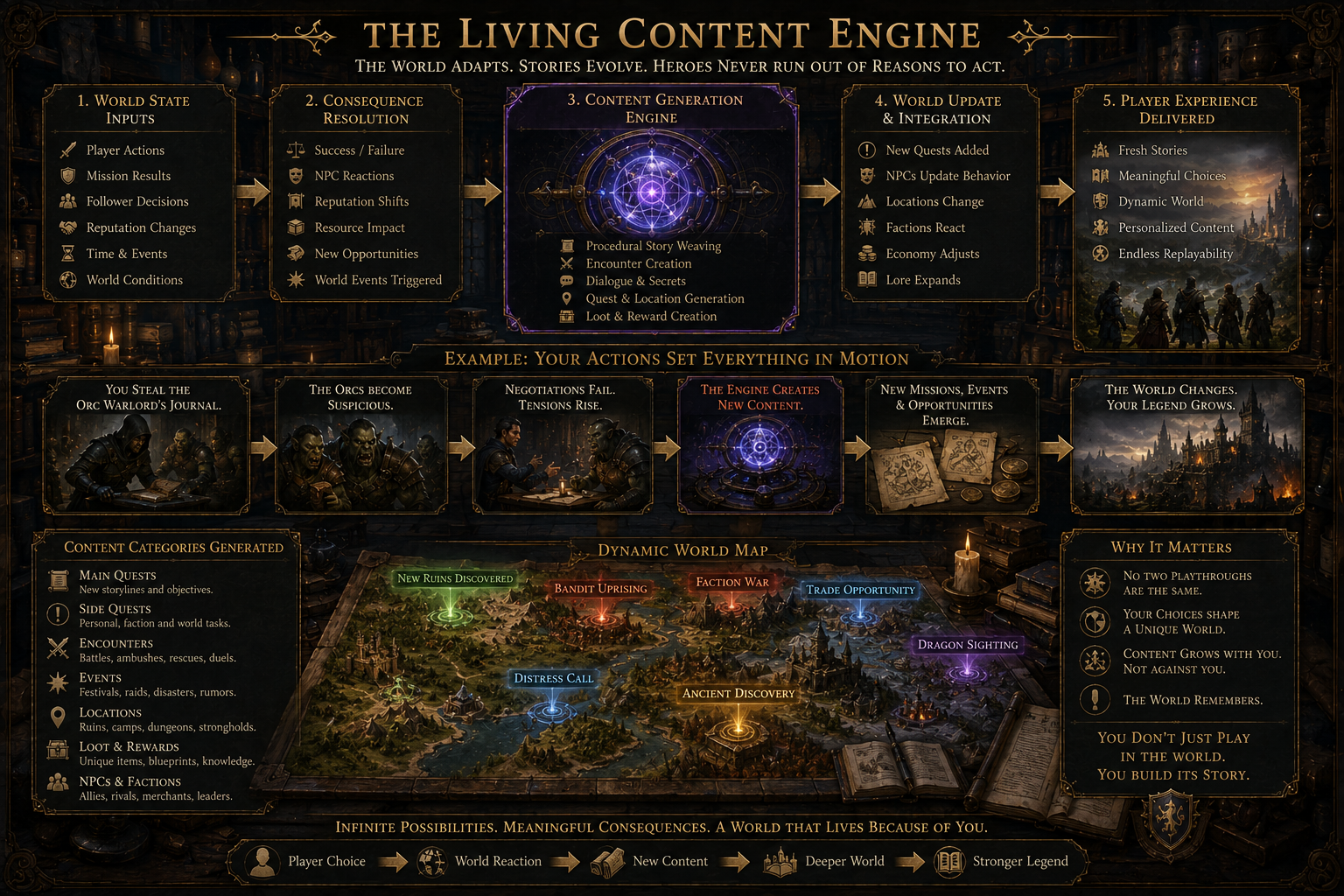
Content Engine - The gameplay experience and strategy changes as the sub-plots morph and evolve. Players use vassals to uncover new intel
-
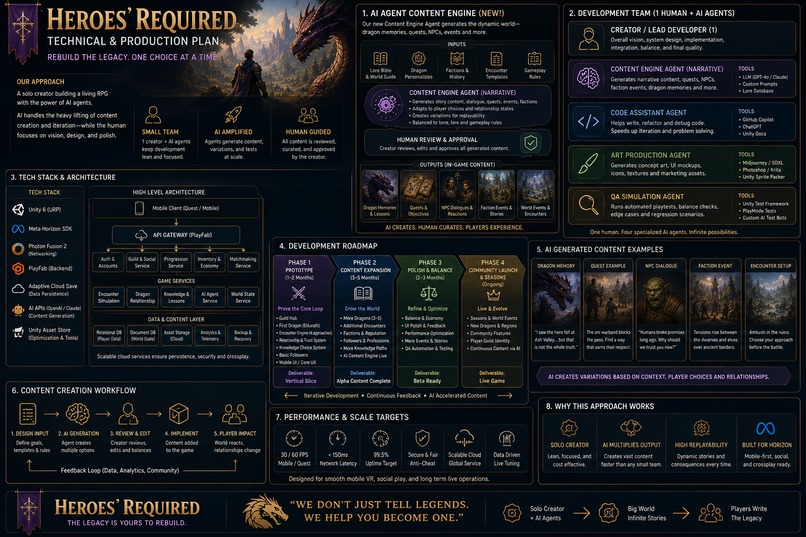
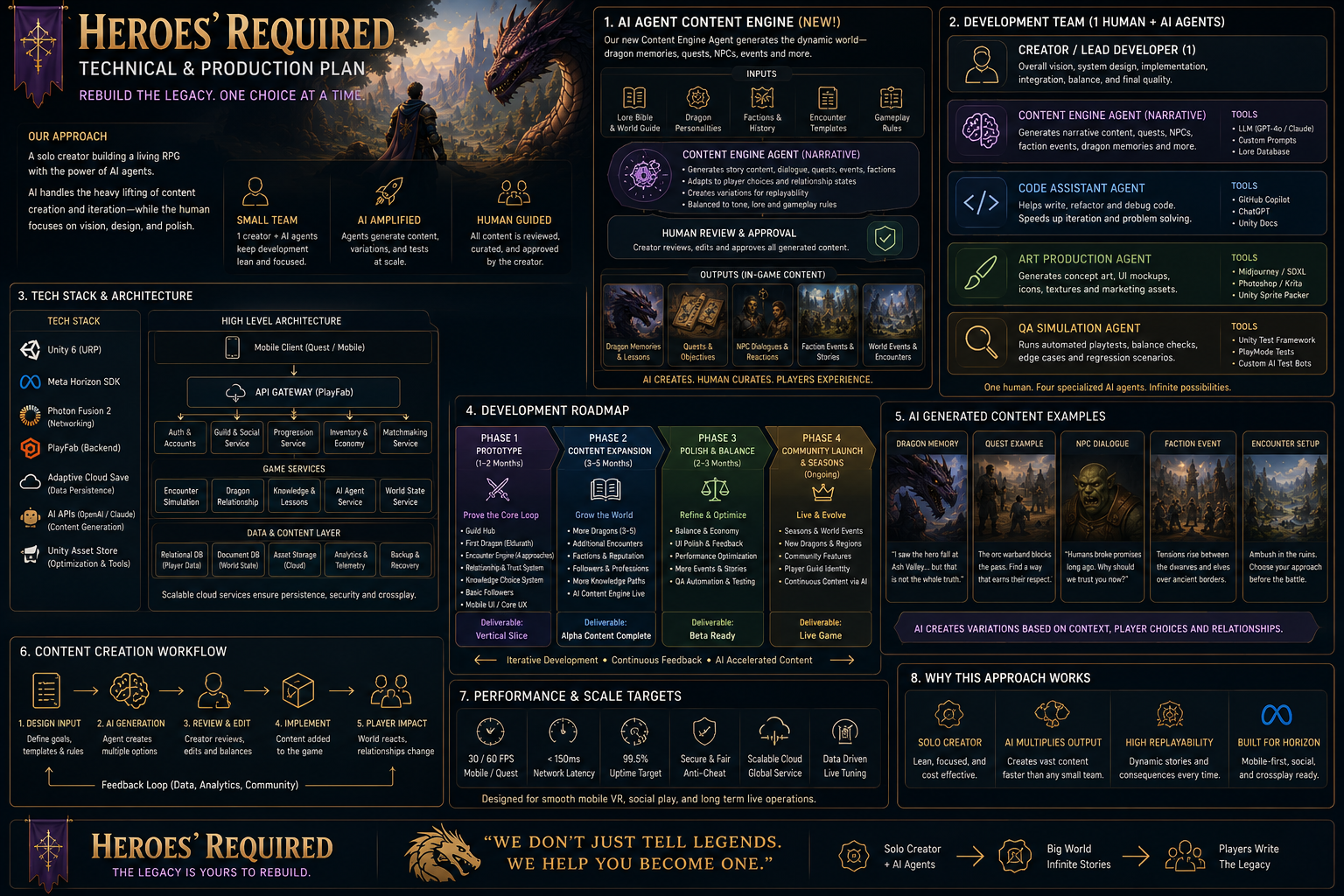
The production plan shows how the AI content generation tools, coding & MCP agents are integrated directly into the development pipeline.
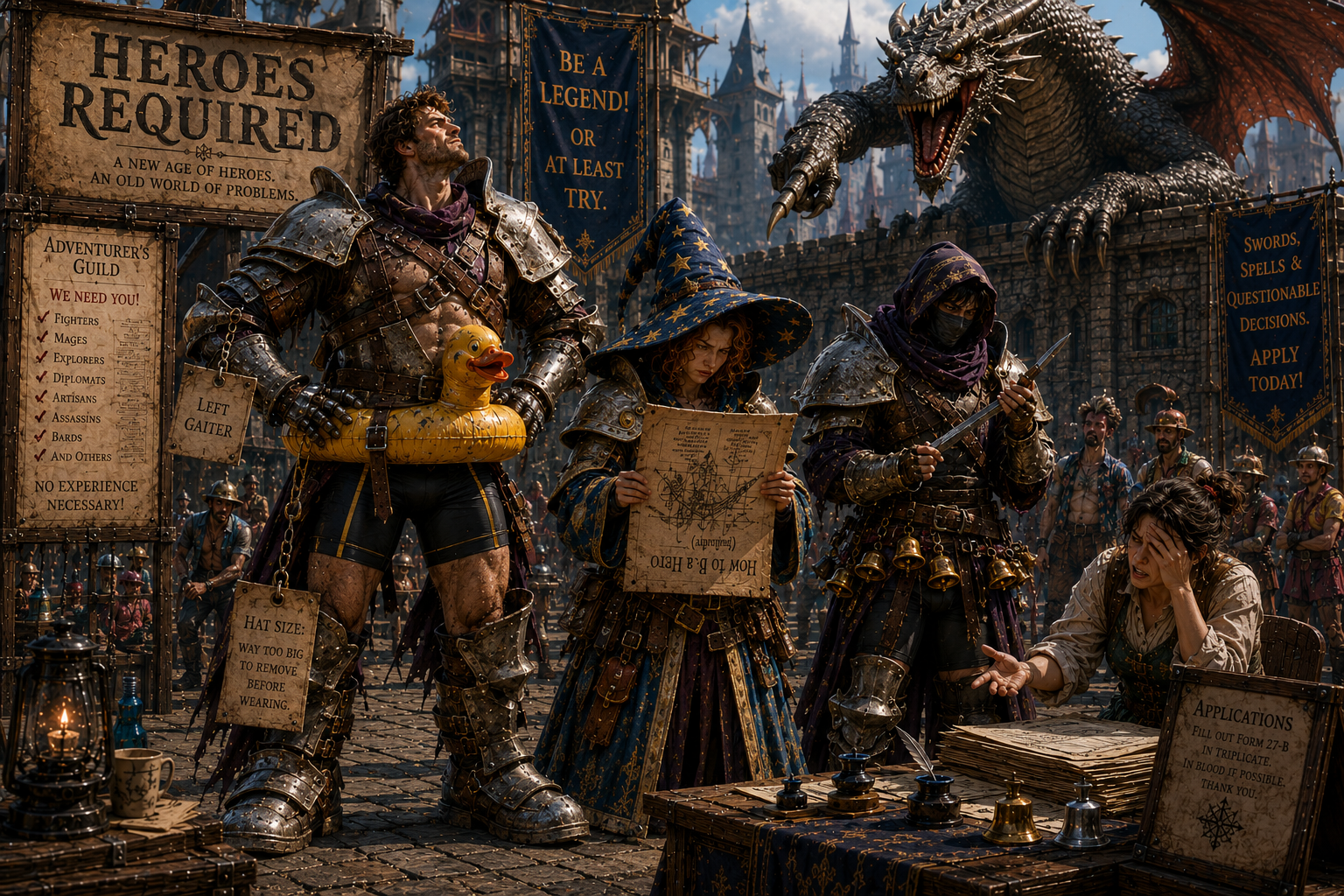
Heroes Required
Project Inspiration
The idea started with a simple observation: in every party-based fantasy game ever made, somebody organized the party. Somebody booked the inn, negotiated the mission contract, scouted to figure out what the dragon actually wanted before they knocked on the cave door. That person was never the hero. That person was never the player.
The deeper version of that observation came from Baldur's Gate. Not the story — the pattern underneath it. After enough playthroughs, the encounters stopped being encounters. They became known quantities. You could plan your party composition around a fight that hadn't happened yet, because you already knew exactly how it would unfold. The dragon would open from the left. The ambush would trigger at the doorway. The persuasion check would fail on a Tuesday just as reliably as it failed last time. The world remembered nothing. Only the player did. That asymmetry is what turned a great game into a checklist. Mastery collapsed into memorization the moment you had seen it twice.
That problem pointed toward a design question: what would it take to make the world accumulate knowledge too — to make it respond to the player's patterns the way a real opponent would? The answer the game arrived at was to lock the spine and flex the branches. The main narrative plot is fixed. The ending exists. The shape of the arc does not change. But every sub-plot in between — every contract, every faction grudge, every NPC relationship — is free to drift, compound, and resolve differently depending on what the player did last session and what they ignored. Those sub-plots don't run parallel to the main story; they weave back into it at fixed junction points, carrying whatever weight they've accumulated. The result is a game where repeat playthroughs are not easier — they are differently hard. You know where the story goes. You do not know what it will cost to get there this time.
Stardew Valley proved that warmth and systems are not opposites. The Adventure Zone proved that absurdist sincerity lands harder than irony. Dungeons & Dragons Online proved that hired NPCs become characters the moment they have a personality. Those three things together suggested the setting: guild management, not dungeon crawling. The business behind the adventure. The people the hero never mentions in the bard's song.
The design locked in when we asked what happens if the NPC the player spent three sessions befriending changes their mind — silently, without announcement, on a schedule only the world knows. Suddenly the game had a retention engine that was not a grind. It was curiosity. Why did that stop working? That question is the whole game.
Built With
- adobe-firefly
- blender
- blender-mcp
- c#
- cascadeur
- chatgpt
- claude
- claude-cowork
- claude-skills
- codex
- meta-horizon-api
- photoshop
- qodo
- unity
- unity-ai
- unity-mcp
- visual-studio
- windsurf


Log in or sign up for Devpost to join the conversation.