Inspiration
Our starting point was wanting to build the experience of becoming a hero. But not just any hero. Japanese anime and manga have a genre nicknamed "Ore TUEEEE(俺TUEEEE)" ("I'm so strong"), mass-produced stories in which the protagonist is the strongest being around, is showered with praise by the other characters, turns out to have hidden skills, and overcomes every obstacle with suspicious ease. It is often mocked as something middle schoolers love to read. But we thought that if you could live one of those shamelessly convenient, delusional power fantasies yourself in VR, it would simply feel great.
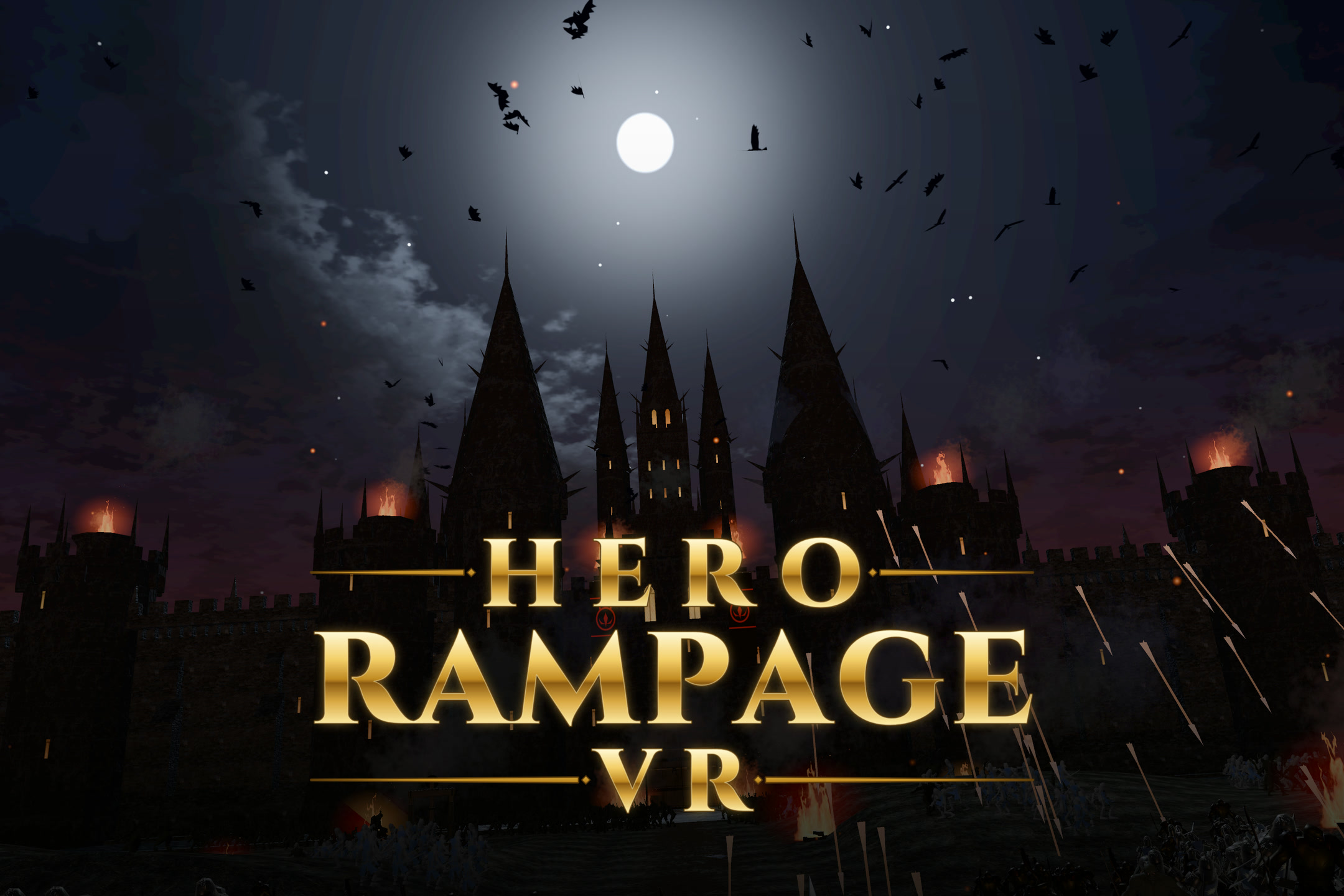
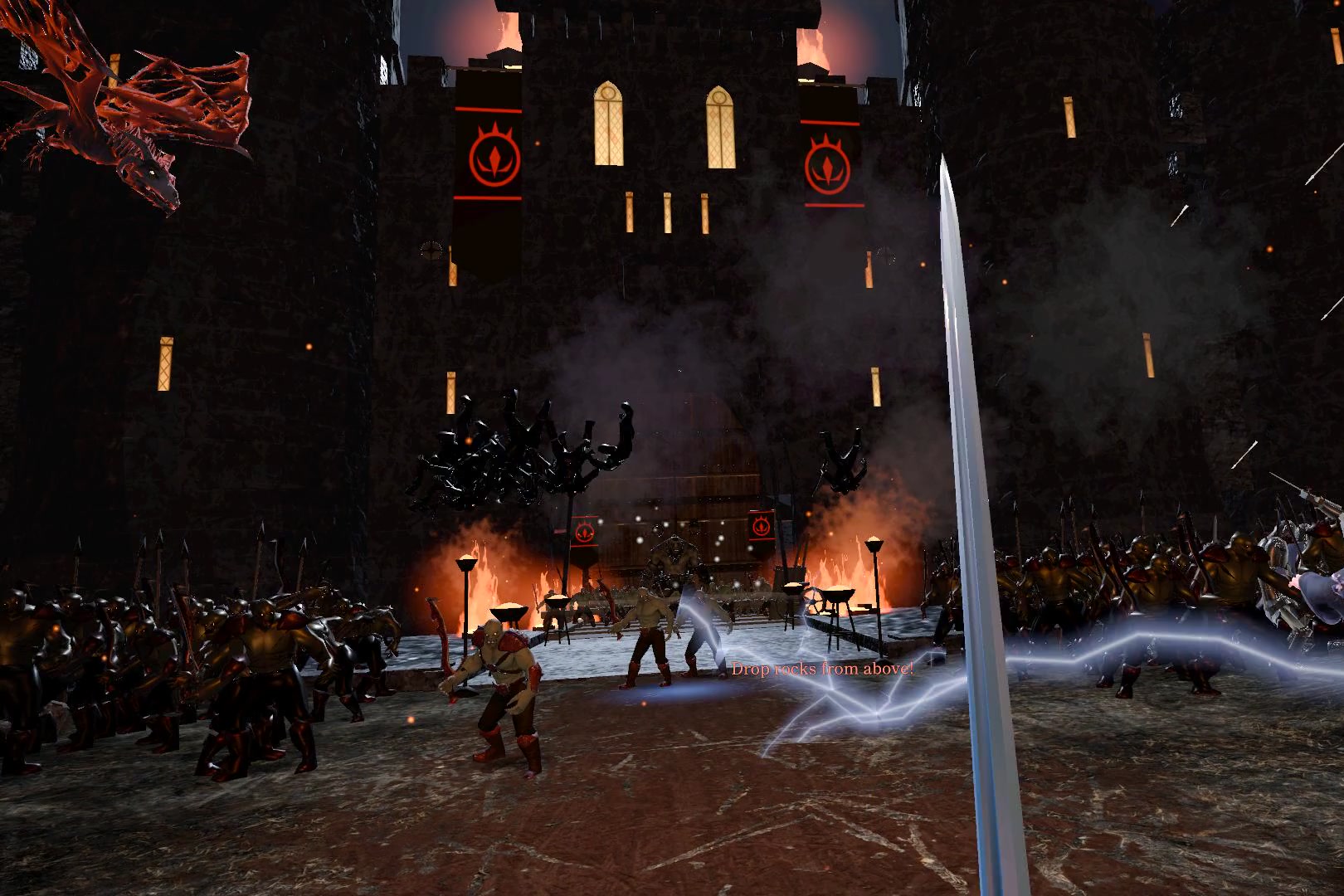
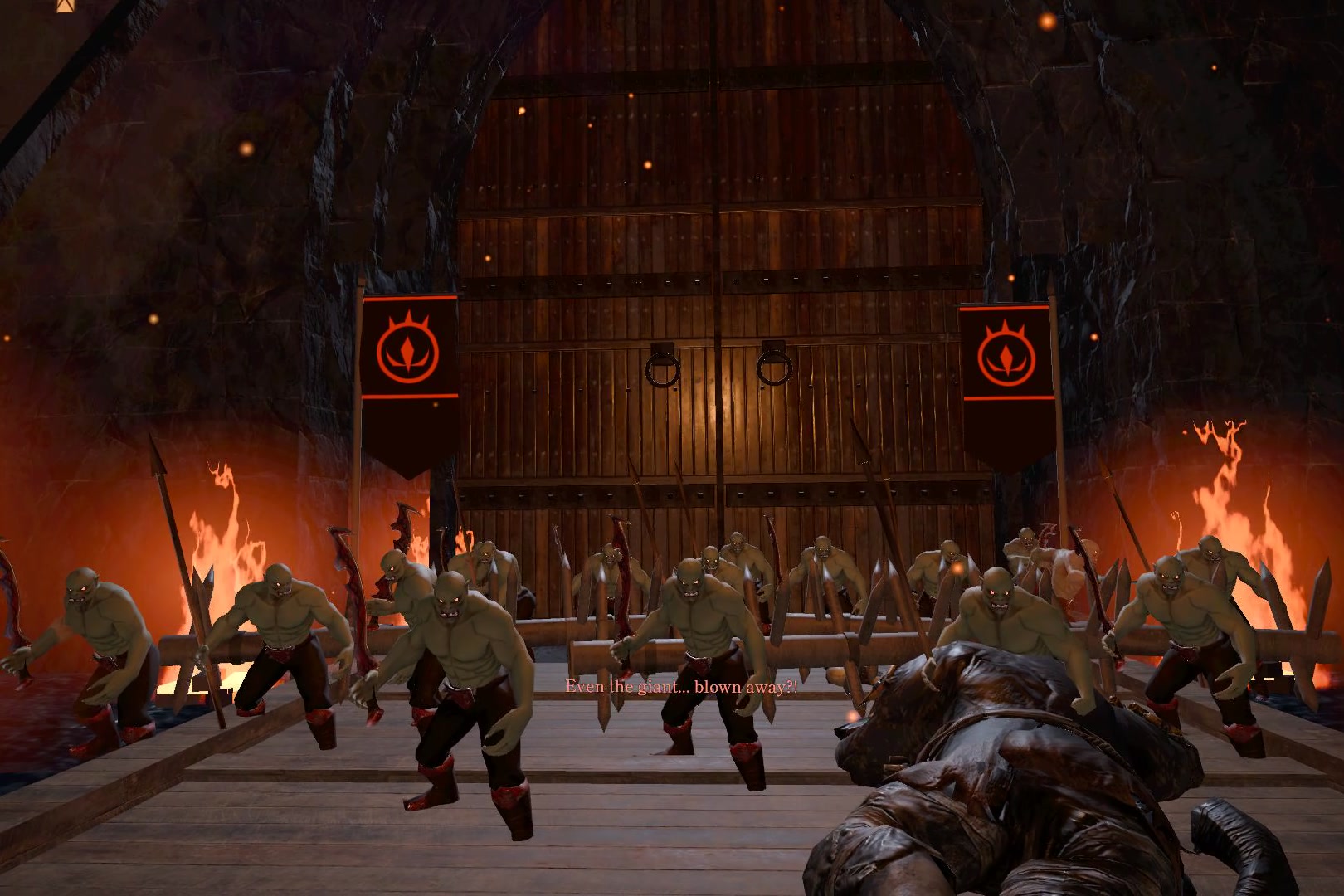
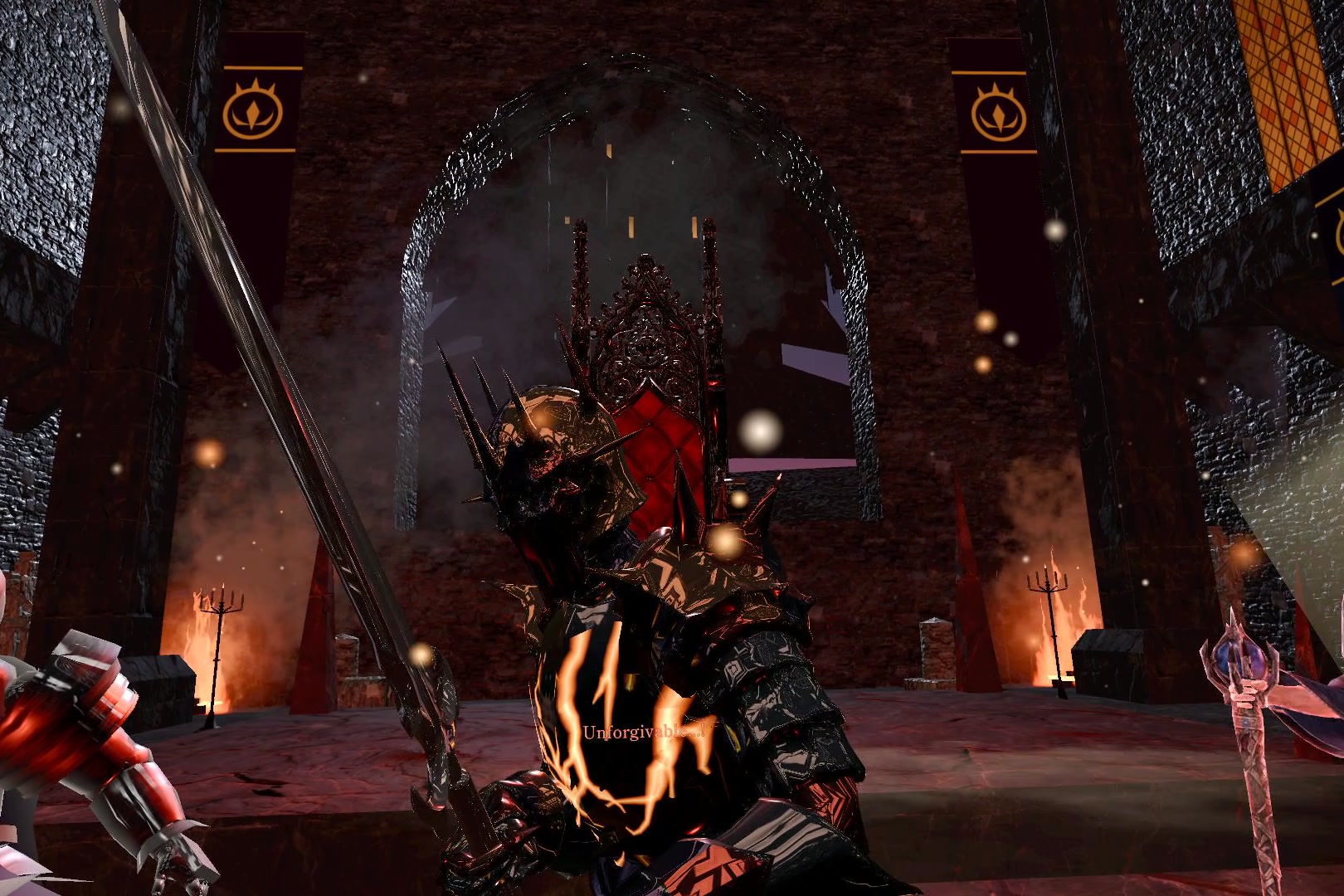
In "Hero Rampage VR", currently a prototype, you become a legendary warrior who turns a routed army's battle around with only a few companions. Starting far outside the enemy castle, you cut through a chaotic battlefield and push on to the throne room without stopping. Allies behind you shout "Follow him!", and enemies panic at the sight of you, so that you feel you really are a legend. Letting people experience what they cannot in reality is EXACTLY WHAT VIRTUAL REALITY IS FOR.
We had long wanted to make an experience like this, but for a small team (our company has only two developer) the problem of producing assets such as 3D models and voices kept us from starting. Now we have AI. We began planning and building this project on November, 2026, and brought it to its current level in just three days. When we showed the demo it was very well received, and people asked us to turn it into a full app. Actually, this experience has been alreadly awarded "XR Kaigi Award 2026" of Japanese largest XR conference "XR Kaigi". Traditionally the next step would be to expand the current experience and add more stages. But in the age of AI, we think it may be possible to build an app that holds dozens of power fantasies across different eras and themes: a passenger who prevents an airliner crash, the fastest gunslinger, the most powerful psychic, a surgeon who operates on the president while the world's media watch, the captain of a space battleship who saves humanity. We just want to feel great in all kinds of situations. It's VR that makes dreams come true, for kids and for grown-ups who are still kids at heart.
What it does
Currently it is a roughly four-minute experience played with your hands alone. It runs standalone on Meta Quest, with no controllers. You play standing in one spot, without walking around.
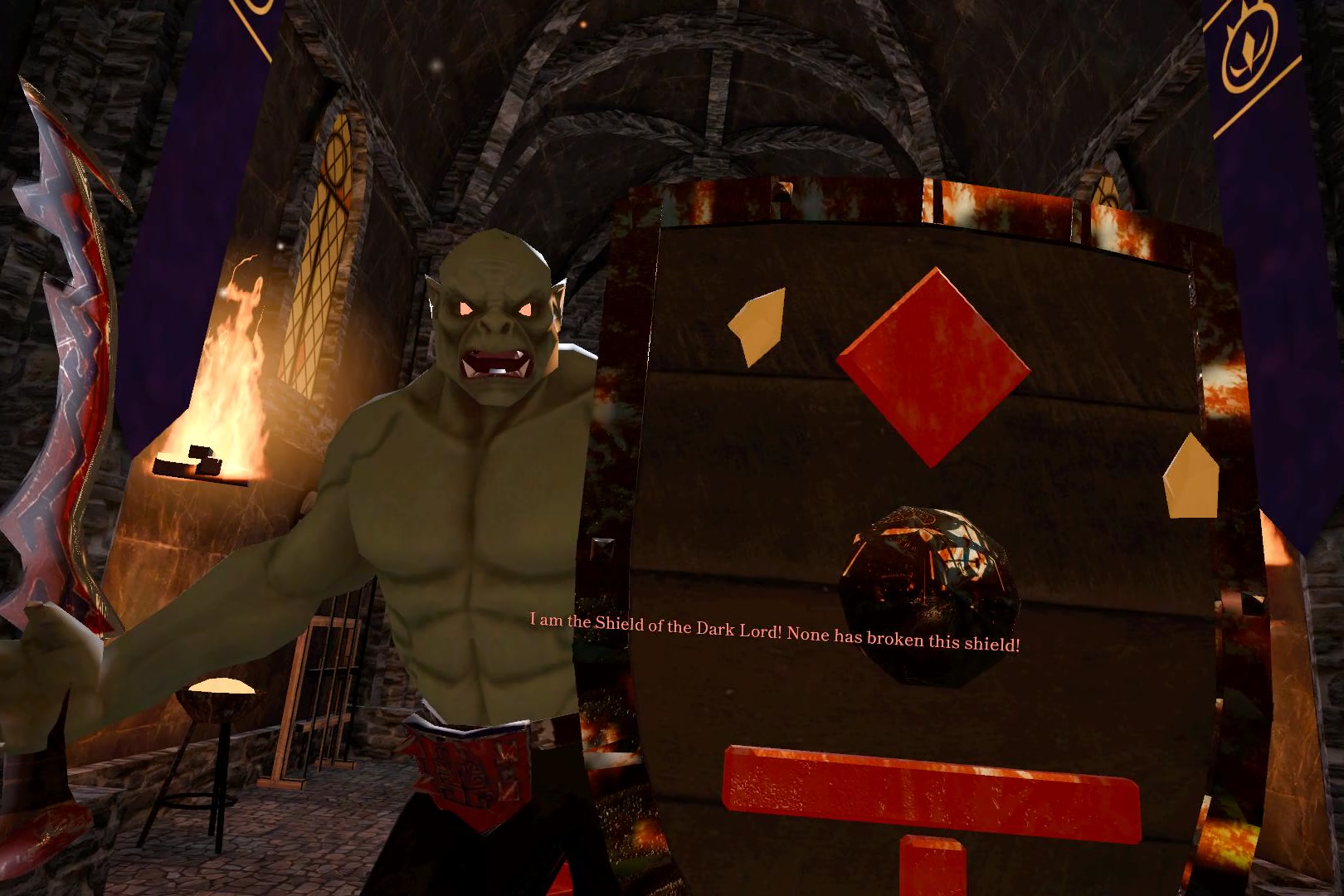
The current prototype begins when you take the sword planted in the ground in front of you. Once you start walking, you never stop. To save your losing allies, you and your companions break through the battlefield, storm the enemy castle and head straight for the throne room. Your sword breaks along the way, but you carry on regardless and send enemies flying with your fists. The sword you happen to pick up turns out to be a legendary one, and you blow away a mid-boss who calls himself invincible in three seconds. Every convention of the genre is played completely straight. When we showed it at a demo event in Akihabara, Tokyo, many people swung their arms happily while heckling it: "No way!" "Why is a legendary sword just lying there!?" That day 75 people tried it, all with hand tracking.
The footages at the event: https://x.com/korinVR/status/2117463353480397286 https://x.com/korinVR/status/2117515116732395834
How we built it
We use the Godot engine. Thanks to optimization by coding agents, the game holds almost 72 fps on Meta Quest 3 even in the opening battlefield scene, which still has plenty of room for improvement. Spatial audio uses HRTF from Steam Audio.
The 3D models are assets purchased on Epic Games' Fab and optimized with Blender scripts, plus models we made ourselves. The large number of voice lines were made with Gemini 3.8 TTS. Sound effects come from ElevenLabs and the Sonniss GDC Game Audio Bundle, and the music is "Fukumaden" by K'z Art Storage (OpenTracks). We started on November 1, 2026, went through about seven iterations from a gray box that same day, brought in the assets, and finally tuned the lines and the timing of enemy appearances by hand. On November 3 we showed it to the public at a VR demo event in Akihabara.
Challenges we ran into
In the early iterations it was a truly boring experience of brushing away whatever enemy came straight at you. Varying the direction and timing of events, so that a first-time player understands at once and still does not get bored, took fine tuning that prompts alone could not do. Natural language does not have enough resolution to polish the last stretch of an experience, and we learned that once you reach that stage you should switch to a different way of working.
Accomplishments that we're proud of
We proved that a VR experience with this much content can be built in a short time. We plan to extend it to many other situations and mass-produce stages.
What we learned
This was our first asset rich VR app built with Godot. As we add situations, the amount of assets will easily reach what a mid-sized or larger team would produce, and we expect to quickly arrive at a VR game of a development scale never before built with Godot. We have opportunities to talk with people at the Godot Foundation, and we think what we learn here might be fed back into the Godot engine itself.
What's next for Hero Rampage VR
We will work on meeting the Meta Horizon Store review requirements for release, and choose the themes for the other power fantasies. Our target for launch on the Meta Horizon Store is spring 2027, around the release of Meta VR Glasses.
Built With
- godot

