-
https://drive.google.com/file/d/1HnFfGJMM5dxxacodjs4G0LZfK9Z9N_hu/view?usp=sharing
About the Project
Inspiration
Augmented Reality has the potential to revolutionize education, training, tourism, and cultural heritage, yet creating AR applications still requires programming expertise and specialized development tools. We wanted to bridge this gap by making AR creation accessible to everyone. Inspired by the idea of democratizing immersive technology, we built HERA—a no-code platform that enables educators, museum curators, trainers, and content creators to design and publish interactive AR experiences without writing code.
What it does
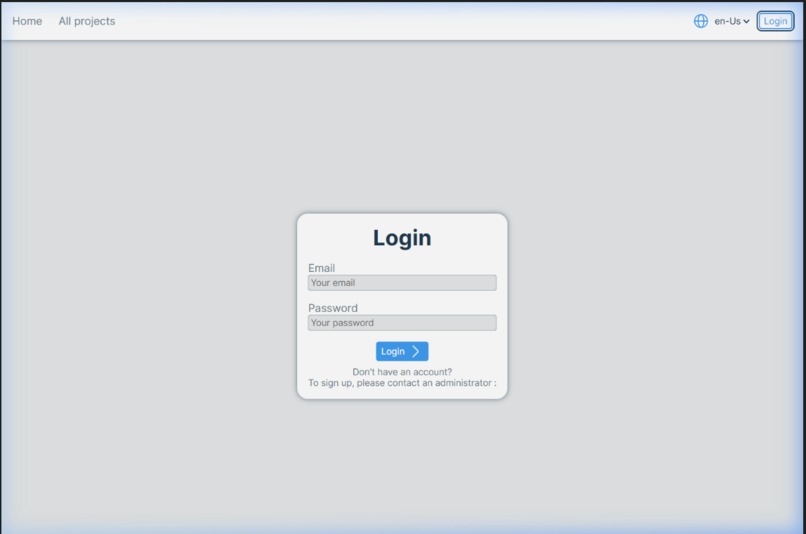
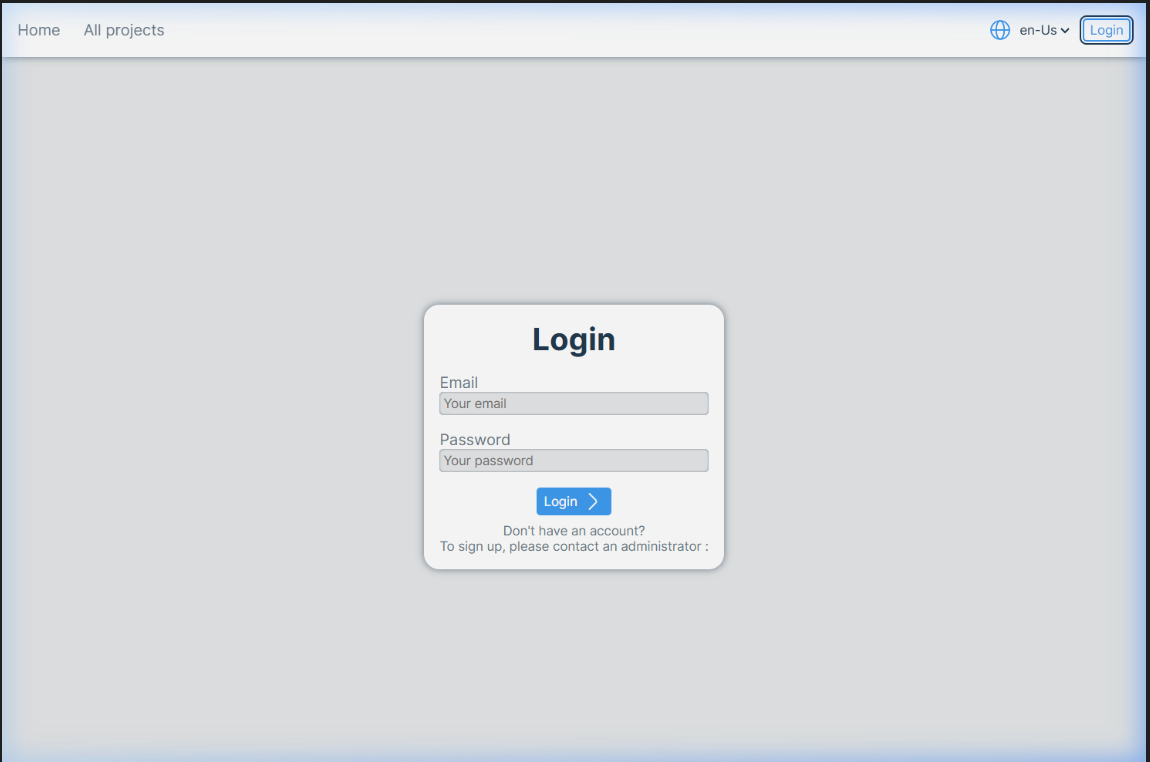
HERA is an open-source, browser-based WebXR platform that allows users to create, manage, and publish immersive AR experiences through an intuitive visual editor. Users can upload 3D models, position virtual objects, add multimedia content, and deploy interactive experiences that run directly in supported web browsers. The platform consists of a visual editor, a backend for project and asset management, and a WebXR viewer for rendering AR content.
How we built it
We built HERA using a modern web technology stack. The frontend was developed with Vue.js for the visual editor and user interface, while Three.js and WebXR power the immersive AR viewer. The backend was built with Node.js, Express.js, and Sequelize, with SQLite used for data storage. The system follows a modular architecture that separates content creation, backend services, and AR visualization, making it scalable and easy to extend.
Challenges we ran into
One of the biggest challenges was ensuring seamless communication between the editor, backend, and WebXR viewer. Managing 3D assets efficiently while maintaining smooth browser performance required optimization. We also faced compatibility issues across browsers and devices, as WebXR support varies significantly. Designing a user-friendly interface that simplifies AR creation without sacrificing flexibility was another major challenge.
Accomplishments that we're proud of
- Built a fully browser-based AR platform with no-code content creation.
- Eliminated the need for Unity or native mobile applications.
- Created a scalable architecture with separate editor, backend, and viewer components.
- Made immersive AR experiences accessible to non-technical users.
- Demonstrated how open web technologies can power real-world AR applications.
What we learned
Through this project, we gained hands-on experience with WebXR, Three.js, browser-based 3D rendering, REST APIs, and scalable web application architecture. We also learned the importance of user-centered design, performance optimization for immersive experiences, and creating intuitive workflows for users with little or no technical background.
What's next for HERA
Our next goal is to transform HERA into an AI-powered AR authoring platform. We plan to integrate generative AI for automatic scene creation, voice-based editing, AI-generated 3D assets, and collaborative real-time editing. Future versions will also include image recognition, object tracking, analytics, cloud deployment, and multi-user AR experiences, enabling educators, trainers, businesses, and creators to build intelligent immersive applications faster than ever.

Log in or sign up for Devpost to join the conversation.