-
-
1
-
2
-
3
-
4
-
5
-
6
-
7
-
8
-
9
-
10
-
11
-
12
-
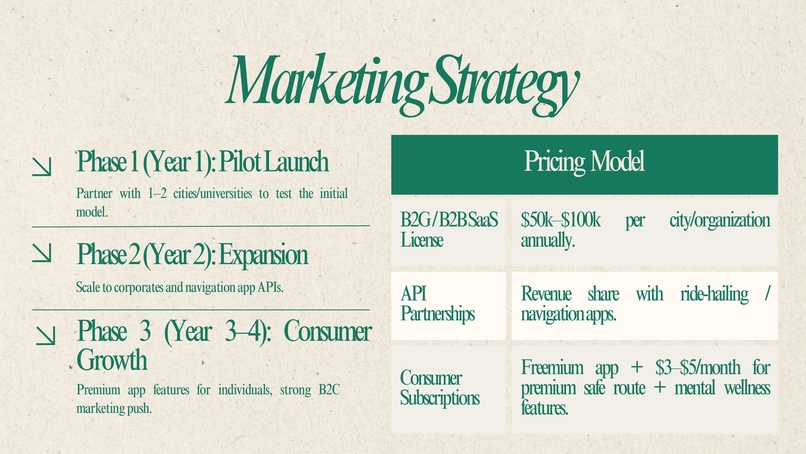
13
-
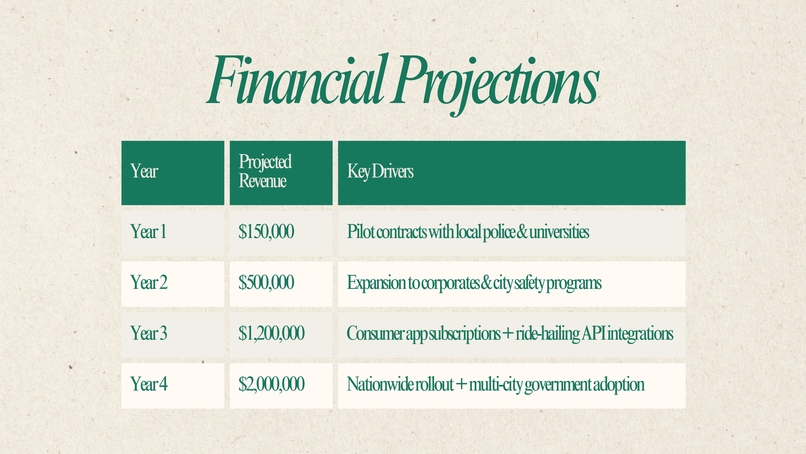
14
-

15
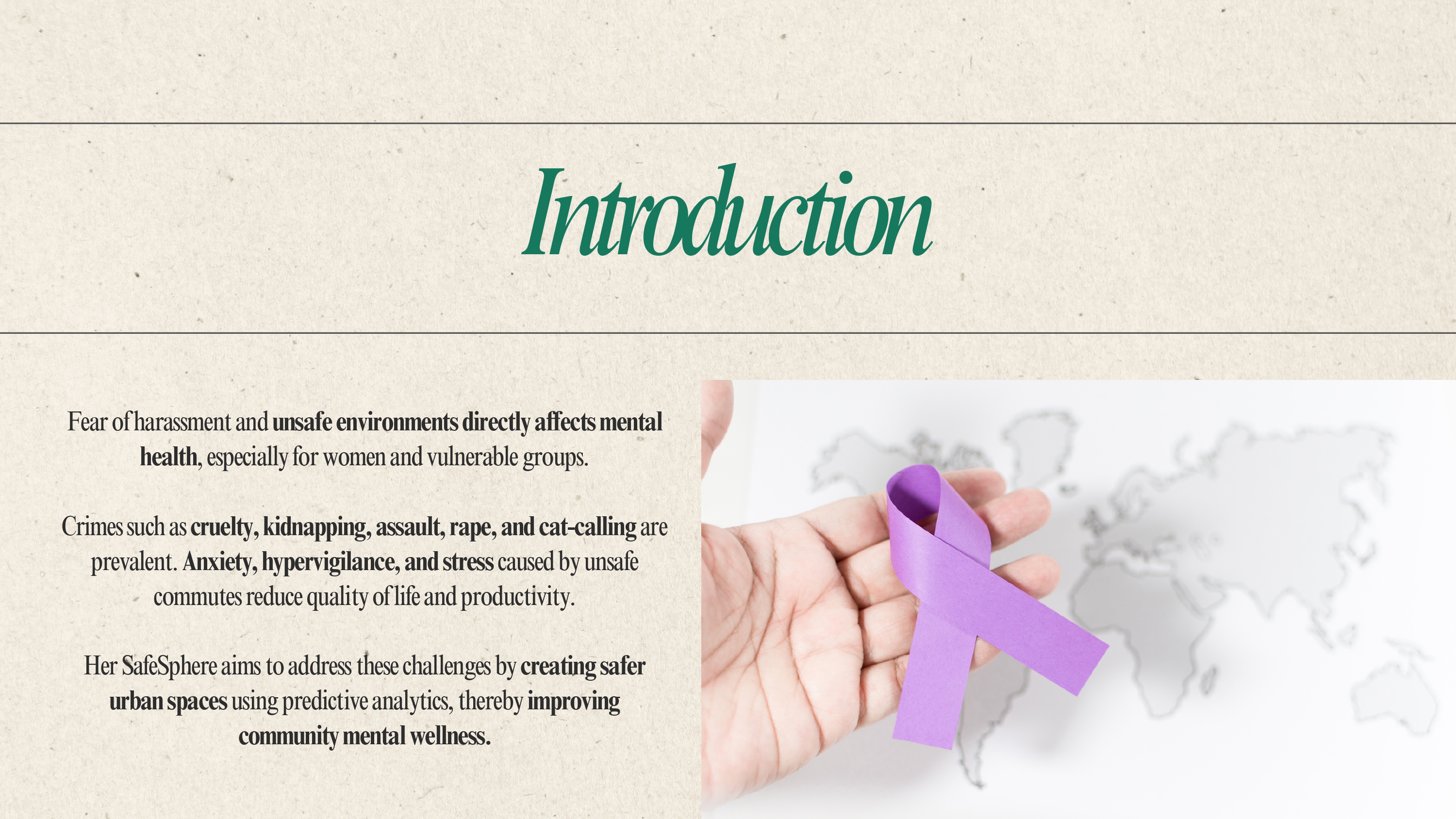
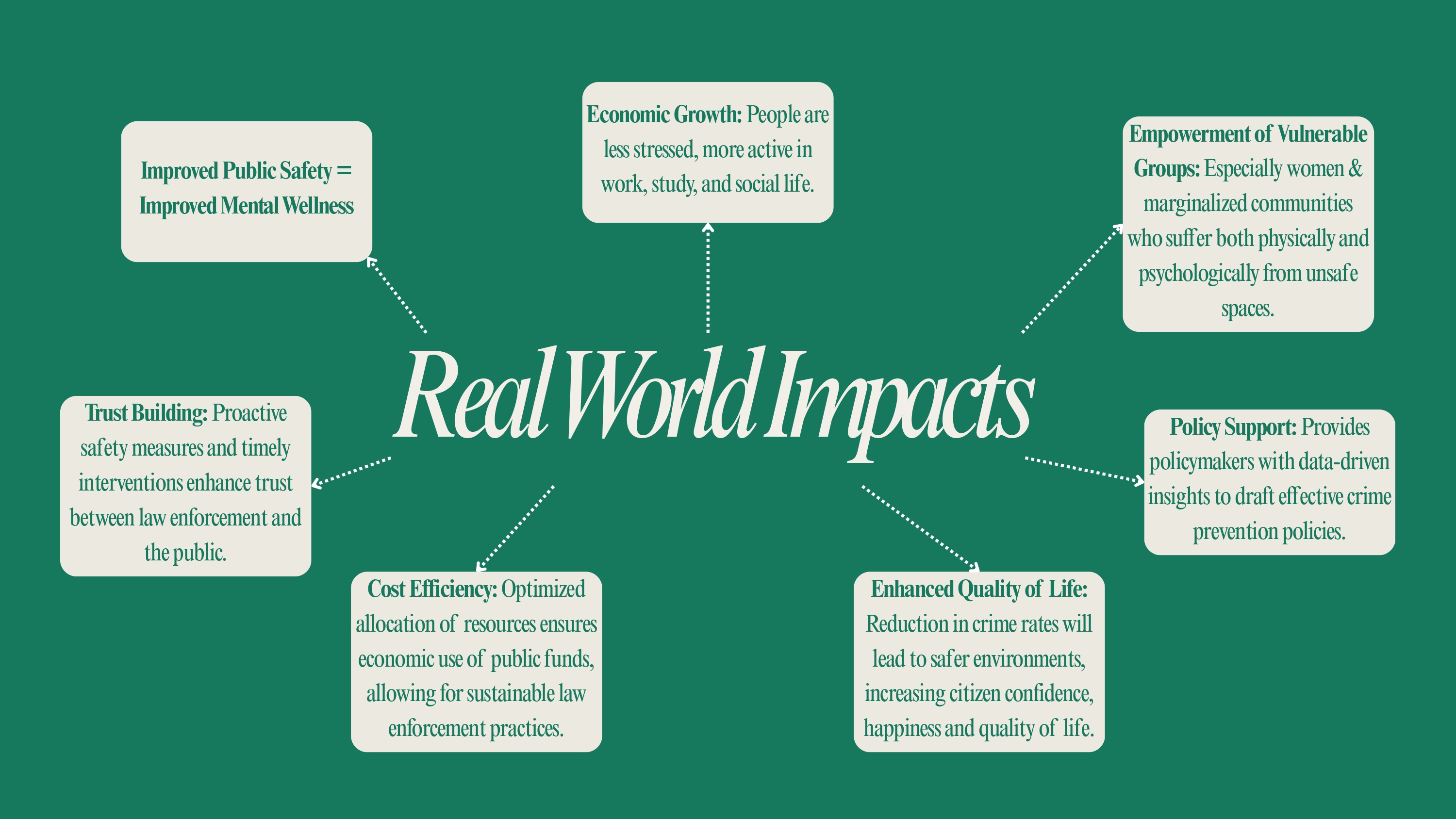
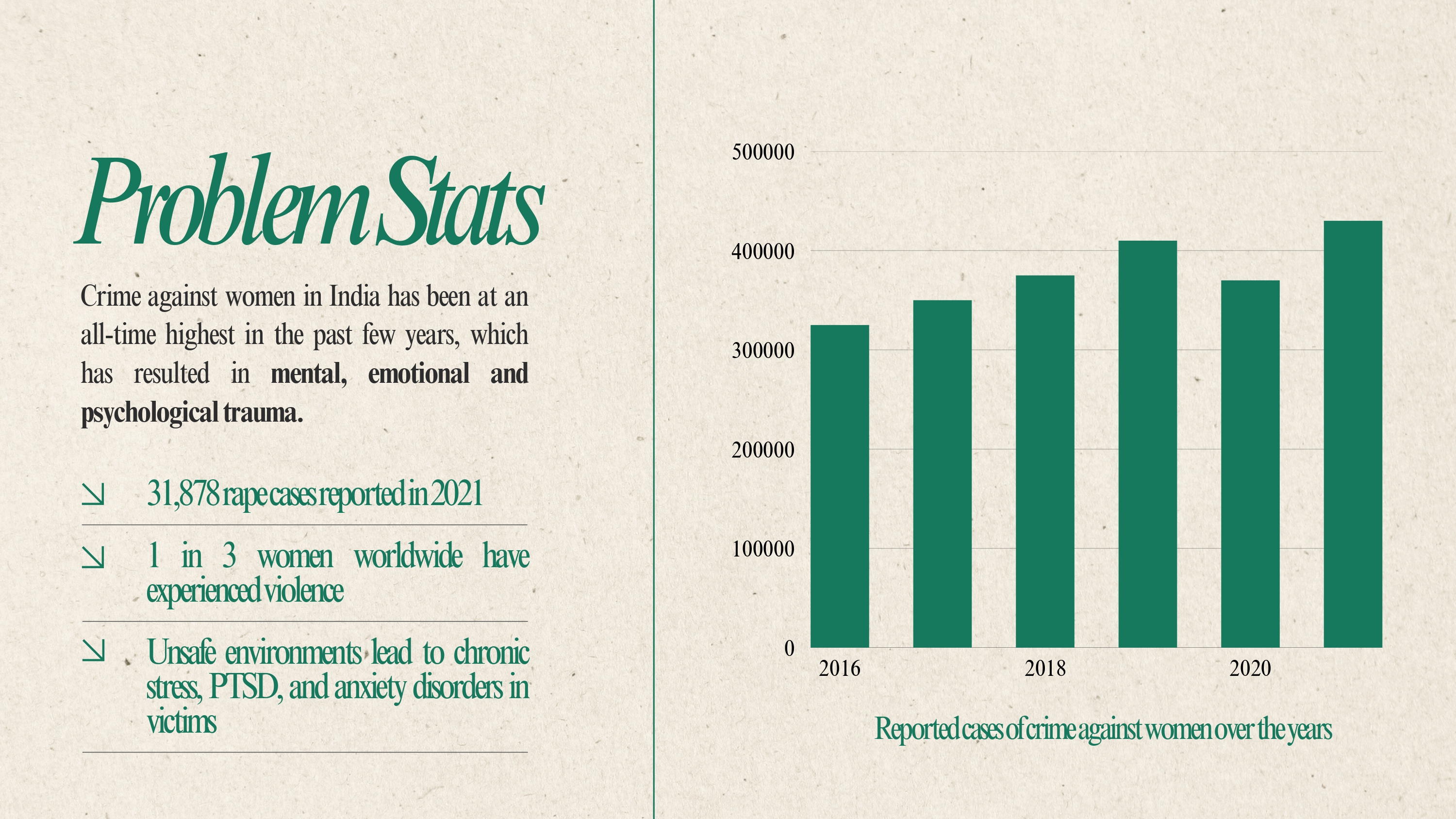

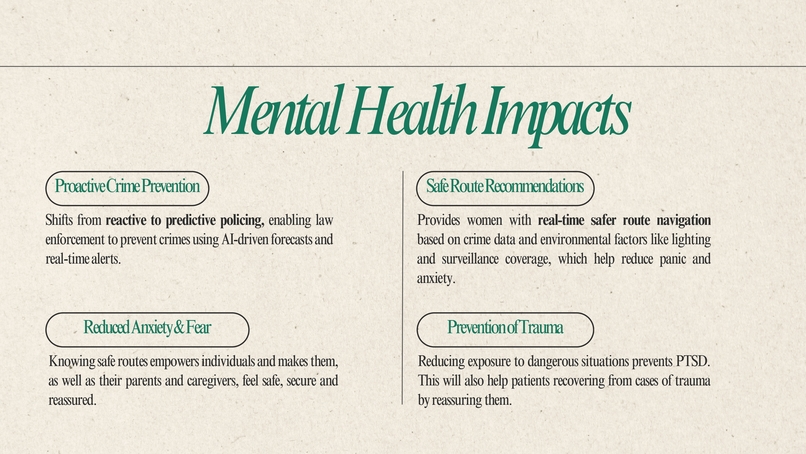
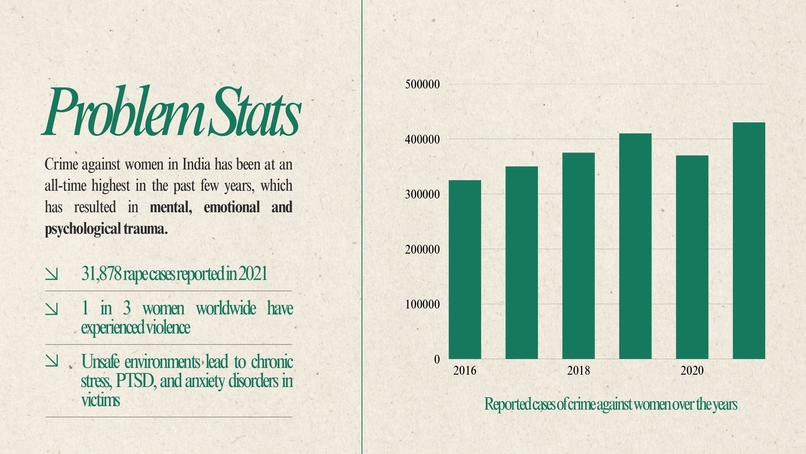
Inspiration: The constant fear of harassment impacts not just safety but also mental health. We wanted to build a solution that reduces anxiety, prevents trauma, and creates peace of mind for women and vulnerable groups in daily life.
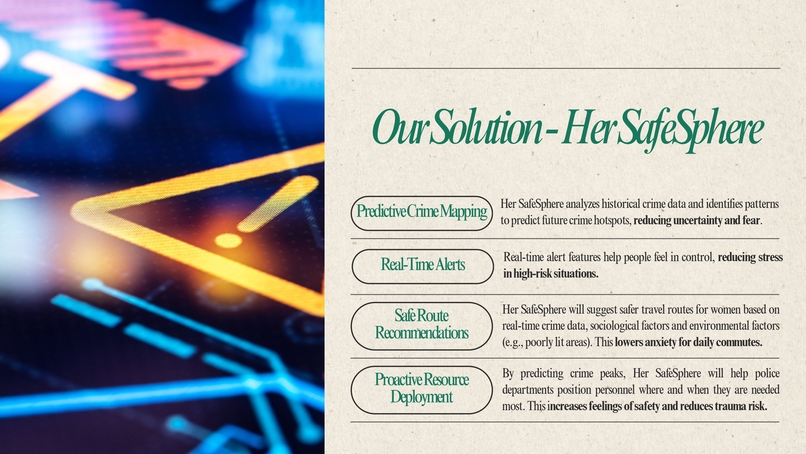
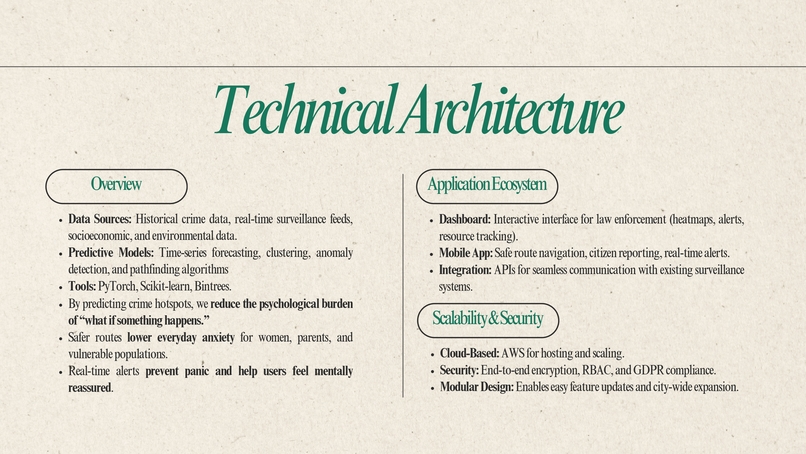
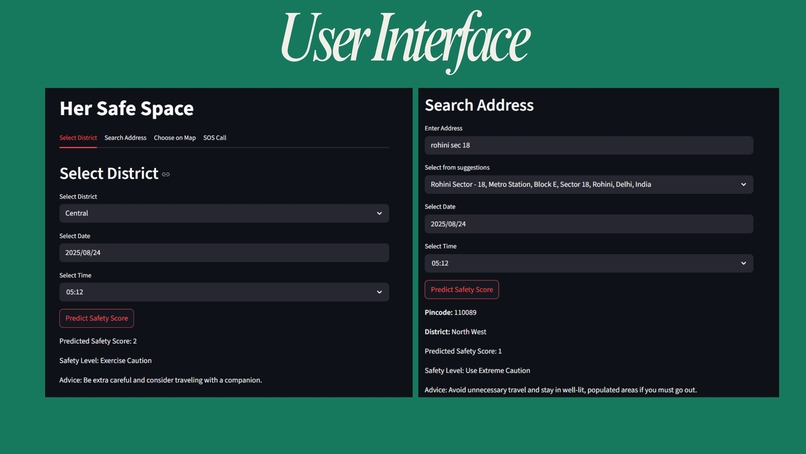
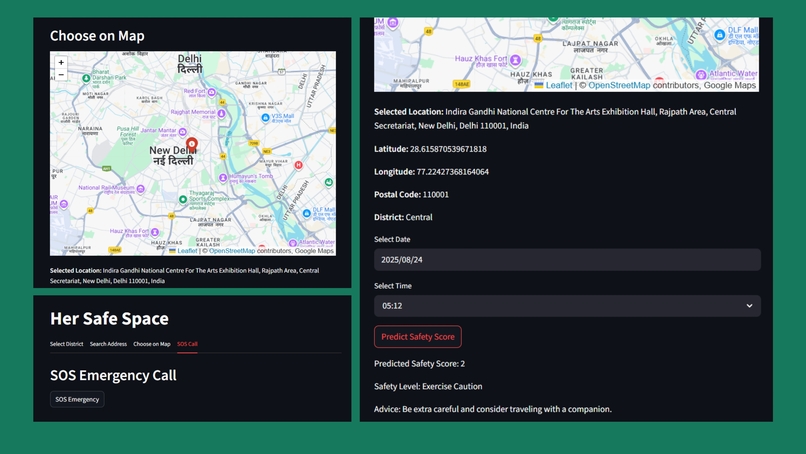
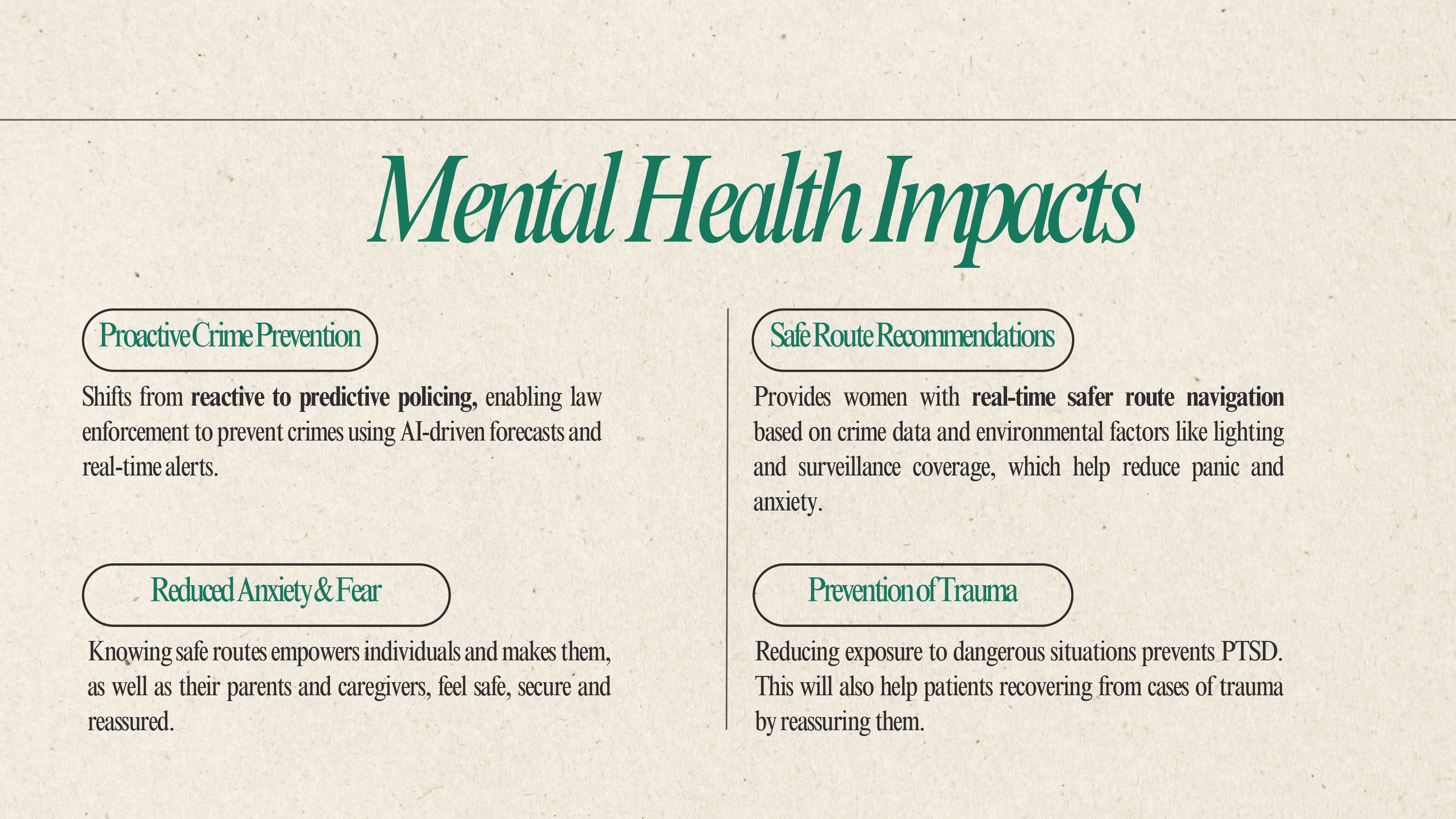
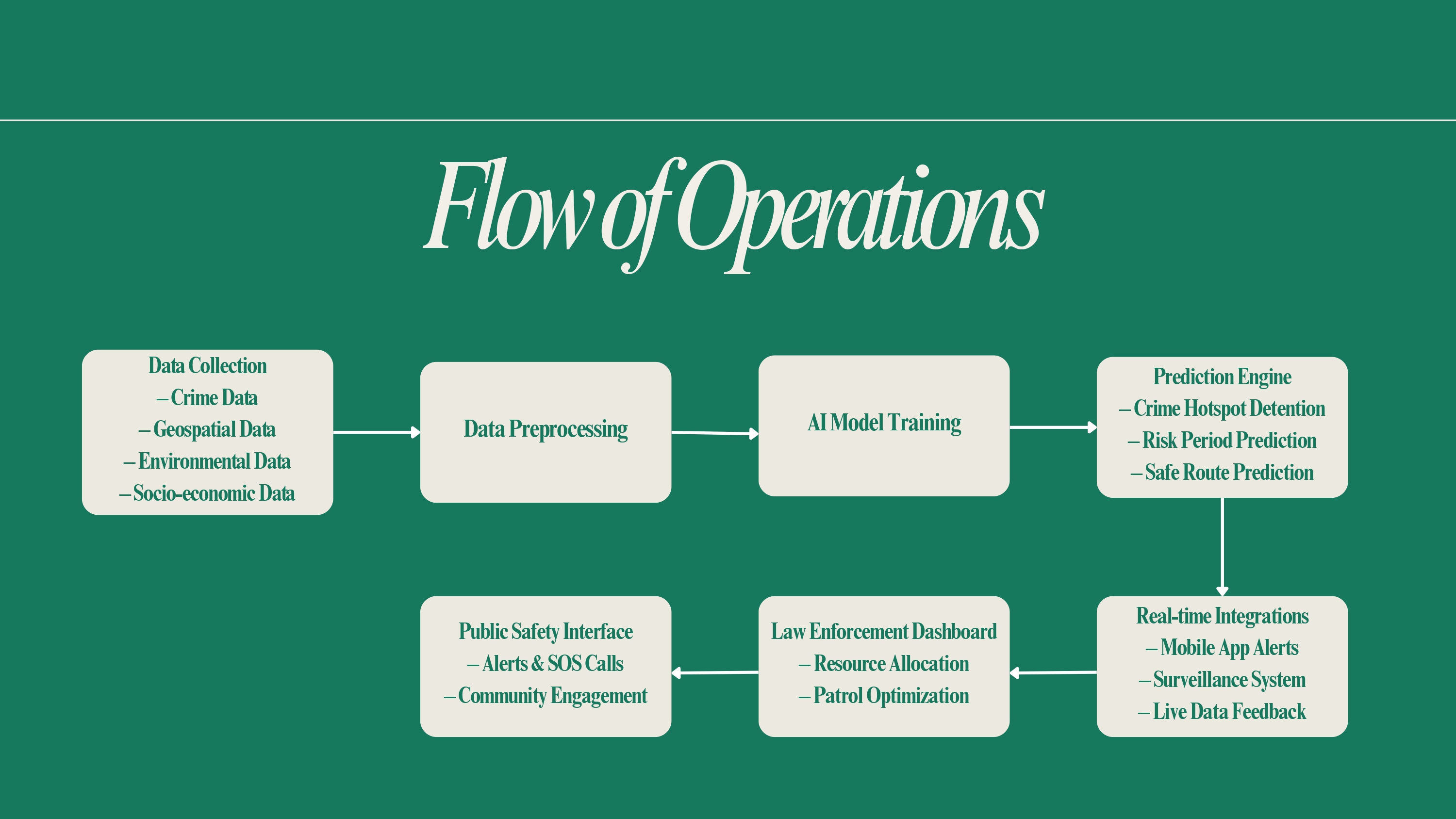
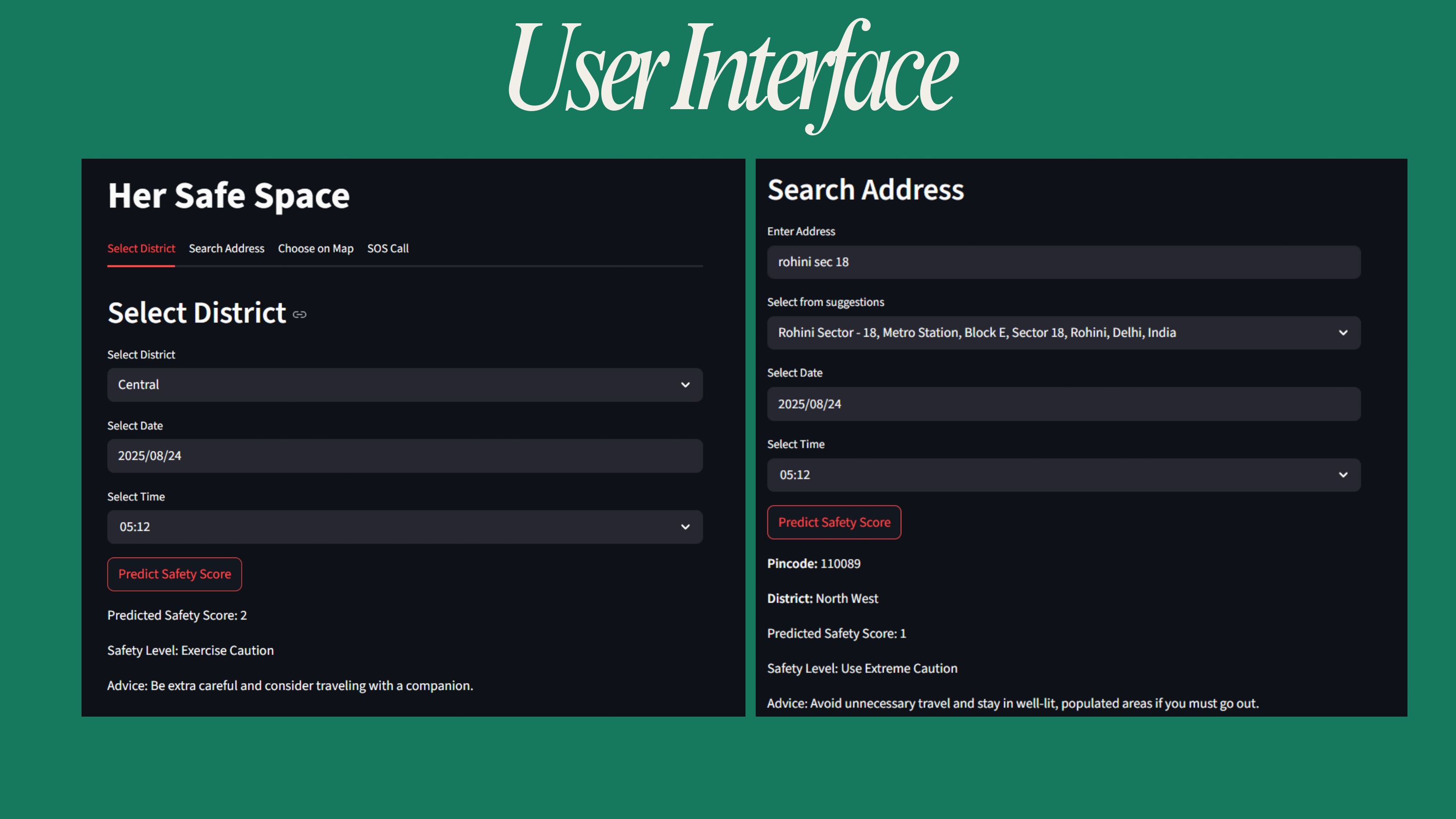
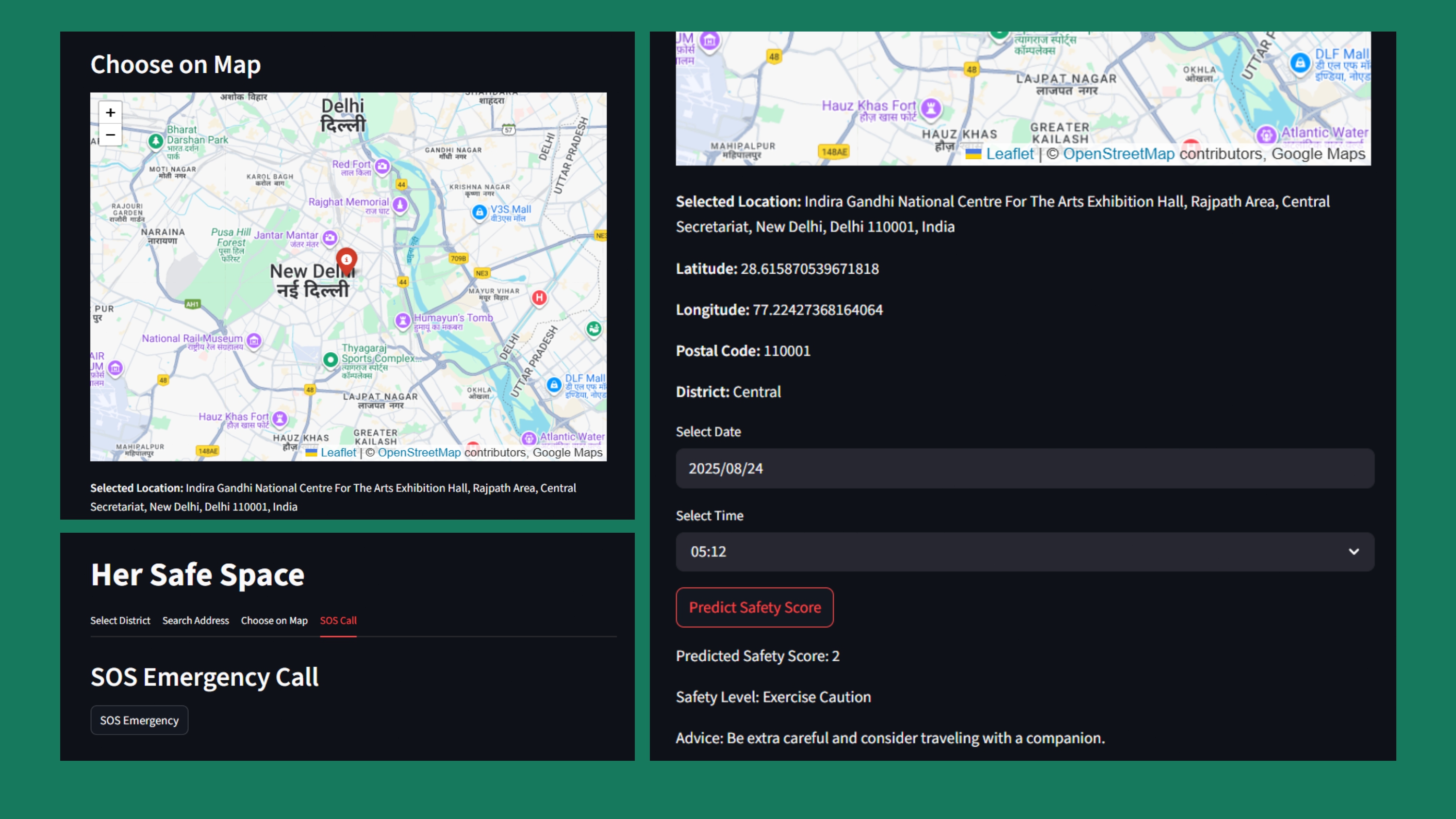
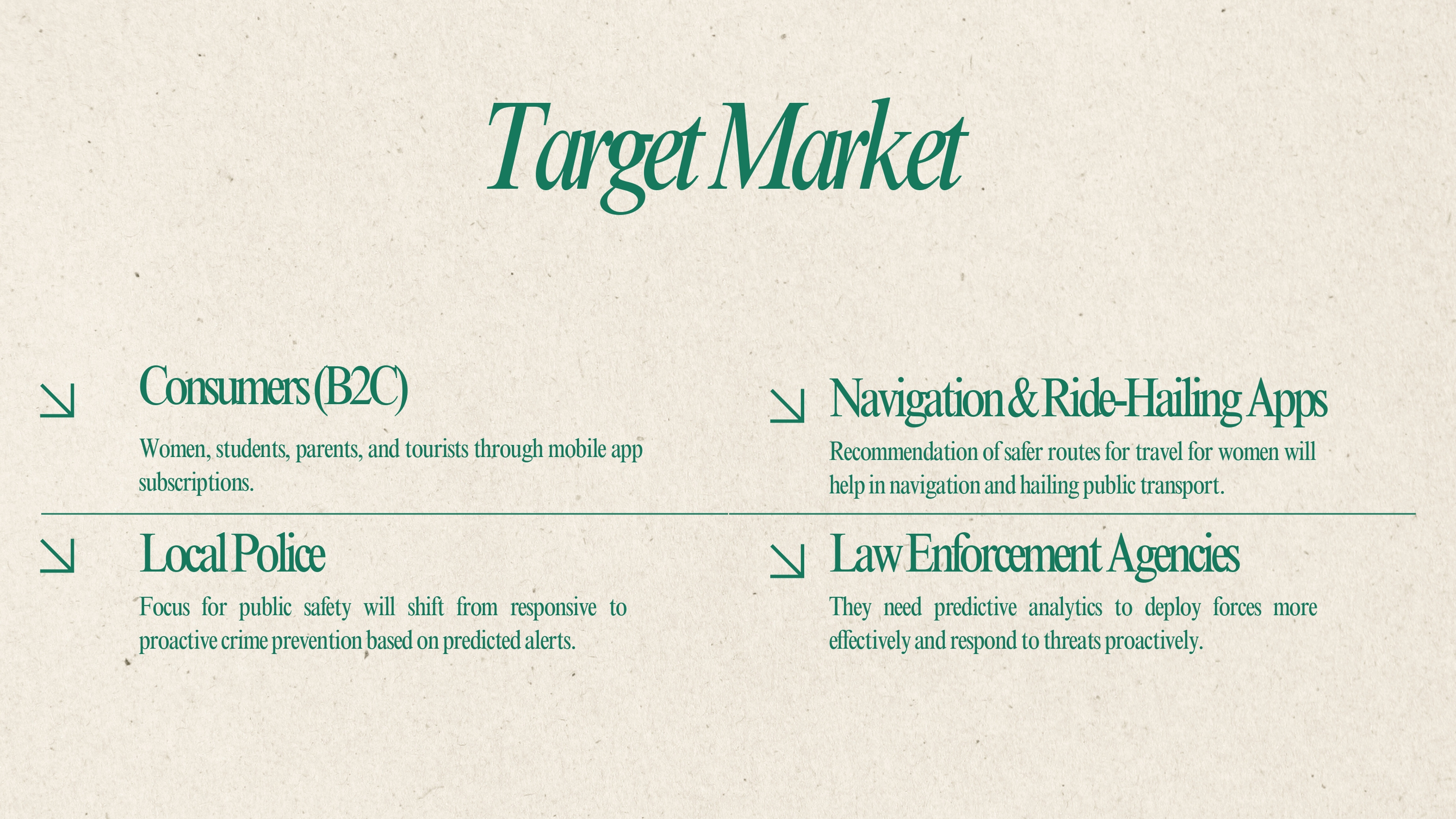
What it does: Her SafeSphere uses AI to predict crime hotspots, suggest safe travel routes, and send real-time alerts. By reducing uncertainty and fear, it empowers users, improves mental wellness, and helps law enforcement act proactively.
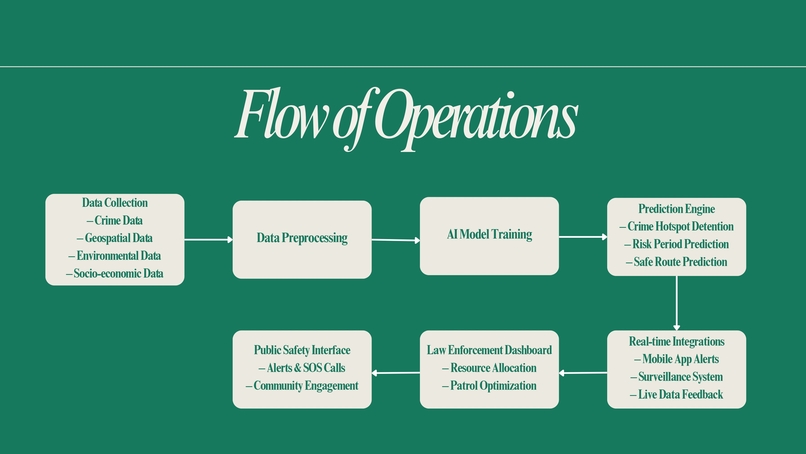
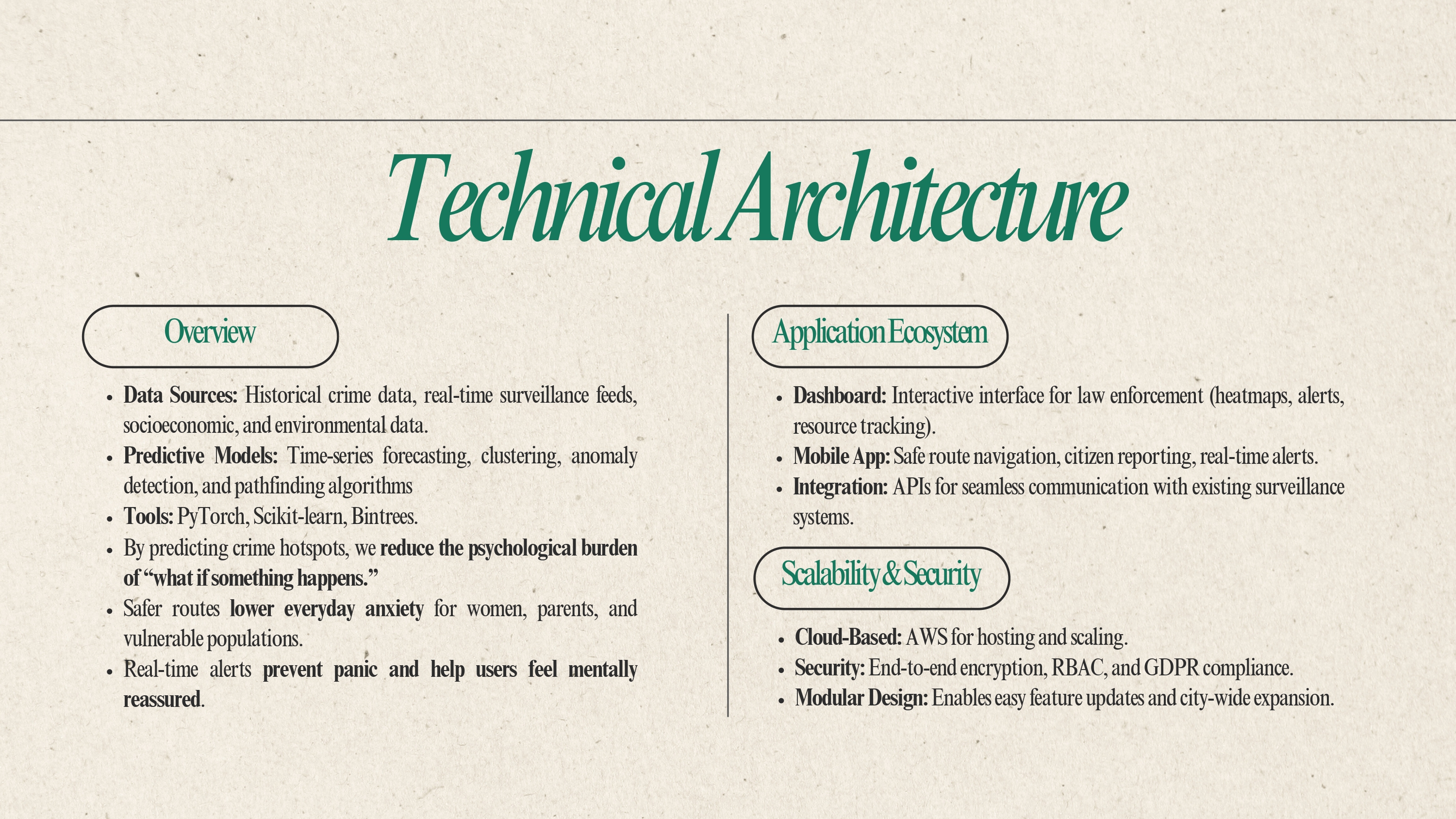
How we built it: We combined historical crime data, geospatial and environmental factors, and applied machine learning models like time-series forecasting, clustering, and anomaly detection. The system integrates into a mobile app for users and a dashboard for law enforcement.
Challenges we ran into:
Ensuring accuracy with limited and uneven crime data. Balancing privacy with data collection for safety insights. Framing the solution not just as a security tool, but as a mental health enabler.
Accomplishments that we're proud of:
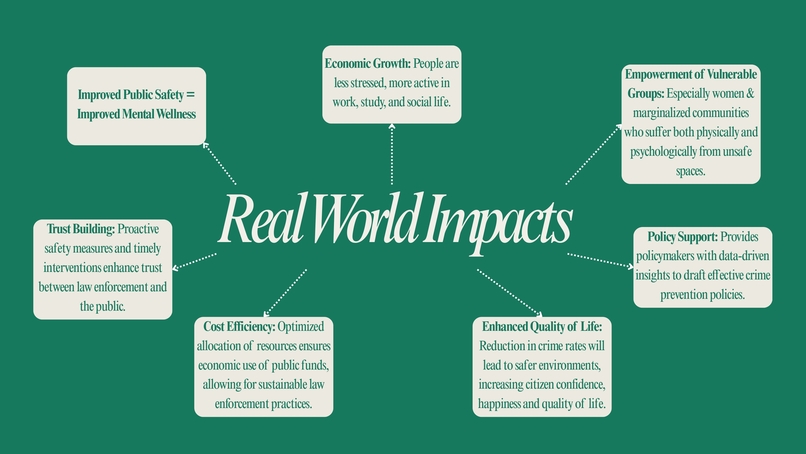
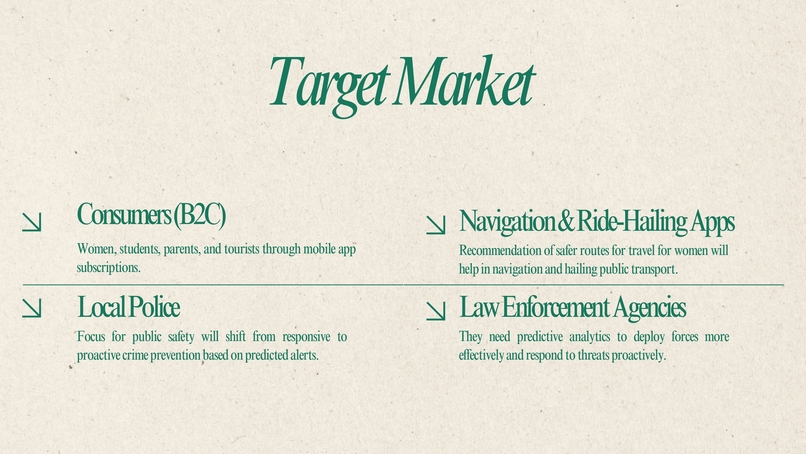
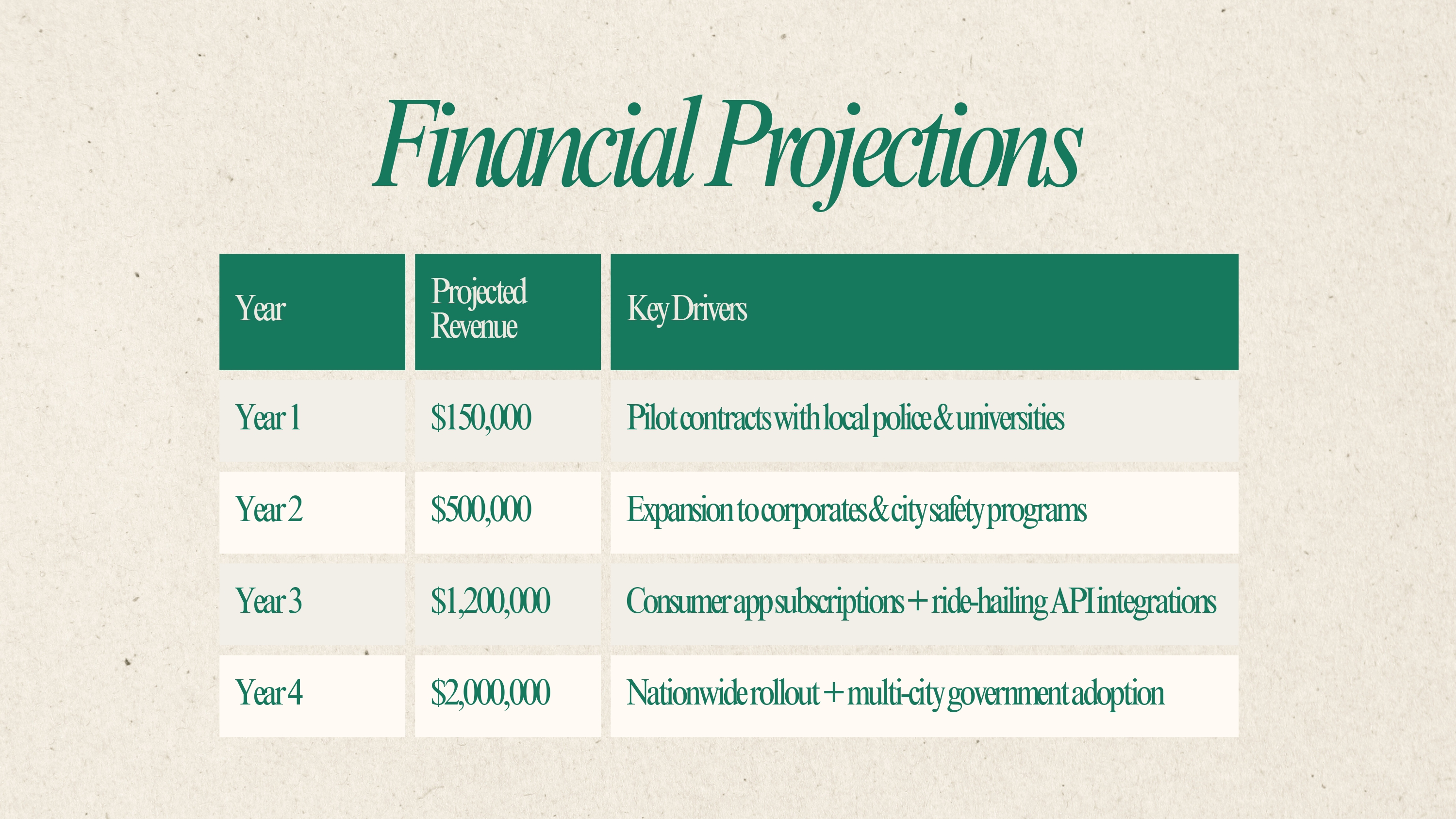
Designing an AI-powered system that addresses both safety and mental wellness. Creating a scalable model that works for individuals, corporates, and governments. Building a solution that empowers vulnerable groups and strengthens trust in public safety.
What we learned:
Safety and mental health are deeply interconnected. AI can be applied beyond prediction — it can provide emotional reassurance. Building tech for sensitive areas like safety requires careful attention to ethics, privacy, and accessibility.
What's next for Her SafeSphere:
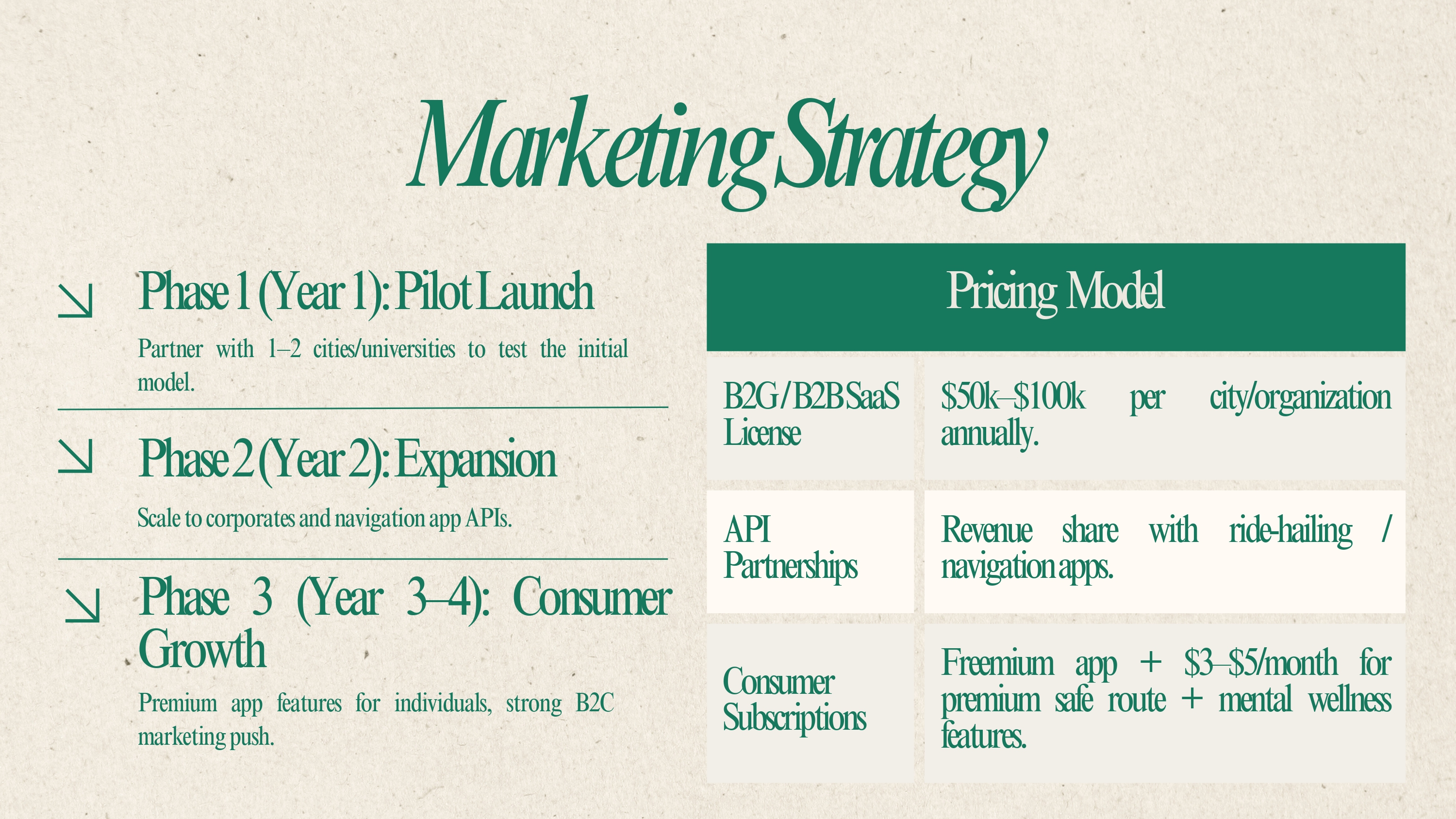
Expanding pilot programs with universities, corporates, and city safety initiatives. Adding wearable integrations for real-time distress alerts. Scaling the mobile app with wellness-focused features like guided calming exercises alongside safe-route navigation.


Log in or sign up for Devpost to join the conversation.