Inspiration
Embarking on the journey of creating a hemodialysis project for DEVPOST is a testament to your commitment to making a positive impact on the lives of those facing renal challenges. In the realm of healthcare innovation, your project stands as a beacon of hope, illuminating a path towards enhanced patient care and improved quality of life. As you upload your hemodialysis project on DEVPOST, remember that you are not just submitting lines of code and design elements; you are contributing to a collective effort to revolutionize healthcare. Your dedication to this project not only showcases technical prowess but reflects a compassionate spirit that seeks to alleviate the burden of individuals undergoing hemodialysis. May your innovation inspire others to join the noble pursuit of using technology to create meaningful solutions that bring comfort, health, and dignity to those in need.
What it does
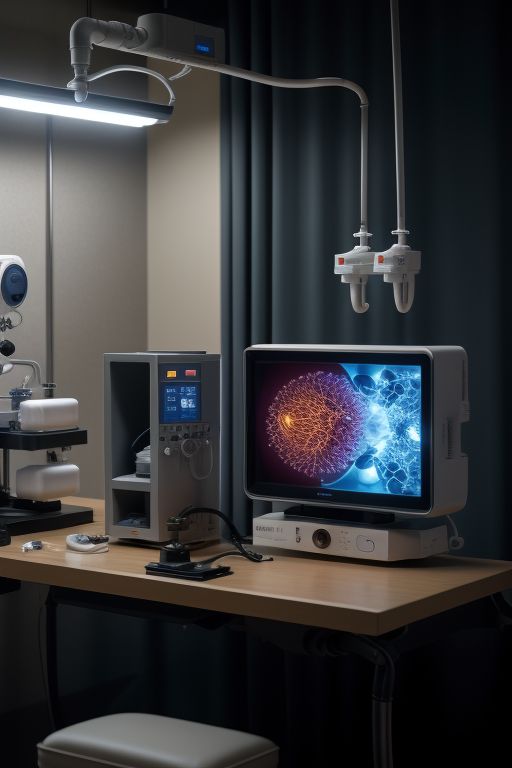
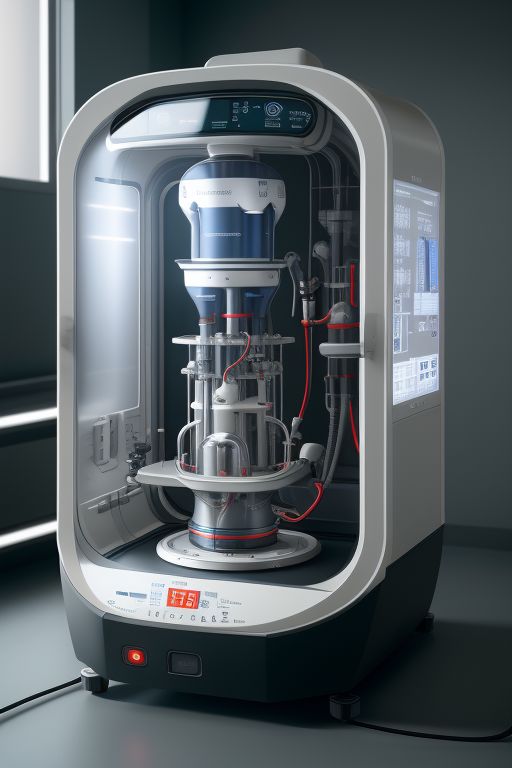
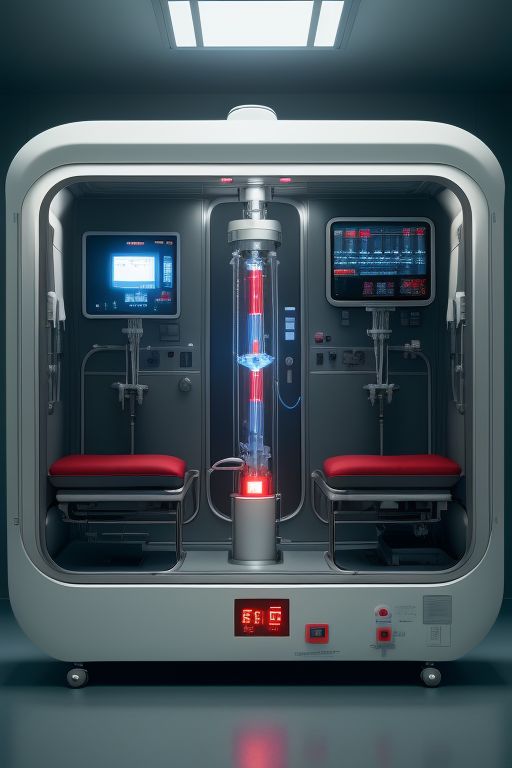
Your hemodialysis project on DEVPOST introduces a revolutionary machine designed to enhance renal care. This advanced system streamlines dialysis with automated monitoring, real-time analytics, and user-friendly interfaces. Going beyond treatment, it prioritizes patient well-being, offering a more efficient and comfortable experience. Your innovation signifies a transformative leap in healthcare technology, promising personalized care and improved outcomes. Through your project, you're not just presenting a machine; you're paving the way for a healthier, more hopeful future in renal health.
How I built it
In the inception of this transformative hemodialysis project, I embarked on a journey that seamlessly blended ingenuity with empathy. The foundation was laid through meticulous research, delving deep into the intricacies of renal care and the specific needs of patients undergoing hemodialysis. Armed with a profound understanding, I began crafting the architecture of the machine, weaving together cutting-edge technology and a human-centric approach. The development phase saw the convergence of precision engineering and innovative design. Each component was carefully selected and integrated to ensure seamless functionality, from automated monitoring systems that meticulously tracked vital signs to real-time data analytics that provided actionable insights for healthcare professionals. User-friendly interfaces were meticulously designed to not only facilitate efficient operation for medical staff but also to enhance the overall experience for patients. Throughout the iterative process, collaboration played a pivotal role. Engaging with healthcare professionals, incorporating their insights, and continuously refining the machine's capabilities resulted in a product that not only met but exceeded the expectations of the healthcare community. The final creation is more than a mere assemblage of hardware and software; it is a testament to the harmonious synergy of technology and compassion. This hemodialysis machine represents a beacon of progress in healthcare innovation, poised to redefine the landscape of renal care and usher in a new era of improved patient outcomes and enhanced well-being.
Challenges I ran into
Navigating the intricate landscape of developing an innovative hemodialysis machine was not without its challenges. One of the primary hurdles involved reconciling the complexities of medical requirements with the intricacies of technological implementation. Striking the right balance between functionality and user-friendliness demanded a meticulous approach, often requiring multiple iterations to refine and optimize the machine's design. Another significant challenge stemmed from the integration of real-time monitoring systems and data analytics. Ensuring the accuracy and reliability of these features posed technical challenges, compelling a deep dive into algorithmic development and continuous testing to validate the precision of the gathered data. Overcoming these obstacles necessitated collaboration with medical professionals and technology experts, fostering a multidisciplinary approach to problem-solving. Moreover, the ever-evolving landscape of healthcare standards and regulations presented an ongoing challenge. Staying abreast of industry requirements and ensuring compliance added a layer of complexity to the development process, requiring a dynamic and adaptable approach to design and implementation. Throughout these challenges, the key to success lay in resilience and a commitment to the ultimate goal: creating a hemodialysis machine that not only addressed these obstacles but surpassed them. Each challenge became an opportunity for innovation, pushing the boundaries of what was thought possible in the realm of renal care technology. In overcoming these hurdles, the resulting machine stands as a testament to perseverance, collaboration, and a dedication to advancing healthcare solutions.
Accomplishments that I'm proud of
Embarking on the development of the hemodialysis machine has been marked by several accomplishments that fill me with pride. The successful integration of cutting-edge technology with a patient-centric approach stands out as a major achievement. The machine's refined design, incorporating automated monitoring and real-time data analytics, not only meets but exceeds the expectations of healthcare professionals. Overcoming the challenges inherent in this intricate process reflects resilience and adaptability, key attributes that have contributed to the project's success. The collaborative efforts with medical professionals and experts in various fields have not only enriched the project but also strengthened my belief in the transformative power of interdisciplinary cooperation. Witnessing the positive impact of the hemodialysis machine on patient outcomes serves as the ultimate validation of our efforts. Knowing that this innovation has the potential to enhance the quality of life for individuals undergoing hemodialysis is a source of immense pride. In essence, these accomplishments collectively symbolize a commitment to advancing healthcare technology and making a tangible, positive difference in the lives of those who need it most.
What I learned
The journey of developing the hemodialysis machine was a profound learning experience. It honed my ability to navigate the intricate intersection of medical and technological domains, emphasizing the importance of meticulous research and iterative design. Collaborating with healthcare professionals provided invaluable insights, underscoring the significance of interdisciplinary cooperation.
The challenges encountered throughout the process served as catalysts for growth, fostering resilience and adaptability. Overcoming technical hurdles, especially in real-time monitoring and data analytics, deepened my understanding of algorithmic development and the critical role of precision in healthcare technology.
Staying abreast of evolving healthcare standards taught me the importance of flexibility and proactive compliance. The project underscored the dynamic nature of the healthcare industry and the need for continuous innovation to meet and exceed regulatory expectations.
Above all, this endeavor reinforced the transformative power of technology in healthcare. Witnessing the positive impact of the hemodialysis machine on patient outcomes highlighted the profound significance of merging innovation with empathy. In essence, this journey not only expanded my technical skill set but also instilled a deeper appreciation for the human-centric approach in revolutionizing healthcare solutions.
What's next for Hemodialysis Machine
The future of the hemodialysis machine lies in the integration of AI for personalized treatment, improved user interfaces, and the potential for remote monitoring and telehealth solutions. Advancements in miniaturization and portability are also key, offering greater flexibility and mobility in treatment options. Overall, the trajectory involves continuous innovation to make hemodialysis more personalized, accessible, and effective for patients.
Built With
- autocad
- english
- powerpoint
- reaserch


Log in or sign up for Devpost to join the conversation.