-
-

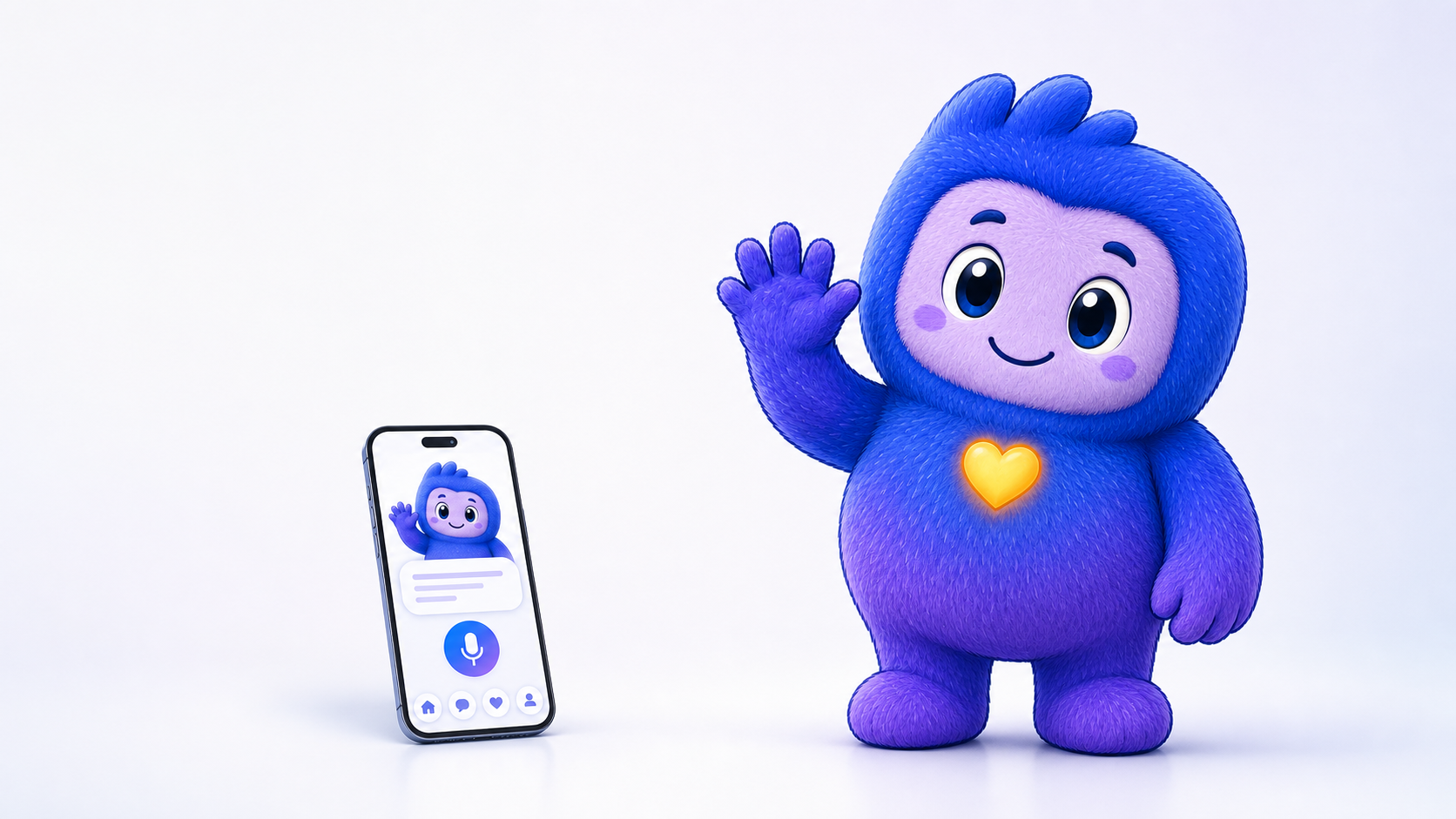
Meet Helpy
-
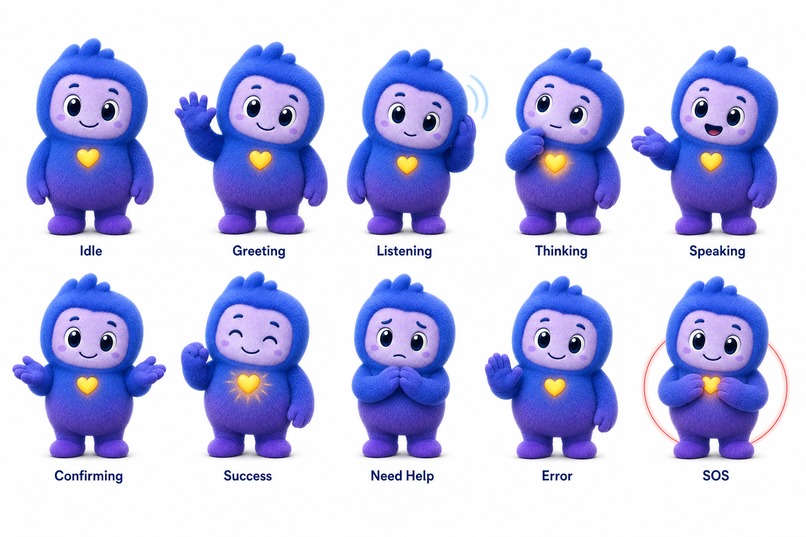
Helpy's Emotion
-

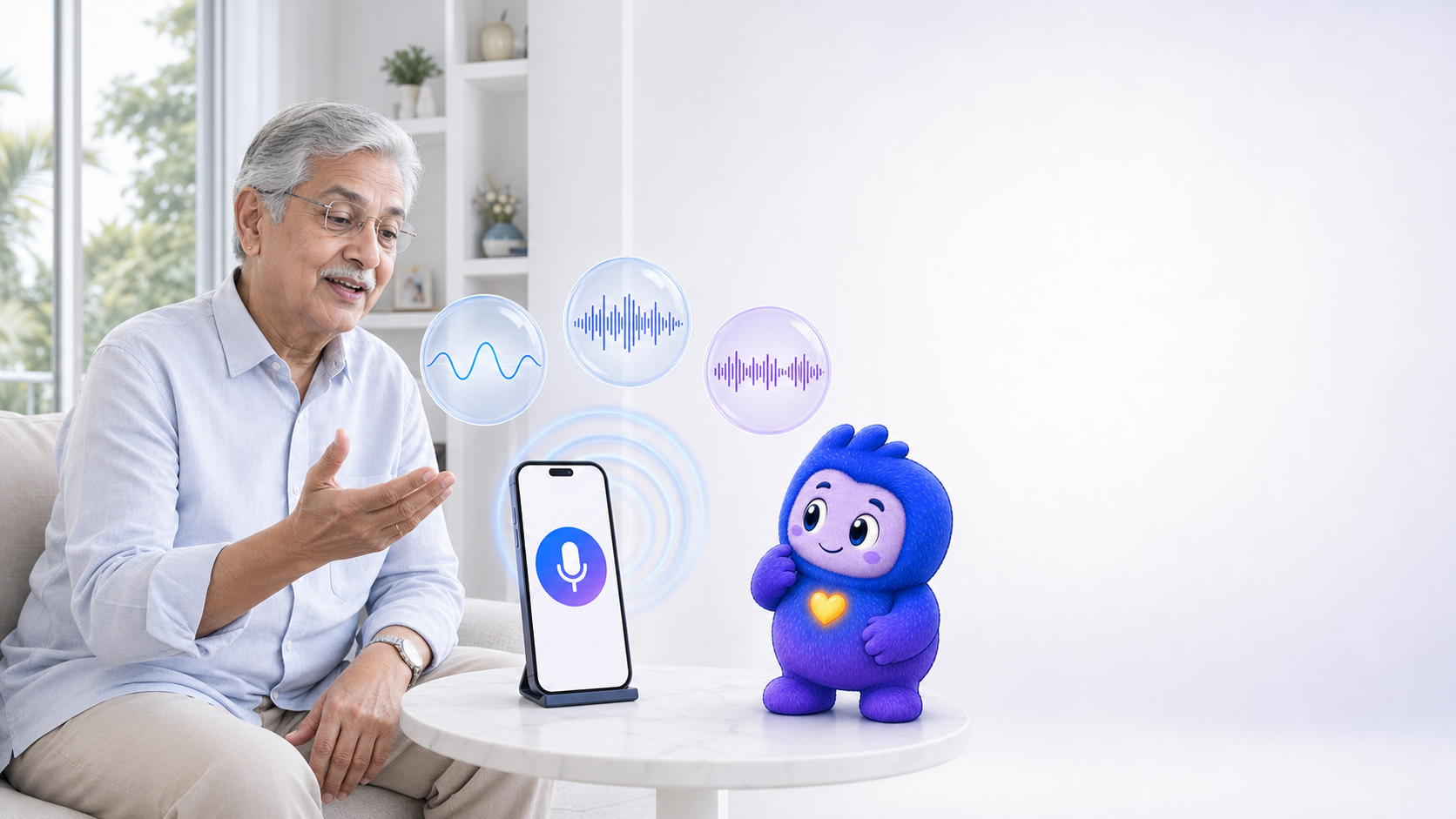
Talk With Helpy
-
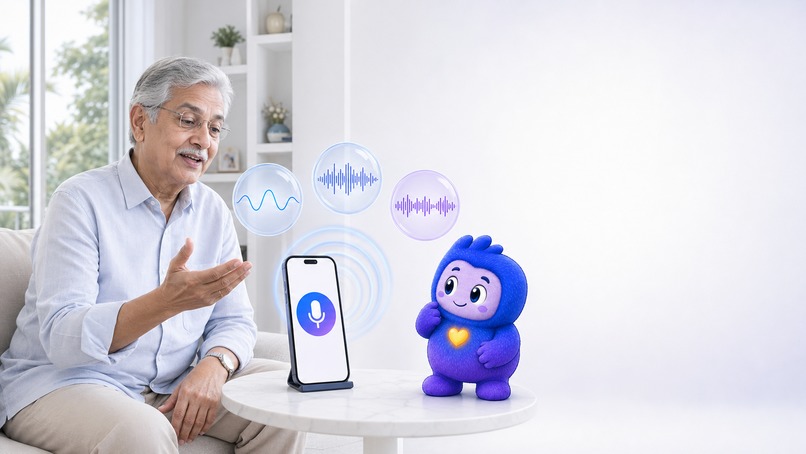
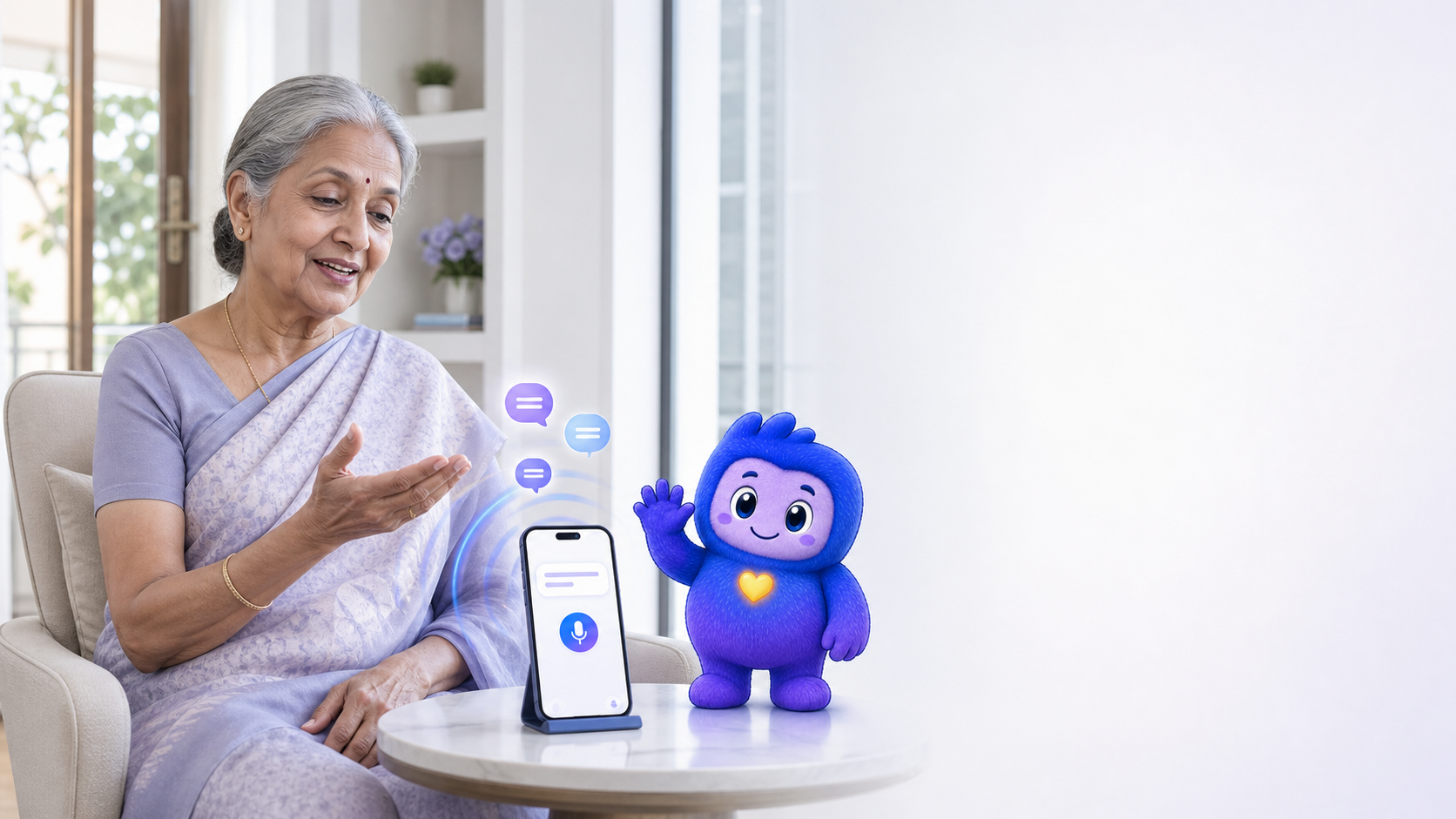
Freedom
-
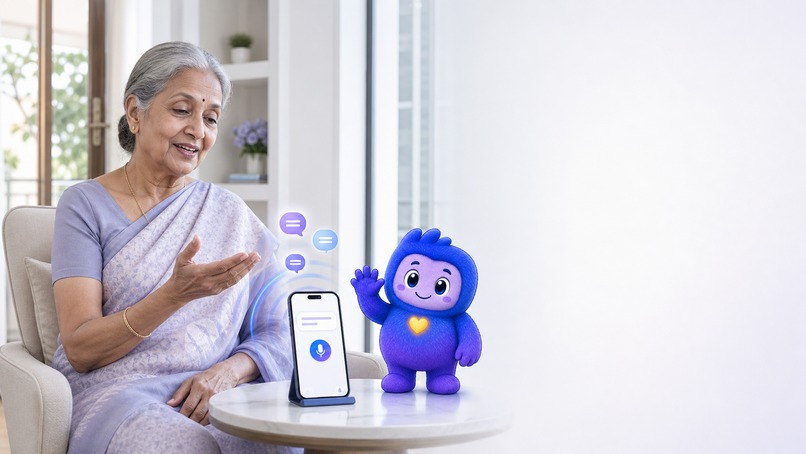
Reassurance

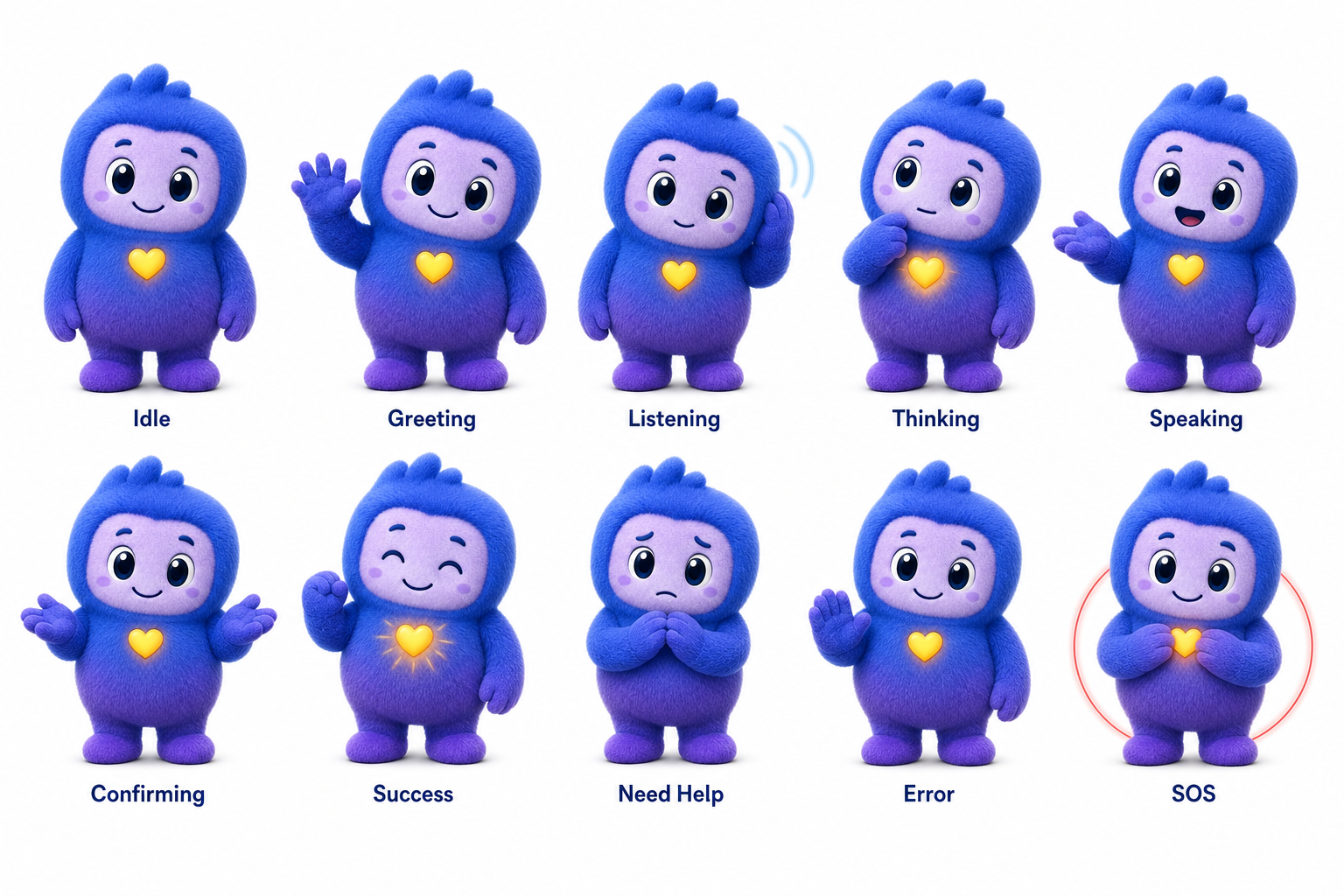
HELPY
\*\*Their freedom. Your reassurance.\*\* A multilingual, voice-first AI companion that helps older adults manage everyday life, stay safe, and remain connected with their families. Built with GPT-5.6, Codex, and the OpenAI API.
Inspiration
HELPY began with my maternal grandparents, who live by themselves nearly two hours away from our home in Chennai,India. My uncle lives in the United States, while my mother supports them from Chennai. After my grandfather suffered a heart attack, he slowed down and my grandmother had to manage more of their groceries, medicines, travel, bills, and household needs. Our family wants to help, but distance and everyday responsibilities make it difficult to be physically present all the time. That made me ask:
\*\*Can technology support older adults without making them feel dependent, watched, or overwhelmed?\*\* That question became HELPY—a product I want to build for my grandparents first and later improve for other families facing the same problem.
The Problem: Useful services already exist, but they are spread across many applications. Older adults may need separate apps for rides, groceries, food, medicines, bills, reminders, and family communication—each with different layouts, logins, permissions, and payment flows. HELPY addresses three connected challenges: Technology not understod by seniors of the society Fragmented services: Daily needs are spread across too many apps. Complicated interaction: Small controls and unfamiliar menus make simple tasks harder. Family distance: Families want reassurance without removing the older adult's privacy or independence.
HELPY does not replace family members, doctors, caregivers, or emergency services. It makes trusted support easier to reach.
What it does
HELPY allows older adults to speak naturally in English, Tamil, or Hindi without learning multiple apps or complicated commands.
Talk with HELPY: Continuous, call-like conversations with live captions, interruptions, and a text fallback.
Medicines: Medicine reminders, status updates, and prescription scanning to help create reminders.
Family Circle: Consent-controlled check-ins and selected updates about medicines, help requests, purchases, bills, and budgets.
Daily Help: Voice-guided assistance for requesting rides, groceries, food, medicines, and other essential services. HELPY currently demonstrates these actions through interactive sandbox flows, while approved APIs can enable real transactions.
Budgets: Category-wise spending plans, remaining-budget tracking, and alerts for household and service expenses.
Bills: Bill scanning, charge explanations, unusual-change detection, due-date tracking, and practical guidance.
Entertainment: Interactive games with levels, voice controls, and HELPY as a friendly companion. TV-show support is planned for the future.
SOS: A prominent emergency-support flow kept separate from normal AI conversations.
How we built it
I built HELPY by turning the everyday difficulties my grandparents face into simple, voice-led journeys. GPT‑5.6 and the OpenAI API power the multilingual conversations, while HELPY’s application code handles validation, permissions, confirmations, and safe actions. With Codex as my technical partner, I developed the senior-friendly interface, Continuous Call Mode, captions, medicine reminders, Family Circle, budgets, bill and prescription scanning, service workflows, and games. I used specialist AI agents for specific tasks instead of giving one model unrestricted control. External services currently run through clearly labelled sandbox demonstrations and secure handoffs, with an architecture ready for approved provider APIs in the future. Throughout the build, I repeatedly tested and refined the experience to keep it accessible, private, reliable, and easy for an older adult to use.
Challenges we ran into
The main challenges were making voice feel like a real call, supporting three languages naturally, keeping AI actions safe, connecting external services honestly, and giving families reassurance without creating surveillance. Building HELPY taught me that useful AI is not only about intelligence. It also requires accessibility, privacy, confirmations, failure handling, security, testing, and honest communication about what is working today.
Accomplishments that we're proud of
My proudest accomplishment is turning a problem I saw in my own family into something that could support many senior citizens. I watched my grandmother manage medicines, groceries, bills, and daily responsibilities while also caring for my grandfather. That inspired me to build HELPY around one simple idea: older adults should not have to struggle with complicated technology—technology should understand them. With HELPY, they can simply speak in English, Tamil, or Hindi to receive reminders, request everyday help, stay connected with family, or access emergency support. As a 15-year-old, building a multilingual, voice-first application of this scale with GPT‑5.6 and Codex is something I am deeply proud of. But my greatest accomplishment is not the number of features—it is creating a companion that respects the dignity and independence of senior citizens while giving their families a little more peace of mind.
What We Learned
While building HELPY, I learned that making an app is not only about coding or adding lots of features. At first, I focused mostly on what HELPY could do, but then I realised it also had to be simple enough for someone like my grandmother to use comfortably. I learned to think about clear voice replies, bigger buttons, local languages, privacy and confirmations. I also learned a lot by fixing bugs and improving ideas that did not work properly at first. GPT‑5.6 and Codex helped me turn my ideas into working features. This was my first time building something this big, and it showed me that even at 15, I can try to solve a real problem that I have seen in my own family.
How GPT-5.6 and Codex Helped
GPT‑5.6 is HELPY’s conversational reasoning layer. Luna handles everyday multilingual conversations, navigation, reminders, and friendly responses, while Terra supports bounded multi-step tasks such as planning and guarded bill analysis. Sol supported deeper engineering through Codex, including architecture, debugging, safety, and testing. I used Codex throughout the build to turn my product decisions into a working application. It helped me develop the senior-friendly interface, multilingual flows, Continuous Call Mode, captions, interruption handling, medicines, Family Circle, budgets, bills, service features, games, structured tools, provider adapters, confirmation flows, sandbox testing, accessibility, privacy, documentation, and the final Remotion demonstration video. I defined the problem, audience, feature priorities, design direction, privacy principles, and final product decisions, while Codex gave me the engineering speed to build, test, and improve each version of HELPY.
What's next for HELPY.AI
The next step is testing HELPY with my grandparents and other older adults. Future work includes: Better Tamil, Hindi, and mixed-language conversation Formal accessibility and usability testing Production authentication, encryption, audit, and recovery systems Approved service partnerships and secure OAuth connections Stronger offline and low-connectivity support Verified emergency and medicine workflows More personalised games and routines
A simple HELPY home device for people who prefer not to use a smartphone-THIS WILL BE THE FUTURE HARDWARE PRODUCT OF HELPY.AI
Built With
- codex
- codexsecurity
- devpost
- github
- gpt5.6
- luna
- openai.api
- openiaidevelopers
- react
- remotion
- sol
- tailwindcss
- terra
- typescript
- vite
- webspeechapi


Log in or sign up for Devpost to join the conversation.