-
-
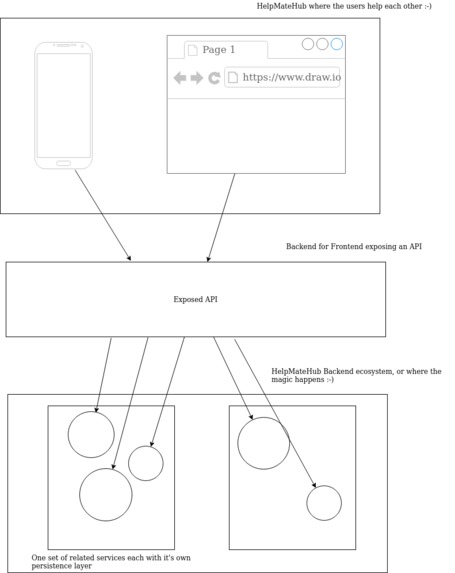
Architecture
-
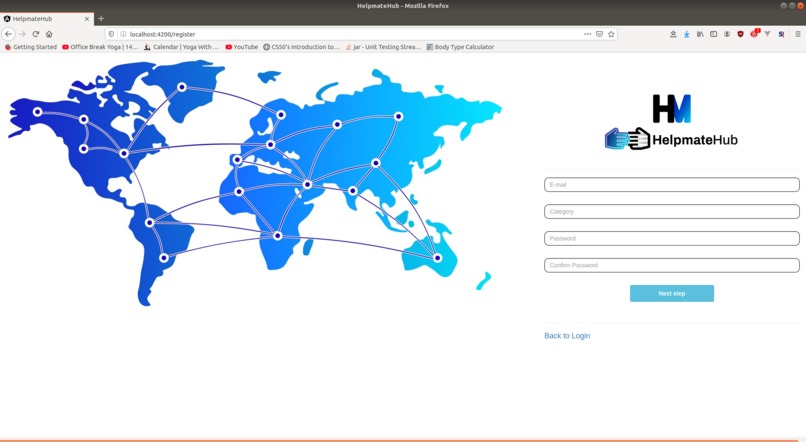
Register
-
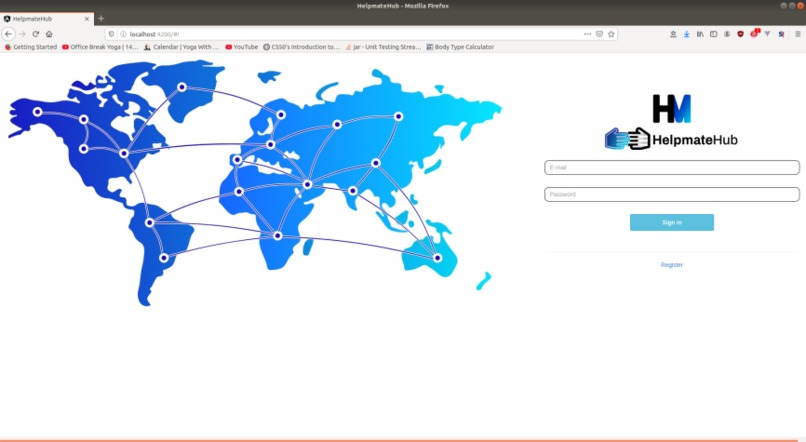
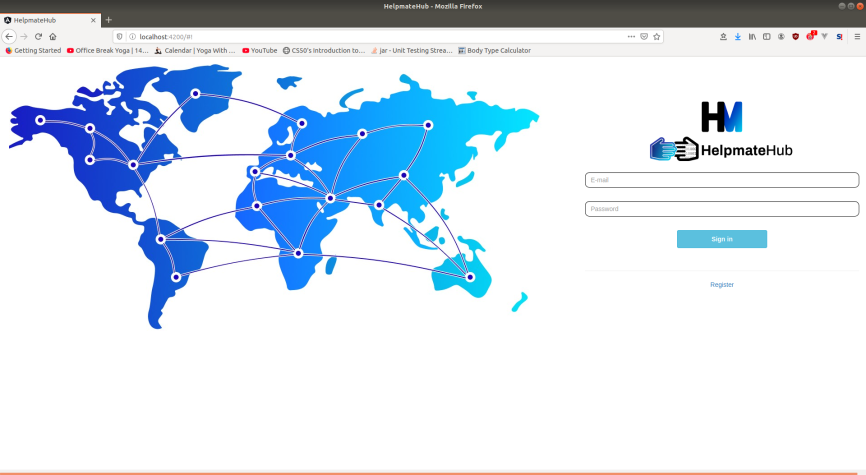
Login
-
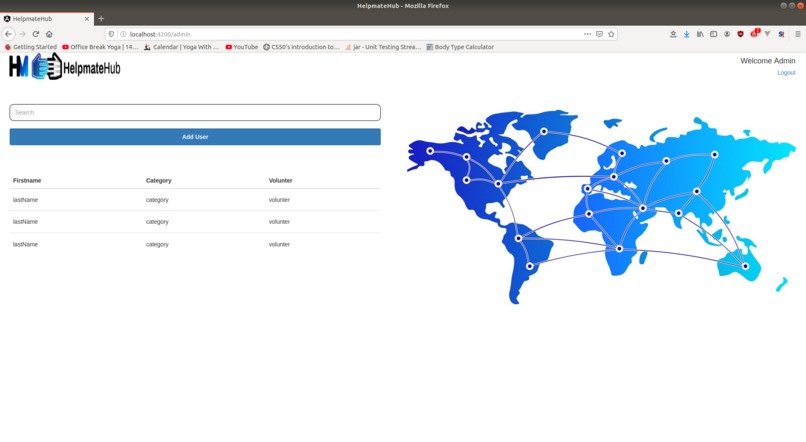
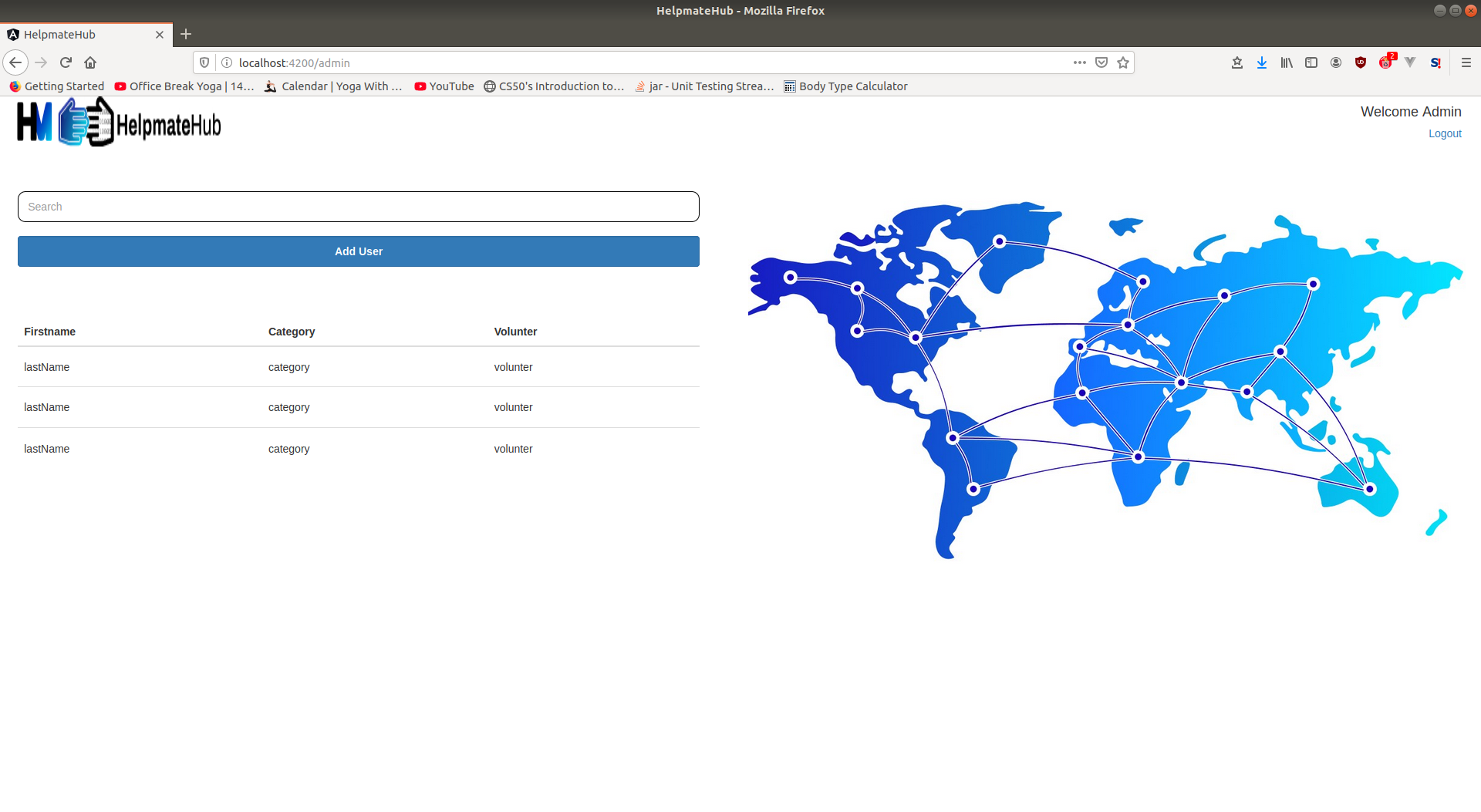
Admin
-
Presentation
-

Andi-Petrisor Craiovan
-

Radmila Apostolovici
-

Danet Daniel
-

Tanasa Alex
-
SebiTCR




Impact
The current restrictions and social distancing imposed to limit and control the spread of SARS-CoV-2 are highlighting the risk categories and we are able to see them in a different and more crude light.
HelpmateHub aims to bring together people who need help with those who can help even in these times of social distancing. It also wants to provide a safer space for this interaction and an efficient approach for it through the involvement of the authorities who can manage it, while also getting a better overview of these risk categories. If this idea is implemented the impact on society goes from a local to a national scale because a very large part of our population needs help in the current context. Among those who would need help are: the elderly, pregnant women, single parents, disabled people etc.
What it does
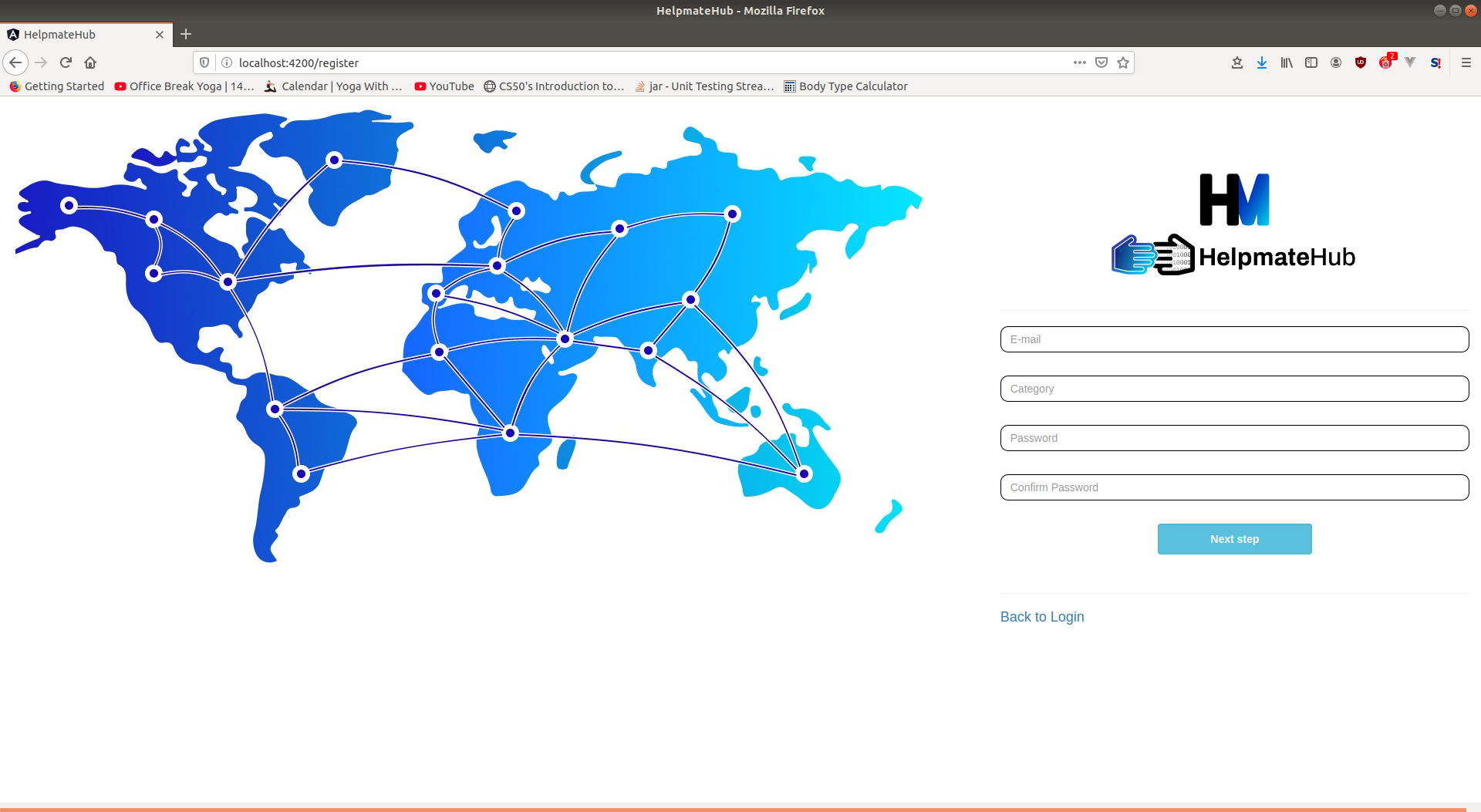
HelpmateHub offers the possibility to register as a person who needs help or as a person who can provide help (volunteer). Thirdparties (NGOs or just local/national business, e.g. a pharmacy or a grocery store)  can also register as donors of goods and services.
   The authorities should verify and track both the volunteers and the persons who require help. They can manage and monitor the relation with the thirdparties so that the provided services and goods are received and the interaction is done in an efficient manner.
   HelpmateHub lets you see in real time on a map the requests for help and also the nearest volunteers and thirdparties. It aggregates the requests and processes them in a dynamic and organized way so that the required help reaches the persons in need in the shortest possible time.
Technical complexity
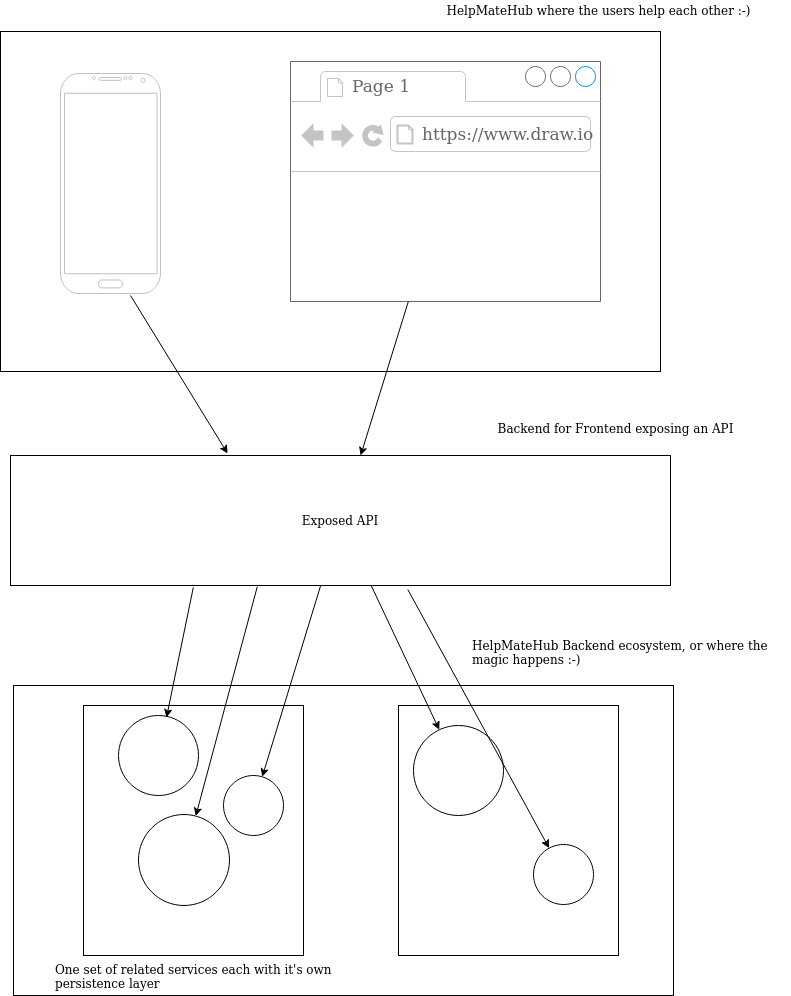
HelpmateHub is designed as a distributed application with a set of backend microservices and a responsive front-end web application (used to register and manage the users and help requests).
    The web application is built using Angular JS 9 and Bootstrap and it communicates with a backend for frontend service (built as a Quarkus app) which exposes an API. The processing is done in the backend where we want to have a set of microservice, each with it's own separate persistence layer (be it just an in memory cache, a NoSQL DB or an SQL DB) depending on the context of the service. The communication will be both synchronous and asynchronous so that we leverage all the benefits in the context of the specific functionality.
    We started with a simple Quarkus app and a PostgreSQL database which exposes an API for the management of users (CRUD operations).
What we are proud of
Just as HelpmateHub wants to build a bridge and help even in these times of restrictions we too managed to form a team in a very short time and get to work so that we have a PoC of our ideas and beliefs.
    Every team member brings knowledge, enthusiasm and the will to learn and explore new things.
What's next
We want to continue development on HelpmateHub so that we have a production ready application which will bridge the gap created by these restrictions and offer the authorities and volunteers the possibility to help persons from the risk categories.
About the team
We are a united and diverse team, that's why we think that this motto (unity in diversity) suits us. We chose the 5 team members to be divided into 2 teams (Front-end and Back-end) being led by an experienced member who defined the tasks, shared them and worked together with the team to implement them. The team consists of the following members with the following responsibilities:
- Andi-Petrisor Craiovan - enthusiast software developer how likes teaching
- Daniel Danet - junior UI/UX Designer/front end developer, or at least tries to be
- SebiTCR - junior game developer always wanting to learn new things
- Tanasa Alex - junior developer interesting in databases and relations between objects
- Radmila Apostolovici - software engineer who likes to always learn and teach things
Built With
- angular.js
- bootstrap
- docker
- hibernate
- java
- maven
- microservices
- postgresql
- quarkus


Log in or sign up for Devpost to join the conversation.