-
-
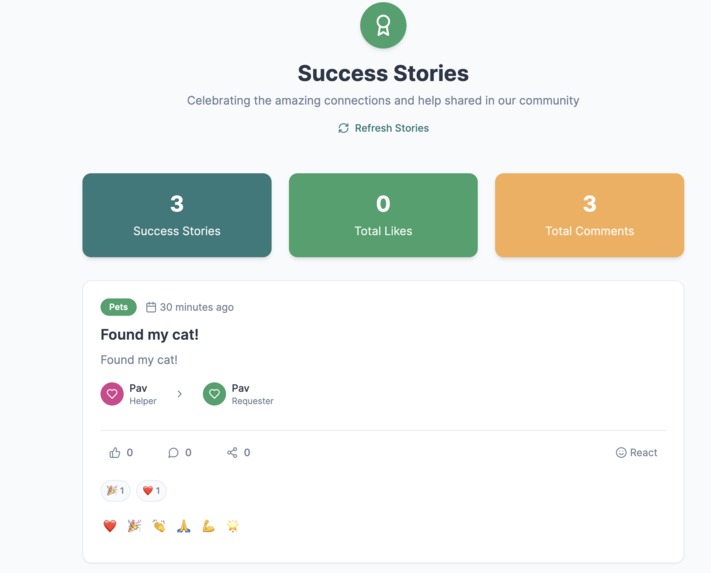
Success stories social media
-
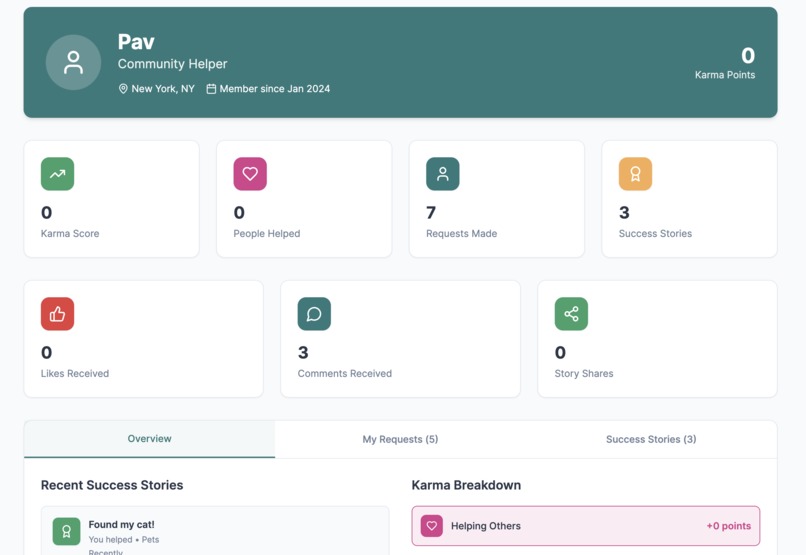
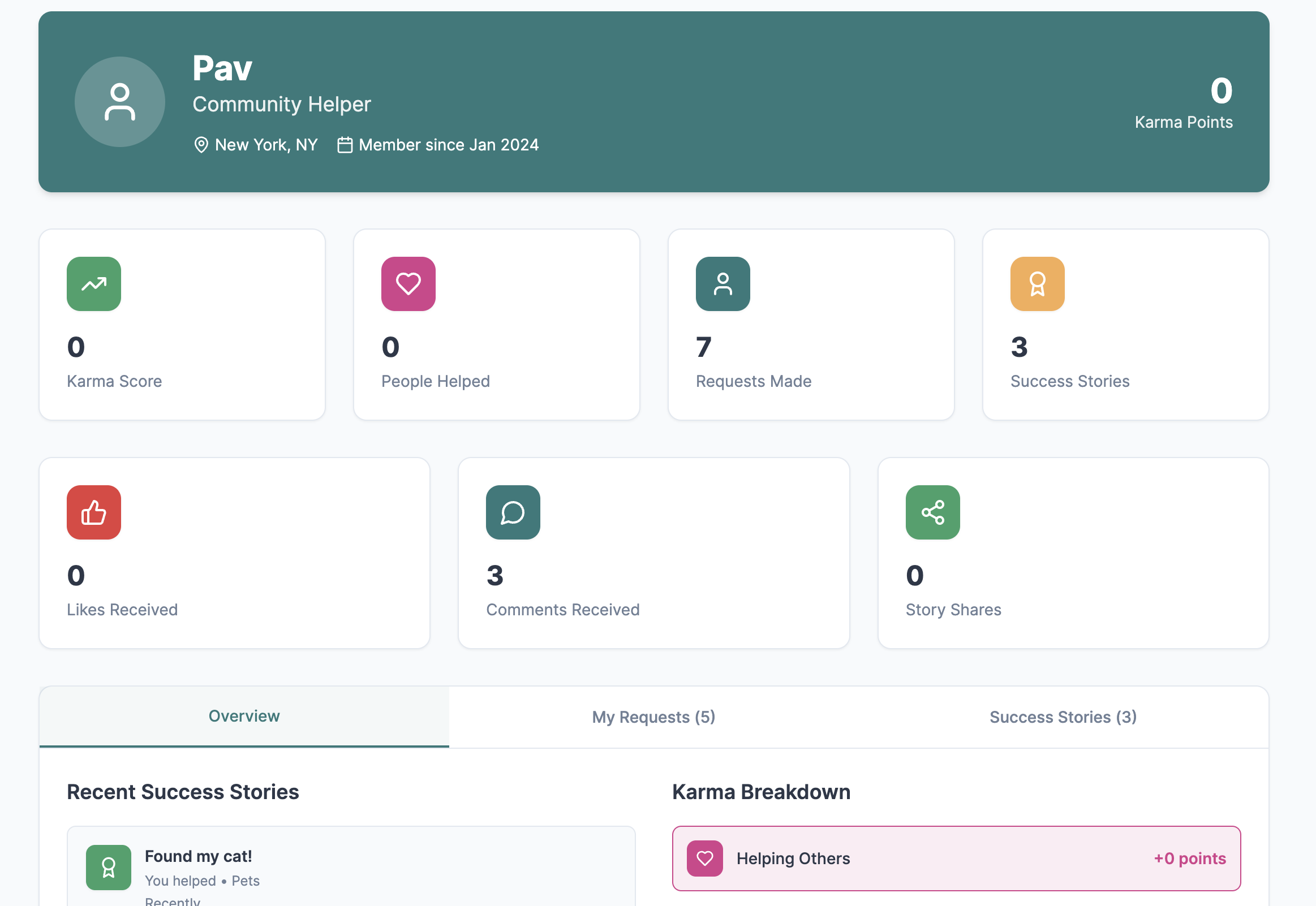
Profile
-
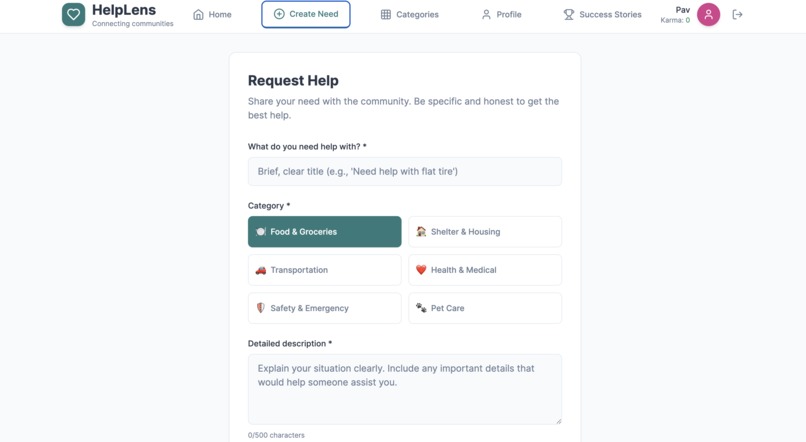
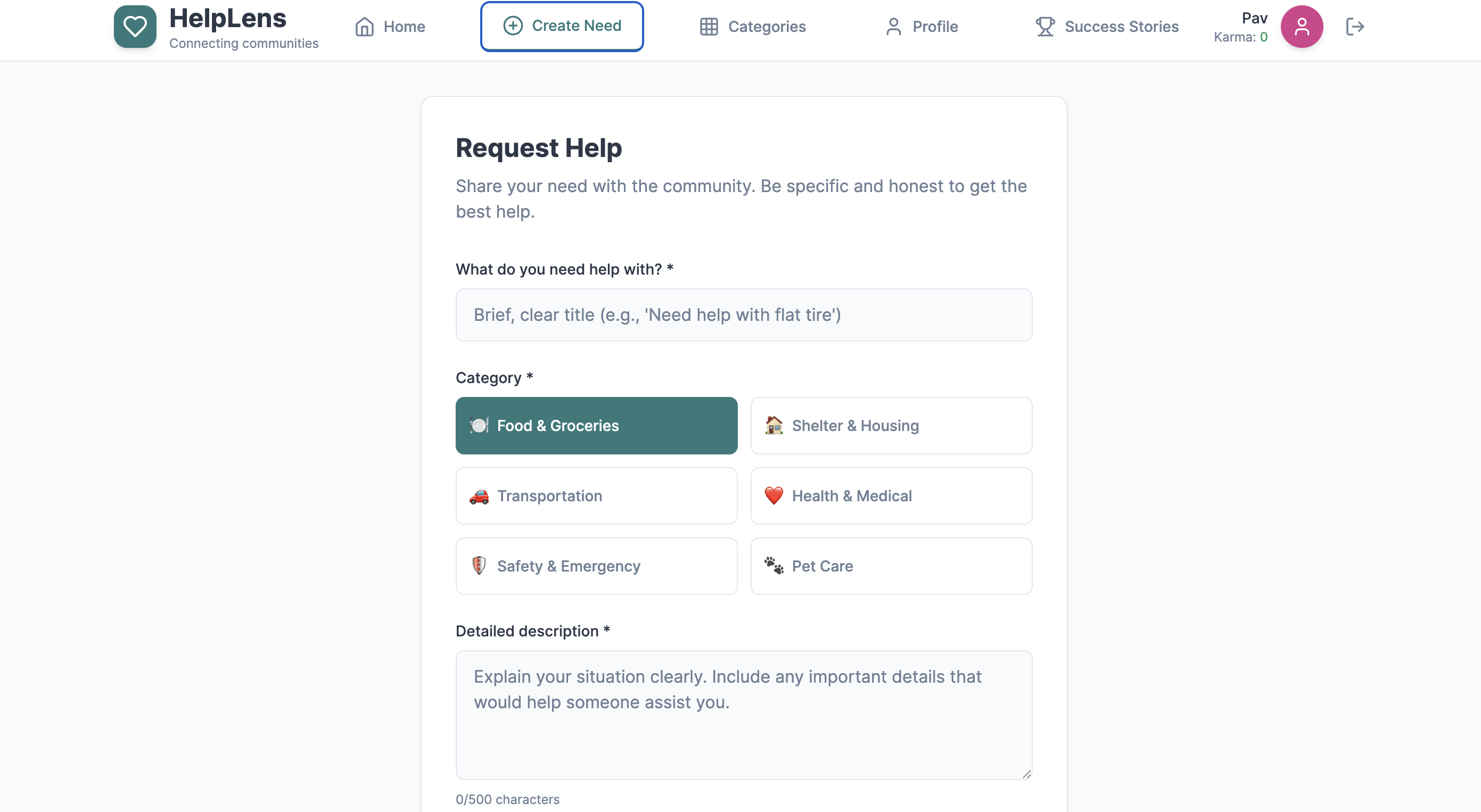
Create Request
-
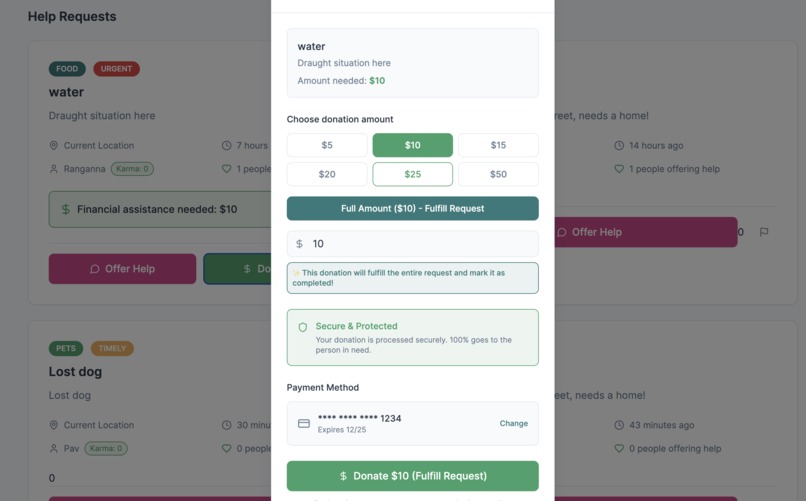
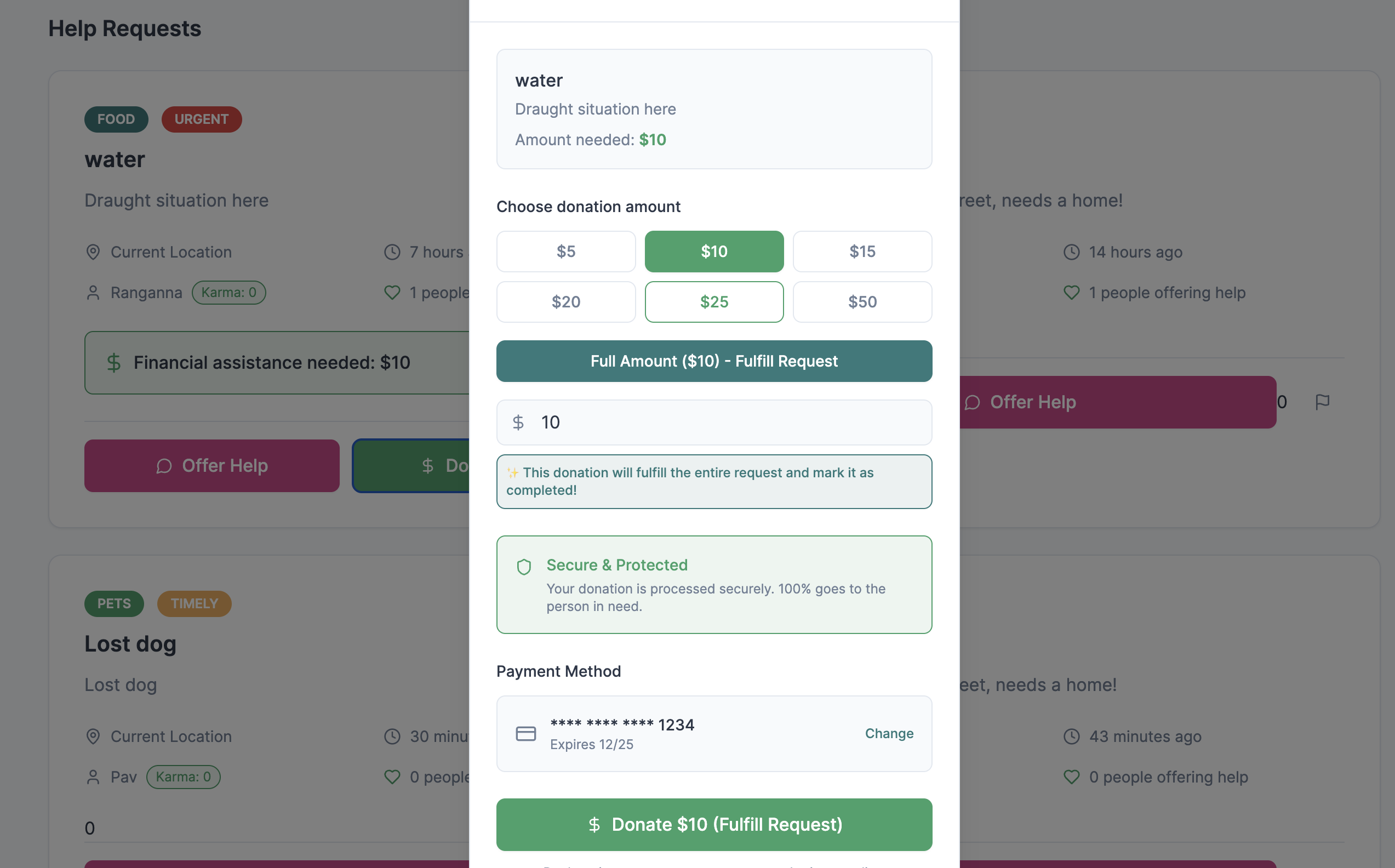
Donate
-
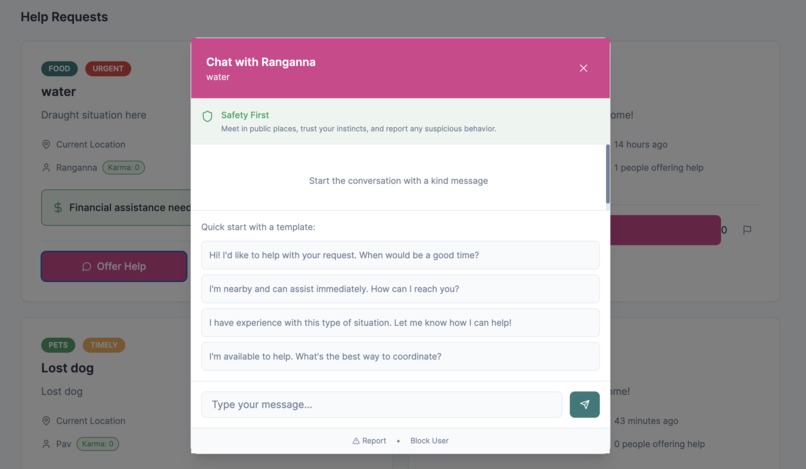
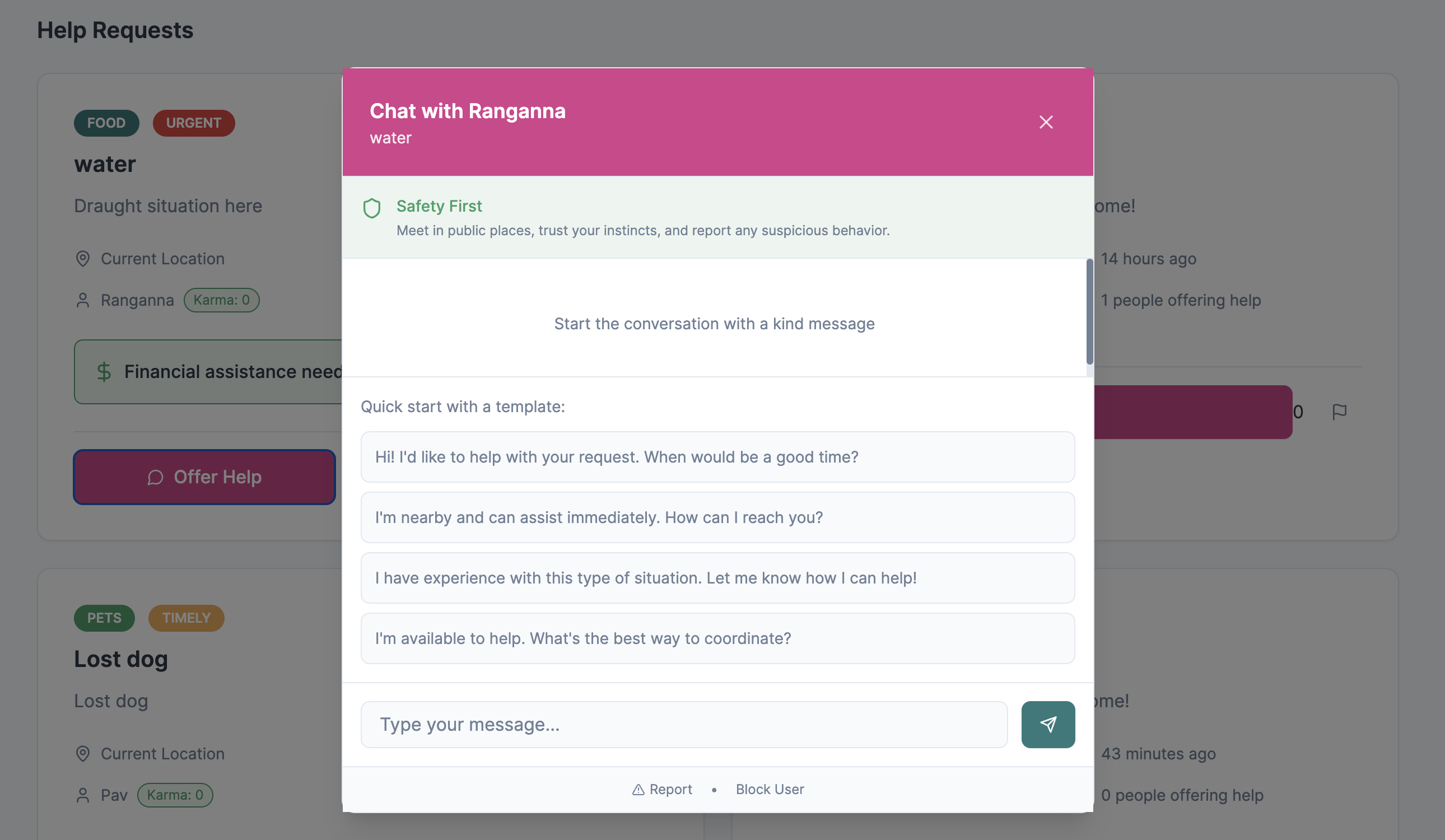
Offer help
-
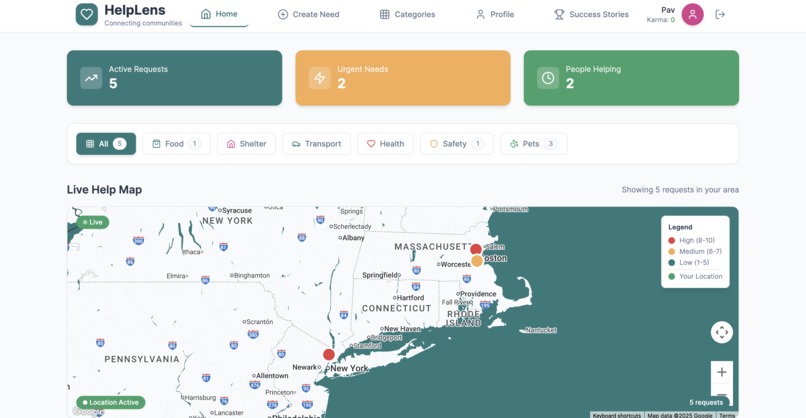
Home Page
-
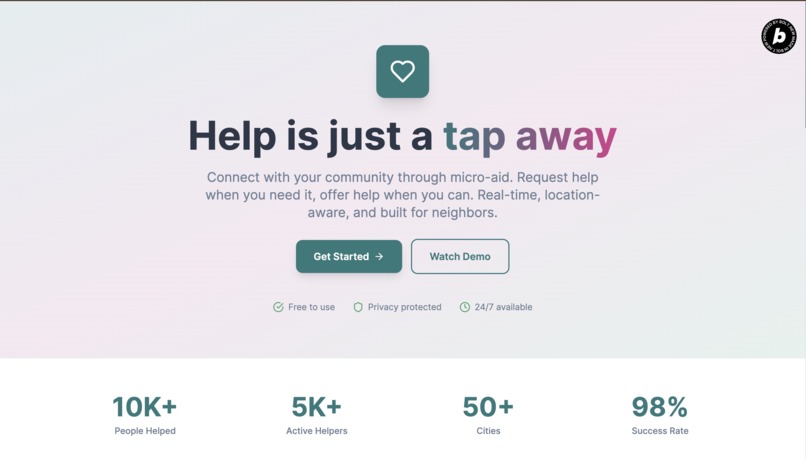
Landing Page
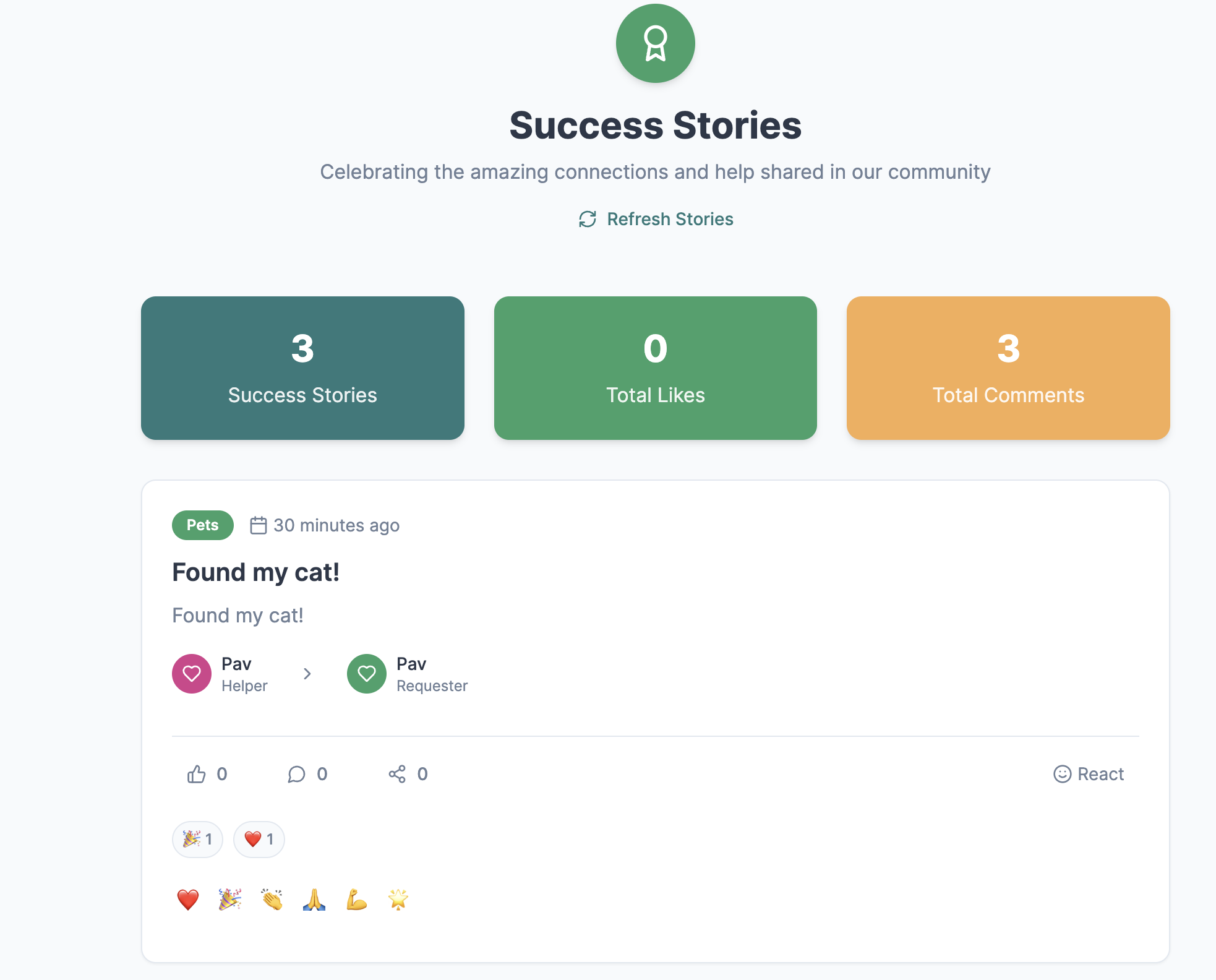
Inspiration
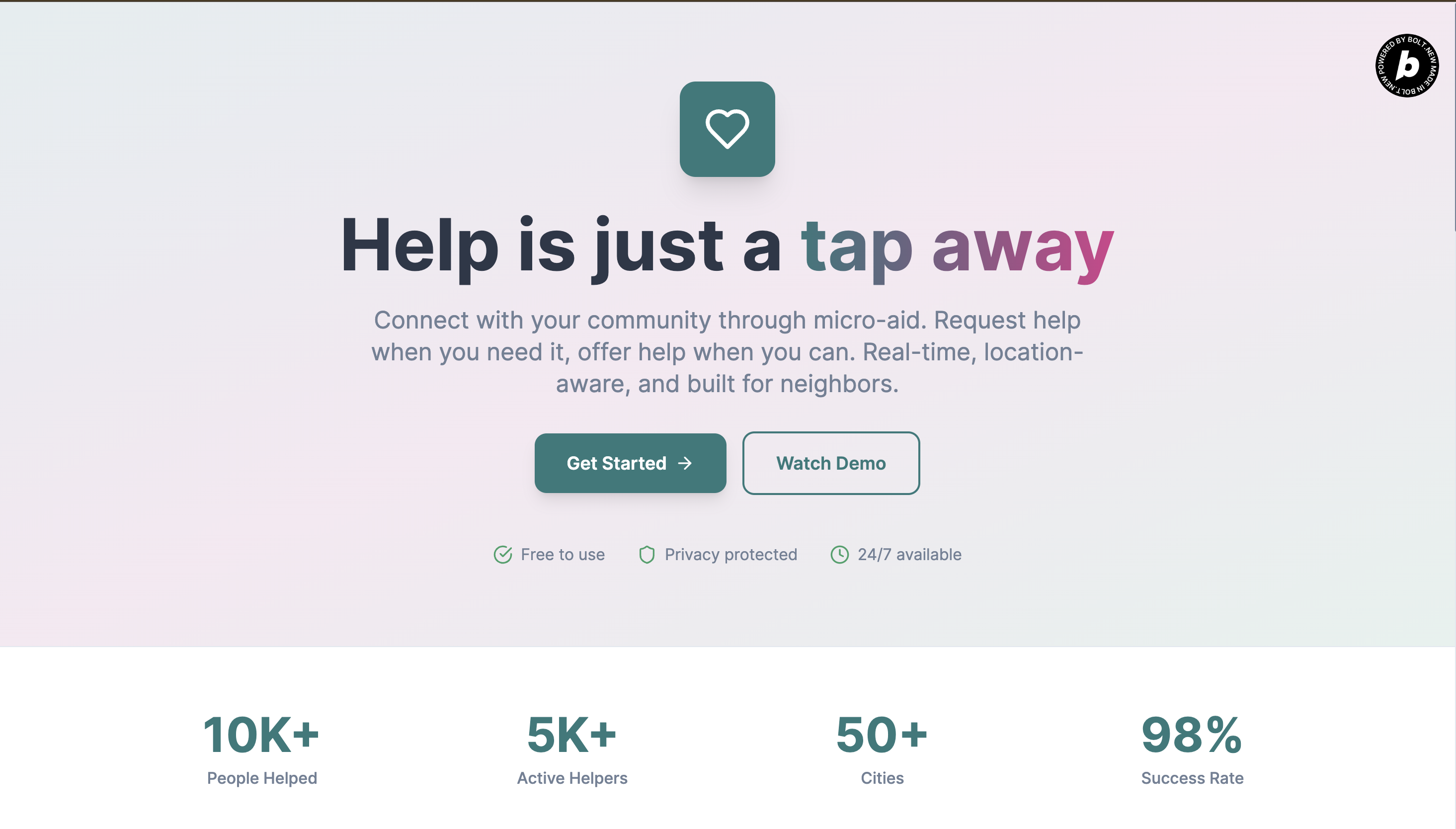
Growing up, my mom was the embodiment of kindness. She had this incredible ability to spot someone in need, a neighbour short on groceries, a homeless person struggling for food, or a friend needing a listening ear. She’d always say, “If you can help, you should. It’s what keeps us human.” But she often admitted it wasn’t always easy to find those who needed help the most. That stuck with me. Her words planted a seed: what if there was a way to make helping others as simple as a tap on your phone? That’s where the idea for HelpLens was born, a platform to bridge the gap between those who need help and those eager to give it, inspired by my mom’s unwavering compassion and her frustration at not always knowing where help was needed.
What it does
Building HelpLens taught us a lot about human connection and technology’s role in amplifying it. We learnt that people genuinely want to help, they just need a clear, trustworthy way to do so. We also discovered the importance of balancing urgency with simplicity. People in crisis don’t have time for complex forms, and helpers need quick, intuitive ways to act. On the technical side, we learnt how to leverage real-time data for live maps and secure user authentication to build trust. Most importantly, we learnt that small acts of kindness, like helping with a $5 emergency or finding a lost pet, can ripple through a community, fostering inclusivity and hope.
How we built it
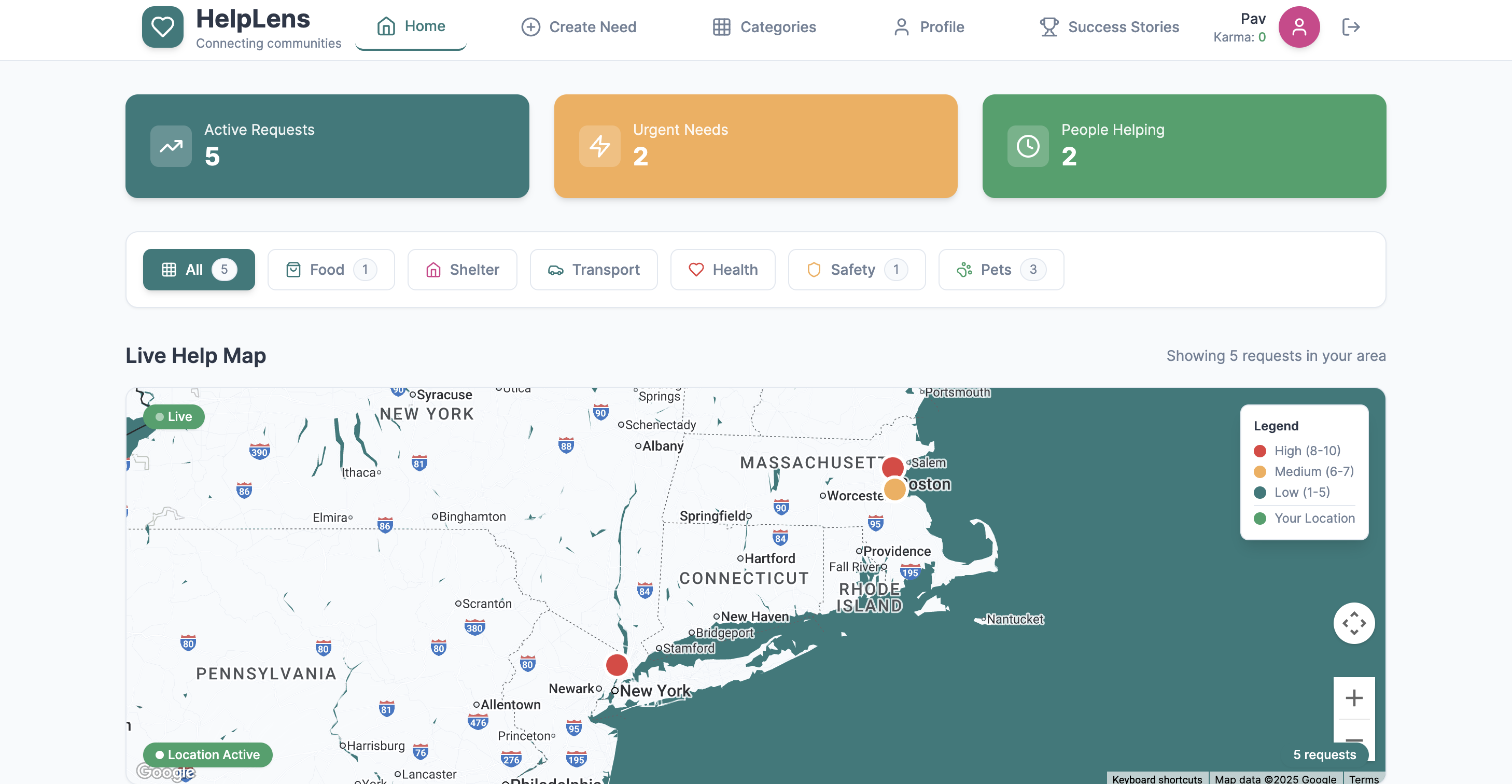
HelpLens was built using Bolt, a framework that allowed us to create a fast, responsive platform without getting bogged down in technical complexities. We integrated Supabase for secure user authentication, ensuring every login is safe and personalised. The core features, like the Live Help Map, request feed, and category filters, were designed to make help accessible and immediate. For example, the map uses real-time geolocation to show nearby needs, while the “Create Need” form autofills location data to save time. We also added a karma score system to reward helpers and build trust and a Success Stories section to celebrate real impact. Every element was crafted to make compassion move quickly, from the first login to the moment help is delivered.
Challenges we ran into
Building HelpLens wasn’t without hurdles. One major challenge was designing a system that felt intuitive for both tech-savvy users and those less familiar with apps. We iterated multiple times on the “Create Need” form to make it simple yet comprehensive. Another challenge was ensuring the Live Help Map was accurate and fast, even with real-time updates, which required optimising our backend to handle geolocation data efficiently. Trust was also a big concern, how do you ensure users feel safe asking for or offering help? Integrating Supabase’s secure authentication and adding transparent user profiles with karma scores helped address this. Finally, we wrestled with scope creep, wanting to add every feature imaginable, but learnt to focus on what truly served our mission: connecting people in need with those ready to help.
Accomplishments that we're proud of
Rapid Development with Bolt: We built HelpLens using Bolt, creating a fully functional, real-time micro-aid platform in record time, proving that impactful solutions don’t need years of development. Seamless User Experience: Designed an intuitive interface that makes requesting and offering help accessible to everyone, from tech novices to seasoned app users, with features like auto-filled location data and easy-to-use filters. Trust-Building Features: Integrated Supabase for secure authentication and created a karma score system to foster trust and transparency, encouraging more users to participate confidently. Live Help Map: Developed a real-time map that accurately pinpoints nearby help requests, making it easier for users to act quickly and locally. Community Impact: Launched the Success Stories section, showcasing real-world examples of help delivered, which has already inspired users to share their own stories and build a stronger, more inclusive community.
What we learned
Simplicity is Key: Users in crisis need quick, frictionless ways to ask for help, while helpers need clear, actionable information. Streamlining the “Create Need” form and map interface was critical to user adoption. Trust Drives Engagement: Secure authentication (via Supabase) and transparent user profiles with karma scores significantly increased user confidence and participation. Real-Time Challenges: Building a responsive Live Help Map required optimising geolocation data handling to ensure speed and accuracy, teaching us the importance of efficient backend systems. Small Acts Matter: We learnt that micro-aid, like helping with a $5 emergency or a lost pet, has a profound impact, reinforcing the value of addressing everyday crises. Focus Over Features: Avoiding scope creep by prioritising mission-critical features taught us to stay aligned with our core goal: connecting people who need help with those who can provide it.
What's next for HelpLens
Expanded Categories: Add more specific categories like mental health support or childcare to address diverse needs and make the platform even more inclusive. Mobile App Enhancements: Introduce push notifications for urgent nearby requests and integrate voice mode (leveraging platforms like the Grok iOS/Android apps) to make HelpLens more accessible. Community Partnerships: Collaborate with local organisations and nonprofits to amplify reach and connect users with resources beyond individual help. Advanced Analytics: Develop insights for users, such as trends in local needs or impact metrics, to encourage more engagement and highlight the platform’s value. Global Scalability: Optimise the backend to support larger user bases and explore multilingual support to make HelpLens a global tool for compassion while maintaining its focus on local, real-time aid.
Built With
- bolt
- google-cloud
- google-maps
- supabase
- typescript


Log in or sign up for Devpost to join the conversation.