-
-
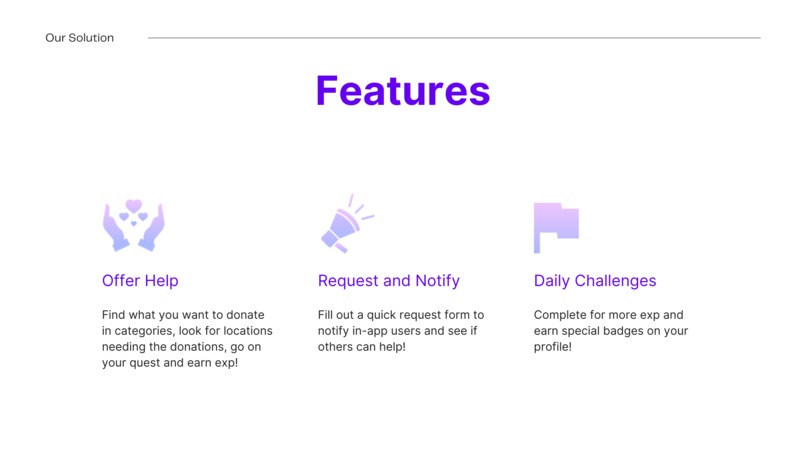
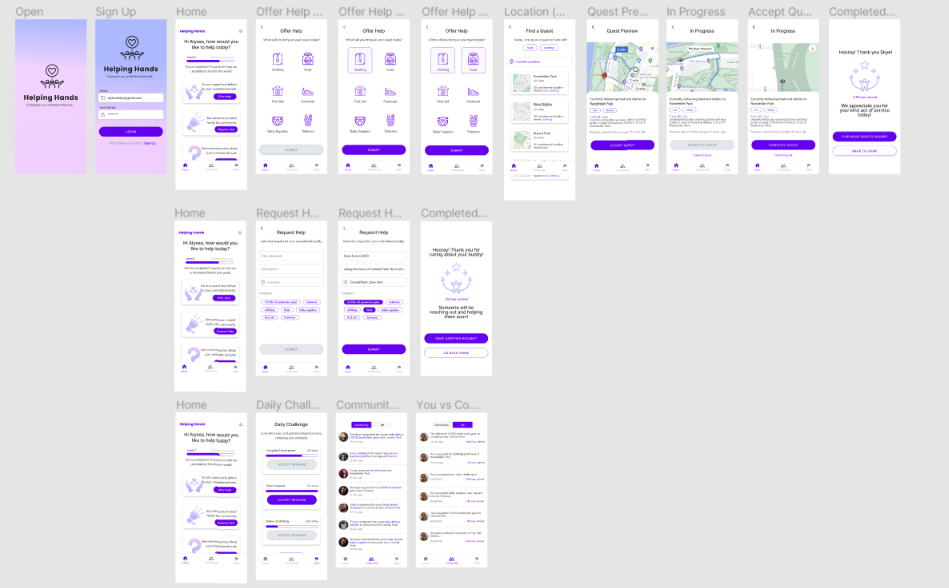
A look at Helping Hands's features
-
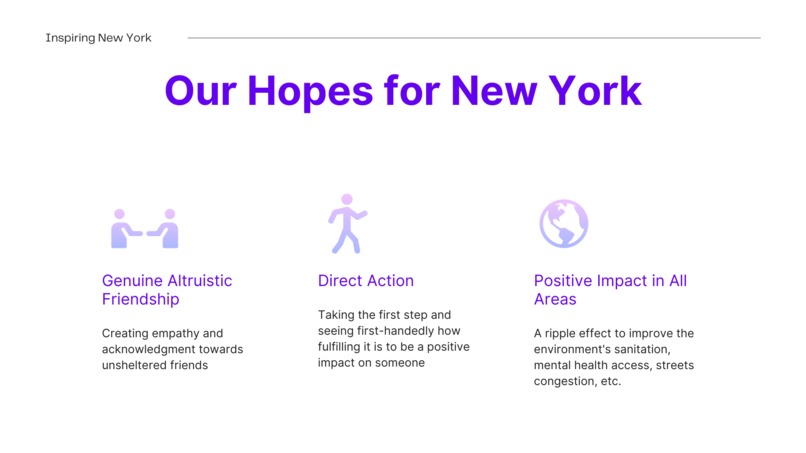
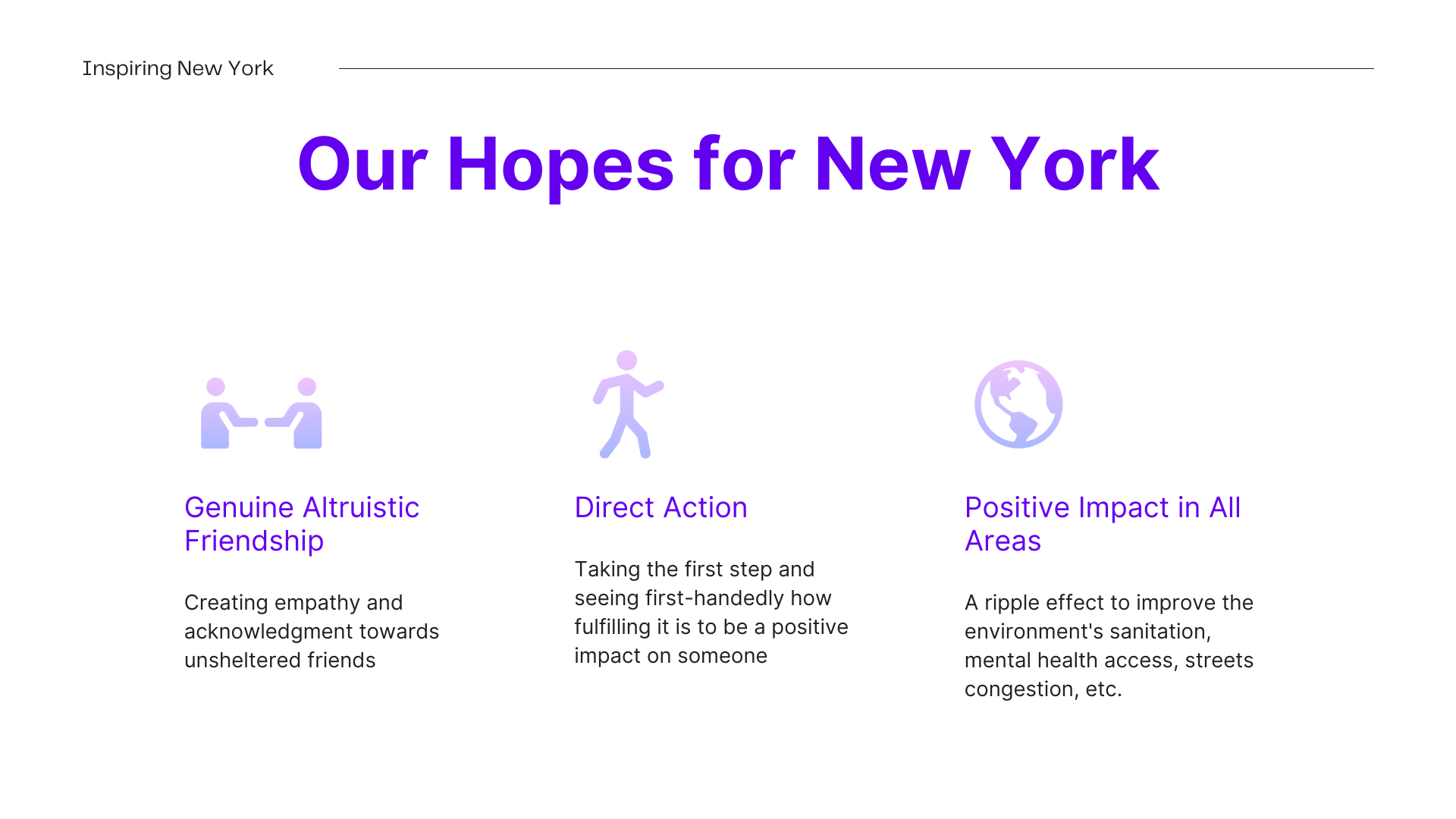
What we hope our platform can change in New York
-
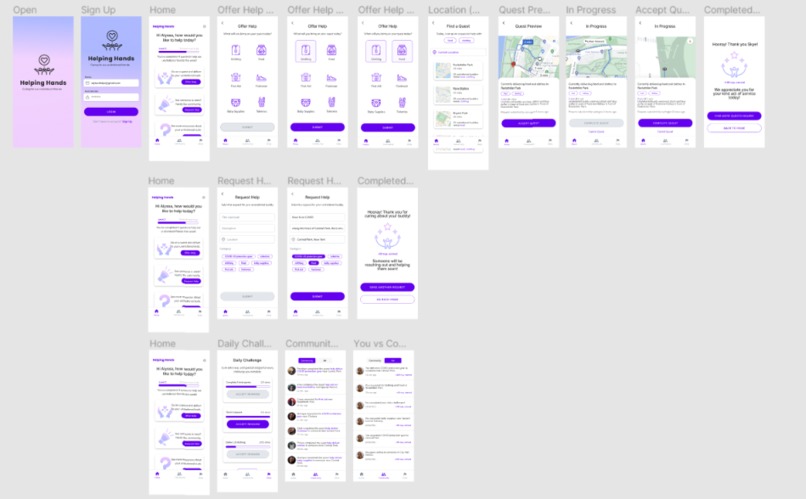
A look of all the screens in our final prototype's flow in Figma
-
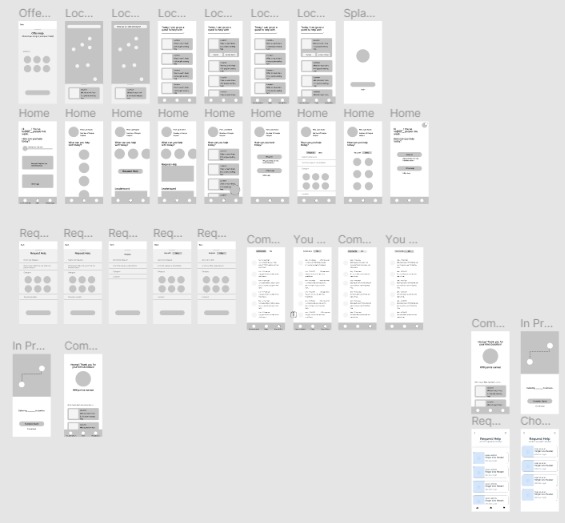
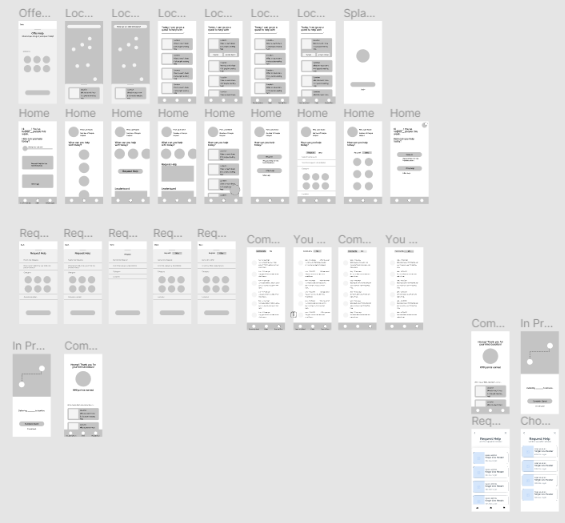
Our low fidelity mock-ups and iterations

Inspiration
Among our research of what problems New York is currently facing, there were increasing crime rates, unaffordable housing, congested streets, mass transportation issues, and inaccessible mental health resources. However, all of these problems are tied back to one major issue that has continued to increase especially since the pandemic, an increase in unsheltered people in New York.
Unemployment rates continue to rise and New Yorkers are struggling to pay the high rents with their meager wages. The lack of jobs in New York caused a lot of people without housing. Many unsheltered people crowd New York’s underground subways, creating unsanitary environments and making many of the New York public feeling uncomfortable and uneasy. According to the New York Post, “New Yorkers fear catching COVID-19 or being assaulted or harassed by someone who is not wearing a mask, likely not vaccinated, and often evidences mental and physical health problems.” The New York environment has become more gloomy, leaving many New Yorkers to lose hope in improving their community.
Solution
Because of the unsheltered people’s financial inability to access resources, our platform Helping Hands encourages and enables the New York community to offer what they have and can in their free time for the unsheltered people.
New Yorkers can help their unsheltered community by either requesting or offering help. Users can earn experience points as they go on a quest to a nearby location in New York to deliver resources to the unsheltered people such as food and clothing. We understand that New Yorkers can have a busy and rushed life with the congested streets, so we made it possible for New Yorkers to submit a quick request form to in-app users if they do not have the time to directly help their unsheltered community.
With Helping Hands, we hope that we can encourage New Yorkers to take their first action directly in helping the unsheltered community. We hope they can empathize with the unsheltered community as they learn about the socio-economic disparities between the two sides. We also hope that our platform reignites the New York community’s hope that changes can be made, a positive impact can be created, and it all can start with them!
Challenges Faced
With so many pressing issues we wanted to find a solution that could tackle the heart of the problem New York is currently facing while ensuring the safety of our users. While building the app, we had to consider the social issues:
- How might we foster a genuine sense of connection between the community and incentivize people to want to help?
- How can we keep the vulnerable unsheltered community safer? (We originally had the idea of users sending the specific location of an unsheltered person, but that can leave them at risk for trafficking and policing)
In the design process:
- We had a lot of trouble building the home screen out regarding where to place the user’s profile, experience points, and level. (We had a total of 21 iterations.)
- We also had trouble maintaining the balance of gamifying the platform, while keeping the copyright straightforward, relative to the problem, and simplistic.
Accomplishments that we're proud of
- Creating a simple straightforward interface to have the user focus on what they can do in their community: help
- Creating so many iterations of just the home screen because we were determined to make it not only look better, but make sense to the user. We pushed through.
- That we researched, acknowledged, and attempted to find a solution for a place we are unfamiliar with
What We Learned
Originally, our idea was to have users send a form to in-app users with the unsheltered individual’s name, needs, and exact location. However, we came to realize that the unsheltered community is the most vulnerable and our idea would make them even more vulnerable. It would not be realistic to share an individual’s exact location because of policing around the New York stations (which increased during the pandemic) and potential human trafficking. People may also not be comfortable with surveillance crowdsourcing. Therefore, we switched to the idea of having users send the general location of the unsheltered people. This also makes it easier for users so they do not have to find the exact individual to help. Instead, users would arrive at the general location and help their unsheltered buddies.
Future Add Ons
- Add community groups for users who might feel more comfortable working with a group. Our vision is to continue to aid the homeless by fostering community and connection amidst the pandemic.
- Give users offline access.
- Add filtering to the community board to sort between the requests and quests.
- Adding likes and comments to the community board so users can show support and encouragement to other users.
Built With
- figma





Log in or sign up for Devpost to join the conversation.