-
-
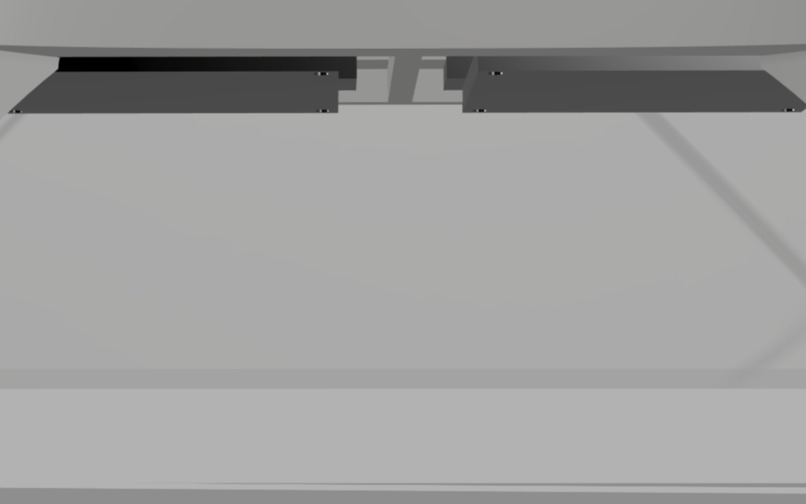
Inside Veiw
-
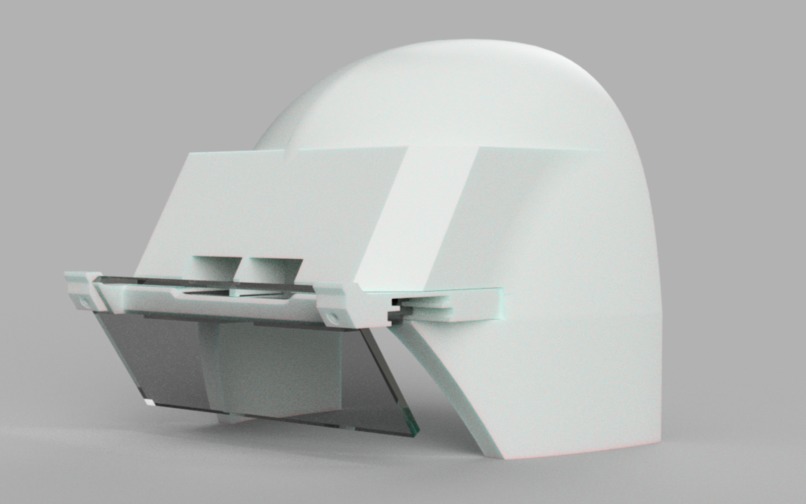
Helmet CAD
-
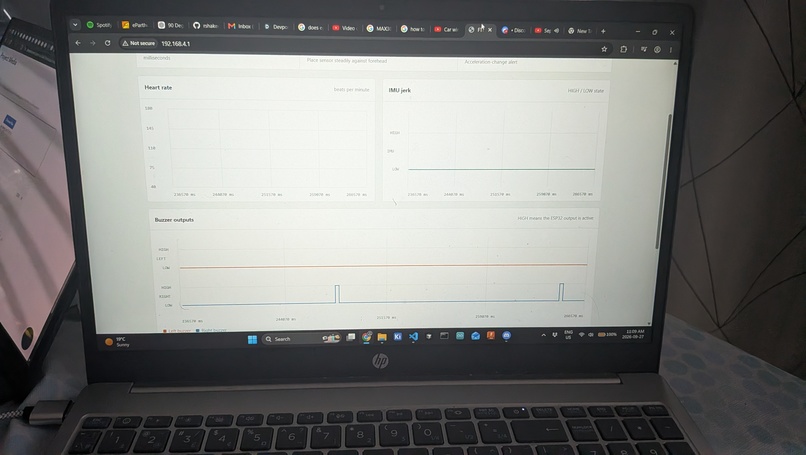
Telemetry
-
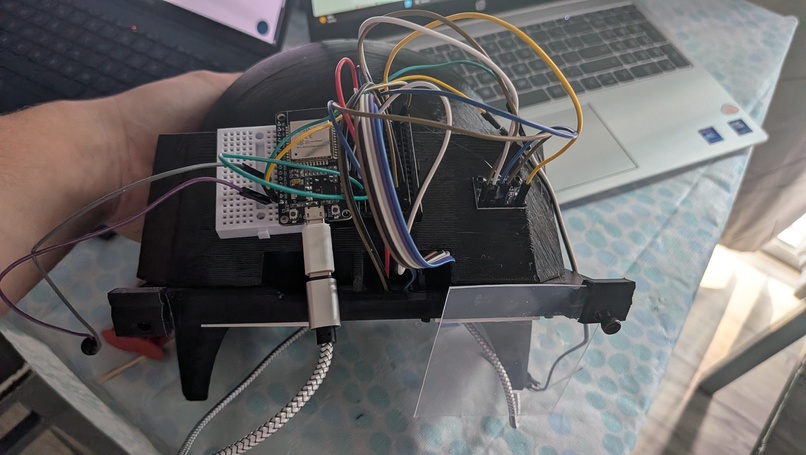
Helmet IRL
-
HUD
Inspiration
F1 cars are packed with sensors, yet the helmet is still just a helmet. Critical information, like a stalled car around the next corner, could reach the driver faster than a race engineer can radio it in. At the same time, the crew has no live view of the driver's own condition, like their heart rate or the forces on their head. We wanted to make a helmet that makes the driver part of the data network.
What it does
HelmSync is a connected smart helmet that warns drivers about hazards and keeps the crew informed about the driver.
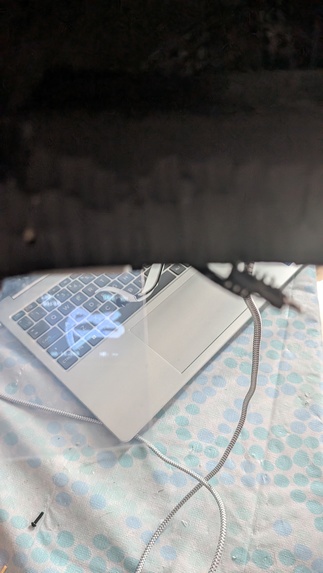
- Visor HUD: a display reflected into the visor shows a Monza-style track minimap with nearby cars, a race timer, lap count, DRS status and the driver's heart rate.
- Directional buzzers: a buzzer on each side signals when a car is passing on that side or when a car is stopped on the track ahead.
- Whiplash detection: an accelerometer flags sudden, dangerous head movements and sets off both buzzers.
- Heart rate monitoring: an optical sensor on the forehead tracks the driver's BPM.
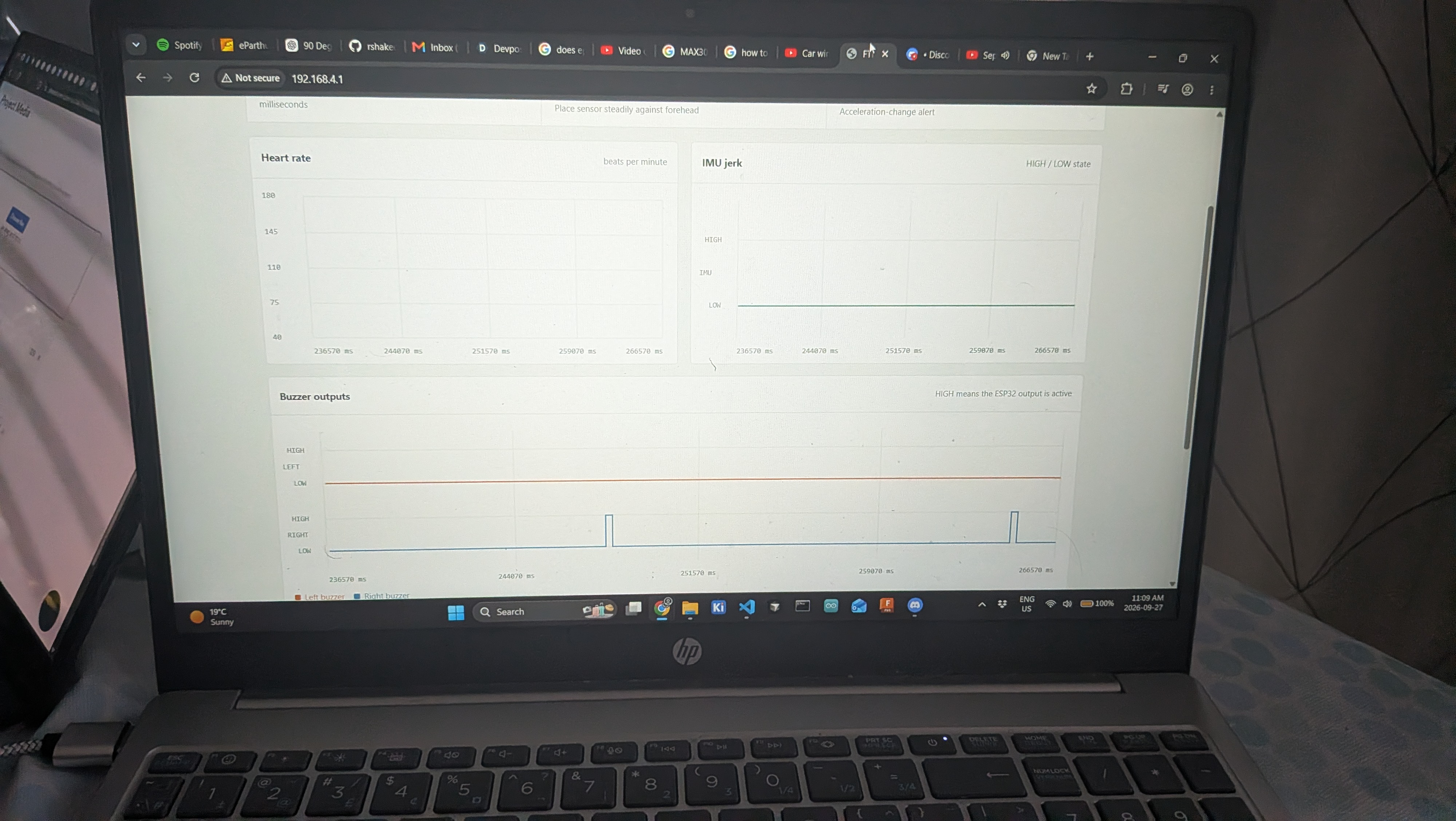
- Live crew dashboard: the helmet hosts its own Wi-Fi network and streams heart rate, head-movement alerts and buzzer events to a browser dashboard about 10 times a second, with live graphs and a timestamped alert log.
How we built it
- Brain: an ESP32 running Arduino firmware, built with PlatformIO.
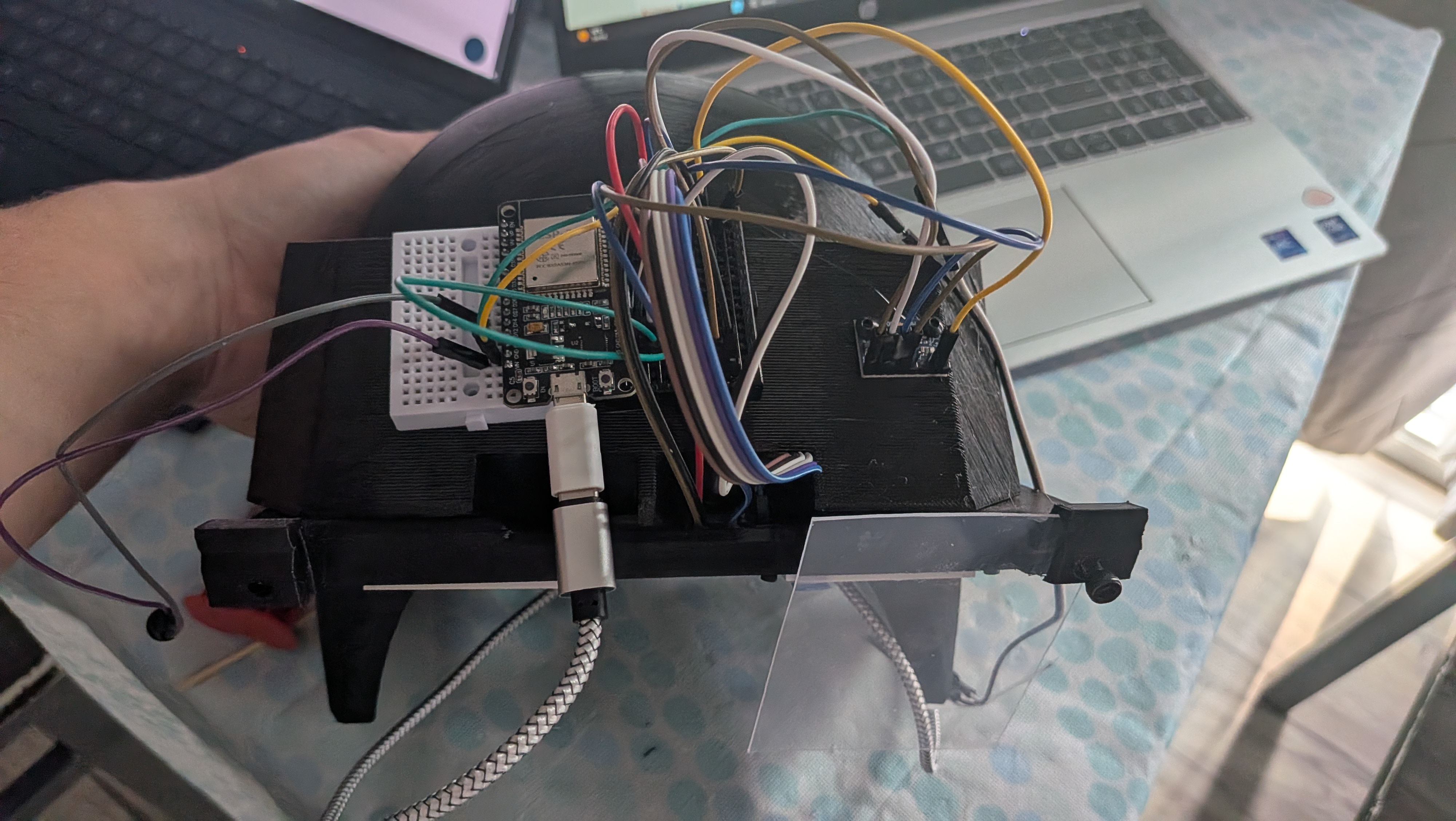
- Sensors: an MPU6050 accelerometer/gyroscope for head motion and a MAX30102 heart rate sensor, both on a shared I2C bus.
- HUD: an ST7735 TFT display driven over SPI. The image is mirrored so it reads correctly when reflected in the visor.
- Alerts: two buzzers on the left and right sides of the helmet.
- Connectivity: the ESP32 runs a password-protected Wi-Fi access point and a web server, then streams JSON telemetry over WebSockets to a dashboard that works offline.
- Signal processing: the IMU calibrates itself at startup and sets a jerk threshold based on measured noise. For heart rate, we detect peaks in the IR signal, reject implausible beat intervals and average the last few readings.
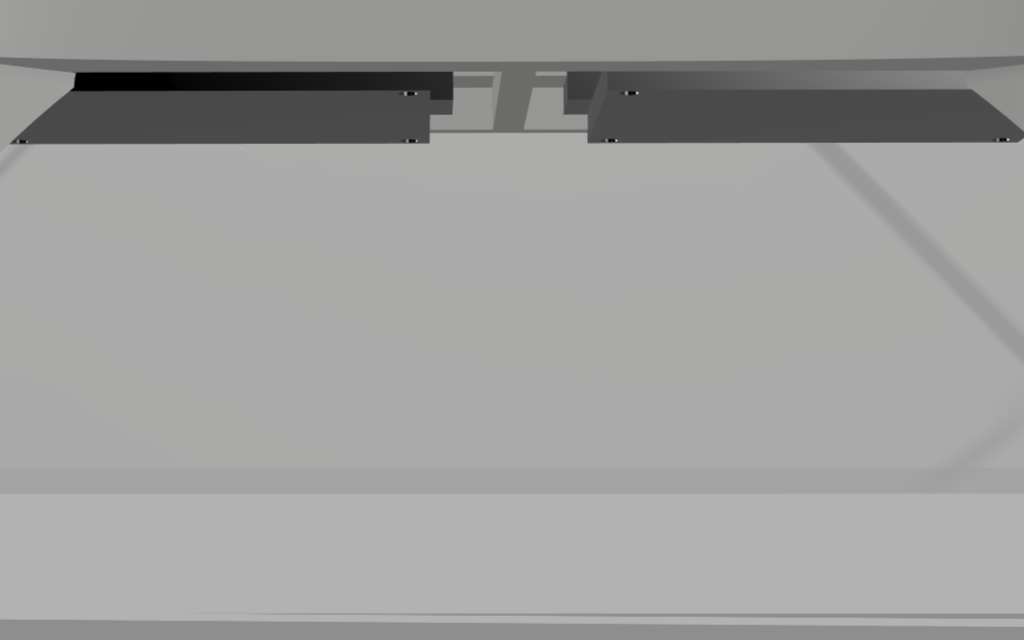
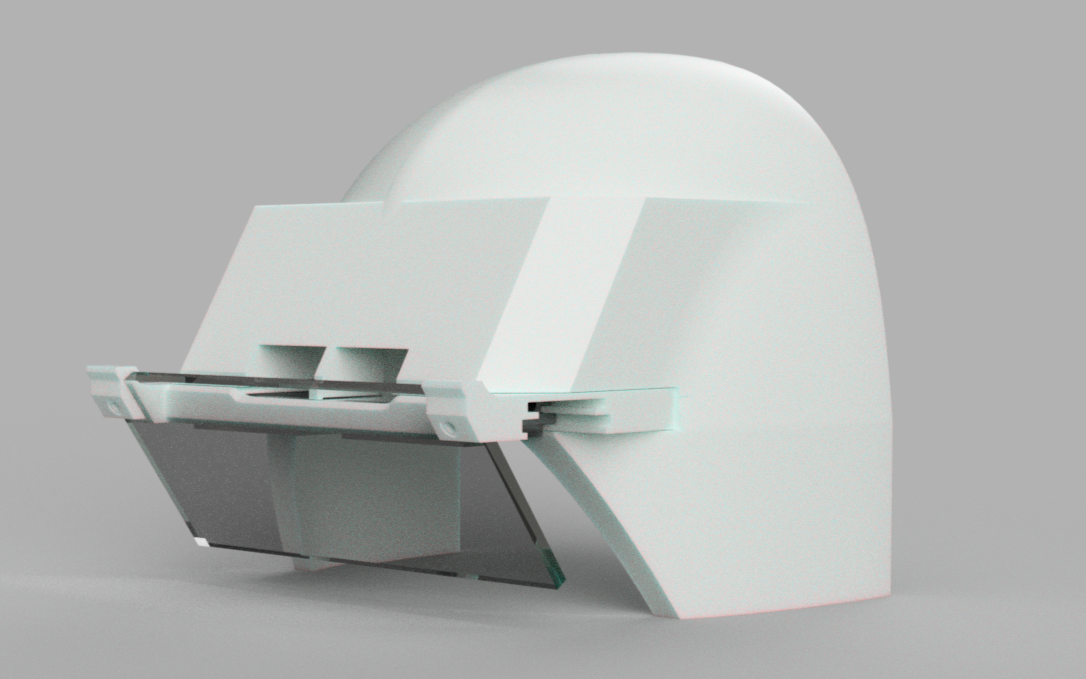
- Physical design: a custom-sized helmet with the electronics and visor display integrated.
For the demo, the minimap simulates an overtaking car and a stalled car on track. In a real race, car positions would come from live track position data.
Challenges we ran into
- Hardware: getting two sensors to share one I2C bus reliably, and wiring everything inside the space of a helmet.
- Software: tuning the heart rate and whiplash thresholds so they caught real events without false alarms, while keeping the display, sensors and Wi-Fi stream running smoothly in one loop.
- Physical design: fitting the HUD so it's readable in the visor without blocking the driver's view, and sizing a custom helmet around the electronics.
Accomplishments that we're proud of
- A working HUD reflected in the visor
- A custom-sized helmet
- A live wireless crew dashboard streaming real sensor data
What we learned
- The basics of AR and visor display design
- How driver safety systems work, and what information matters most at speed
- How to stream real-time sensor data wirelessly from embedded hardware
What's next for HelmSync
- Pulling real car position data from race telemetry instead of simulating the minimap
- Adding the ultrasonic proximity sensors we started on, for direct detection of nearby cars
- Connecting over cellular or 5G so the crew can monitor the driver from anywhere on track, not just within Wi-Fi range
- Sending an automatic alert to medical teams when a severe head impact or abnormal heart rate is detected
- Making the helmet smaller and lighter, and moving toward a certified racing helmet
- Building a modular design that supports an additional display, with a customizable UI so drivers or crews can choose what info each display shows
Built With
- adafruit
- autodesk-fusion-360
- buzzer
- c++
- css
- cura
- esp32
- html
- html5
- i2c
- javascript
- json
- max30102
- mpu6050
- platformio
- sovol
- sparkfun
- spi
- st7735
- websockets
- wi-fi

Log in or sign up for Devpost to join the conversation.