-
-
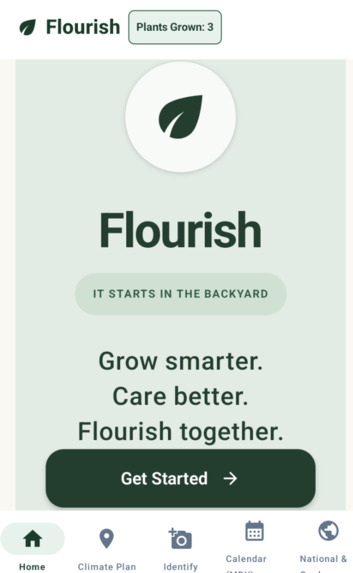
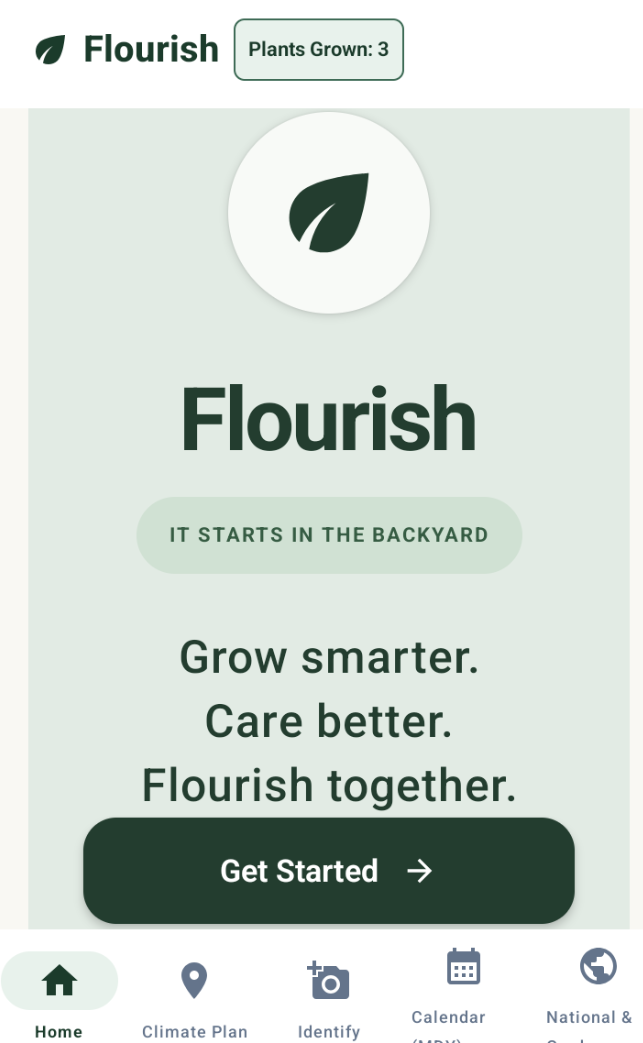
This is the Home Screen where the user starts
-
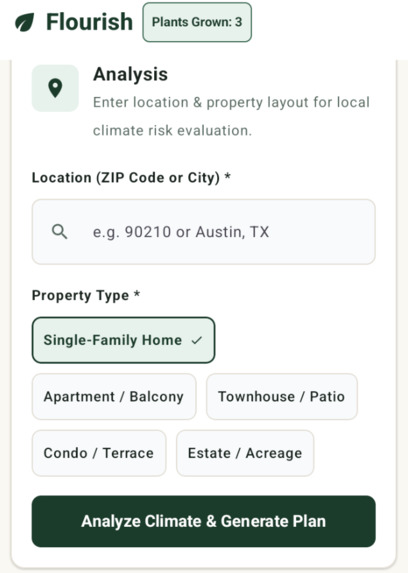
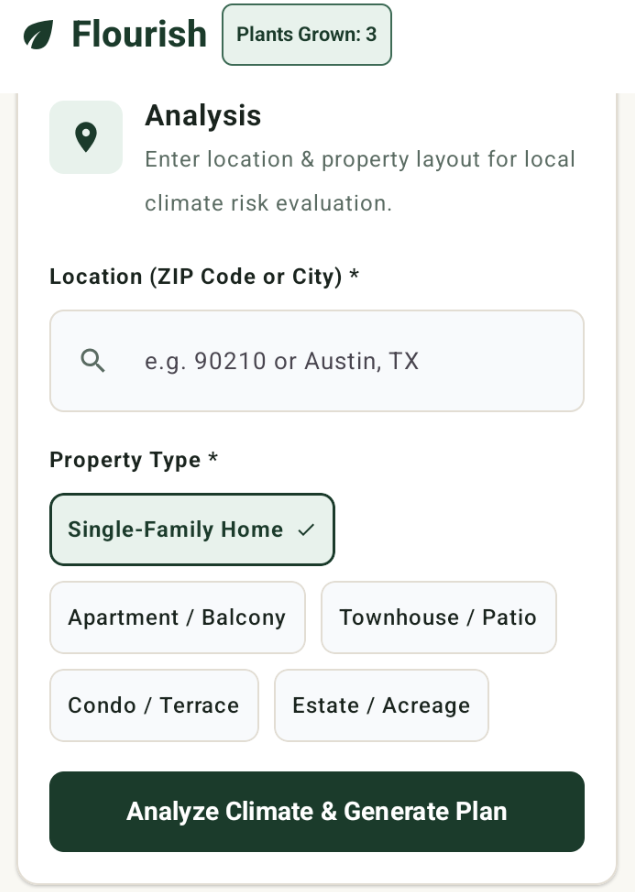
After the user goes throught the home screen they are taken a Climate Anaylization tab where they put in their data to help generate a Plan
-
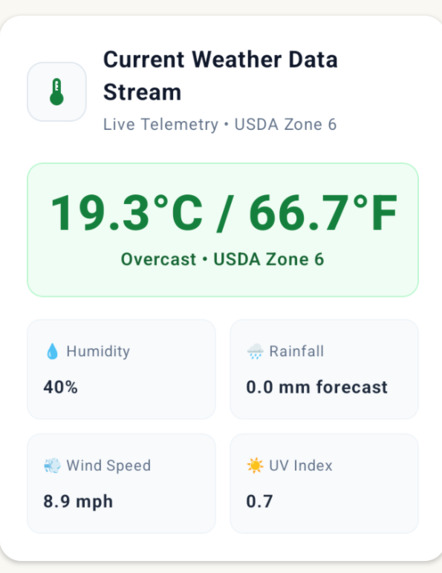
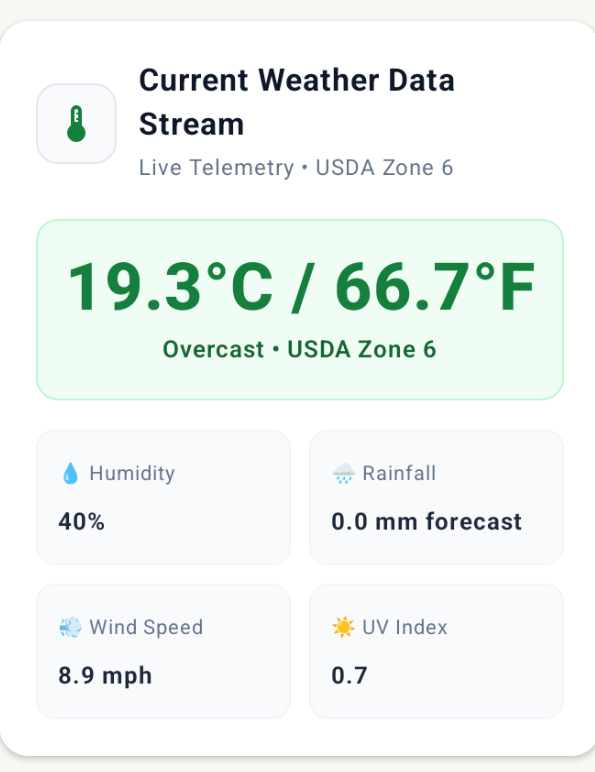
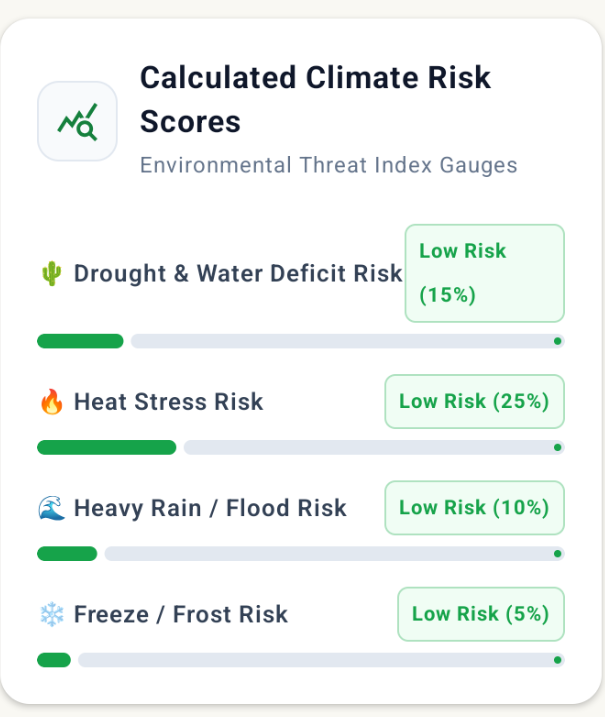
Gives data of the Imformation that the User Puts. Of the location and weather of the province/city or state.
-
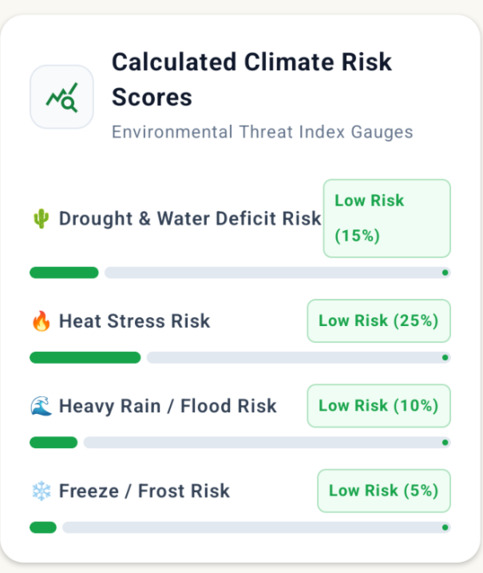
This is Data from the Weather API Service which returns the weather and possible outcomes of the forecast.
-
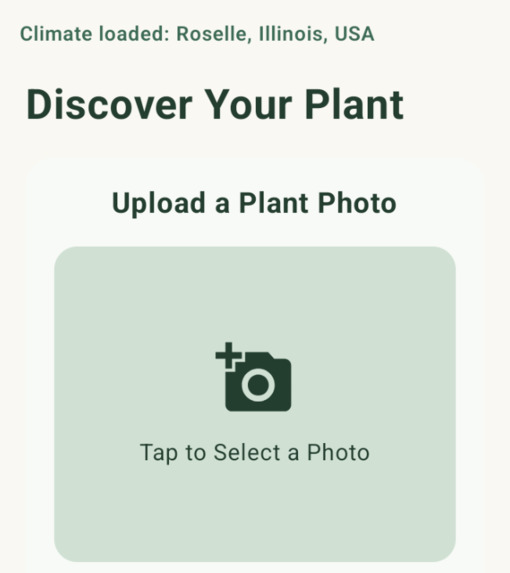
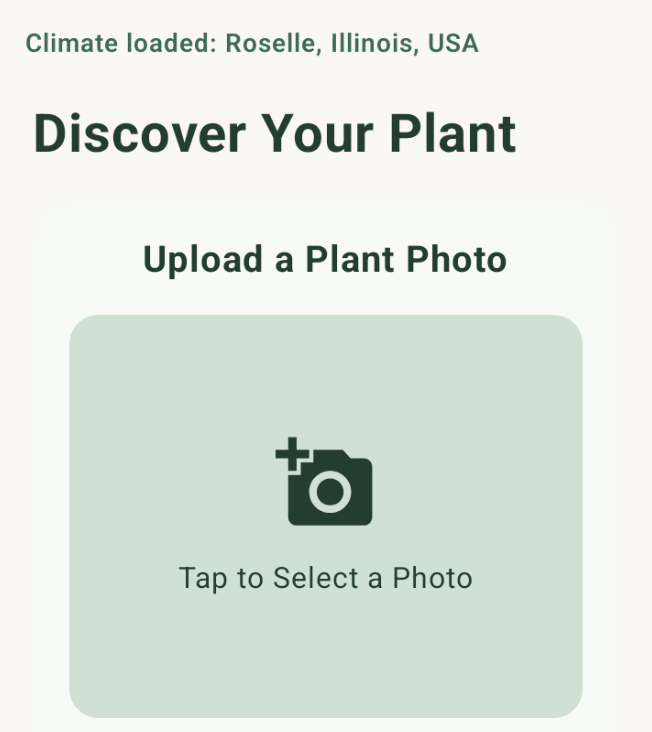
This is the tab where you upload an image and the AI bot anaylzes the Image to figure out a plan for the survival of the plant.
-
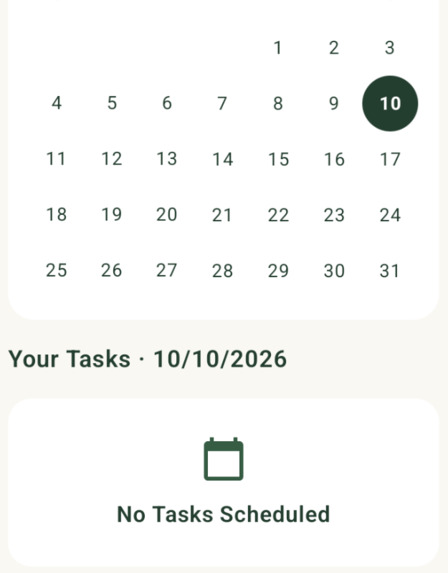
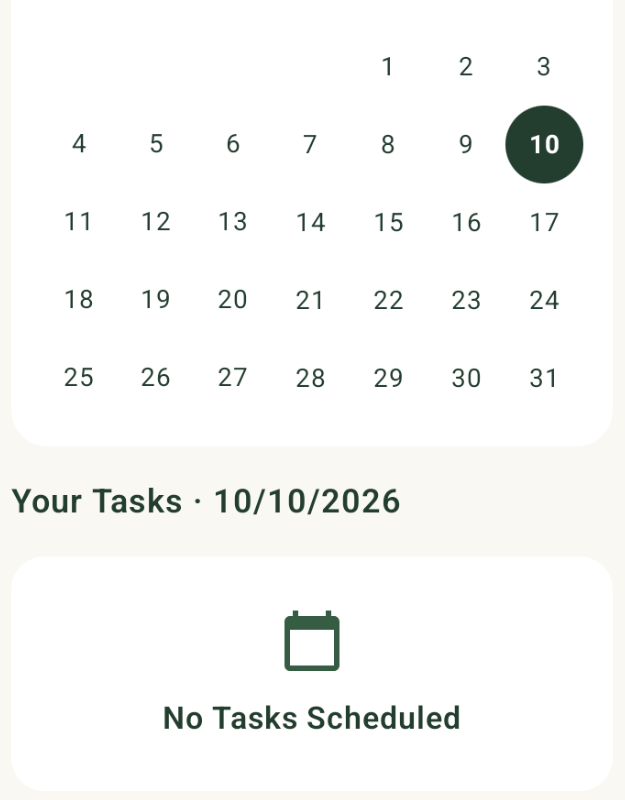
The AI makes a calendar to personalize your plan to each plant. Uploaded.
-
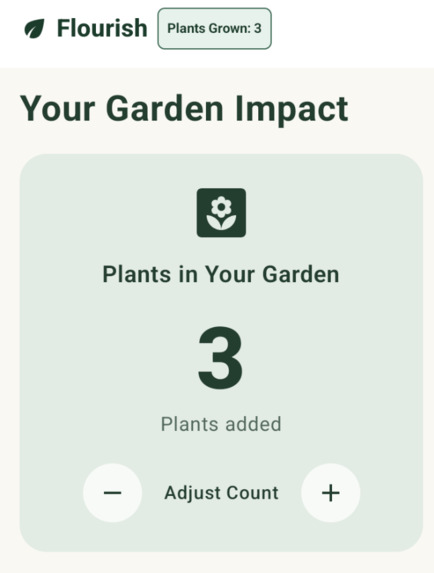
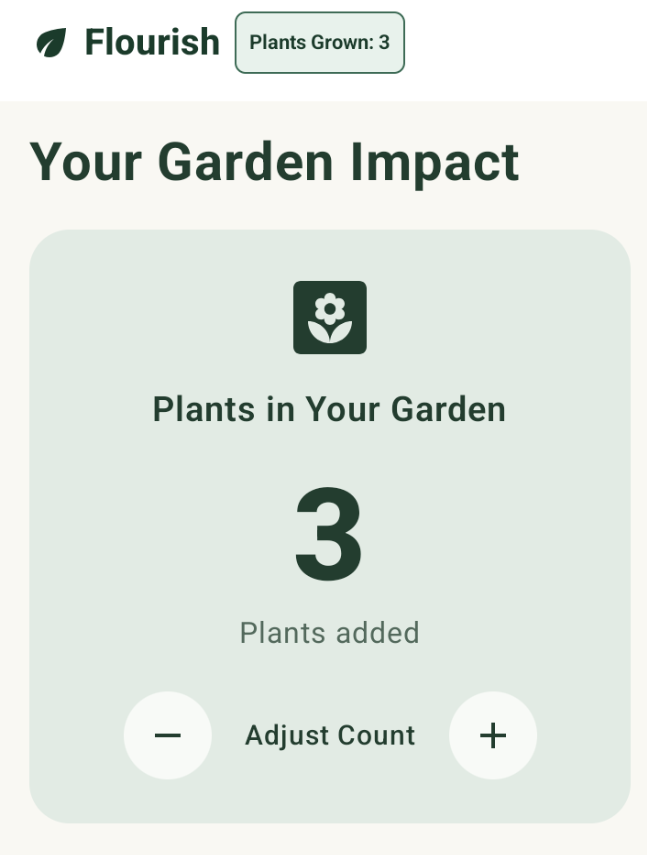
This is an iteractive in which the User can engage in a Self Competition for plant growth. Leading to Awards.
-
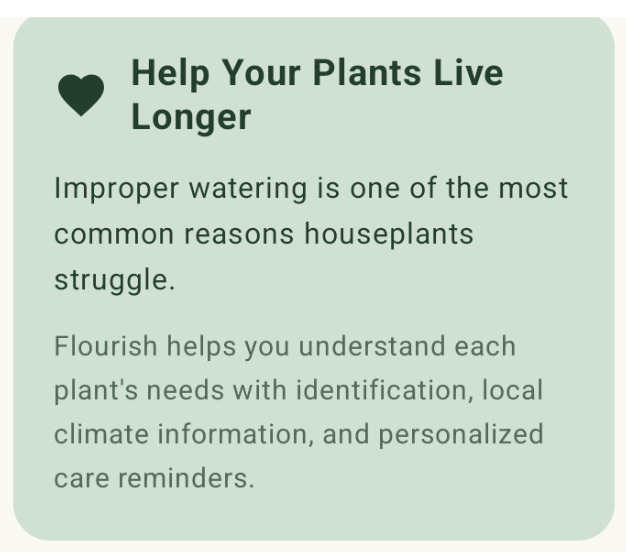
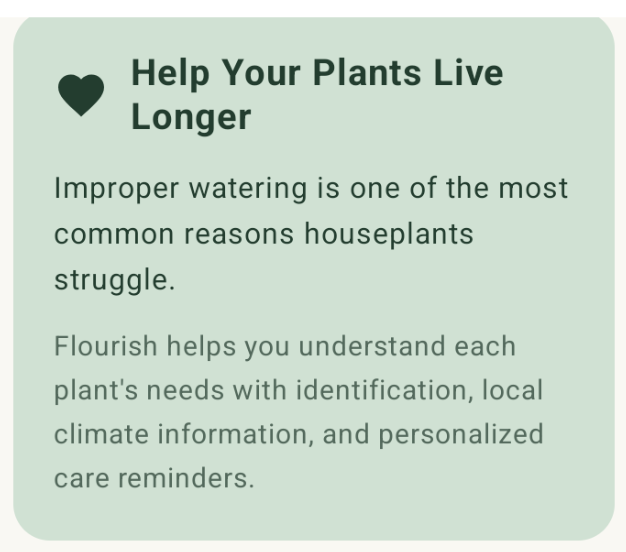
This is imformation to give users an insight of what they must do to keep their plants alive.
-
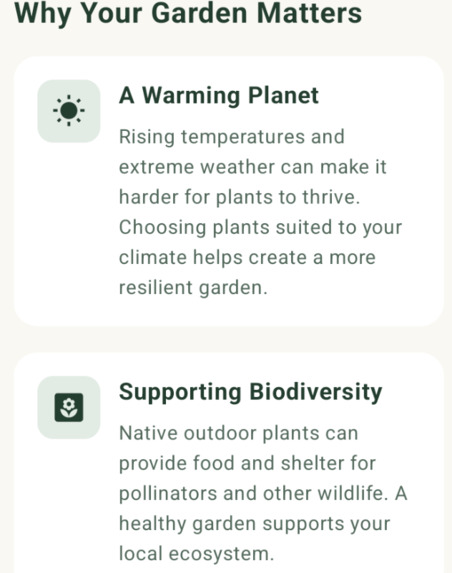
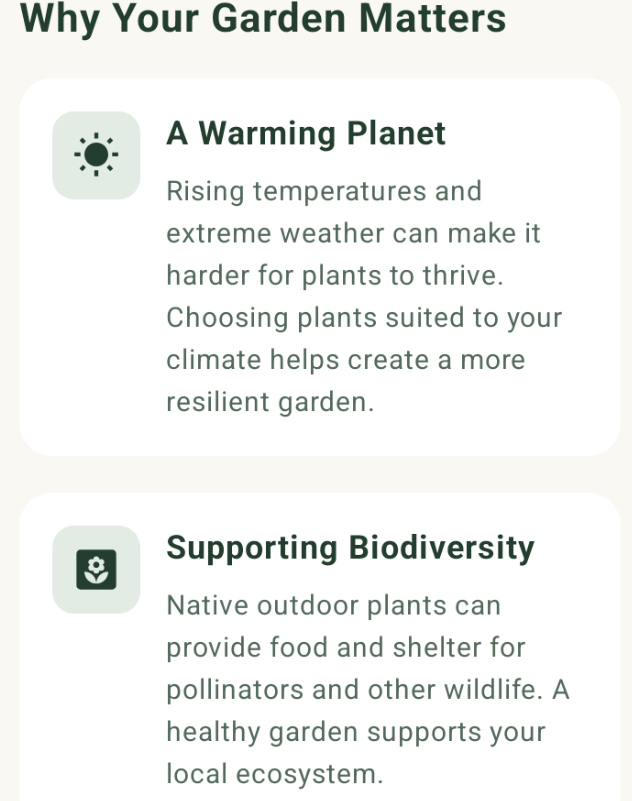
This is an imformation page with shows the users the impact of Growing a Garden.
-
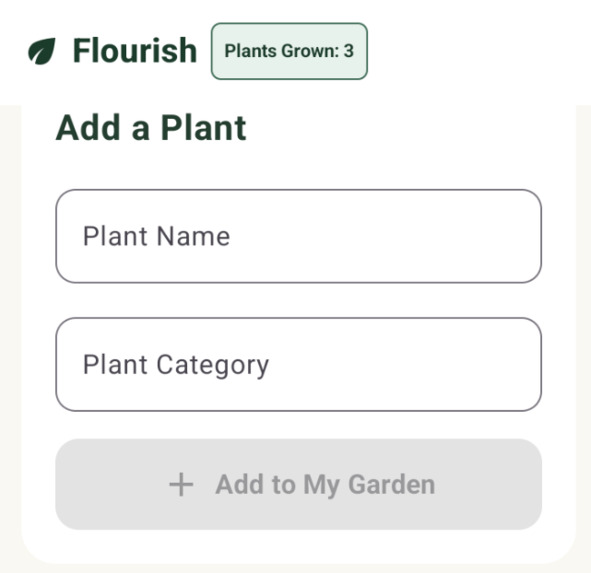
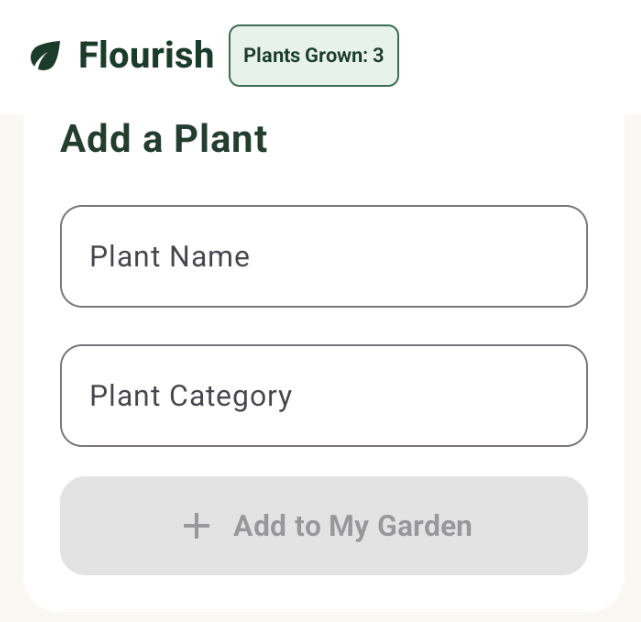
This allows Users to Input their own plants with their own names to keep the App fun and lively.
-
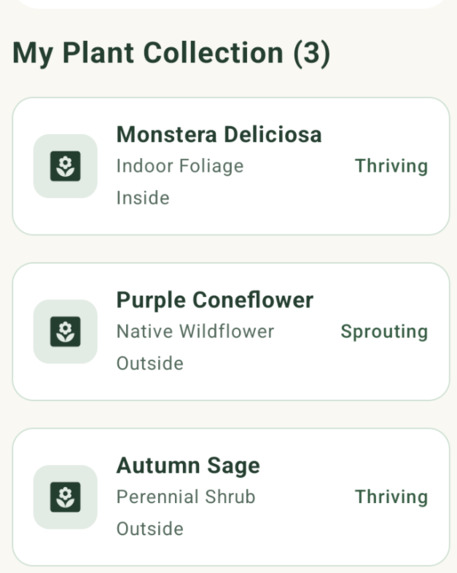
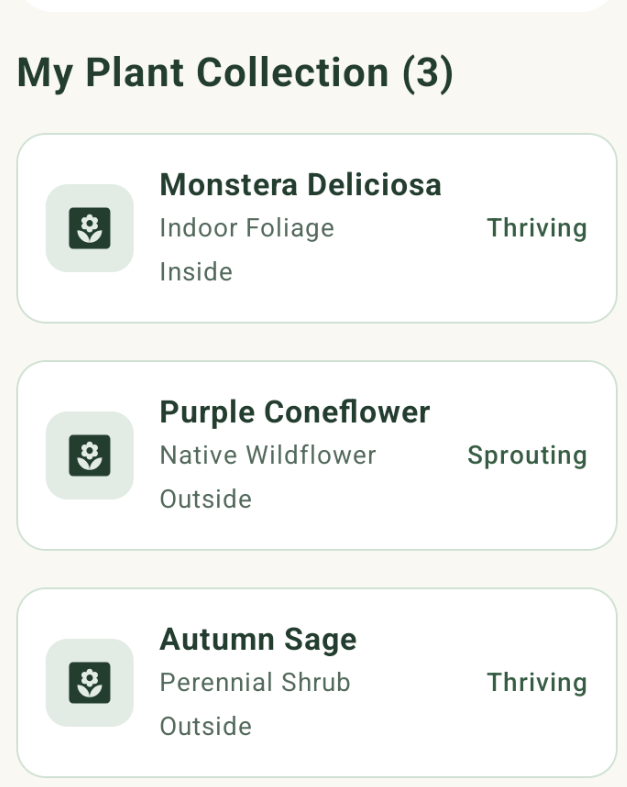
This stores all the Users data of their plants that they created
Inspiration
Climate change is one of the most pressing issues facing our generation, yet many individuals who want to make a difference simply don't know where to begin. While large-scale environmental solutions are essential, we believe that meaningful change can also begin with small, everyday actions.
Gardening is one accessible way for individuals to contribute to a healthier environment, but maintaining plants can be challenging, especially with increasingly unpredictable weather conditions. We wanted to eliminate the uncertainty surrounding plant care and encourage more people to take their first steps toward sustainability.
That idea inspired Flourish, an AI-powered gardening assistant designed to make sustainable plant care accessible, personalized, and rewarding.
What it does
Flourish combines real-time local weather conditions, plant database insights, and artificial intelligence to provide personalized gardening guidance.
Users can upload images of their plants, learn more about the species they are growing, and receive recommendations based on their local environment. By analyzing weather forecasts alongside individual plant requirements, Flourish helps users adapt their gardening habits to changing climate conditions.
Some of Flourish's key features include:
- AI-Powered Plant Identification: Upload a photo of a plant to help identify its species and understand its specific care requirements.
- Personalized Plant Care: Receive guidance tailored to the plant's characteristics and the user's local environment.
- Weather-Based Recommendations: Use real-time weather data to adjust watering schedules, anticipate extreme weather conditions, and reduce unnecessary resource consumption.
- Gardening Plans: Generate actionable, step-by-step plans to help users successfully grow and maintain their plants.
- Environmental Impact Tracking: Monitor gardening progress and learn how individual actions can contribute to broader environmental sustainability.
Ultimately, Flourish aims to make environmental responsibility feel less overwhelming by transforming complex climate information into simple, achievable actions.
How we built it
We developed Flourish as an Android application, combining mobile development, external APIs, artificial intelligence, and database management into one integrated platform.
Frontend: We built the user interface using Kotlin in Android Studio, focusing on creating an intuitive, visually appealing experience that makes gardening accessible to beginners and experienced plant owners alike.
Backend & APIs: We integrated a weather API to retrieve real-time weather and geocoding information, alongside the Flora API to access plant species characteristics and growing requirements. These datasets provide the foundation for Flourish's personalized recommendations.
AI Engine: We incorporated the Google Gemini API to interpret plant images and analyze environmental information alongside individual plant profiles. By combining AI reasoning with weather and botanical data, we worked to generate localized risk alerts and actionable plant care instructions.
Database Management: We explored and implemented SQL-based data management to organize information and support the application's functionality.
Throughout development, we divided responsibilities among our three team members, coordinating our contributions through Git and GitHub.
Challenges we ran into
Integrating Gemini's Image Recognition Capabilities
One of our greatest challenges was learning how to use the Gemini API to interpret uploaded plant images. Although we understood what we wanted the application to accomplish, translating that vision into a working AI integration required extensive experimentation and debugging.
We had to understand API requests, image processing, and how to format AI responses so that the information could be meaningfully displayed within our Android application. This was one of the most time-consuming aspects of the project and pushed us to explore technologies we had little prior experience using.
Combining Multiple Data Sources
Another challenge was connecting weather information, botanical data, and AI-generated recommendations into a unified workflow. Each API returned information in different formats, making it difficult to ensure that the data could be consistently interpreted and used together. We had to carefully structure how information moved between different parts of the application.
Managing Git Collaboration
Developing Flourish as a three-person team under a limited timeline presented additional challenges. Since we were working on different components simultaneously, we encountered merge conflicts, overlapping changes, and occasional confusion over code organization.
We learned to communicate more effectively, separate responsibilities, and approach version control more systematically to keep development moving forward.
Accomplishments that we're proud of
Our greatest accomplishment was bringing together multiple technologies to create an application centered on a meaningful environmental issue.
We are especially proud of:
- Integrating real-time weather information, plant databases, and AI reasoning into a unified gardening experience.
- Designing a clean, intuitive interface that simplifies complex environmental and botanical information into actionable recommendations.
- Developing a personalized approach to sustainability that connects everyday plant care with larger environmental concerns.
- Collaborating as a three-person team to build an Android application while navigating technical difficulties, merge conflicts, and unfamiliar technologies.
Beyond the technical accomplishments, we are proud that Flourish demonstrates how technology can empower individuals to make more environmentally conscious decisions.
What we learned
Effective Prompt Engineering
Through our work with Gemini, we learned how to structure prompts that transform raw environmental information into organized, user-friendly recommendations. We explored JSON-based response formatting to make AI-generated information easier for our application to process and display.
API Integration and Data Management
We developed a stronger understanding of how external APIs communicate with applications, how to process their responses, and how to combine information from multiple sources. We also gained experience working with the Gemini API and learning SQL for database management.
Git Collaboration and Teamwork
Working asynchronously as a three-person team taught us the importance of clear communication, modular code organization, and consistent version control practices. We became more comfortable resolving merge conflicts and coordinating development across different components of an application.
Applying AI to Environmental Sustainability
Most importantly, we learned how artificial intelligence can bridge the gap between complex scientific data and everyday decision-making. Rather than using AI simply to generate information, we explored how it could provide actionable guidance that encourages sustainable behavior.
This project also helped us recognize that developing impactful technology requires more than technical knowledge. It demands creativity, persistence, and an understanding of the people the technology is intended to serve.
What's next for Flourish
Although we have built the foundation of Flourish, we envision expanding the application into a more comprehensive platform for sustainable gardening.
Plant Health Monitoring: We want to expand image recognition capabilities so that users can photograph their plants and receive assessments of their health, including potential signs of disease, dehydration, or environmental stress.
Community Sharing: We plan to introduce social features that allow users to share their gardening progress, celebrate milestones, and exchange advice with other plant owners.
Environmental Impact and Rewards: We hope to build a more comprehensive reward system that tracks the number of plants users successfully grow and connects their progress to broader environmental initiatives. By highlighting individual achievements and collective contributions, we want to encourage long-term engagement with sustainability.
Smarter, Long-Term Care Plans: Future versions could incorporate historical weather patterns, plant growth tracking, and personalized notifications to continuously adapt plant care recommendations as environmental conditions change.
Our ultimate goal is to make Flourish more than just a gardening assistant. We want it to become a platform that encourages people to take meaningful action against climate change, starting with something as simple as growing a plant.
Because even the smallest actions can help create a greener future.
Built With
- kotlin

Log in or sign up for Devpost to join the conversation.