-
-
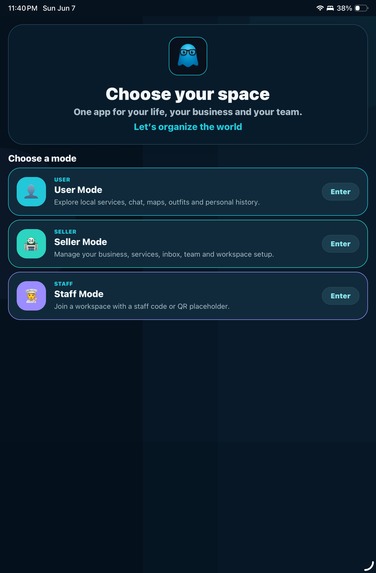
Home
-
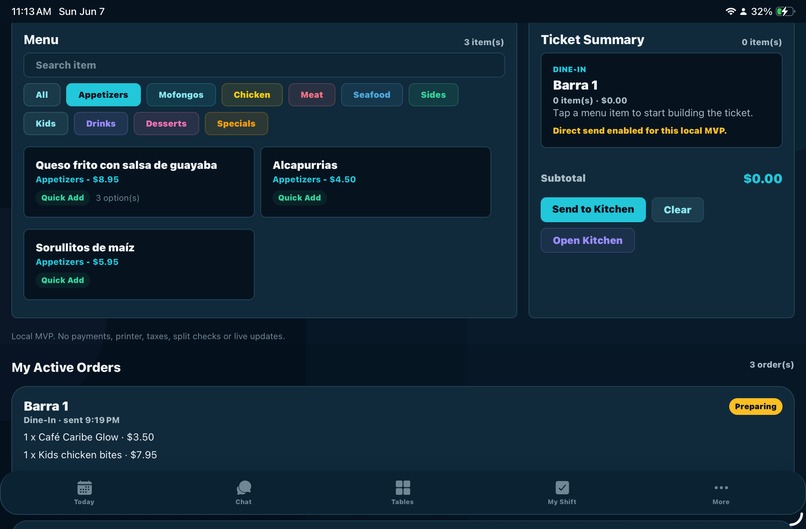
Menu Orders
-
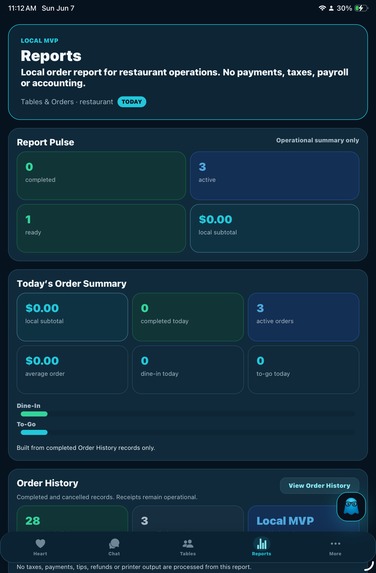
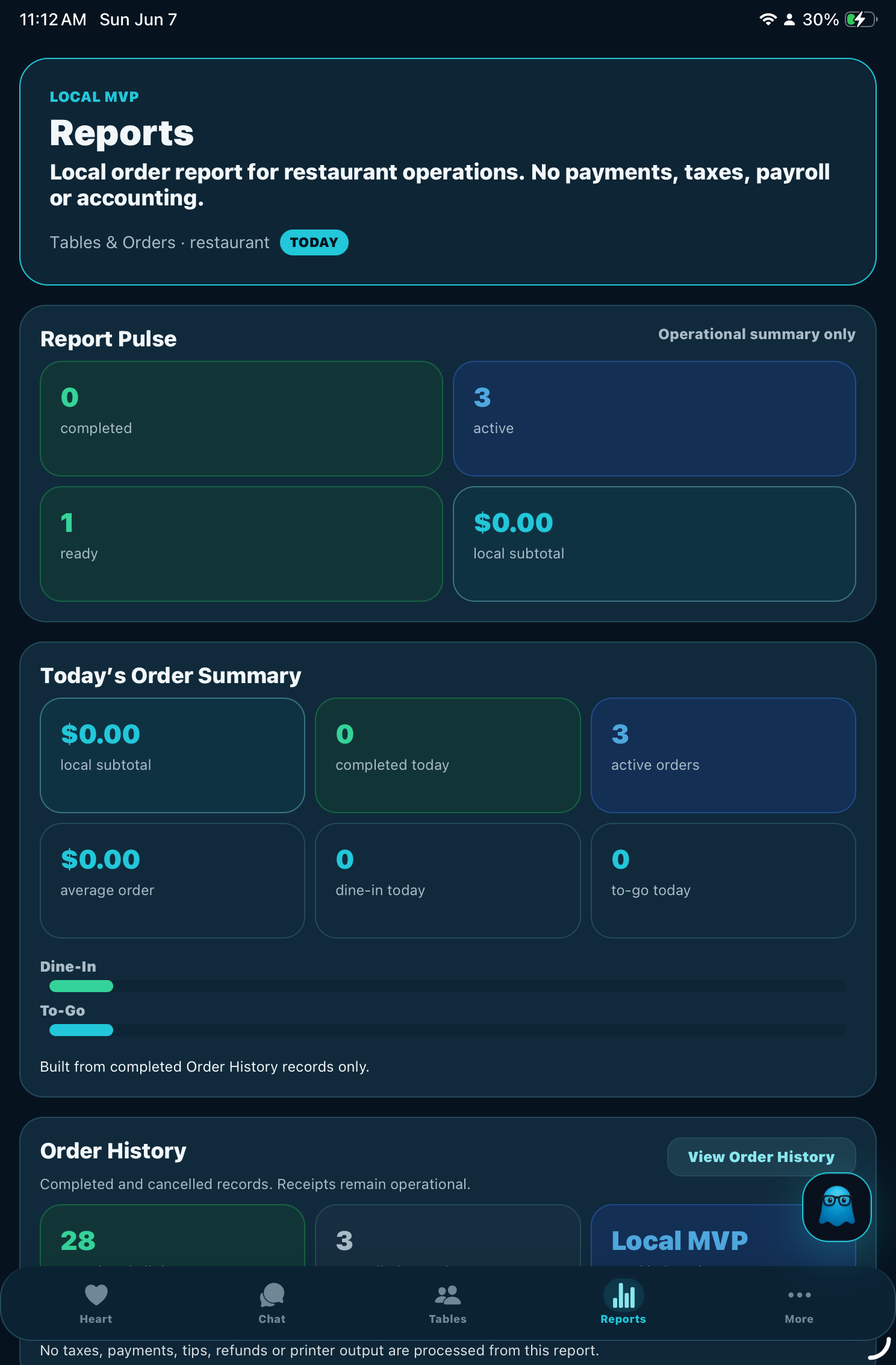
Seller Reports
-
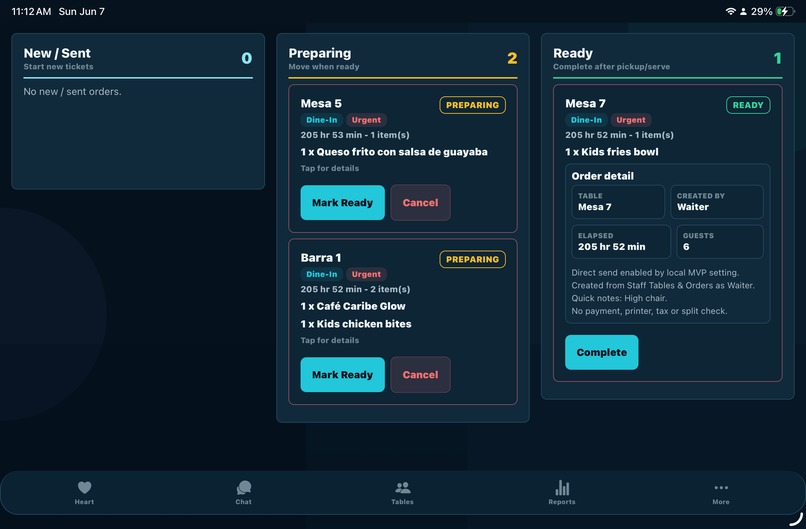
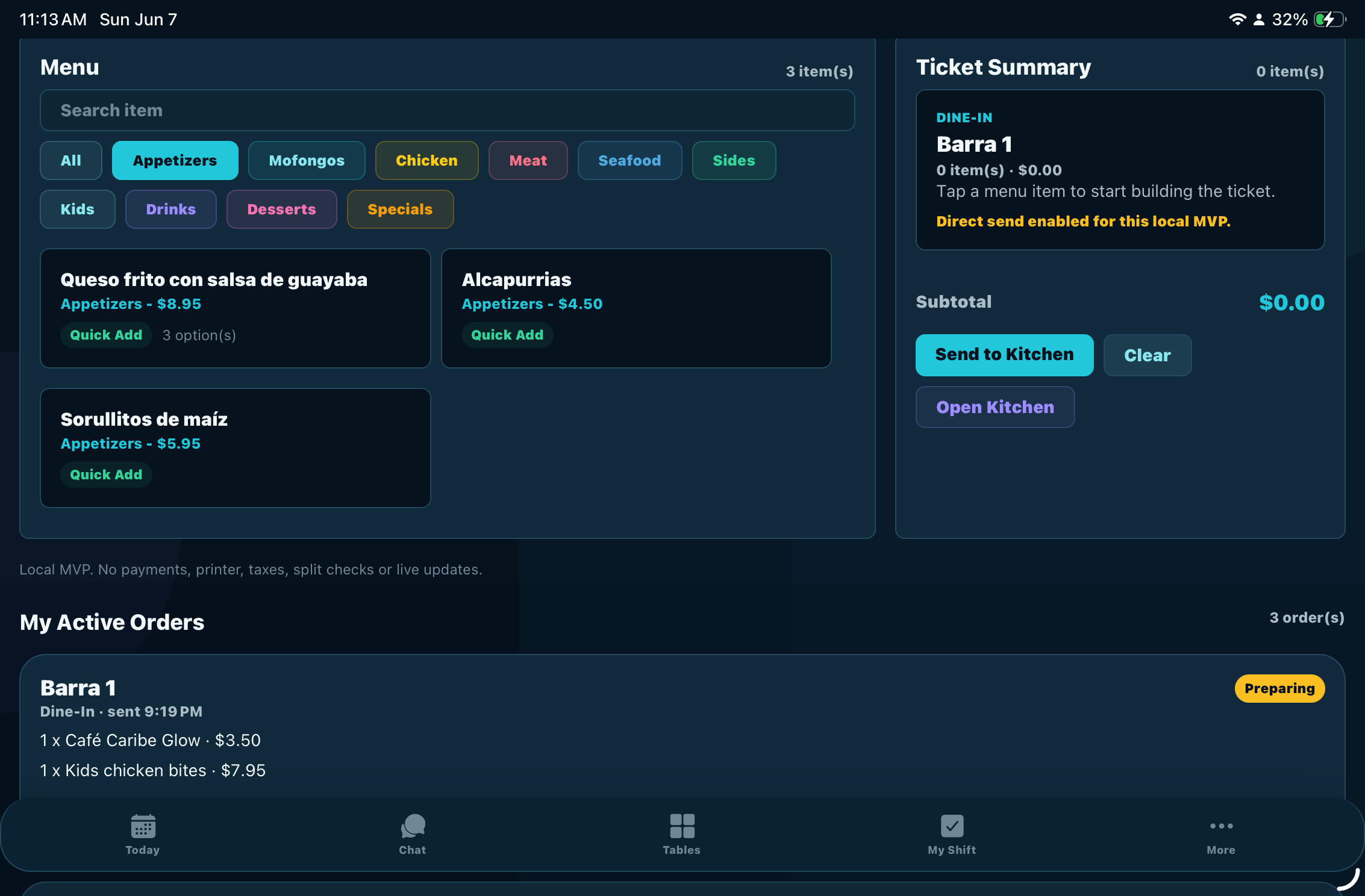
Staff kitchen display
-
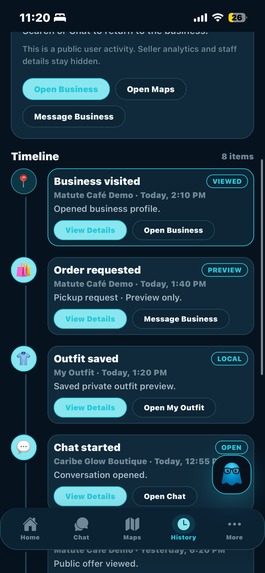
User History
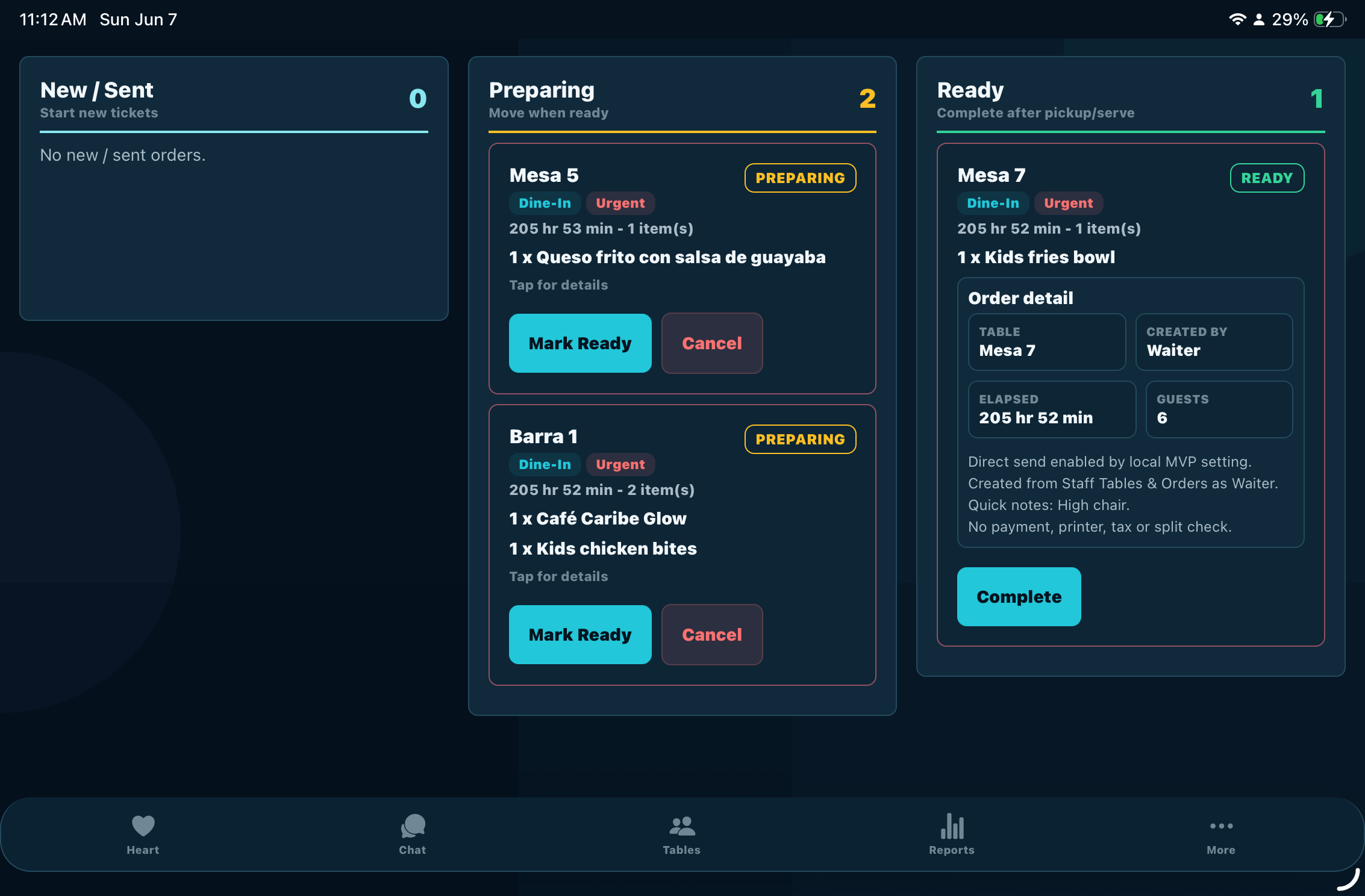
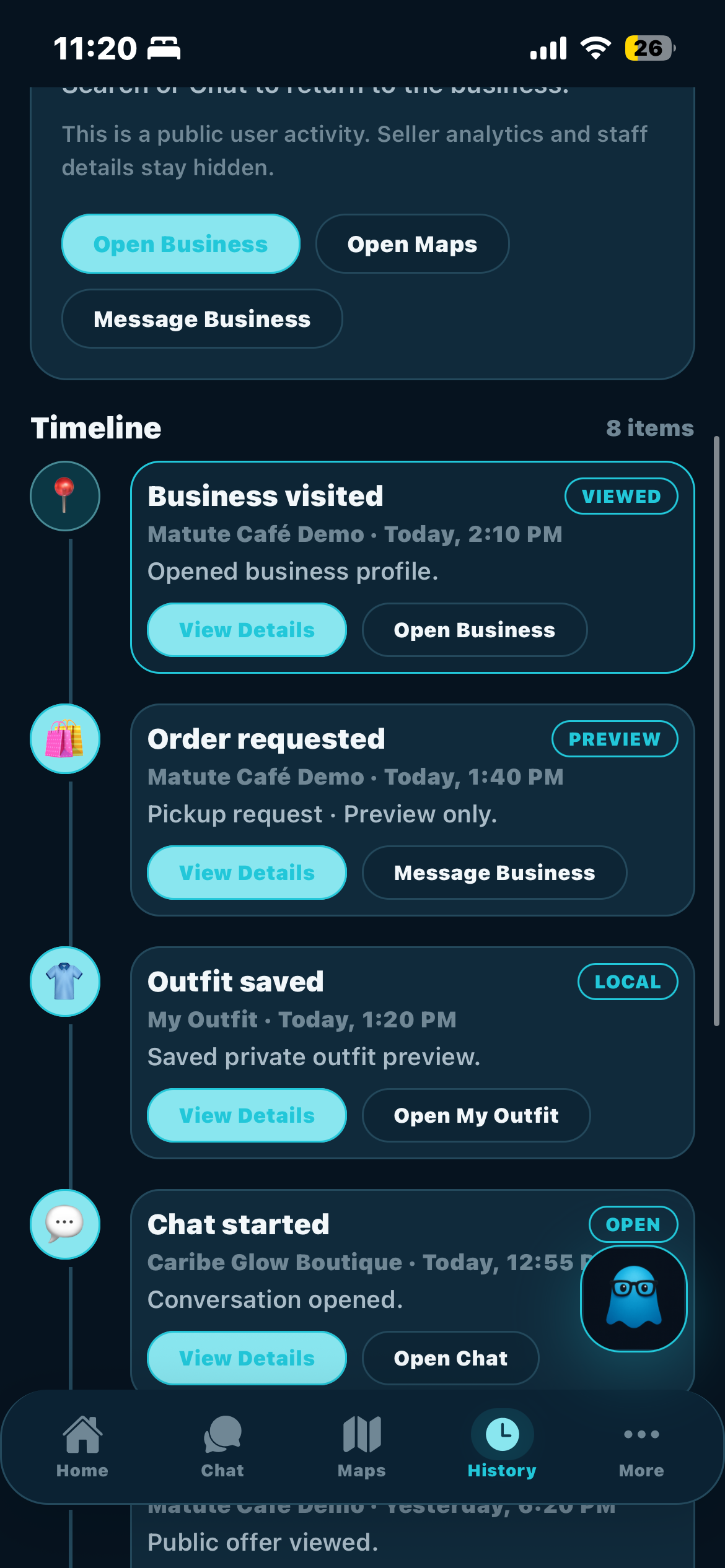
Inspiration
I have worked in restaurants and customer service for many years. I kept seeing the same problems: customers, businesses, and staff using disconnected tools, losing information, waiting for answers, and repeating the same steps.
I am not a traditional software developer. I am a hospitality professional from Puerto Rico building independently with one laptop, ChatGPT, and Codex. Hello Ghost began as an ambitious idea: create one ecosystem that helps people and businesses organize everyday service experiences.
What it does
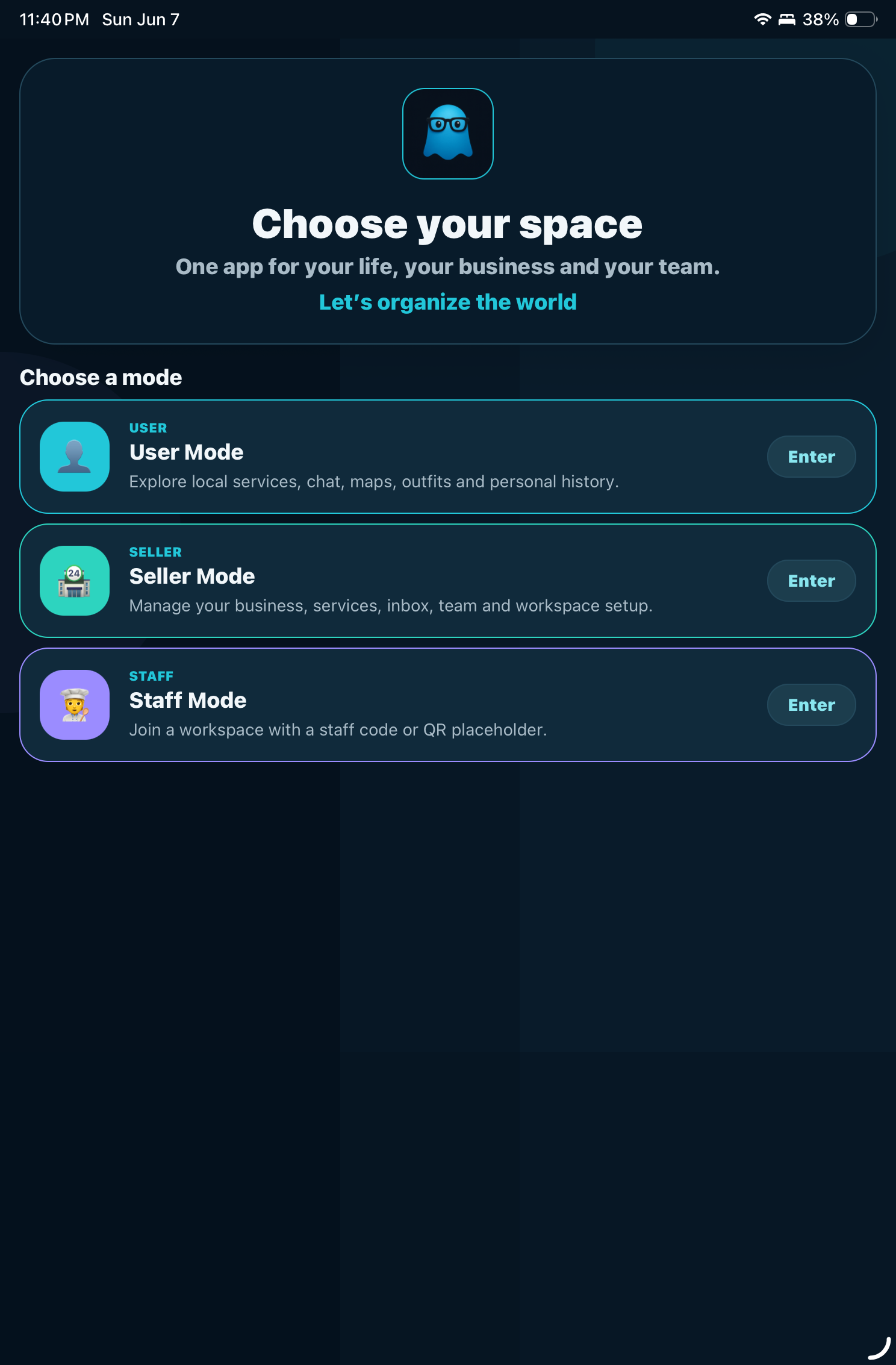
Hello Ghost is a customer-service ecosystem designed around three connected roles:
- Users who discover businesses, communicate, review activity, and organize service interactions.
- Businesses that manage customer requests, operations, and information.
- Staff members who receive and complete operational tasks.
The current Build Week submission focuses on the working iPhone and iPad user application. It includes:
- Home and service discovery
- Business communication and chats
- Maps
- Activity history
- User settings
- A mobile API connection
- Secure automatic demo access for evaluators
The larger Hello Ghost vision includes separate User, Seller, and Staff experiences, but this submission presents the working mobile foundation rather than claiming that the entire ecosystem is finished.
How we built it
The mobile application was built with React Native, Expo, TypeScript, and Xcode.
The backend uses:
- Node.js
- Express
- Prisma
- PostgreSQL hosted through Supabase
- JWT authentication
- bcrypt
- REST API endpoints
Git and GitHub Desktop were used for version control.
Codex was used as the primary development partner for repository inspection, implementation planning, debugging, TypeScript validation, API builds, native iOS compilation, authentication auditing, and Git workflow support.
What existed before Build Week
Before Build Week, Hello Ghost already had:
- A working mobile prototype
- iPhone and iPad support
- User authentication
- Home, chats, maps, history, and settings
- An Express API
- Prisma and PostgreSQL integration
- A larger documented ecosystem concept
What we added during Build Week
During Build Week, we created a dedicated submission branch and added secure reviewer access.
The Build Week extension:
- Removes the need for evaluators to enter a username or password
- Creates an isolated demo guest through the existing Express and JWT architecture
- Preserves the normal login system when demo mode is disabled
- Restricts demo users from sensitive business and staff operations
- Keeps demo data attached only to the authenticated guest ID
- Adds controlled error handling and retry behavior
- Passes mobile TypeScript validation
- Passes the API production build
- Passes Expo iOS bundle validation
- Successfully compiles through Xcode
- Was manually tested on a physical iPhone
The Build Week implementation is documented in commit:
8be99d62 - feat: add secure Build Week demo access
Challenges we ran into
One major challenge was discovering that the project does not use Supabase Auth directly.
The application uses Express, bcrypt, JWT, and AsyncStorage for authentication, while Prisma connects to PostgreSQL hosted by Supabase. Adding Supabase anonymous authentication would have introduced a second identity system and required unfinished RLS and database migrations.
Instead, Codex audited the real architecture and implemented demo access through the existing backend.
We also repaired native iOS dependency issues, rebuilt CocoaPods, restored the paused Supabase project, and verified the application using Xcode and a physical iPhone.
Accomplishments that we're proud of
- Recovering and identifying the correct repository after years of scattered project work
- Successfully compiling and running the native iOS application
- Creating secure password-free evaluator access without exposing credentials
- Preserving the existing production authentication flow
- Completing the Build Week extension as an independent solo creator
- Turning a hospitality worker's idea into a real working software prototype
What we learned
I learned that building software is not only about writing code. It requires understanding architecture, protecting user data, validating assumptions, testing across systems, and knowing when not to force a new technology into an existing design.
Codex was especially valuable because it could inspect the repository, identify the actual authentication architecture, explain the risks, implement a compatible solution, and validate the result.
What's next for Hello Ghost
The next steps are:
- Deploying a stable evaluator-ready API
- Expanding the Seller and Staff applications
- Improving maps and business discovery
- Adding stronger demonstration data
- Building customer-service automation and AI-assisted workflows
- Running a pilot with real businesses in Puerto Rico
- Continuing toward a unified service ecosystem for users, businesses, and staff
Hello Ghost is still early and incomplete, but it is real, working, and built around a problem I understand personally.
Built With
- codex
- eas-build
- expo.io
- express.js
- git
- github
- gpt-5.6
- ios
- jwt
- node.js
- postgresql
- prisma
- react-native
- rest-api
- supabase
- typescript
- xcode

Log in or sign up for Devpost to join the conversation.