-
-
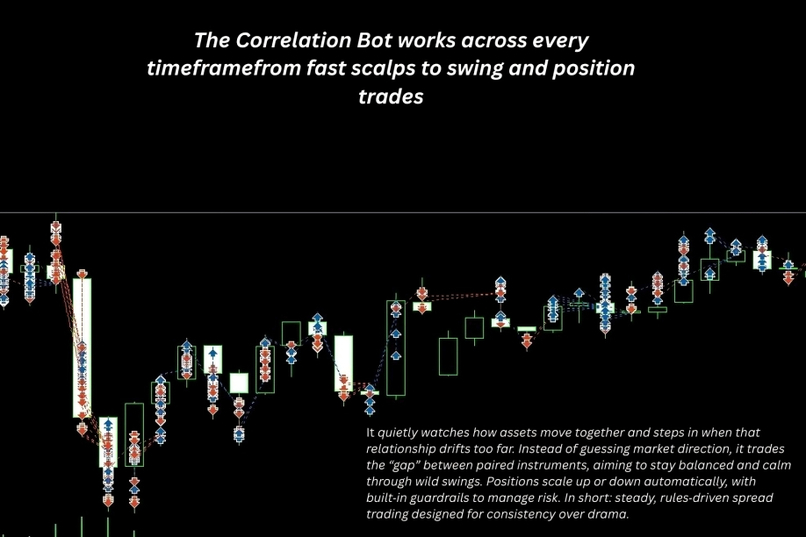
Heisn HF Correlation Bot
-
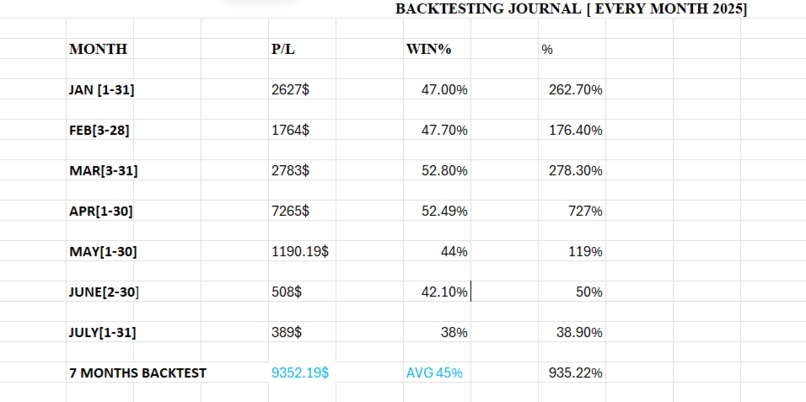
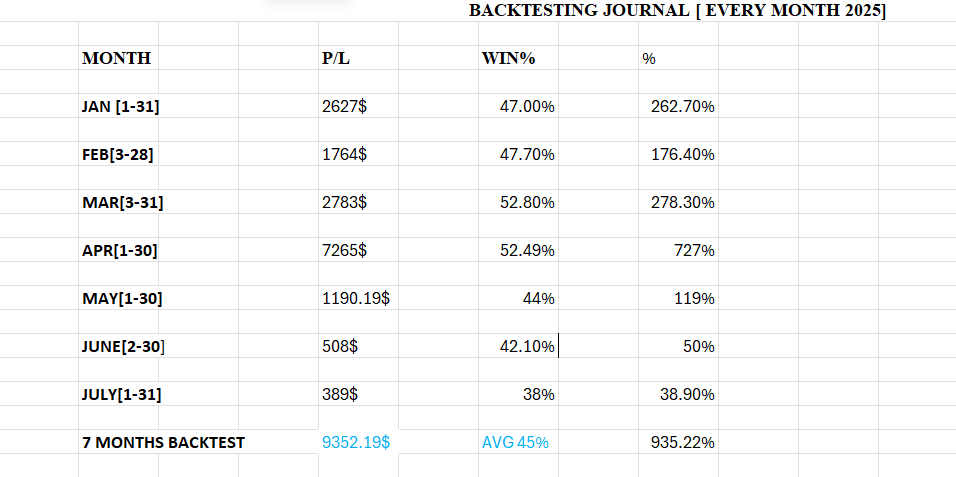
BACKTESTING 2025 [Heisn HF Correlation Bot ]
-
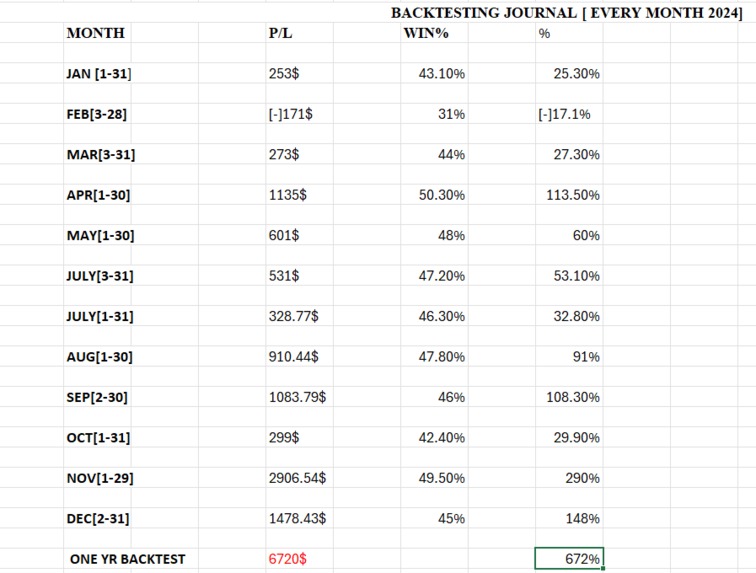
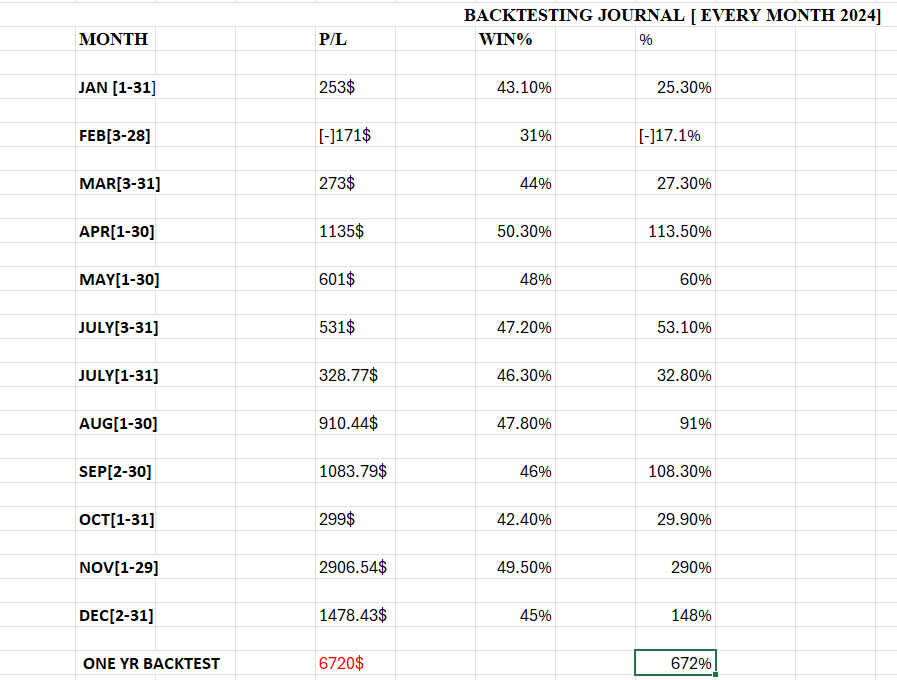
BACKTESTING 2024 [ Heisn HF Correlation Bot ]
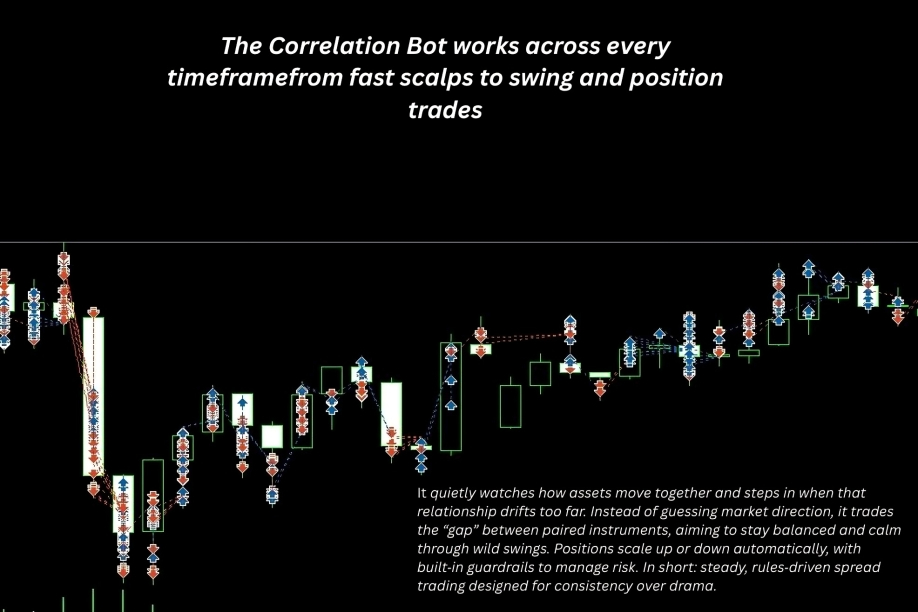
Inspiration
The project was inspired by the ICT methodology’s focus on liquidity, market structure, and time-of-day precision, which promised a rules-based framework that could be systematized into a fully automated execution pipeline. By operationalizing core ICT ideas like liquidity sweeps, fair value gaps, order blocks, killzones, and the 2022 model’s time-and-price alignment, the aim was to remove discretion, enforce risk discipline, and capture repeatable edges at scale
What it does
The bot ingests live market data, scores trade setups with statistical and microstructure features, and automatically routes orders with position sizing, risk limits, and post-trade analytics—end to end with no human intervention. It supports backtests, paper/live modes, and live monitoring with alerts, matching typical descriptions used in successful algorithmic trading project writeups
How we built it
Python for strategy research, data pipelines, and execution adapters, leveraging scientific libraries and async services where needed for IO-bound tasks and rapid iteration, as commonly recommended for algo-trading stacks.
Java for high-throughput, strongly typed microservices such as order routing, risk limits, and real-time dashboards, following microservice best practices from the Java ecosystem.
Challenges we ran into
Integrating strategy and execution in a single codebase while reconciling broker API quirks and historical-vs-live data schema mismatches was nontrivial, echoing typical issues reported by other builders
Accomplishments that we're proud of
Deployed a fully automated pipeline from data to execution with enforced risk controls (per-trade stop, max daily loss, circuit breaker), delivering reliable unattended operation as showcased in similar Devpost projects
What we learned
Clear, outcome-focused documentation and reproducible experiments matter as much as model accuracy; strong READMEs and onboarding dramatically increase project usability and credibility. Iterating on the research-to-production loop benefits from small, testable increments and tight feedback between metrics and execution, as emphasized in community guidance
What's next for Heisn HF
Next, the focus is on compliant fundraising, audited performance reporting, and controlled scaling—never guaranteeing returns. The plan is to run a capacity‑limited pilot with strict risk caps, publish net results with full drawdown history, and onboard only accredited investors under clear disclosures. Messaging will avoid “200% per month” promises; instead, targets will be presented as ranges based on out‑of‑sample and live data with methodology and fees explained. Parallel work includes multi‑broker redundancy, kill‑switches, and 24/7 monitoring. Capital will scale only after hitting predefined risk/return checkpoints and third‑party verification, prioritizing investor transparency and process quality over hype.

Log in or sign up for Devpost to join the conversation.