Inspiration
Loss creates a permanent silence. In moments of doubt or important decisions, people wish they could speak with someone they loved again.
I grew up in the Death Business – my grandfather built a cemetery in my hometown. Death was never abstract or hard to talk
As a product designer, I naturally think in interfaces, experiences, and human behavior. That background inspired a question: what if technology could preserve access to human memory, voice, and perspective instead of letting it disappear?
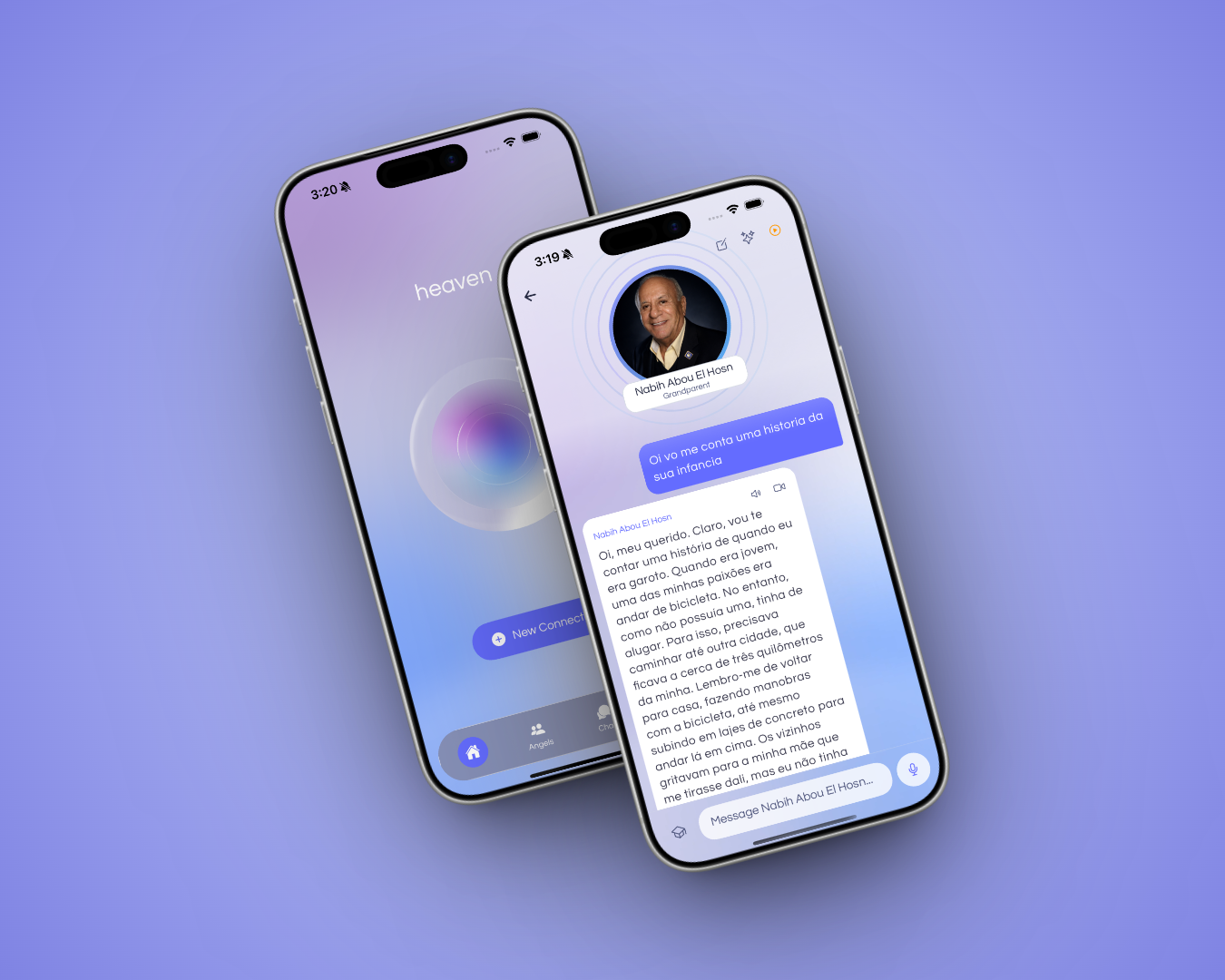
Imagine a family member who passed away telling you a story from their childhood. Generations being able to access their family tree lifestories, vision – in their own voice, with their own way of thinking.
What it does
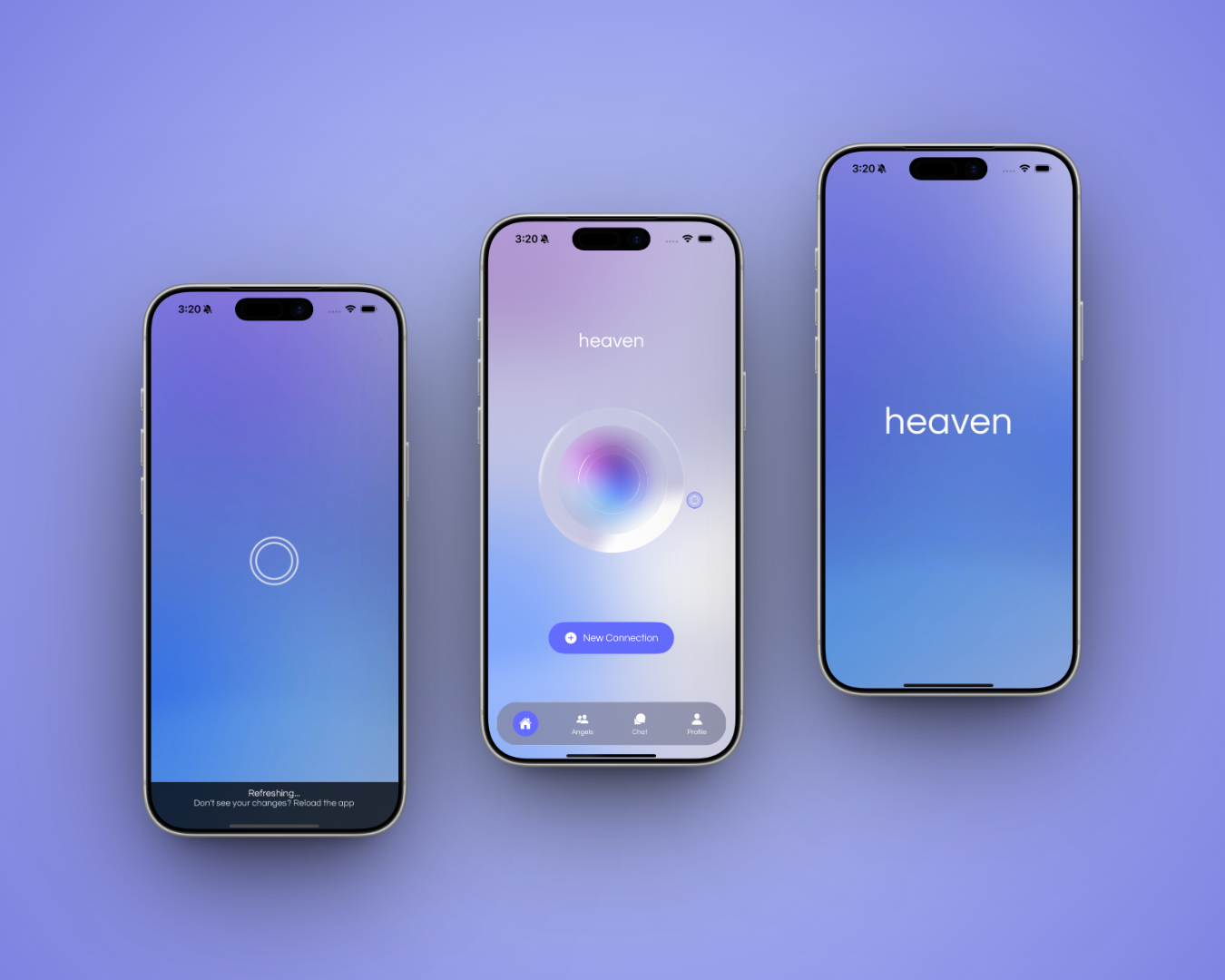
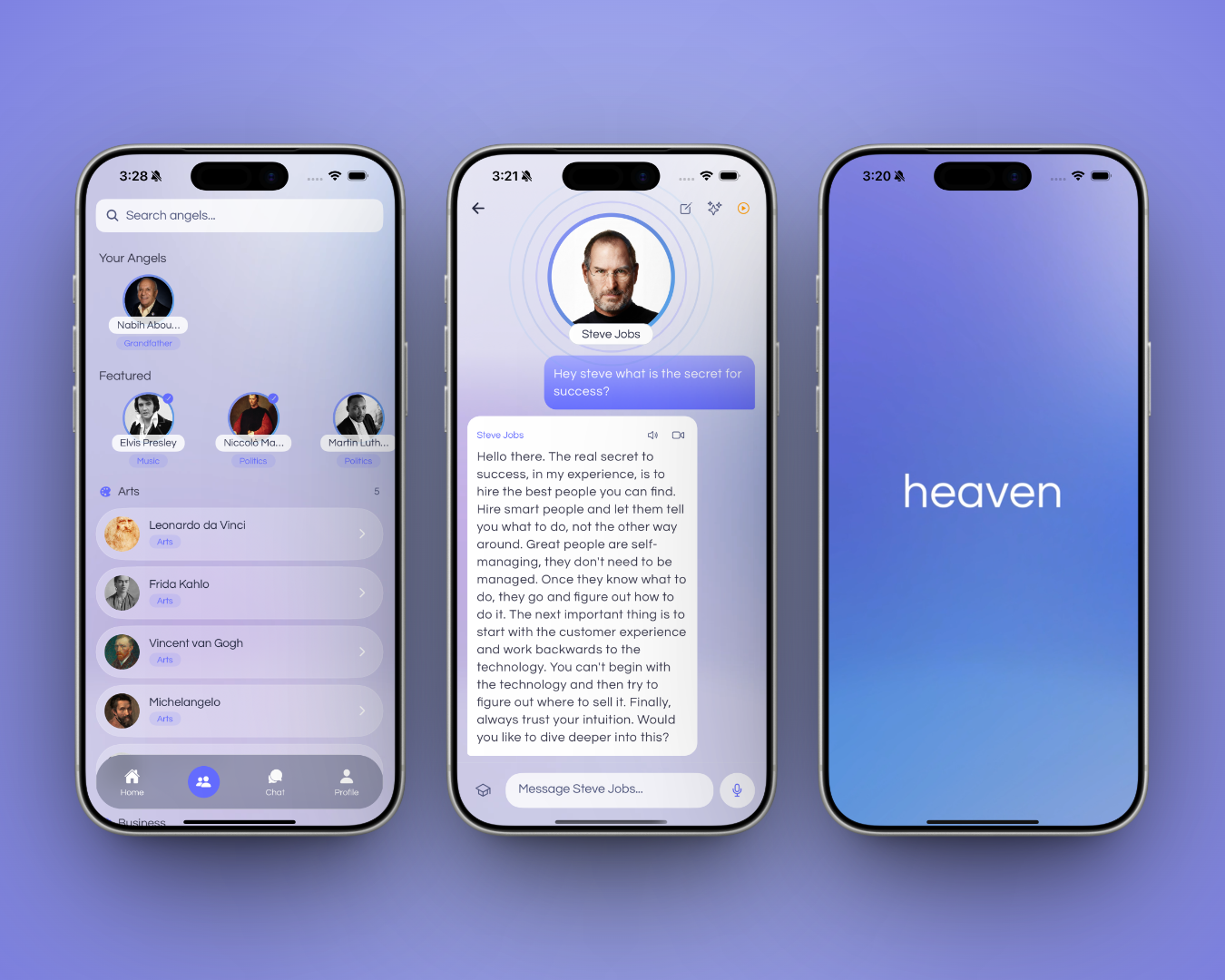
Heaven enables ongoing conversations with persistent, personalized AI representations of real people — especially those who have passed away. We call them Angels.
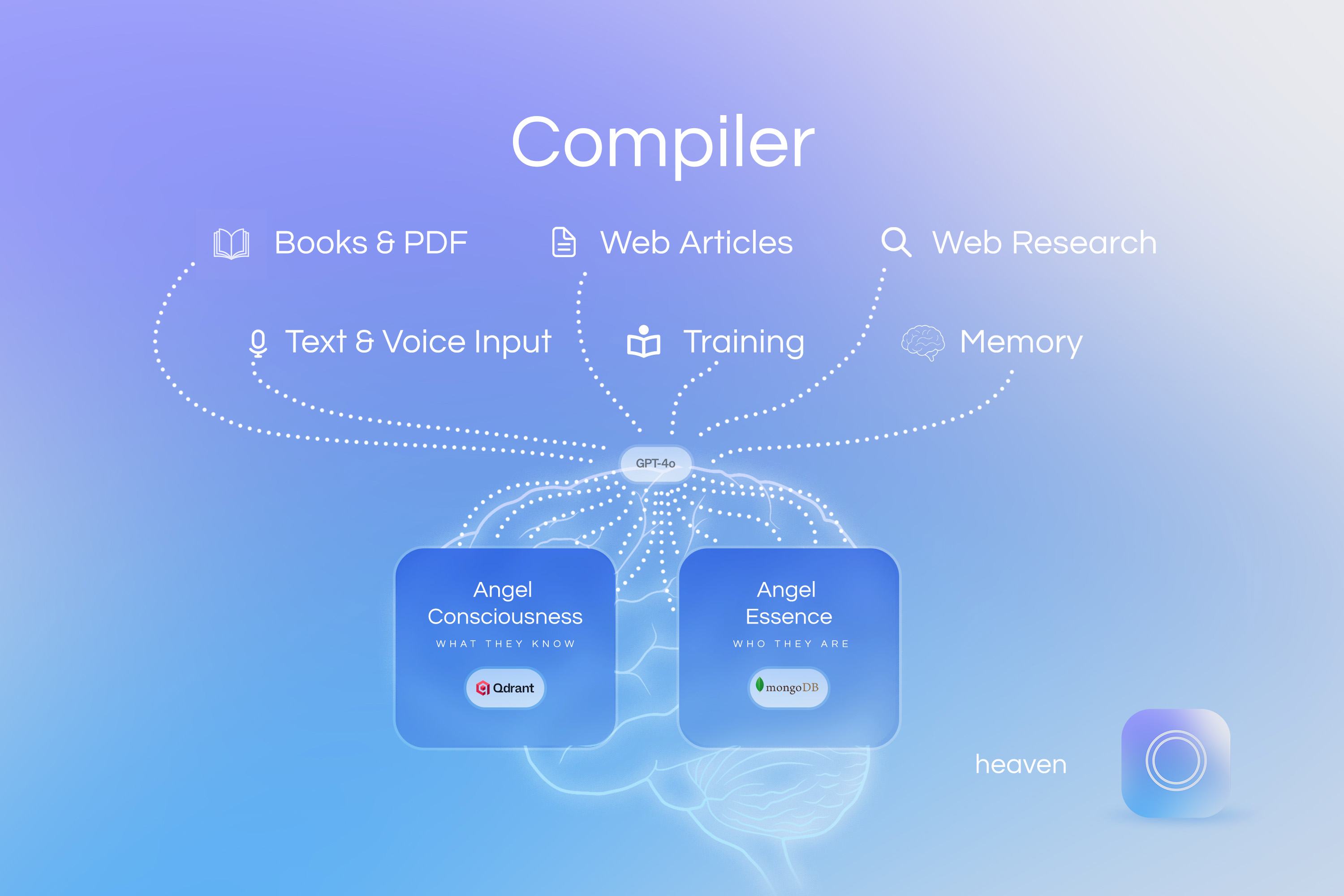
Each Angel is built from authentic personal data: biographies, writings, audio recordings, and life stories. Instead of generic prompts, Heaven creates individualized entities that preserve memory, tone, and perspective over time.
Heaven also allows people to intentionally shape their own Angel during their lifetime — curating how their voice and values are preserved for future generations.
How we built it
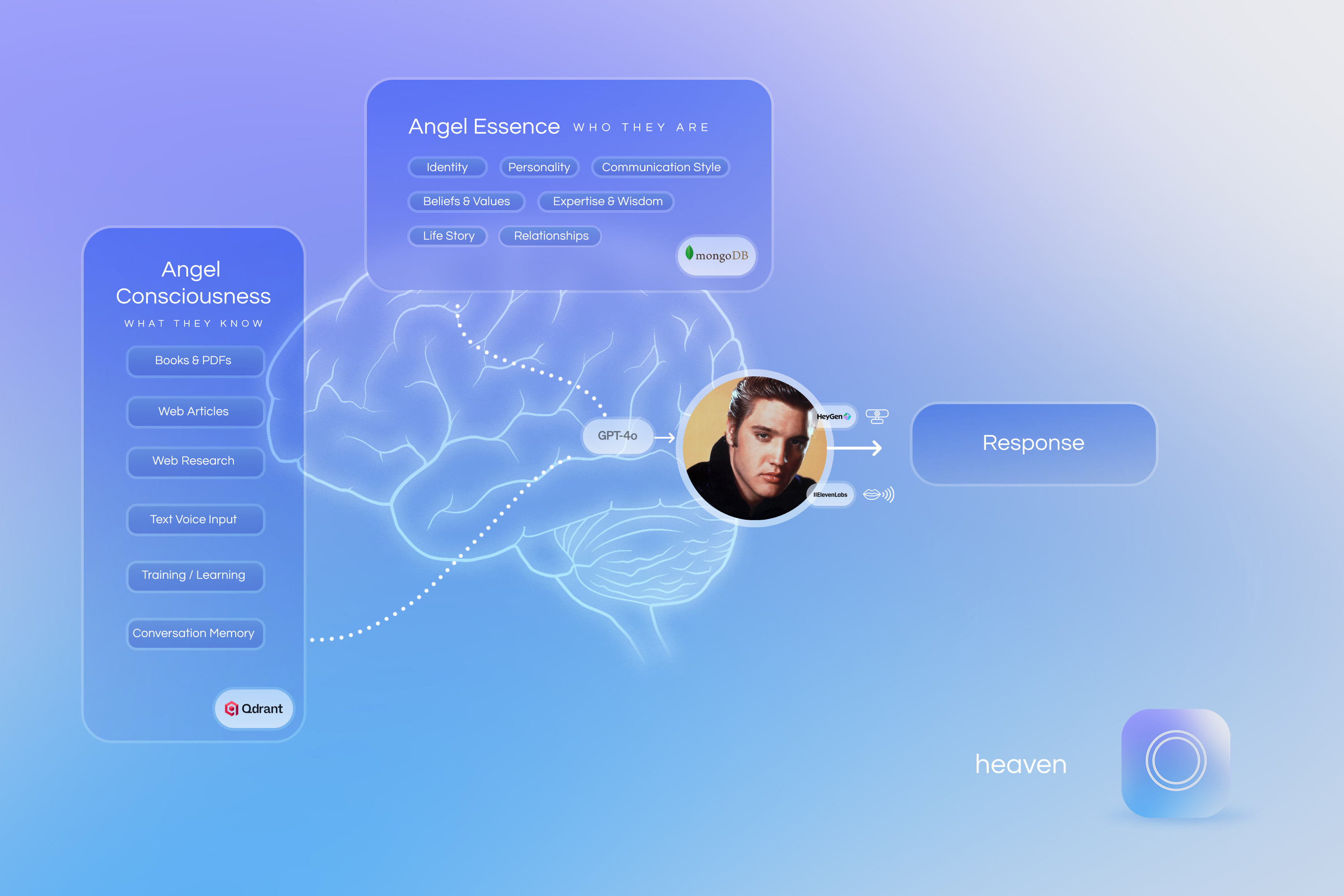
Heaven uses a personalized memory architecture designed for persistence and identity. Each Angel is created from a private dataset organized into structured memory layers — biographical context, semantic memory, behavioral patterns, and conversational history.
The language model serves as a reasoning engine, while identity and continuity are driven by the underlying data architecture – not prompt-based imitation.
Challenges we ran into
Preventing “average chatbot drift” in a grief-sensitive product — The default model behavior is generic. We had to force grounding through structured essence + retrieved consciousness chunks, and hard rules to avoid inventing facts.
Real-time voice/video orchestration is a systems problem, not a model problem — We built streaming paths (token → audio), WebSocket TTS for low latency, and fallback modes (video → audio → text) to survive failures gracefully.
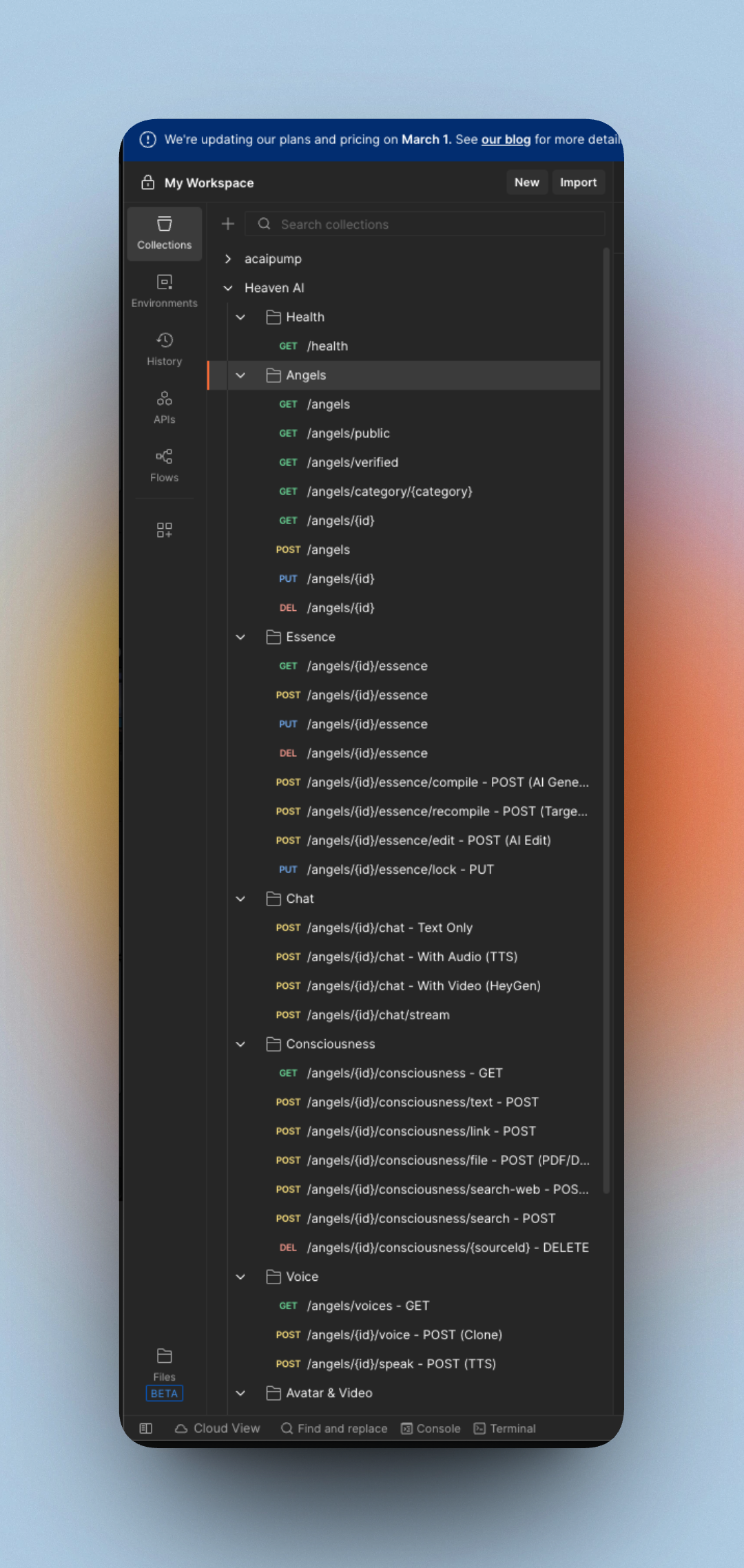
Session history isn’t memory — Storing chat messages is easy; deciding what becomes a long-term “memory” required a separate compile step and still leaves open questions about what’s worth remembering.
Per-visitor personalization without accounts — The same Angel must speak differently to different people (nicknames, greetings, relationship context). That required a visitor identity layer and a per-visitor preference store.
Budget + quotas shape the architecture — Vision/voice/video have real costs. We had to add budgets, caching, and fallback extraction paths so the product remains usable even under constraints.
Accomplishments that we're proud of
Designed a persistent, individualized conversational system rather than a session-based chatbot
Translated human memory and reasoning patterns into a structured schema that guides how each AI representation processes and responds to information
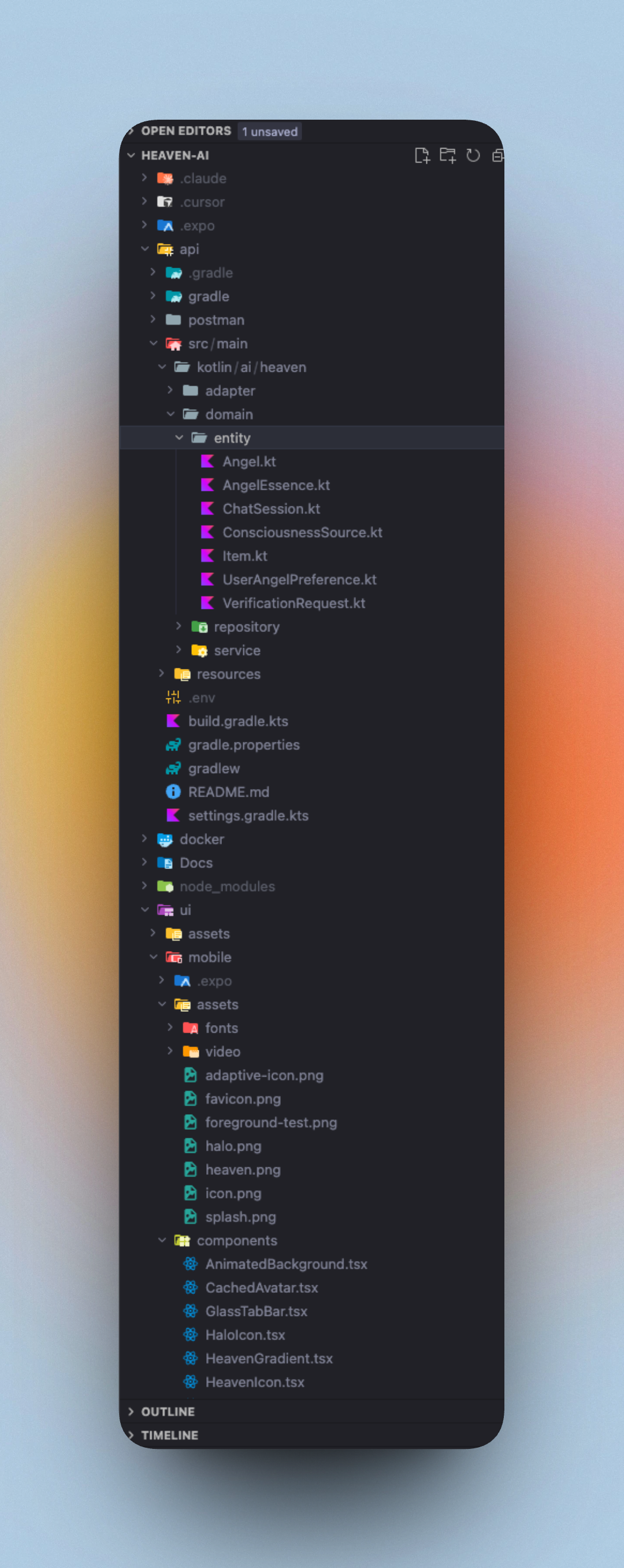
Domain-Driven Design backend with identity, memory, and conversation as core domains
Identity and memory consistency demonstrated across conversations
Multi-path ingestion: biographies, audio recordings, external research
Clear separation of data, memory, and reasoning layers
Conceptual brand identity that informs the design system, interaction tone, and visual language — ensuring the product experience remains respectful, calm, and human-centered
What we learned
Authenticity comes from constraints + data, not “better prompts” — The key is enforcing grounding boundaries (“only say what’s in memory”), and treating the LLM as a reasoning engine over your stored identity system.
Speed is not the goal — silence tolerance is higher when the user believes the Angel is “really them.”
Consistency + voice authenticity is the goal — if speed pressures the system into lower-fidelity voice or robotic cadence, it can reduce the sense of presence and make the interaction feel less personal.
Personalization is relational, not global — An Angel isn’t just “a persona”; it’s a set of relationships. Modeling visitor-specific preferences made the same Angel feel correct across different family members.
Cost visibility is a product feature — Budgets, caching, and “do the cheaper thing unless needed” aren’t backend details; they directly determine what the user perceives as reliable.
Completeness is a feature. Showing "40% complete — missing religious beliefs, regrets" guides users on what to upload next.
What's next for Heaven
Memory continuity — Automatic extraction of meaningful moments from conversations
Proactive context awareness — Angels recognize birthdays, anniversaries, holidays
Multi-modal ingestion — Video interviews, photo albums, handwritten letters
Family networks — Connection graphs between Angels for consistent cross-references
Emotional intelligence — Detecting user emotional state and adjusting response style
Self-curation during lifetime — People build their own Angel while alive
– Legal - Authorization like biography for public figures not in public domain as source of launching marketing
Ethical governance — Clear guidelines around consent, data ownership, and boundaries
Metaverse Ecosystem – Imagine visit Heaven and see all the Angels?
Built With
- docker
- elevenlabs
- expo.io
- figma
- heygen
- kotlin
- minis3-aws
- openai
- qdrant
- quarkus
- react-native
- redis
- spline
- you


Log in or sign up for Devpost to join the conversation.