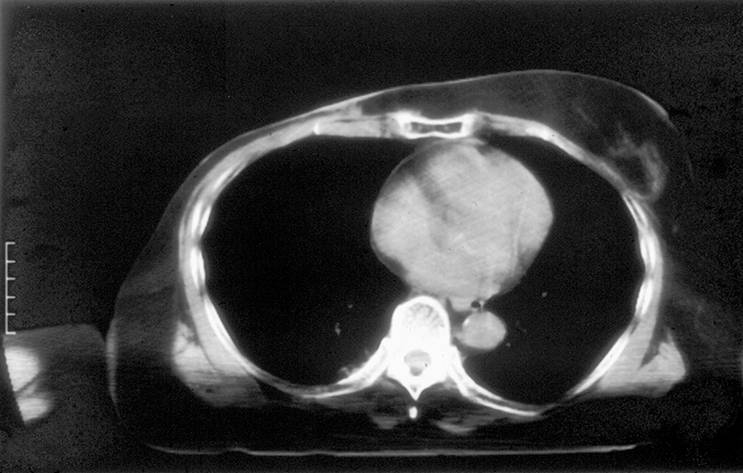
Inspiration There are over 240,000 new cases of breast cancer (BC) and over 40,000 BC deaths annually in the US. In a study of nearly 3,000 women with stage I-III BC completing 5 years of adjuvant therapy, about 11% recurred within 5 years and 20% within 10 years of treatment. There is a clear need for more effective treatment strategies. Mild heating of tumors to 39-45°C has been proven an effective adjuvant therapy to both radiation and chemotherapy for cancer. This strategy, termed hyperthermia, provides several benefits with regard to palliation, tumor response, local control, and survival with no significant toxicity, as shown in several phase III clinical trials. Moderate temperatures increase tumor perfusion and oxygenation, and have been shown to improve tumor drug delivery using a Low Temperature Sensitive Liposome (LTSL) carrier. The LTSL releases its drug contents in <20s when heated to 39-42°C – while traversing the capillary bed of the heated tumor. A preclinical study of LTSL encapsulated doxorubicin (ThermoDox®) demonstrated that when combined with hyperthermia the ThermoDox® treatment resulted in a 12- to 15- fold increase in tumor drug accumulation when compared to free doxorubicin with or without hyperthermia or ThermoDox® without hyperthermia. This dramatic enhancement of drug delivery into tumor simply by adding mild heating has broad applications across oncology as this therapeutic strategy can be applied to many different diseases and drugs. Recently, a Phase I trial using LTSL ThermoDox® combined with hyperthermia in recurrent chest wall disease confirmed safety and early indication of efficacy, in agreement with other clinical trials showing thermal enhancement of drug therapy. There is now strong rationale for using local heat to improve chemotherapy response by significantly increasing drug distribution throughout the tumor. In addition to enhancing chemotherapy, hyperthermia has demonstrated significantly improved clinical outcomes when combined with radiation. The primary factor holding back widespread use of hyperthermia for targeted drug delivery is the inability of current commercial applicators to deliver effective thermal treatment to large area disease such as the chest wall recurrence of breast cancer.
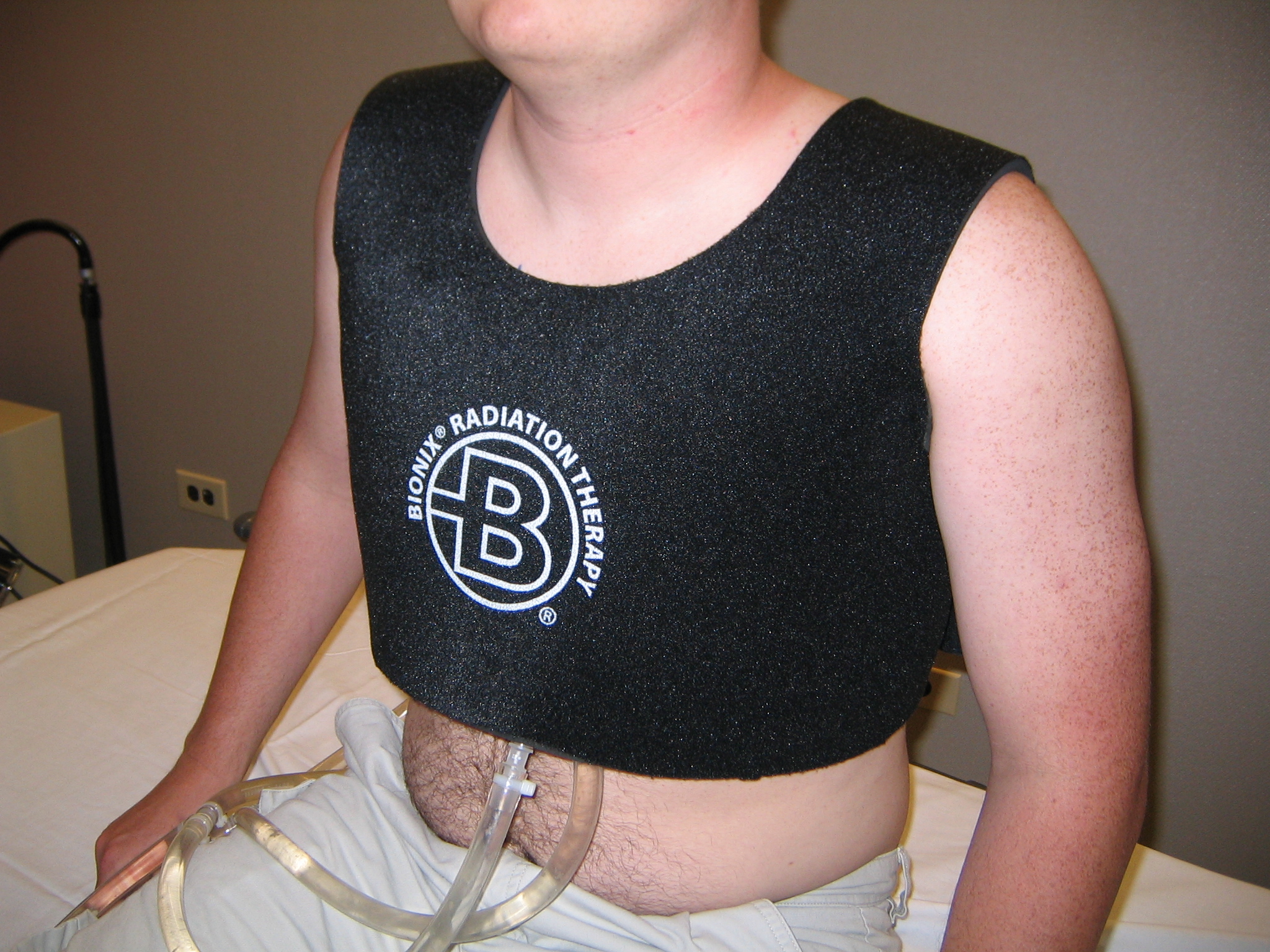
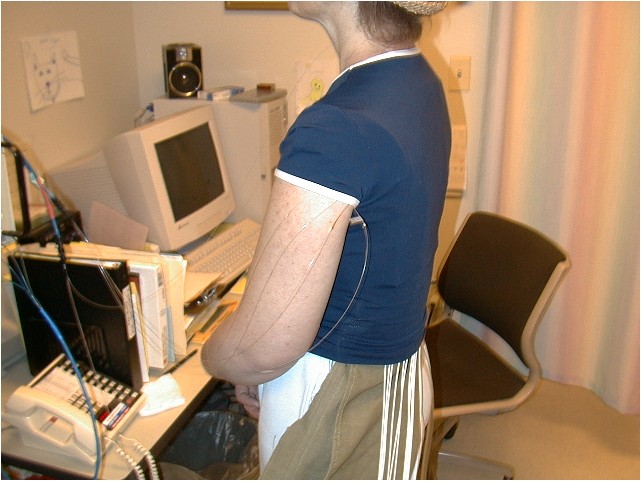
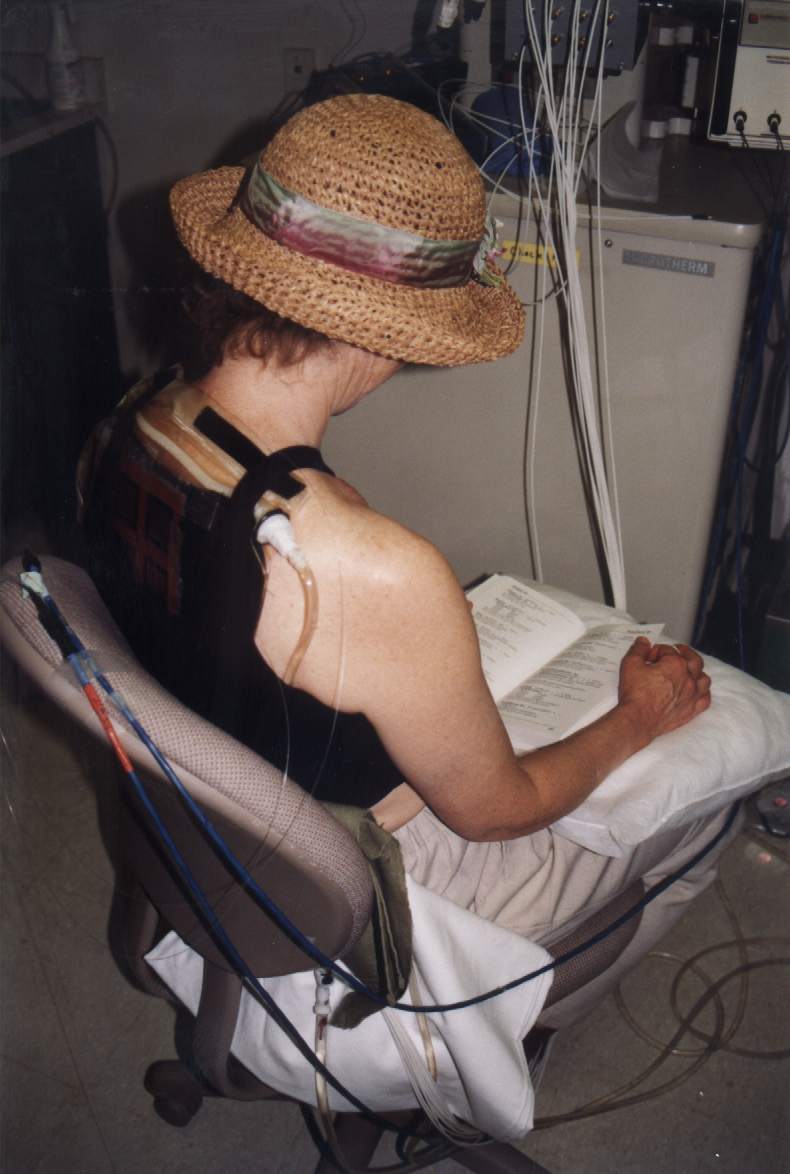
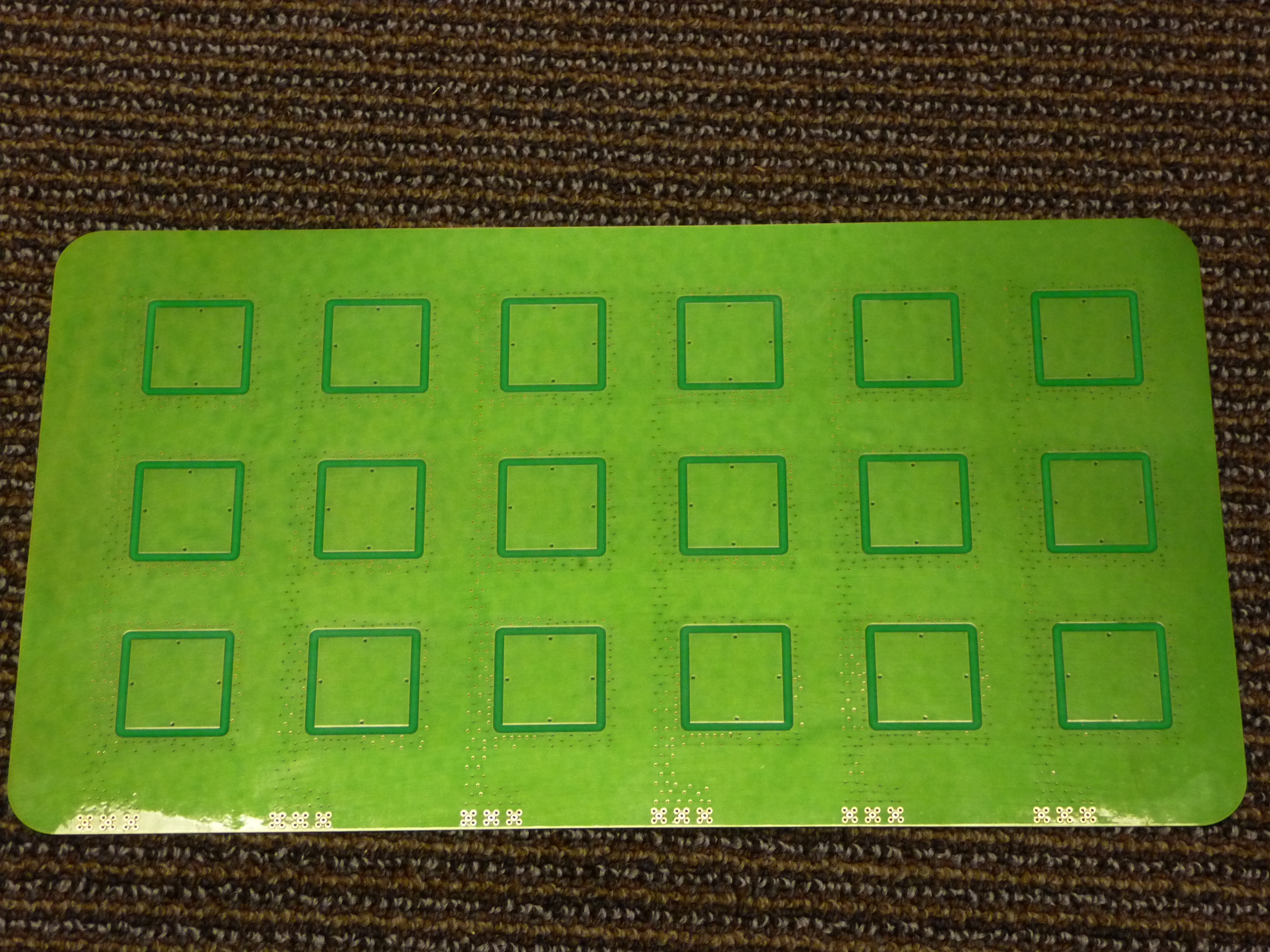
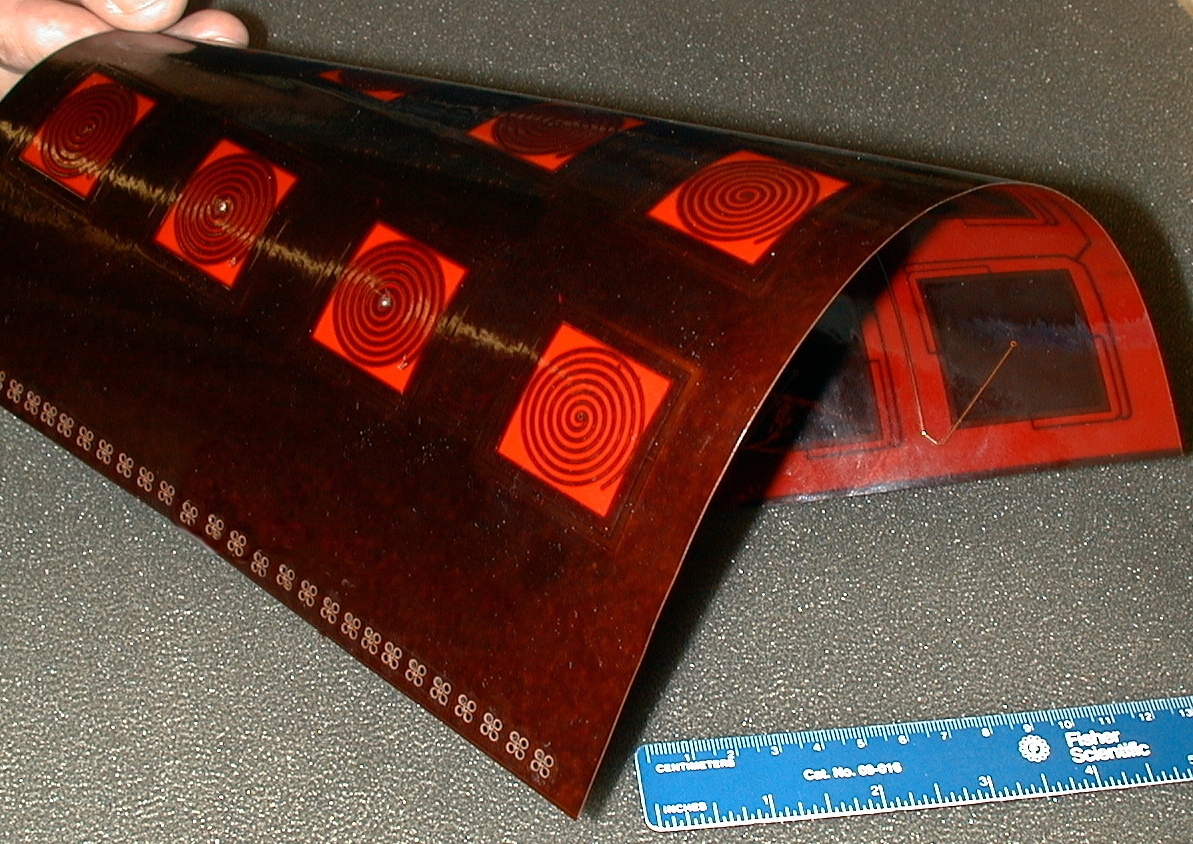
How it works The heat-targeted drug delivery vest is a comfortable multilayer vest consisting of a thin and flexible printed circuit board (PCB) array of 5cm square microwave antennas that conform to the skin surface when coupled with a thin layer of circulating temperature controlled water for patient comfort and held snug to the torso by an outer elastic fabric. In order to concentrate therapeutic drug in recurrent breast cancer tissue that often spreads widely across the chest, the microwave array is powered with multiple independent microwave generators to gently heat the top 2cm of tissue to the range of 39-42°C.
Challenges I ran into The largest challenges are the construction of the vest and FDA approval of a multi-channel microwave power system to drive the vest. Each antenna is individually controlled using feedback from temperature sensors on the skin under each antenna. This can be operator intensive if not automated. The applicator is nearly ready for production but requires a final optimization of thermal monitoring for treatment control.
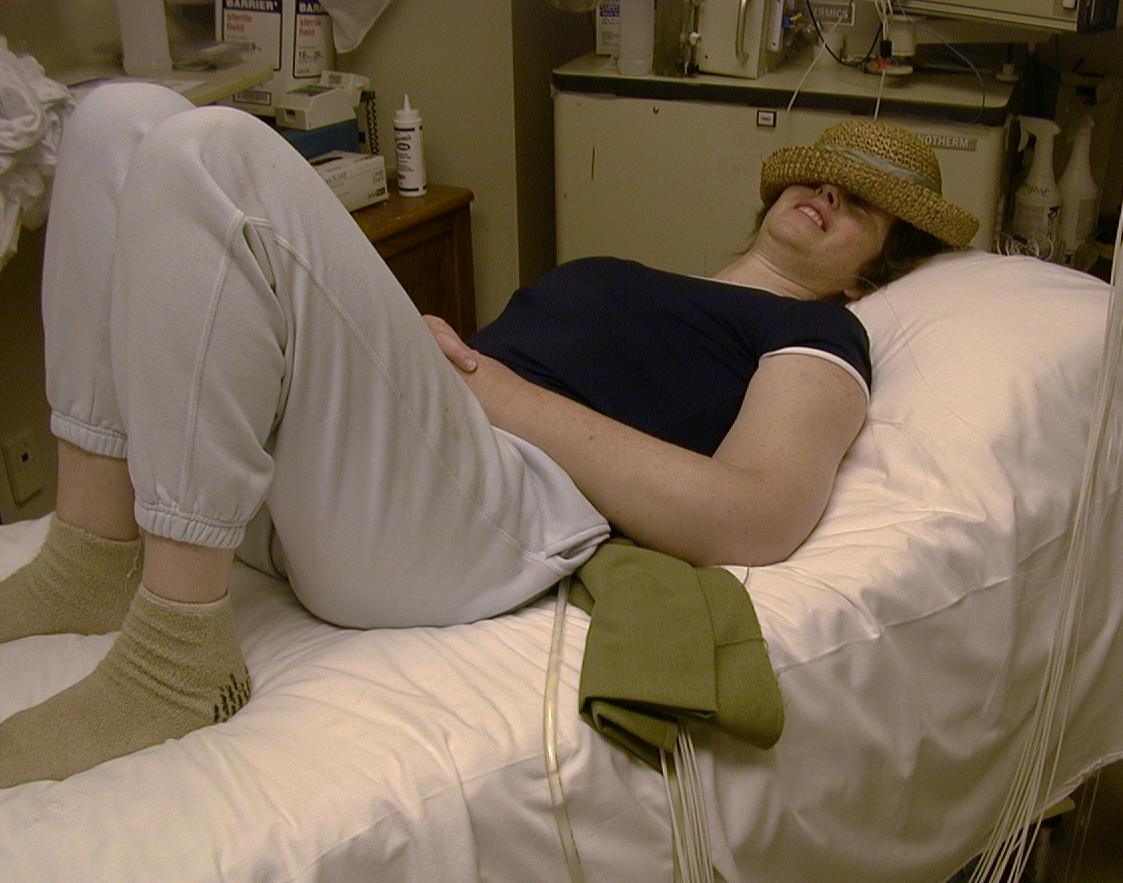
Accomplishments that I'm proud of The concept of a wearable multi-antenna array that includes non-invasive thermometry with a thin and flexible fiberoptic sensor array fitting the inner surface of the vest, and subsurface monitoring of tumor temperature with microwave radiometry. These concepts have attracted previous NIH funding sufficient to complete theoretical optimization of the applicators and integrate the heating array with a comfortable elastic fabric covered waterbolus compartment that effectively cools the skin and avoids potentially painful hot spots. Several different size prototype microwave vest applicators have been assembled and tested in a 14 patient clinical trial. The published results demonstrate significantly improved extent of heating over the best alternative heat applicator, along with improved comfort for the patient.
What I learned The microwave vest effectively heats large areas of chest wall, while being more comfortable for the patient than alternative box shaped applicators that do not conform well to the tissue surface. All aspects of the required heating system are technically feasible and just need a commercial enterprise to build and obtain regulatory approval to use the new device. The device will be particularly suitable for drug companies with temperature sensitive drug carriers and for thermal oncology treatment centers that need uniform heat application to sensitize recurrent tumor treatments to radiation and/or chemotherapy.
What's next for the Heat-Targeted Drug Delivery Vest Need to complete the design of automatic temperature feedback control of power to vest-shaped microwave antenna arrays, and contract with a corporate entity to build the power source and water circulation system as well as market the device to the hyperthermia community.

Log in or sign up for Devpost to join the conversation.