Inspiration
Most survival games have that moment where you know you should turn back and you still don't. One more turn, one more house, one more minute before dawn. Hearthline started there. I wanted the danger to come less from a monster on screen and more from the player's own appetite.
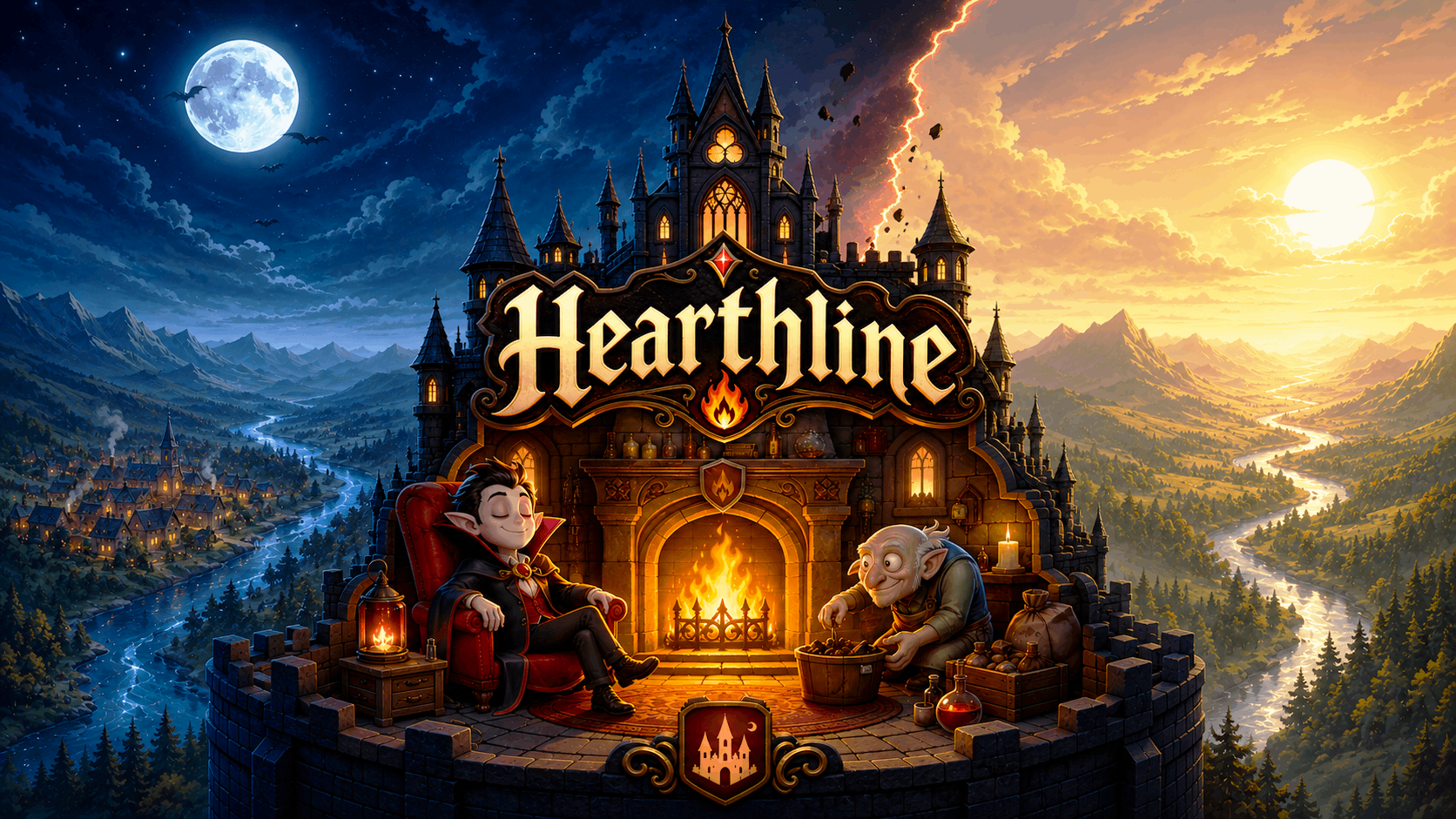
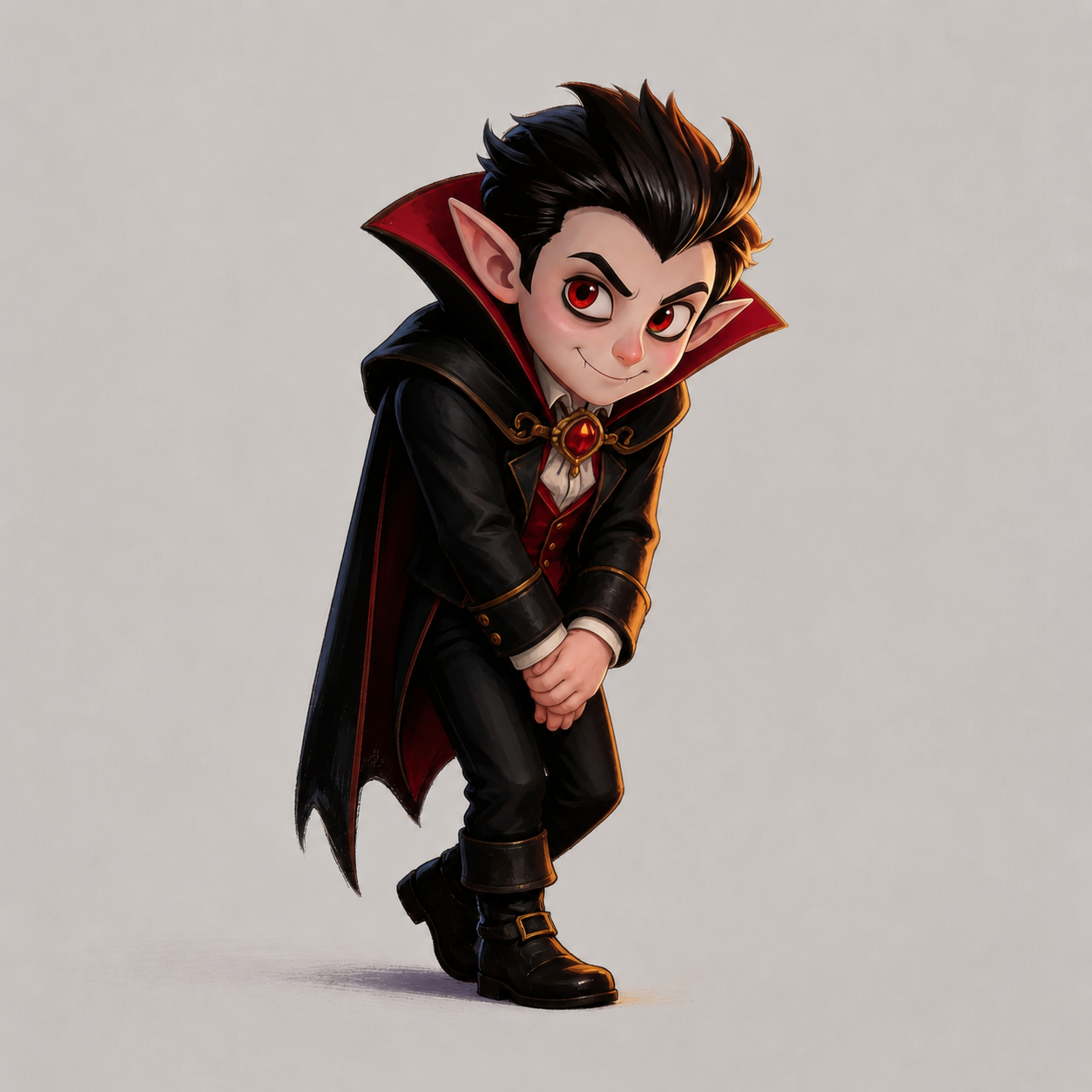
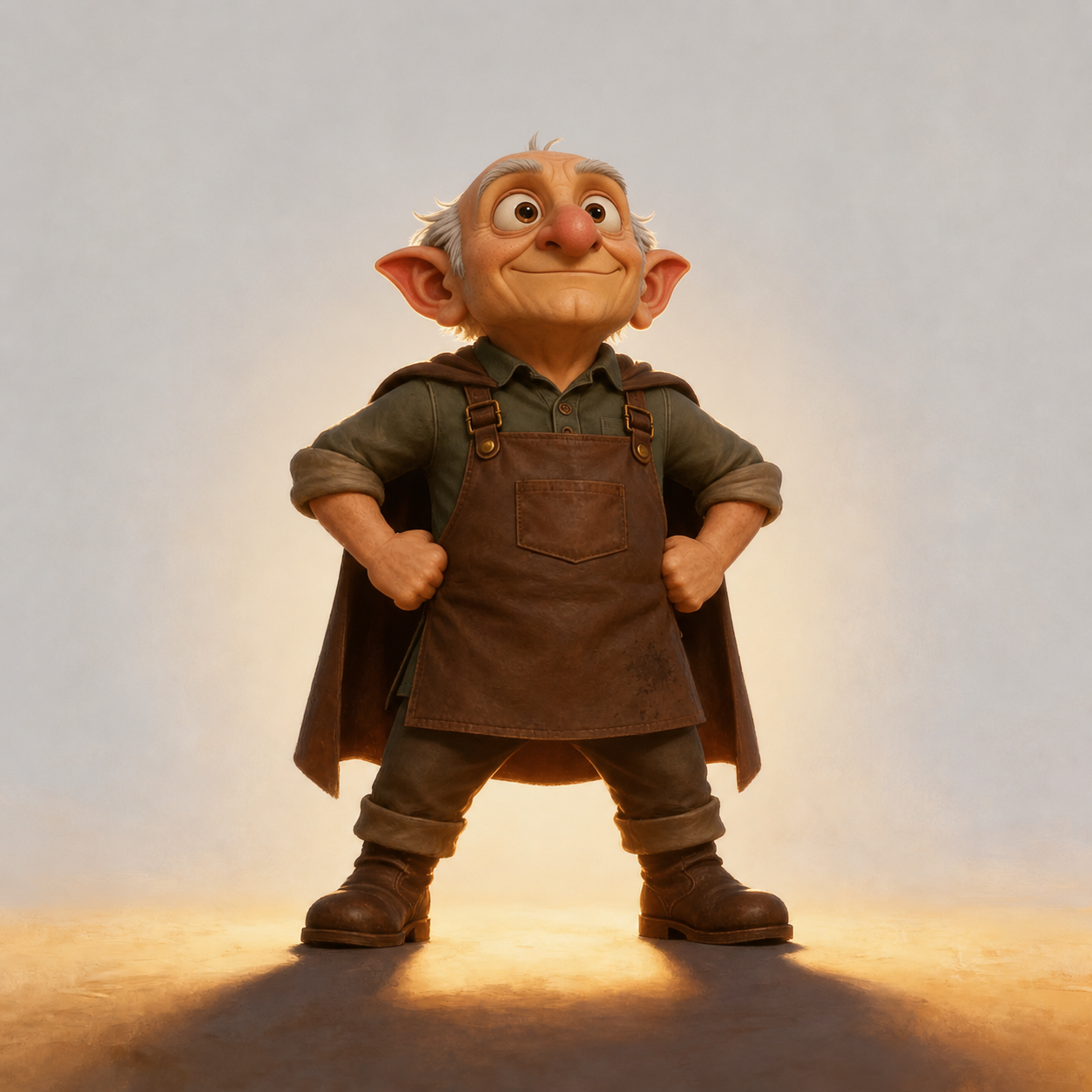
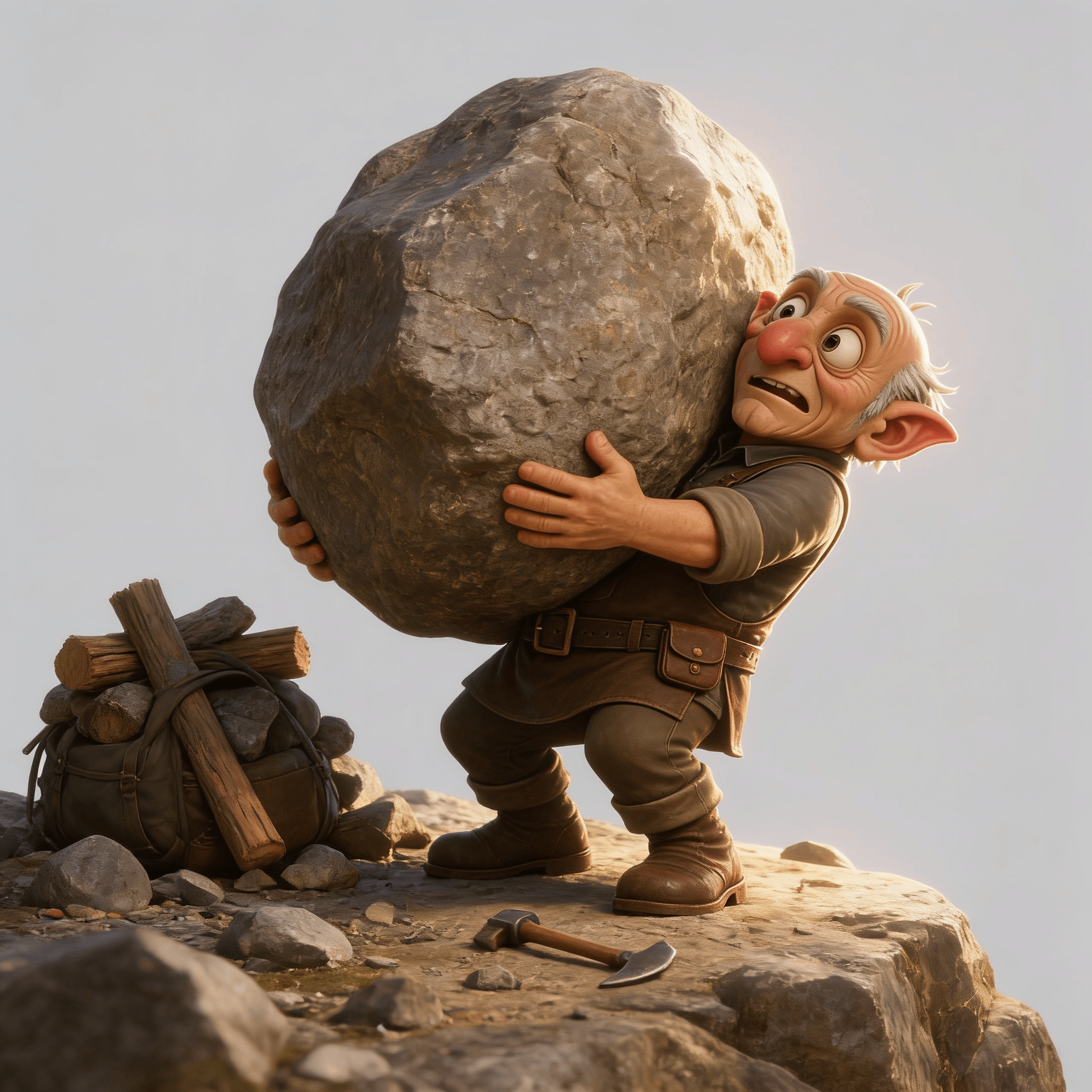
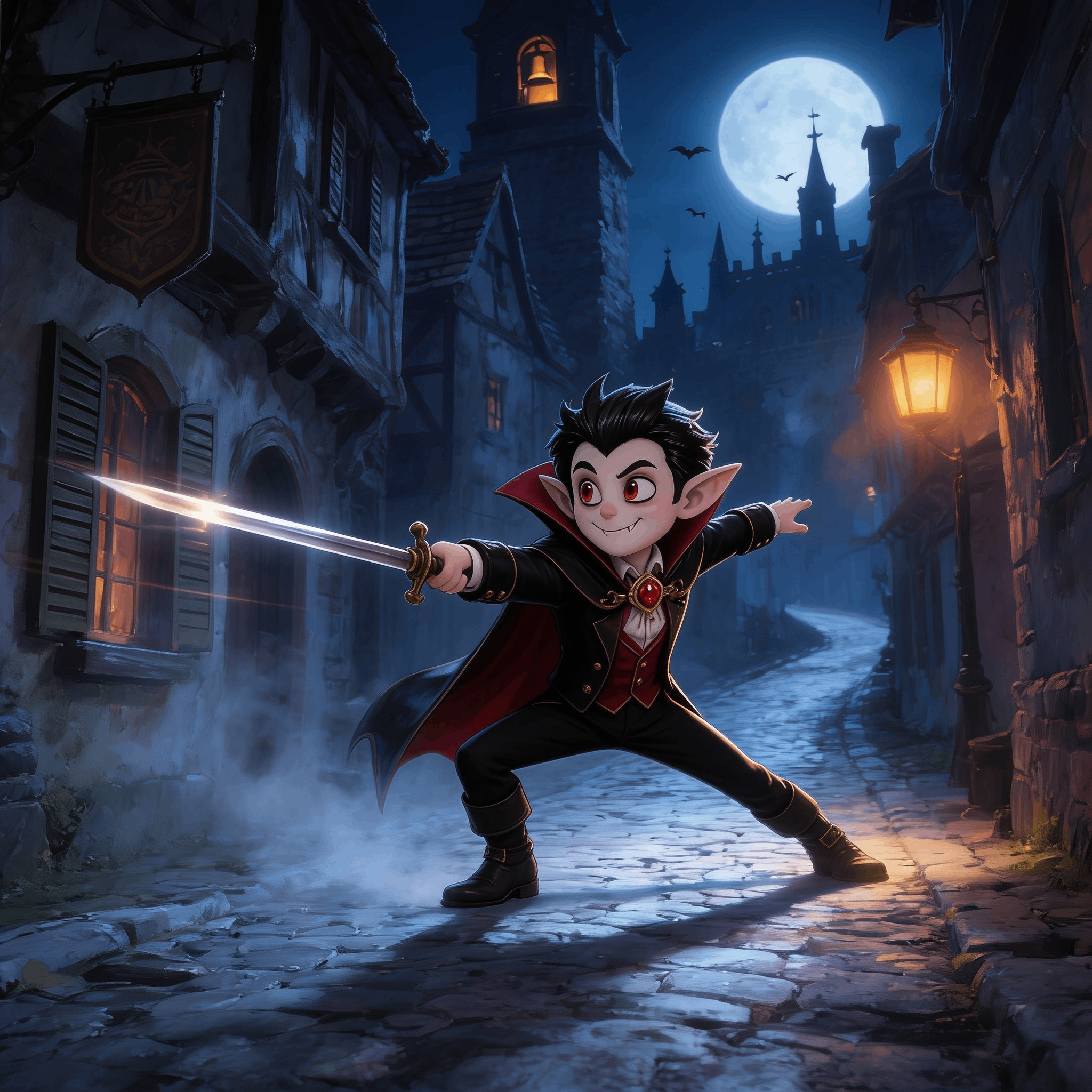
The other spark was a simple image I kept coming back to: a vampire who rules the night but cannot survive one sunrise without his servant. The monster gets the fangs and the powers, but Igor is the reason any of it lasts until morning. One character hunts. The other carries, cooks, repairs, and opens the coffin in time. I wanted the world to feel spooky but warm, cozy-gothic rather than grim or gory.
What it does
Hearthline is a mobile survival roguelite split between day and night.
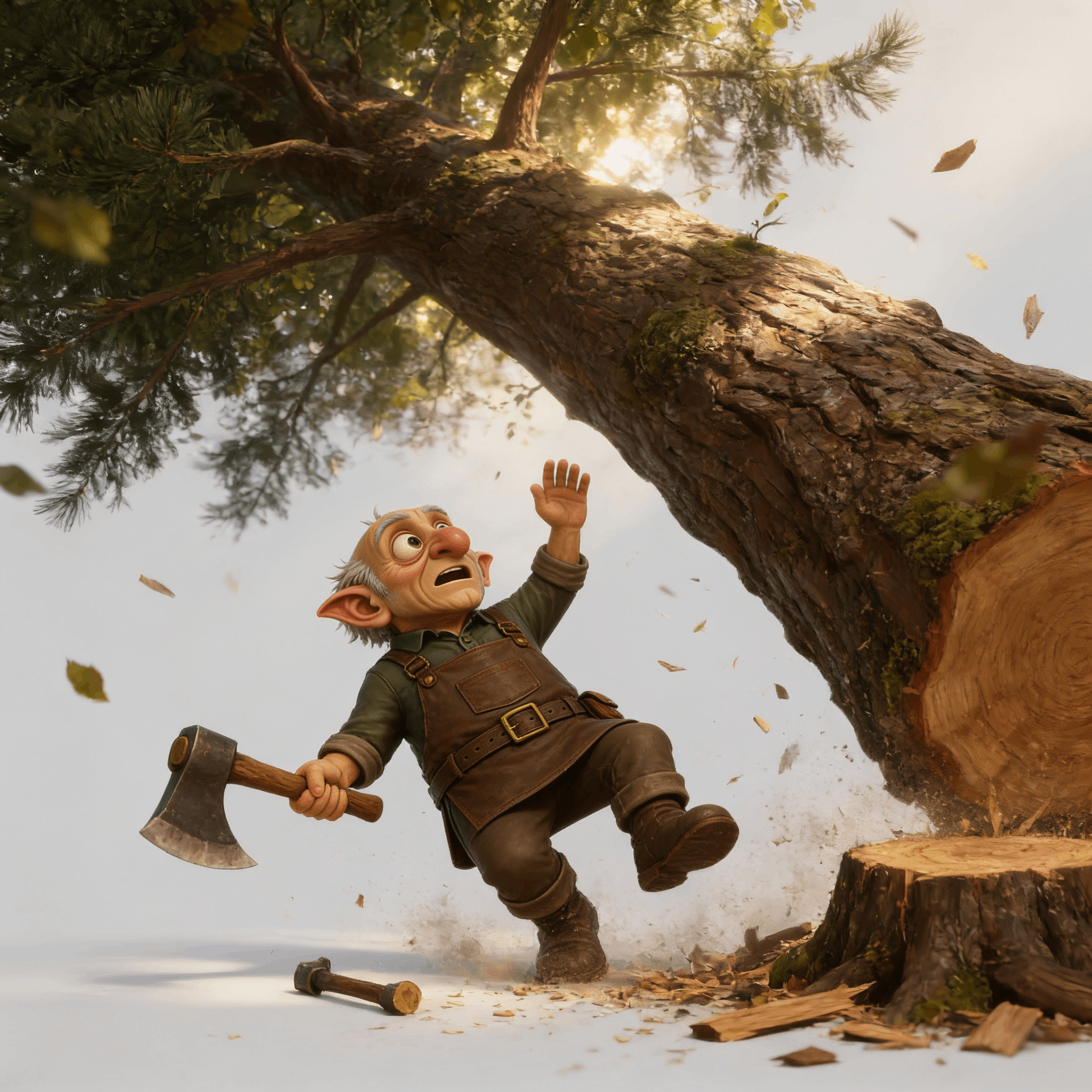
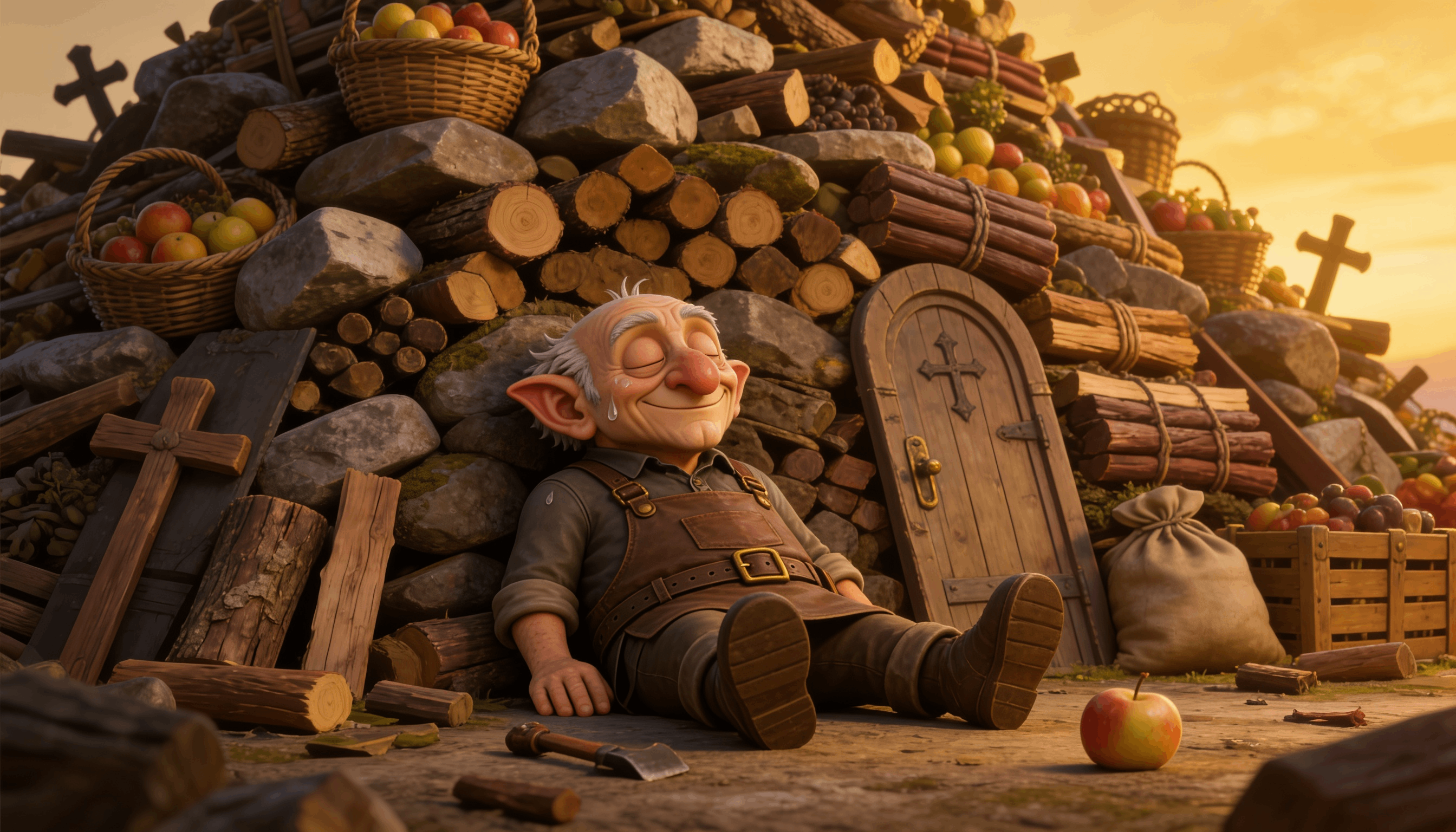
By day you're Igor, the servant. While your master sleeps in his coffin, you do the unglamorous work that keeps him alive: gather supplies, cook meals to leave on frightened doorsteps, mend the castle's broken defenses, and lift the coffin lid before dusk. Daylight runs short, so you're always deciding what the night will have to do without.
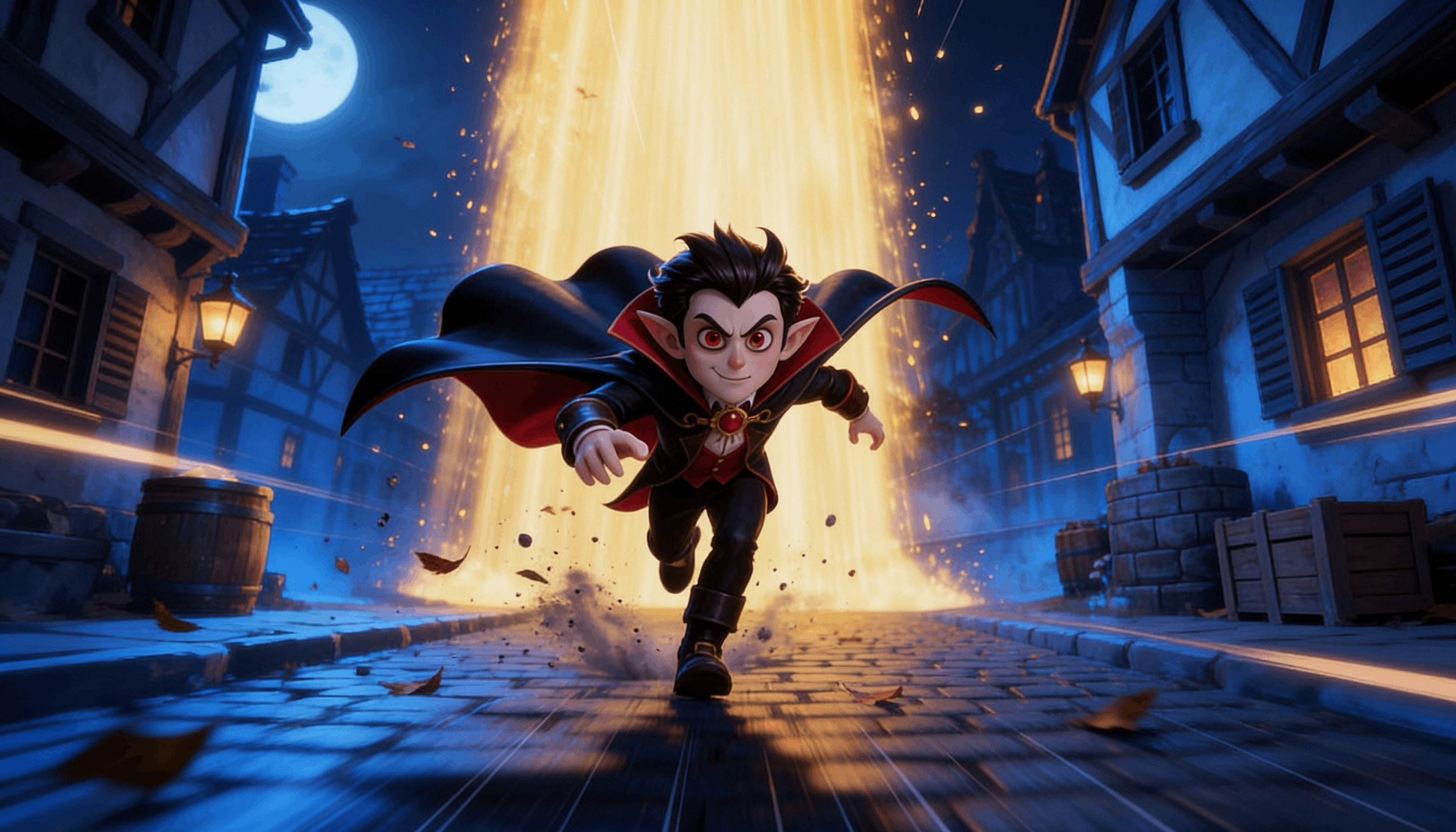
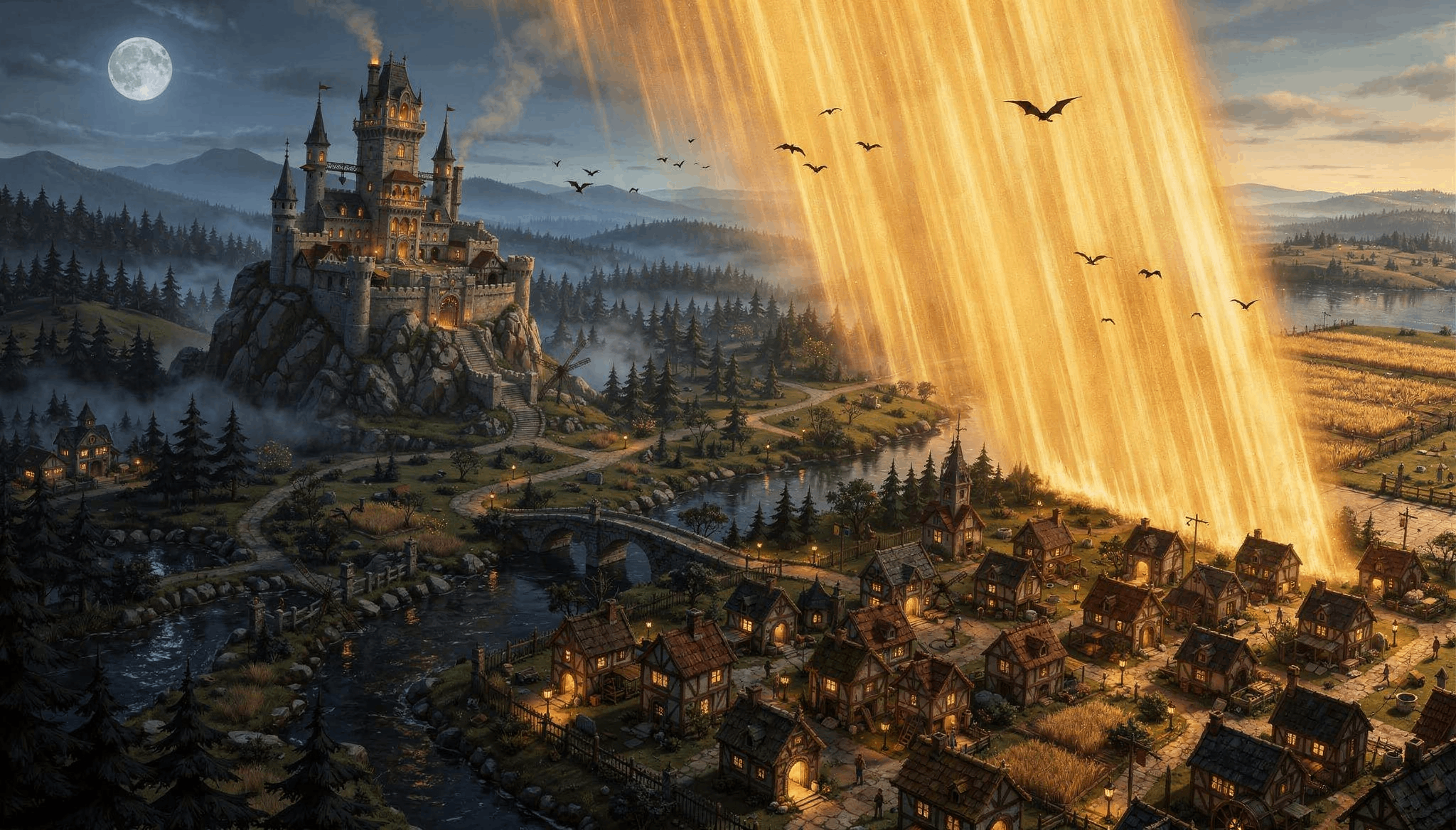
By night you become the Vampire, out in the town to feed. A careful sip leaves your prey asleep and there for tomorrow; a deep drink takes more now but leaves the house empty for nights to come, and might wake the street. Blood covers survival, spending, and magic. The richest blood is always deepest in town, and dawn arrives as a wall of light that sweeps across the land. Most nights end on the same gamble: take what you've got and run, or risk one more house and trust you can still beat the sun.
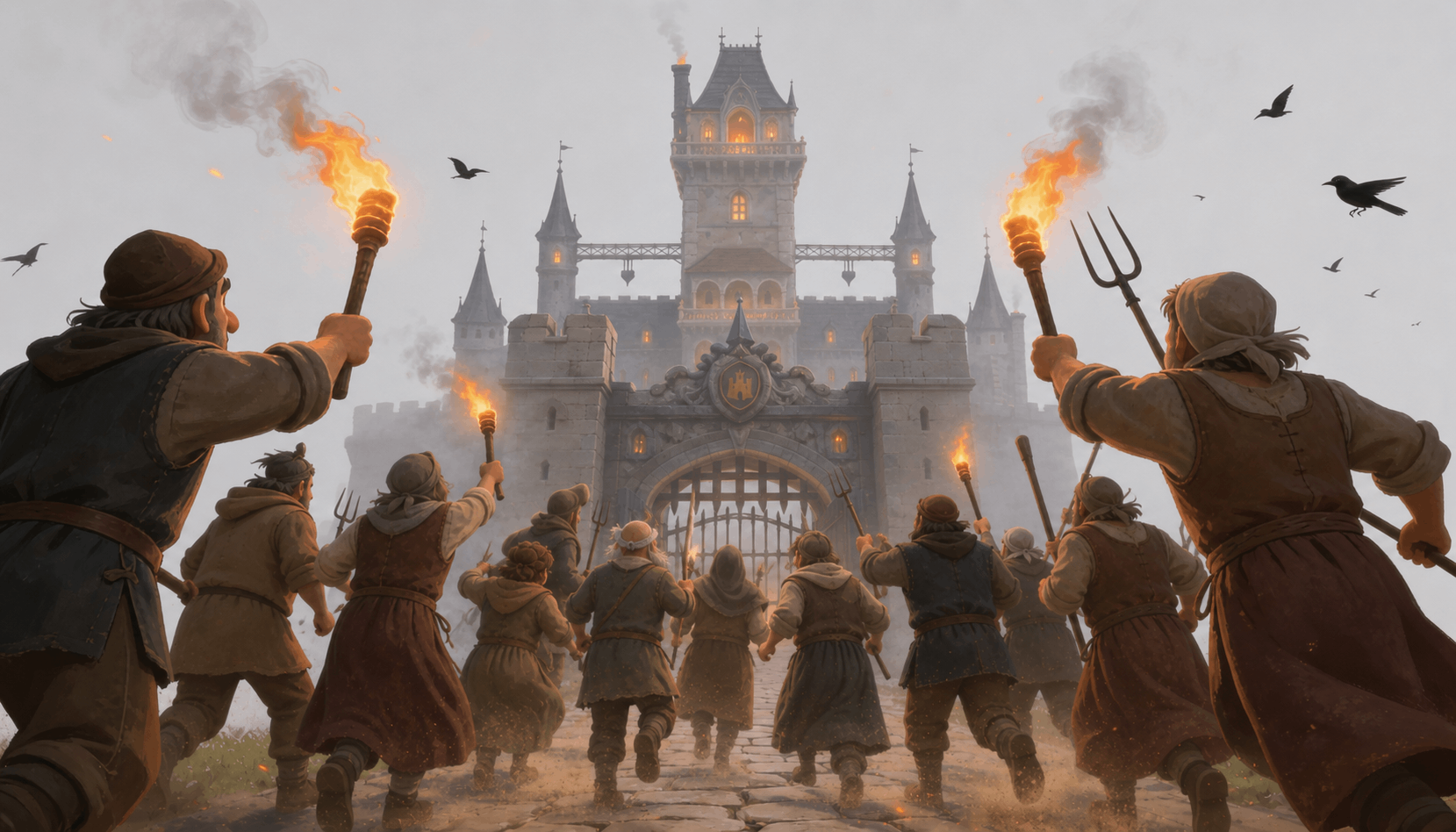
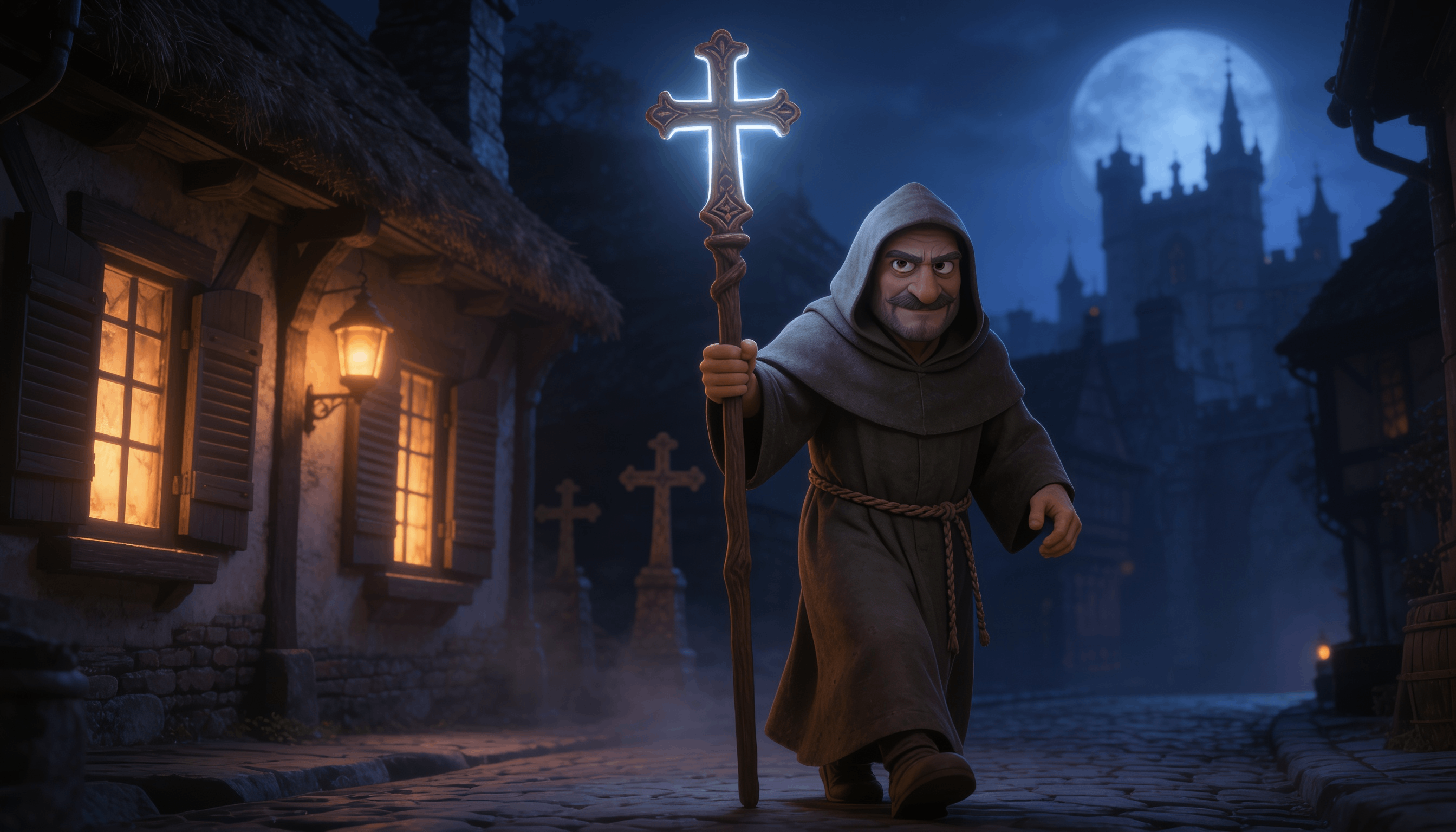
The town reacts to what it sees. Lights stay on, crosses block routes, bells raise alarms, and raids reach the castle. Survive one town and you move on to a bigger, richer, more dangerous one.
What I built
This submission is a pre-production package with four connected artifacts:
- a Game Design Document
- a Player Journey Map of the first session, beat by beat
- a Visual Concept Package covering characters, world, buildings, interiors, and mobile UI
- a Production Plan, MVP first
I also built a small in-engine prototype to test the art and the playable camera: a top-down view where the town, routes, and buildings are readable at a glance.
How I built it
I started with the main pressure: greed has a price. From there I built one blood economy that works as life, currency, magic, and recovery, so spending blood always has a cost. Then I built the look of the world through concept art and gameplay mockups, checking the art against the rules instead of treating it as decoration. I mapped the first session minute by minute so the GDD, journey map, visuals, and production plan all described the same game.
Challenges I ran into
The hardest part was keeping everything aligned. It is easy to write a long document and make a pile of good-looking images. It is much harder to make four separate artifacts describe one believable game. I cut repetition, checked the art against the mechanics, and kept asking whether a judge could understand the loop without me explaining it live.
Designing one economy that does everything was also tricky. Blood had to cover life, power, magic, and upkeep without becoming a flat number the player stops thinking about. A spend needed to feel like a trade. Getting AI tools to hold a consistent style and character across many images was its own craft too: vague prompts drift, references and constraints help.
Accomplishments that I'm proud of
I'm proud that the game has a warm identity in a genre that usually goes bleak. I'm also proud of the single blood economy, because it keeps asking hard questions without adding more meters. The package now has words, art, UI, and production scope pointing at the same loop, plus a prototype camera that proves the game can read as play instead of only as a poster.
What I learned
This was my first time treating a game as a full pre-production package instead of just an idea in my head. Putting it all on paper changed how I think. The first session matters more than I expected, and mapping it beat by beat exposed pacing problems that a feature list would have missed. I also learned how useful hard limits can be: the loop stayed clear, blood carried most costs, and the tone stayed warm-gothic. Those limits made later decisions easier.
What's next for Hearthline
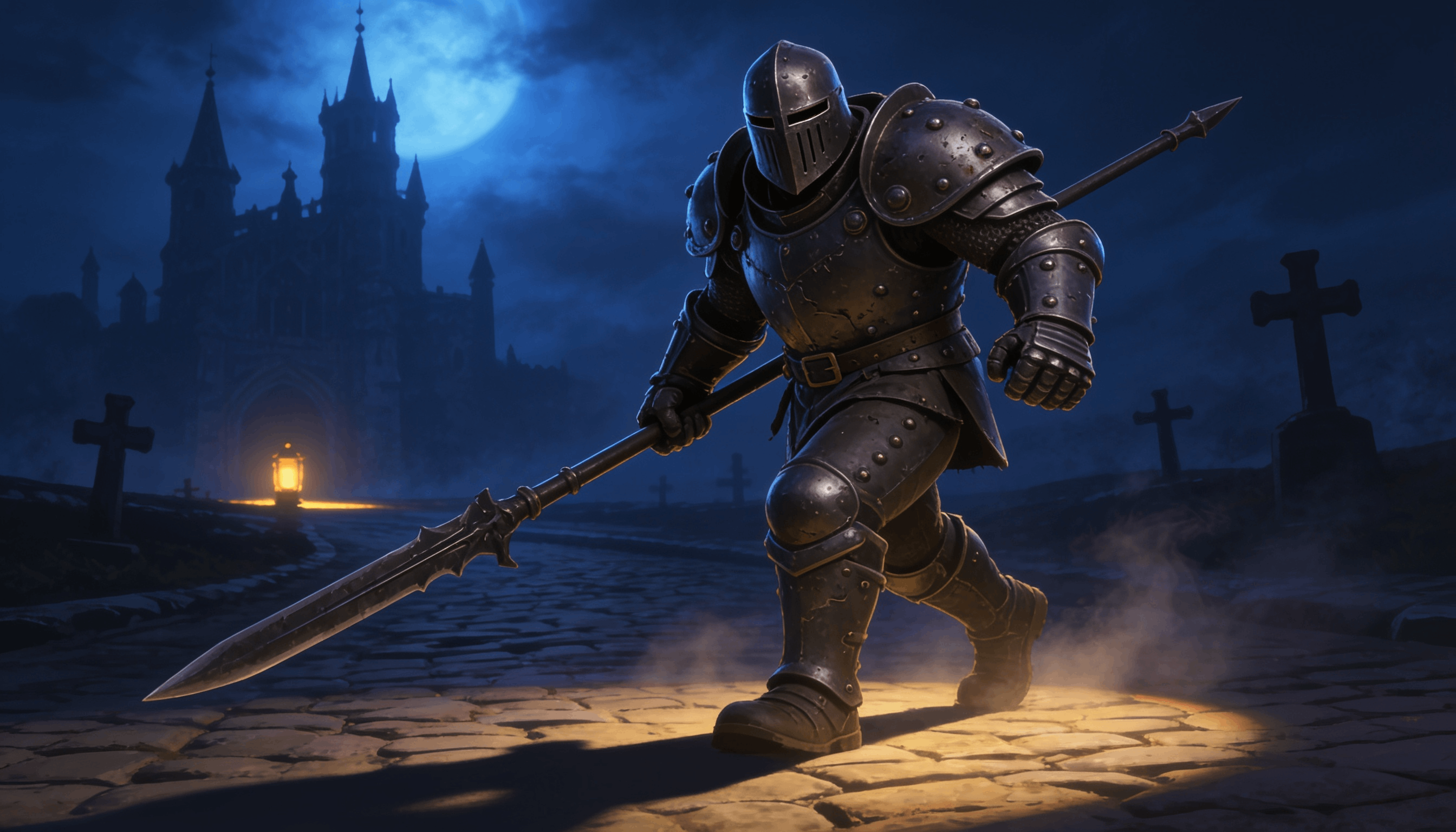
Next I would build the day-night loop and put it in front of real players. The first question is simple: is the prepare-hunt-race-home loop fun? If it works, I would grow it carefully with thralls, more vampire powers, more Igor tools, larger towns, grave-earth havens, and a named nemesis like the Iron Hunter. The rule stays simple: add more ways to prepare, hunt, and pay for survival, while the dawn remains the hard limit.
Built With
- ai



Log in or sign up for Devpost to join the conversation.