-
-
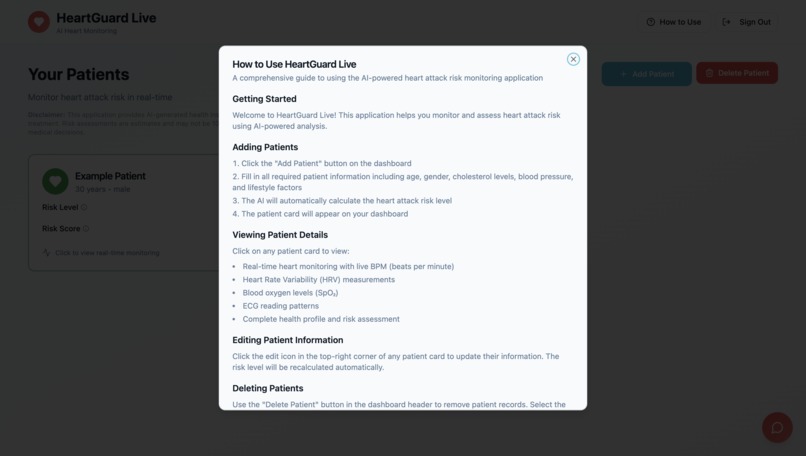
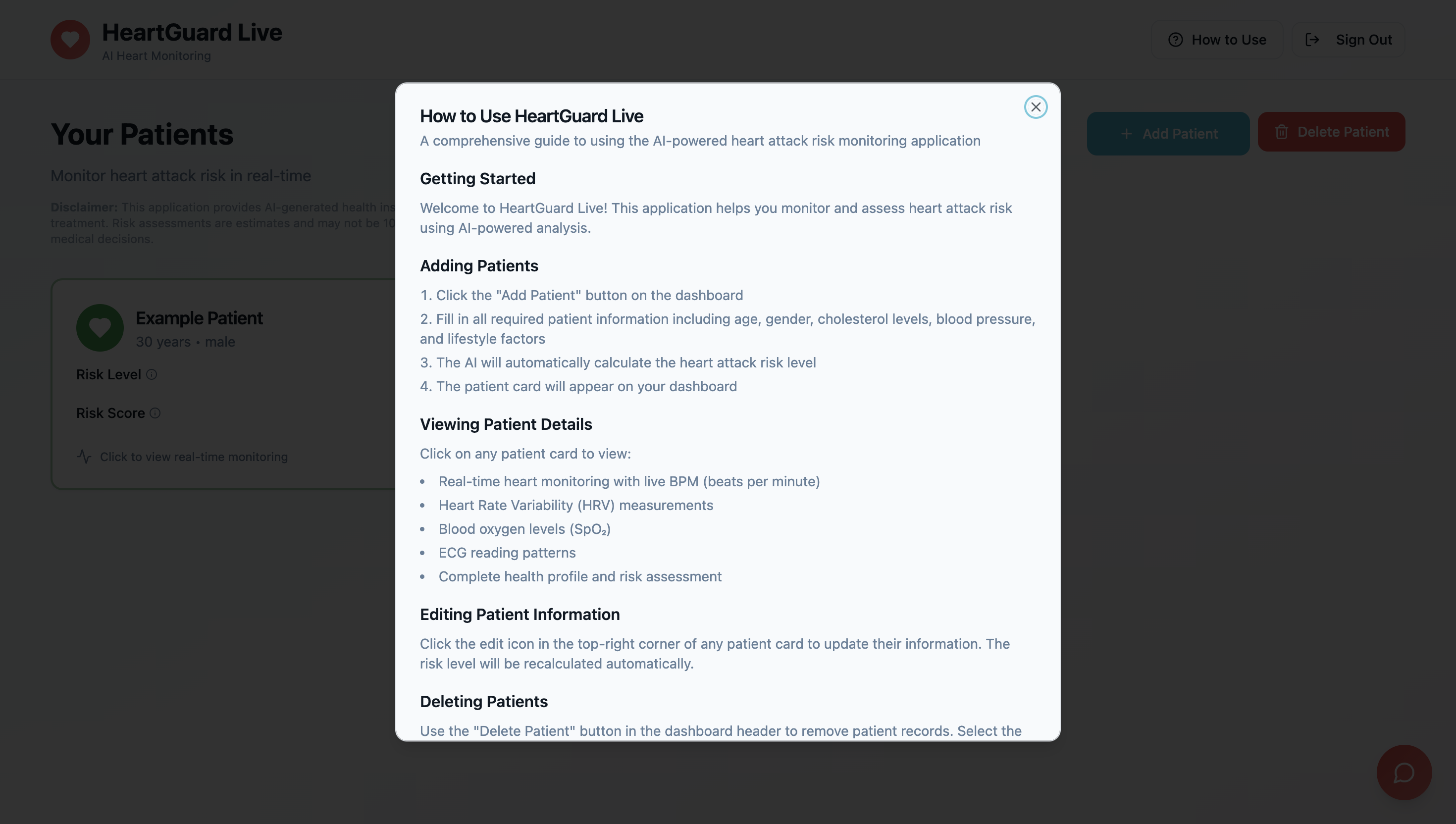
Info Page
-
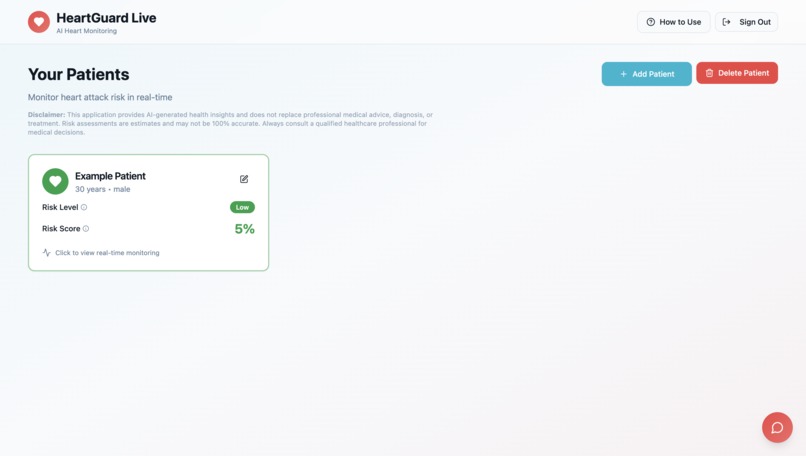
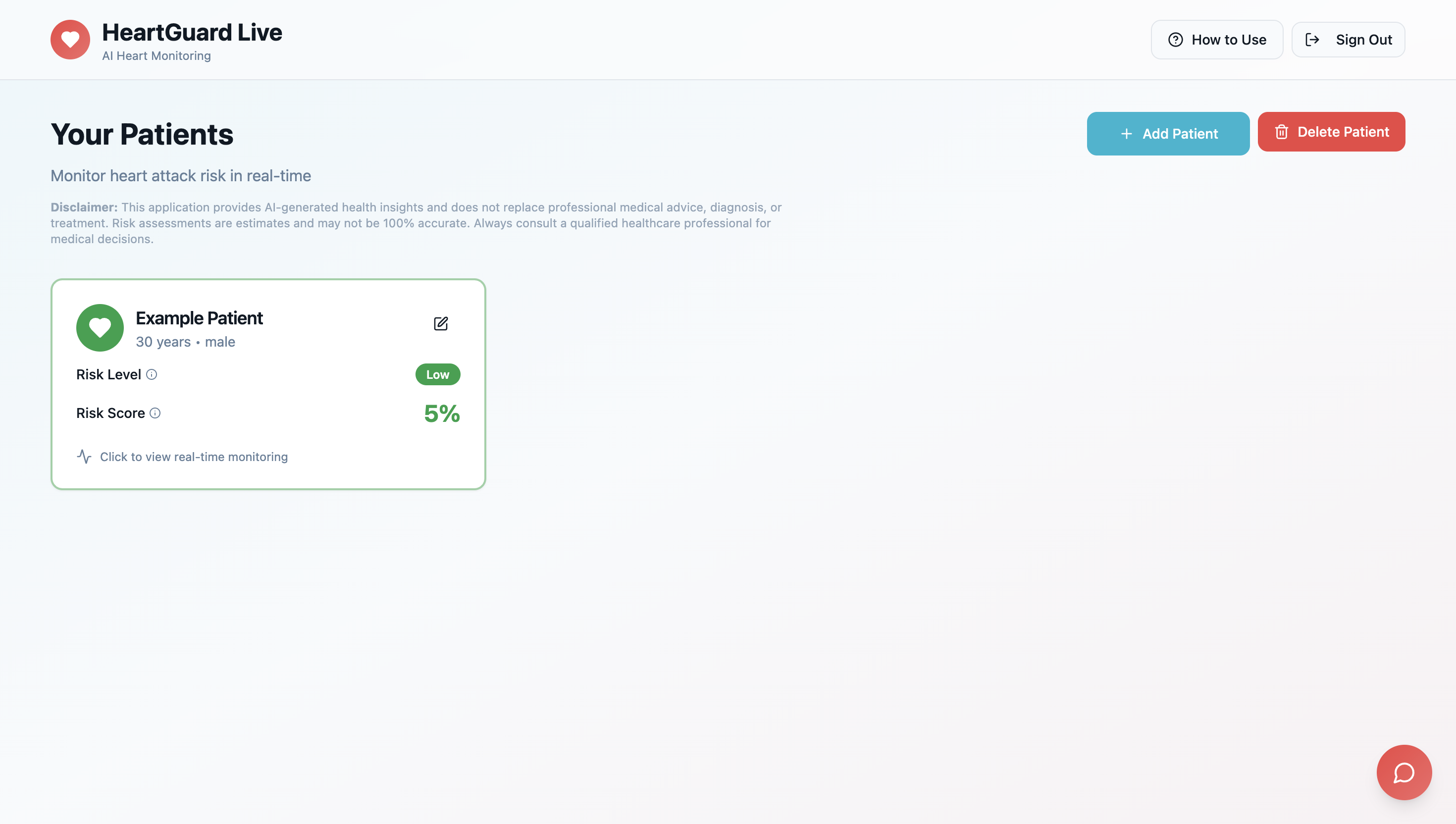
Example Patient
-
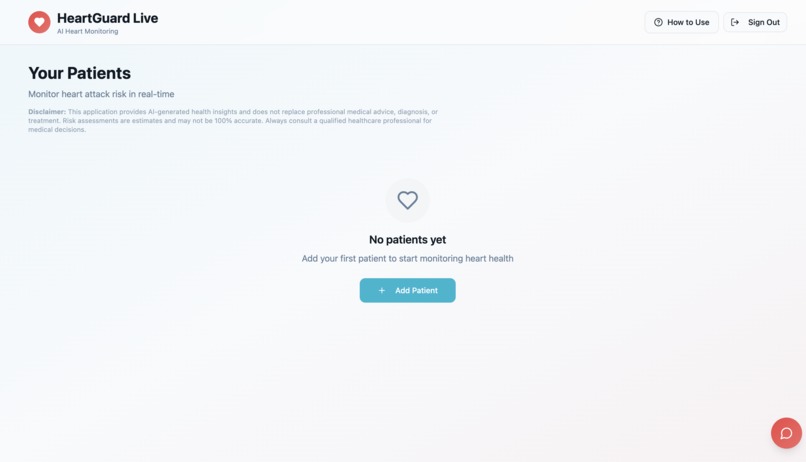
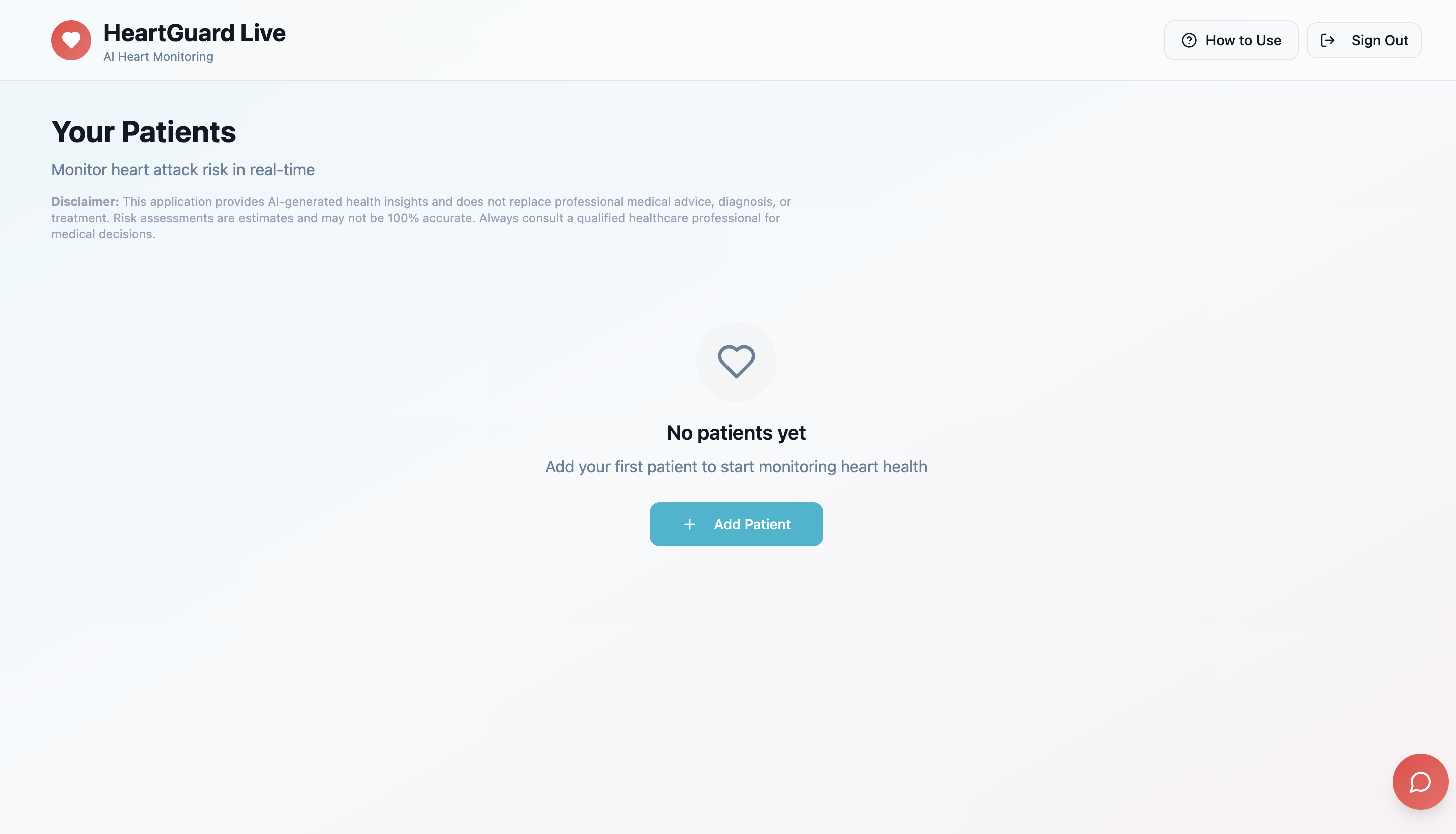
Dashboard
-
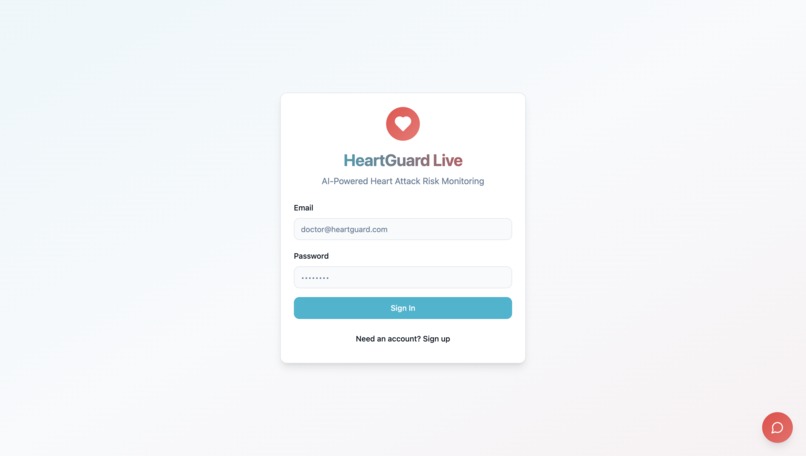
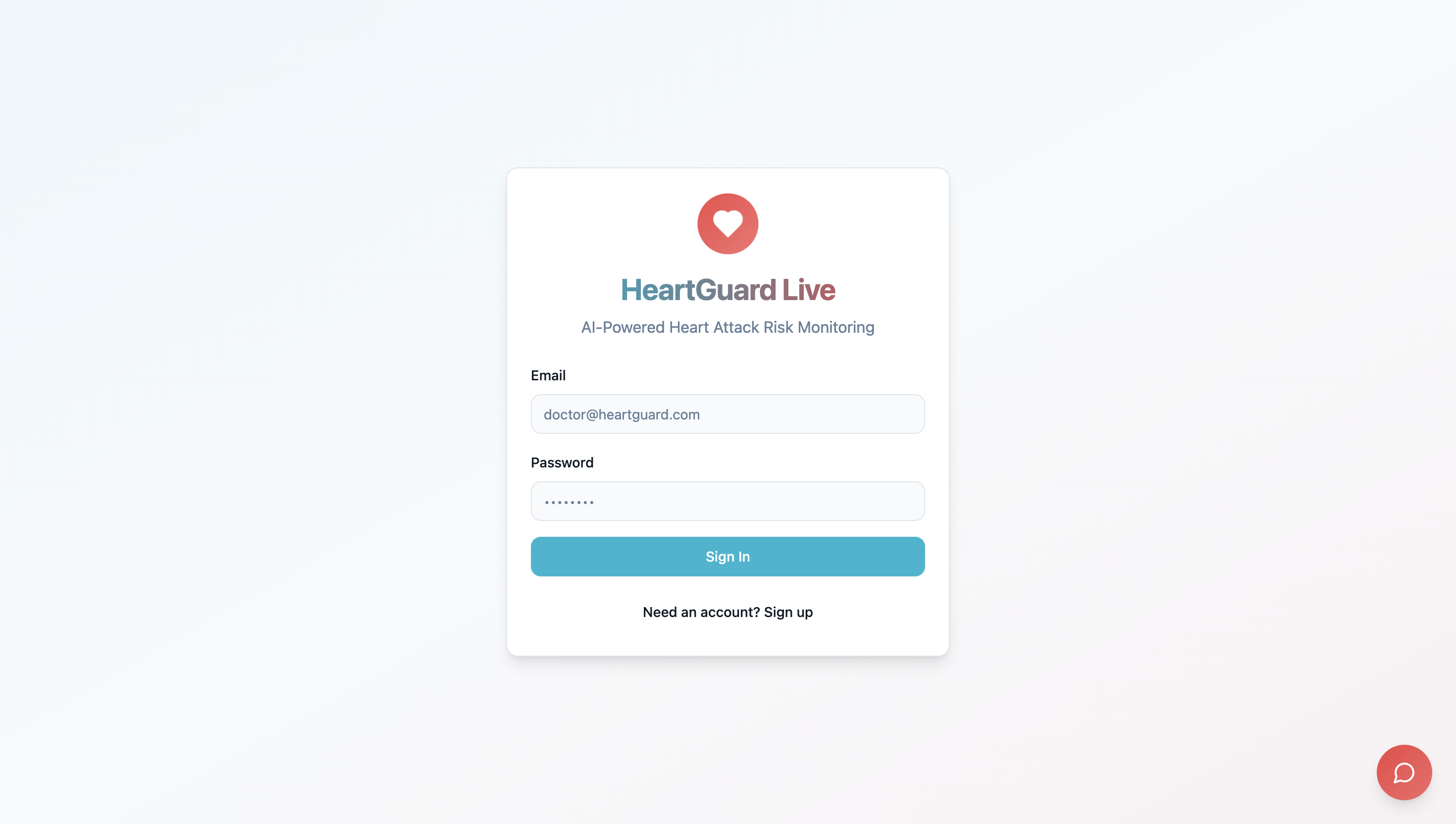
Login Page
Inspiration
Every 40 seconds, someone dies from a heart attack. We were inspired to explore how wearable technology and AI could help people monitor their heart health more effectively and potentially detect risks earlier.
What it does
HeartGuard Live is a web application that estimates heart attack risk by combining user-provided health information with simulated real-time data from wearable devices. The platform displays a dashboard where users can view individual profiles, track heart-related metrics over time through live graphs, and receive personalized guidance from an AI assistant. It provides a risk percentage based on the analysis of all available data, helping users gain actionable insights about their heart health.
How we built it
The frontend was built to display a clear and interactive dashboard, including live graphs and a moving heartbeat icon. The AI model processes the combined data to provide a consistent risk percentage, while the chatbot gives guidance and answers user questions. The system is designed to handle multiple user profiles and present information in an understandable way, with live visualizations of key metrics.
Challenges we ran into
Simulating real-time data that felt realistic while ensuring that the risk prediction remained stable was a challenge. We also focused on designing an interface that could clearly communicate important health information without being overwhelming or confusing. Integrating live graphs and animations alongside the AI predictions required careful coordination between frontend and backend components.
Accomplishments that we're proud of
We successfully combined AI-driven predictions, live data visualization, and an interactive chatbot into a single platform. The system can support multiple users and provides a cohesive way to monitor heart health in real time, even with simulated data.
What we learned
We gained experience in combining AI models with dynamic data streams and learned how to present complex health data in a clear and interpretable format. We also learned how to design an interactive and responsive dashboard that communicates critical information effectively.
What's next for HeartGuard Live
Future improvements include integrating real wearable devices, enhancing the AI model with more diverse datasets, and adding notifications or alerts when metrics indicate elevated risk. Expanding accessibility through a mobile app and refining the AI chatbot’s advice are also key next steps.

Log in or sign up for Devpost to join the conversation.