-
-
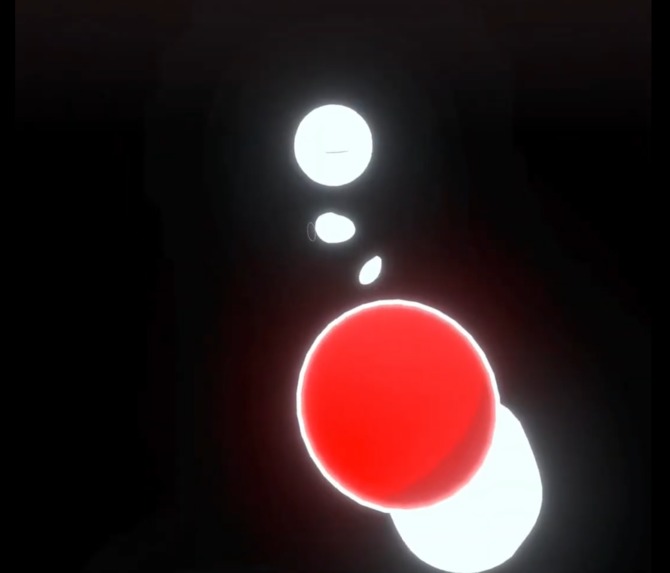
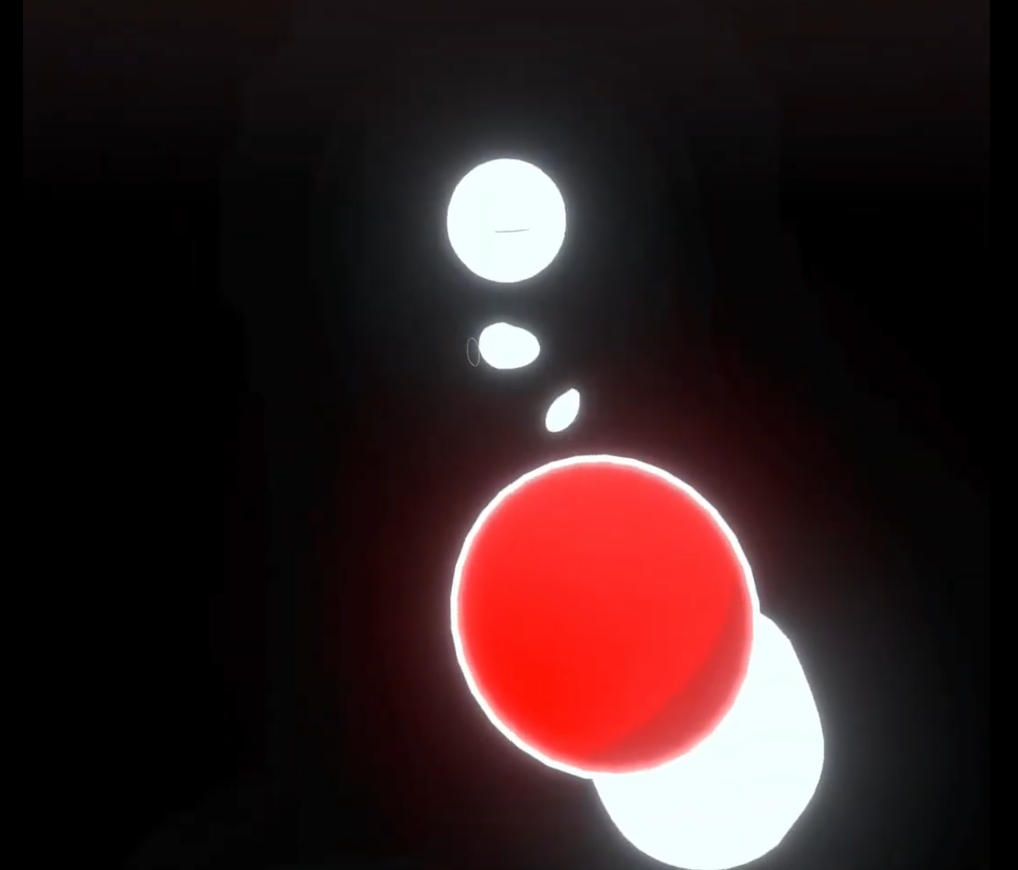
Heart to Heart
-
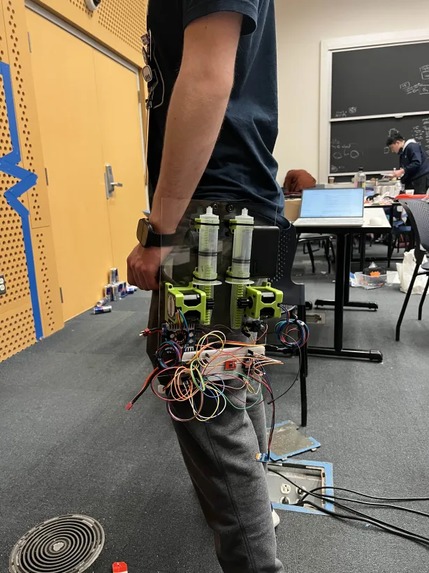
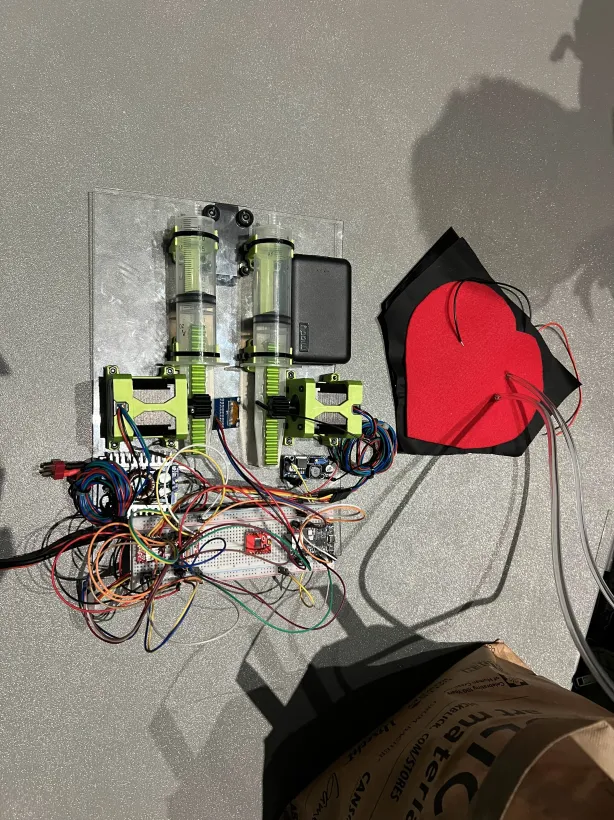
Pneumatic system
-
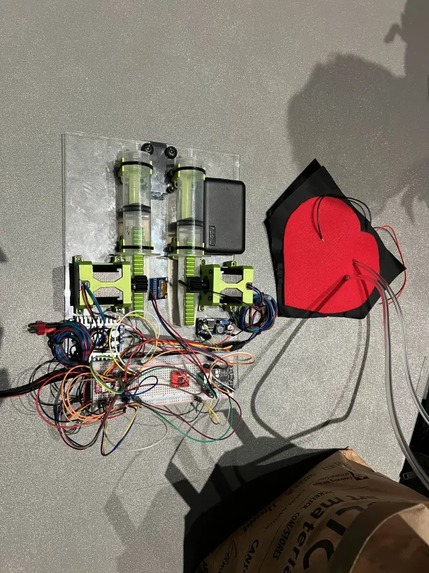
Work in Progress
-
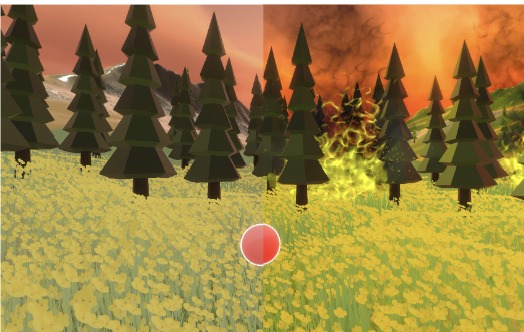
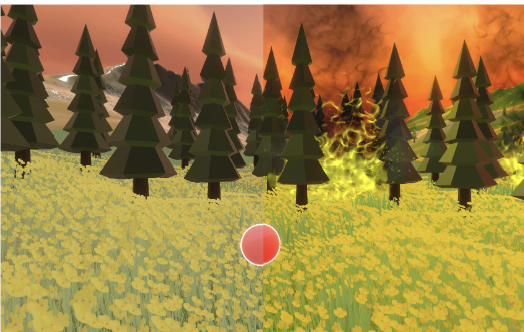
Stress based fire system side by side
-

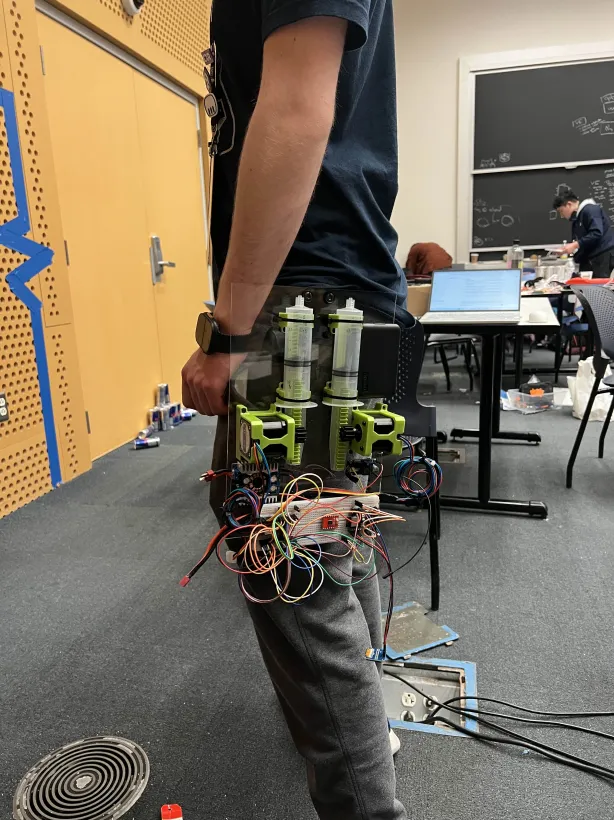
Stylish and Mobile
HeartFelt: Connecting People Through Haptic Empathy
Inspiration
Connection is vital in an increasingly disconnected world. Despite being more digitally connected than ever, studies show that people feel lonelier and more isolated. Over 60% of adults report feeling lonely with young adults (18-22) being the loneliest. Social VR can bridge this gap by fostering deeper connections and enhancing empathy. Understanding others helps us understand ourselves and our environment better, cultivating compassion and improving mental health. The Heartfelt project aims to make meaningful connections tangible through the rhythm of the heart—the universal symbol of life and emotion. Giving your heart is a deeply intimate act, and this project captures that sentiment in a unique and powerful way.
What It Does
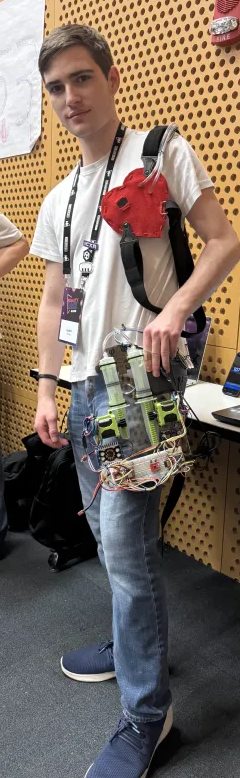
HeartFelt enables two individuals to connect emotionally and physically through a pneumatic heart system. The hardware system consists of one user who wears the pneumatically-driven haptic heart device and one who wears an Apple Watch to measure their real-time BPM. The heartbeat of the person is transmitted to whoever is holding the heart within the experience through audio, controller haptics, and the pneumatic heart device. The system integrates VR elements to modulate the strength of the heartbeat based on the virtual distance between the two users. Additionally, a Peltier module simulates warmth, adding another layer of physical feedback. Hearing and feeling another person’s heartbeat has been shown to lower heart rates, increase empathy, and promote prosocial behavior, enhancing communication and reducing stress in social interactions. If stress is detected through Heart Rate Variability (HRV) data, the VR environment dynamically adapts to promote relaxation and calmness.
How We Built It
Heartfelt combines several technologies(need to add how hardware works):
- Unity: To create an immersive VR environment.
- Arduino: For controlling the pneumatic heart system and integrating the Peltier module.
- Singularity: To have the pneumatic heart hardware communicate and connect with the VR Experience.
- Normcore: To enable real-time multiplayer VR interactions from anywhere around the world.
- HRV (Heart Rate Variability): For monitoring stress levels and adapting the environment dynamically.
- Meta Interaction SDK: For seamless integration with VR headsets.
- CAD and Assembly: To design and fabricate the pneumatic heart hardware.
Challenges We Faced
- Pneumatic system: We needed to pump air fast to make a convincing heartbeat and were limited by small motor drivers. They choked up and overheated when driving big motors at fast speeds. Singularity and ESP32 are single-core processes, which means we could only either recieve wifi or move the motors at any given time. This led to choppy stepper movement, but was solved by cleverly only checking for wifi after changing the direction of a stepper motor.
- Multiplayer Networking: Minimizing the delay between BPM detection and haptic feedback was crucial for maintaining immersion. Also, making sure that the object interactions would sync up properly with unique interactions not usually made for experiences like this made the experience difficult to work properly without de-syncing object movement. By putting enough testing and time into these issues resulted in a multiplayer experience like no other.
- Controller Haptics Adaptation: Using Haptics along with the heartbeat in sync exactly was a challenge, especially with compatibility issues with Normcore.
Accomplishments
- Successfully creating a synchronized haptic and auditory feedback system that fosters empathy and connection.
- Designing an intuitive and immersive VR experience that bridges physical and emotional distances.
- Implementing real-time stress-based environmental changes in VR to aid relaxation and communication.
- Exploring applications in healthcare, therapy, dating, and family connections, showcasing the versatility of the system.
Lessons Learned
- The profound impact of integrating haptics and auditory feedback in VR experiences to enhance empathy and introspection.
- Techniques for minimizing latency in real-time systems.
- The importance of user-centric design in making complex technologies accessible and meaningful.
- The potential of VR and haptics in reducing anxiety and improving prosocial behaviors.
Future Plans
- Healthcare Applications: Partnering with hospitals to explore therapeutic uses, such as anxiety reduction and aiding sleep.
- Enhanced Haptics: Developing more advanced pneumatic systems to mimic varying heartbeat patterns.
- Scalability: Expanding compatibility to more wearable devices and VR platforms.
- Social Connectivity: Creating group experiences where multiple users can connect and share emotions.
- Research: Collaborating with psychologists and neuroscientists to study the long-term effects of haptic empathy on mental health and prosocial behavior.
Heartfelt aims to redefine human connection in a divided world, leveraging technology to bring people closer together—heart to heart.


Log in or sign up for Devpost to join the conversation.