-
-
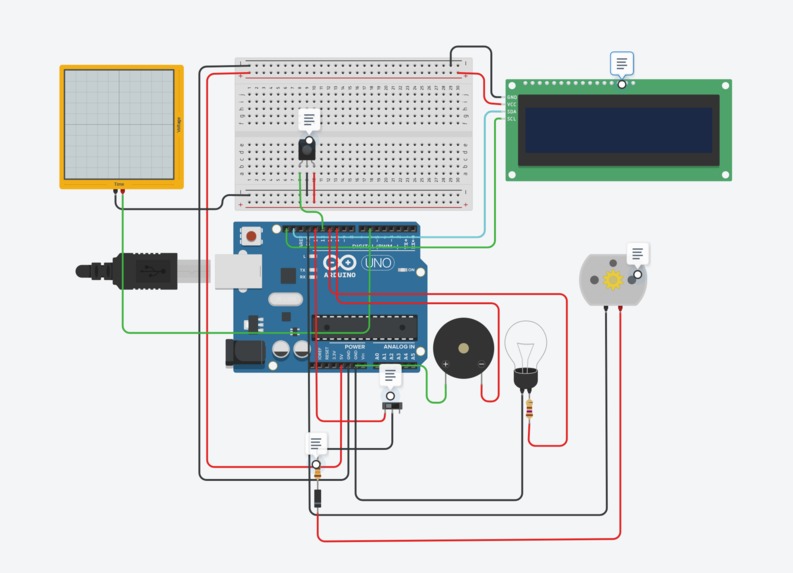
Circuit Diagram in TinkerCAD With Descriptions
-
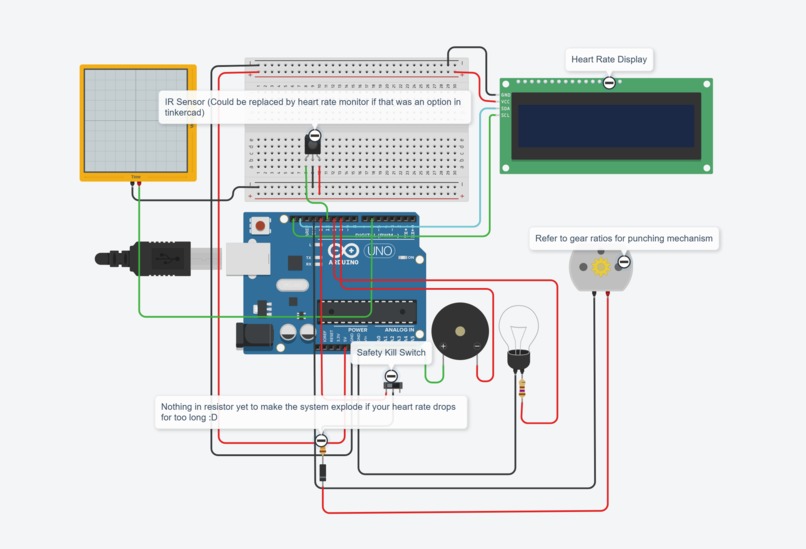
Circuit Diagram in TinkerCAD Without Descriptions
-
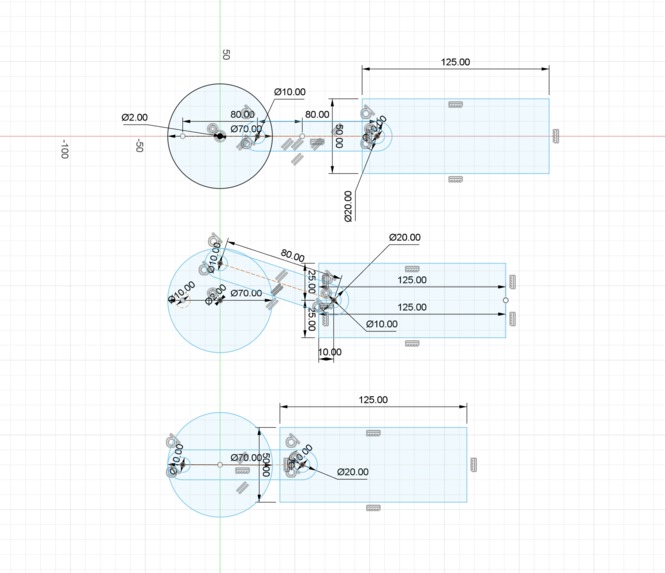
Punching-Piston System in Fusion 360
-
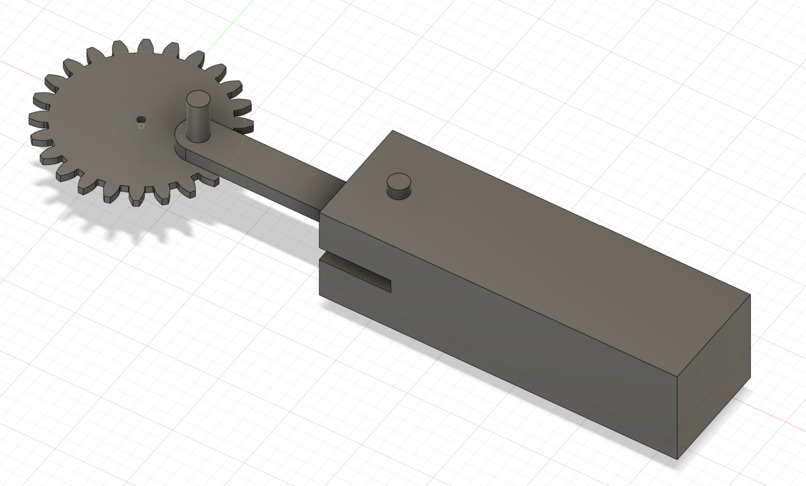
Piston 3D Design
-
-
Inspiration
After hearing the prompt being announced at the opening ceremony, we had many ideas ranging from more sensible apps, such as blood sugar monitoring, to heart rate flappy bird; however, in the end, we decided on an idea that was complex in its execution: HeartBEAT. This crazy concept came from much brainstorming over what would be original, yet funny.
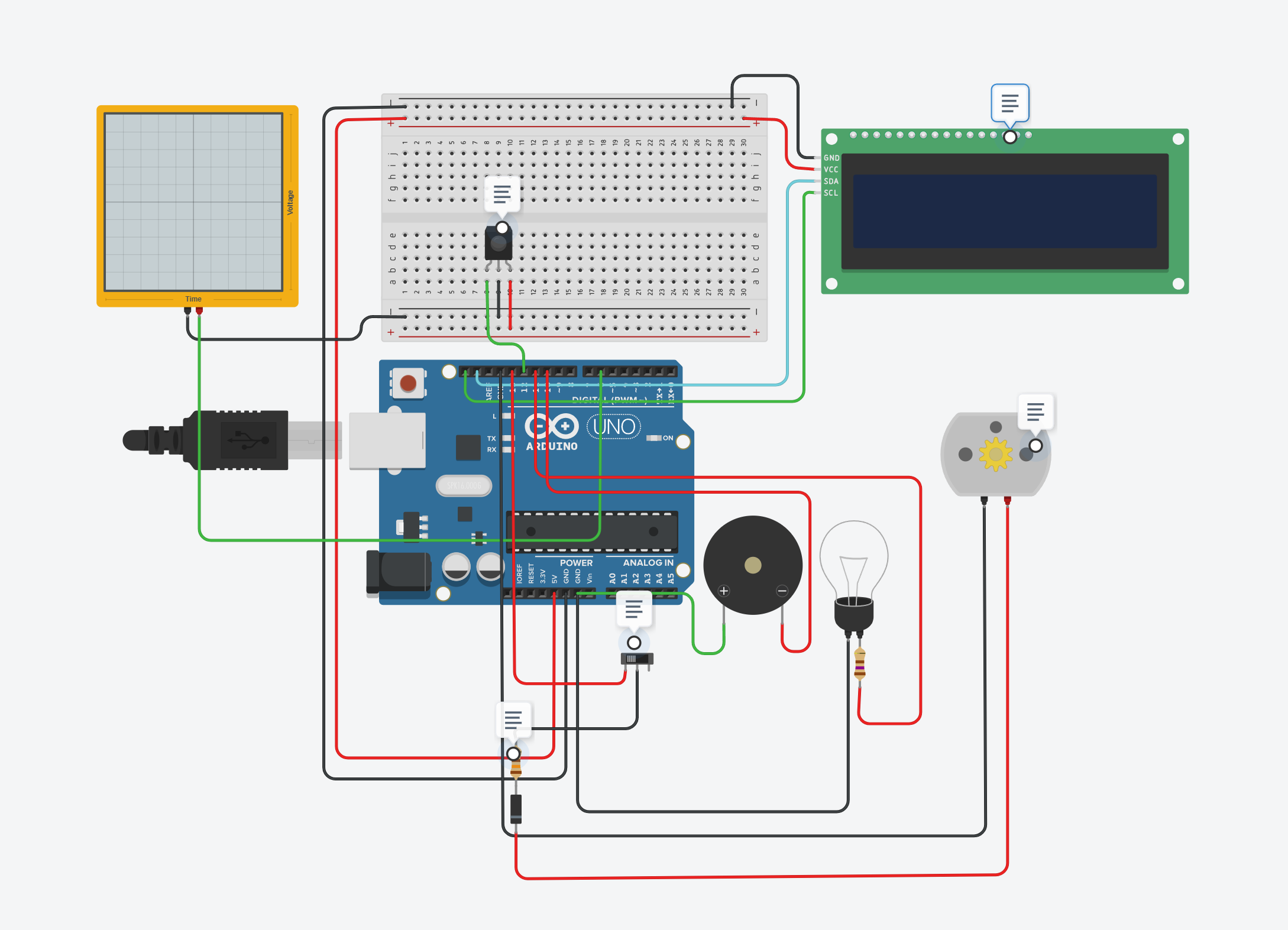
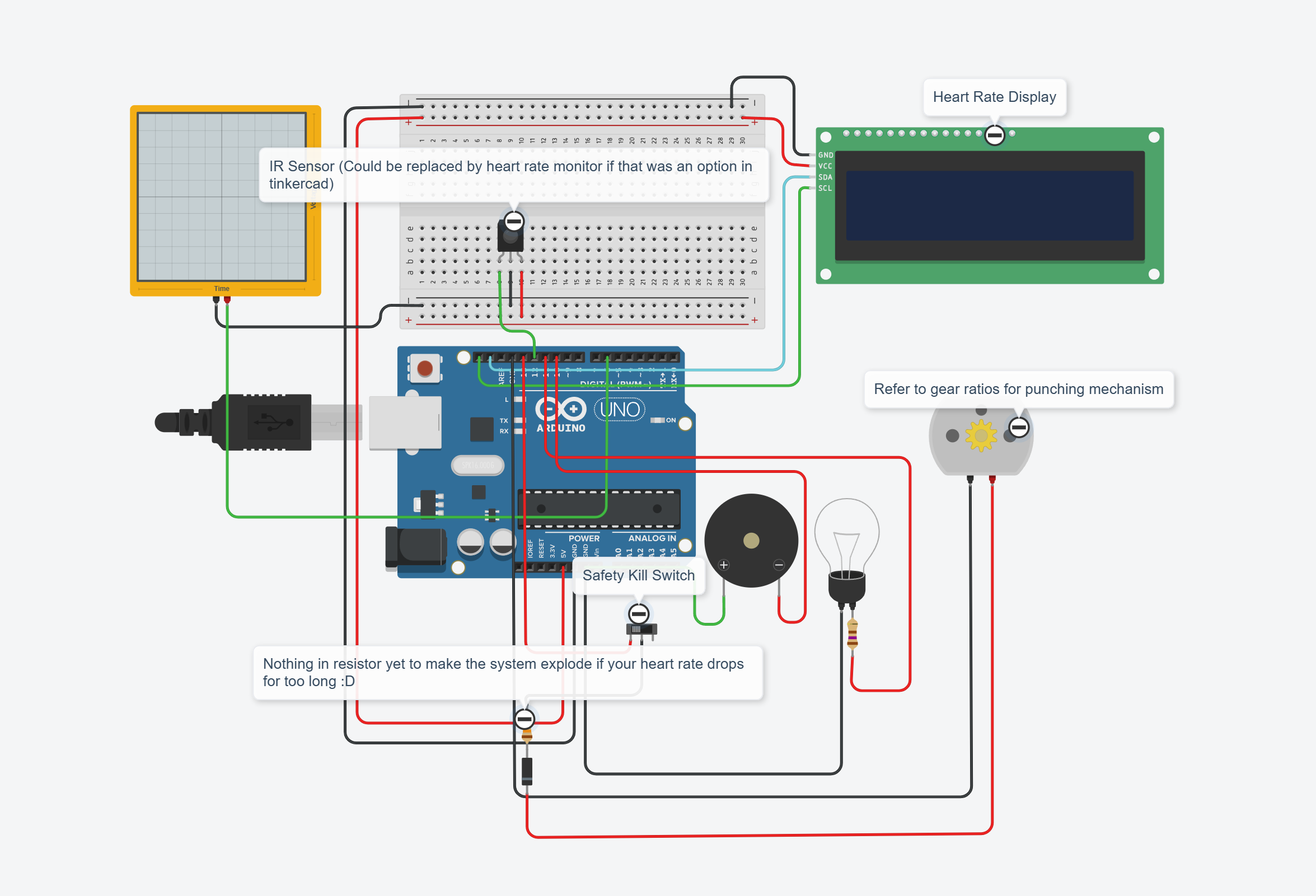
For the Arduino code, the ideas came from Matthew's capstone project, where a heart rate monitor will be used to track sleep, and so, extrapolating that into this new project, we created a system based on a template on TinkerCAD that could encourage you to exercise harder.
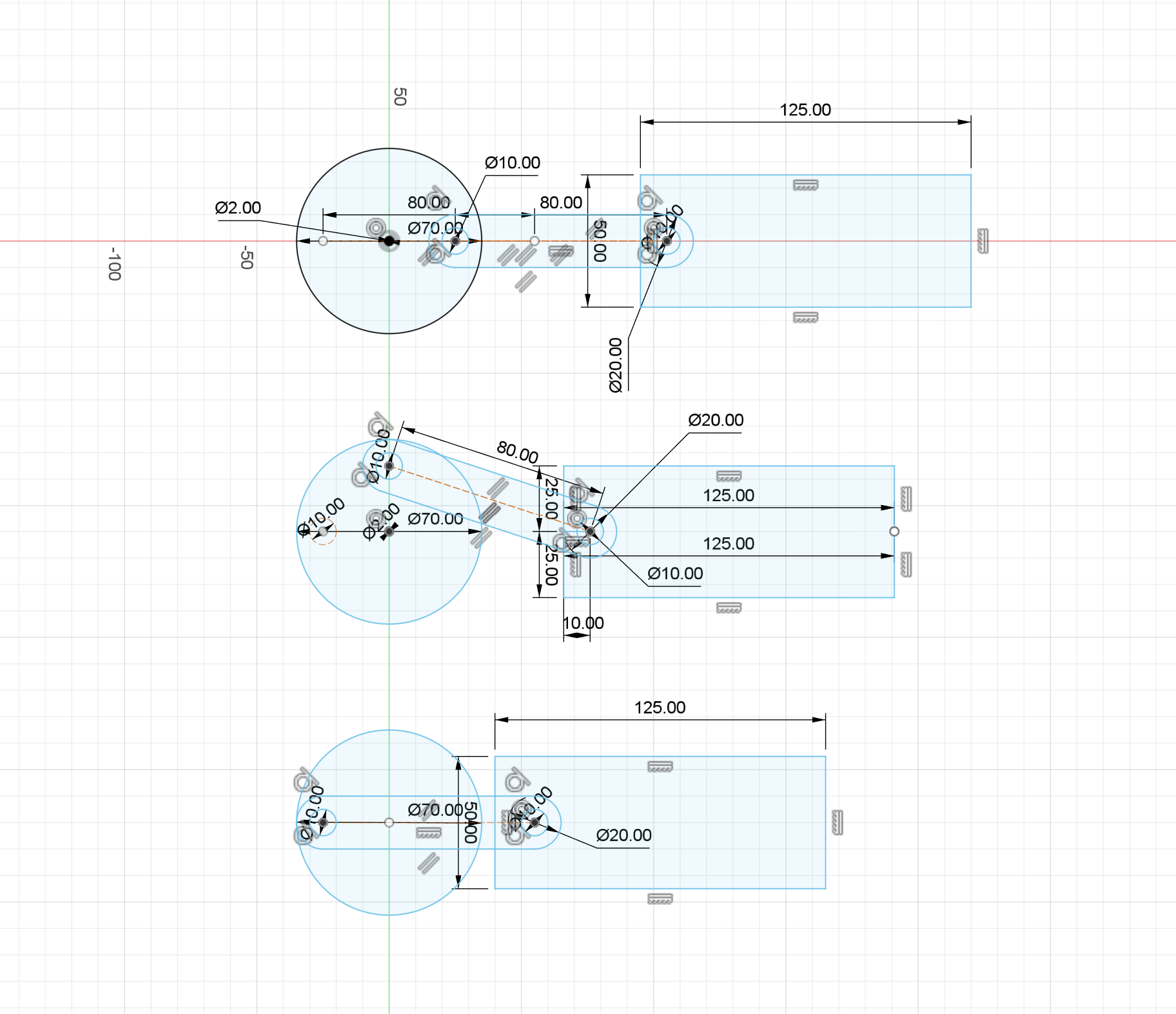
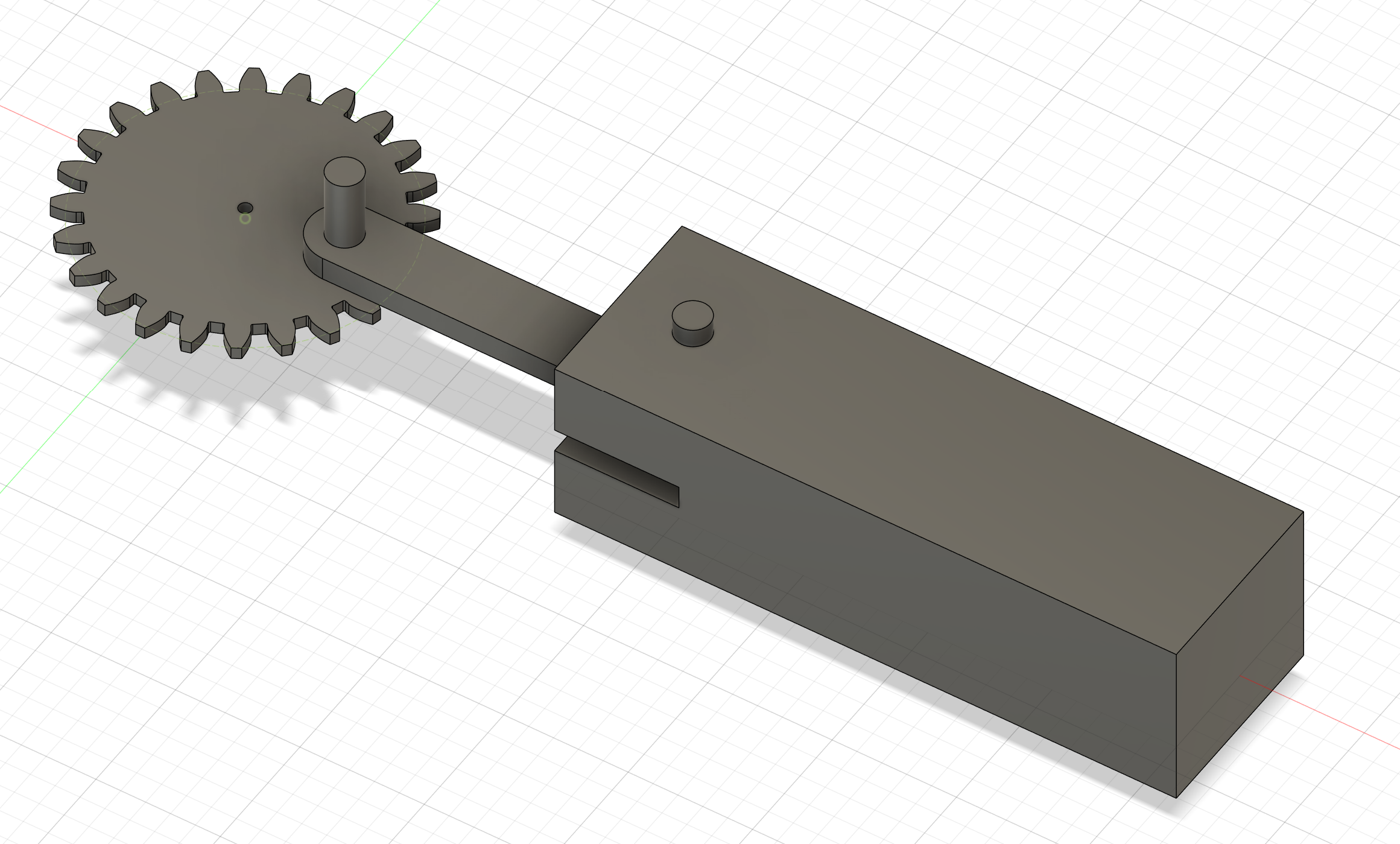
For the physical mechanism, although this isn't code, we still wanted to show how we would design it if we had more time, so a Fusion 360 sketch was created, following the designs of modern piston engines in cars.
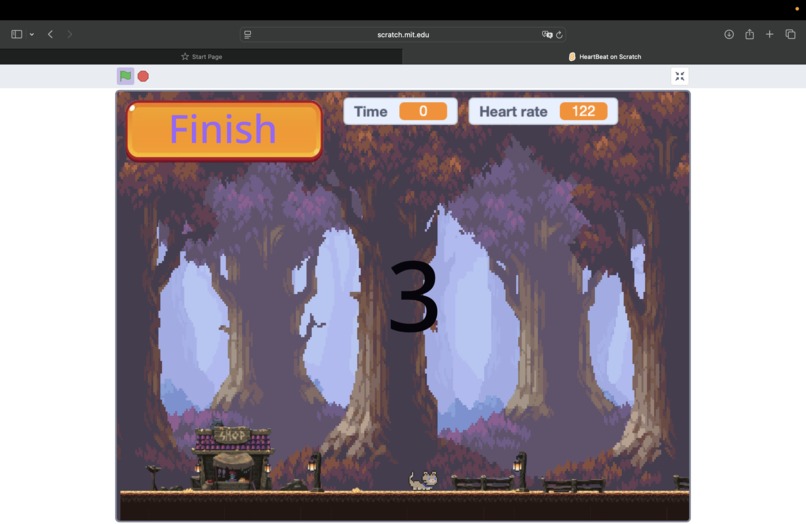
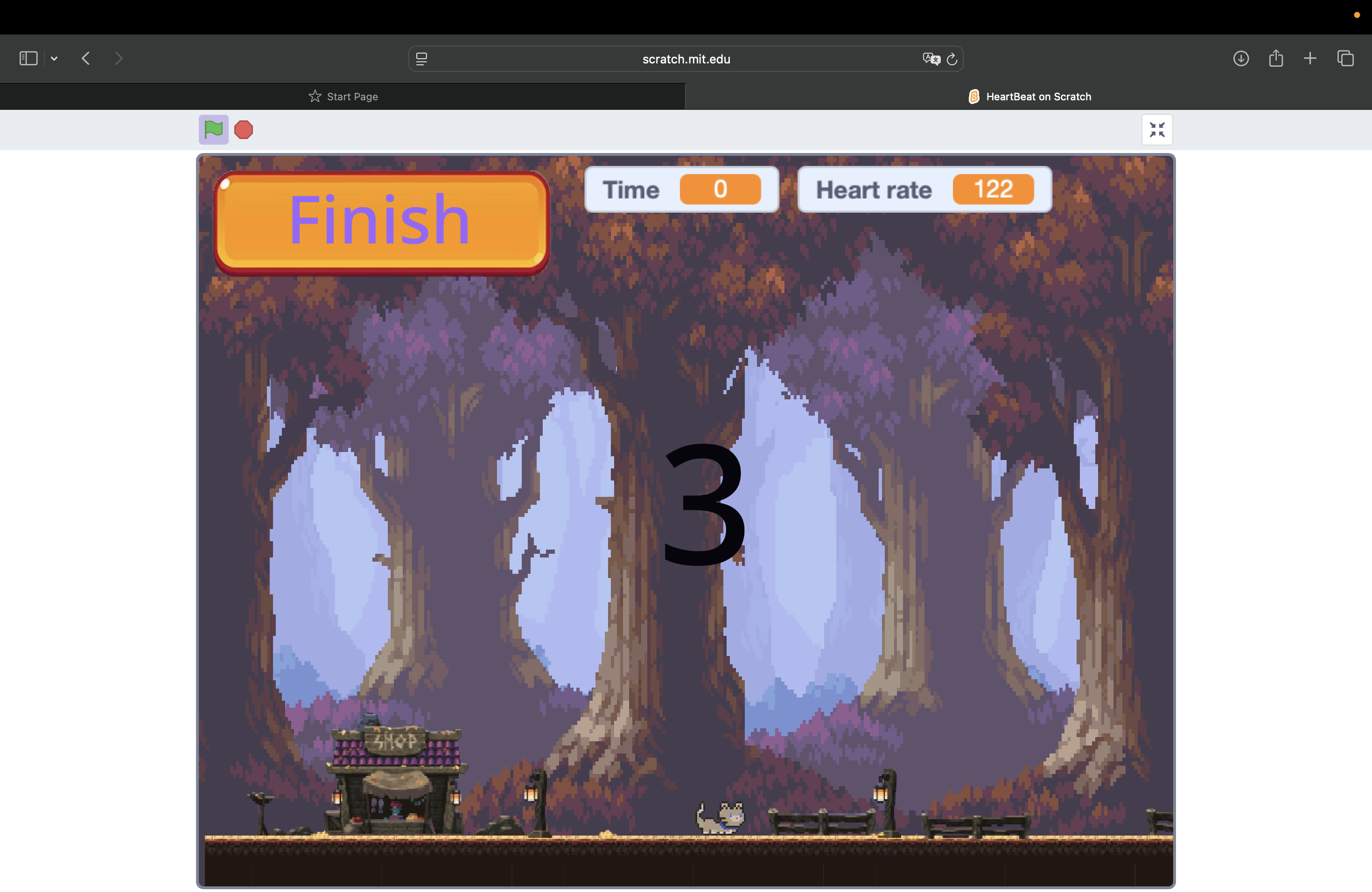
In the software portion, the idea stemmed from a hit game known as Subway Surfers, and we adapted that to fit within the parameters of this project. We changed the initial game to a different perspective, and instead of adding obstacles, we made it so that your heart rate (your measurement of body exertion) is the factor that gets you caught or not.
What it does
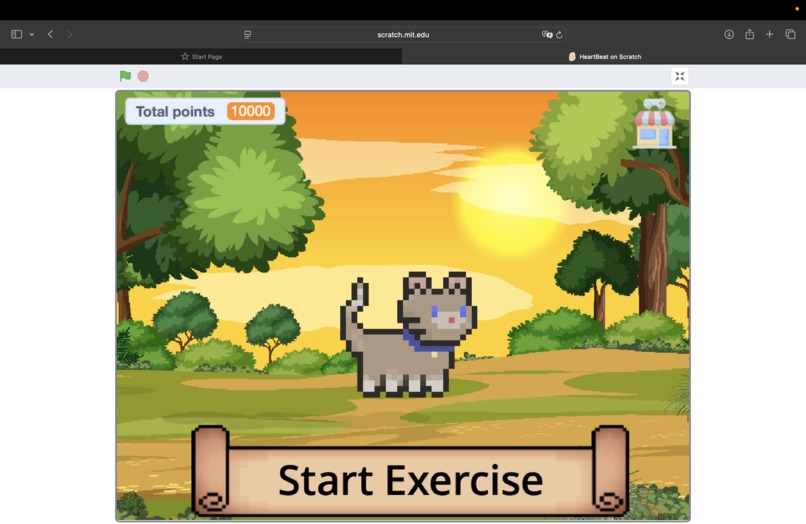
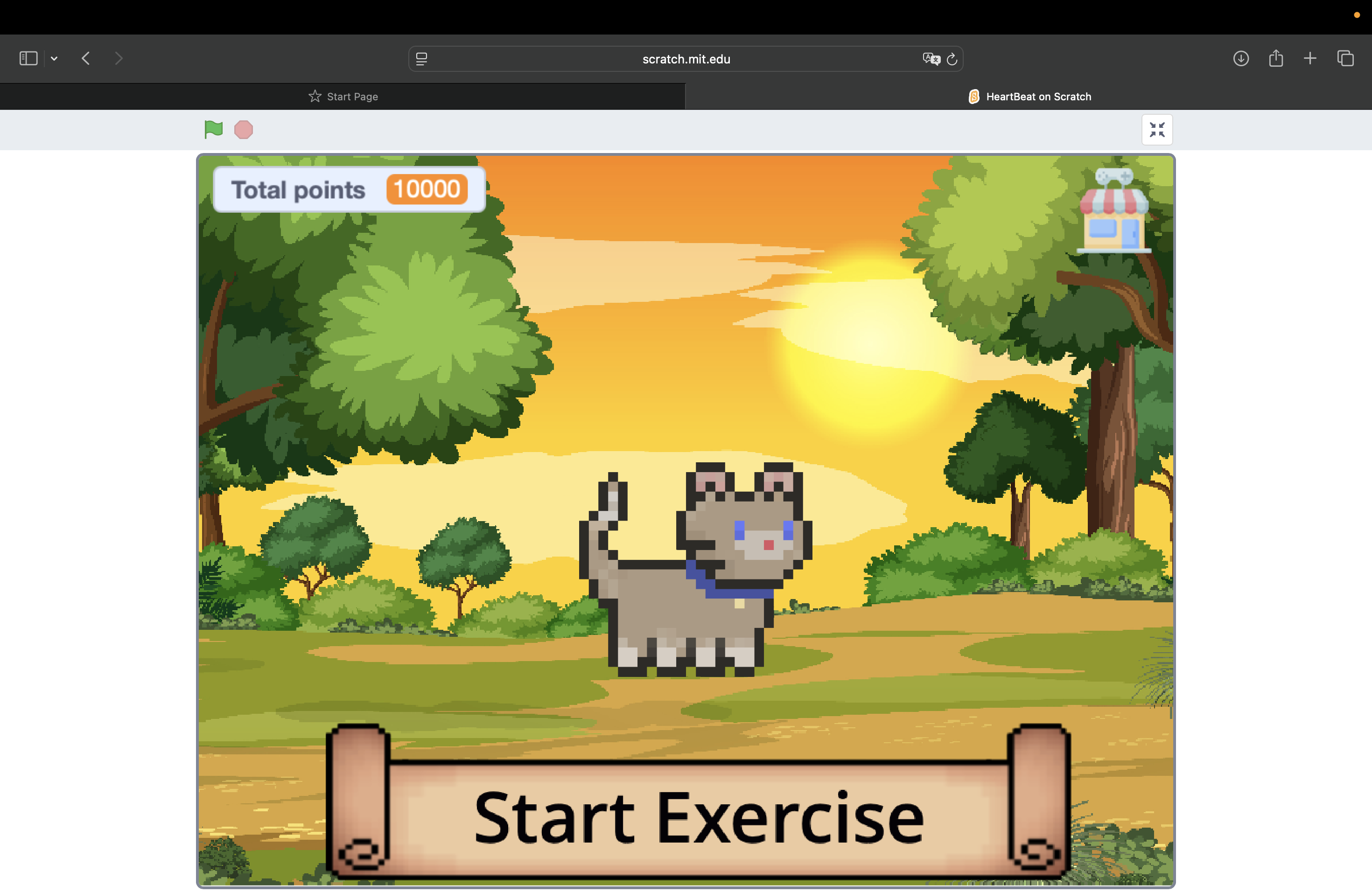
This is a fitness app that uses fear as the primary motivator, where you can get punished if two things occur. One, if your heart rate drops below 120 BPM, you get punched by the mechanism. If Bob catches up, then even if your heart rate is back over the threshold, you will still get punished by the system. Although that's the primary function, in the software, you also get coins per hour of exercise you do, which is currency you can use to buy upgrades to increase your earnings in future exercises. This app combines the fear and pain system in your brain, and the instant gratification in your amygdala to promote a healthier lifestyle.
How we built it
We built the game software through Scratch, since we knew that if we wanted to branch into so many areas, there was no way we would have enough time to manually type all the code. Although the Arduino code is written in C++, we also used the block code function in TinkerCAD to get more done in a short amount of time. Lastly, we modelled the physical items in Fusion 360.
Challenges we ran into
We primarily ran into issues regarding timing, where we were too ambitious towards the end and flew too close to the sun. Although all the program works individually, it does not work together and serve as a proof of concept for the technology we could make. We also had issues from the beginning of the project, such as learning how to code using Scratch and trying to figure out how to use various sensors in the Arduino.
Accomplishments that we're proud of
We're proud of making the functionality of our ambitions come to fruition, the amount of work we individually put into our own parts of the project, and the moving background to simulate perspective.
What we learned
We learned how to use the TinkerCAD circuit blocks function and Scratch. More specifically, we learnt how circuits connect and how the Arduino controls each component. We learnt how to make backgrounds move, how to make character animations, and the points system is counted.
What's next for HeartBEAT: The Game of Fear and Fitness
We hope to (1) revise the graphics of the game, (2) create a physical prototype of the event, (3) integrate the codes, (4) create a leader board, (5) add more options in the shop, and (6) make custom sounds and effects for different areas of the game.
Please note that the video is showing a past version of the game without the newly added character sprite. Additionally, the ominous character that is following the user is called Bob, not Kevin.

Log in or sign up for Devpost to join the conversation.