-
-
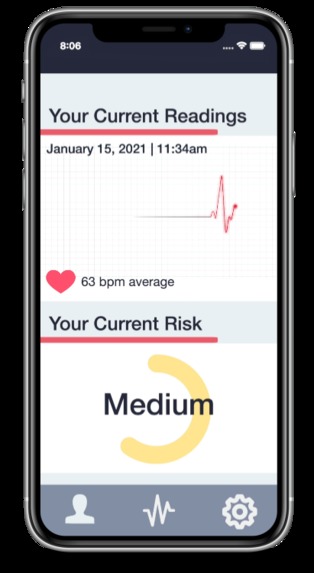
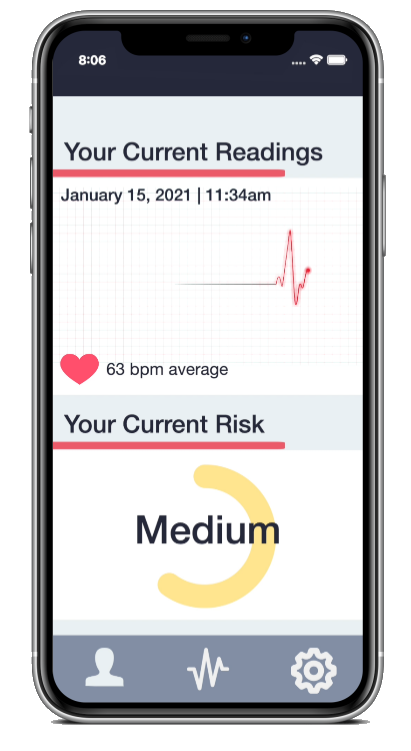
App Homepage iPhone Display
-
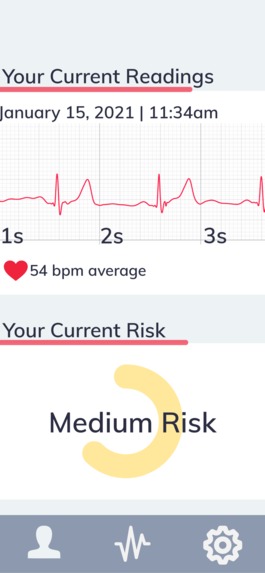
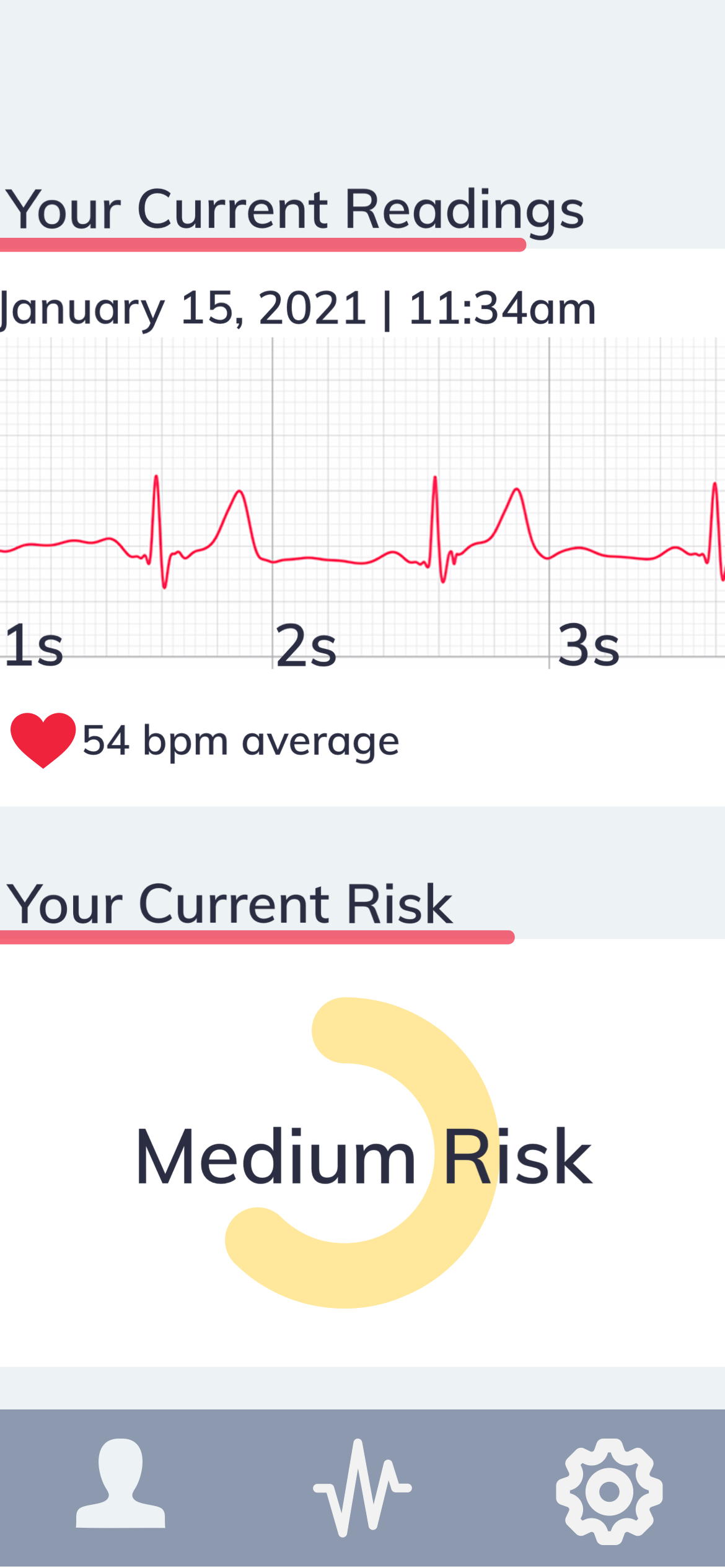
Homepage (current readings)
-
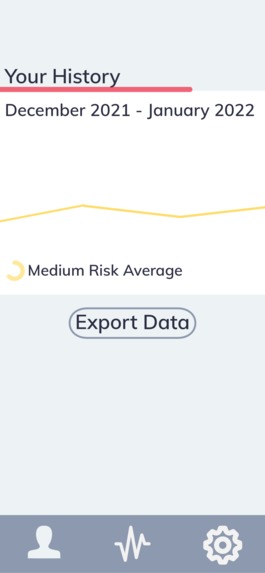
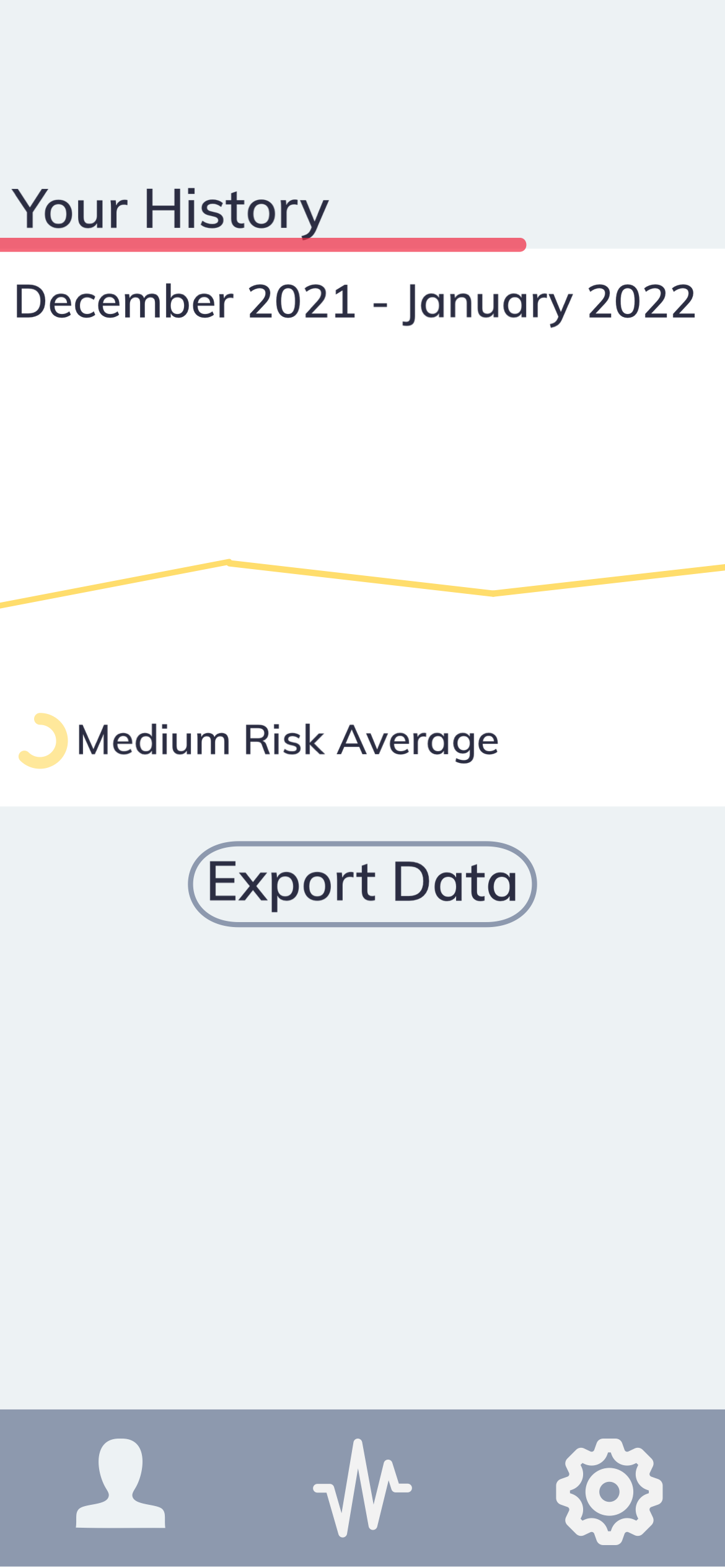
Homepage (history)
-
Loading Screen
-
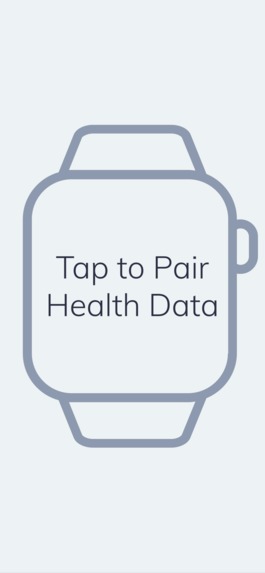
Connect To Watch
What Is Heart-Watch About?
Could a smart-watch app save your life? Heart attacks are the leading cause of death in Canada and the US. The Heart-Watch is a simple and modern solution for cardiovascular disease prevention and protection. Through machine-learning, the Heart-Watch app calculates the user's risk for cardiac disease and automatically calls emergency services in case of a heart attack during sleep. Monitoring your health and the health of your loved ones has never been easier. Who knows, it may save your life!
What it does
Objective 1
Based on our research, a heart attack can be detected by analysing irregularities in heart beat and blood oxygen level. The Heart-Watch app analyzes all the user's health data, including pulse irregularities and blood oxygen levels, from the user's smart-watch. This information is processed through a sophisticated machine-learning algorithm to predict if the user is having a heart attack in their sleep. In case of a heart attack, emergency services will be automatically called unless cancelled by the user.
Objective 2
In addition to the heart attack warning feature, the app analyses all users' health data through a machine-learning algorithm to identify their risk of cardiovascular disease. The user may download this analysis to share with a healthcare professional. This analysis may help people identify early symptoms of cardiovascular disease and prompt preventative treatment. We currently have a working prototype of this machine learning algorithm in Python, which averages about 71% accuracy. We expect its accuracy to rise to 97% as we collect more data.
How we built it
UI Walkthrough Video
The UI design was ideated on Adobe Express and then animated on Motion and Final Cut Pro. A simulated screen-recording of the app was animated and then played on the iPhone screen. The walk-through video was acted out accordingly to simulate the user's experience.
Machine-Learning Algorithm For Cardiac Disease Risk
To built the prototype using Python, we used the sklearn's Random Forrest Classifier to develop our machine learning model. To train it, we used a dataset that we got from kaggle.com which contains the cardiac and halth data of 70,000 people.
Project Website
The project website was built using ReactJS as a frontend library and CSS Modules was used to style each component of the frontend. After the webstie was completed it was deployed on Netlify.
Challenges we ran into
Ideation
We originally imagined our app to work using ECG readings. After further research, we realized ECG readings can only be taken with the user's cooperation and would not work during their sleep. We had to completely reimagine how our algorithm could work and whether or not it was even possible! Through careful research, we were able to find other ways to detect cardiac arrest.
Machine-Learning Algorithm For Cardiac Disease Risk
We had to face several problems to form our machine learning model. To start, finding a reliable and big enough data set to train our model on was important. We had to deal with opening and reading CSV files. There was a lot of fine-tuning required for variables like what percent of the dataset we should keep for testing and training. There were some small bugs that we needed to fix too.
Accomplishments that we're proud of
We are proud of developing both the front-end and back-end of our app. Our Machine-Learning algorithm in Python demonstrates some of the back-end algorithms run on our app, while our App Walkthrough Video described an intuitive and simple UI design.
What we learned
Smart-watch technology is pushing the boundaries of personal and accessible health care. Before starting this project, we had no idea what these devices were capable of! Throughout our research, we also learned just how common heart disease is in Canada and the United States. We could not believe our own eyes.
What's next for Heart-Watch
Vision 1
There is already an abundance of research and data related to the risk factors of cardiac disease. According to our reading, pulse detection has high sensitivity but low specificity for heart attack detection, while pulse oximetry has low sensitivity but high specificity. If we run both of these metrics through a machine learning algorithm, we can expect higher sensitivity and specificity rates. Smart-watches measure more than just these two metrics. New models can also, when prompted, collect ECG and blood-pressure information, all of which may improve predictions. As smart-watches become more popular and powerful, we can expect larger data pools for our machine learning algorithms. Additionally, as research in artificial intelligence grows, we can improve the way our algorithms are constructed. Overall, our predictions will become increasingly accurate, and we may uncover more connections around risk factors of cardiac disease.
Vision 2
The information from smart-watch devices uncovers many secrets of one's health. However, it isn't easy for the average user to make insightful conclusions from all their data. Additionally, existing UIs for accessing health data is quite detailed and complex. The Heart-Watch app will use AI algorithms to analyse users' health data and present it through engaging and educational graphical content. It is known that adults age 65 and older are more likely than younger people to suffer from cardiovascular disease. Heart-Watch UI is designed to be incredibly accessible and easy to use for older adults. These sophisticated data analyses can predict cardiac disease and instil early preventative treatment, all in all, saving lives.
Conclusion
All in all, with the proper dedication to research and technological development, the Heart-Watch app will come to actuality. The Heart-Watch is a simple and modern solution for cardiovascular disease prevention and protection. Monitoring your health and your loved ones has never been easier. Who knows, it may save your life!


Log in or sign up for Devpost to join the conversation.