Inspiration
Coronavirus disease 2019 (COVID-19) is a new virus listed under the coronavirus’s family. It targets the respiratory system in humans and animals. Causing respiratory infections. Due to this pandemic and the way it is spreading, countries had to follow special government guidelines in order to stop the virus and minimize the ratio of infection, these guidelines include total isolation of Covid19 patients to minimize the spread of the virus. our team was inspired to design heart rate monitor for covid19 patients, whereas the heart rate is one of the body's 'vital signs,' its crucial indications of health, It can be used to keep track of patients and spot any abnormalities or health deterioration early on, allowing for more effective therapy.
What it does
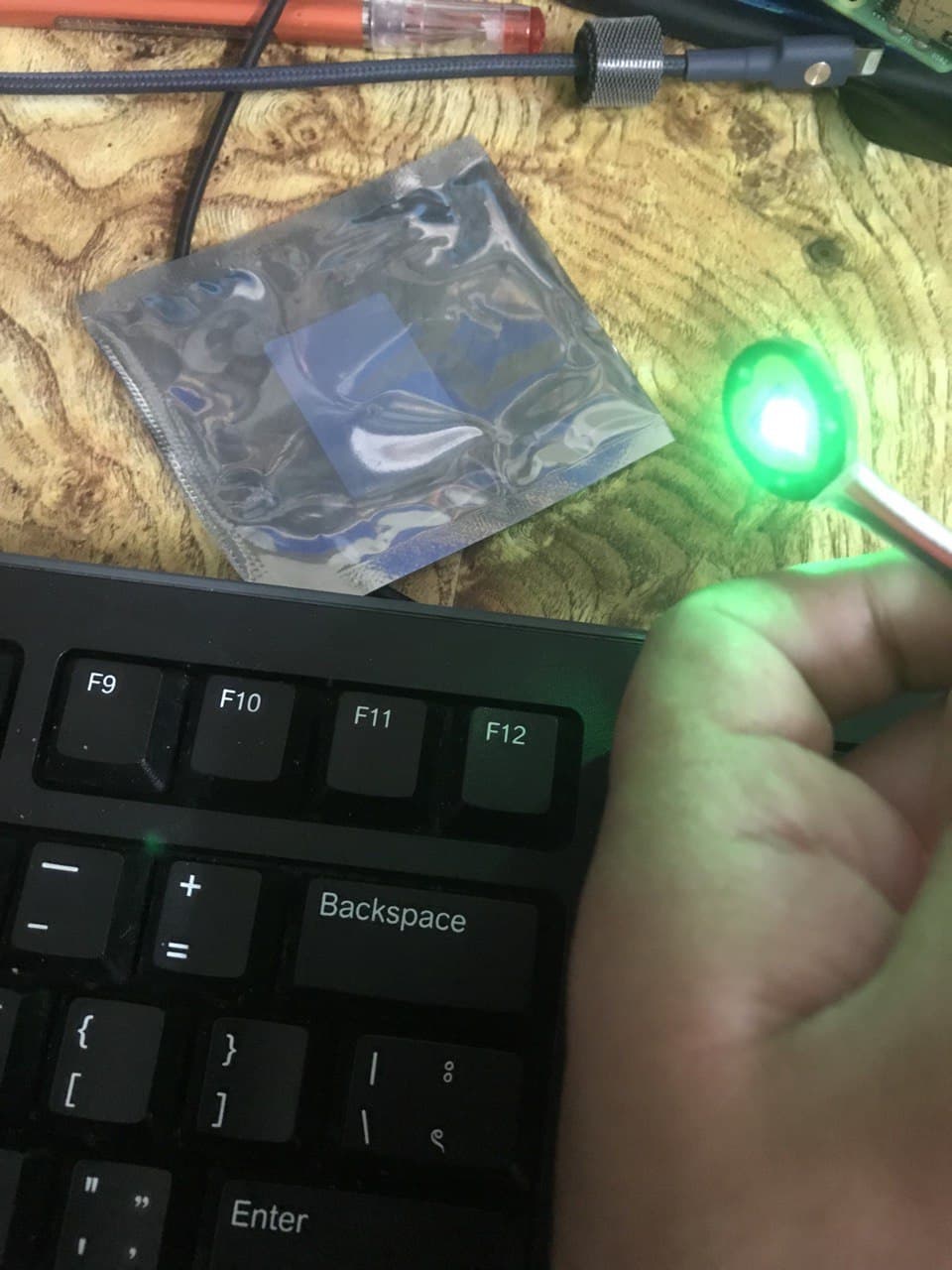
Heart rate monitor functions based on IR rays. It can measure the electrical activity produced by the heart every time it beats. This heartbeat is caused by electrical activation of all the cells in the heart which be essentially all at once. There are electrodes on the skin who will pick up this electrical activity and transmit it to the monitor, which is a small wearable computer, i.e our Project.
How we built it
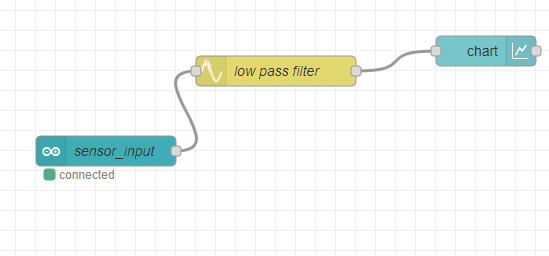
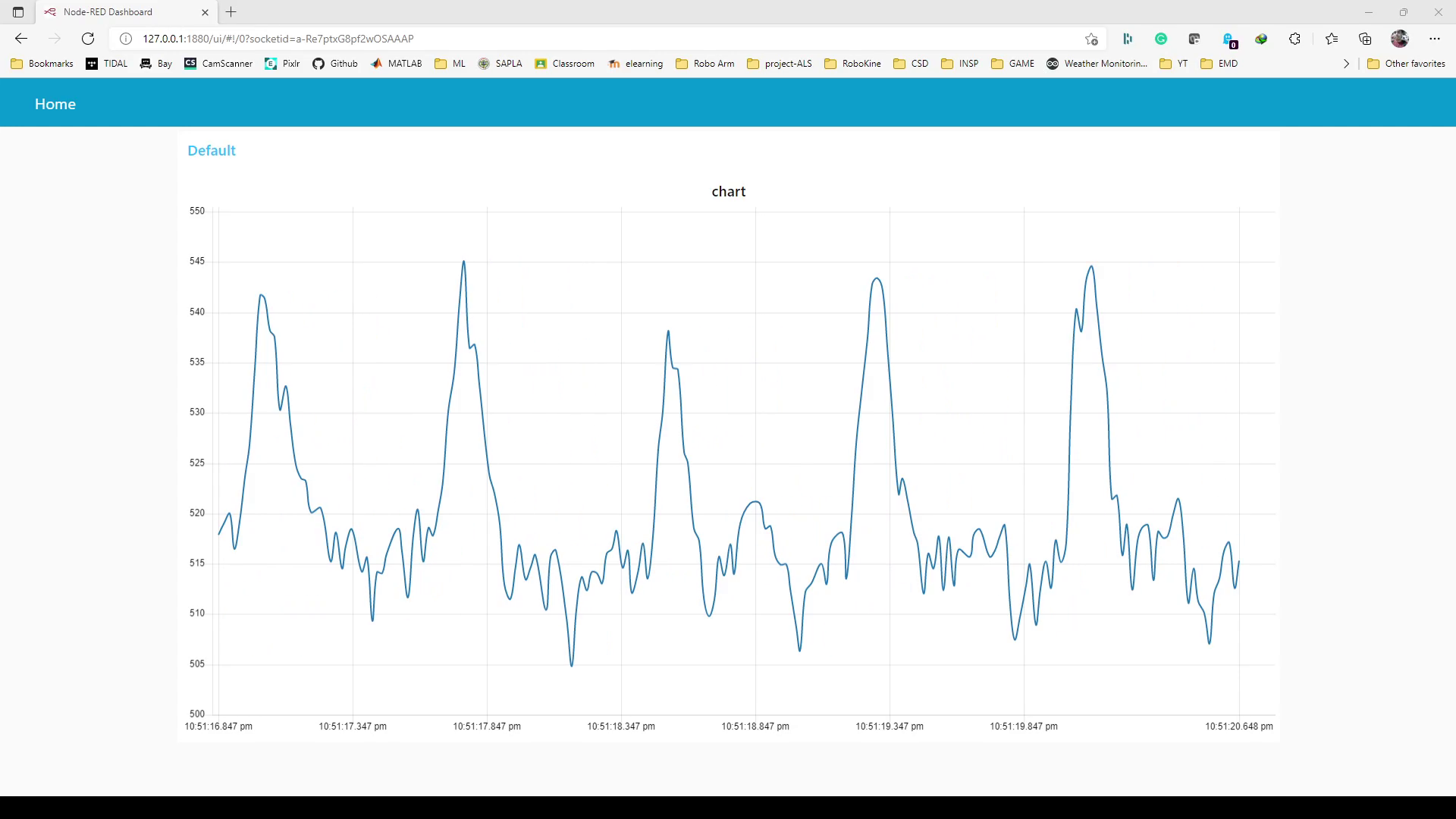
We used Node-RED flow for data acquisition and visualization
Challenges we ran into
Shortage of components and difference of between hackathon event and local time
Accomplishments that we're proud of
We could successfully come up with a user-friendly device which is very easily accessible to the user. On top of that it is cost efficient. This heart rate monitor will constantly observe the heart rate, in other words heart condition of a patient. This will enable the medical emergency team to take immediate action as soon as possible. Also, a prediction of the situation can be obtained earlier which can sometimes help to prevent the emergency in the first place
What's next for Heart Rate monitor
Next we try to add more features to our device. The more parameters we include, more accurate our system is going to be. For example we can include PPG (photoplethysmograph) that will determine the changes in blood volume per heart beat. Another can be PCG (Phonocardiogram) that will record all the sounds made by the heart during a cardiac cycle. etc
Eventually all these, aiming to bring higher accuracy to our heart rate monitoring and detecting heart diseases using deep learning.
Built With
- arduino
- c
- javascript
- node-red
- pulsesensor

Log in or sign up for Devpost to join the conversation.