-
Heart-BEATS: We listen so YOU can listen
-
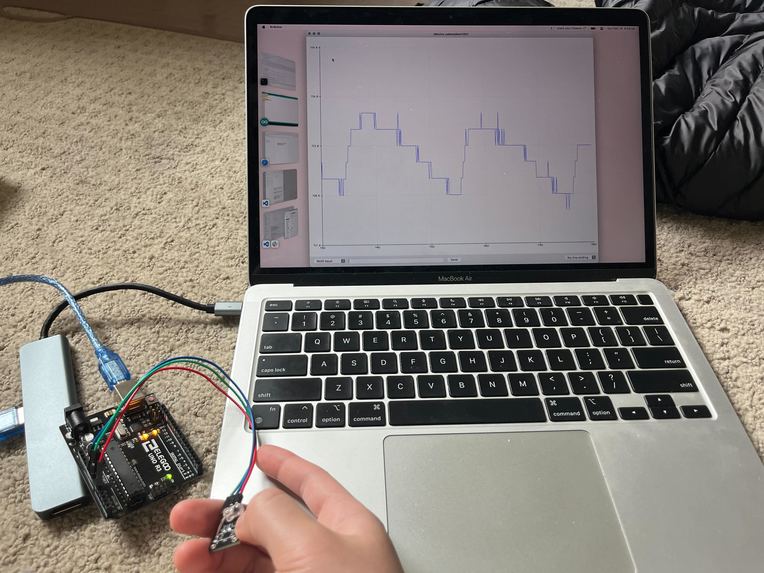
Arduino heart monitor
-
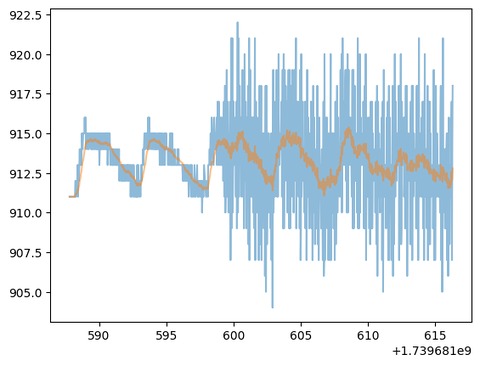
Signal Processing of Heart Signals
-
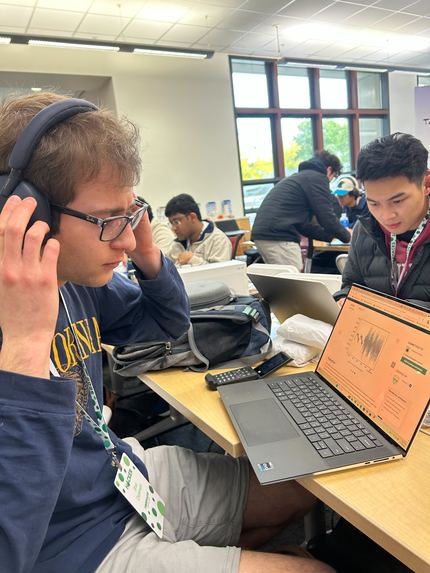
Average Heart-BEATS User :)
Inspiration
Heart-BEATS was inspired by the need for a real-time, personalized way to help individuals manage panic attacks and anxiety. Many existing solutions offer guided meditation or generic relaxation music, but we wanted to create a system that adapts dynamically to the user’s physiological state, providing a more immersive and effective calming experience.
What it does
Heart-BEATS listens to the user’s bodily signals, specifically their heartbeat, and uses real-time signal processing to generate custom music beats. Measuring several attributes of the heartbeat enables us to estimate a user’s emotions. Heart-BEATS adjusts the music accordingly, helping to restore a sense of calm and stability.
How we built it
We integrated multiple components to bring Heart-BEATS to life:
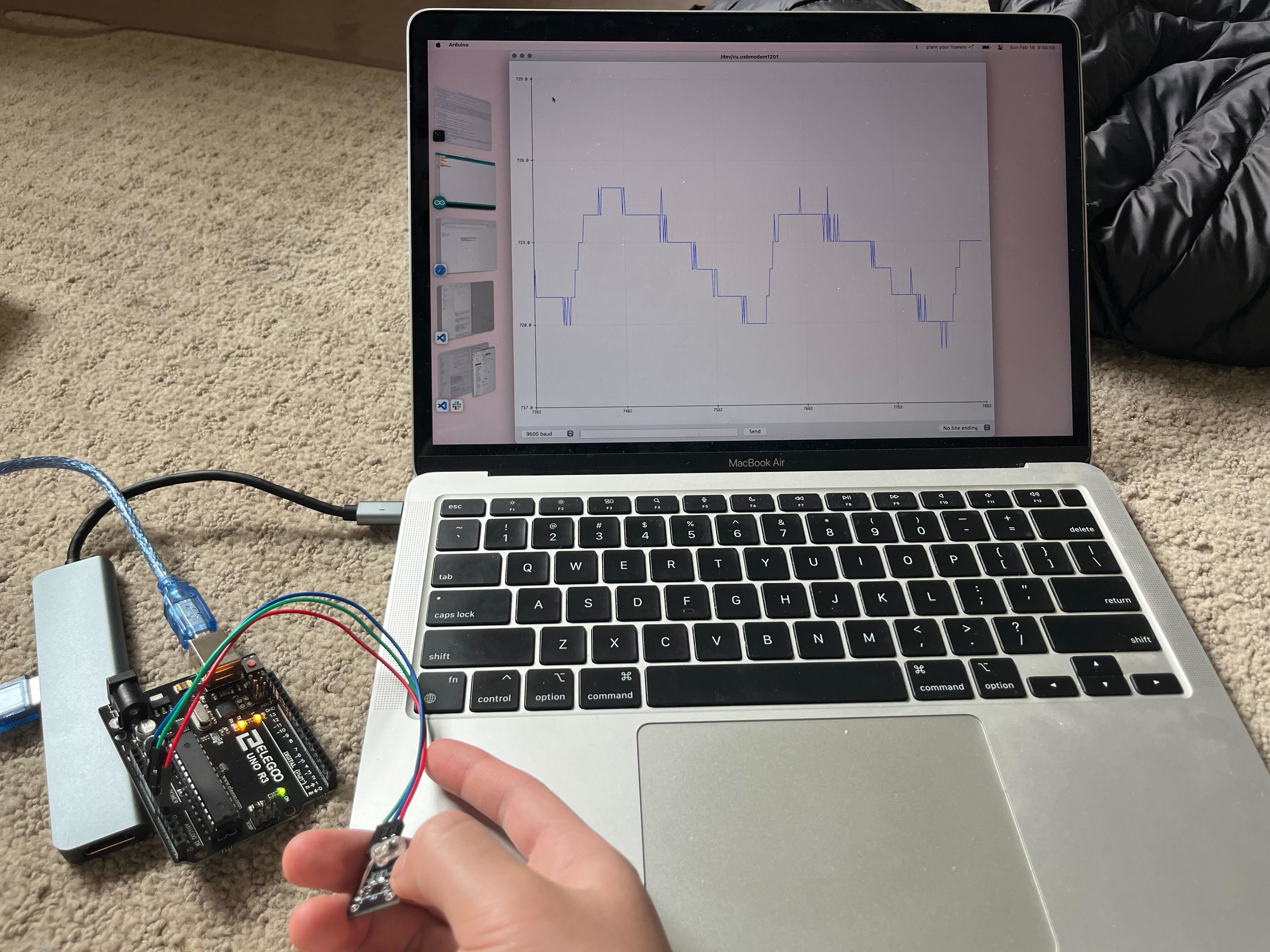
- Vitals Monitoring: Capturing the user's heartbeat data using Arduino KY-039 sensors.
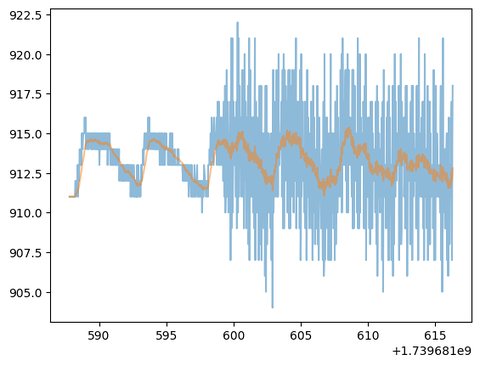
- Signal Processing: Analyzing the heart rate variations to detect stress or panic states.
- Sound Sample Database: A curated collection of sounds designed to promote relaxation.
- Custom Music Generation Software: Algorithmically generates music that syncs with the user's heartbeat.
- OpenAI-Guided Sample Construction: Leveraging AI-generated samples to enhance the experience.
Challenges we ran into
- Ensuring accurate real-time heartbeat detection and processing.
- Designing music that responds naturally and effectively to physiological changes.
Accomplishments that we're proud of
- Successfully implementing a system that dynamically adjusts music based on heart rate.
- Combining signal processing and AI-driven music generation in a novel way.
- Providing a potential tool for individuals who experience anxiety or panic attacks.
What we learned
- The importance of real-time signal processing and latency optimization.
- How different musical elements can influence emotional states.
- The potential of AI in personalized mental health solutions.
What's next for Heart-BEATS
- Expanding sensor compatibility to work with more wearable devices. Our current system makes use of IR pulse detection, similar to the mechanisms used in Apple Watches and other wearable devices for pulse detection.
- Enhancing the capabilities of our music generation models.
- Exploring clinical applications and potential collaborations with mental health professionals.


Log in or sign up for Devpost to join the conversation.