Inspiration
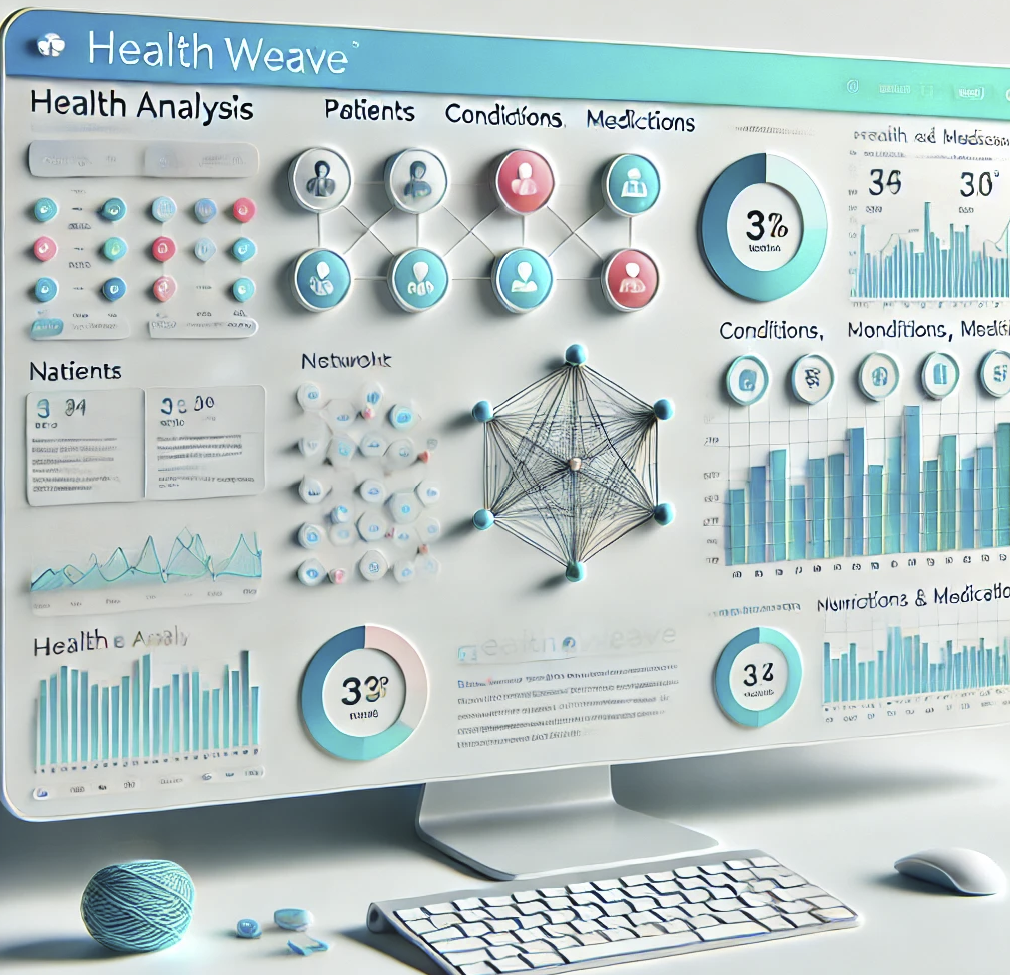
The inspiration behind HealthWeave stems from the growing need to make complex healthcare data easily accessible and actionable. Healthcare professionals often struggle to extract meaningful insights from vast, unstructured datasets, which can lead to inefficiencies in patient care, misdiagnoses, or overlooked treatment patterns.
We saw an opportunity to bridge the gap between raw medical data and actionable insights by leveraging graph intelligence, AI-driven natural language processing, and semantic search. The goal was to create an intuitive system where users—whether clinicians, researchers, or administrators—could ask questions in plain English and instantly receive structured, data-driven responses.
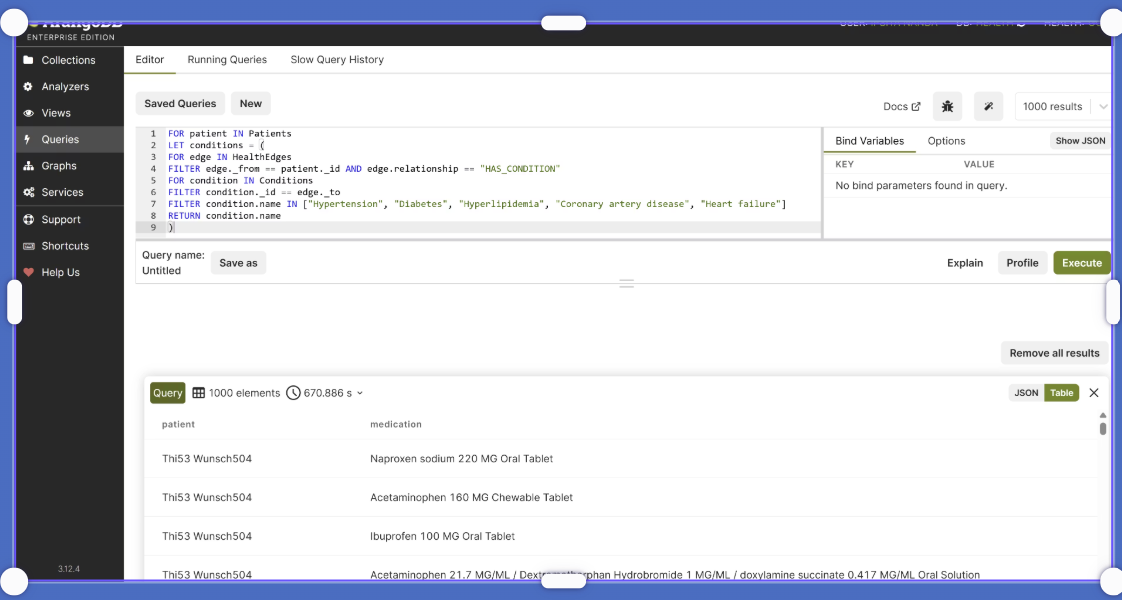
By integrating ArangoDB’s multi-model graph database, OpenAI’s LLMs, and NetworkX for graph analytics, HealthWeave uncovers hidden relationships between patients, encounters, conditions, and medications, providing a more holistic view of patient history. The result is a system that enhances decision-making, improves efficiency, and supports predictive analytics in healthcare.
Ultimately, HealthWeave was built to democratize healthcare data access, allowing medical professionals to spend less time navigating databases and more time focusing on patient care. 🚀
What it does
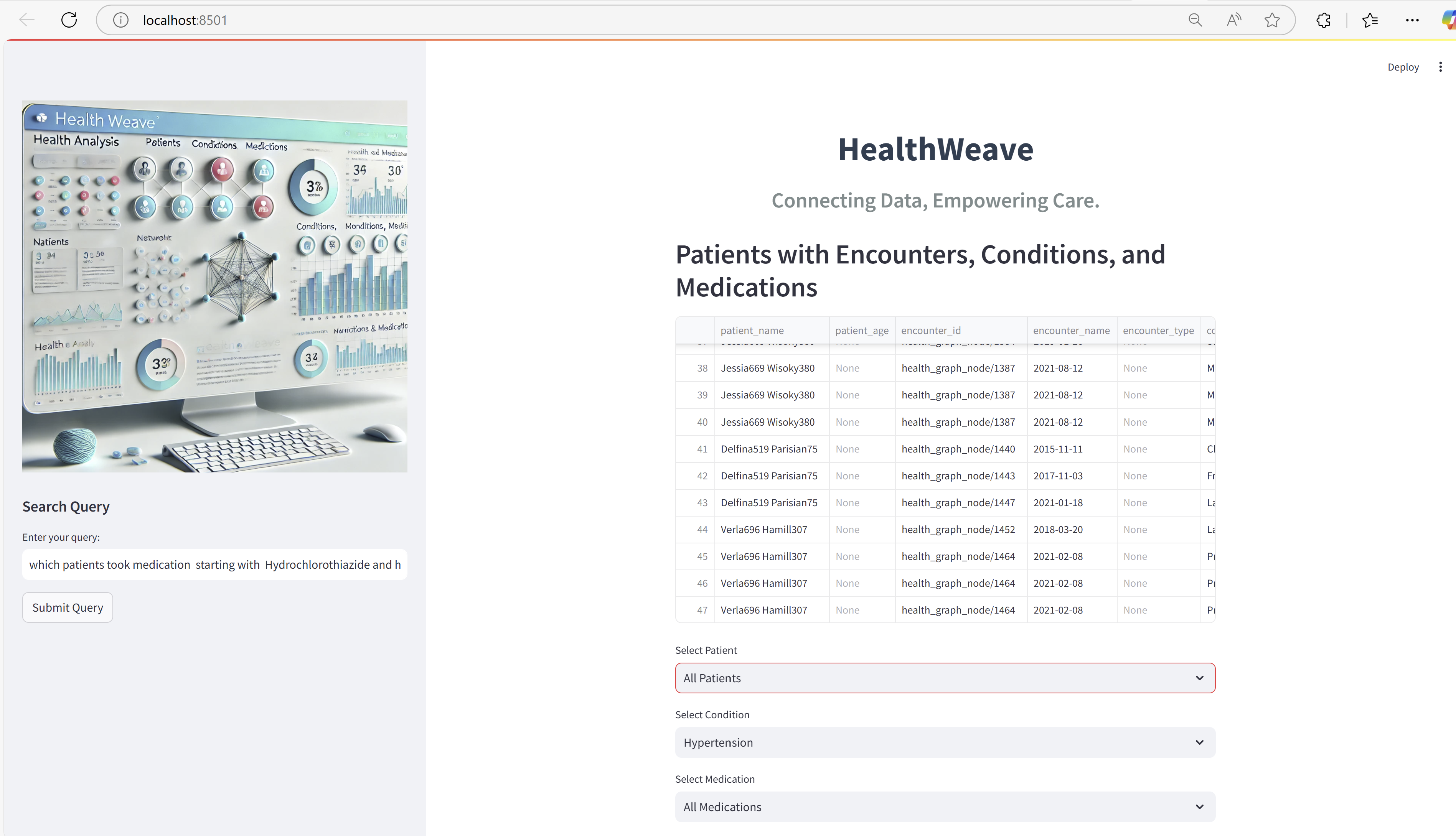
HealthWeave is an AI-powered health data analysis platform that leverages Agentic AI to enable users to explore and query patient health records using natural language. It integrates a graph database (ArangoDB), LLM-powered query generation (OpenAI GPT-4o), and graph analysis (NetworkX) to provide deep insights into patient encounters, conditions, and medications.
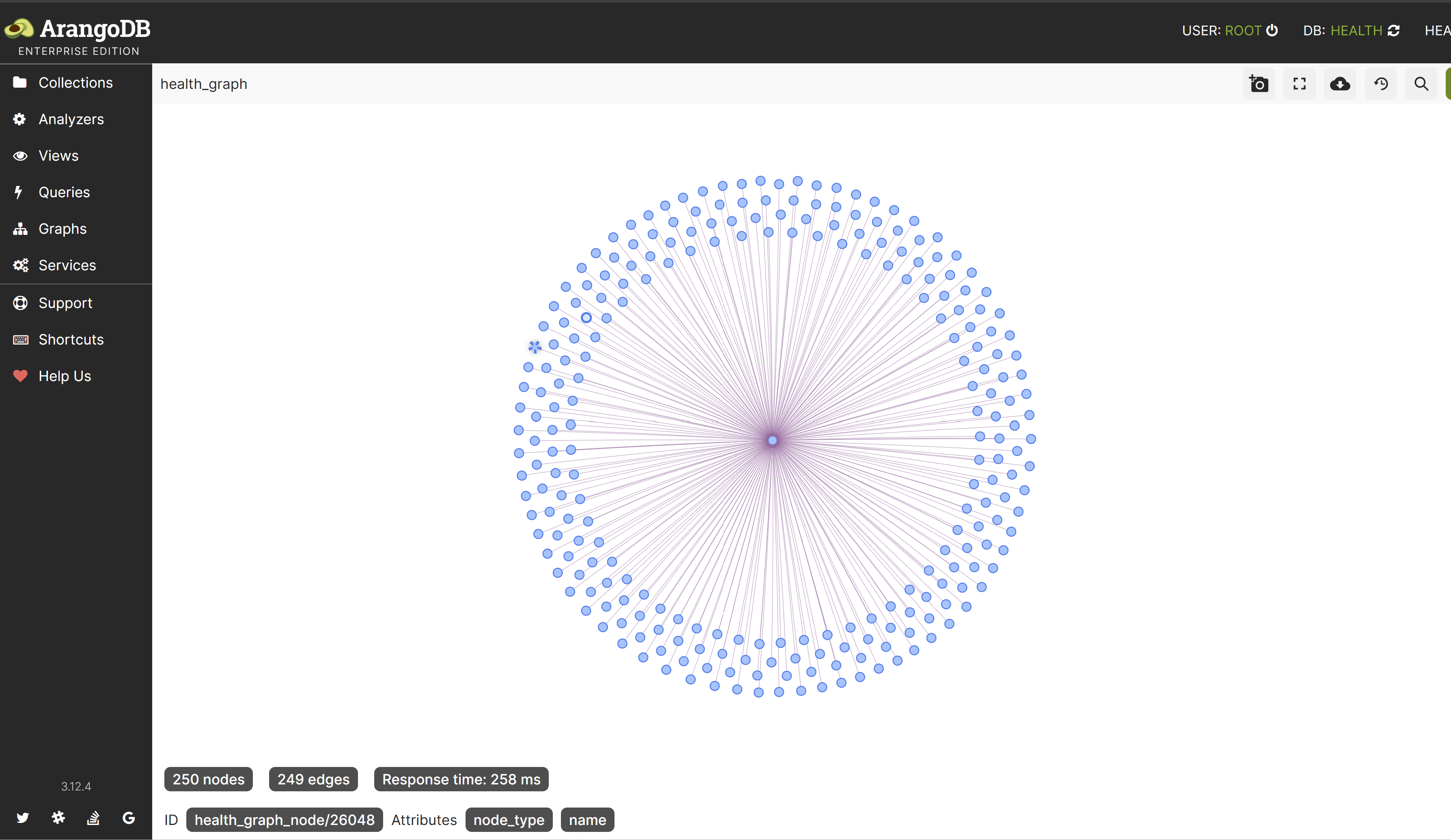
Key Features: ✅ Agentic AI Workflow – Uses ReAct-based AI agents to dynamically select tools and refine queries for better results. ✅ Natural Language Queries – Users ask health-related questions in plain English, and the app generates AQL queries to fetch structured data. ✅ Graph-Based Exploration – Visualizes relationships between patients, encounters, conditions, and medications, uncovering hidden patterns. ✅ Semantic Search – Pinecone enables vector-based retrieval, enhancing search accuracy. ✅ NetworkX Analytics – Runs graph algorithms (e.g., centrality, shortest path) to reveal patient trends. ✅ Interactive Visualizations – Uses PyVis to create intuitive graph representations of healthcare data. ✅ Efficient Decision-Making – Supports clinicians, researchers, and administrators in analyzing patient histories and treatment patterns.
How we built it
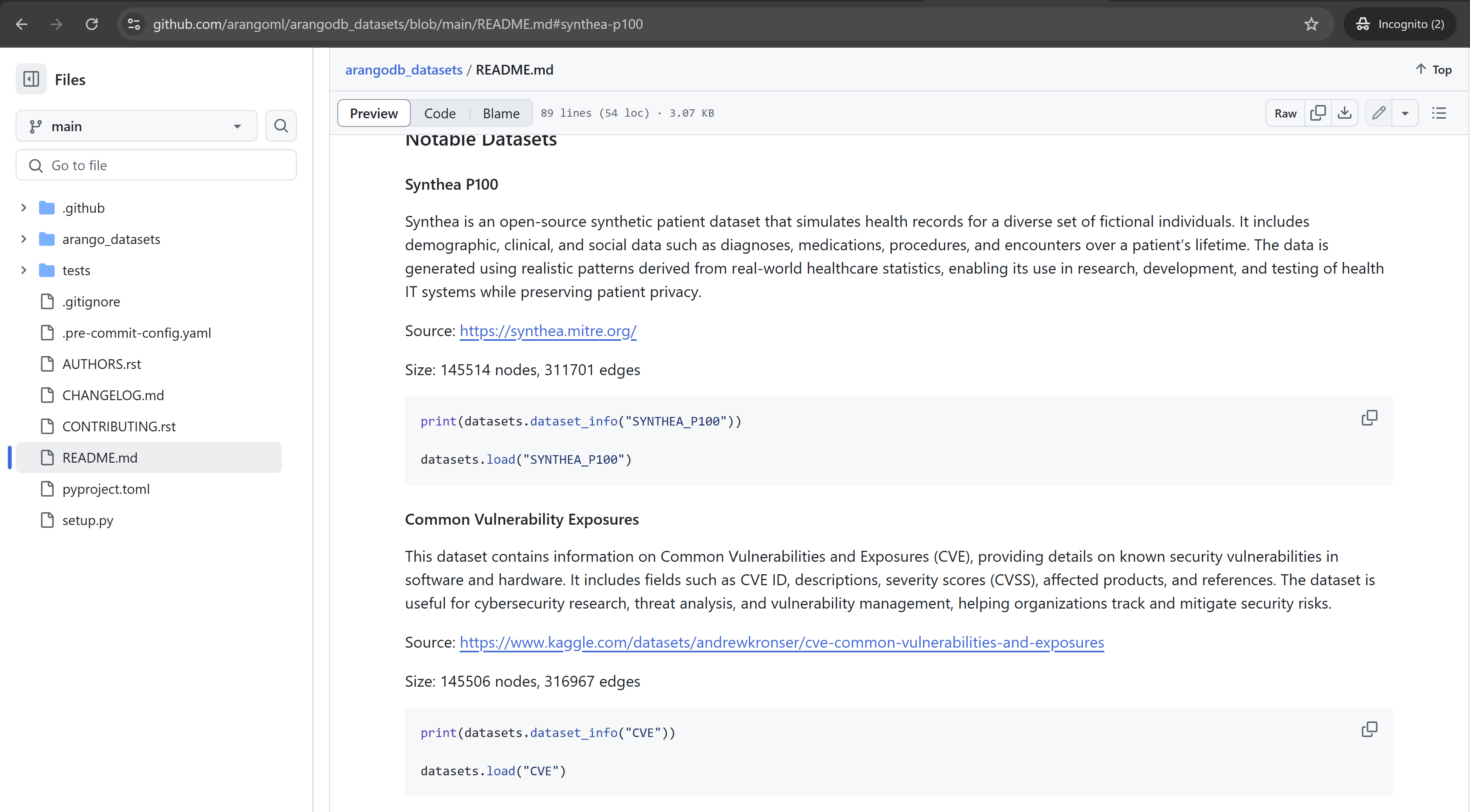
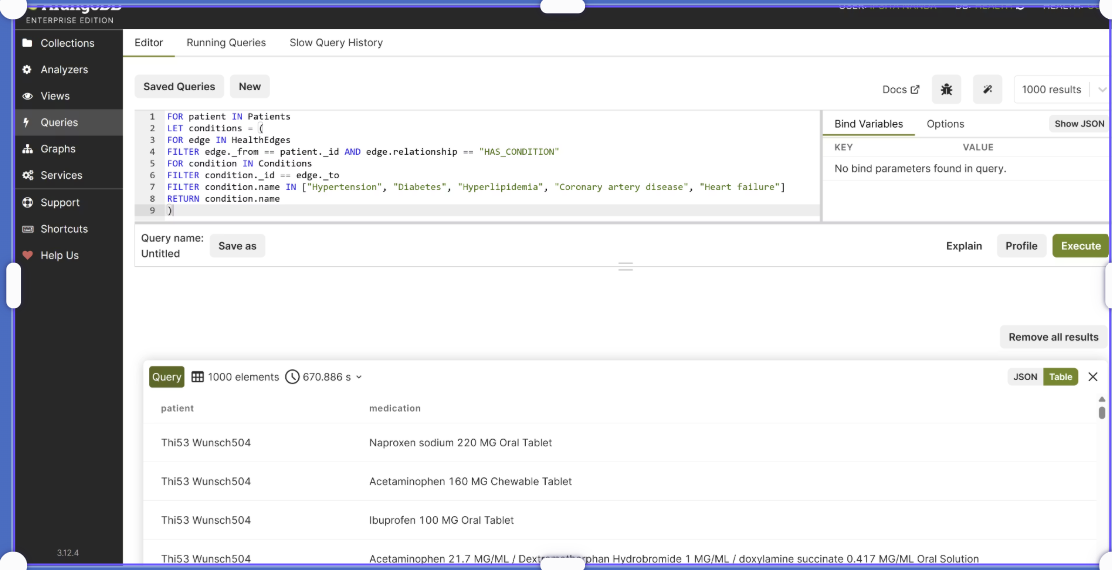
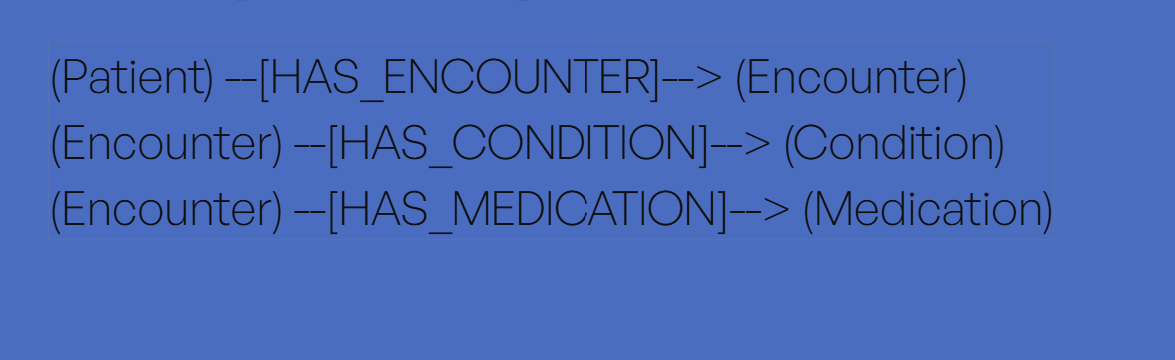
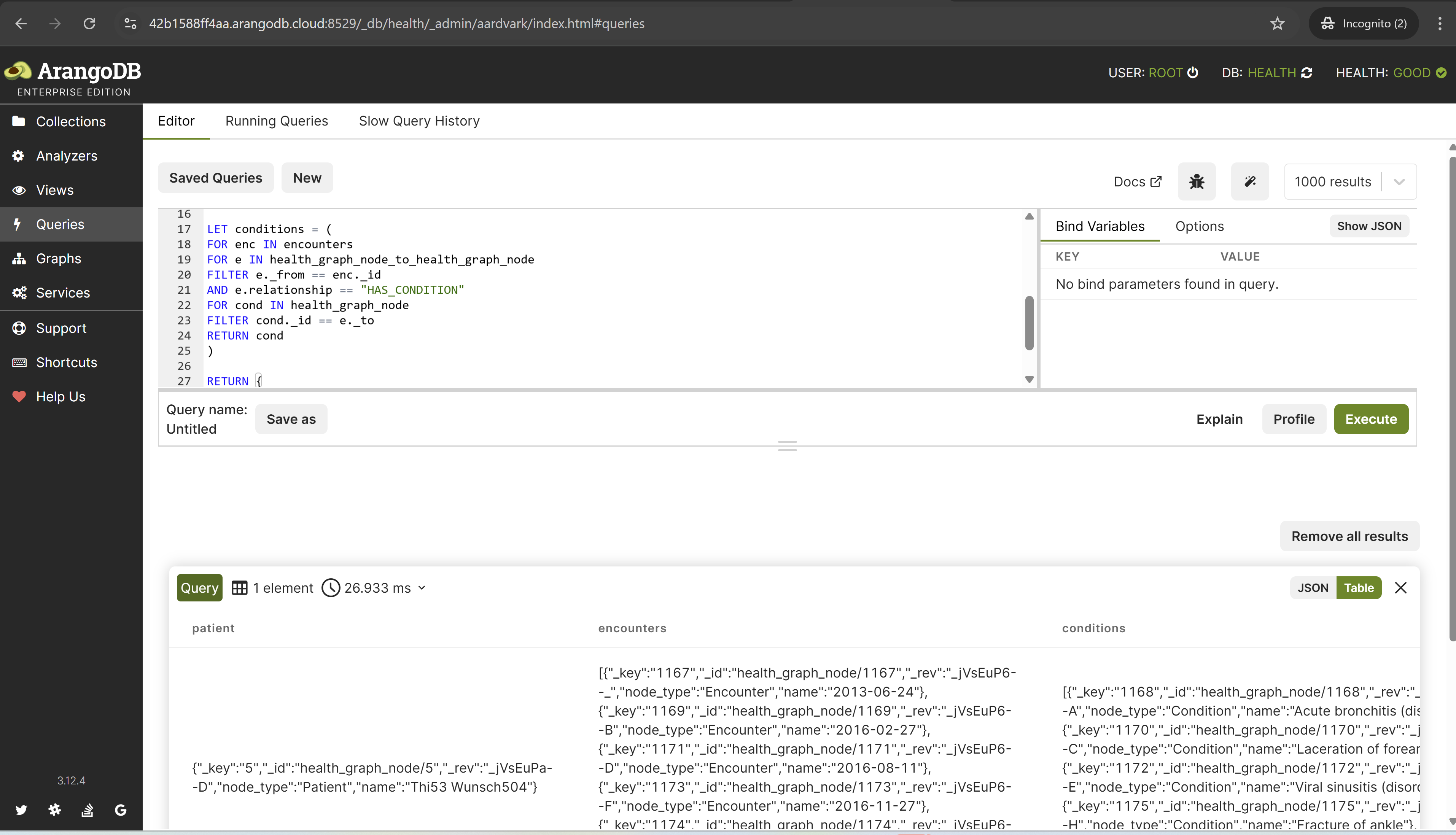
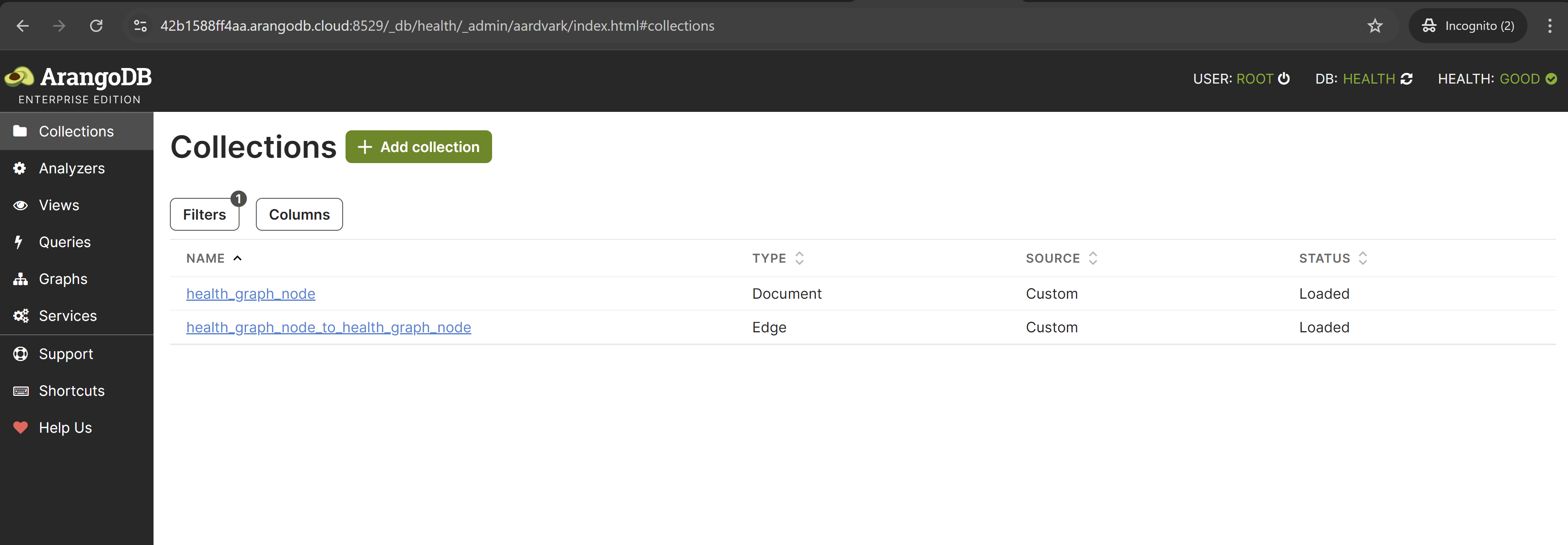
Step 1 Data Analysis As part of data modelling we analyzed the patient , encounter, conditions and medications and understood the relationship between these datasets. We build a relationship diagram Patient->Encounter->Conditions Patient->Encounter->Medication Step2 Data Modelling for the Graph data Base : We created the nodes and edges and established the relationships . Step3. Data Ingestion to Arangodb. We established a connection to Arango Cloud and persisted the node and edge information. Step4: We wrote a function to convert the natural language to AQL without hallucinating. Step5: Define the Text to NetworkX/cuGraph Tool Step 6 : Agentic AI-Based Query Processing Uses LangChain's Agentic AI (ReAct-based agent) to autonomously handle user queries. Agent selects tools dynamically: Tool: Converts natural language into AQL (via text_to_aql). Runs a zero-shot agent (ZERO_SHOT_REACT_DESCRIPTION), meaning it doesn’t require examples. Step7 : Build a streamlit app 8.Adding Filtering Options for Data Analysis 9.Graph Visualization of Patient Data ✅ Creates a Graph Using NetworkX and matplotlib Nodes for Patient, Encounter, Condition, and Medication. Color-coded node types: Patient → Skyblue Encounter → Orange Condition → Green Medication → Purple Uses nx.spring_layout() for positioning.
Challenges we ran into
- Limitations on the volume of data that can be uploaded to Arangodb
- dealing with LLM hallucination 3.Could not integrate the other data sets because of the limitation of data to be uploaded. ## Accomplishments that we're proud of
What we learned
We learnt Arangodb , Arango Cloud, Building collections, AQL, Reducing the Halucination of LLM agent, Prompt engineering.
What's next for HealthWeave
1.Integrate with more data sets within Synthea DB. 2.Add patient risk analysis more extensively 3.Enhance AI-driven insights – Implement predictive analytics using machine learning to forecast patient health risks. 4.Improve agentic AI capabilities – Expand the use of autonomous agents to generate deeper clinical insights. 5.Optimize query efficiency – Fine-tune AQL generation and caching for faster performance. 6.Enhance UI/UX – Improve data visualization and interactivity in Streamlit. 7.Integrate with FHIR – Support interoperability with healthcare systems using the FHIR standard. 8.Deploy as a cloud-based API – Make HealthWeave available for external integrations.
- Data protection measures for sensitive health information
- Encryption strategy and HIPAA compliance considerations
TLDR: HealthWeave is an AI-powered healthcare data analysis platform that leverages graph intelligence and natural language processing to provide actionable insights from complex medical data. By integrating ArangoDB, OpenAI, and NetworkX, it enhances decision-making and supports predictive analytics. Future plans include integrating more datasets, enhancing AI capabilities, enhanced security as well as privacy and deploying it as a cloud-based API.

Log in or sign up for Devpost to join the conversation.