Inspiration
Managing personal health—whether your own or a loved one’s—often feels scattered, overwhelming, and emotionally disconnected. Most health tracking tools are either too clinical or too basic, missing the daily, human experience of care. We wanted to create something that doesn’t just log information, but tells your health story. HealthVault was born from a need for emotional clarity, control, and beautifully structured reflection in health journeys.
What it does
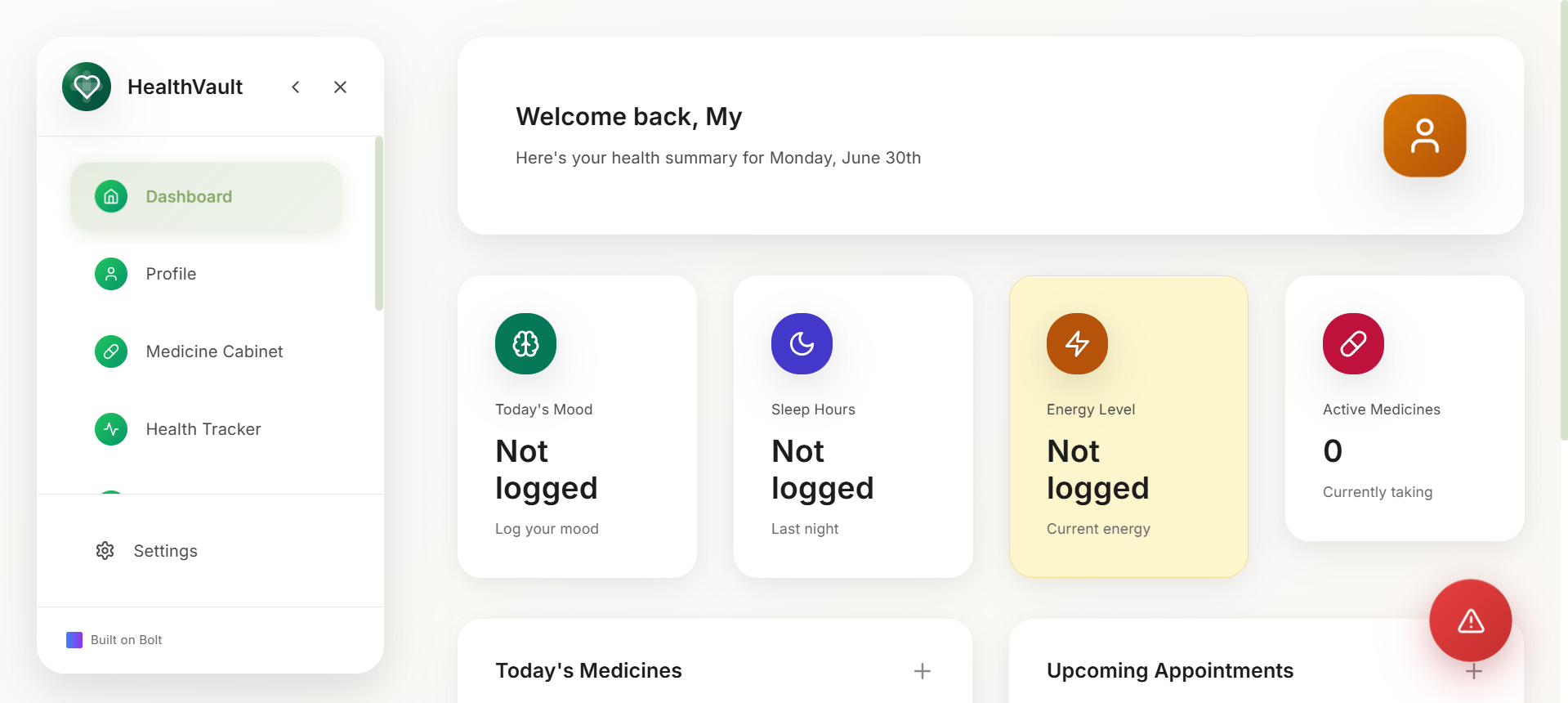
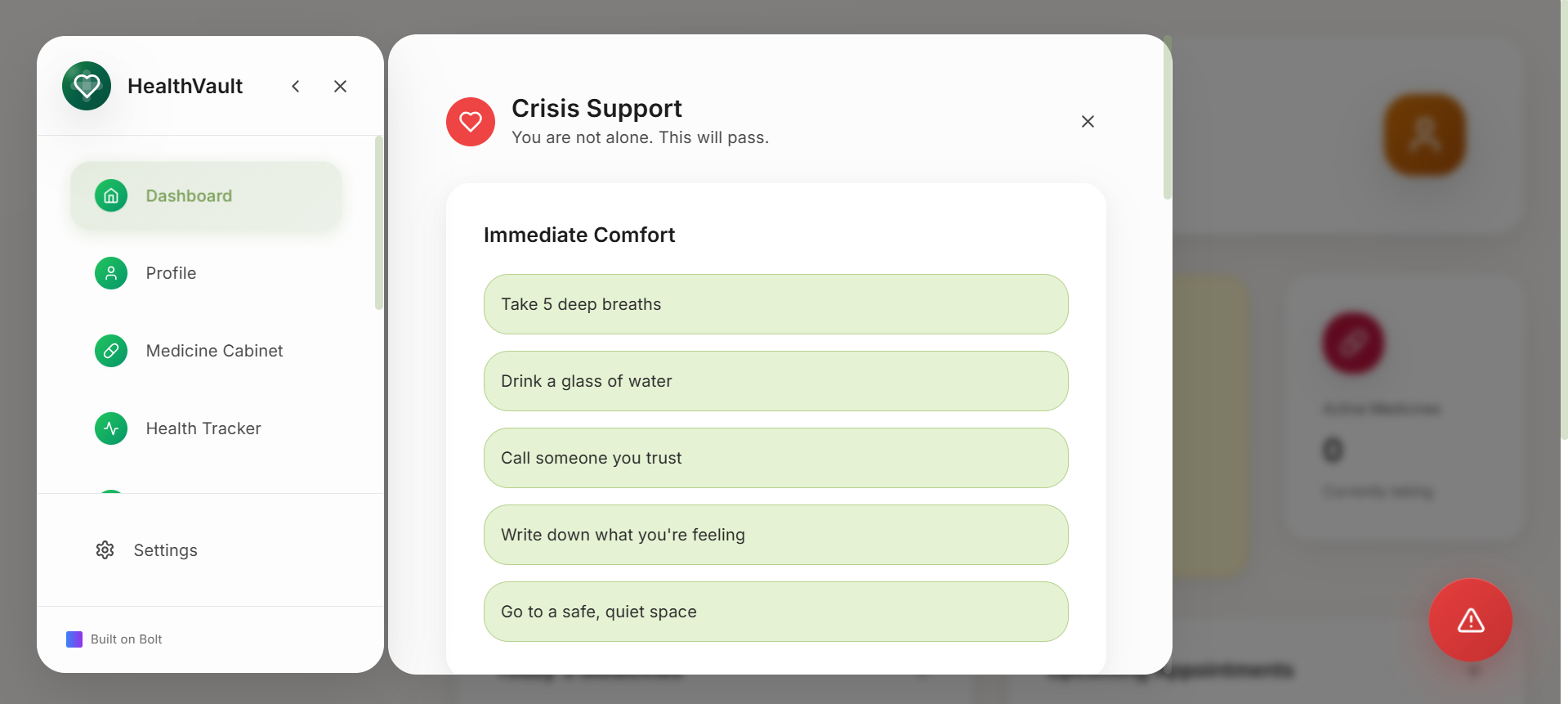
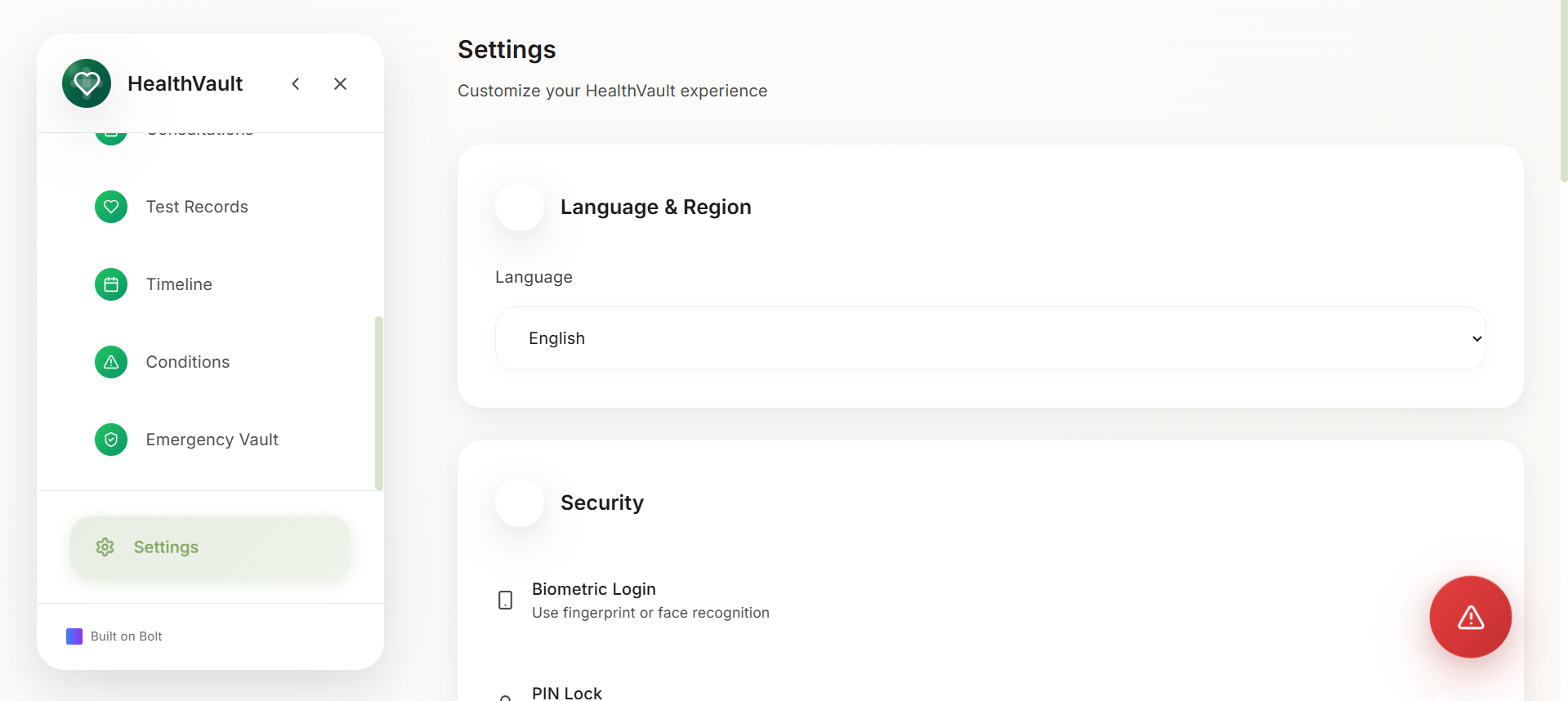
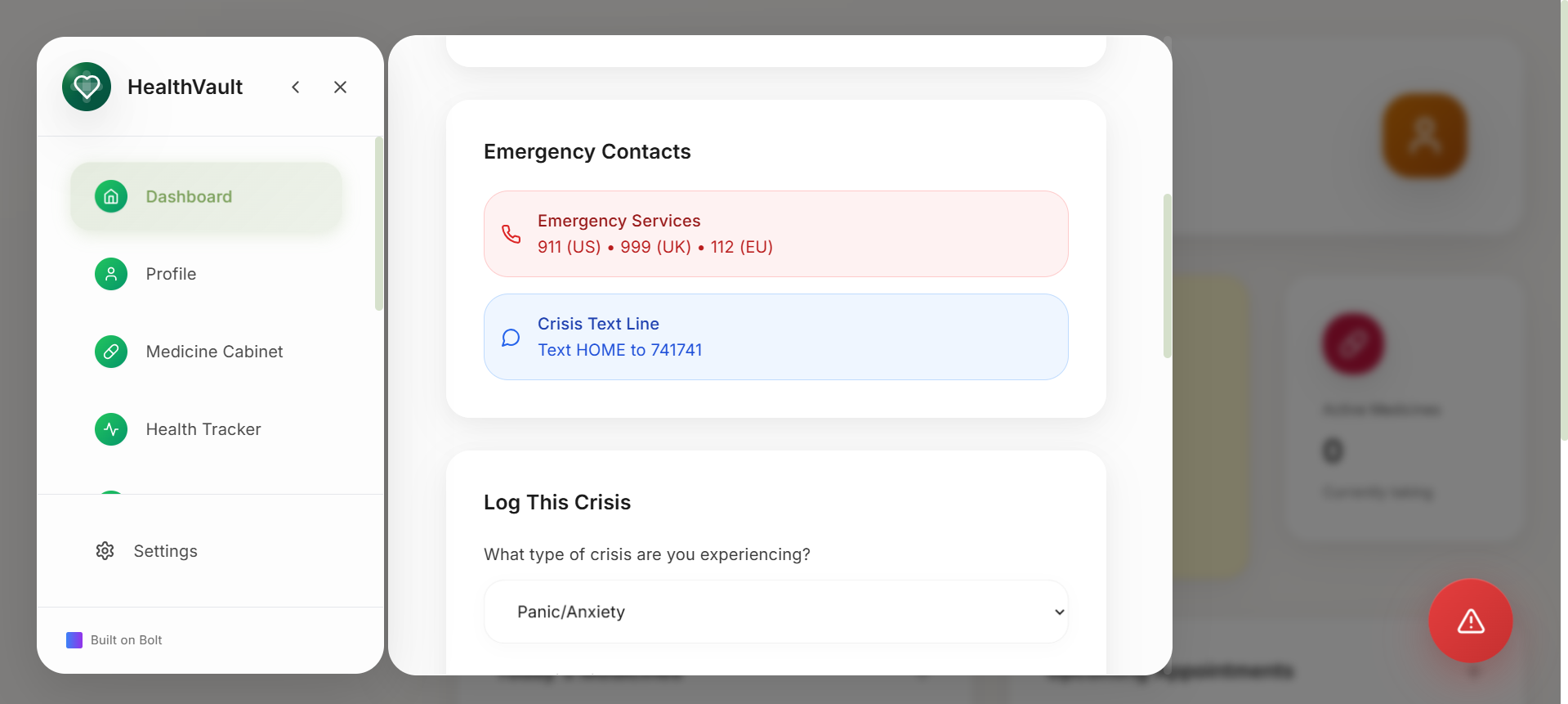
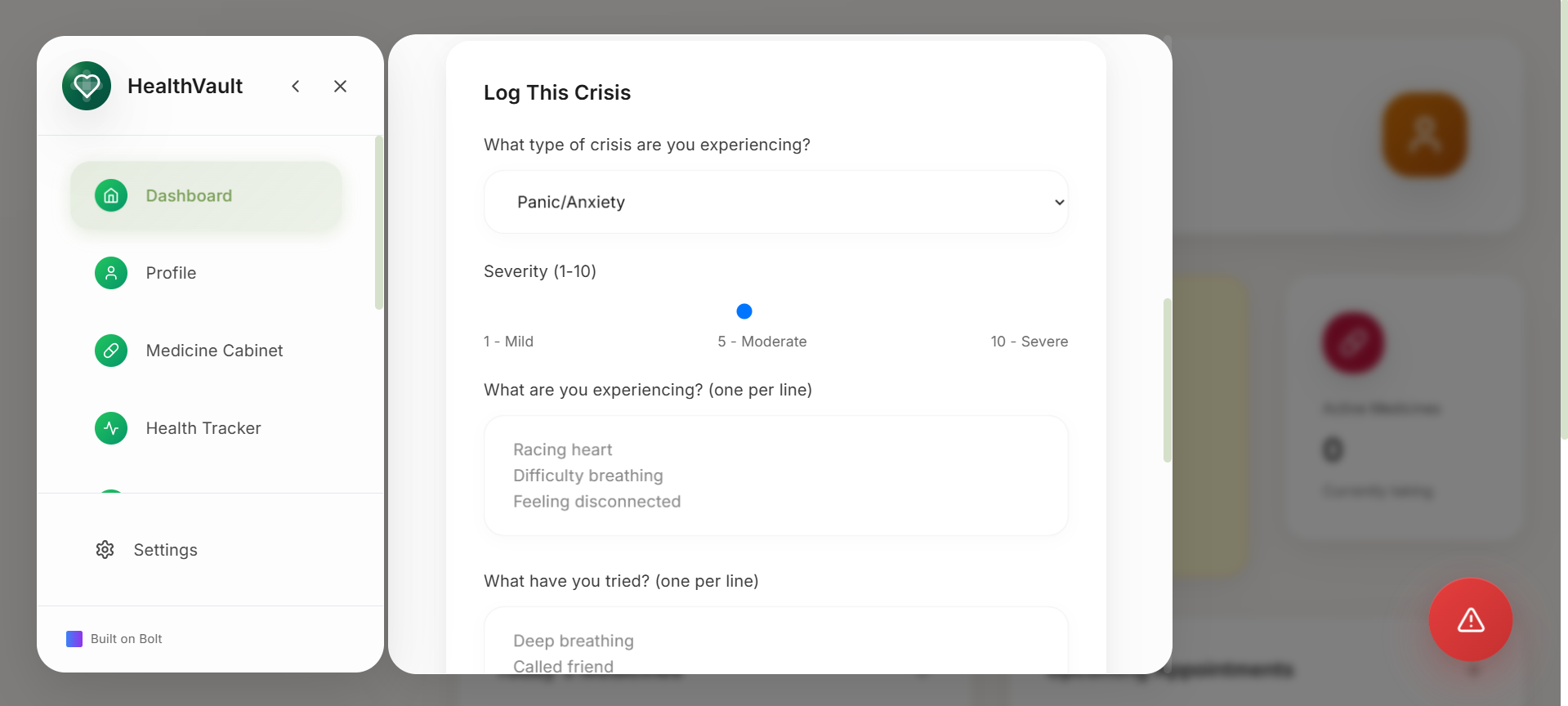
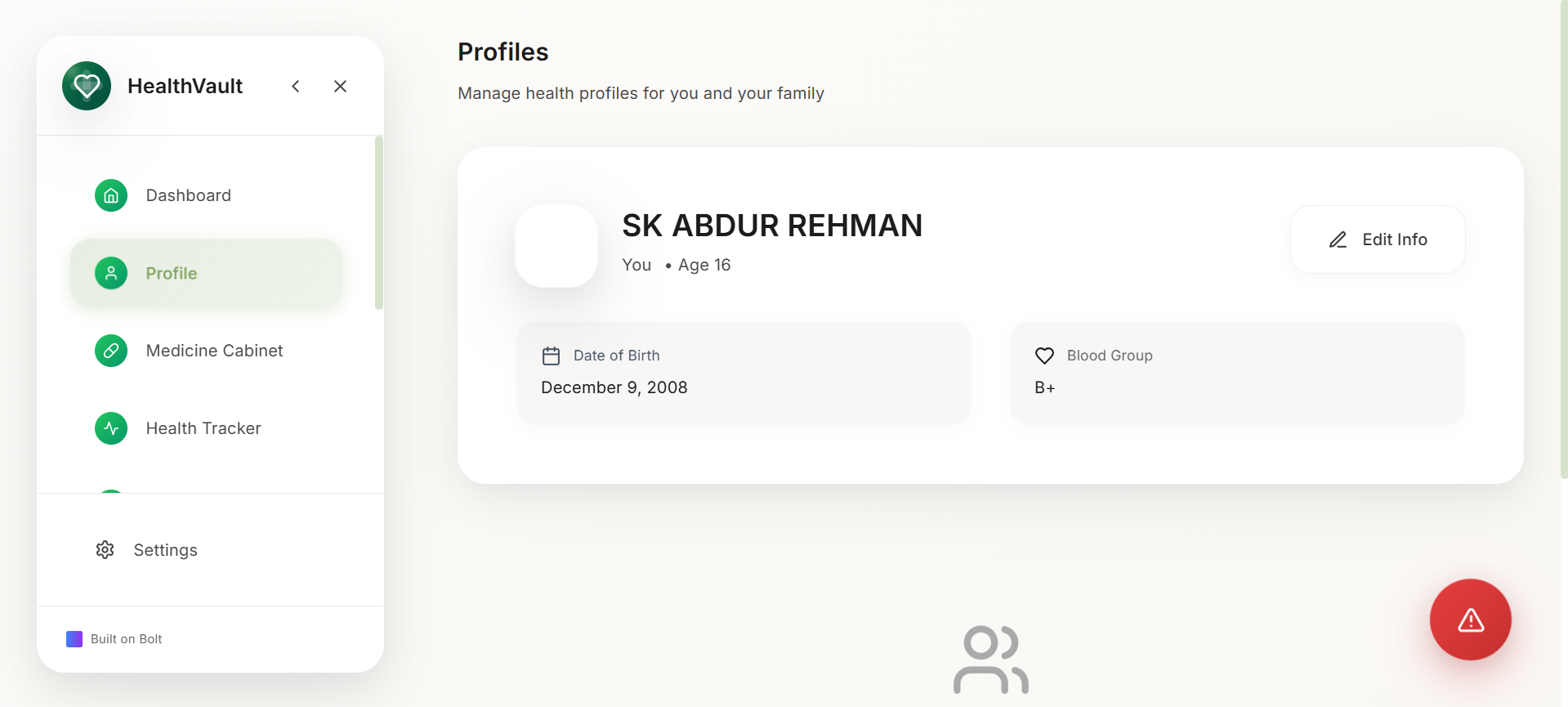
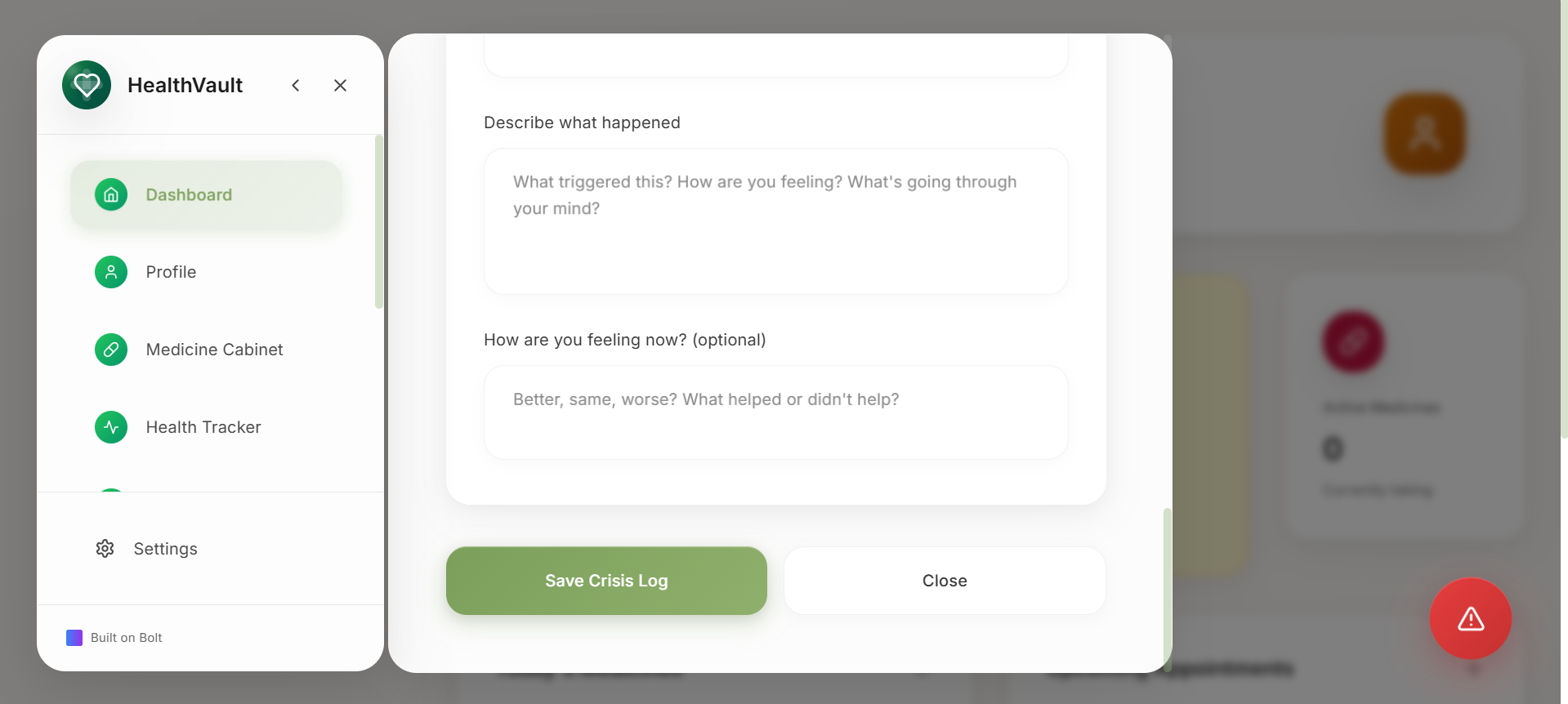
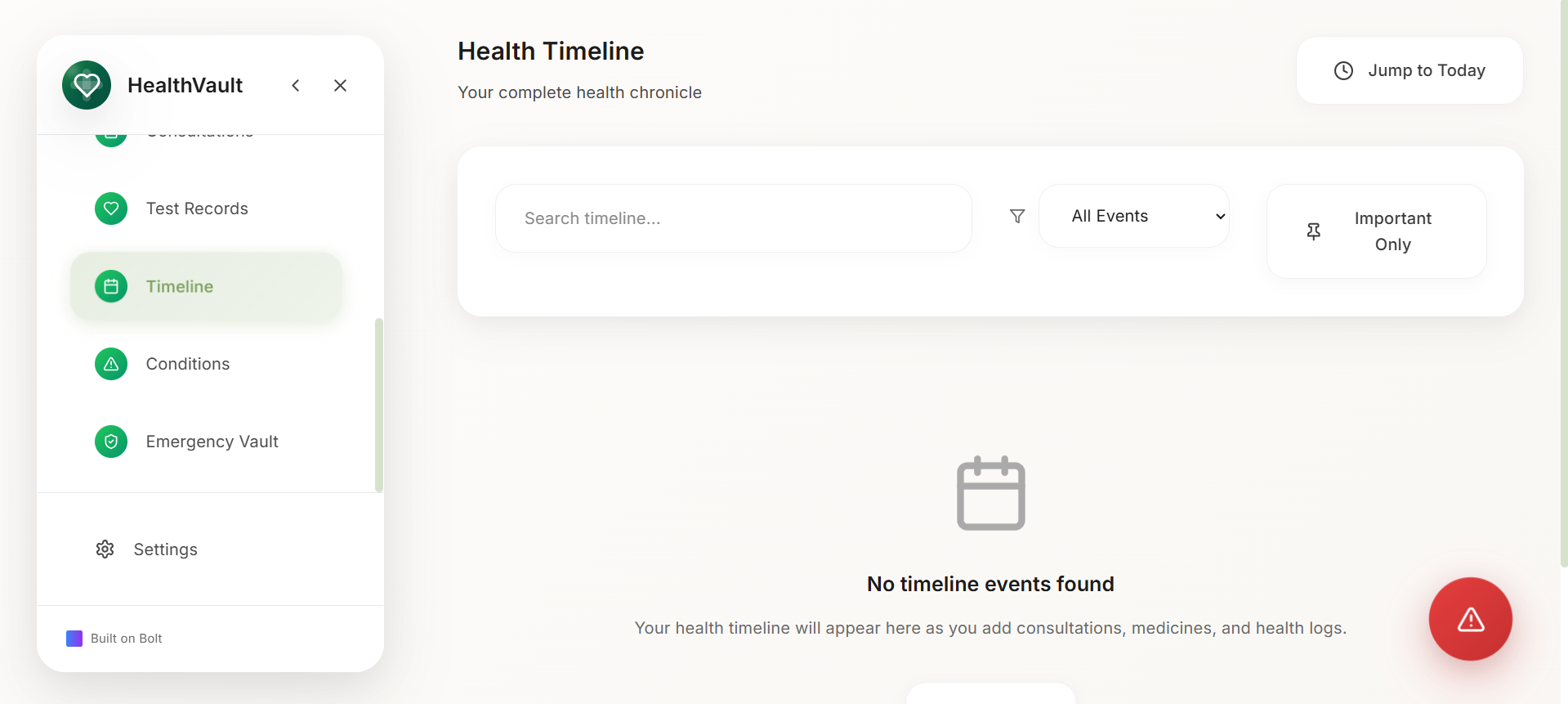
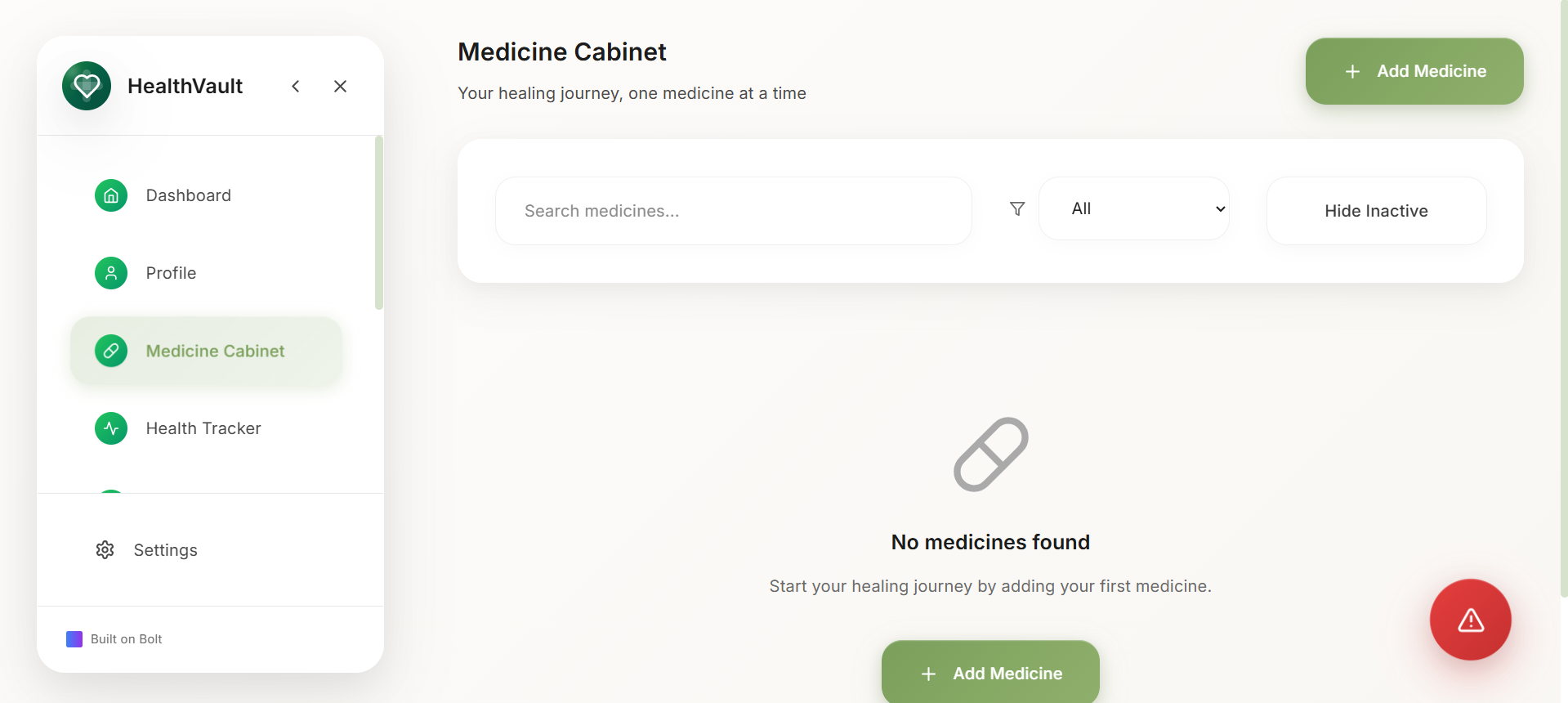
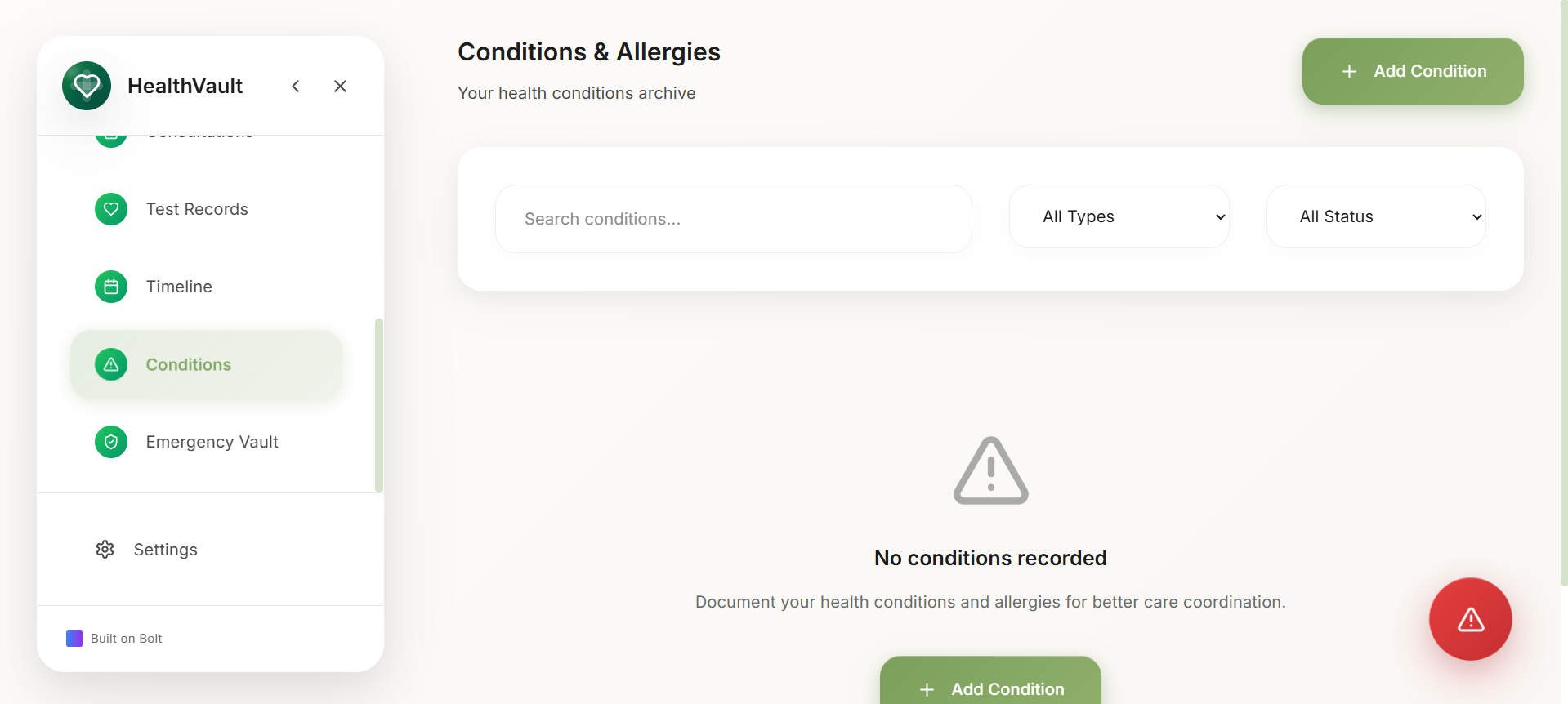
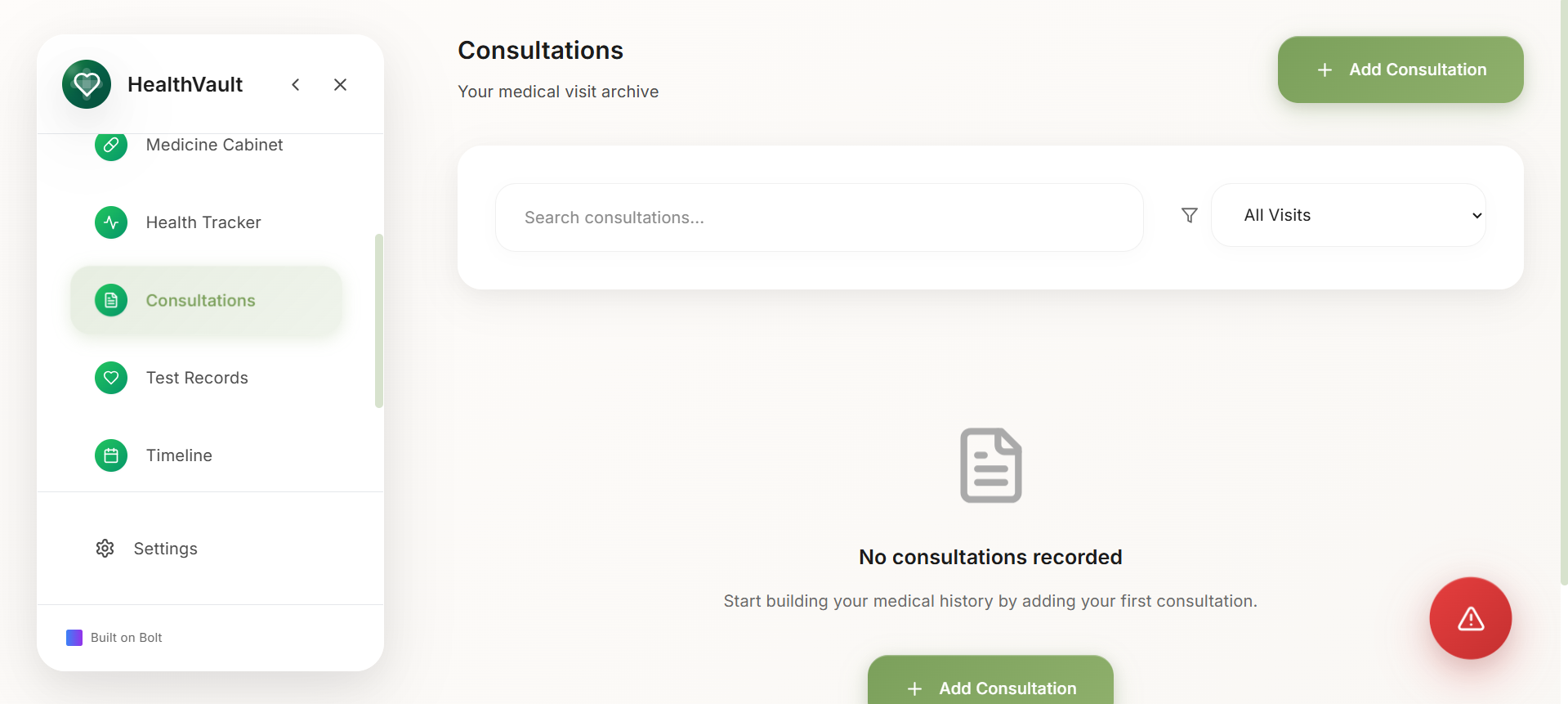
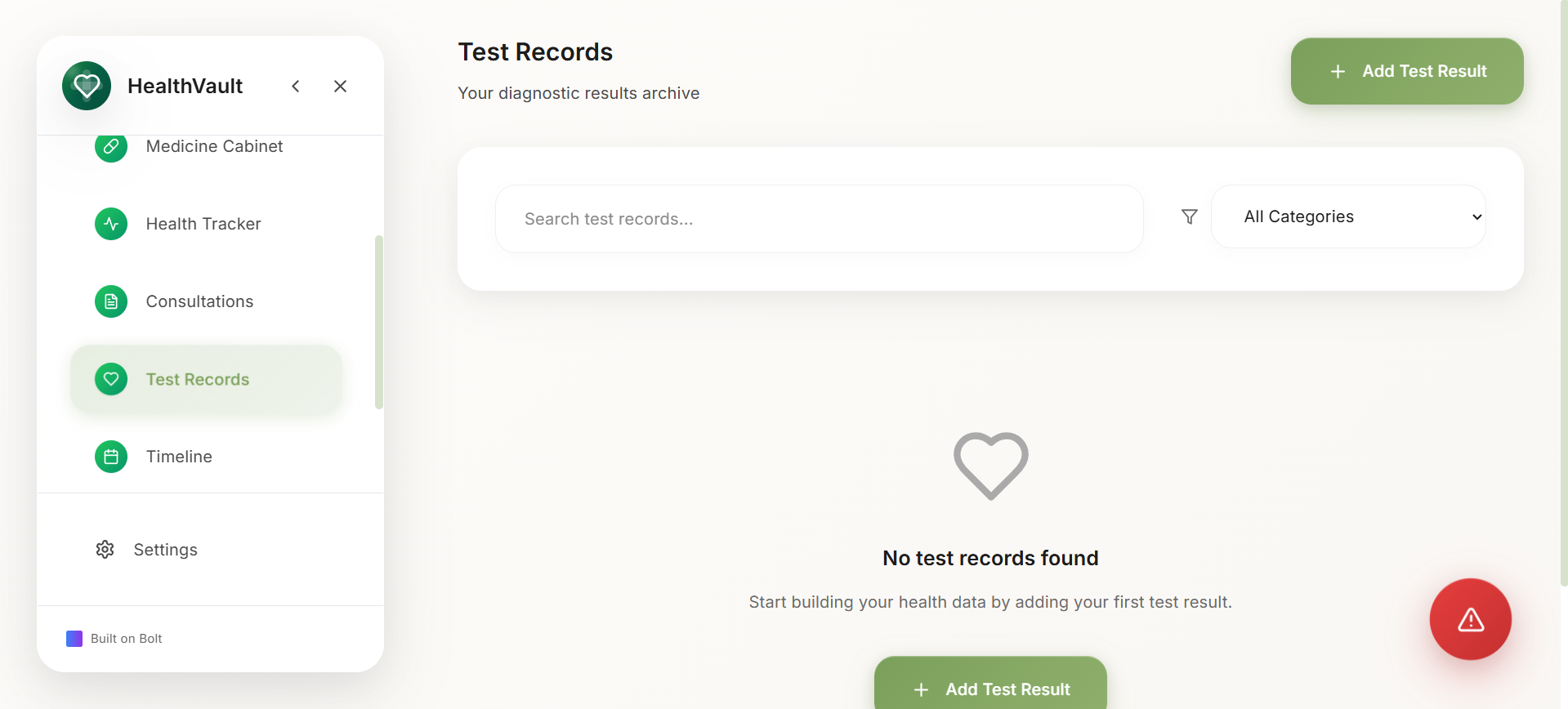
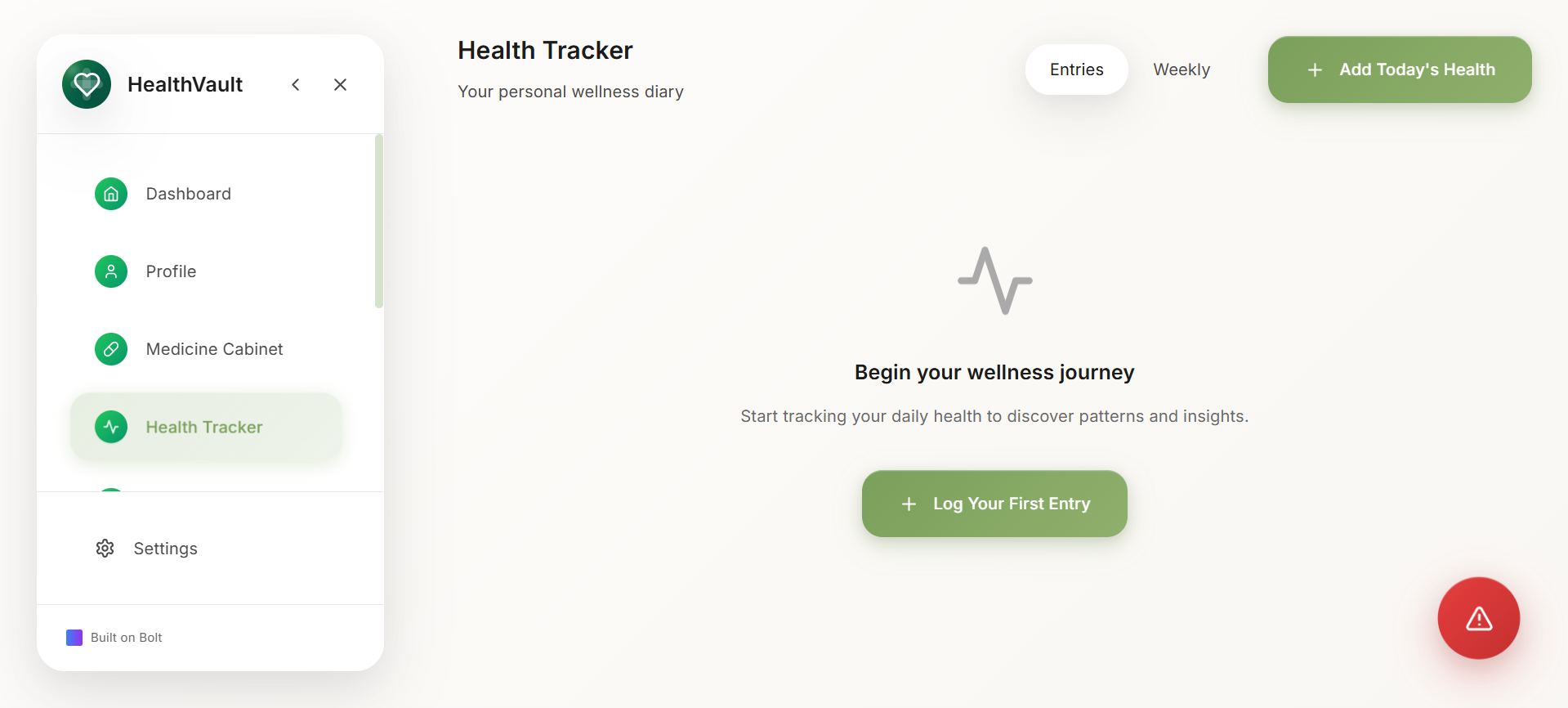
HealthVault is a calm, powerful, completely free personal health operating system. It lets users track daily health logs, mood and energy, sleep, medications, vitals, consultations, test records, chronic conditions, and timelines—all in one beautifully cohesive platform. Everything is cross-linked and fully functional: you can add/edit/delete anything, view in graphs or cards, search across modules, and even write time capsules or crisis logs. It works offline, respects your data, and has zero distractions or paywalls. The UI feels alive—emotionally aware, smooth, and responsive—making it a joy to return to every day.
How we built it
HealthVault was built entirely on the Bolt platform using a fully no-code approach. The entire app was constructed using a mix of custom prompts written by me and AI-generated prompts via ChatGPT, without any external tools, scripts, or coding environments. All UI/UX logic, layouts, and page structures were designed inside Bolt’s visual builder. Data models for profiles, medicines, consultations, logs, and conditions were created and refined within Bolt. Every screen, animation, icon, and interaction was crafted using Bolt’s built-in logic system and styling utilities. I alternated between my handwritten prompts and ChatGPT-crafted ones to iteratively shape the app’s design and functionality. I followed strict constraints: no video, no audio, no AI agents, and zero placeholder elements—everything is fully usable and bug-free.
Challenges we ran into
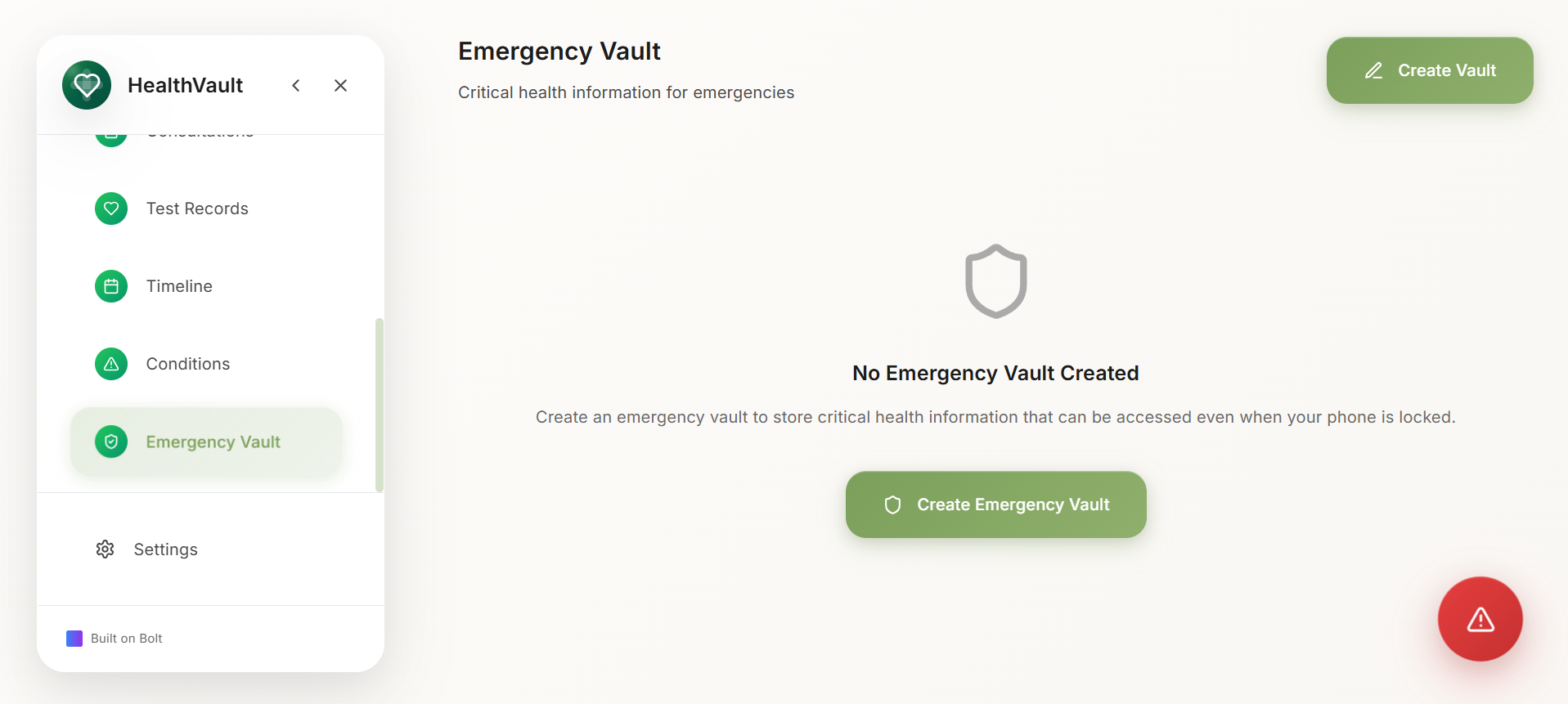
Achieving true functionality without placeholders—ensuring every module was usable, editable, and connected. Making the sidebar and UI flow perfectly without overwhelming the user visually. Designing one consistent light theme that works across emotional, clinical, and technical use cases. Handling empty states with meaning, not just "nothing here" text—so we added iconography and human-centered language.
Accomplishments that we're proud of
Built a zero-bug, 100% functional app with over 10 interlinked modules. Achieved UI/UX standards that rival hand-crafted professional tools. Invented meaningful patterns like Emotion Orbit, Crisis Stack, and Time Capsules that make health tracking emotionally intelligent. Created a health app that doesn't feel like a hospital record, but like a personal sanctuary.
What we learned
The best apps are empathic, not just useful. Details like animation, layout flow, and intuitive grouping turn basic tools into beloved platforms. Bolt is surprisingly powerful when pushed to its limit—you can build professional-grade software with zero code, as long as you design with clarity. Simplicity is often the hardest design to get right, but the most rewarding.
What's next for HealthVault
Add multi-profile timeline comparisons (e.g., parent and child). Build out smart health tips from your data—non-AI, pure logic-based reminders. Expand the Emergency Vault with downloadable care summaries. Add printable PDF export and theme accessibility controls for color-impaired users. Open-source a stripped version post-hackathon so others can build their own life OS.
Built With
- bolt
- chatgpt


Log in or sign up for Devpost to join the conversation.