-
-
-
-
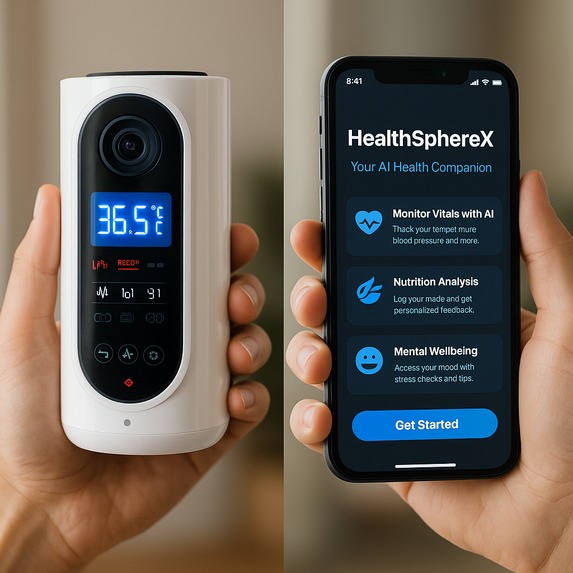
final vision
HealthSphere X
Inspiration
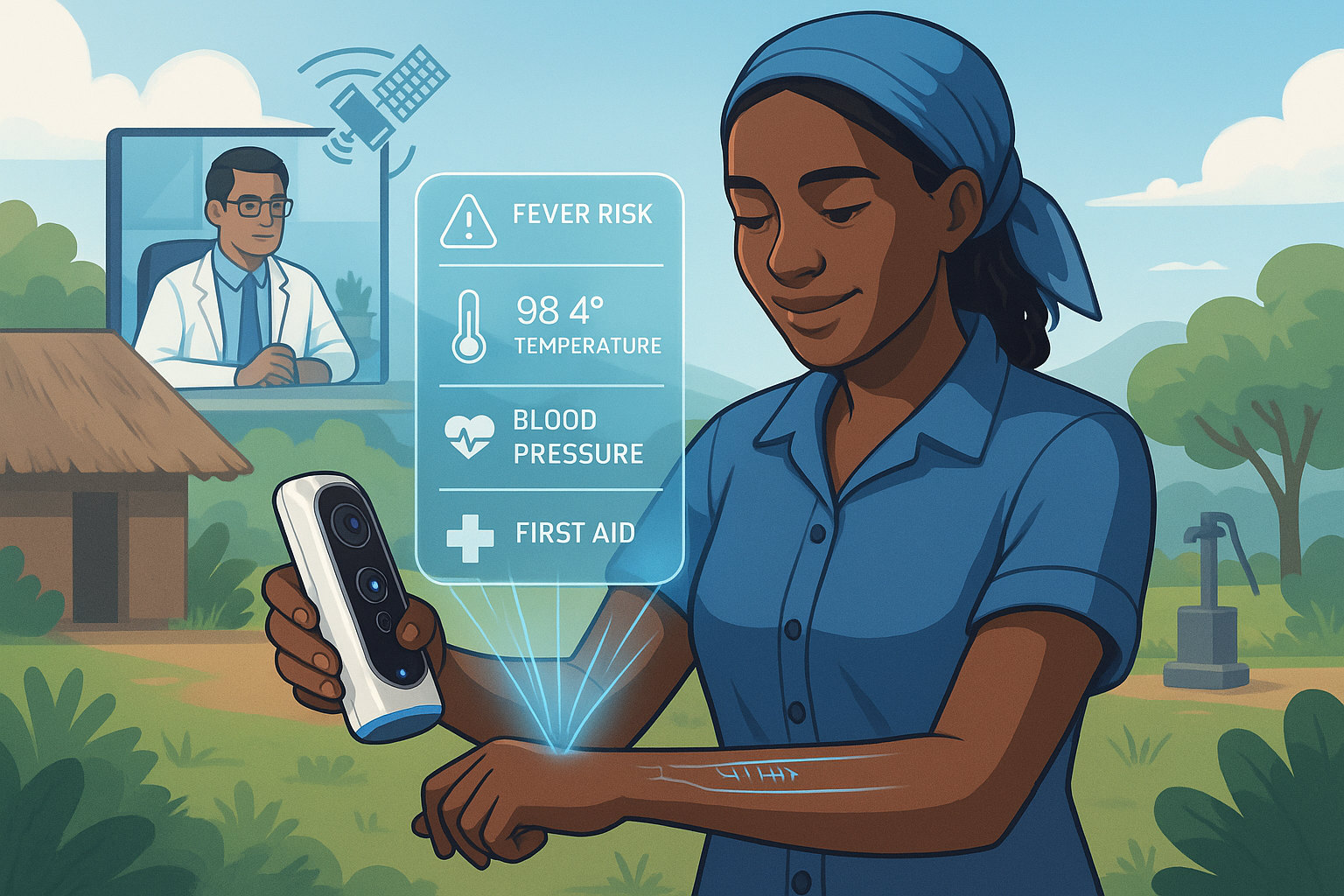
In many parts of the world, especially in Africa, access to timely healthcare, mental wellness support, and reliable health information is scarce or unaffordable. As a civil engineering student facing similar challenges, I envisioned a tool that could empower youth with accessible, low-cost, and AI-driven health solutions — even without stable internet or hospital access. That vision became HealthSphere X.
What it does
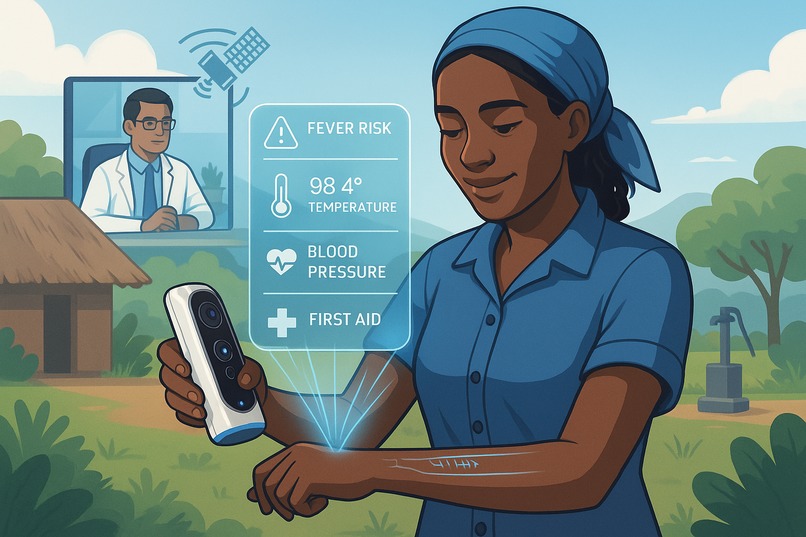
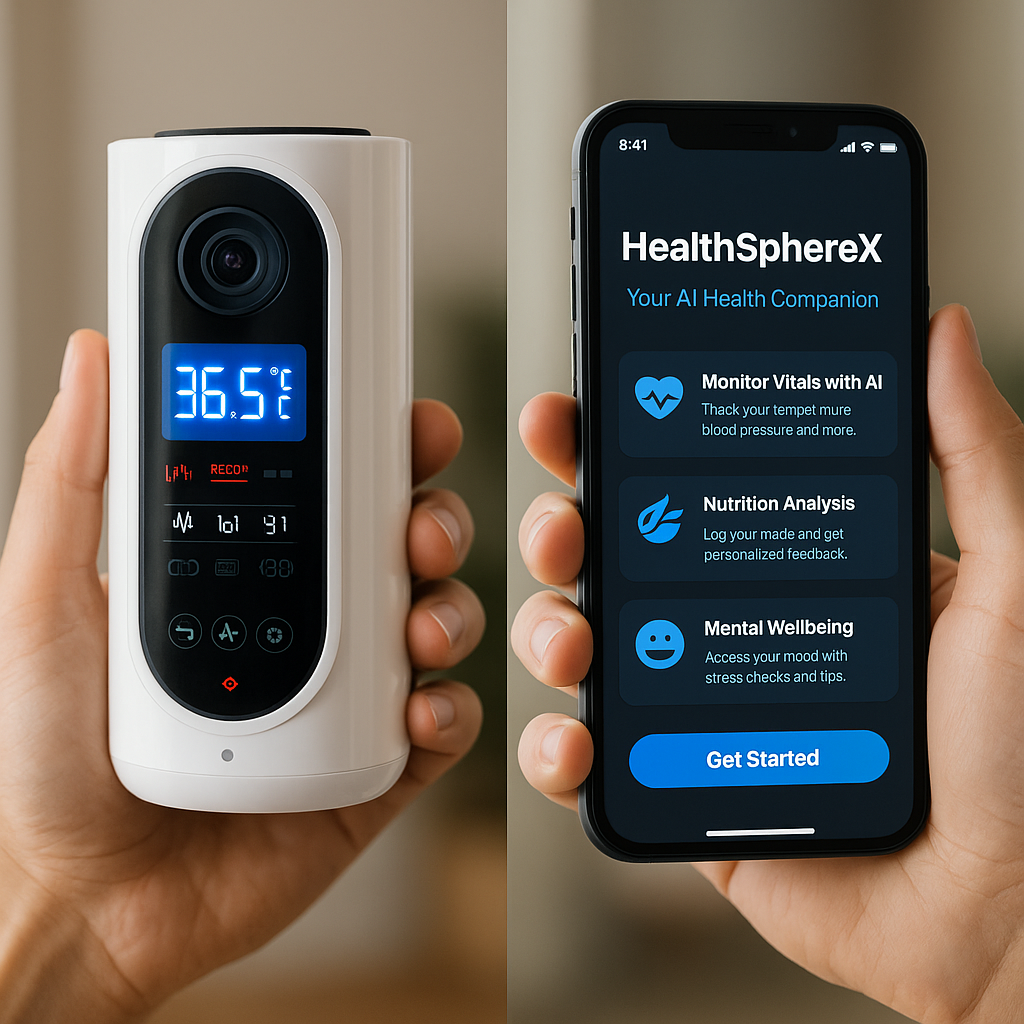
HealthSphere X is a hybrid edge-AI solution that combines a mobile app and a compact hardware device to predict illnesses, support mental well-being, and guide emergency care.
Key features include:
- 🩺 Vital sign analysis and AI-based illness prediction using offline data
- 🍱 NutriScan: assesses diet quality from local meals and offers personalized feedback
- 🧠 MindSafe: a mental wellness companion with daily check-ins and mood tracking
- 🆘 Offline-first first-aid assistance using smart decision trees
- 🔗 Bluetooth syncing between device and app for remote health data capture in underserved regions
How we built it
- Software stack:
Pythonfor machine learning and health predictionFlutterfor building a cross-platform mobile appESP32microcontroller simulated inArduino IDEfor hardware logic
- Hardware simulation: Used
Fritzingto prototype a low-cost, low-power device design - UI/UX: Designed with
Figma, tailored to low-literacy and offline use cases
Challenges we ran into
- Building without hardware due to financial constraints
- Ensuring core features work offline and are power-efficient
- Designing for both rural and urban low-income users with different tech capabilities
- Coping with unreliable electricity and network while simulating and testing
Accomplishments that we're proud of
- Trained a functioning illness prediction AI model using real-world vitals data
- Built a health-focused mobile app with mental health and nutrition tools
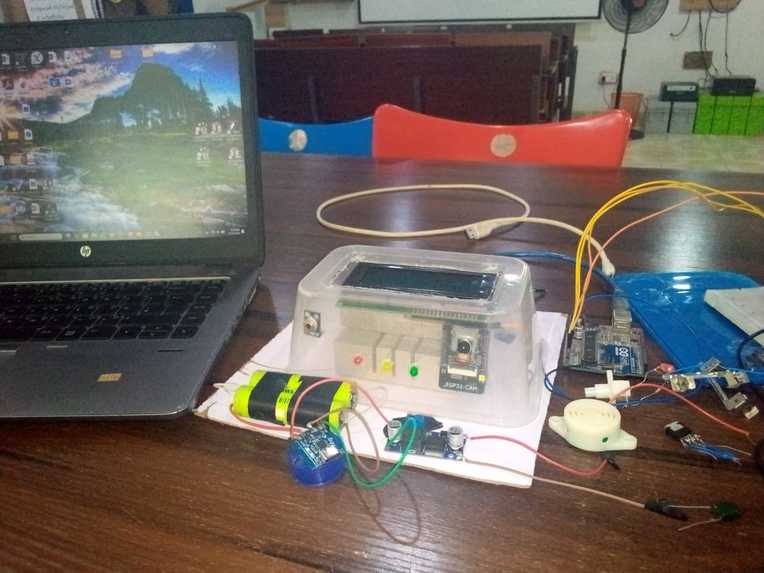
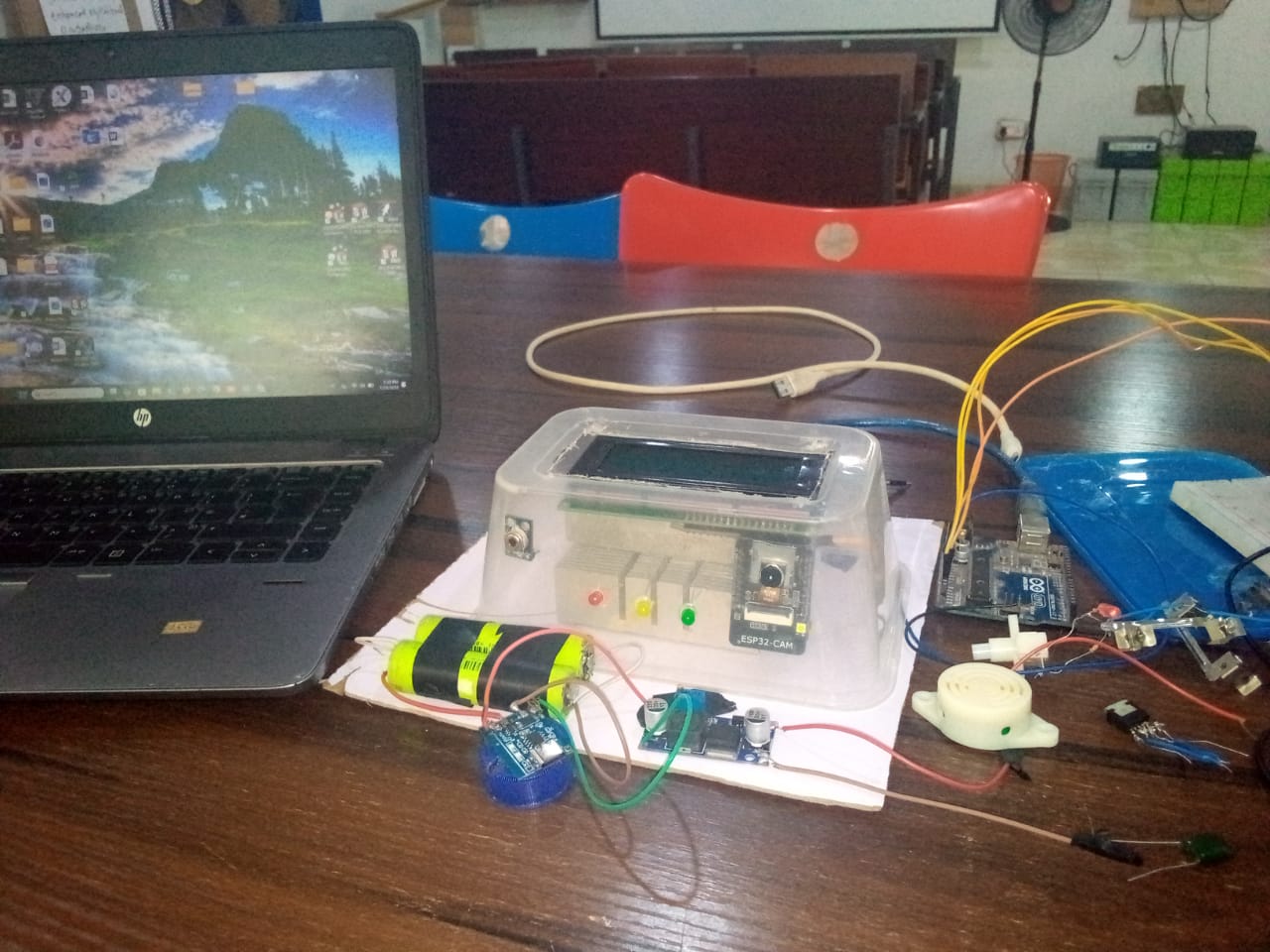
- Developed and simulated a hardware-software integrated prototype
- Recognized across multiple African health innovation programs
What we learned
- You don’t need a lab or full funding to innovate — just persistence and purpose
- Real-world constraints force better design decisions for accessibility and impact
- Offline and edge computing are critical for scalable health tech in underserved communities
What's next for HealthSphere X
- Develop physical hardware with real ESP32 and health sensors
- Run pilot programs in partnership with health NGOs and schools
- Add reproductive health and adolescent health education modules
- Translate content into local languages to boost reach
- Collaborate with global partners (e.g., Taiwan’s smart health industry) to enhance and scale
Built With
- esp
- figma
- python
- wokwi

Log in or sign up for Devpost to join the conversation.