-
-
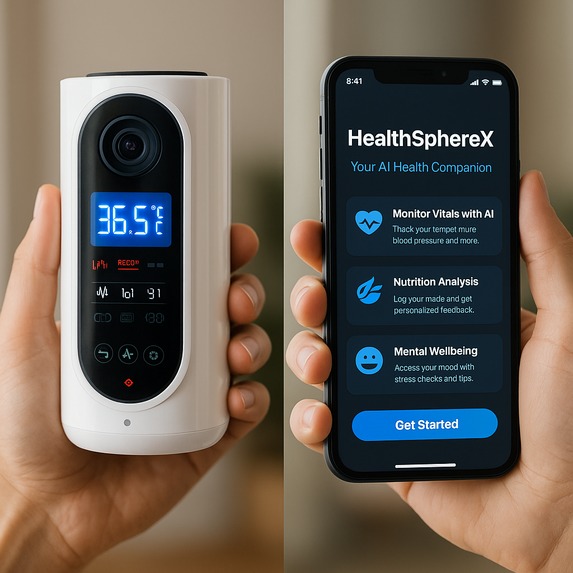
The best doctor isn't the doctor who treats an illness but the doctor who prevents it. HealthsphereX. Predict, Prevent, Prescribe
-
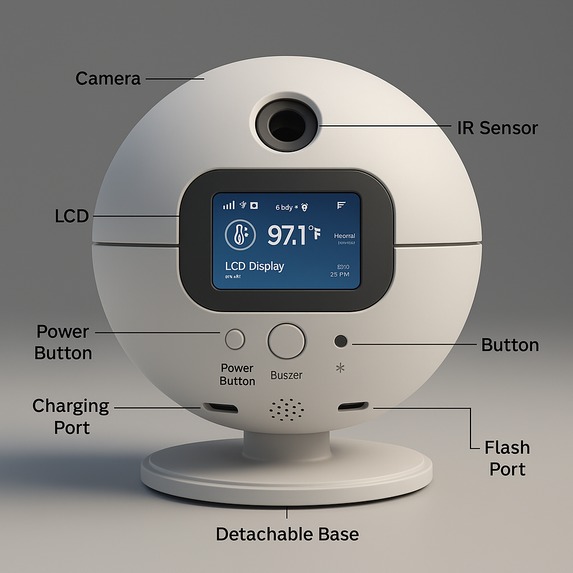
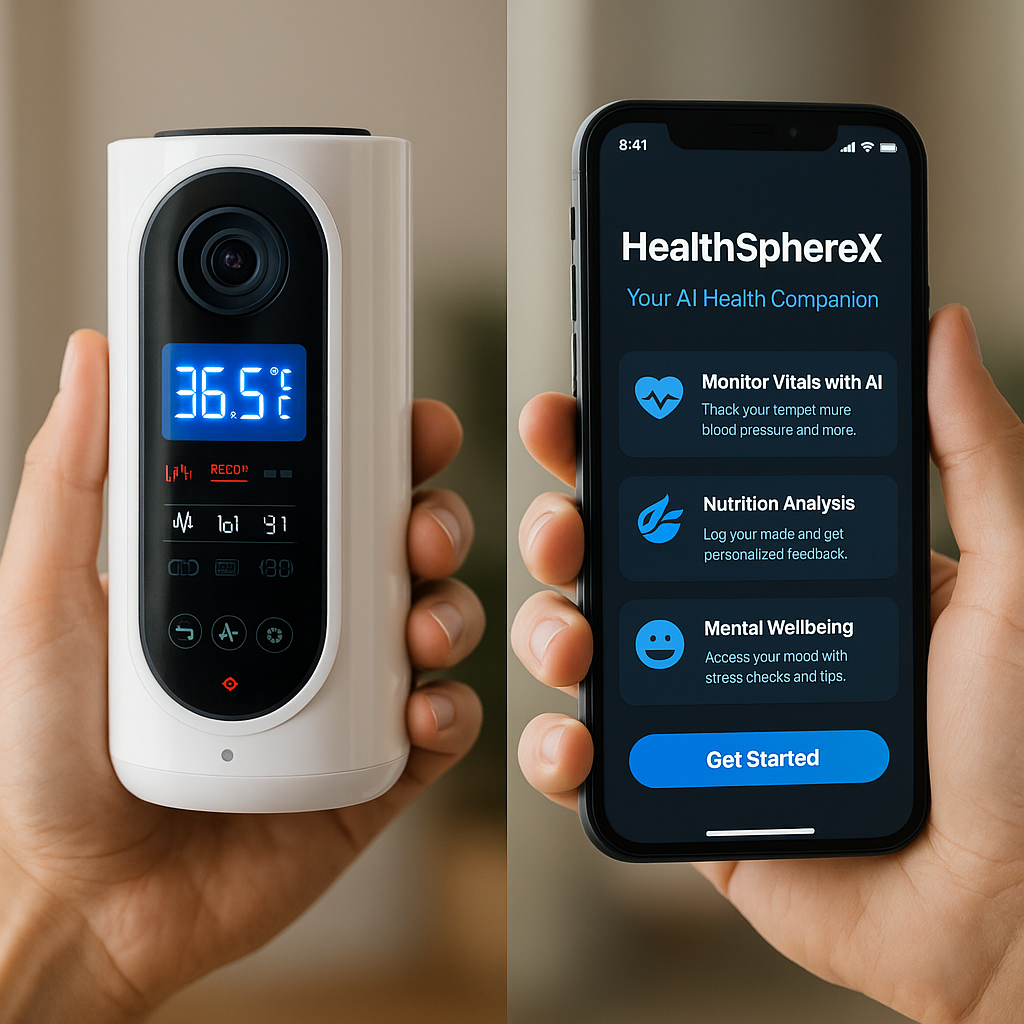
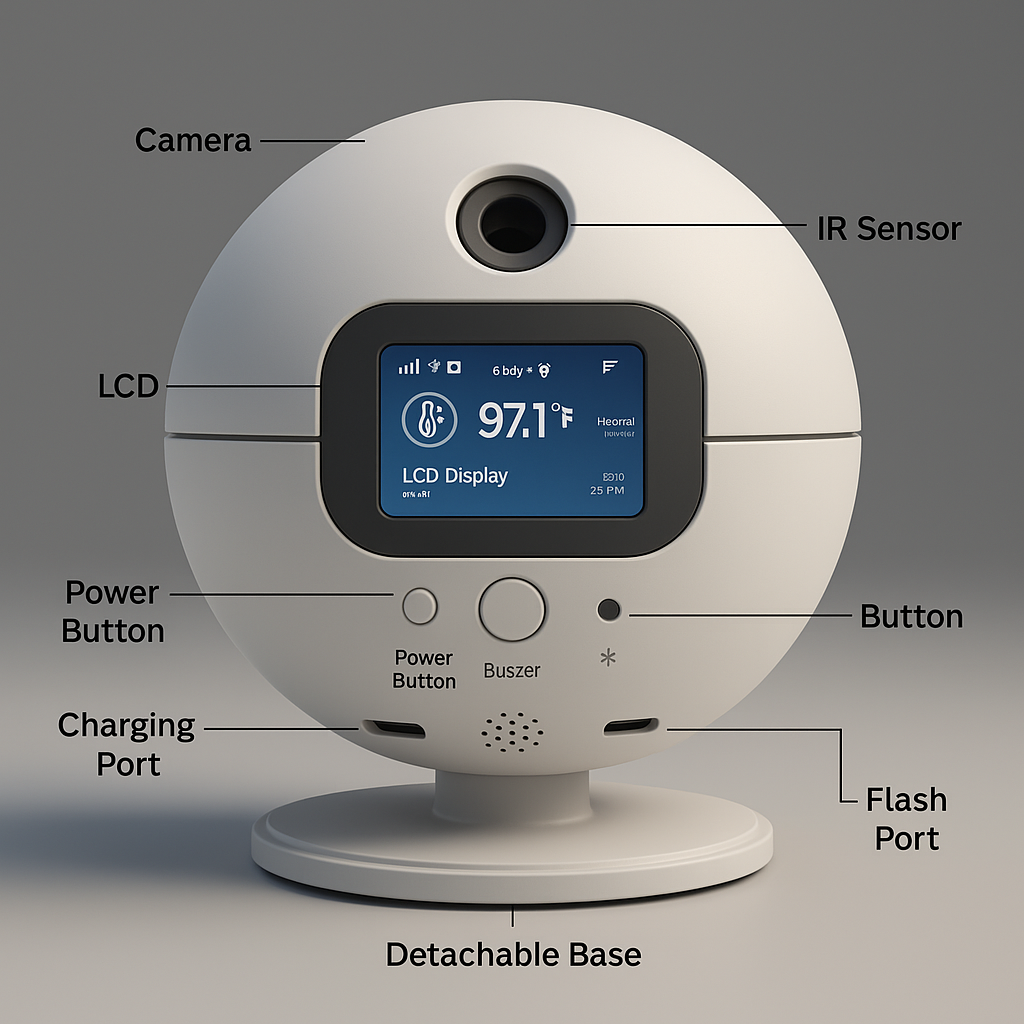
Healthsphere X(first inspo for casing)
-
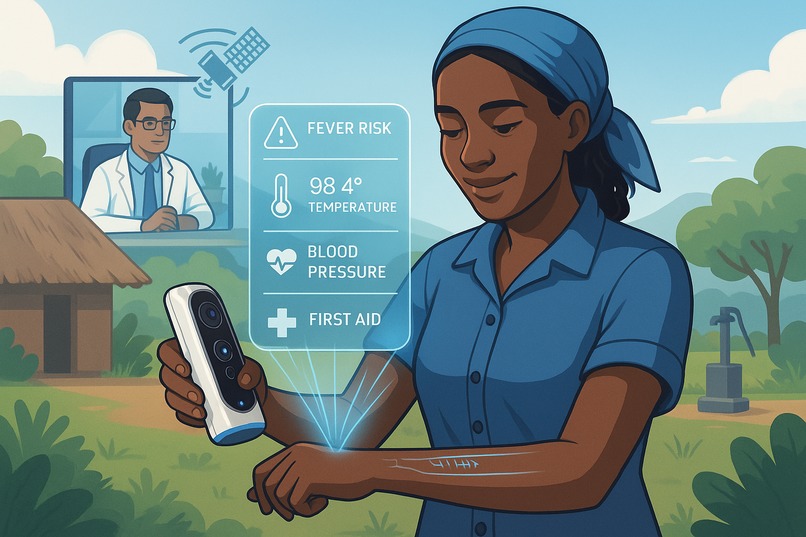
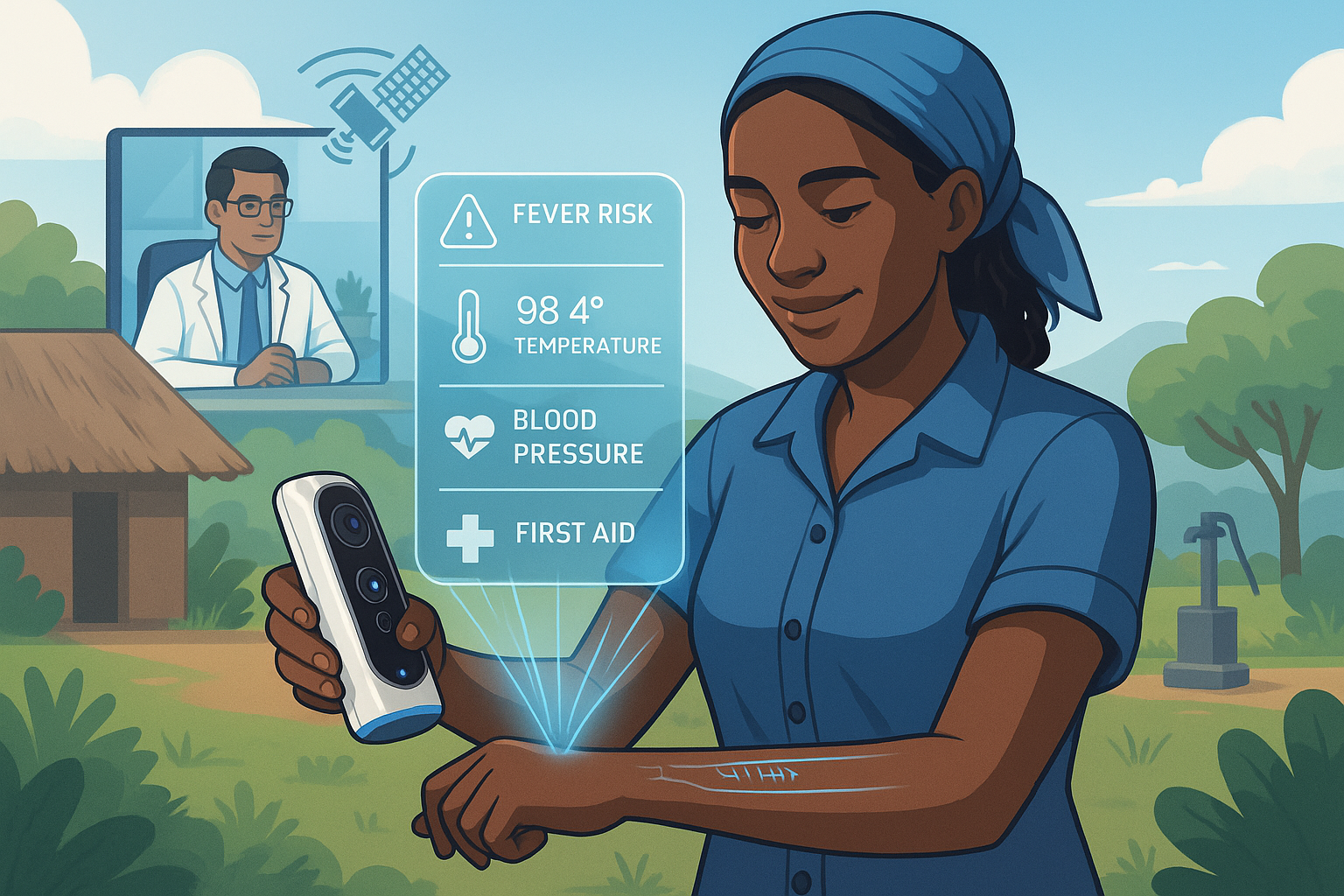
showing use of the healthsphere x device
-
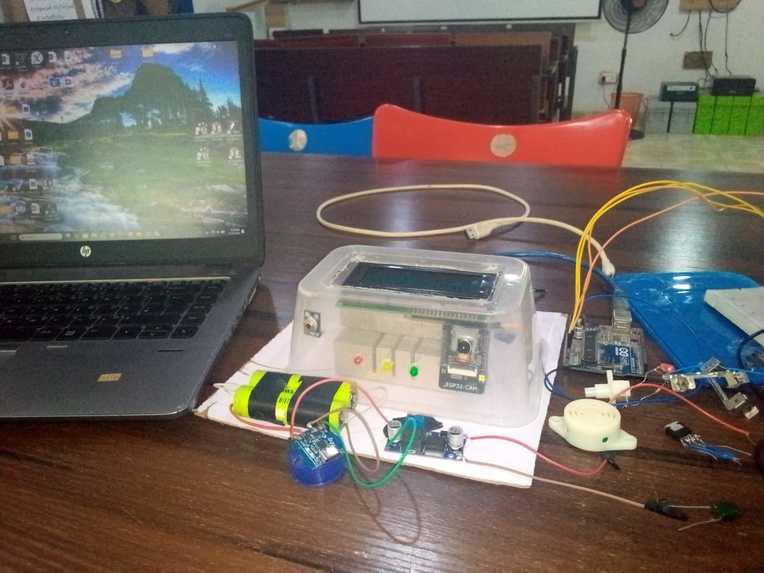
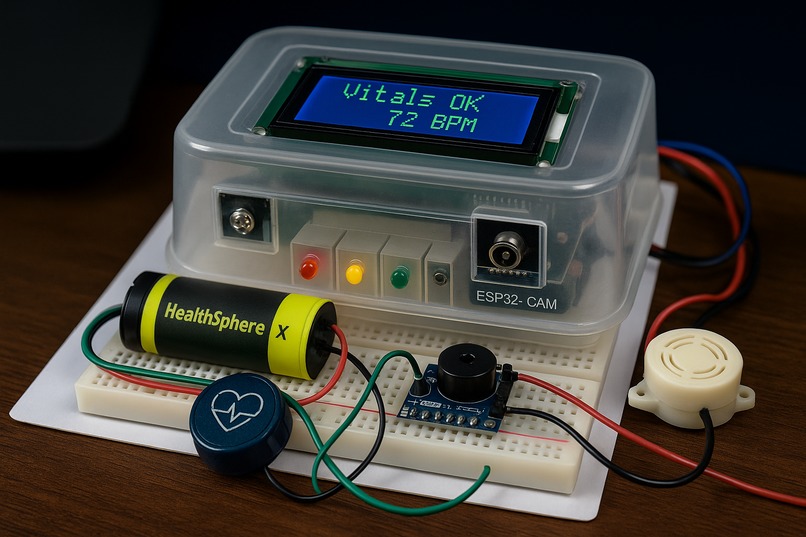
Rough but affordable model
-
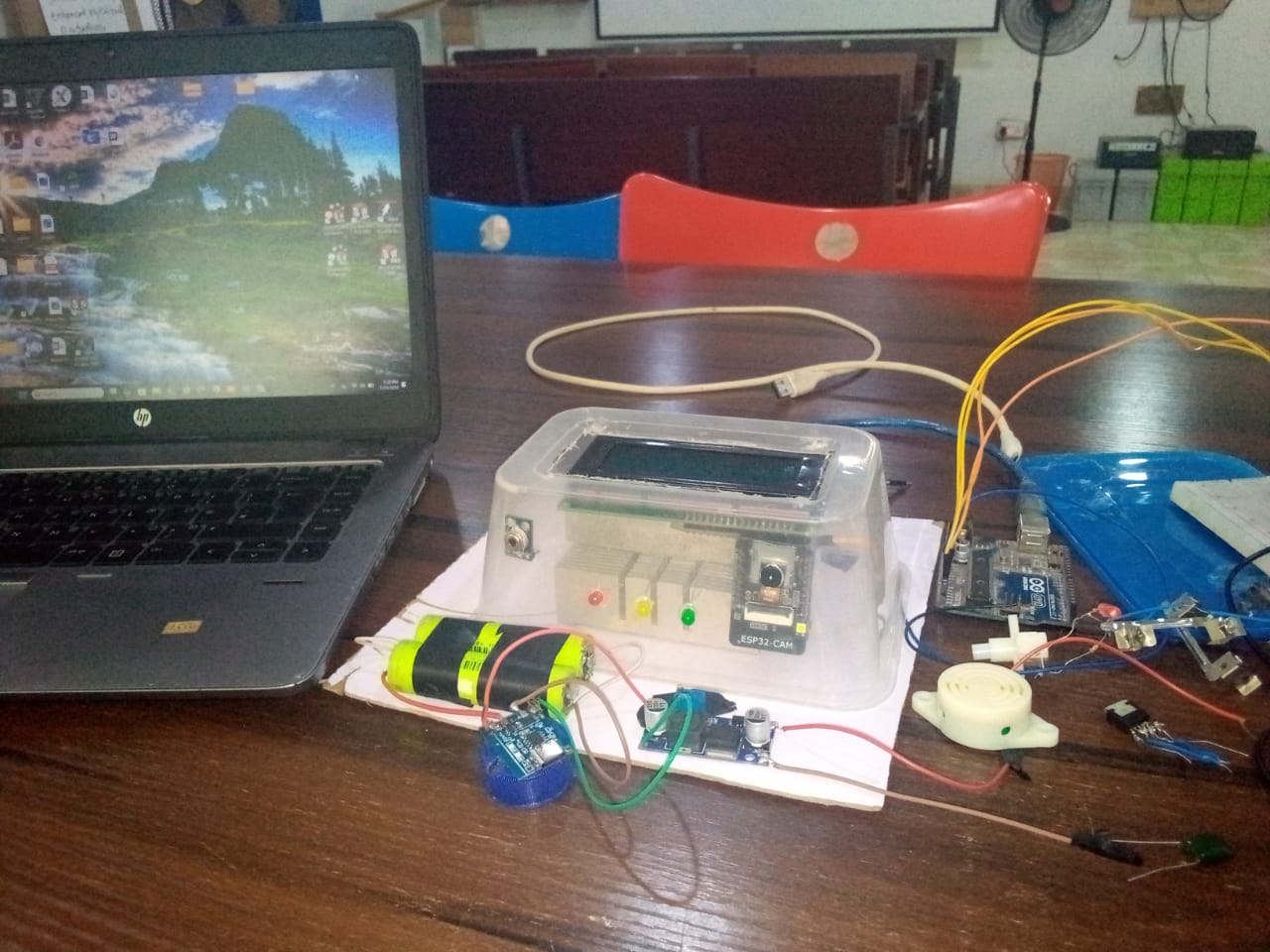
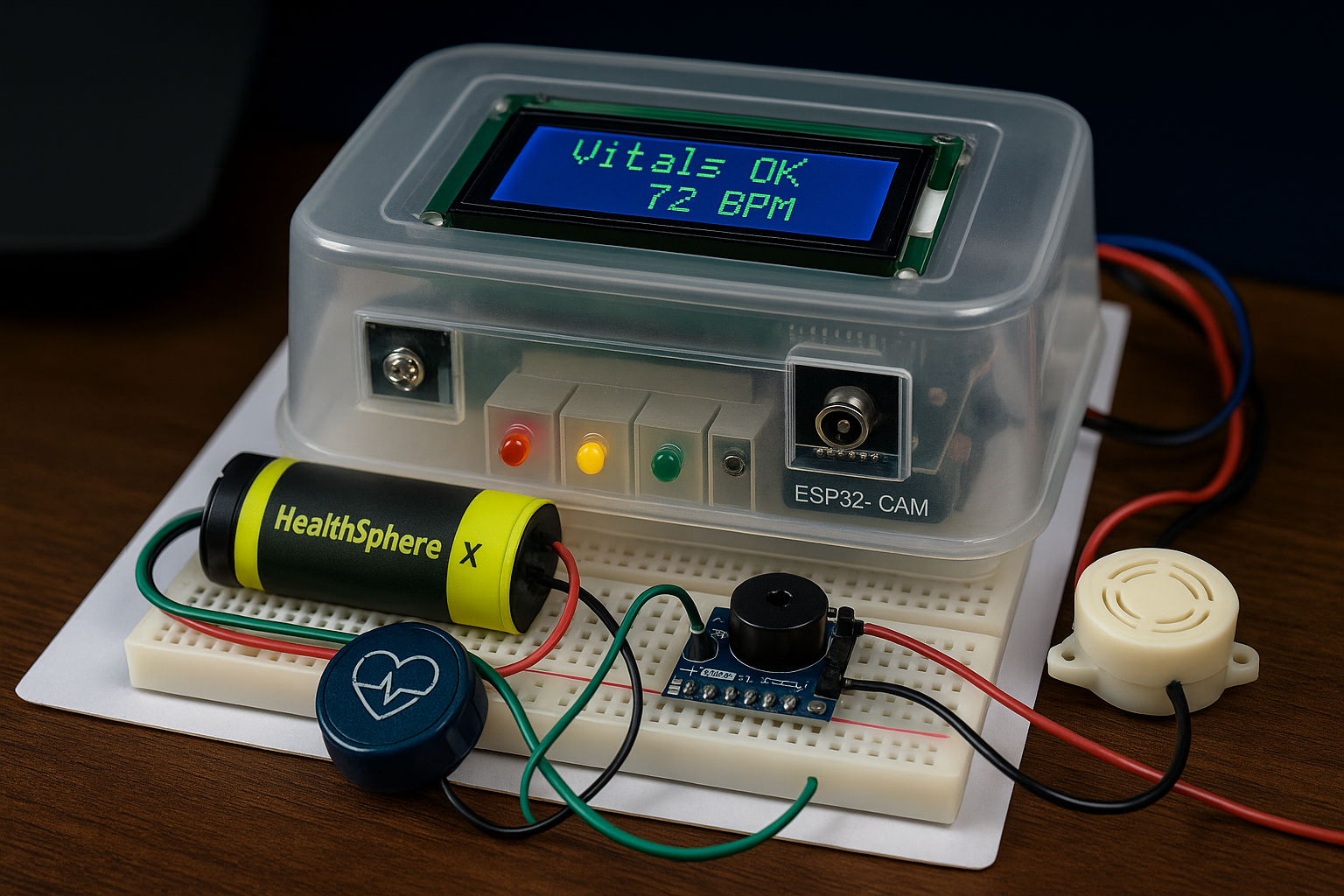
Inspiration
In many underserved communities across Africa, access to basic healthcare remains a luxury. People rely on expired medicine, delay treatment due to cost or distance, and often misjudge the seriousness of symptoms — leading to preventable deaths.
We wanted to solve this. We imagined a simple, portable, and intelligent tool that could predict health issues early, recommend helpful actions, and potentially save lives — all without needing a doctor.
The name HealthSphere X was born from that vision:
- "HealthSphere" represents a protective bubble of care and diagnostics
- The "X" signifies the variable we all seek to solve in health access
> But now — we no longer need to "solve for X"...
>
> We’ve found it.
>
> HealthSphere X is the answer.
What it does
HealthSphere X is a low-power AI-powered diagnostic and first-aid assistant. It runs on an ESP32 microcontroller and is designed to work offline, without internet, and without a doctor.
Here’s what it can do:
🧠 Predict key vitals like:
- Temperature
- Blood Pressure
- Heart Rate
- Respiration Rate
using only basic inputs like age, gender, and symptoms.
🚑 Flag abnormal readings and map them to potential illnesses
💊 Recommend first-aid actions and treatment prompts based on condition
🆘 Trigger emergency alerts or escalation (planned)
🔒 Store user records locally for future care decisions
This makes HealthSphere X ideal for rural clinics, schools, homes, and emergency responders with no access to diagnostic infrastructure.
How we built it
We used a blend of hardware, AI, and UX simulation tools:
ESP32microcontroller for edge computingPython(pandas, scikit-learn) for data preprocessing and ML pipelines- Custom
CSVtraining data derived from real + simulated health metrics - UI/UX simulation using
FigmaandWokwi - Inference logic stored and routed through
predict.pyand modular AI scripts
We designed the AI logic to predict vitals and map those to likely illnesses using conditional logic and trained models — all lightweight enough for edge deployment.
Challenges we ran into
- ⚙️ Simulating edge-device logic without hardware access
- 🔐 Data was limited and needed to be realistic but safe (no PII)
- 🧠 AI model had to be small, interpretable, and low-latency
- 📶 No internet/cloud assumptions — must work offline!
- 🕹️ Designing interfaces that anyone, anywhere, could understand
Yet we pushed forward, adapting and simulating intelligently. We now have a working model pipeline and a deployable logic system — with real hardware integration coming next.
Accomplishments that we're proud of
- ✅ Built a full diagnostic + treatment pipeline without physical sensors
- ✅ Developed an AI logic layer that maps symptoms to vitals to illness to aid
- ✅ Created a fully structured, GitHub-ready project with docs, folders, and code
- ✅ Simulated real-world hardware behavior using open-source tools
- ✅ Used real + synthetic datasets to train a predictive model without overfitting
- ✅ Did all this under limited time and infrastructure
What we learned
- Even limited data can be useful — if structured correctly
- AI doesn’t have to be big to be impactful
- Designing for real-world African environments means thinking offline, low-power, and non-doctor dependent
- The best solutions are simple, scalable, and smart
What's next for HealthsphereX
- Integrate hardware sensors for real-time vitals
- Build camera-based injury detection using computer vision
- Add support for offline data sync and escalation via SMS
- Expand multilingual support for voice/visual instructions
Technical Implementation and Performance
HealthSphereX is built to operate fully offline using an ESP32-based microcontroller, ensuring compatibility with rural and resource-constrained regions. The AI model is trained using scikit-learn and exported for edge inference. While currently simulated in a Python environment, we designed the system with deployment to ESP32 in mind, considering the board’s ~4MB flash and 520KB SRAM.
The illness prediction model is lightweight (<150KB after optimization), enabling real-time classification of vitals (heart rate, blood pressure, temperature, etc.) collected via low-cost analog sensors. Power consumption is minimized by running inference only upon user input, with sleep mode active otherwise.
Integration tests were conducted via Wokwi and local simulation using virtual serial data to replicate real-world inputs. Processing time per inference is <0.2s, and memory usage stays under 30% of available SRAM.
Built With
- ai
- csv
- esp32
- figma
- github
- inference
- logic
- markdown
- model
- pandas
- python
- scikit-learn
- wokwi


Log in or sign up for Devpost to join the conversation.