About the project
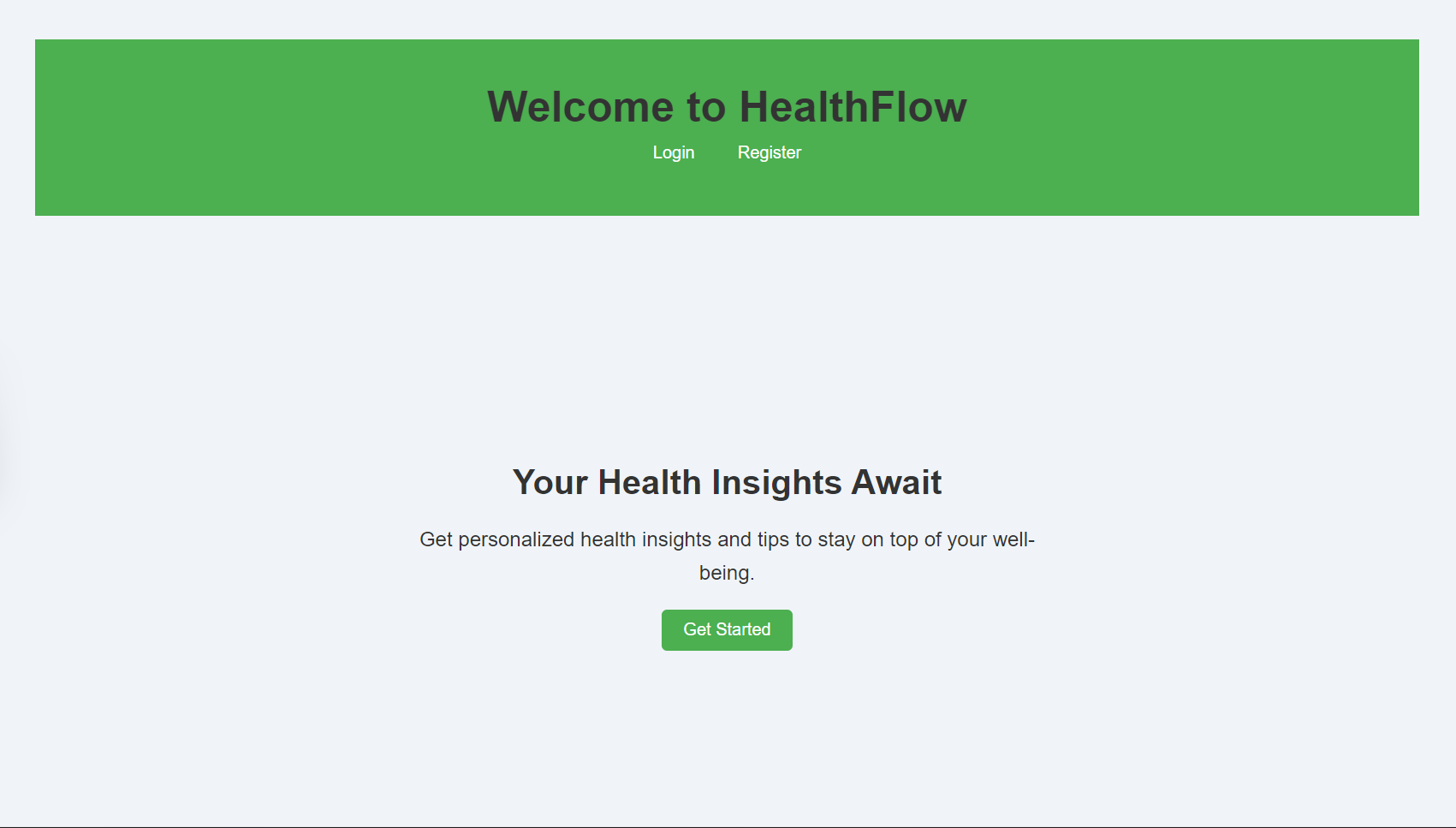
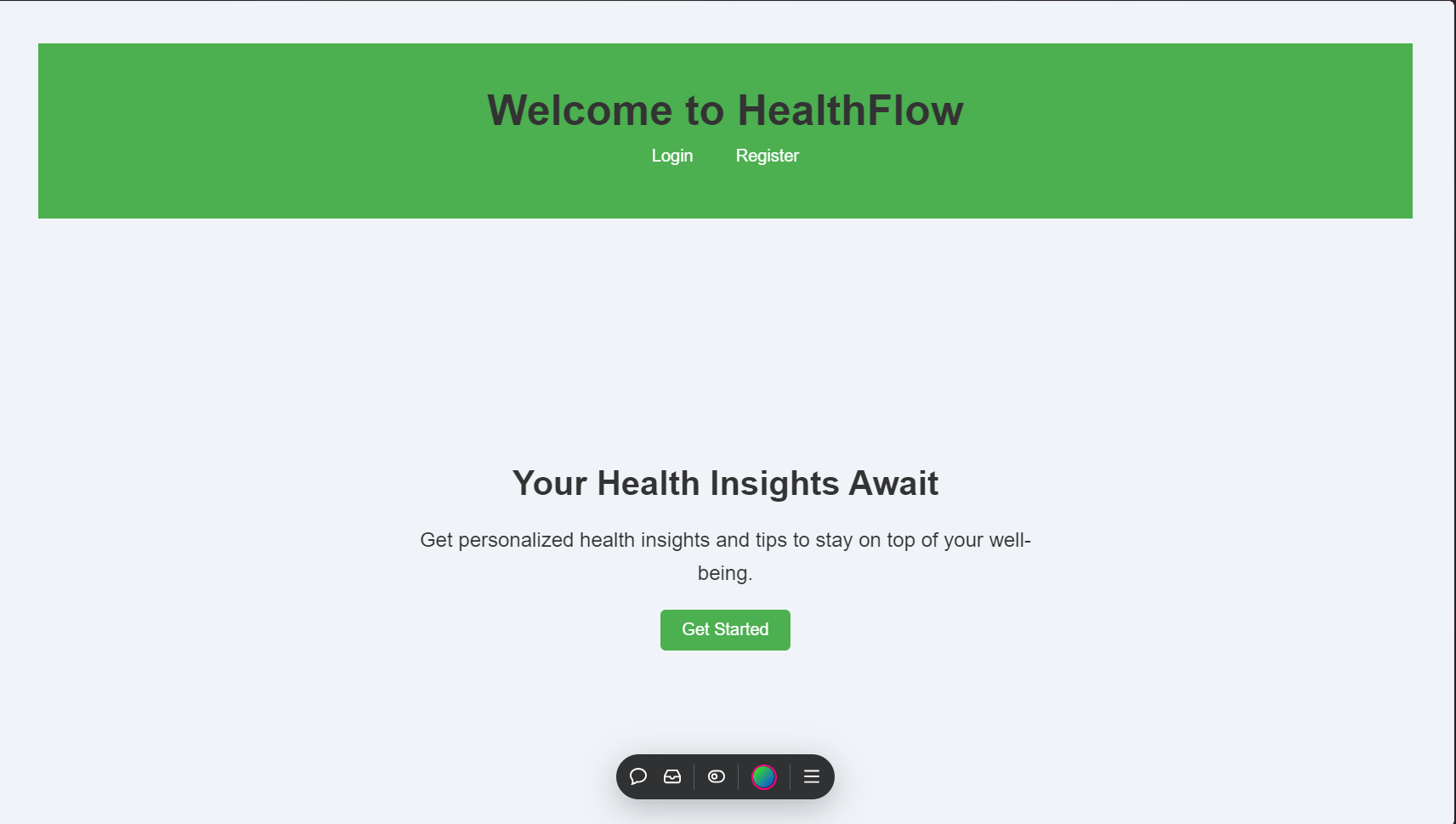
HealthFlow was born out of a simple yet powerful idea: empowering individuals to take control of their health through easy-to-use technology. As a team of developers passionate about healthcare and technology, we set out to create a tool that could make a real difference in people's lives.
Inspiration
Our inspiration came from personal experiences and observations. We noticed how challenging it can be for people to keep track of their health symptoms, medications, and overall well-being. Many existing solutions were either too complex or didn't provide actionable insights. We wanted to change that.
What we learned
This project was a journey of discovery. We delved deep into the intersection of healthcare and technology, learning about:
- The importance of user-centric design in health applications
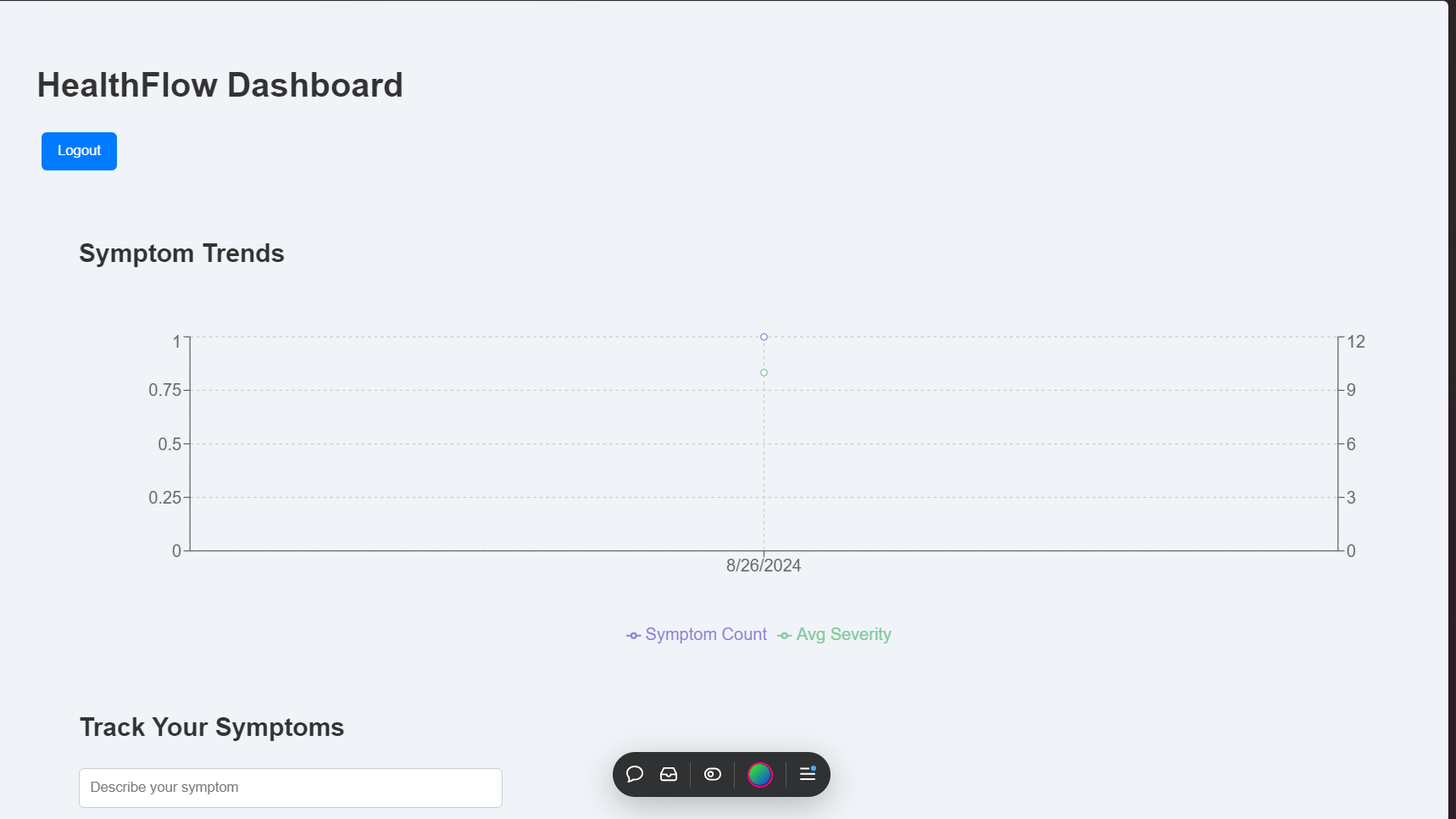
- The power of data visualization in helping users understand their health trends
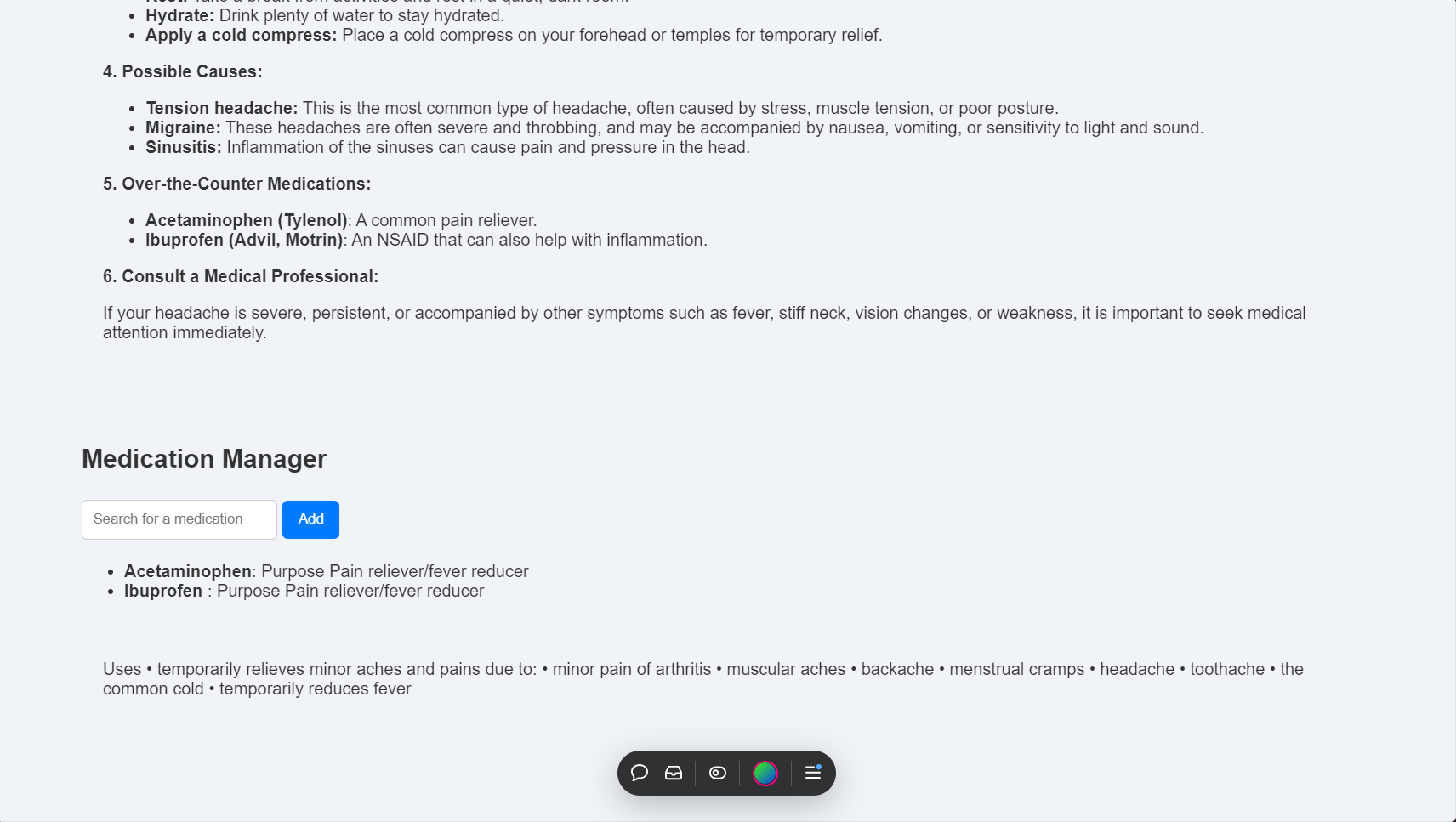
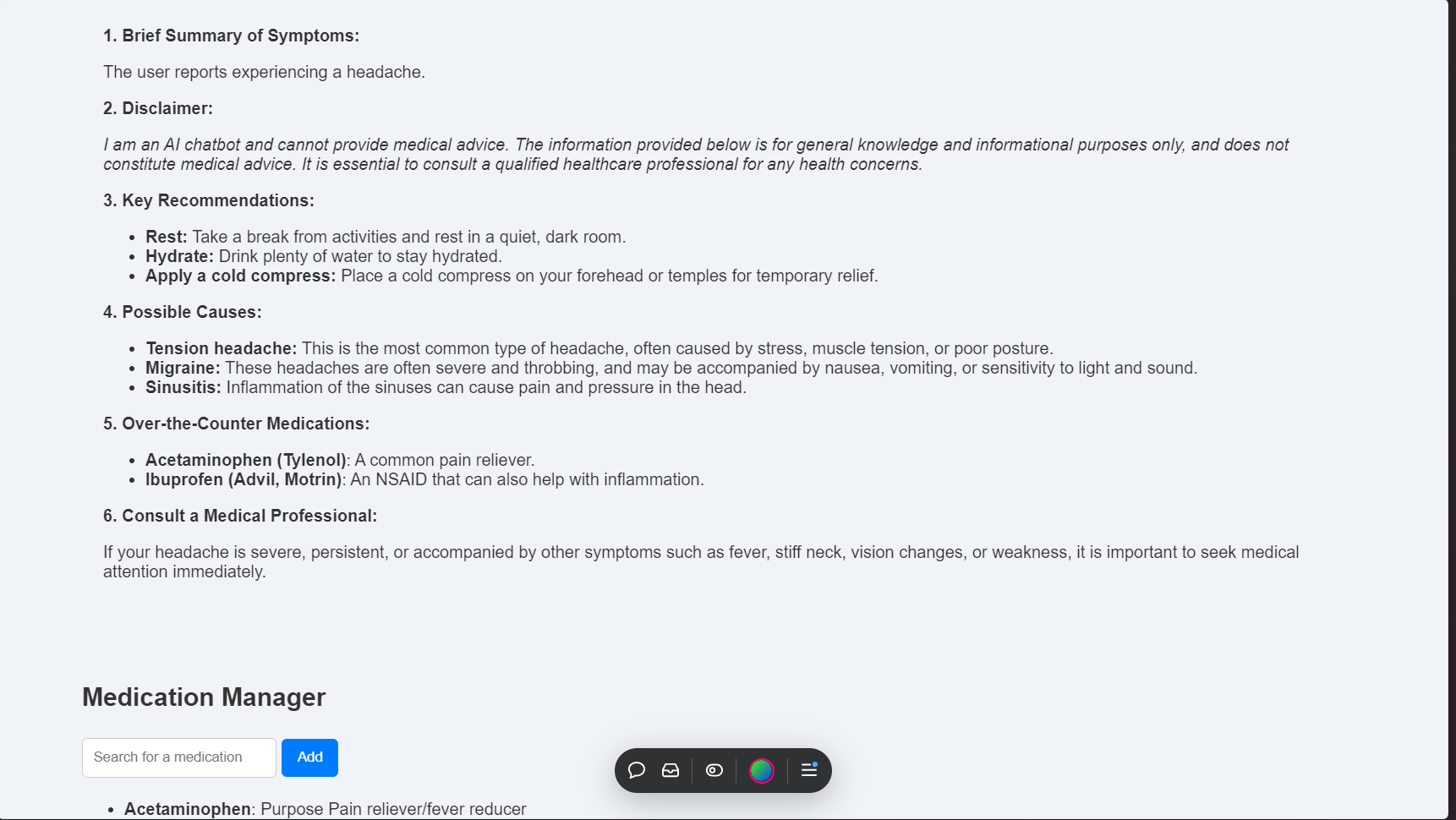
- The potential of AI in providing personalized health insights
- The critical nature of data privacy and security in health tech
How we built it
We built HealthFlow using a modern tech stack:
Frontend: We used React.js to create a responsive and intuitive user interface. React's component-based architecture allowed us to build reusable UI elements, making our development process more efficient.
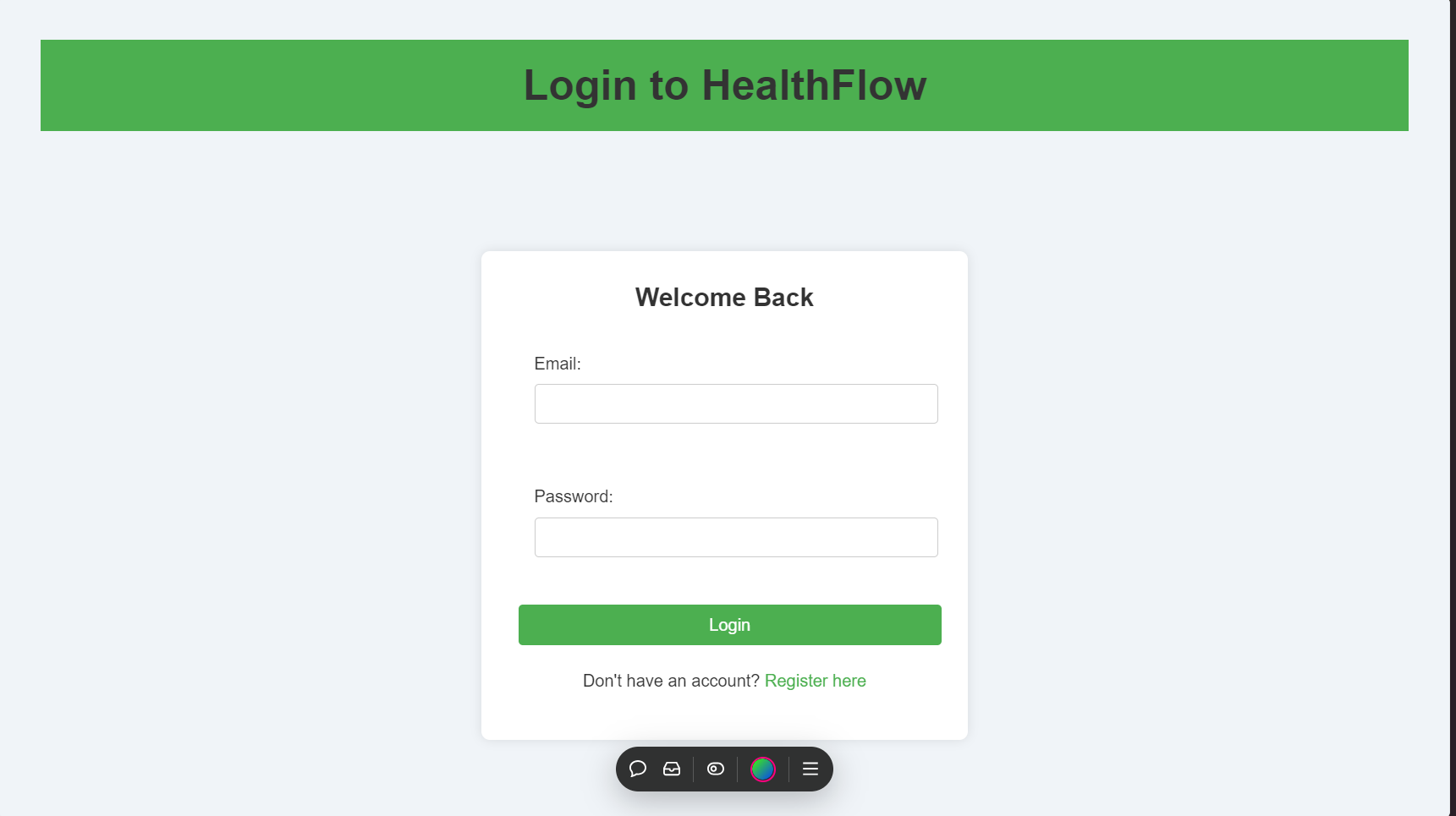
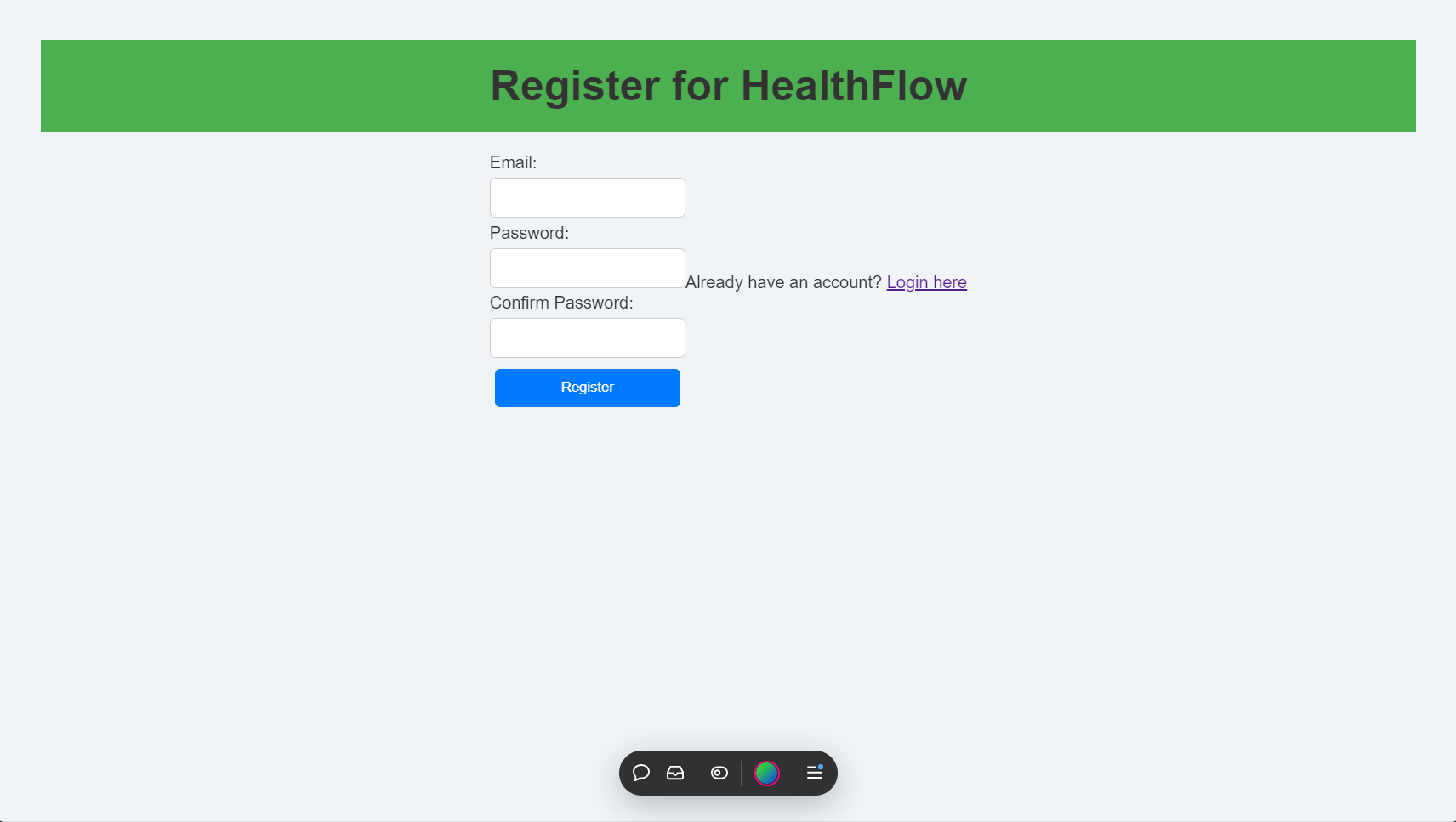
Authentication: We implemented user authentication using Firebase, ensuring secure access to personal health data.
Routing: React Router was used to create a seamless, single-page application experience.
Styling: We used CSS3 with a focus on creating a clean, accessible design that's easy on the eyes and simple to navigate.
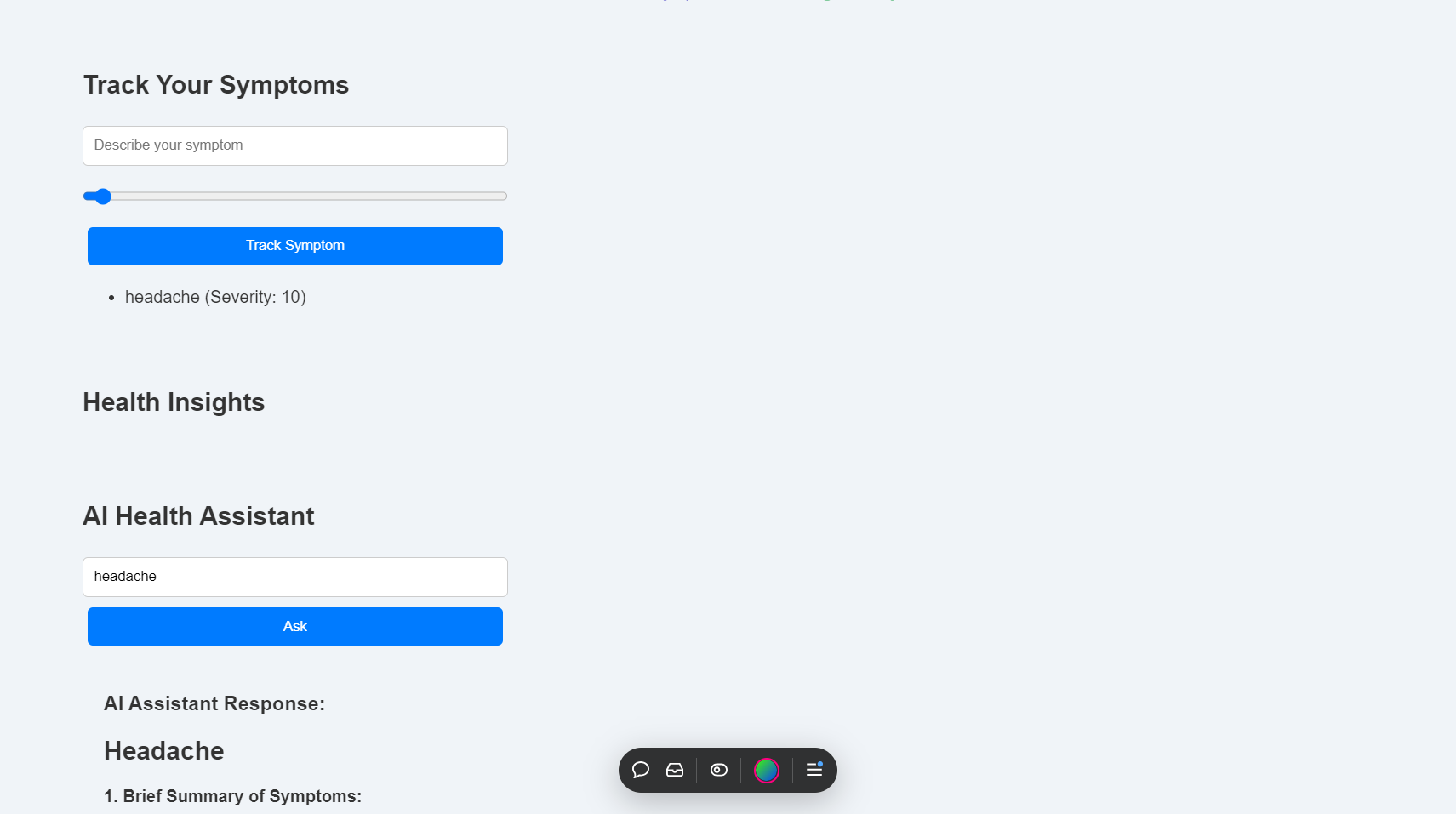
Health Insights: We integrated with a machine learning API to provide personalized health insights based on user-inputted data.
Challenges we faced
Building HealthFlow came with its share of challenges:
Data Privacy: Ensuring the security and privacy of user health data was our top priority. We had to carefully design our data storage and transmission processes to comply with health data regulations.
User Experience: Creating an interface that was both informative and easy to use required multiple iterations and user feedback sessions.
Insight Generation: Developing an algorithm to provide meaningful health insights based on user data was complex. We had to balance between providing useful information and avoiding any semblance of medical diagnosis.
Performance Optimization: As we added more features, we had to work on optimizing the app's performance to ensure a smooth user experience, especially on mobile devices.
Despite these challenges, we're proud of what we've accomplished. HealthFlow is more than just an app – it's a step towards a future where everyone has the tools they need to understand and improve their health.
We're excited to continue developing HealthFlow, adding new features and refining existing ones based on user feedback. Our goal is to make health management not just easy, but engaging and empowering for everyone.

Log in or sign up for Devpost to join the conversation.