-
ethereum
Inspiration
The healthcare industry faces significant challenges in managing and sharing medical records. Patients often lack easy access to their health data, hospitals operate on fragmented systems that don't communicate effectively, and security breaches put sensitive patient information at risk. Inspired by these challenges, HealthChain was created to provide a decentralized, secure, and patient-controlled medical record-sharing system. By leveraging blockchain technology, HealthChain ensures data integrity, transparency, and privacy, empowering patients to control who can access their records while enabling doctors and hospitals to retrieve accurate and up-to-date patient history in a secure manner.
What it does
HealthChain is a blockchain-based medical record-sharing platform that allows patients, doctors, and hospitals to securely store, access, and share medical records. It provides:
- Patient-Centric Control: Patients can grant or revoke access to their medical records with a single tap.
- Secure & Private Storage: Medical data is encrypted and stored using IPFS (InterPlanetary File System), with only content hashes stored on the blockchain.
- Decentralized Access Management: Using smart contracts, HealthChain enforces access control, ensuring only authorized healthcare providers can view patient records.
- Privacy-Preserving Technology: Implementing zk-SNARKs allows verification of medical information without exposing sensitive data.
- Efficient & Scalable Transactions: To overcome high Ethereum gas fees, HealthChain integrates Layer 2 solutions like Polygon and Optimism.
How we built it
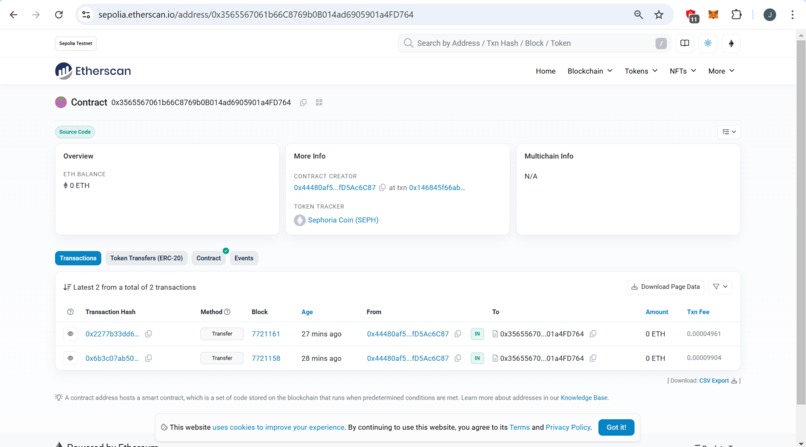
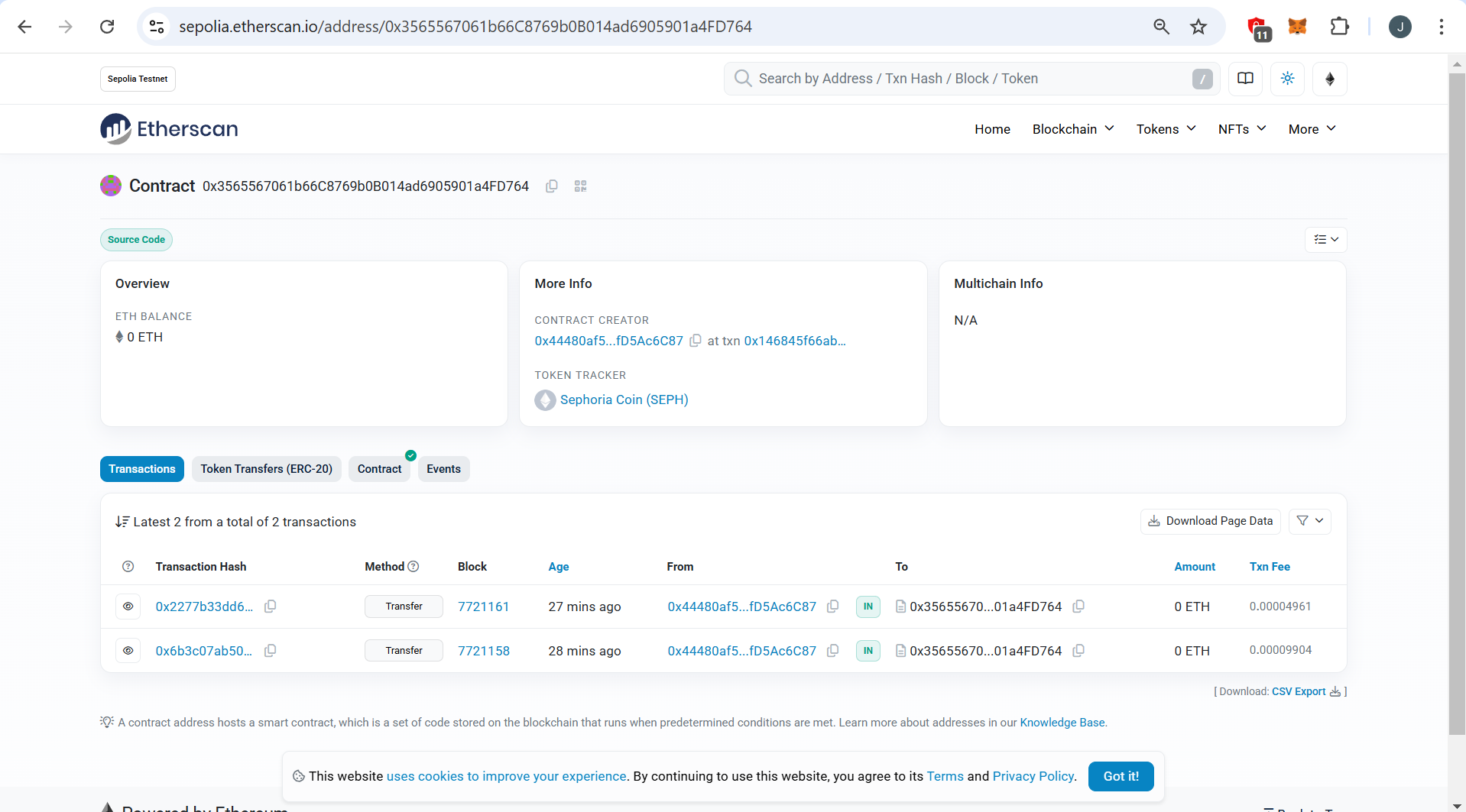
Blockchain: Developed and deployed Ethereum smart contracts to manage access control.
- Storage: Used IPFS for decentralized medical record storage with encryption.
- Privacy: Integrated zk-SNARKs for privacy-preserving data verification.
- Frontend: Built a web-based dashboard using Web3.js/Ethers.js for seamless interaction.
- Authentication: Implemented Ethereum wallet-based login via MetaMask/WalletConnect.
- Security: Conducted smart contract security audits with tools like MythX and Slither.
Challenges we ran into
- Regulatory Compliance: Ensuring HIPAA & GDPR compliance in a decentralized system was complex and required innovative encryption and data handling techniques.
- High Gas Fees: Ethereum’s transaction costs were high, leading us to explore Layer 2 scaling solutions like Polygon and Optimism.
- Data Storage Limitations: Since blockchains cannot store large medical files, we utilized IPFS with encryption to securely store and share medical records.
- User Adoption & Accessibility: Designing a simple and intuitive UI was crucial for making blockchain-based medical records accessible to non-tech users.
Accomplishments that we're proud of
- Developing a working prototype that allows patients to manage their medical records securely.
- Successfully implementing zk-SNARKs, ensuring privacy-preserving access control.
- Integrating Ethereum and IPFS, solving the problem of decentralized storage.
- Ensuring compliance by designing our system in a way that aligns with HIPAA & GDPR.
- Building a user-friendly dashboard that even non-technical users can navigate easily.
- Optimizing for lower gas fees by considering Layer 2 solutions like Polygon and Optimism.
What we learned
Throughout this project, we gained valuable insights into:
- Blockchain technology and its real-world applications in healthcare.
- Regulatory compliance, particularly HIPAA (USA) and GDPR (EU), which influence data privacy policies.
- Smart contract security to protect against unauthorized access and vulnerabilities.
- Decentralized storage solutions like IPFS and encryption methods for sensitive health data.
- User experience (UX) considerations for designing an intuitive platform for non-technical users, such as patients and doctors.
What's next for HealthChain: Decentralized Medical Records
Multi-Chain Expansion: Support for additional blockchain networks like Polkadot and Solana.
- AI-Powered Health Insights: Implement AI-driven analytics for predictive health monitoring.
- Mobile App Integration: Enhance accessibility by developing a mobile-friendly version.
Built With
- ethereum
- ethers.js
- express.js
- ganache
- hardhat
- htmlcss
- infura
- ipfs
- javascript
- metamask
- node.js
- react
- solidity
- truffle
- verce
- web3.js
- zk-snarks


Log in or sign up for Devpost to join the conversation.