-
-
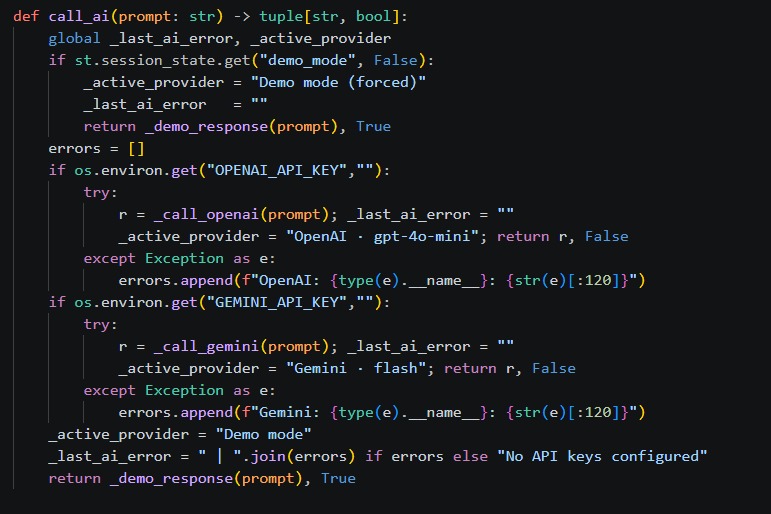
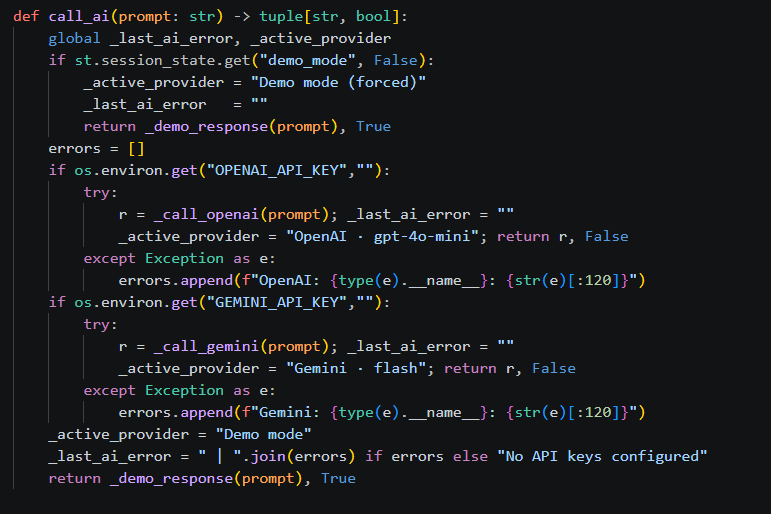
Shows the core part of our project's code
-
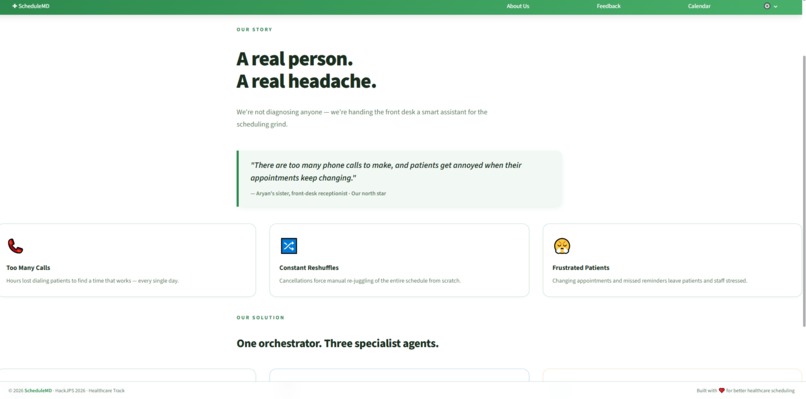
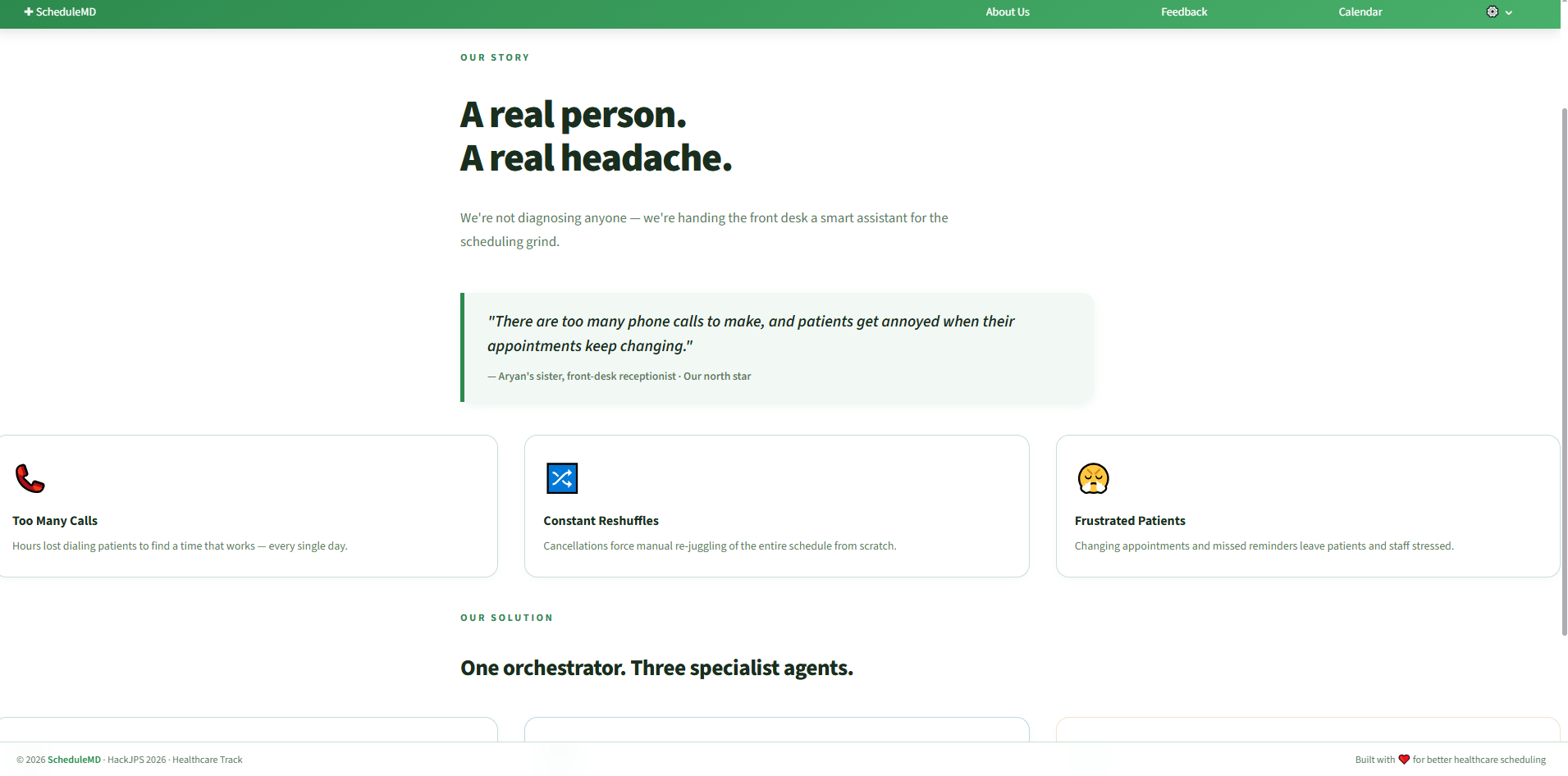
The mission of our app
-
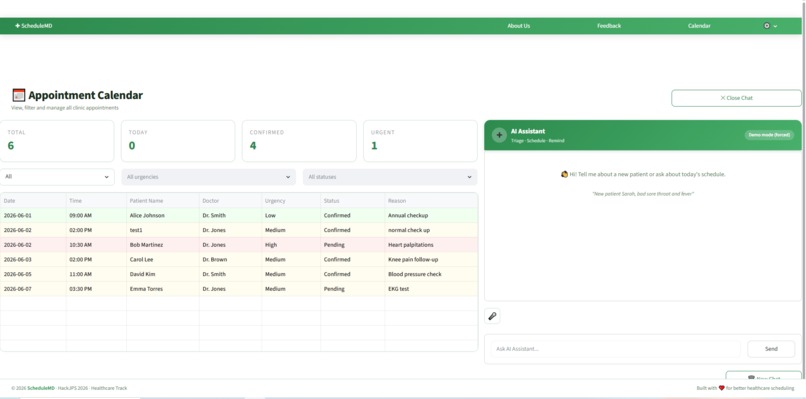
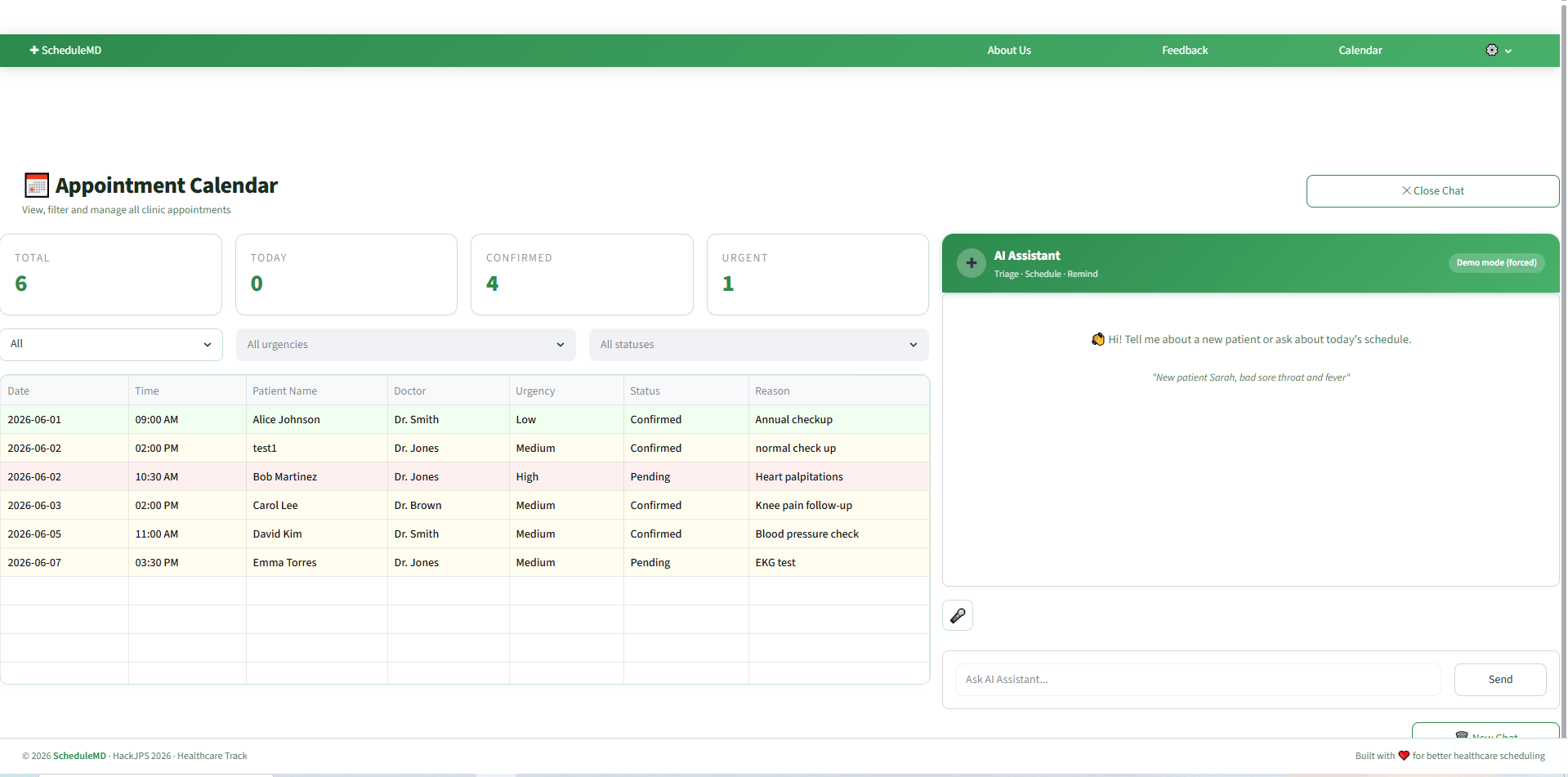
The scheduling section of our app
-
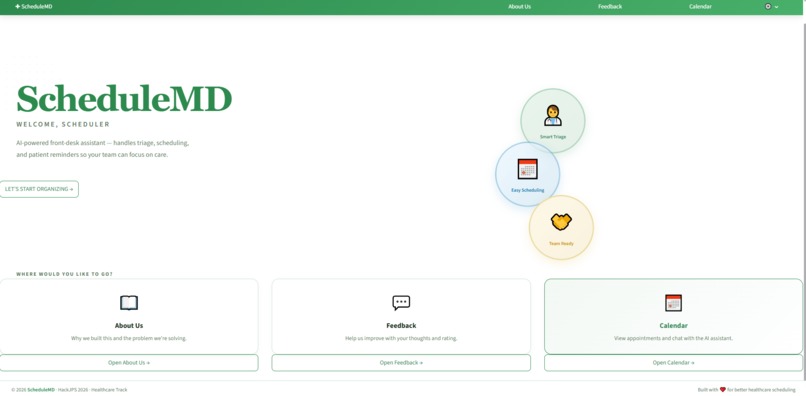
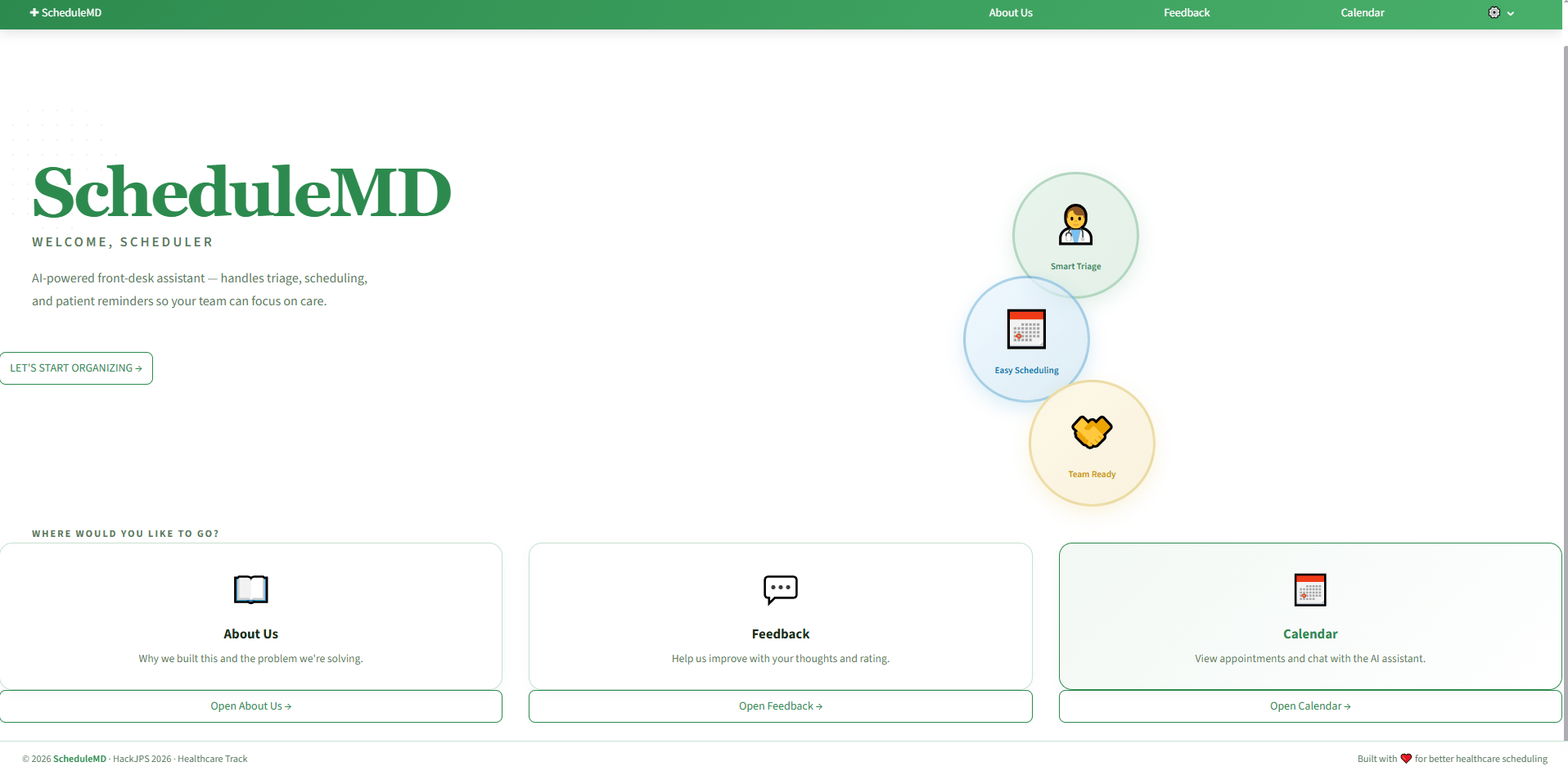
The front page of our app
-
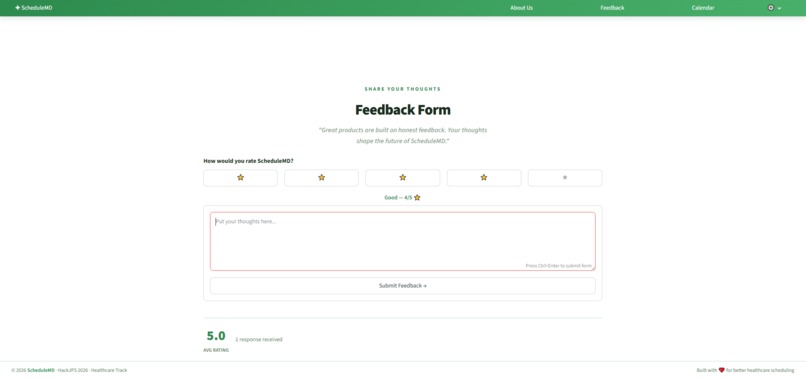
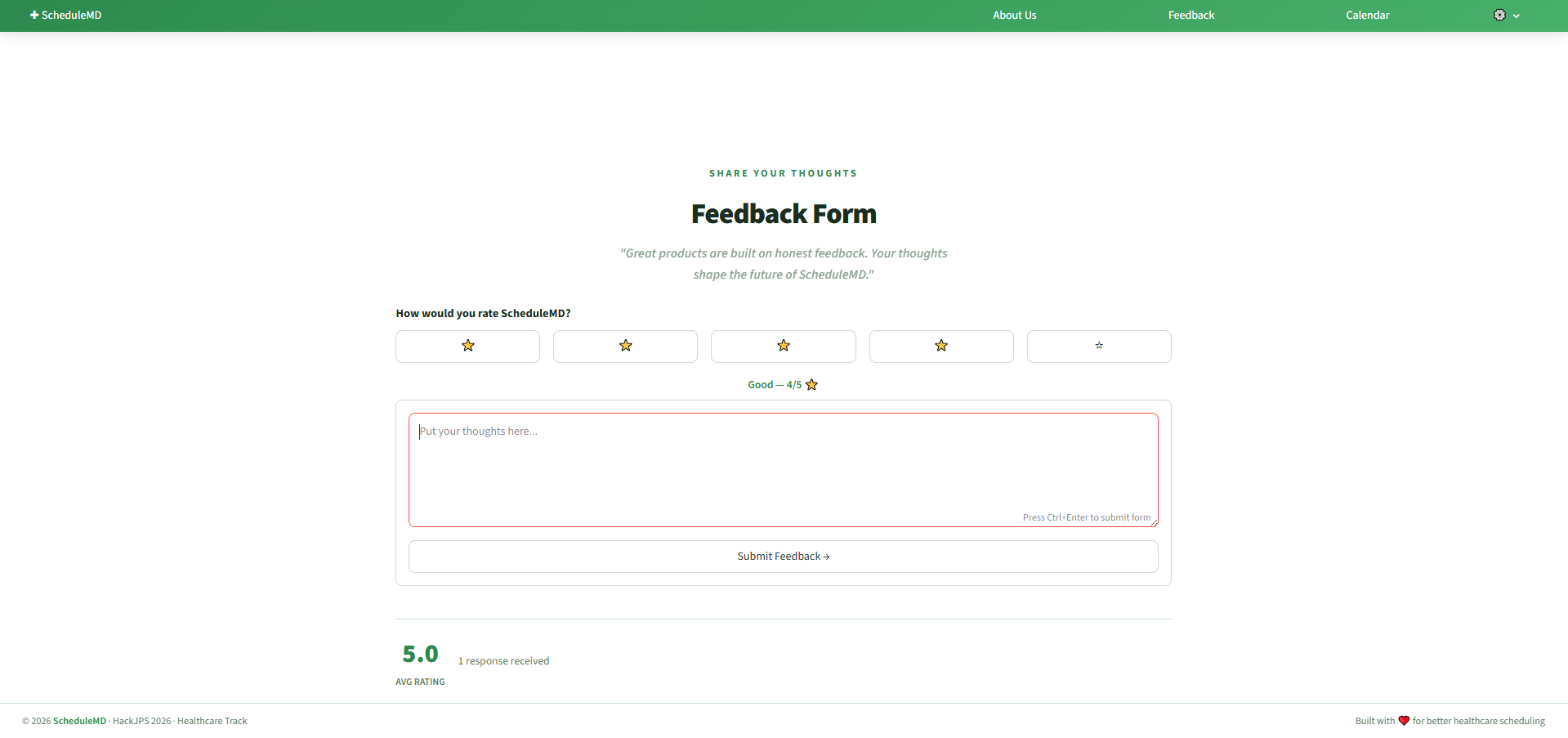
The feedback page of our app
Inspiration
We drew inspiration for our project from one of our members’ sisters, who is currently working as a receptionist at a clinic. One of the major problems she expressed was double-booking and human error.
What it does
There are three important parts that this system performs. First, it begins by checking the patient to see if the situation is critical or not. Second, it mainly handles the logistics, meaning searching for information and assisting in scheduling appointments. Third, it ensures sending reminders to the patient for their appointments.
How we built it
We used Claude Op. 4.8 as our main AI model that helped us as our thinking partner. Claude played an important role in assisting us in tackling the problems we faced through this project. We began to build the project on Replit, but later moved to Visual Studio Code for advanced tools. Overall, Claude played an important role in both the front and back end of the project, cleaning up bugs and making the code itself work properly.
Challenges we ran into
One of the major challenges we faced was implementing a free API with no limitations. Gemini’s API was free, but we were limited to only 15 messages per minute, which, of course, wouldn’t work on a larger scale. To combat this, we implemented 2 APIs, one for OpenAI and one for Gemini; the program will switch between these based on which is working, following the hierarchy of OpenAI, then Gemini.is working at the current moment. This would allow our app to at least support a small number of users at the same time.
Accomplishments that we're proud of
One of the accomplishments that we’re proud of is implementing agentic architecture, where we constructed a system involving a 3-step process (Triage, Scheduling, and communication) all under a single orchestrator/AI that figures out what the user needs to get done. The website involves using difficult tasks, such as scheduling or connecting with patients, without any struggle.
What we learned
We learned that AI could assist in providing accurate statistics to analyze past appointment data and also find patterns in cancellations. Moreover, AI can be effectively used to build reminders as well as a waitlist. We learned that not only would this make work hassle-free for the receptionist, but it would also save time and reduce potential mistakes.
What's next for Healthcare
Healthcare is moving toward a more AI-driven system that helps clinics work faster and patients get help sooner. The next step would be the semi-automation of scheduling and follow-ups.
Built With
- gemini
- github
- openai
- python
- replit
- streamlit
- visual-studio

Log in or sign up for Devpost to join the conversation.