Inspiration
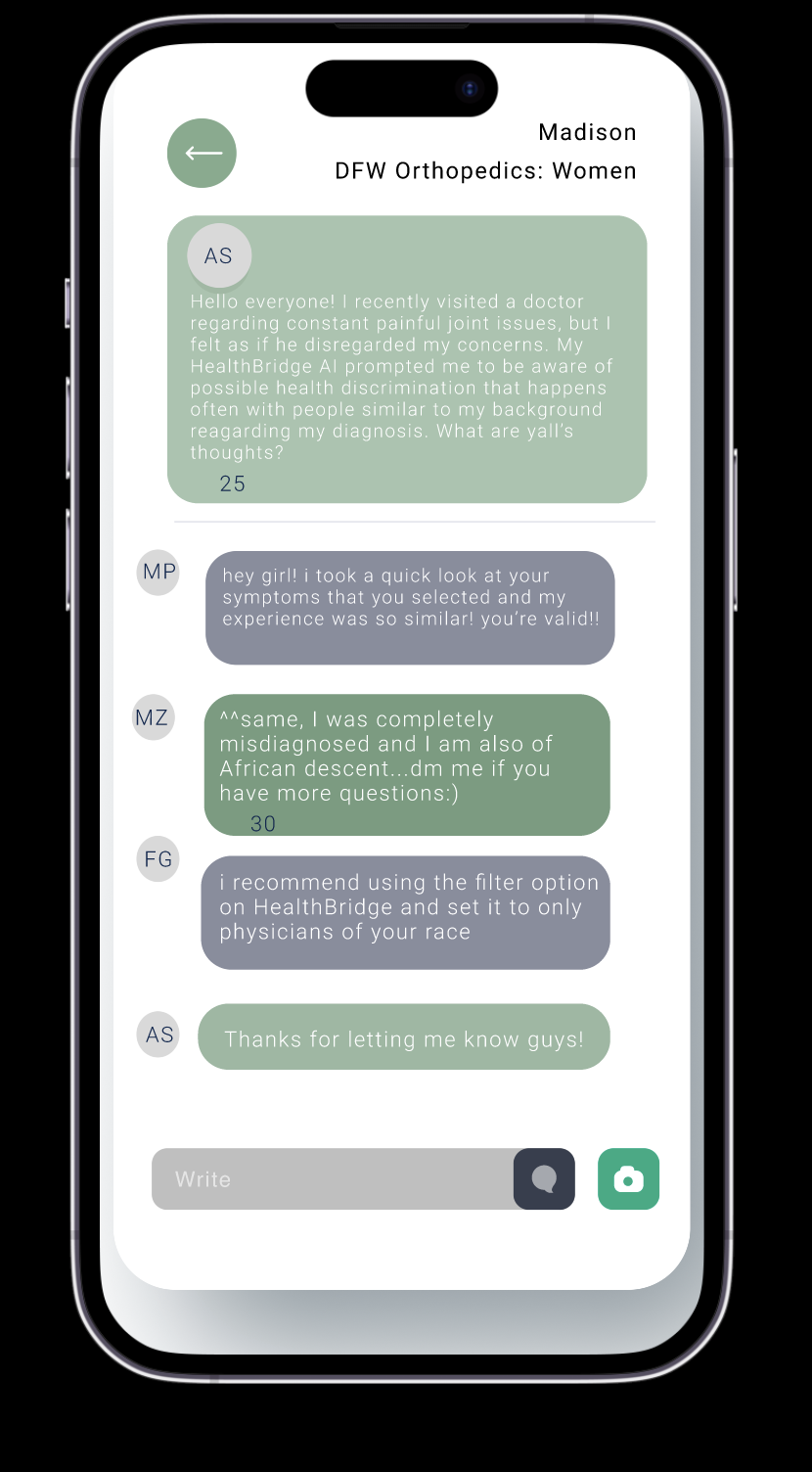
While the product market for patient portals might be concentrated, we found that there is not a universal patient portal that individuals can utilize to organize their personal information and steps of the healthcare patient process when finding and continuing their care across multiple healthcare institutions. However, in creating HealthBridge, we also aimed to focus on tackling healthcare inequities, from race to social and economic disparities. We wanted to bridge the gap between patients and providers, and each individual.
What it does
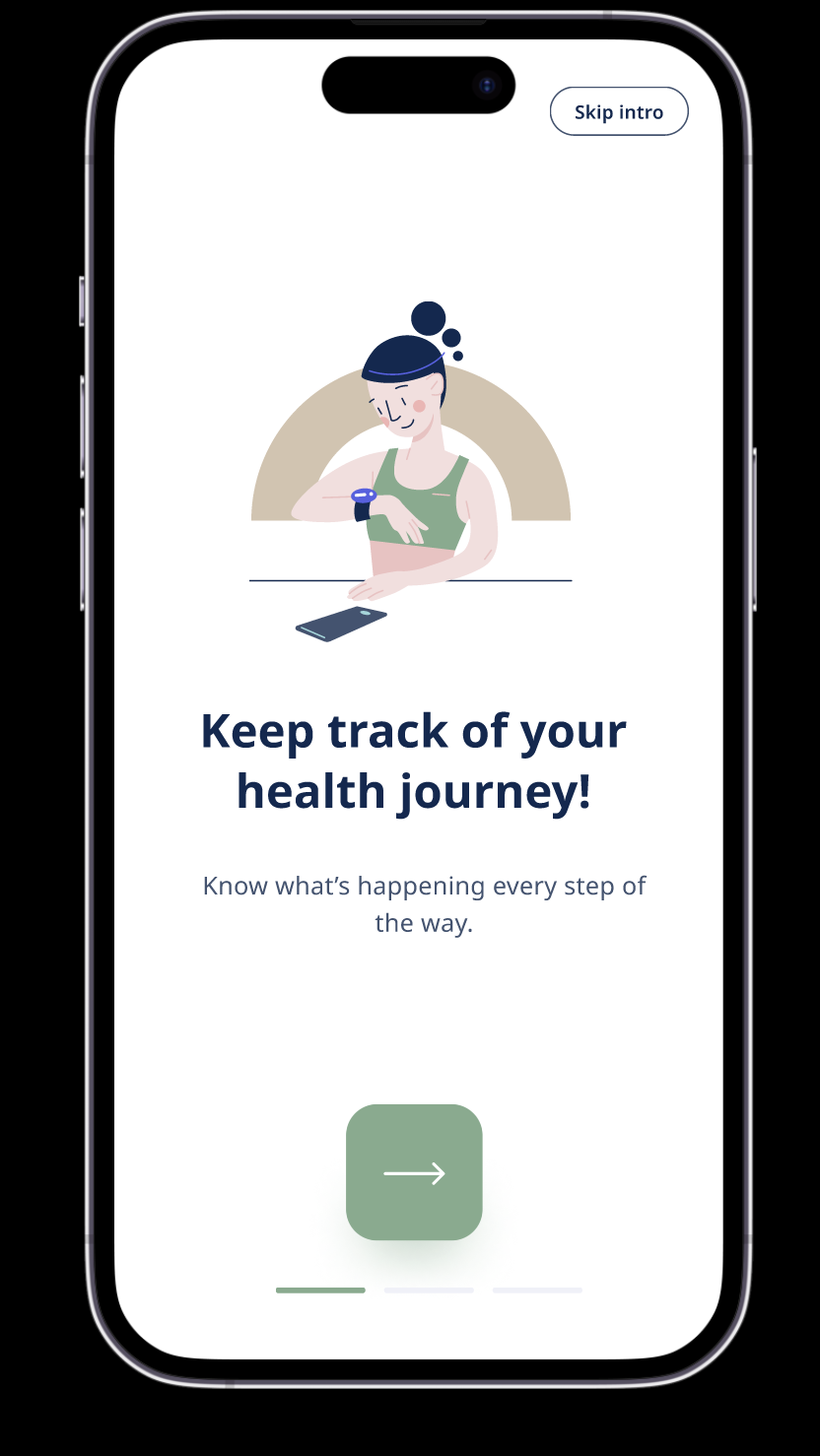
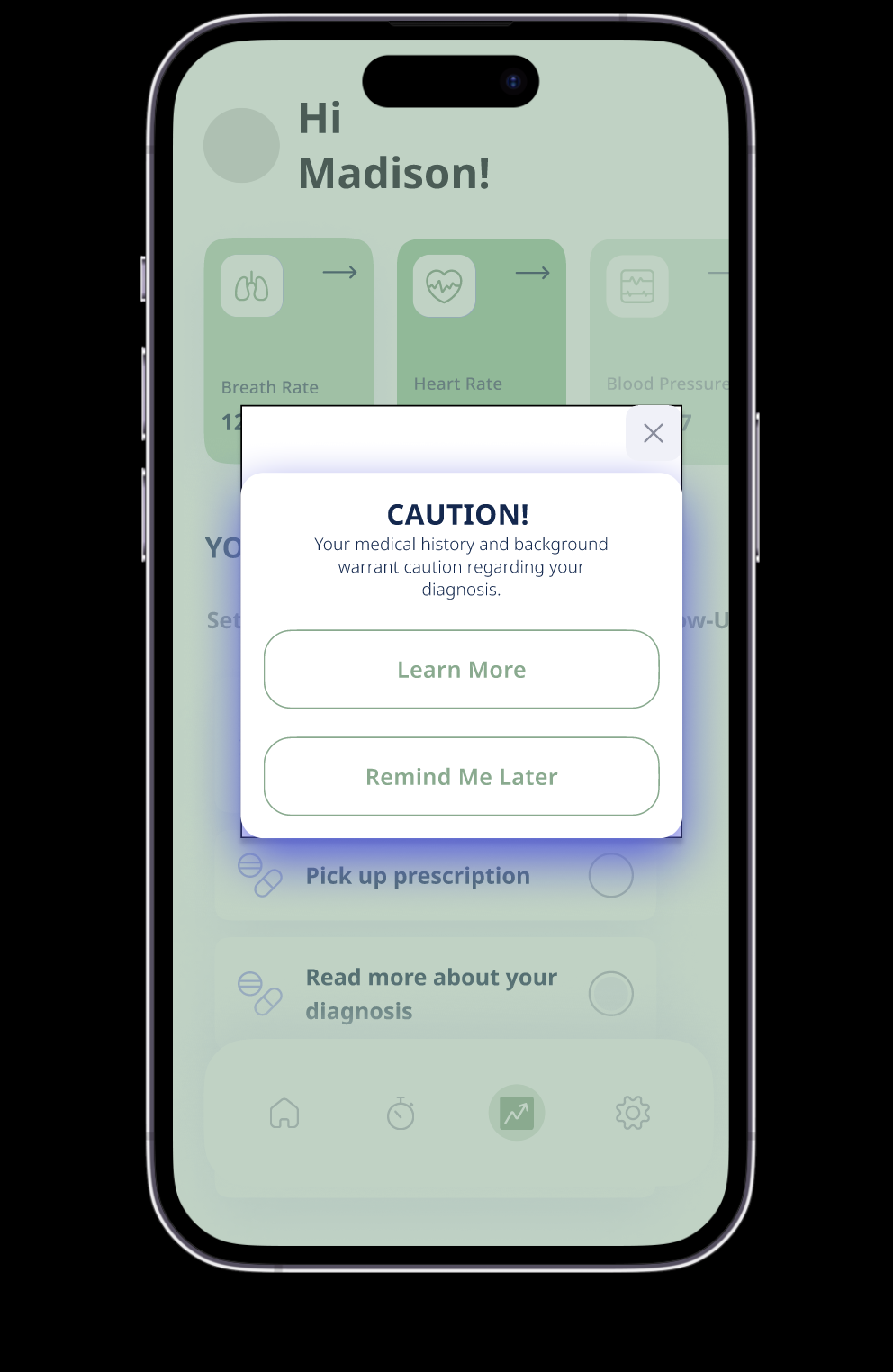
First once you open the app it gives you a little introduction on what our app does and then opens a page where you can link your email to your account, which then opens up a personalized home page for the user. Your health journey opens up smart widgets that link you to your health diagnostics, which open up your blood pressure and body temperature. Finding recommended doctors, based on your health history, gives you recommended doctors of what is needed for you and who around your area you can visit.
How we built it
We used Figma for wireframing and simulated AI features on our app to replicate the experience for patients.
Challenges we ran into
We had many ideas to address healthcare disparities in the app and were not able to execute all of them to perfection with separate pages within the 24-hour window we were given at this hackathon. Being new with Figma was also an initial difficulty.
Accomplishments that we're proud of
Teamwork carried us as we covered a wide breadth of widgets within our app in these past 24 hours. We successfully collaborated with each other and came to a consensus on app features.
What we learned
We learned which elements are necessary for Figma prototypes, various healthcare disparities in different socioeconomic classes, and the application of AI and its relation with the patient experience.
Built With
- figma

Log in or sign up for Devpost to join the conversation.