Inspiration
Our team was inspired by a podcast that highlighted the frustrations people face in navigating the complex healthcare system. We saw how insurance companies make it difficult for patients to understand their coverage, rights, and true treatment costs, leading to unexpected bills. Driven by the need for transparency, we created an app that simplifies insurance jargon, provides clear coverage details, and gives users accurate out-of-pocket cost estimates. We also integrated an AI chatbot to answer questions in real-time, ensuring there are no surprises. Our goal is to empower families with accessible, straightforward information, making healthcare easier to navigate and reducing financial stress.
What it does
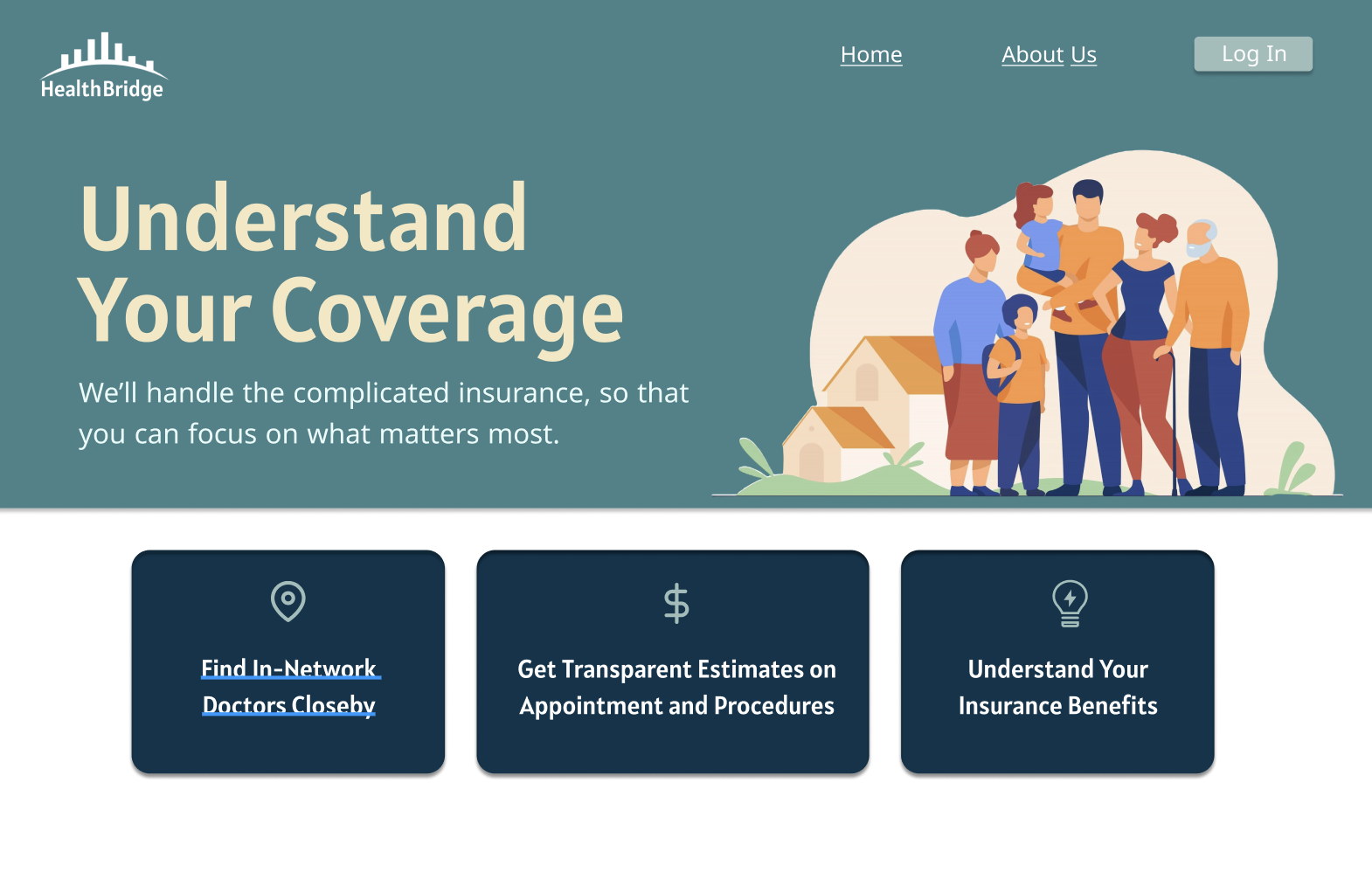
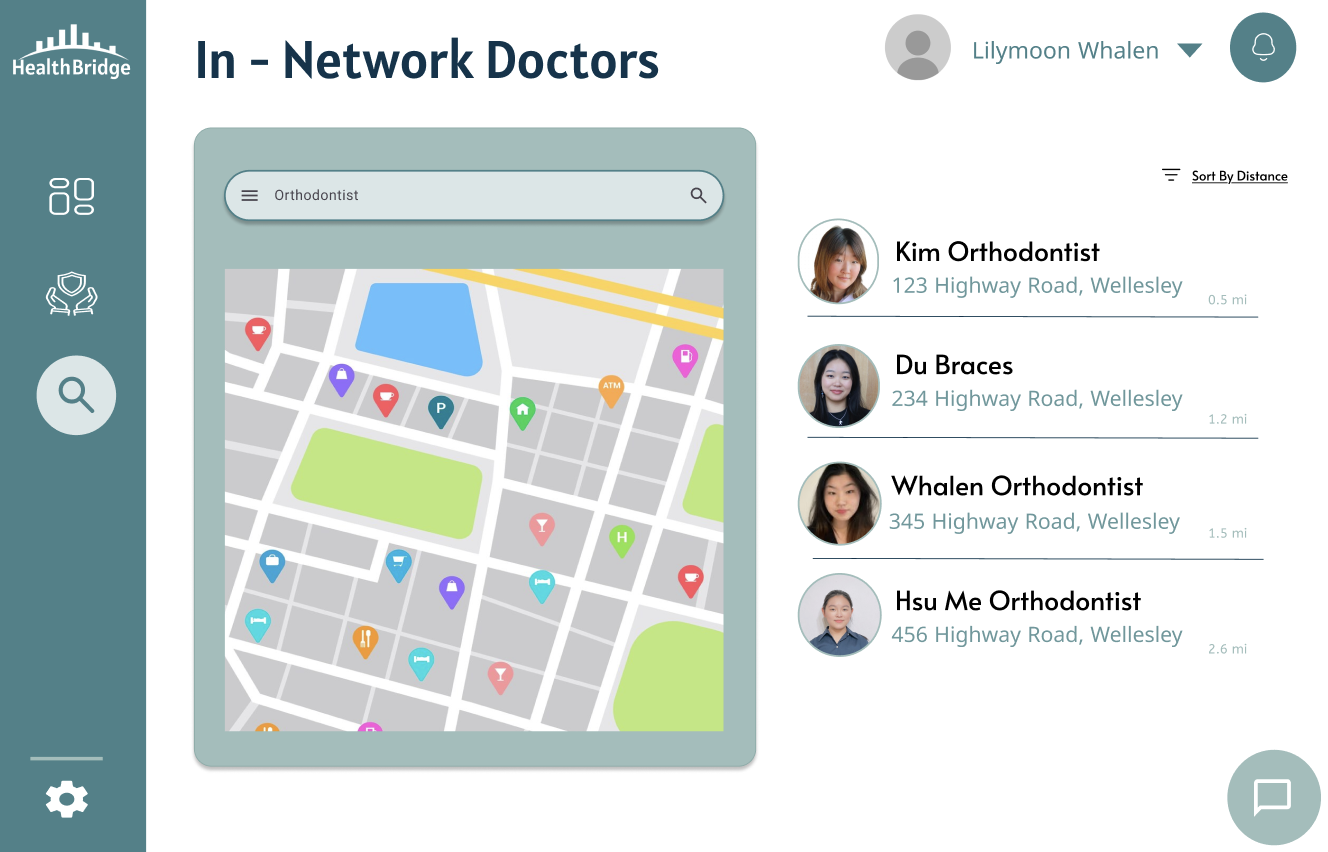
Our website offers four key functionalities to simplify the complex process of navigating health insurance. Users can upload a PDF of their insurance plan, which our system automatically scrapes to create a dashboard highlighting essential details like deductibles, co-pays, and coverage limits. We also provide a clear, easy-to-read policy page and a search function to find in-network doctors and estimate costs. Lastly, our AI chatbot helps answer questions, guide users through claims, and assist with filing or appealing denials.
The platform addresses key challenges in healthcare, such as insurance denials, with in-network denial rates ranging from 1% to 54%. Our system reduces confusion by simplifying insurance jargon and providing tools to better understand costs and claims. Unlike existing solutions, our app combines all these features into one user-friendly platform, making healthcare more accessible and less stressful for users.
Challenges we ran into
During development, we faced challenges navigating both complex insurance jargon and the technical aspects of AI integration. Many of our team members were new to insurance systems, so we had to learn how to effectively condense and present the information in a user-friendly format.
On the technical side, integrating AI proved difficult, particularly merging our Figma design with the backend. CORS restrictions delayed progress, and we faced issues getting the AI to correctly process and extract data from PDFs. While we resolved most of these challenges, there's still room for improvement in data readability and usefulness. Despite the steep learning curve, the experience has been rewarding, and we're excited to continue refining the app to better serve users.
Accomplishments that we're proud of
We’re proud of the progress we’ve made, especially overcoming initial challenges. One of our biggest accomplishments was getting the AI chatbot up and running. Despite the technical hurdles, we managed to get it up and running we are currently working on integrating it with the front end
Creating our Figma prototype was another major milestone. It was a collaborative effort to design a simple, cohesive interface that simplifies complex healthcare and insurance information. This prototype serves as a strong foundation for the app, reflecting our team’s creativity and vision.
Most importantly, we’re proud of the thought and intent behind the project. From the start, our goal has been to reduce the stress of navigating healthcare by offering clarity, transparency, and empowerment. Despite the learning curve, our passion and dedication have kept us focused on delivering a meaningful solution.
What we learned
Throughout this project, we learned a lot about the complexities of navigating the healthcare system, particularly the difficulties families face when trying to understand insurance plans and manage multiple appointments. Designing with our target audience in mind—families—was essential, which led to features like the calendar function that helps users organize appointments for different family members. We also gained hands-on experience with AI, particularly in developing a chatbot that can answer questions and guide users through claims and insurance details. Additionally, some team members had limited experience with Figma, so working on this project allowed us to improve our design skills and create a more user-friendly, accessible interface. Overall, the project was a valuable learning experience that helped us grow both technically and creatively while keeping the user’s needs at the center of our work.
What's next for HealthBridge
For HealthBridge, the next steps involve enhancing the accuracy and automation of our system. We aim to implement machine learning and computer vision techniques to better analyze and parse healthcare documents which would allow us to automate the process of extracting key data from insurance plans and more accurately populate in-network services. Additionally, we need to focus on building a robust backend, including a database to store user data securely and efficiently.
Given the sensitivity of healthcare information, security will be a top priority. We need to ensure that the data we handle is protected and that users can trust our platform with their personal details. Accuracy is also critical—we must ensure that the information we provide is reliable and not misleading, as incorrect information could worsen the user experience.
Another area for improvement is our cost estimator. We want to build functionality that flags potential gaps in cost estimates, particularly when a provider does not explicitly provide pricing information. This would encourage users to contact providers directly for updates, allowing the app to generate more accurate estimates. Ensuring the AI understands when to explain certain terms and provide external sources for clarification will also be essential for improving the user experience.
Finally, we’re looking to expand the app’s scope to include medications covered by insurance, offering a more comprehensive view of healthcare coverage. Once these updates are made, we plan to collaborate with other organizations and focus on outreach to ensure we’re reaching the families who need this tool the most.
Built With
- figma
- genai
- llama


Log in or sign up for Devpost to join the conversation.