-
-
-
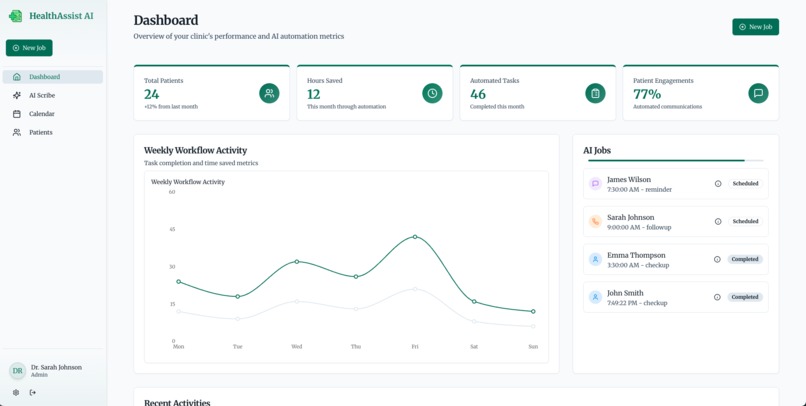
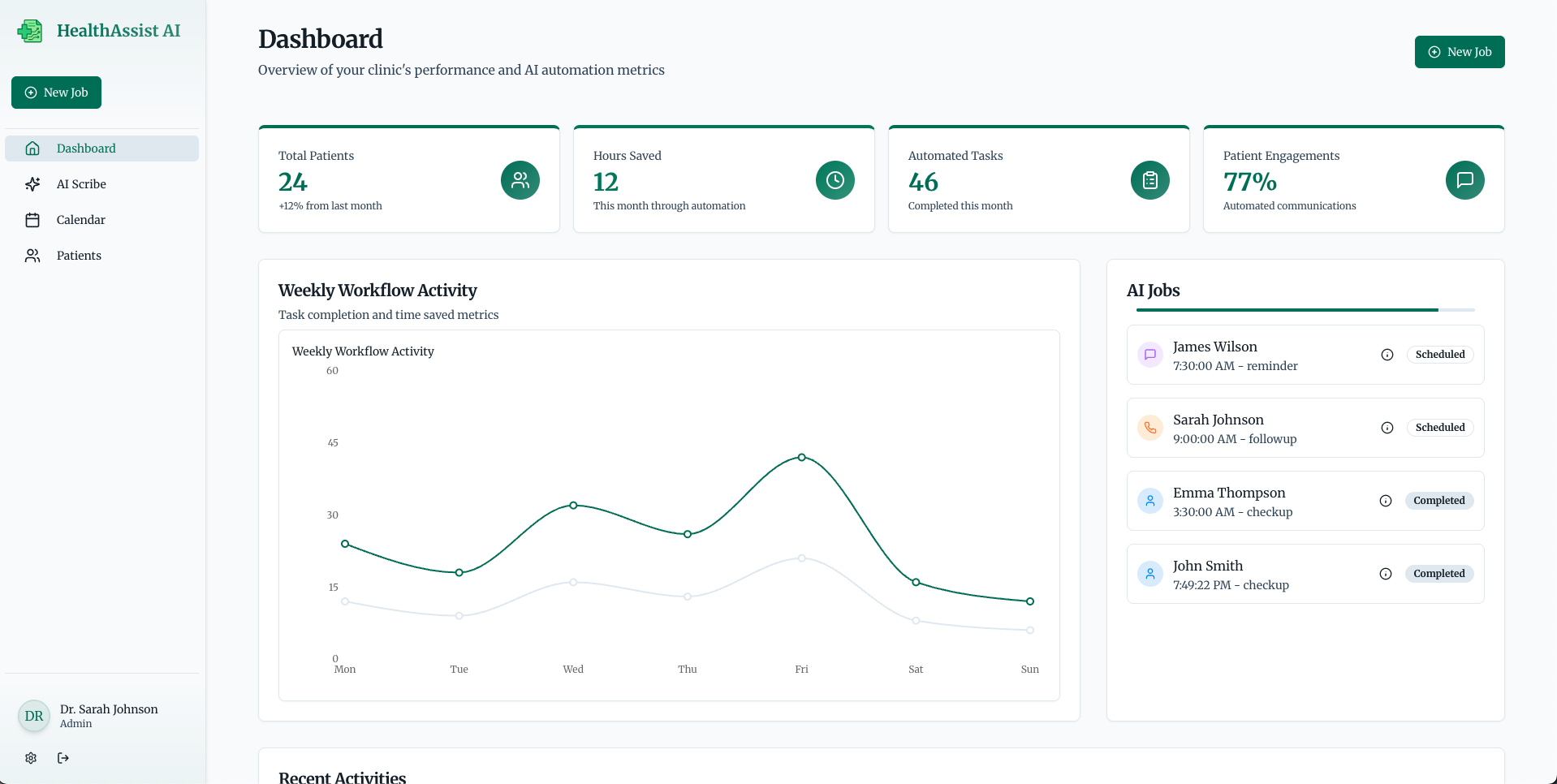
Dashboard
-
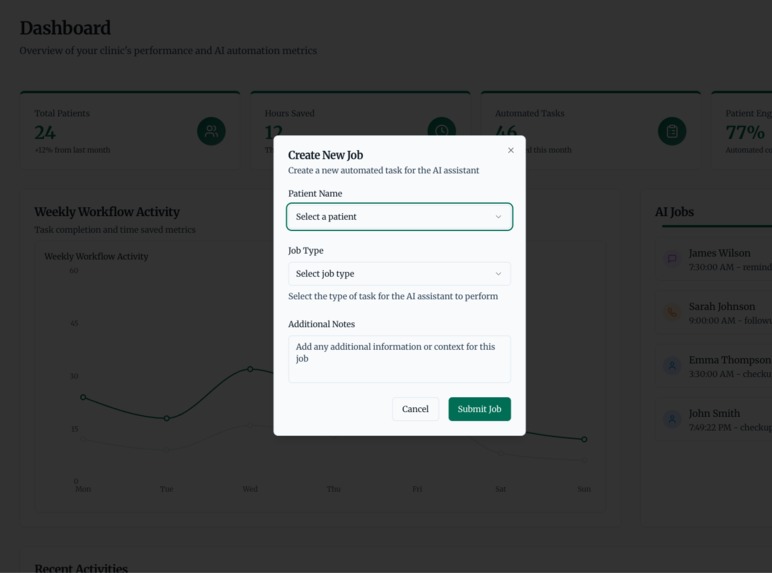
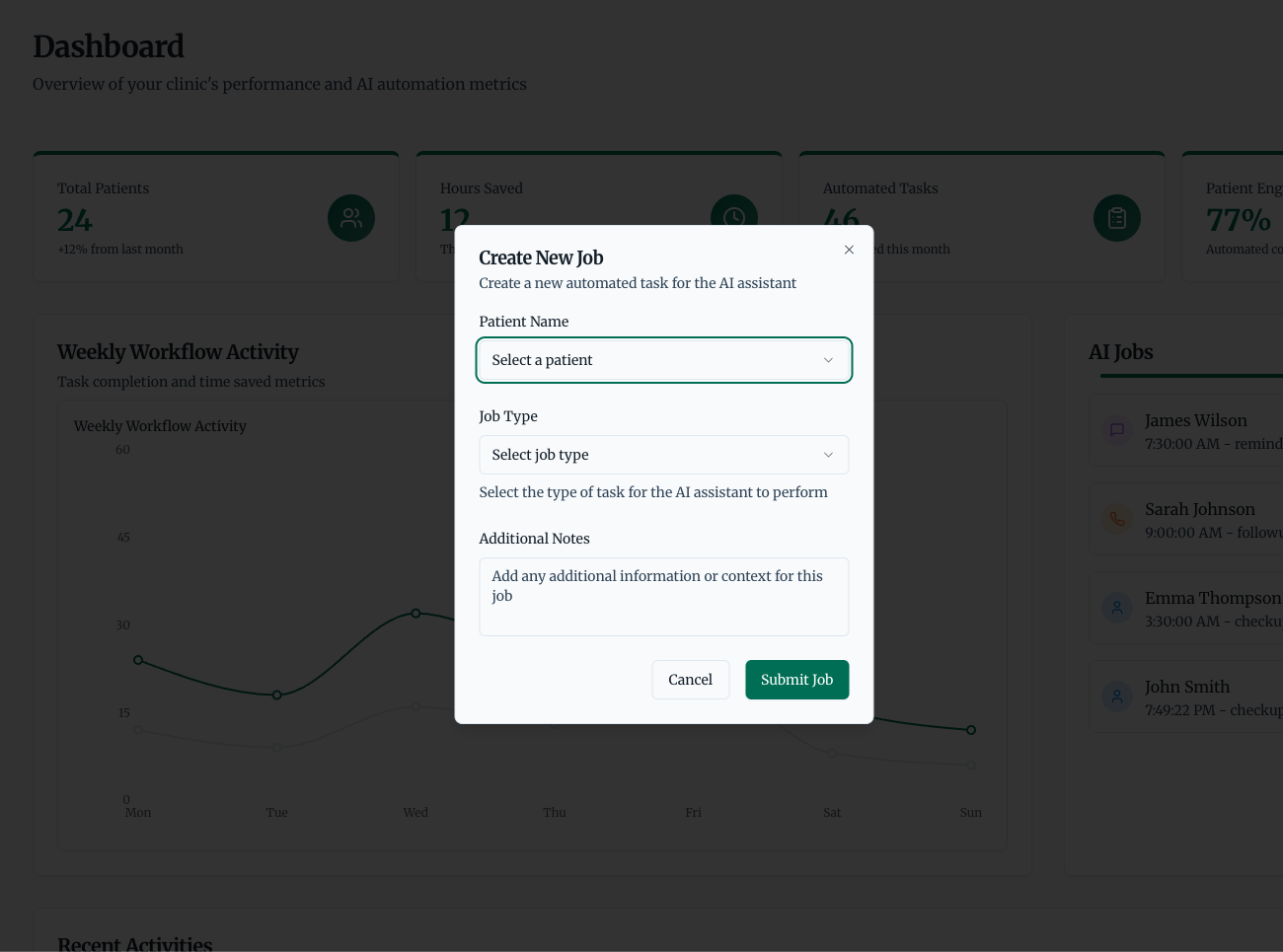
New Job Agent
-
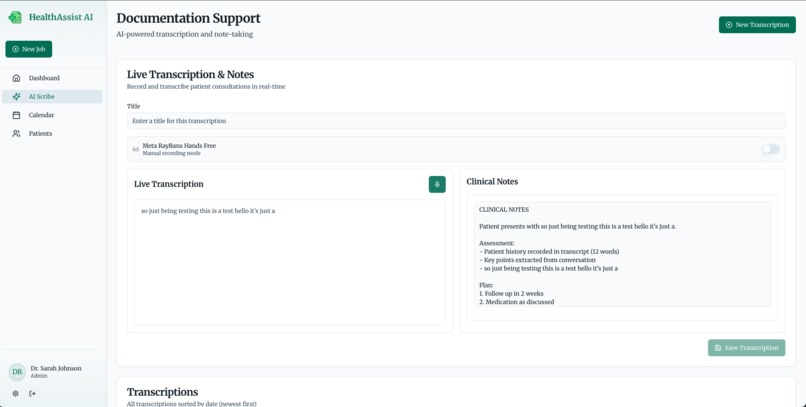
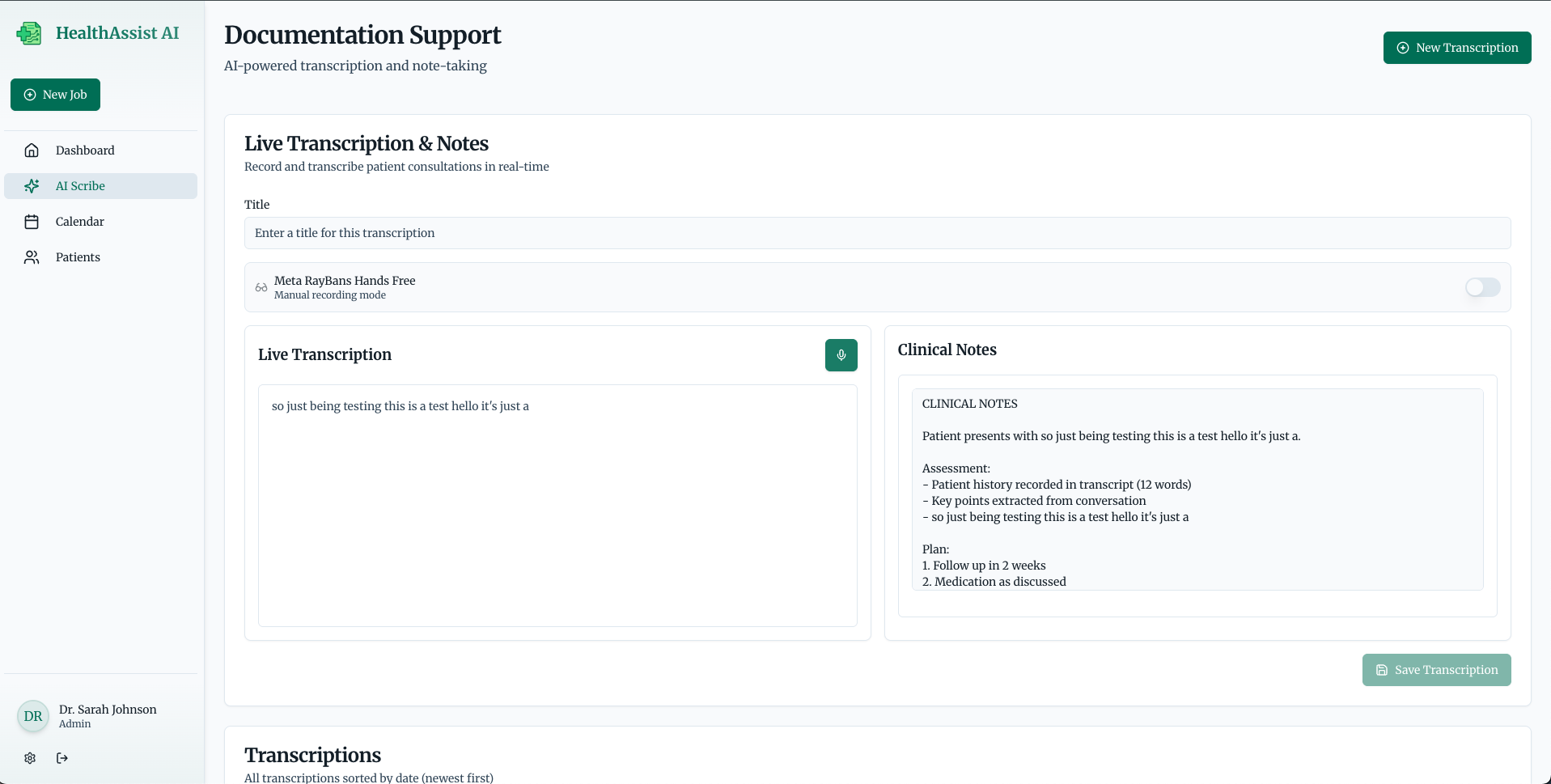
Live Transciption
-
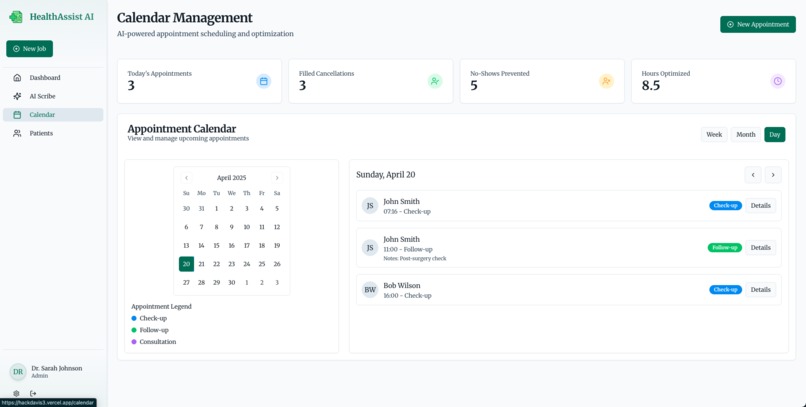
Calender
-
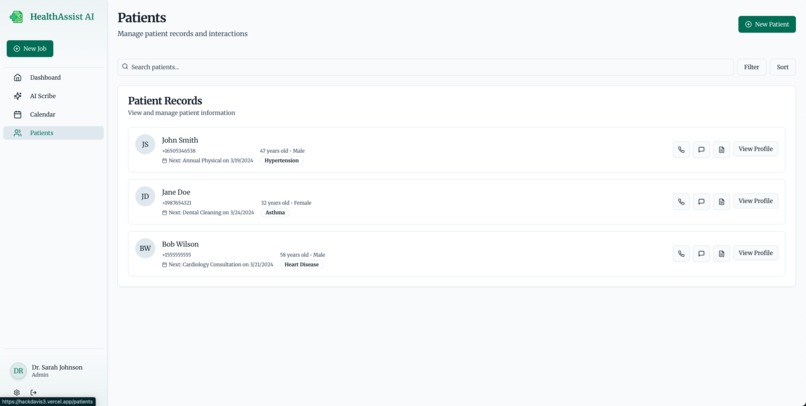
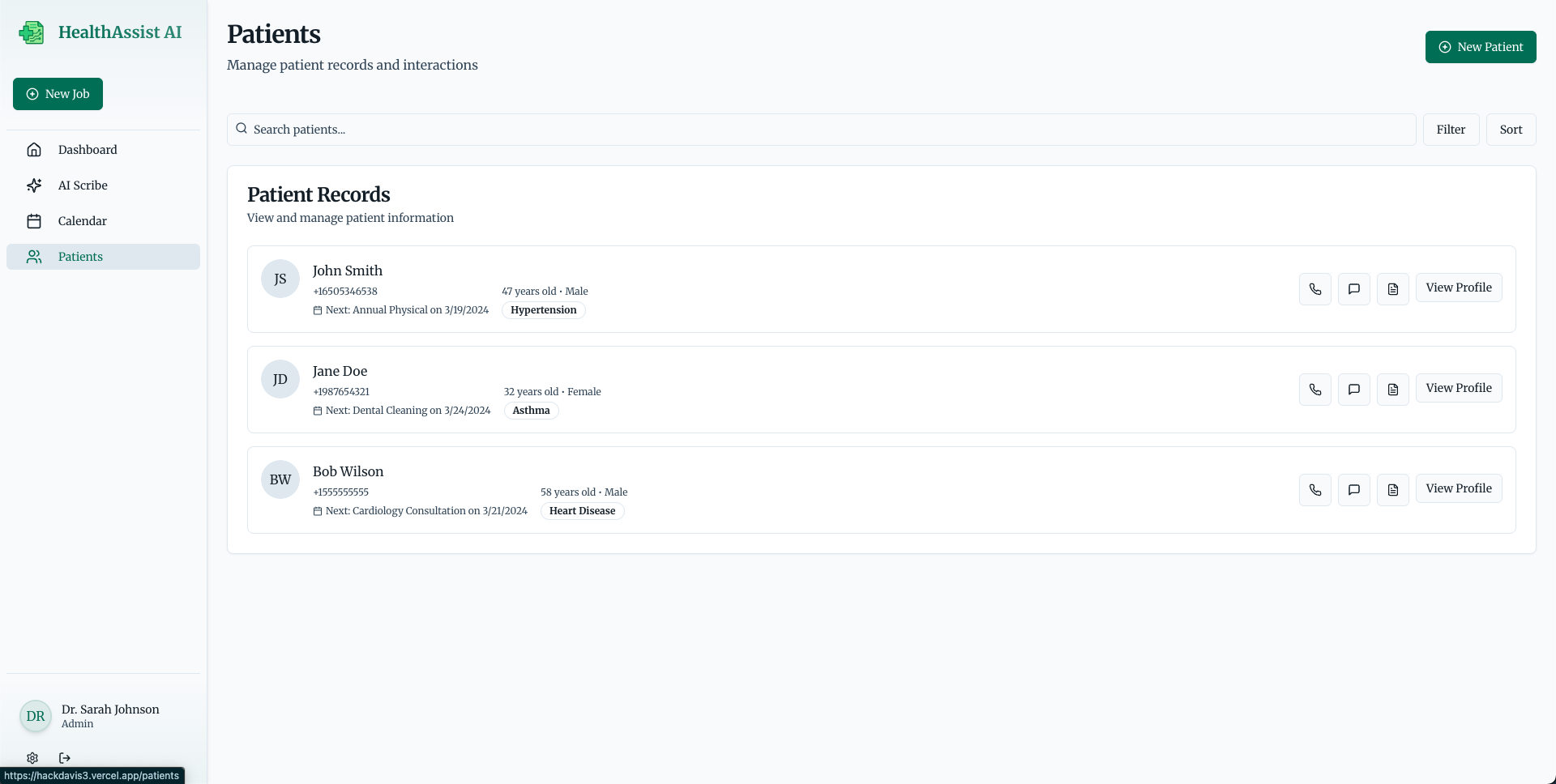
EHR Records
-
-
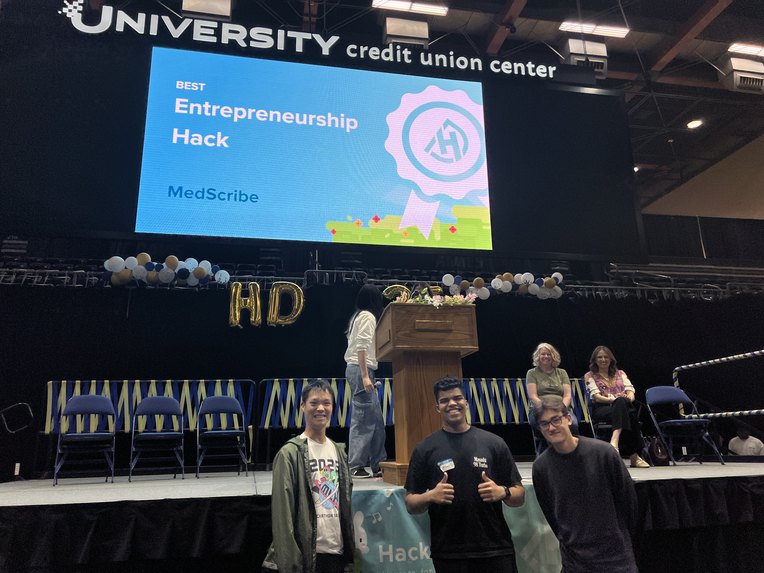
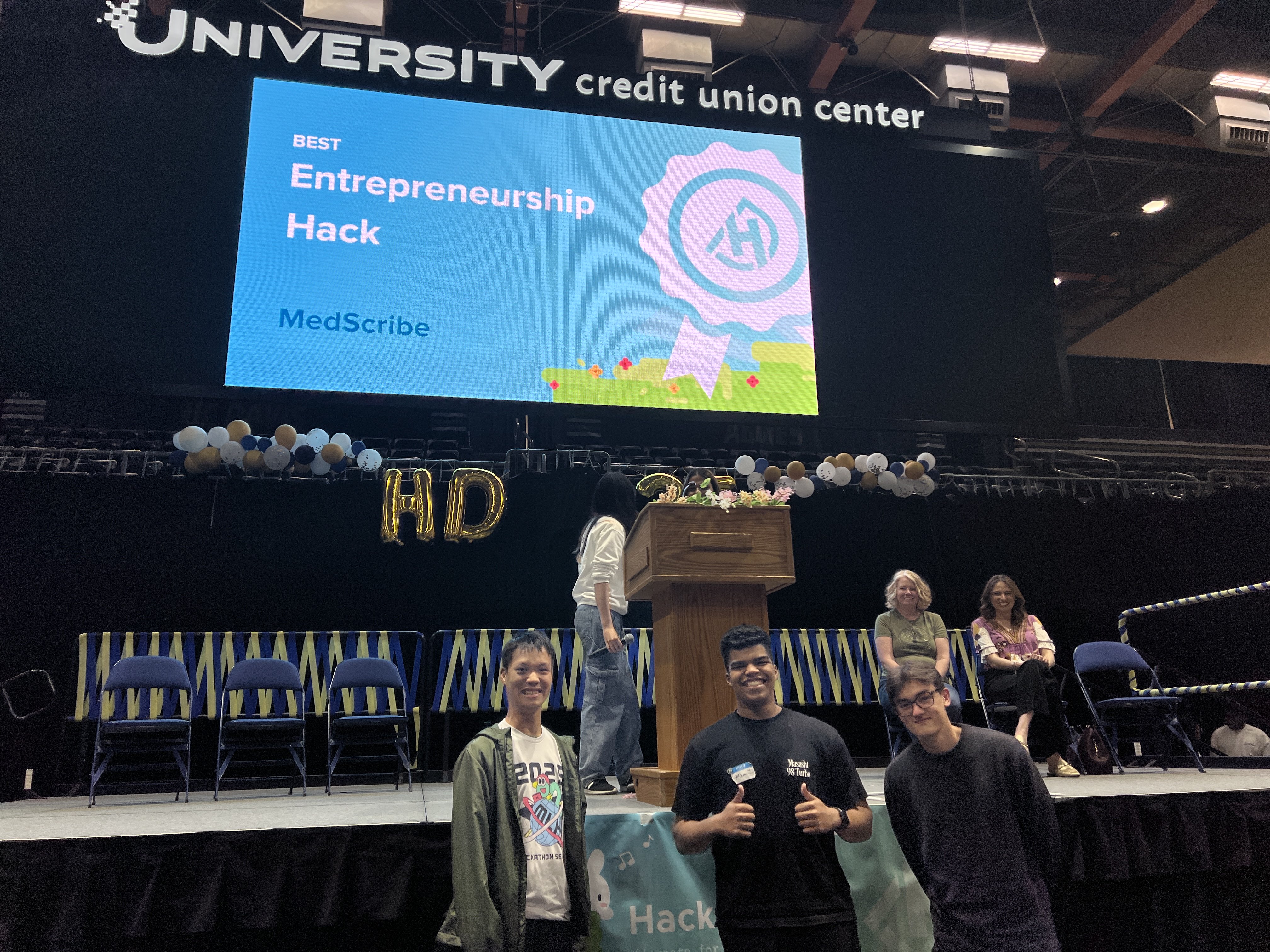
Winners
MedScribe: Reclaiming Time for Patient Care
The inspiration for MedScribe came from witnessing healthcare workers spend more time on administrative tasks than with patients—nearly two hours of documentation for every hour of care, as shared by a healthcare professional we interviewed. This inefficiency contributes to burnout and reduces time for meaningful patient interaction. Common issues include time-consuming, error-prone updates to EHRs—such as manually scoring cognitive tests—which can lead to delayed diagnoses, billing errors, and patient safety concerns. Even doctors' handwriting has become a running joke, often described as messy—but in some cases, illegible prescriptions have resulted in fatal overdoses and even death. Additionally, inefficient scheduling methods, like phone or email without automated reminders, lead to missed appointments and delayed care for 24.4% of patients. By leveraging AI, we aim to streamline these processes, reclaim valuable time, and reduce burnout throughout the healthcare system.
What it does
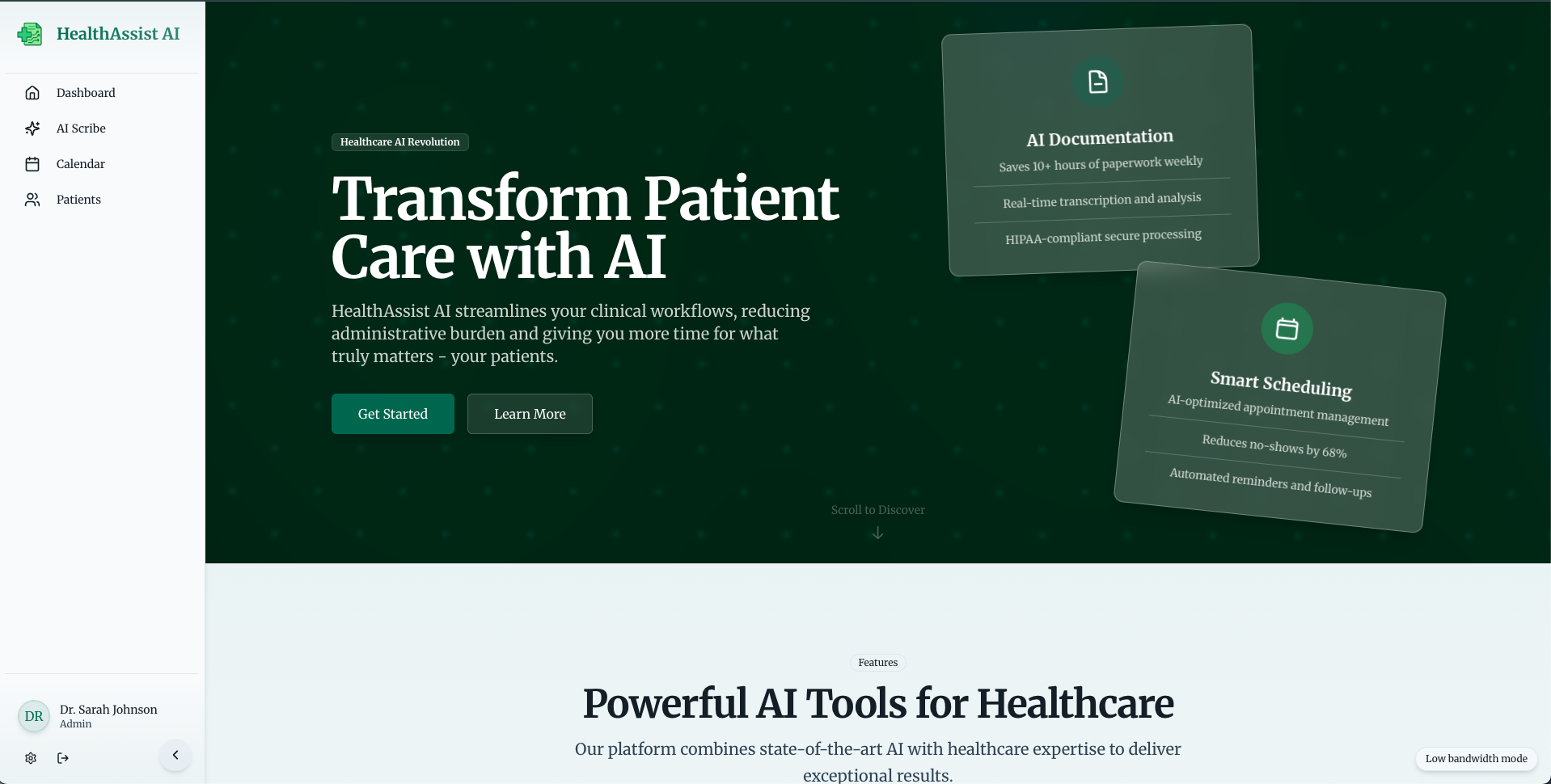
MedScribe is a comprehensive platform that streamlines healthcare workflows through:
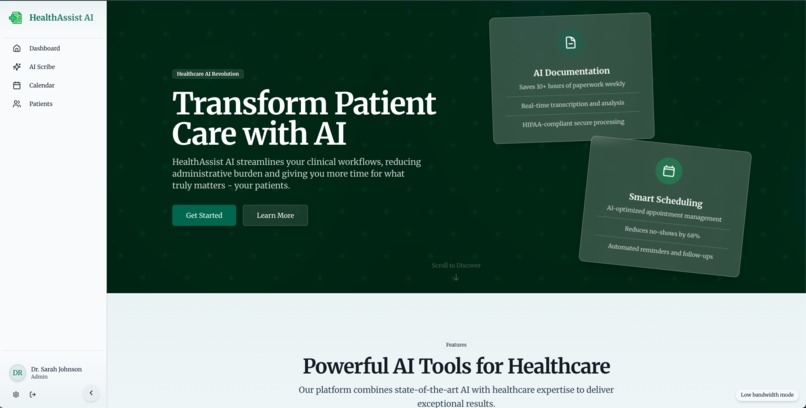
- Automated medical documentation that captures and structures patient encounters in real-time
- Smart scheduling that reduces no-shows by 68% through predictive analytics
- Patient communication tools that automate follow-ups and reminders
- Voice transcription that converts conversations into structured notes
- Clinical insights that identify trends and suggest preventive measures
- Seamless integration with existing EHR systems, ensuring HIPAA compliance
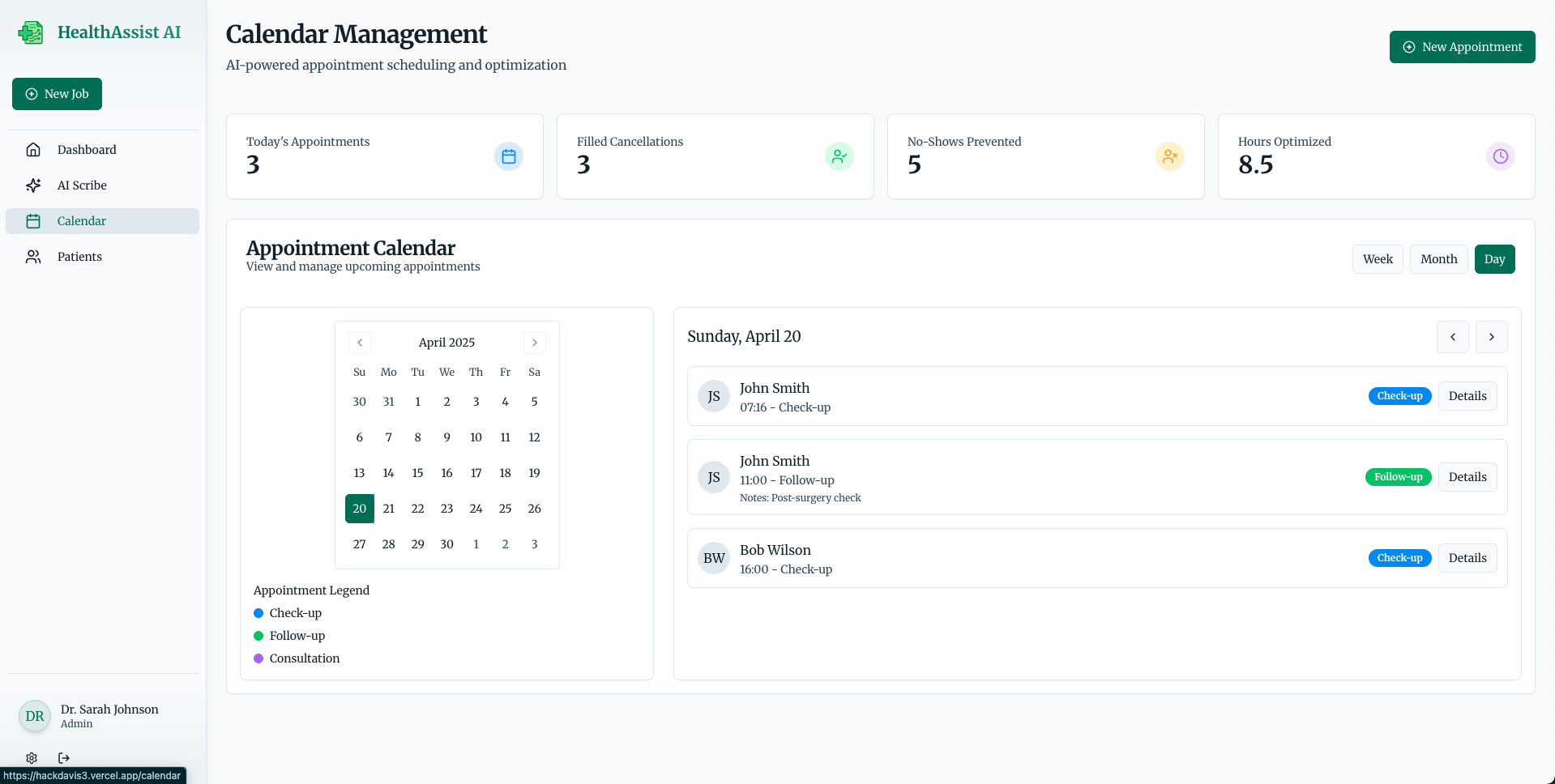
- Calendar integration that allows for healthcare workers to view info and status of the patient
How we built it
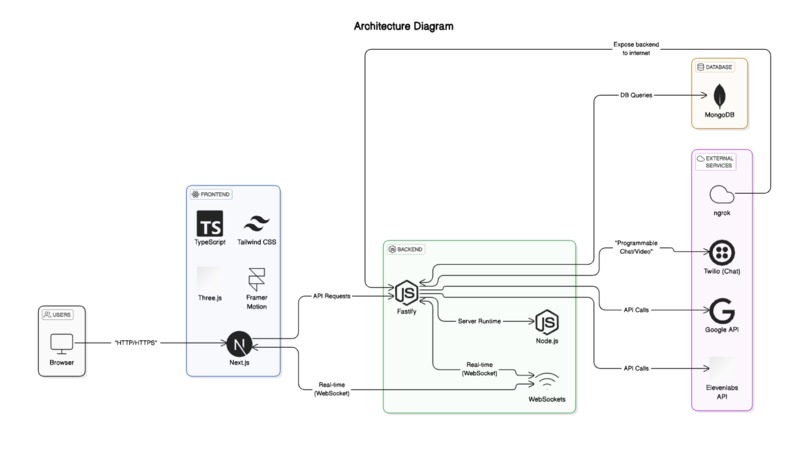
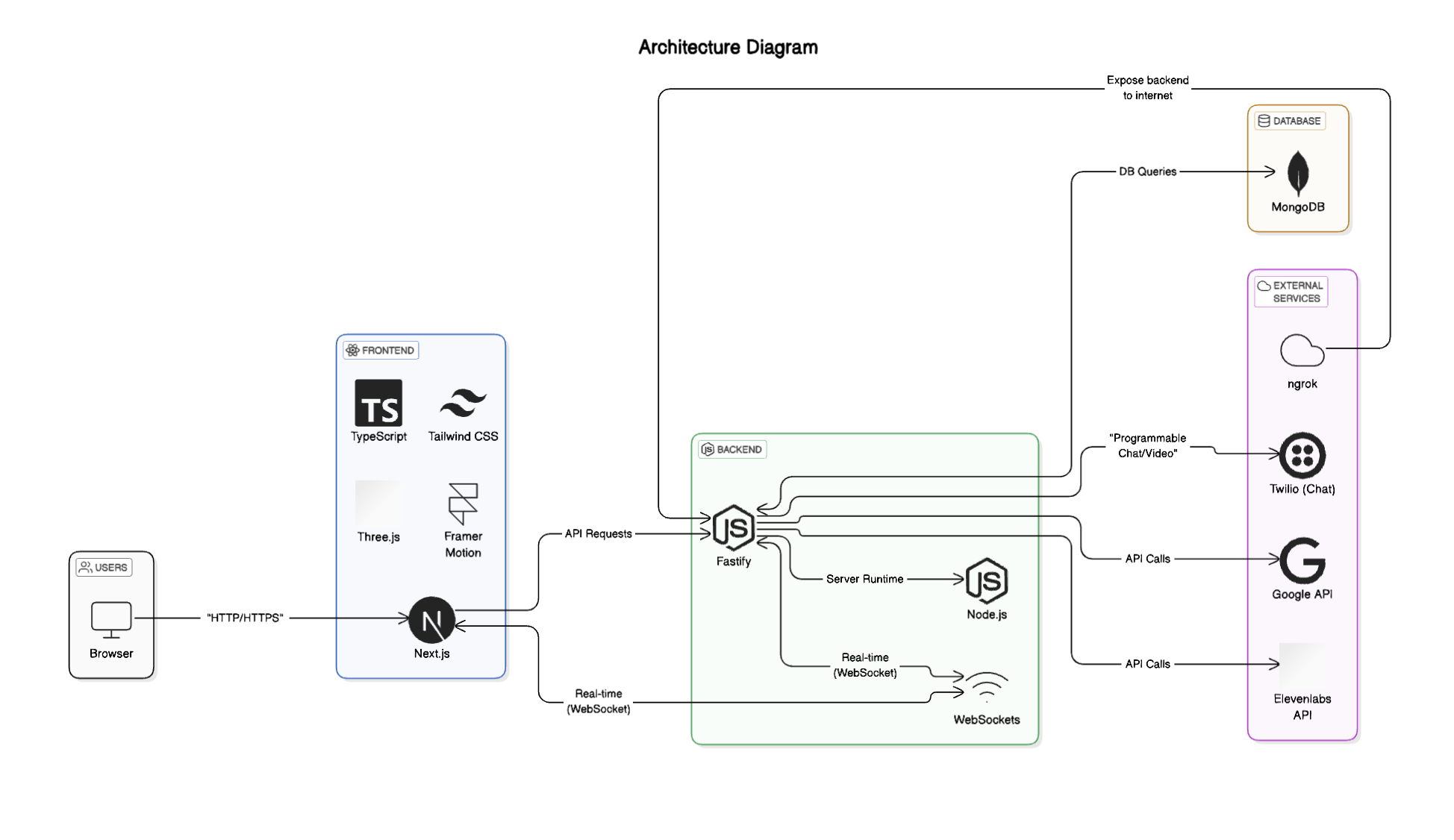
Frontend:
- Next.js
- TailwindCSS
- ShadCN
- Framer Motion
Backend:
- ElevenLabs
- Google Gemini
- Twilio
- Node.js
- MongoDB Atlas
- Fastify
- ngrok
Hardware:
- Meta Ray Ban Glasses

Our Problems:
- Capturing live audio from Meta Ray-Ban glasses posed a significant challenge due to the lack of an official SDK and the closed-circuit nature of the device, necessitating creative problem-solving and alternative integration approaches
- Enhancing the AI transcription system to accurately recognize specialized medical terminology and understand clinical context was essential for usability
- Achieving a consistent flow of information between the frontend and backend servers required robust endpoint management and precise data parsing to ensure accurate and timely data exchange
- Delivering a visually consistent Glassmorphic user interface across all major browsers involved addressing differences in CSS support and rendering engines
- The high sensitivity of the microphone to ambient noise presented challenges in maintaining audio clarity
Accomplishments that we're proud of
- Reduced load times by 20% through targeted performance optimizations and implemented a dual-mode interface that dynamically adapts to varying connection speeds, ensuring full functionality
- Creating an intuitive interface that requires minimal training for healthcare staff
- Building a fully responsive application that works seamlessly from mobile to desktop
- Engineering a data processing pipeline with AI integration to enhance patient care
What we learned
Throughout development, we learned:
- Methods for securely integrating AI capabilities while maintaining data privacy
- How to implement performance monitoring and adaptive rendering based on device capabilities
- Techniques for optimizing Next.js applications for healthcare environments
- Best practices for creating accessible interfaces in medical settings
What's next for MedScribe
Our roadmap includes:
- Expanding specialty-specific workflows for different medical fields
- Implementing a mobile app for on-the-go documentation
- Developing offline capabilities for rural healthcare settings
- Creating an API ecosystem allowing third-party developers to build on our platform
- Building more advanced analytics to identify treatment efficacy patterns
- Integrating with wearable devices for continuous patient monitoring
- Launching international versions with support for multiple languages and healthcare systems
Ultimately, we aim to become the standard platform that gives healthcare providers back their time while improving patient outcomes worldwide.
Built With
- elevenlabs
- fastify
- framer
- metaglasses
- mongodb
- next
- node.js
- shadcn
- tailwind
- three.js
- twilio
- typescript


Log in or sign up for Devpost to join the conversation.