-
-
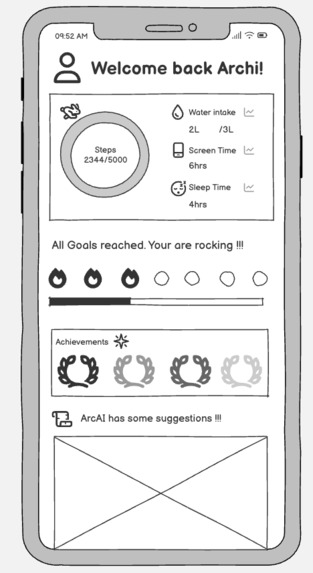
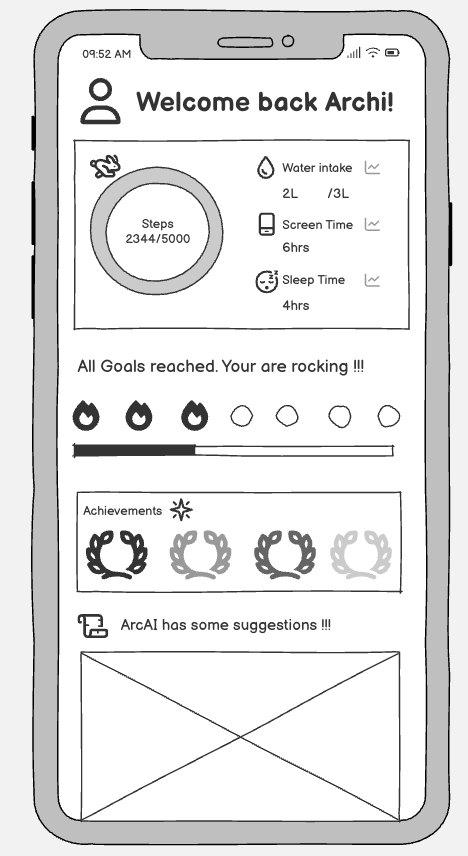
Dashboard
-
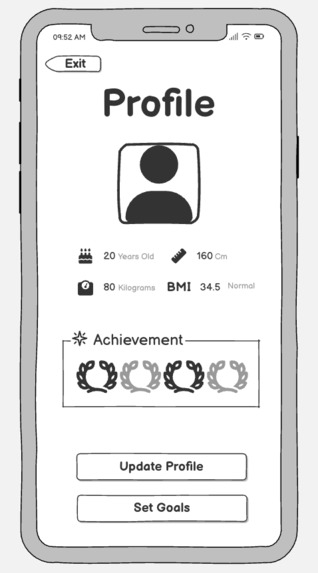
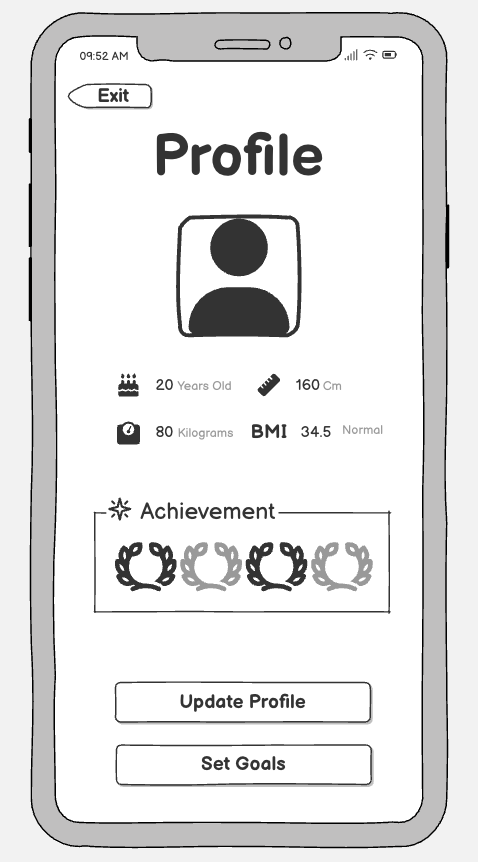
Profile Page
-
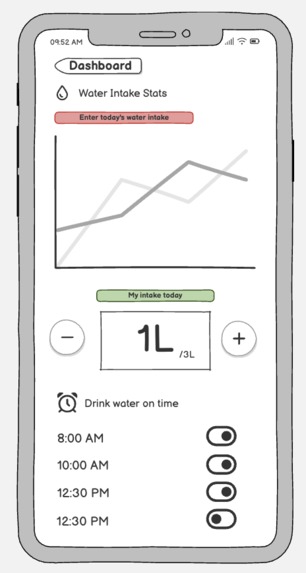
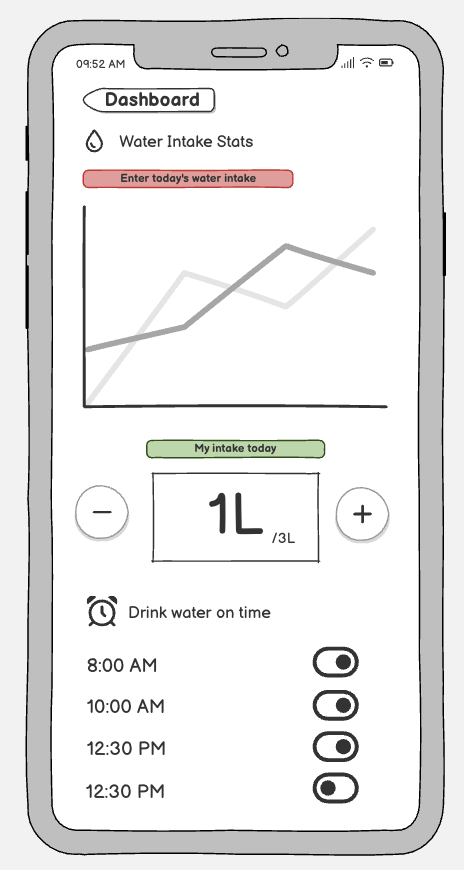
Visualization Page for Water Intake
-
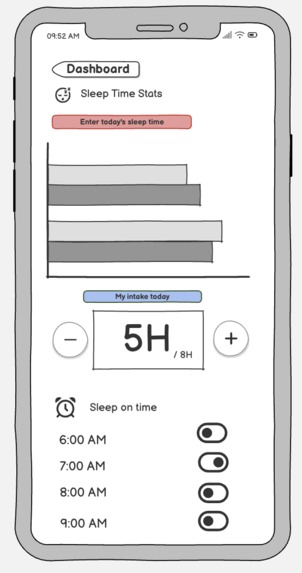
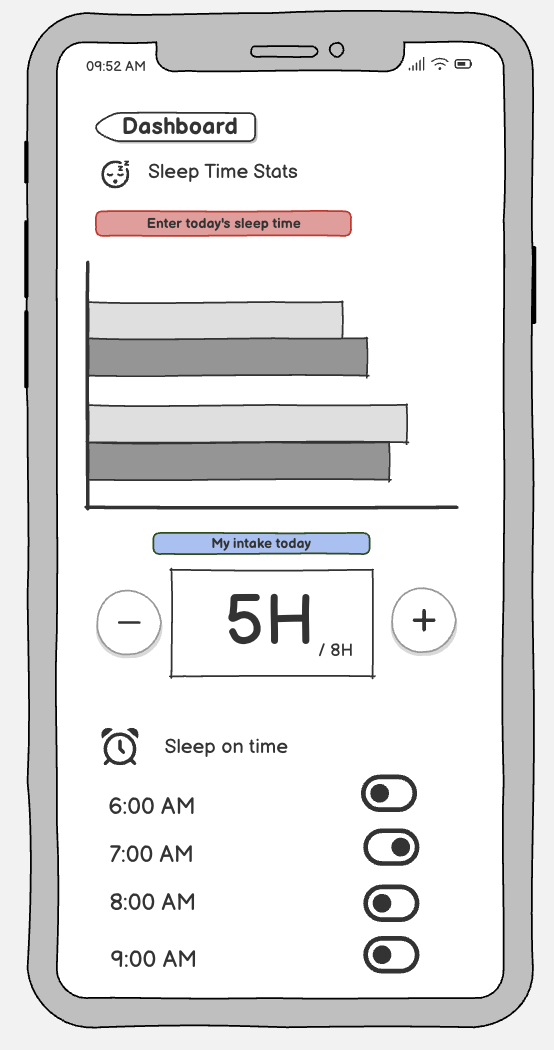
Visualization Page for Sleep
Inspiration
Currently, most health applications focus on tracking users’ past behavior but fail to provide guidance for future improvement. As a result, users are often left wondering whether their current lifestyle aligns with their personal health goals. After exploring the limitations of existing products, we identified a gap between passive data logging and actionable wellness guidance, which motivated us to create our own solution.
What it does
HealthArc is designed as a synchronized wellness platform that integrates sleep, hydration, and activity tracking into a unified system. Powered by an AI-driven engine, our application goes beyond simply recording user data by generating real-time insights and personalized suggestions. This helps users bridge the gap between their current health metrics and their daily wellness targets.
How we built it
During development, our team divided responsibilities into two groups: frontend and backend. The frontend team initially experimented with Figma AI to generate the application layout. However, the automatically generated designs did not align with our expectations in terms of usability and structure. We therefore transitioned to Balsamiq, which allowed us to create a functional prototype that better reflected our intended user experience.
For the backend, we analysed the Health and Lifestyle dataset on Kaggle and trained four different models to predict the lifestyle status (At Risk, optimal, Balanced) of a User. We user different metrics like accuracy and recall to choose the best model and deployed it on render.com. We also use Gemini API for active and useful suggestions based on the lifestyle.
Challenges we ran into
One major challenge we encountered involved working with the dataset. Early analysis revealed weak correlations among many of the available health variables, which made it difficult to generate meaningful recommendations. Through iterative testing and feature selection, we determined that not all recorded metrics contributed equally to predictive insights. Ultimately, we identified a few key variables that demonstrated meaningful relationships and were therefore incorporated into our recommendation engine.
Built With
- api
- gemini
- machine-learning
- mobile
- python
- ux


Log in or sign up for Devpost to join the conversation.