-
-
Page2
-
Page1
Inspiration
The Maharashtra government recently included a mould of the male genitalia in their family planning counselling kits to make the demonstrations more “effective.” “Through the tools, the ASHAs can also demonstrate the process of wearing condoms,” said Dr Archana Patil, head of the Directorate of Health Service link
ASHA workers across the state opposed the inclusion of such tools in the kits of family planning. While many were themselves unaware of the tool, a challenge posed before them to demonstrate the same in the villages.
Most of them studied till 10th class alone weren't fully trained to disperse information about the same. Men, in particular, found the kits to be "corrupting their wives" and opposed this intervention. this wasn't kept away from the political ambit of discussion as well and became one of the major topics of discussion at that time,
The motivation for the decision was evident: experts think practical representation will raise awareness and make the demonstration more effective. Arguably, a visual demonstration of using condoms or detailed anatomy may even encourage people to use condoms. But any such intervention sits within a socio-cultural context; in this case, the context is replete with social taboos around sex and reproductive health. (Source: media)
What it does
Today, living in a country where stigmas about sex, menstruations, periods and puberty lie in every nook and corner of the society, it becomes more imperative to talk about them, in a way that destigmatises these health issues.
There is an urgent need for the right tools to address this at an early age, in a setting and situation they are comfortable in and do not feel violated. Health education at the grassroots level about these taboo topics can help us all gain a better-educated standpoint about these topics is done through a reliable, safe and valid medium.
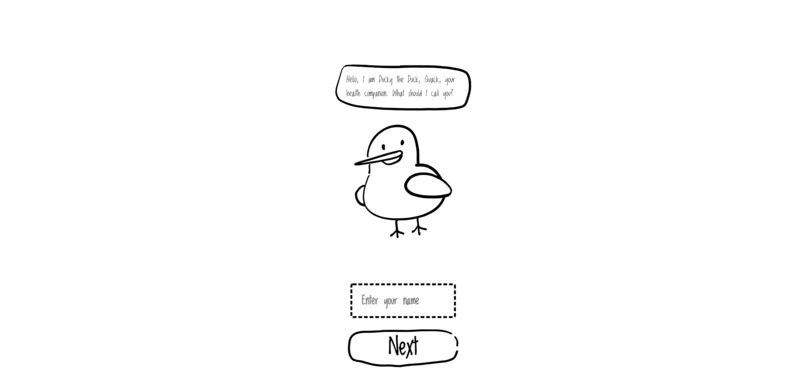
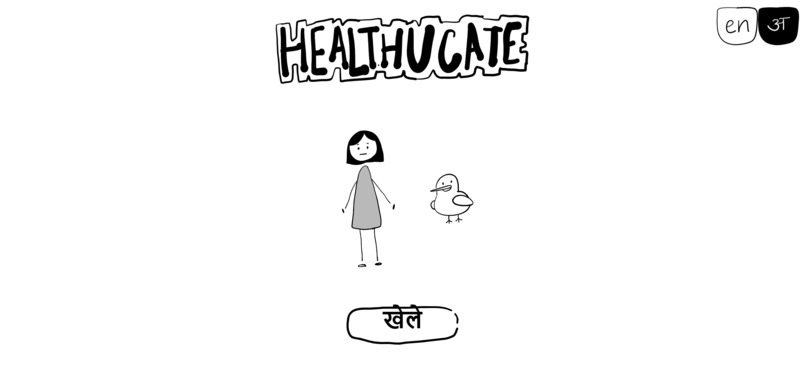
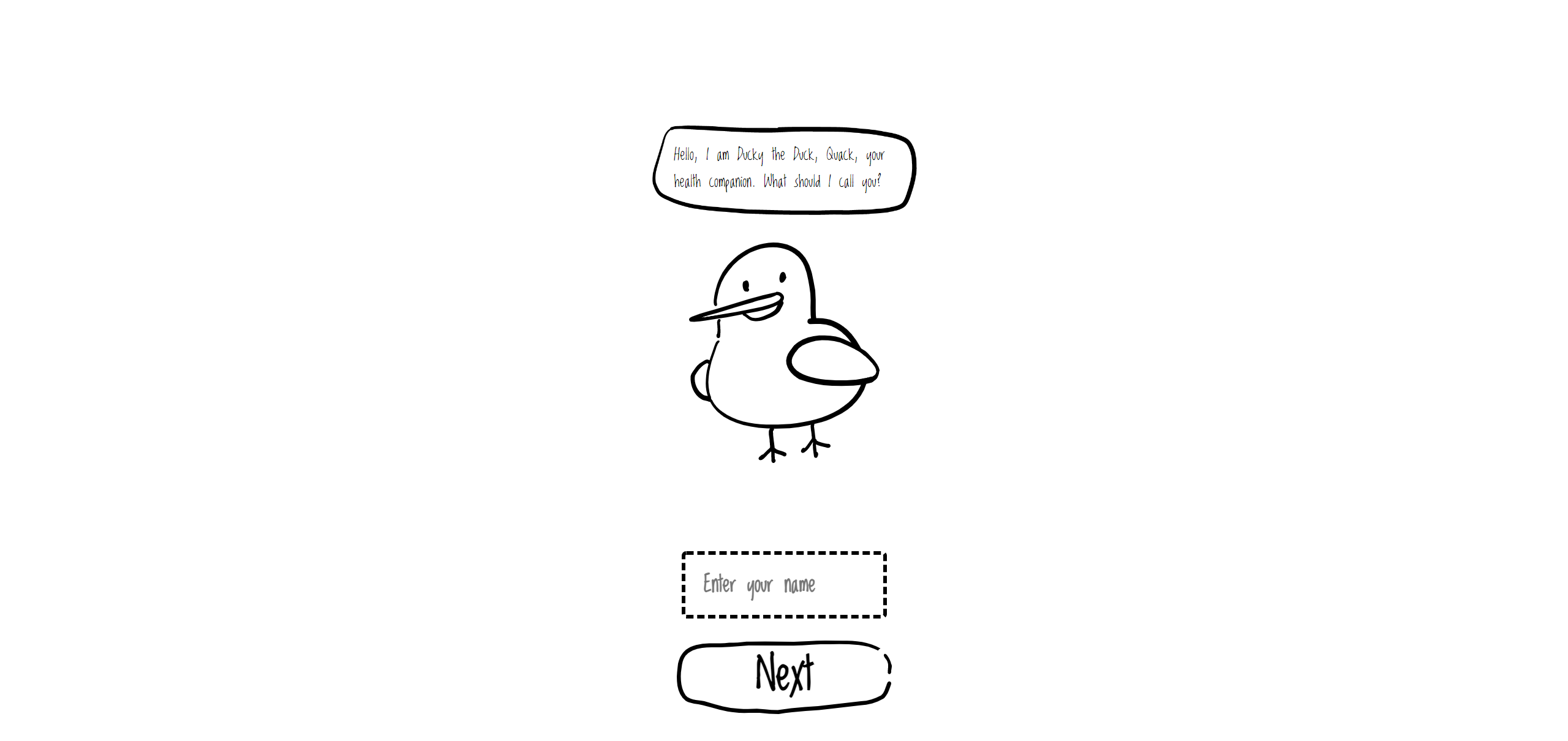
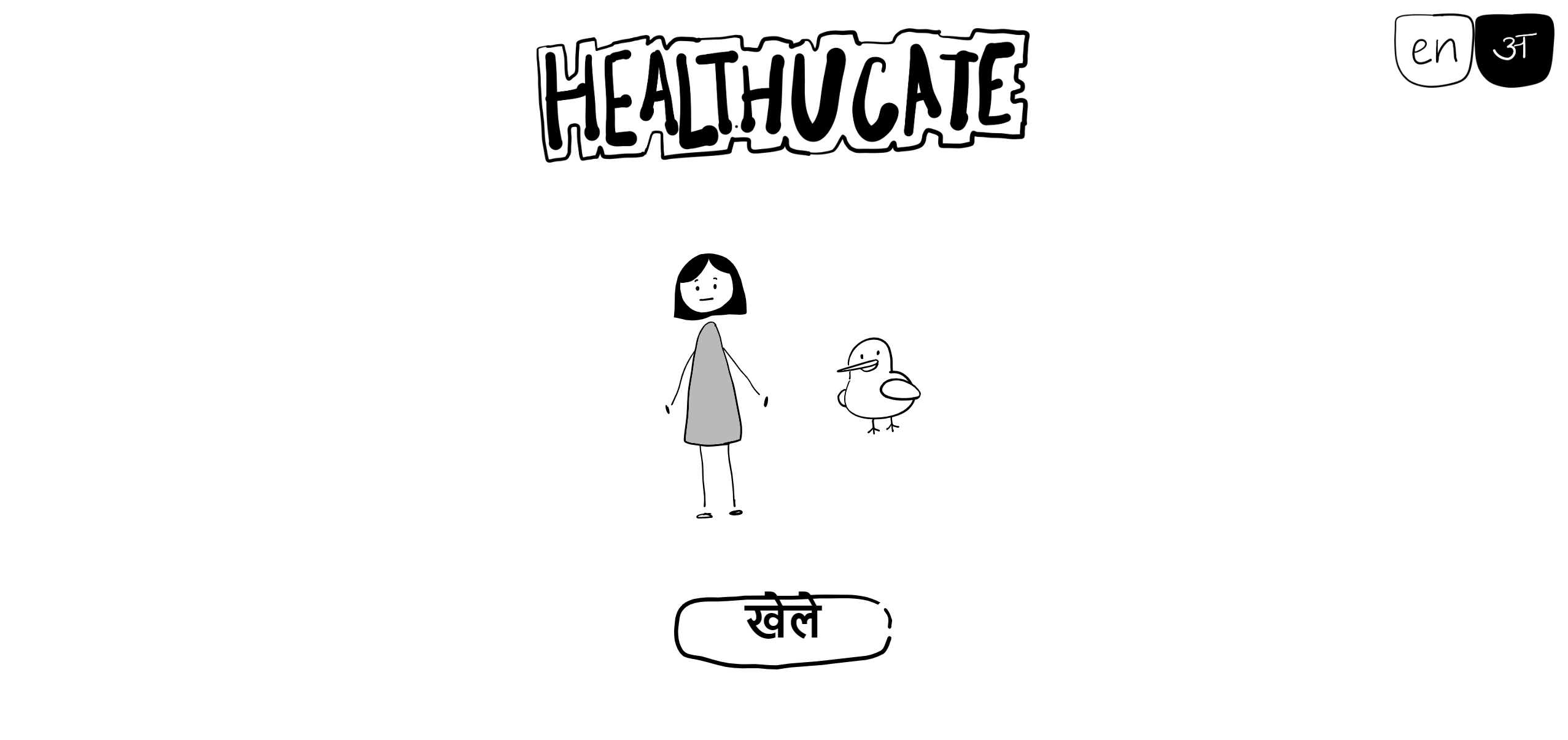
Our product, Health-ucate aims to touch the pressing issues and health-related taboos and makes it easier for the children to interact with them.
Health-ucate is a dynamic storytelling tool or game which takes the children aged 7 to 12 through a journey, in which they need to understand and imbibe the healthcare conditions and other health-related taboos. The storytelling tool is self-directed and allows the users to take action and seek insights into the topics they wish to know more about.
We have implemented 2 vernacular language possibilities (currently English and Hindi) allowing multiple languages for tools.
How we built it
A web-based service is developed at present which is made with React framework. We used a lot of CSS animations to make our product connect with the target users (children)
Challenges we ran into
We ran into moral and ethical dilemmas while going forward with the brainstorming of the product. There were concerns and considerations while choosing the direction of the project and we had a lot of discussions and disagreements over the way we were talking about some medical issues.
Accomplishments that we're proud of
Solving the direct problems of: Providing a safer & comfortable tool for the Asha and Aanganwadi workers to spread awareness. Providing complete, easy to use and consume data which could be taken up by children of 7 to 12. Communicating in context to Indian scenarios and situations and guiding the children through it. Eliminate the possibility of wrong information being consumed through unaudited google search. Eliminate the hesitation of talking about certain hush-hush topics.
What we learned
From Ideation to design to development, it was something we had not experimented with before. Everyone was working on the ways they could cure diseases or maintain health with Technology, but there was an inherent need to first go 2 steps back and educate the people about their health, Which we felt was one of the biggest eye-openers. We realised what people go through in cities, Educators etc who lack proper resources to reach the people. Designing was another experience altogether, We wanted to make our product look raw but attractive so that it appealed to a larger mass. We decided to sketch our own interface to make the UI look more comfortable/accepting so people are not stuck thinking about the difficulty. The development put us in another hurdle since we were really short on time and we had never tried animating with the help of javascript. We tried that as well and tried to incorporate things in a technical fashion instead of regular design.
What's next for Health-ucate
Our plans include branching out to cover more health-related issues, ranging from diseases to puberty-related topics. Understanding the gravity of the situations when young ones end up on Google to understand the diseases they or their parents are suffering from, only to be scared further and be overwhelmed with the information, not to mention the frightening responses received on public forums like Quora. A child suffering from Asthma deserves to know about their health condition in a way which is easy to consume and not overwhelming, which would be made possible through our service.
A question-answer system that answers queries asked by young inquisitive is in the works. The aim here is to provide a dependable source of sensitive information to counter young people looking up the same and reaching pages that aren't safe or reliable. We aim to launch this product in an attempt to reduce the possibility of kids ending up with misleading or misconstrued information and keep them away from unnecessary troubles, At the same time, we aim to touch on topics which need to be talked about from age to age so that the kids are not unaware of the happenings/ developments in them and around.
We see this as a B2B product with a segment directly interacting with the Consumer sections. Asha workers, Aanganwadis and other educational organizations would be able to purchase the licenses to use our material to educate the masses.
At the same time, the students would be able to search and read our content from their own devices for free, ensuring that no kid falls astray on misleading information.


Log in or sign up for Devpost to join the conversation.