-
-
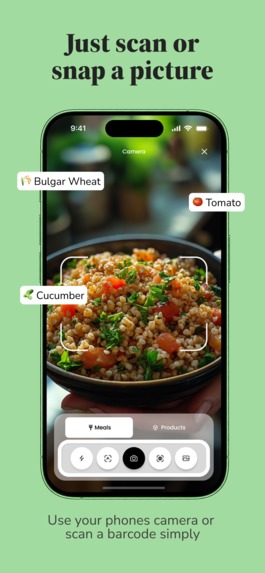
Capture
-
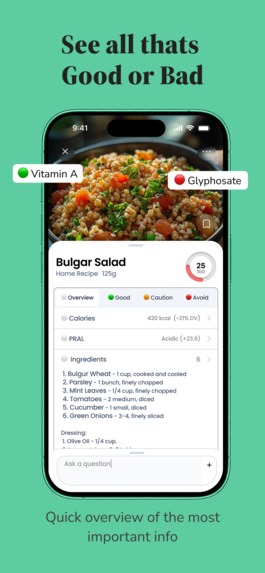
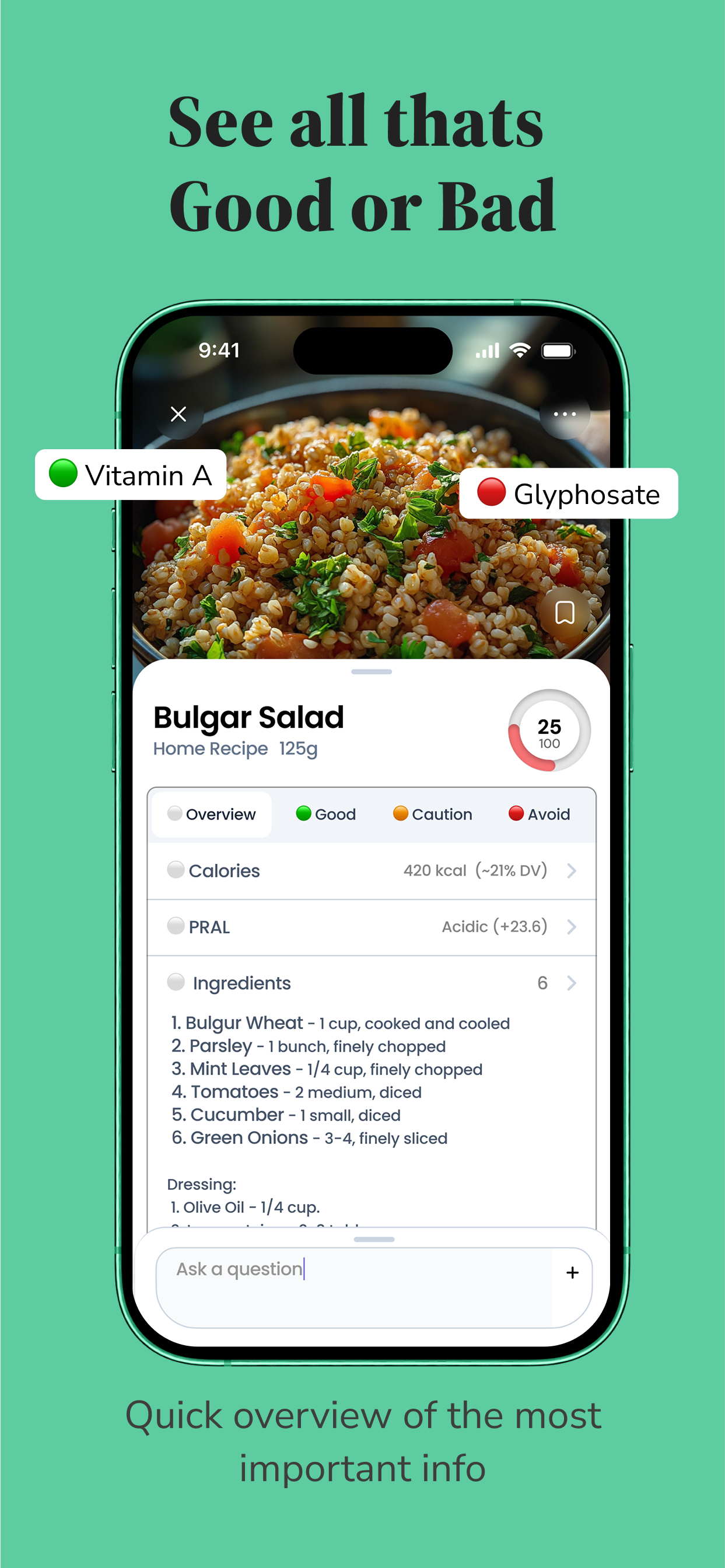
Understand
-
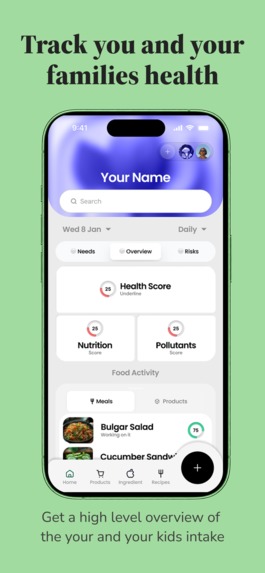
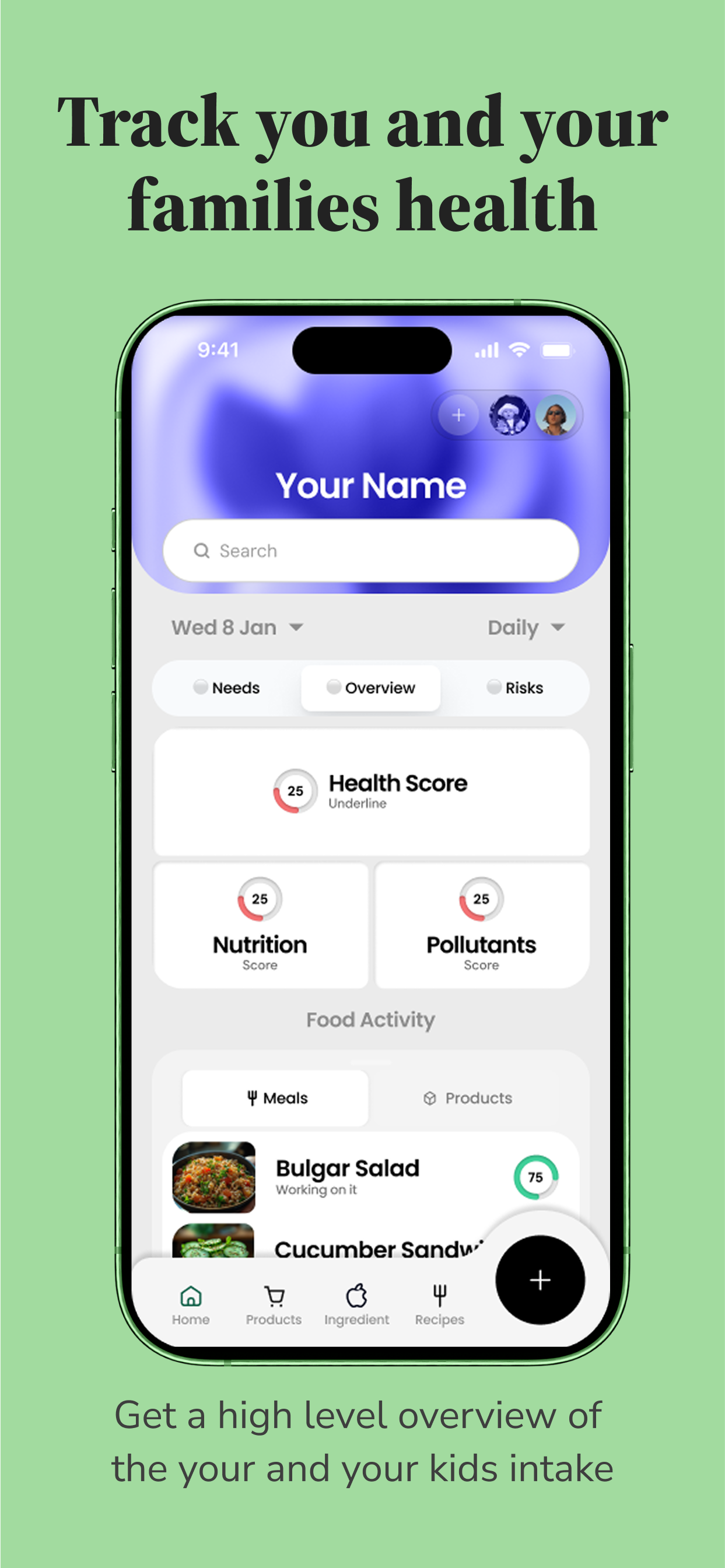
Agregate
-
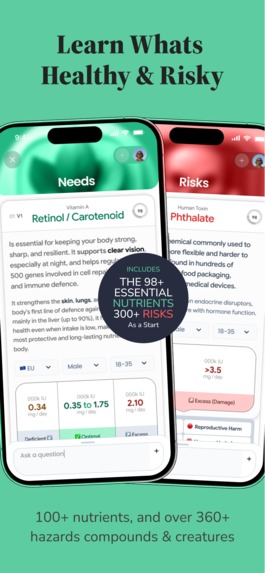
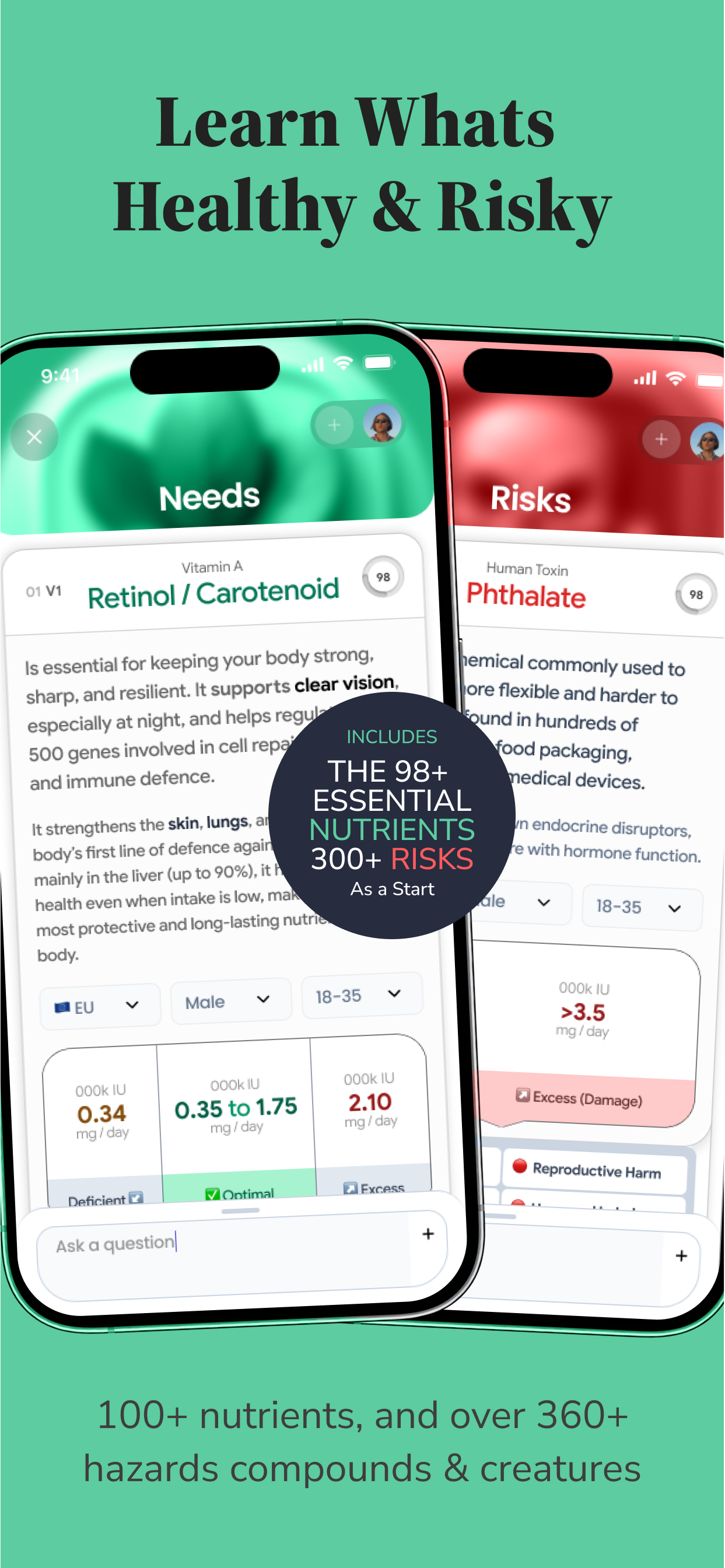
Learn
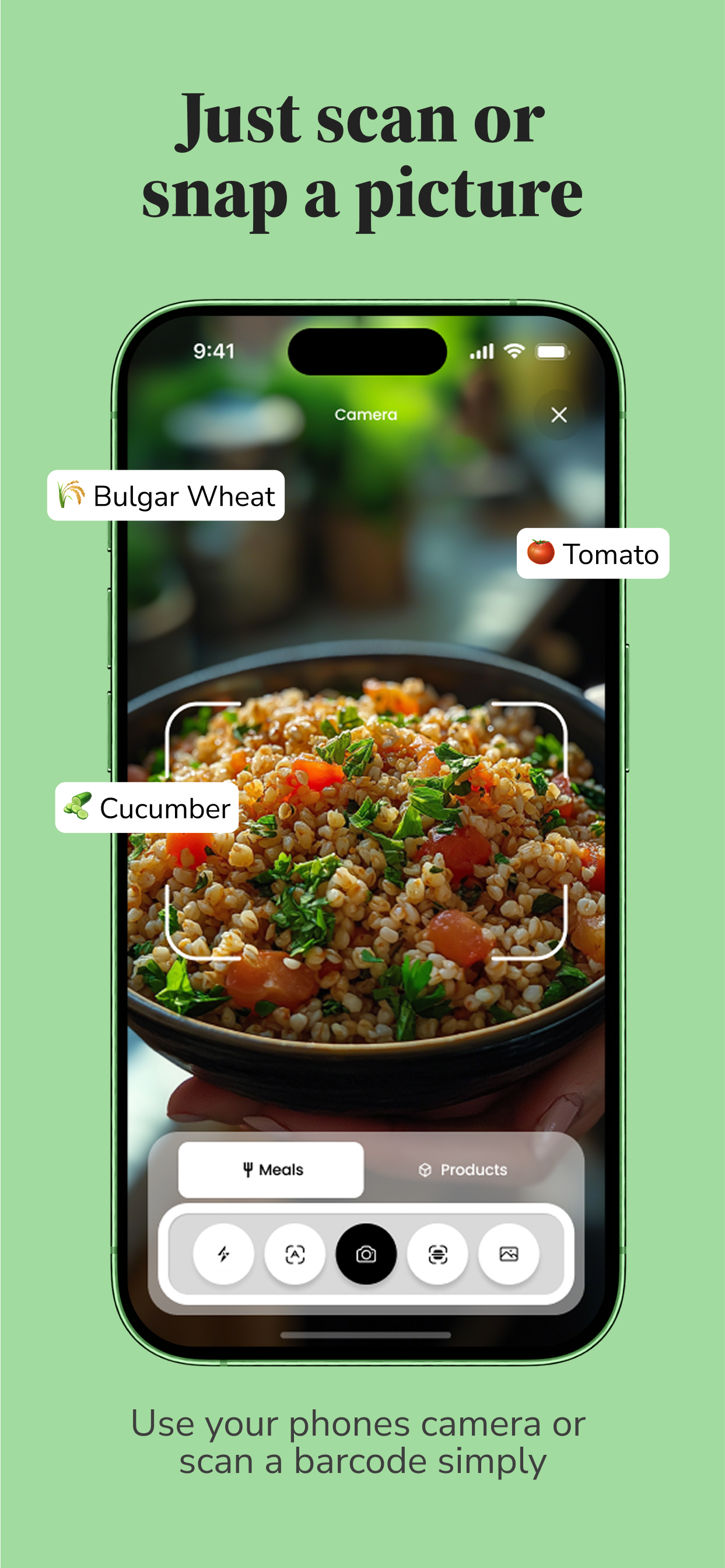
[ 🚀 Inspiration ] We noticed that apps like Yuka make health scanning popular, but they oversimplify nutrition and ignore deeper risks like heavy metals, plastics, pesticides, and parasites. People want trustworthy, personalized, and science-backed insights about what they’re actually eating — not just a traffic-light score.
[ 🍎 What it does ] HealthScan AI scans food products or meals using barcode, photo, or ingredient input. It gives you: • A full micro-nutrient profile (vitamins, minerals, amino acids). • Risk exposure detection (heavy metals, pesticides, plastics, parasites). • Portion-aware scoring so results reflect what you actually eat, not just per-100g. • Personalized health targets (e.g., celiac, pregnancy, sodium-sensitive). • Educational explainers that help people understand why something is healthy or risky.
[ 🛠 How we built it ] • Scanning & Recognition: GPT-Vision + barcode lookups to identify products and meals. • Data Sources: Open Food Facts, EFSA/WHO risk references, plus structured nutrient databases. • Portion Engine: Built a hybrid model that keeps per-100g baselines while adding serving-aware scoring for products, ingredients, and meals. • Scoring System: Custom formulas for Product Score, Meal Score, Nutrient Score, and Pollutant Score. • Subscriptions: Integrated with RevenueCat for in-app subscription management with 7-day trials and tiered plans.
[⚡ Challenges we ran into ] • Portion complexity: Most datasets only give per-100g values, so we had to build logic for portions, cooking yields, and density. • Trust & transparency: People don’t trust black-box scores, so we needed explainability (EFSA/WHO refs, assumption flags). • Balancing UX with data depth: Showing full micronutrient + hazard profiles without overwhelming users. • Subscription flows: Ensuring smooth onboarding and trial conversion using RevenueCat.
[ 🏆 Accomplishments that we’re proud of ] • Built the first scanner that combines nutrition + hidden hazards. • Made portion-aware scoring work across products, ingredients, and meals. • Created a transparent scoring engine where every number is backed by scientific sources. • Designed a smooth subscription experience with RevenueCat that feels natural inside the app.
[ 📚 What we learned ] • Users want both simplicity and depth — quick scores for decisions, but also the ability to dive deep. • Subscription-based health apps need trust and explainability to convert and retain users. • People care about personalization — not everyone has the same health risks or nutrient needs. • Hackathon constraints force clarity: we focused on the most impactful differentiator — portion-aware, risk-inclusive scanning.
[ 🔮 What’s next for HealthScan ] • Launch a beta program with early adopters (parents, health-conscious users, nutritionists). • Expand datasets to cover global products and local producers. • Add community features: users can share scans, alternatives, and health journeys. • Build integrations with fitness trackers and meal planners. • Develop viral video content + podcast collabs to drive growth. • Long-term: make HealthScan the trusted global food health database — open, science-backed, and user-verified.
[ 1 • Scan ]

[ 2 • Understand ]

[ Prototype: ]
[ Video ]
[ 3 • Learn ]

[ 4 • Change ]

Built With
- ai
- supabase

Log in or sign up for Devpost to join the conversation.