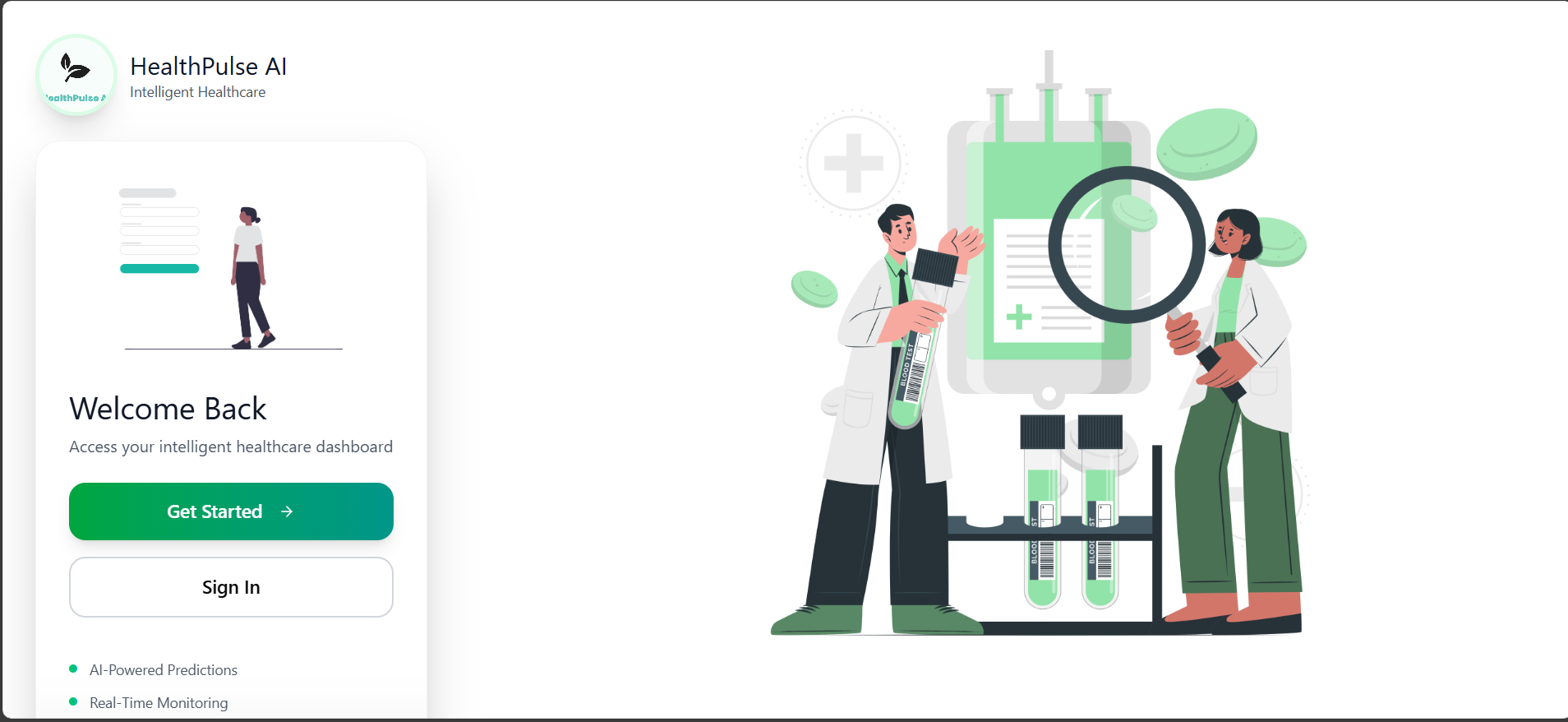
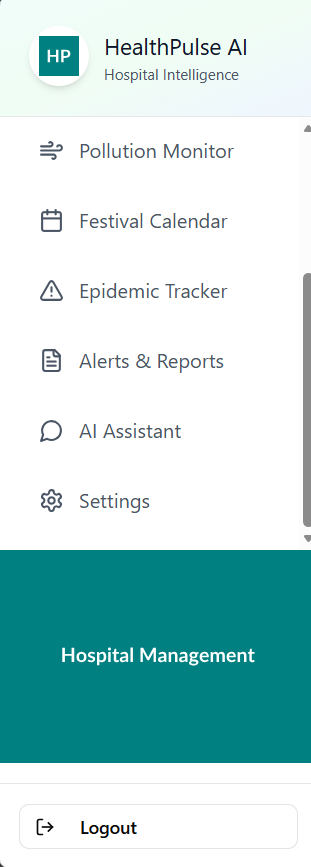
Inspiration
In many hospitals across India, emergency departments are crowded and doctors must handle a large number of patients every day. In such situations, identifying which patient needs immediate attention becomes difficult.
Many hospitals still use manual triage systems, where nurses classify patients based on symptoms. This process can take time and sometimes critical patients may not be recognized quickly.
We were inspired to build this project after studying how delays in emergency care can affect patient survival, especially in cases like heart attack, stroke, and severe infections. In these situations, even a few minutes can make a big difference.
Our goal was to create a system that can analyze patient symptoms quickly and help doctors prioritize patients more accurately.
What Our Project Does
Our project is an AI-powered triage and patient prediction system that helps hospitals identify critical patients faster.
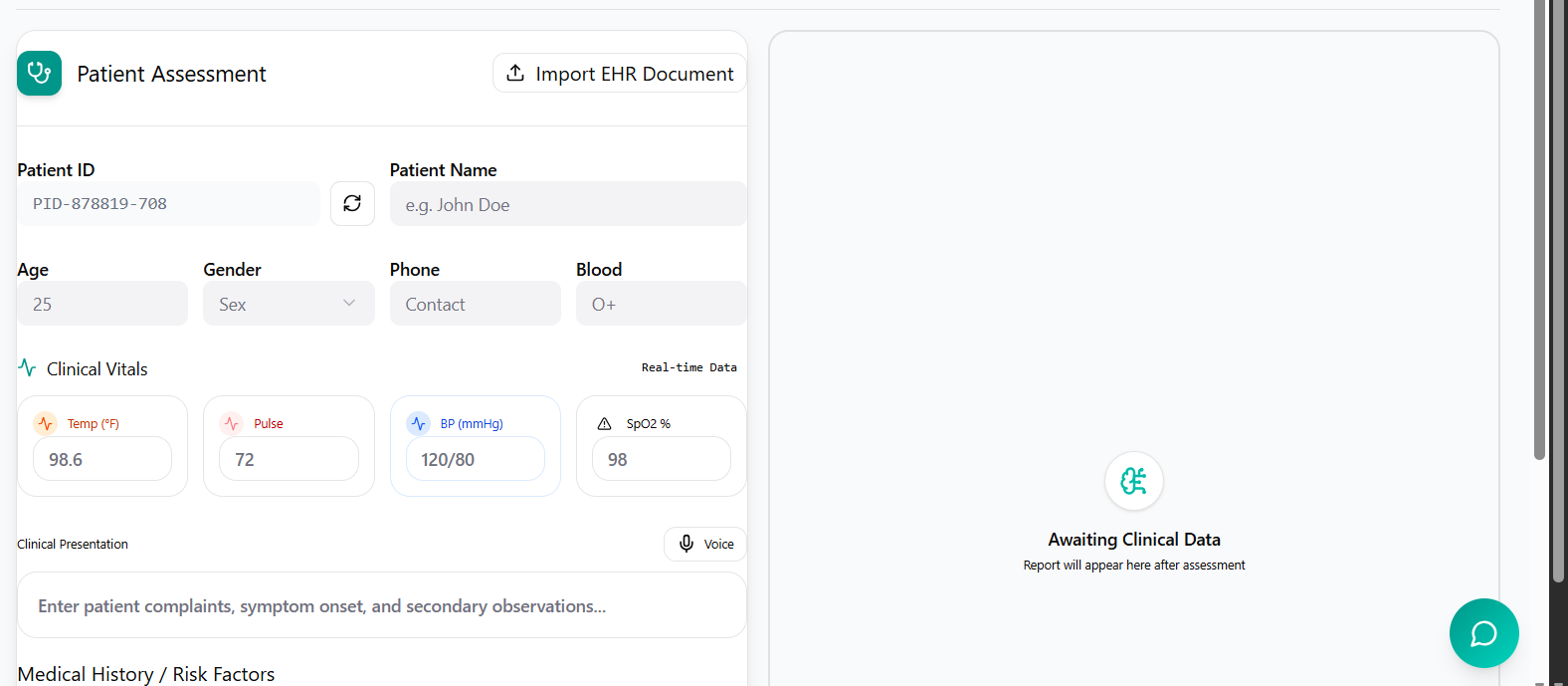
The system analyzes:
- Patient symptoms
- Vital signs (heart rate, temperature, blood pressure)
- Medical history
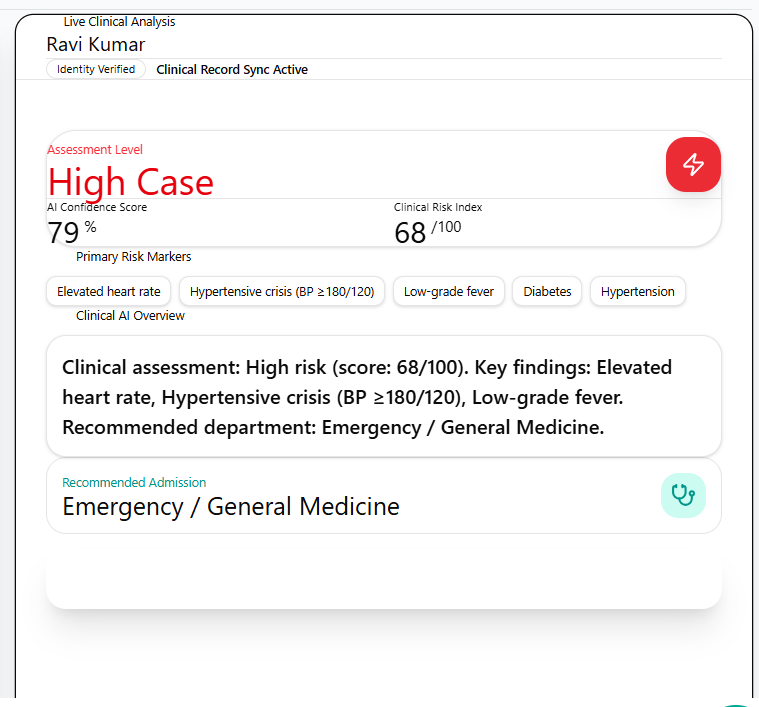
Using this data, the system calculates a risk score and predicts the severity of the patient's condition.
Example risk score model:
[ Risk\ Score = w_1(Symptoms) + w_2(VitalSigns) + w_3(MedicalHistory) ]
Based on the score, patients are classified into:
- High Priority (Immediate attention)
- Medium Priority
- Low Priority
This helps doctors and hospital staff focus on the most critical patients first.
How We Built the Project
We built the system using modern AI and web technologies.
Frontend
Used for patient input and hospital dashboard.
- React / Web interface
- Simple symptom input form
- Real-time risk score display
Backend
Handles data processing and system logic.
- Python / Node.js backend
- API for symptom analysis
- Integration with hospital systems
AI Model
The AI model analyzes symptoms and predicts patient risk.
We used:
- Machine Learning classification models
- Medical datasets for training
- Risk prediction algorithms
System Workflow
- Patient enters symptoms through mobile app or hospital kiosk
- System collects vital signs and medical data
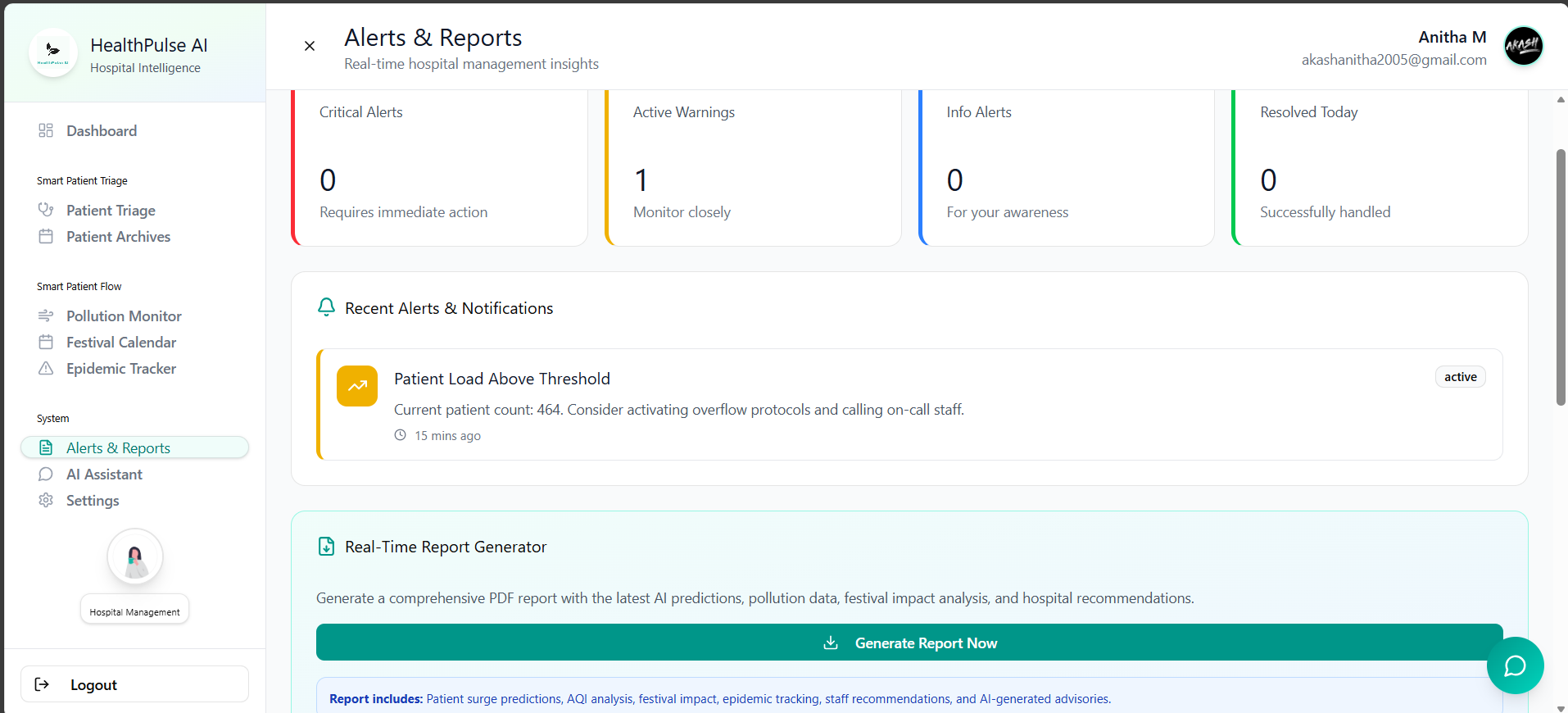
- AI analyzes the data and calculates a risk score
- Patients are automatically prioritized
- Doctors receive alerts for high-risk patients
What We Learned
While building this project, we learned many important things:
- How AI can help improve healthcare decision making
- The importance of accurate patient prioritization
- How to design systems that are useful for doctors and hospitals
- Challenges involved in working with healthcare data
We also learned how to combine AI models, backend systems, and real-time dashboards into a single healthcare solution.
Challenges We Faced
1. Medical Data Availability
Accessing real healthcare datasets for training AI models was difficult because medical data is sensitive and protected.
2.Model Performance
Our AI prediction model was trained using healthcare symptom and patient data to classify the severity of patient conditions.
After training and testing the model, it achieved an accuracy of:
97.88%
Evaluation Metrics
- Accuracy: 97.88%
- Precision: 97.65%
- Recall: 97.42%
- F1 Score: 97.53%
Model Used
We used a Machine Learning classification model to analyze patient symptoms, vital signs, and medical history to predict patient risk levels.
Result
The high accuracy indicates that the model can reliably help doctors and hospitals prioritize critical patients quickly and support faster medical decisions.
3. System Integration
Hospitals use different systems and software, so integrating our solution with existing hospital infrastructure can be complex.
4. Real-Time Performance
Emergency systems must provide results quickly. Optimizing the system for fast predictions and real-time processing was a key challenge.
Impact
Our system aims to improve hospital efficiency and patient safety by:
- Reducing patient waiting time
- Helping doctors identify critical cases faster
- Improving hospital resource management
In the future, this system can also be integrated with:
- Ambulance services
- Telemedicine platforms
- Rural healthcare centers in India
This can help make emergency healthcare smarter and more accessible.


Log in or sign up for Devpost to join the conversation.