Inspiration
The idea for the Health Monitoring App came from the need for a streamlined, user-friendly platform where people can easily track their health data. With the rise of wearable health devices and the importance of health awareness, this app aims to centralize data from multiple sources and provide users with insights into their health over time.
What it does
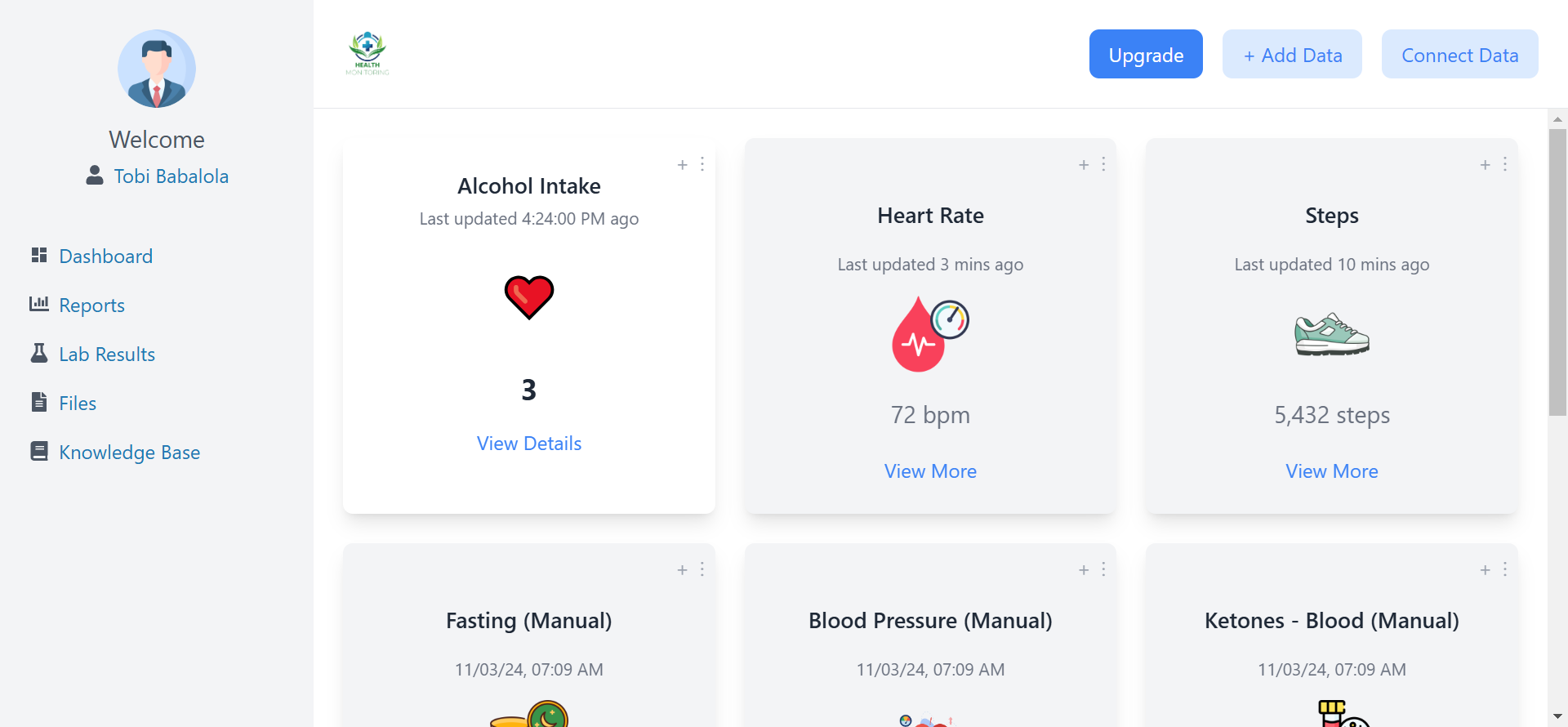
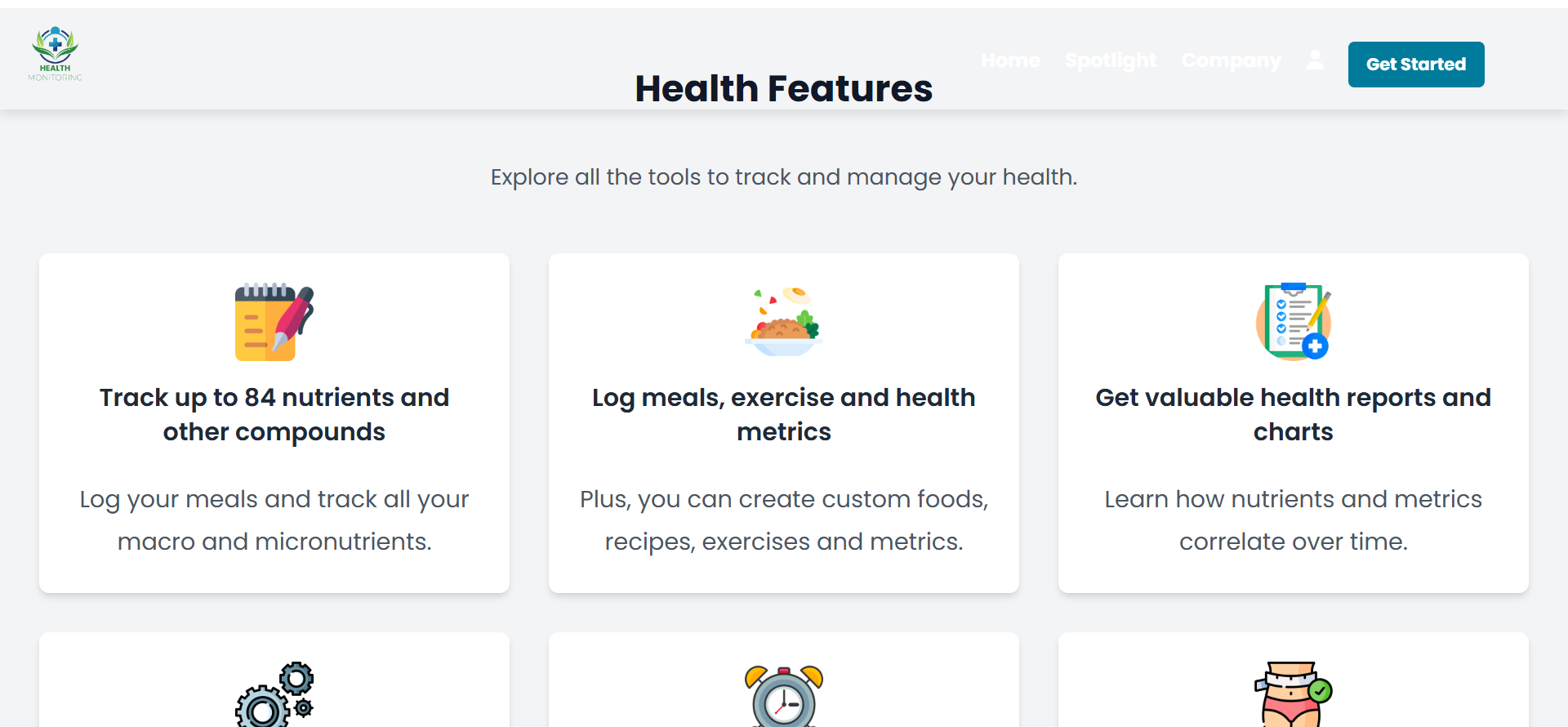
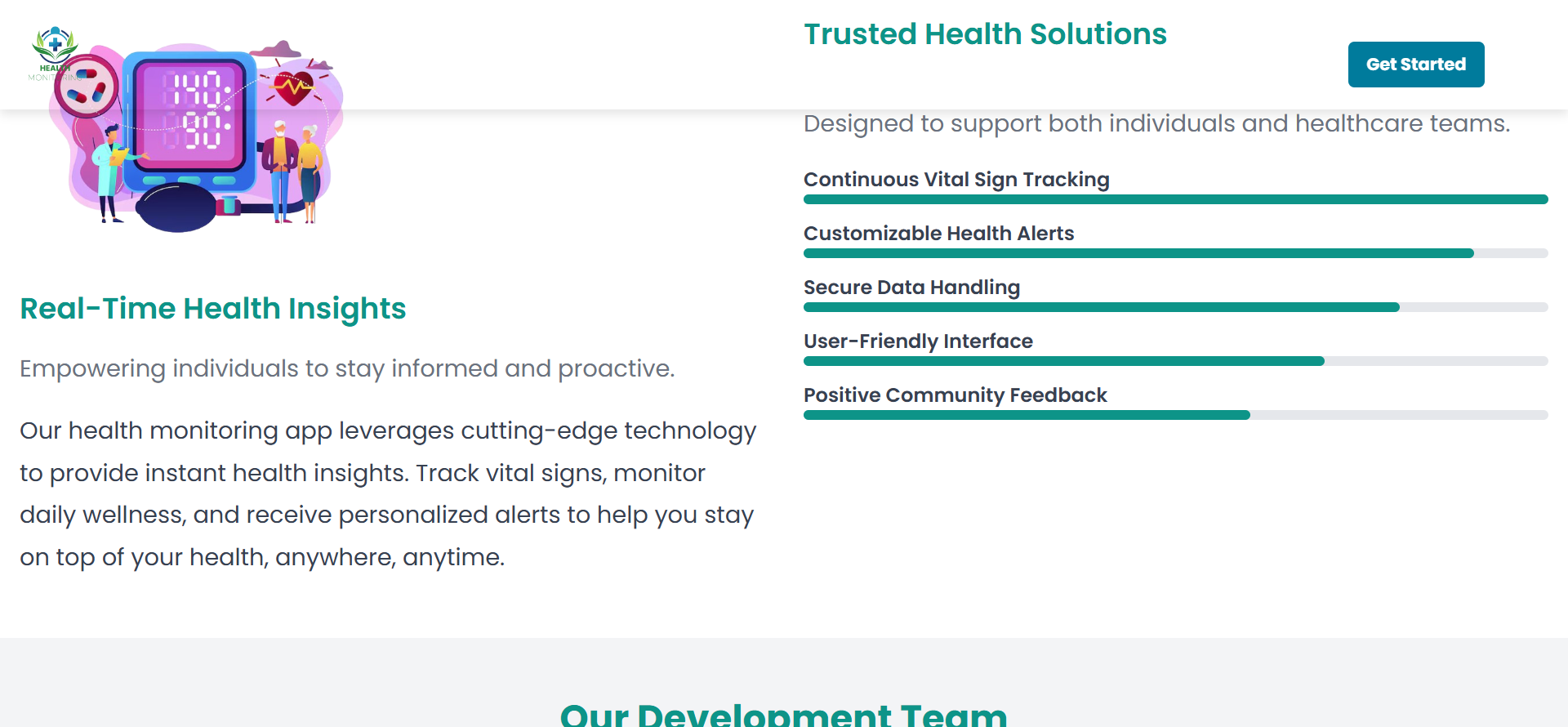
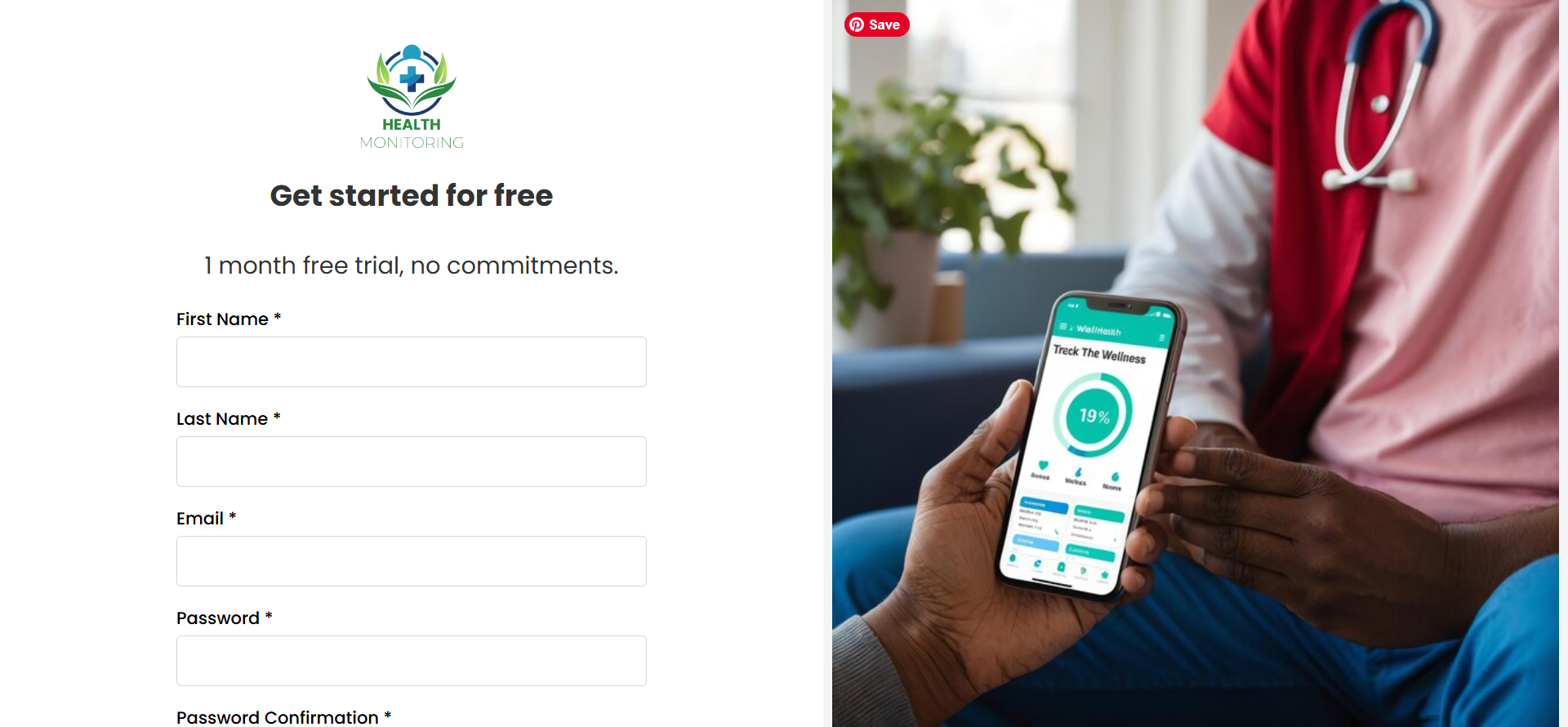
The Health Monitoring App allows users to log various health metrics, including heart rate, steps, blood pressure, glucose levels, and sleep hours. Users can add, edit, and view detailed records, set goals, and visualize their progress through an intuitive dashboard.
How we built it
The app was built using:
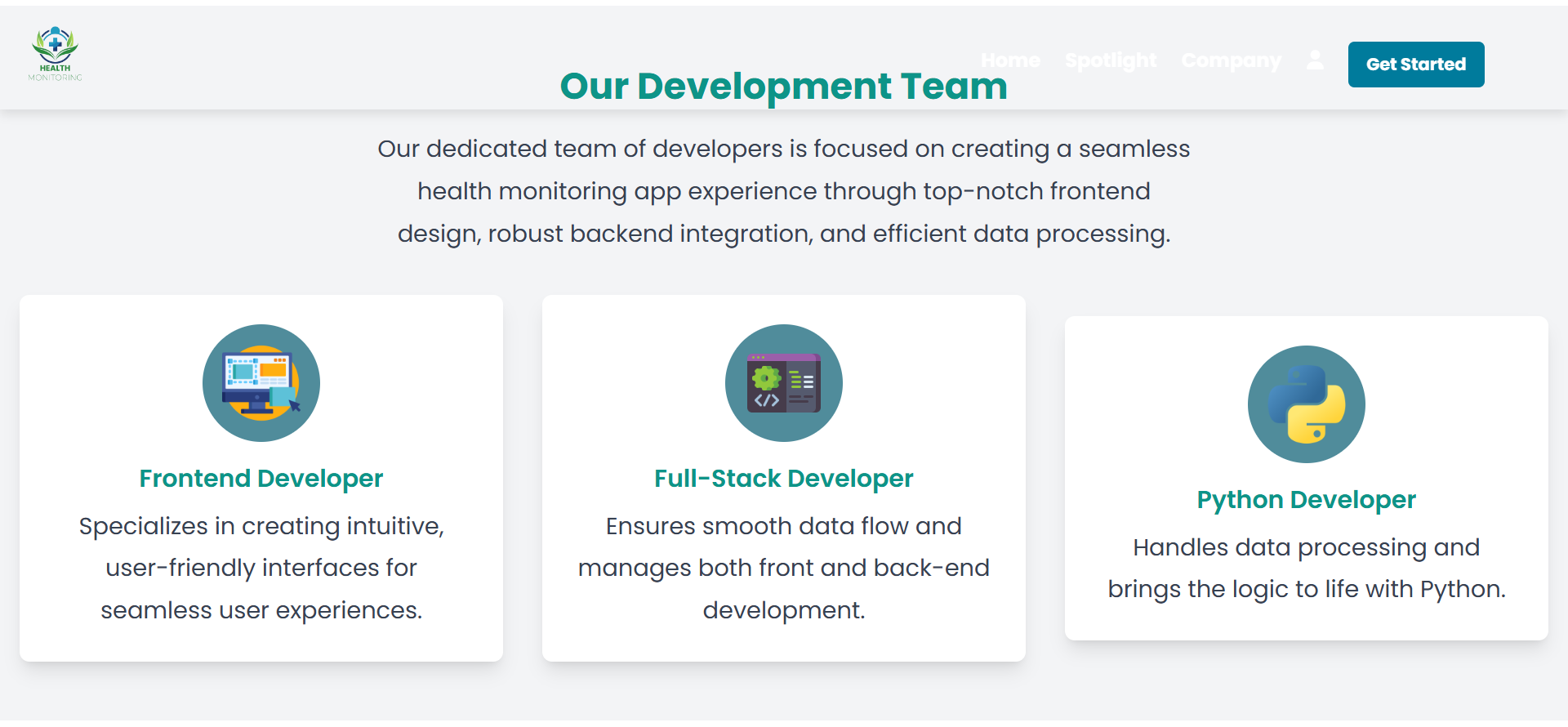
Frontend: React with Tailwind CSS for styling, focusing on a responsive and clean user interface. Backend: Django, managing the database, authentication, and data handling. Database: SQLite for initial development, with considerations for scalable options. APIs: Custom APIs were created in Django to handle user registration, login, and health data processing. The frontend was integrated with the backend using RESTful APIs to ensure smooth communication and a seamless user experience.
Challenges we ran into
One of the primary challenges was setting up efficient data synchronization between the Django backend and the React frontend. Initial issues with user authentication and data storage took time to troubleshoot. We also encountered some roadblocks in making the UI fully responsive across devices, especially in achieving a balance between a minimalist layout and feature-rich interface.
Accomplishments that we're proud of
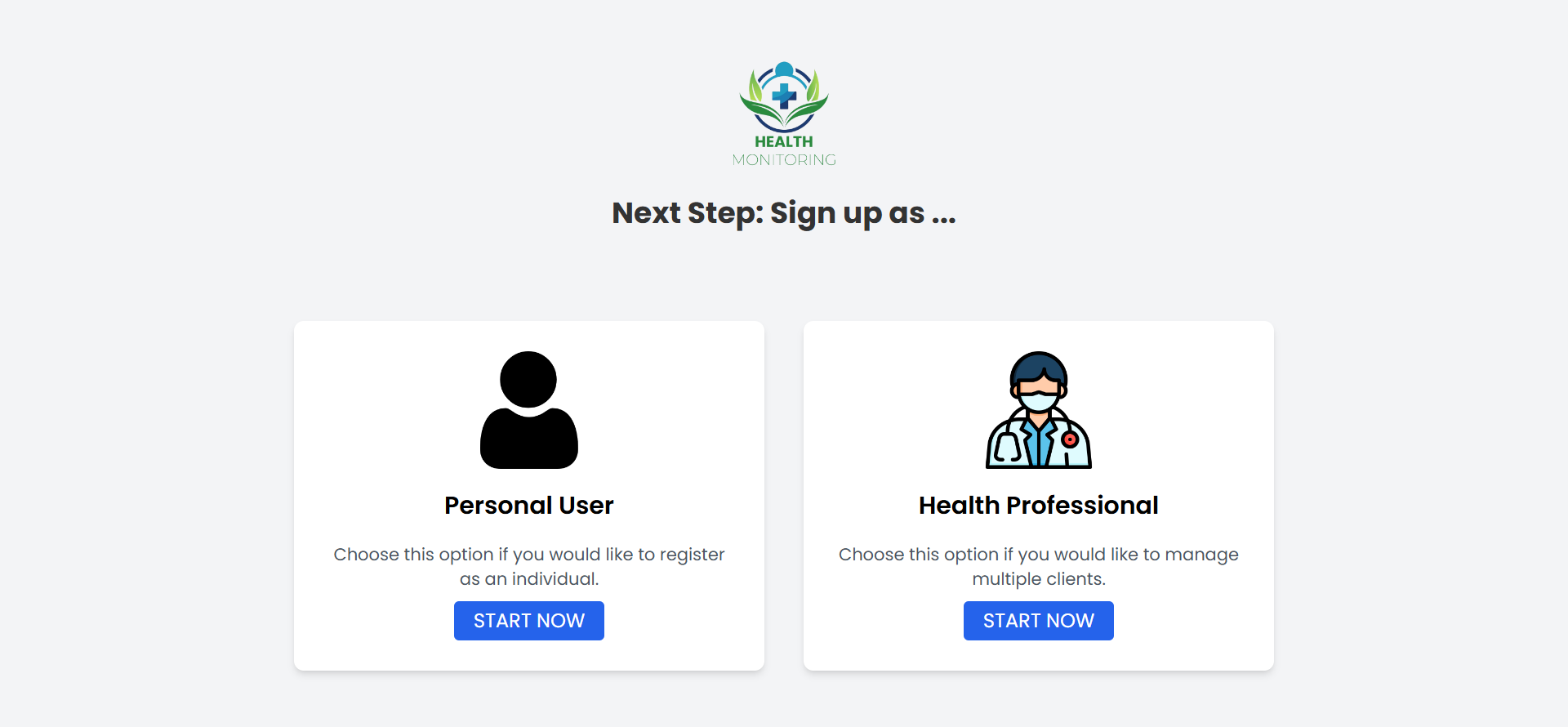
We’re proud of building a functional health monitoring platform that enables users to track diverse health metrics. Despite the challenges, our team succeeded in creating a visually appealing and accessible app. Implementing a customizable dashboard where users can personalize their data view is also an accomplishment we're excited about.
What we learned
This project taught us a lot about full-stack development, particularly about integrating a Django backend with a React frontend. We also gained experience in troubleshooting authentication and authorization issues. On the design side, we learned how to use Tailwind CSS for responsive, scalable layouts that look good on different screen sizes.
What's next for Health Monitoring App
In the future, we plan to:
Integrate more APIs from wearable devices to automatically sync user health data. integrate more AI features (AI-Powered Q&A) where users can ask questions and get answers from an AI about their health data. Implement data visualization options to give users deeper insights into trends over time. Add machine learning capabilities for health predictions based on user data. Explore using Microsoft Fluent UI to enhance the app's visual and interactive design.


Log in or sign up for Devpost to join the conversation.