-
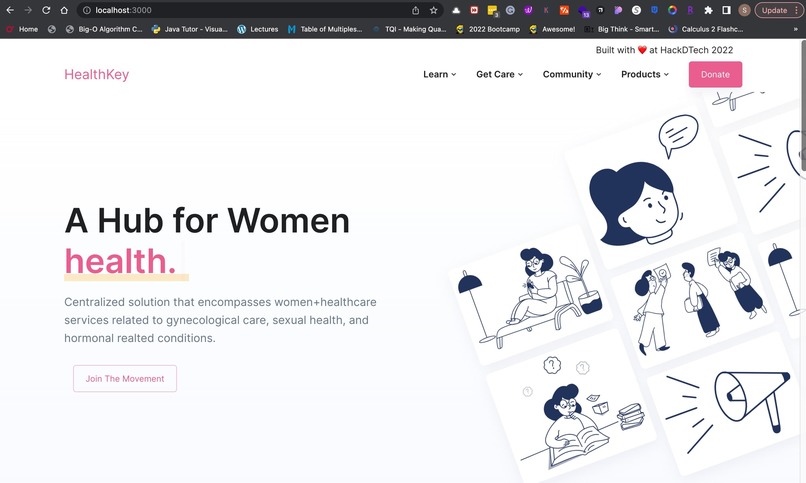
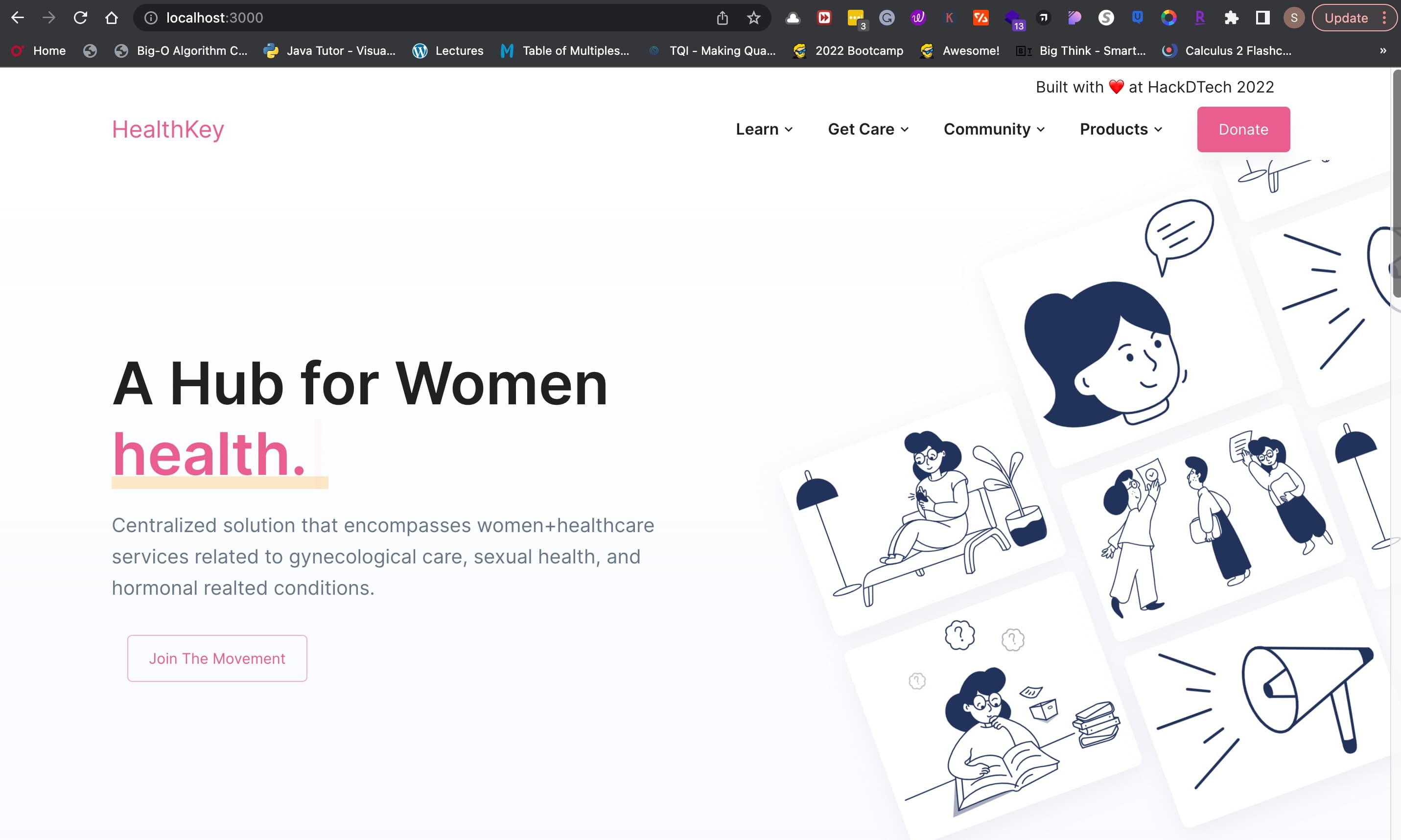
Main page of site
-
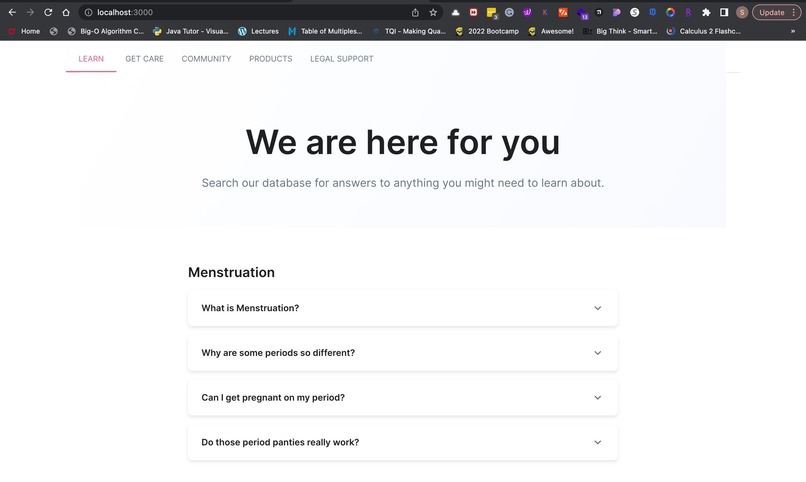
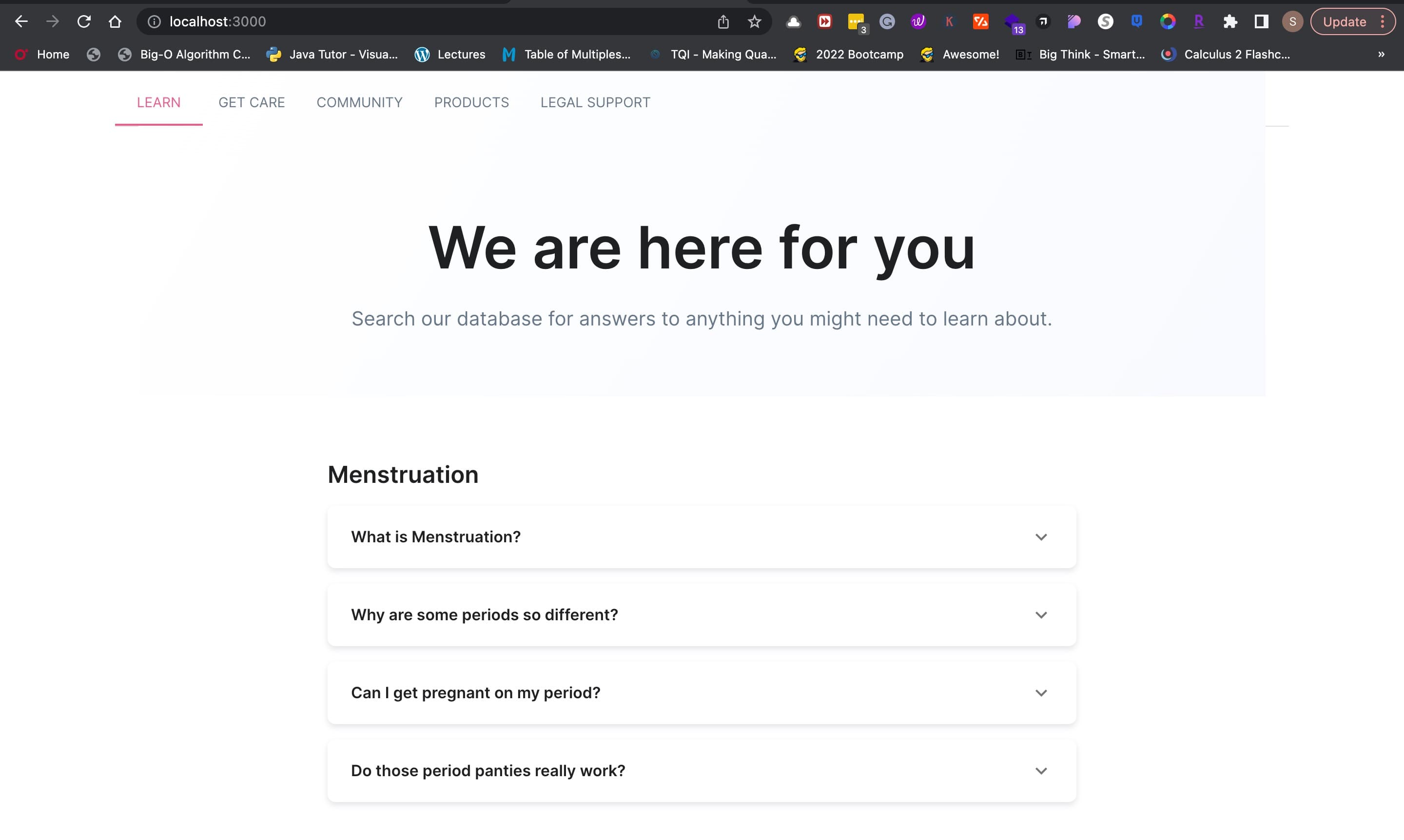
Community service
Inspiration
There has been a significant lack of innovation in digital health focused on women. Most digital health products aimed at women concentrate on cycle tracking and ovulation (Flo, Clue) and target a specific category of white, heterosexual, affluent, childbearing user. In light of recent political decisions that have made it harder for women to receive the care they need, it is increasingly important to have an inclusive site that offers information and solutions to the most significant issues surrounding reproductive health- menstruation, pregnancy, abortions, birth control to women who need it the most. While organizations like planned parenthood do an admirable job of highlighting informational articles, we were inspired to develop a tool that would offer personalized information, available medical services and connect users to both a support system of their peers as well as verified and trusted medical staff to help them navigate their own health.
What it does
Our website is a user-friendly interface that would serve as a hub for women's reproductive health, enabling users to find quick solutions to the four critical health issues: menstruation, pregnancy, abortions, and birth control. Through a simple navigation system, site users would be able to
- Access health information aggregated from verified and vetted sites surrounding their area of concern
- Have the opportunity to connect to trusted doctors close to them either based on their budget, with the ability to schedule appointments either virtually or in person filtered based on location
- Be able to connect to a community of women facing and having undergone similar health concerns
- Receive a curated list of verified pills and over-the-counter medication for their specific health issue, sorted by budget
- Balancing the level of personalization with ease of use
- Ensuring viable solutions to specific reproductive health issues without raising concerns regarding personal health information
- Determining ways to offer tailored support to women who might not be accustomed to using a digital platform to improve their health
- Connecting technology with healthcare
Accomplishments that we're proud of
- We are incredibly proud that we were able to innovate a product that has the potential to improve women's digital health significantly. Digital health could help unlock greater access and improved outcomes for women who lack the resources and means to seek traditional health routes.
- We believe we have identified and attempted to create a product that would particularly provide women in disadvantaged sectors the ability to instantly receive personalized, tailored healthcare solutions to major issues specific to reproductive health.
- Eliminating the hassles of endless google searching, site navigation only to yield generalized information.
- The opportunity to connect to a vetted, verified network of peers and medical professionals to combat depression and insecurity that come with feeling isolated when dealing with your health without a traditional family support system surrounding you.
What we learned
Since this was the first formal hackathon three out of four members had ever participated in, we each learned a lot simply in terms of the steps that go into conceptualizing a problem statement and linking viable solutions, designing and producing a viable product within a limited time frame that would distinguish itself from already existing items.
What's next for Health Key
While women account for nearly 80% of purchasing decisions in the healthcare industry, women's health still remains a poorly researched market. We would ultimately aim to have a single platform that would combine all aspects concerning female health: maternal, reproductive, menopausal, and generalized health conditions (like AIDS and cardiovascular disease) that affect women differently, leading to better health outcomes for women and presenting new opportunities for investors and companies across the healthcare industry. For example:
- Women considering birth control would be first offered a list of medicines customized according to age, budget, and specific need, be able to see potential side effects and concerns raised by both clinical trials and other women for each particular medicine, as well as opportunities to purchase the required pill/service: nearby pharmacies, insurance they accept, online commercial sites, etc.
- Perimenopausal and menopausal women would be able to log their symptoms and medications being taken to offer clinicians support to help customize a healthcare plan and treatment for them: for women unable to visit a specific specialized doctor or simply unaware of the resources they may be able to access within their area, the site would grant them the ability to both identify and make sense of the conditions they may be experiencing, as well connect them to available support systems instantly.


Log in or sign up for Devpost to join the conversation.