-
-
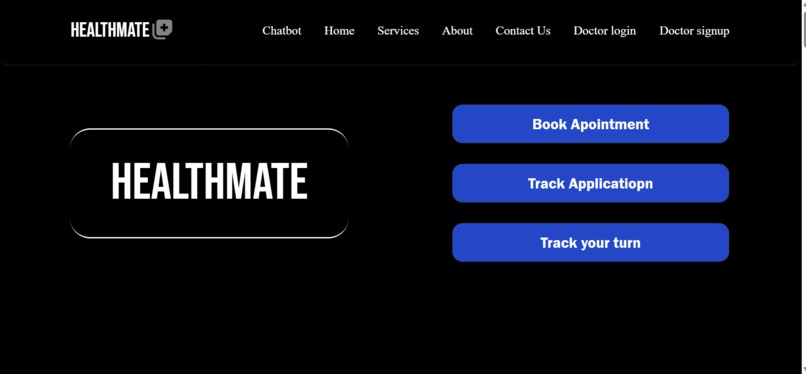
HealthMate
Inspiration Health Accessibility: The inspiration behind the SmartCity Health Hub came from the need to make healthcare more accessible and efficient for urban residents. Smart City Initiative: Inspired by the concept of smart cities, integrating technology to improve quality of life, streamline healthcare services, and enhance communication between patients and healthcare providers. User-Centric Design: Feedback from potential users indicated a desire for a comprehensive health assistant that combines various health services in one platform.
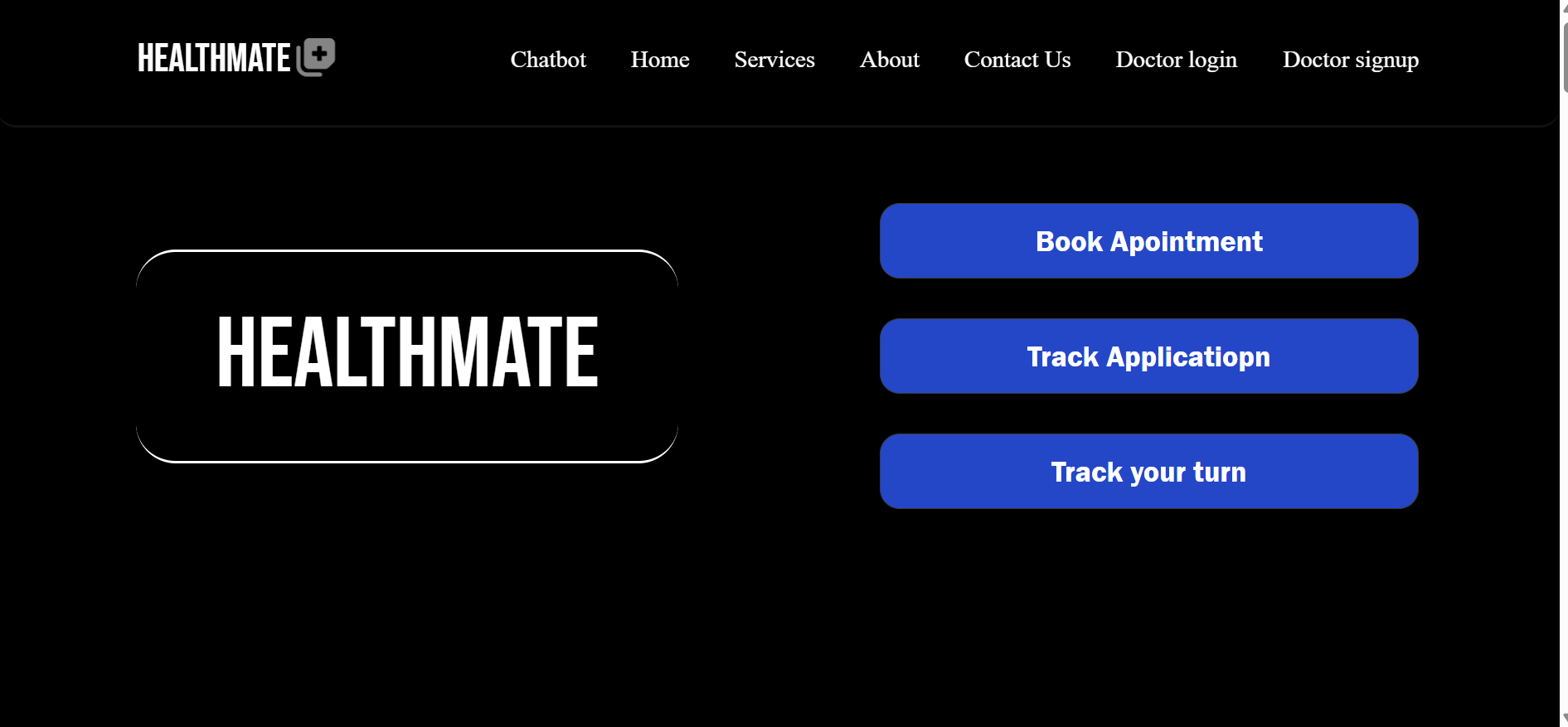
What it does Health Assistant webapp with Chatbot: Provides instant responses to health-related queries, including symptoms, medication prices, and doctor suggestions. Appointment Scheduling: Allows users to book appointments with healthcare professionals and view available slots. Medicine Price Comparison: Enables users to find the best prices for medications at nearby pharmacies. Emergency Assistance: Offers guidance on what to do in case of medical emergencies. Health Education: Provides tips on diet, exercise, and general health maintenance.
How we built it Technologies Used:
Frontend: Utilized HTML, CSS, JavaScript, and SCSS for building a dynamic and responsive user interface. Backend: Implemented Google Apps Script to manage data handling and API requests effectively. APIs: Integrated unpaid health-related APIs to provide information on symptoms, treatment options, and other health-related queries.
Development Process:
Conducted user research to identify key features that users would find beneficial. Designed the layout and user interface using wireframes and prototypes. Developed the frontend using HTML, CSS, JavaScript, and SCSS, ensuring an intuitive user experience. Leveraged Google Apps Script for backend logic, allowing for seamless communication between the frontend and various health APIs. Conducted user testing sessions to gather feedback and iterated on the design based on user input.
Challenges we ran into Data Integration: Difficulty in integrating various APIs and ensuring data consistency across different platforms. User Experience: Balancing complexity and usability while providing comprehensive features for users. Real-time Communication: Implementing WebSocket for real-time updates in appointment scheduling and chat interactions. Resource Constraints: Limited access to resources and tools initially, which required creative solutions. Accomplishments that we're proud of User-Friendly Interface: Successfully created an intuitive and responsive UI that caters to users of all age groups. Successful API Integration: Seamlessly integrated multiple APIs for real-time data retrieval and response. Positive User Feedback: Received encouraging feedback from test users regarding the functionality and usefulness of the app. Comprehensive Feature Set: Developed a diverse range of features that cover many aspects of health management.
What we learned Importance of User Feedback: Gained insights into user preferences and the significance of iterating based on user testing. Technical Skills: Enhanced our knowledge of React, Express.js, and MongoDB, along with practical experience in API integration. Project Management: Learned effective project management and collaboration techniques while working in a team. Adaptability: Developed problem-solving skills by addressing unexpected challenges during development. What's next for SmartCity Health Hub Feature Enhancements: Plan to add features like telemedicine consultations, personalized health recommendations, and user health records management. Mobile App Development: Explore the possibility of developing a mobile version of the application to increase accessibility. Partnerships: Seek partnerships with local healthcare providers and pharmacies to expand service offerings and improve user experience. Data Analytics: Implement data analytics to provide users with insights based on their health queries and trends.
Built With
- css3
- googlescript
- html5
- javascript
- scss

Log in or sign up for Devpost to join the conversation.