-
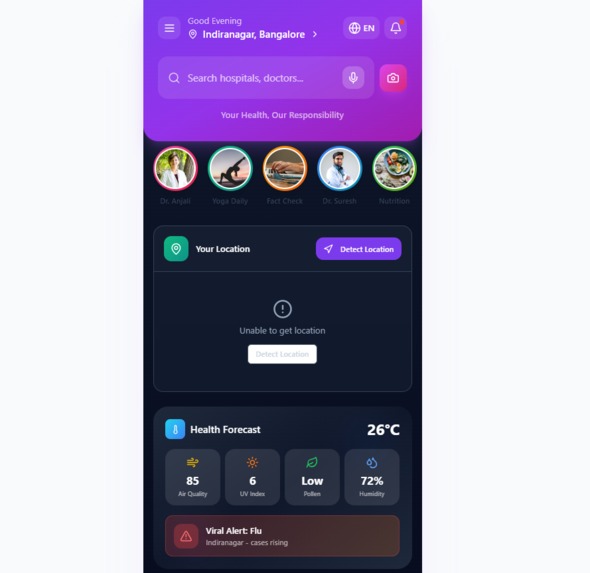
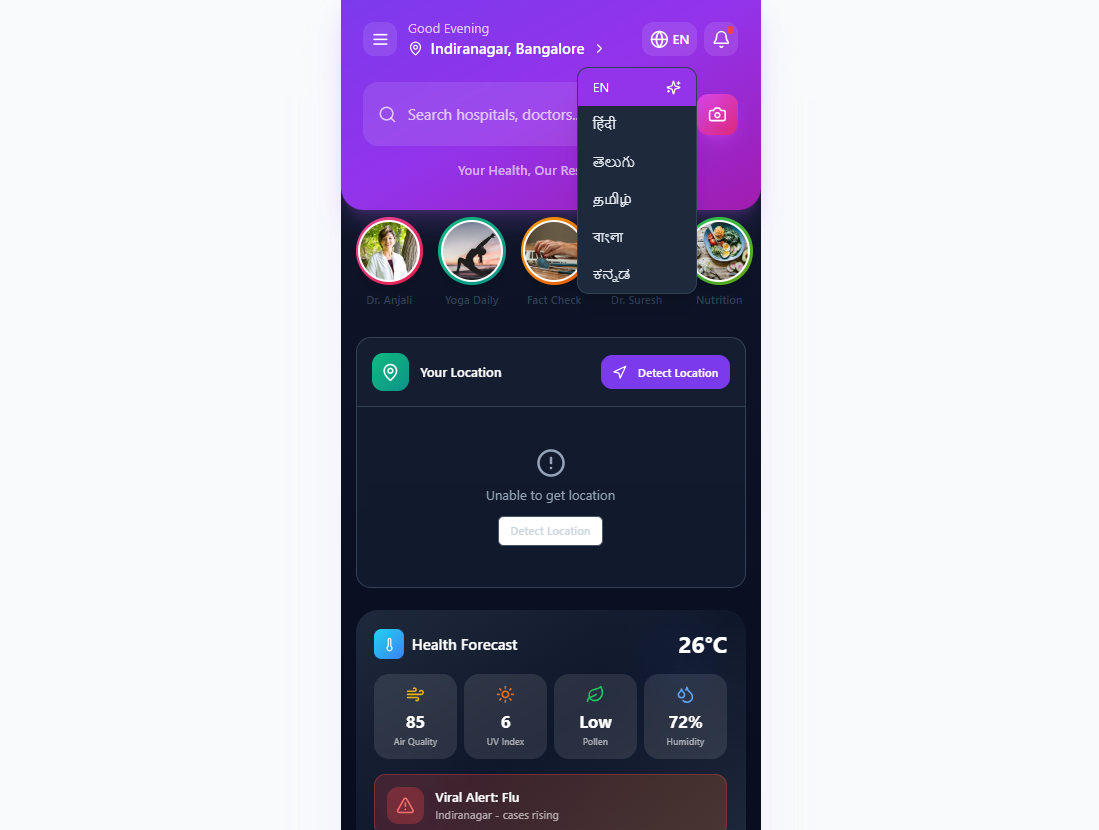
Home Page
-
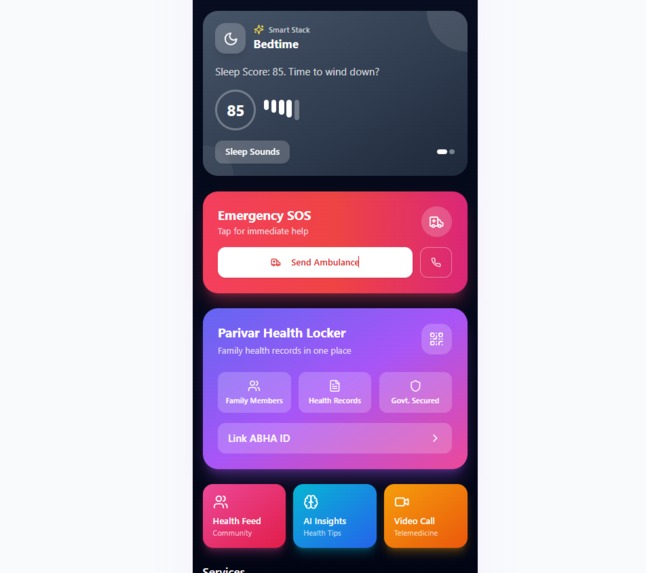
Home Page
-
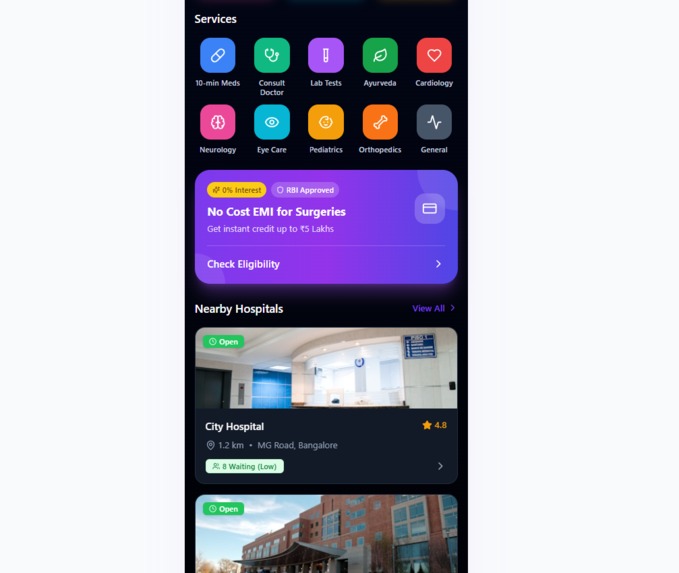
Home Page
-
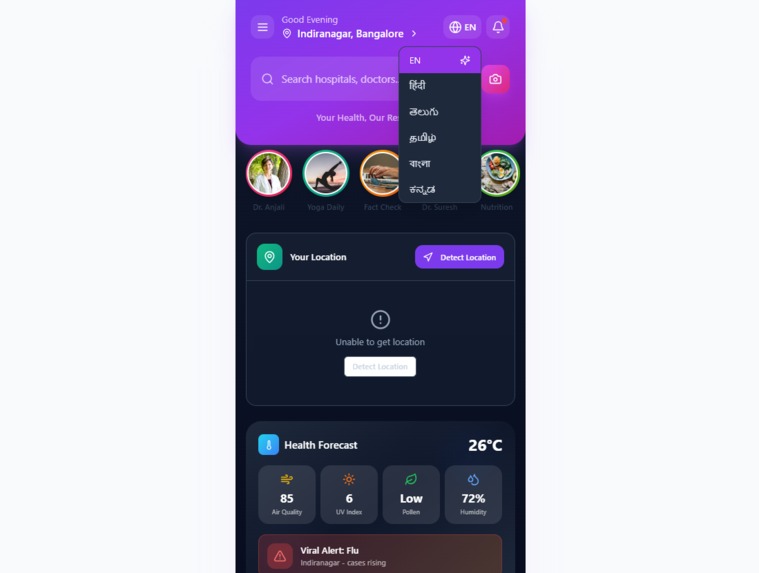
Multi-Language Support
-
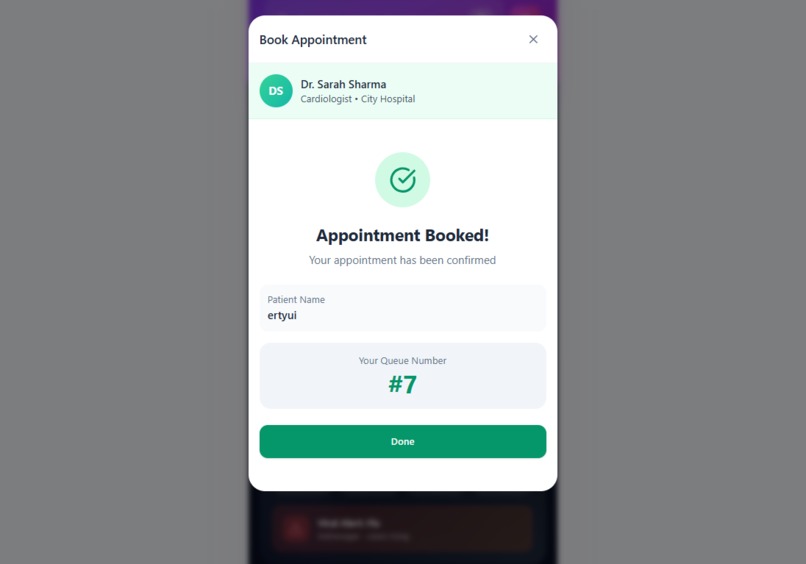
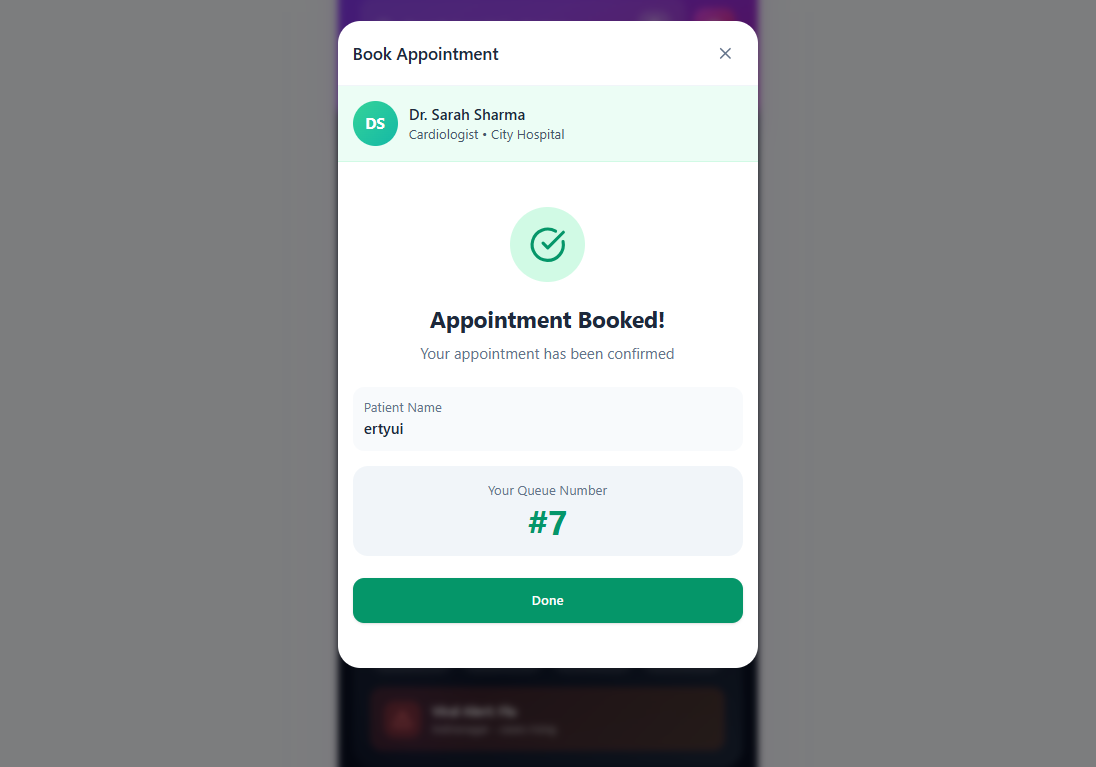
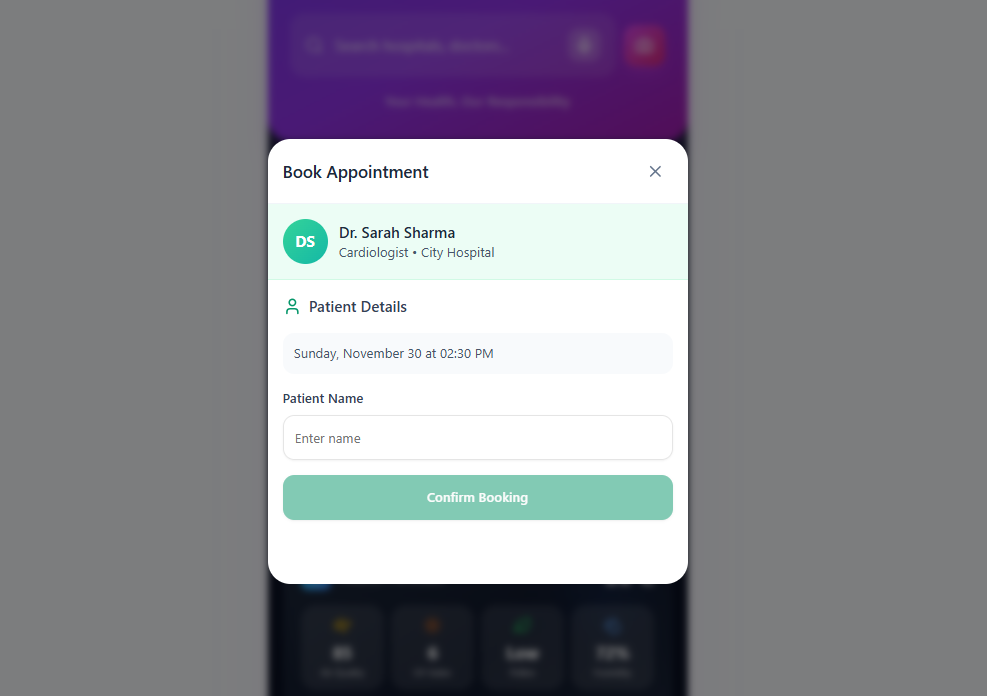
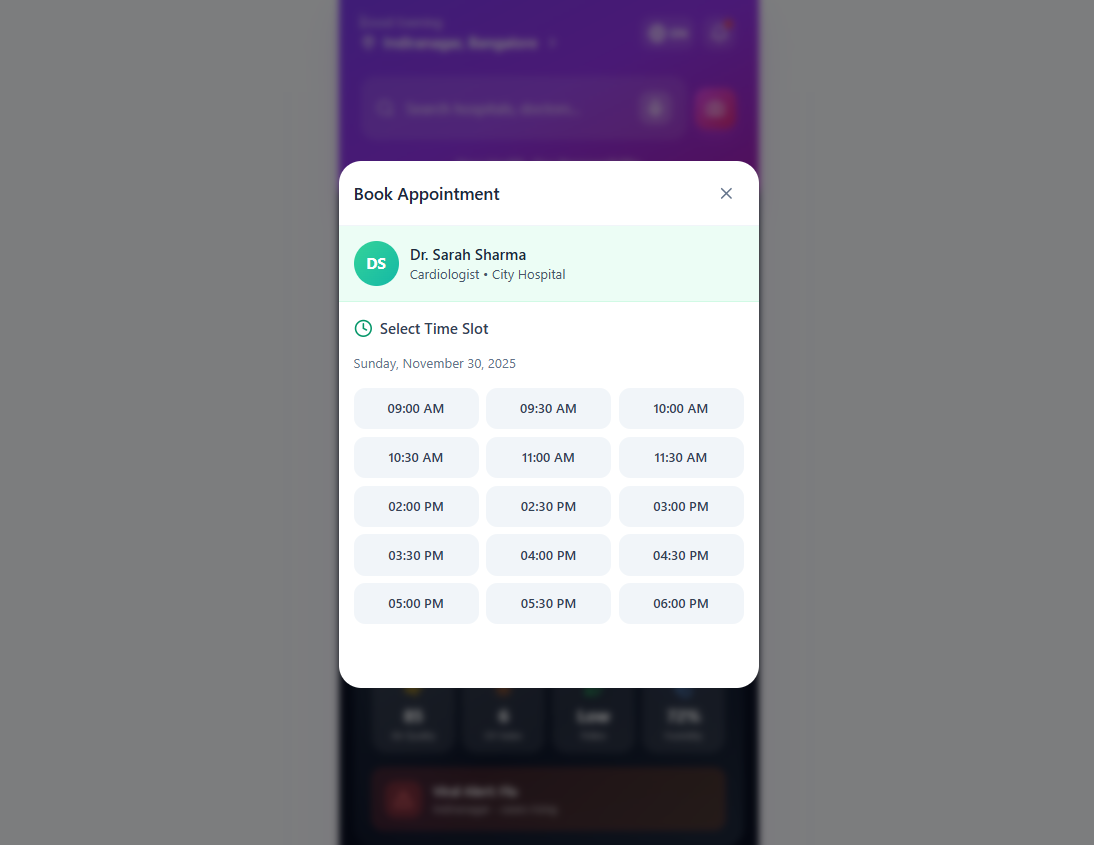
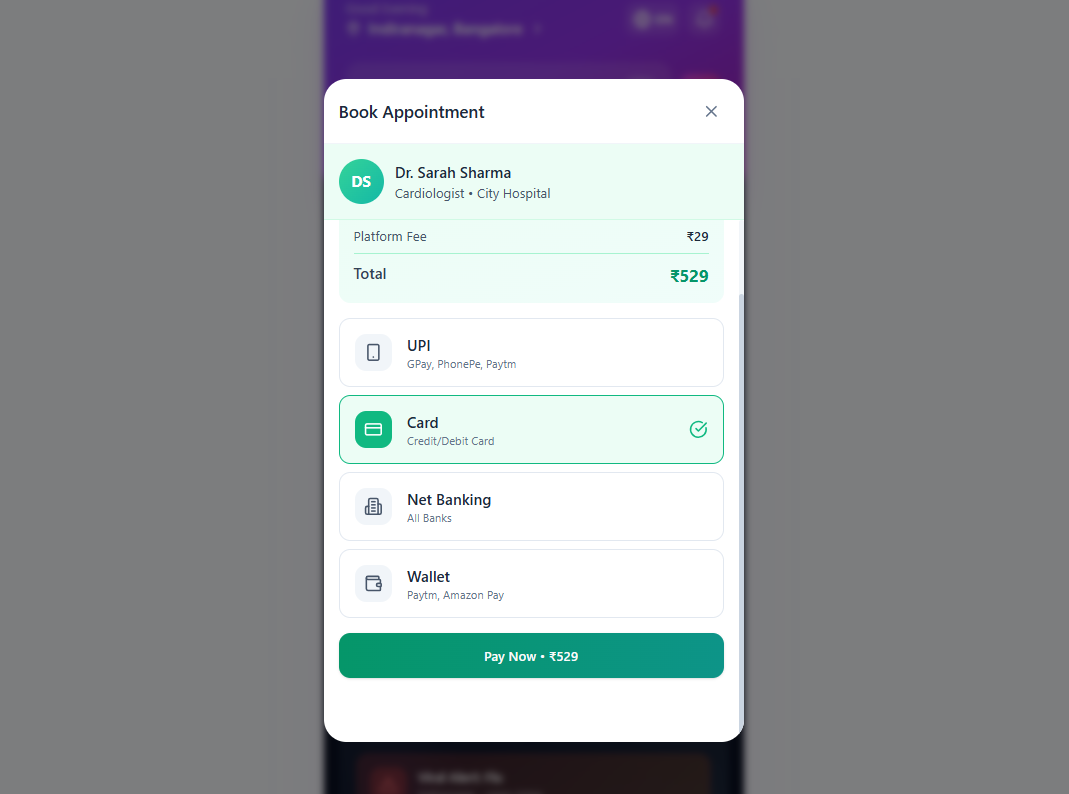
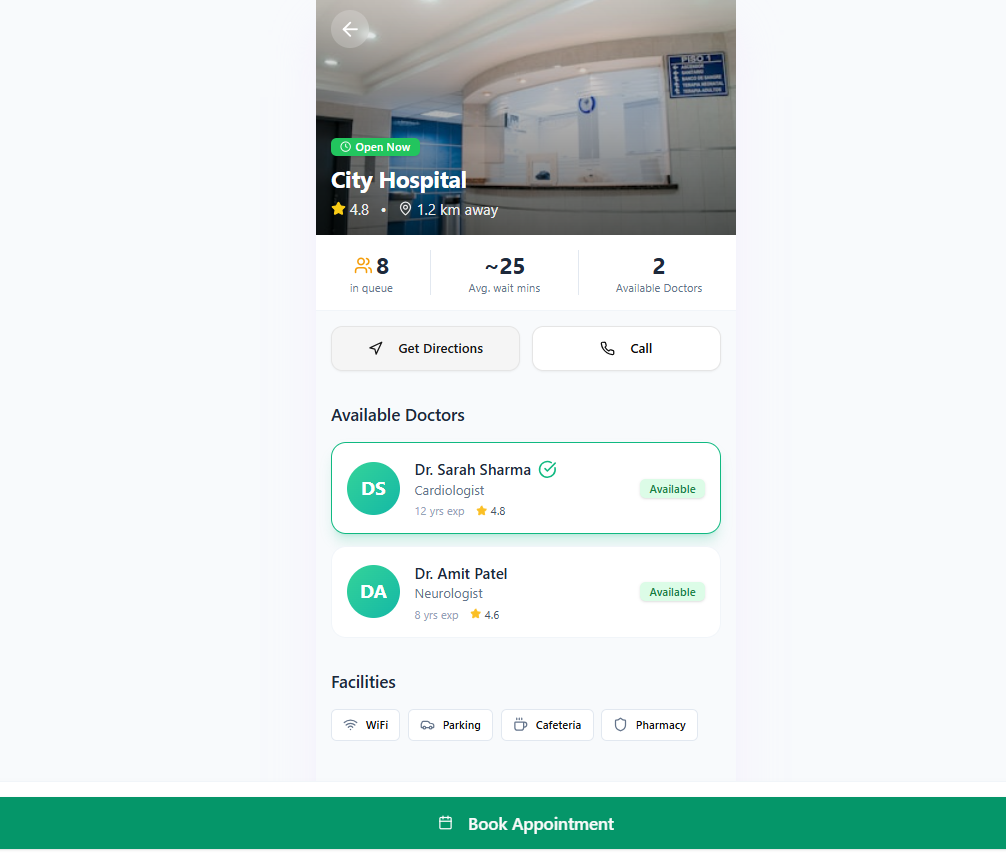
Appointment booking process
-
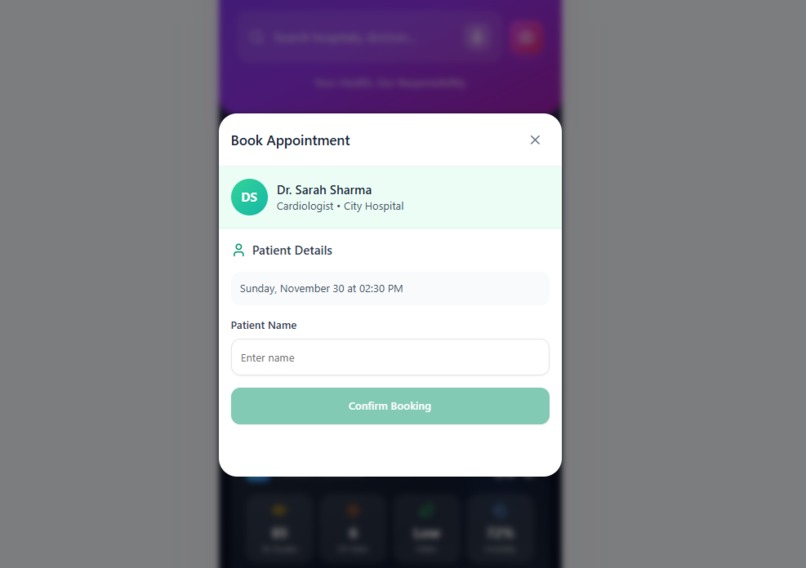
Appointment booking process
-
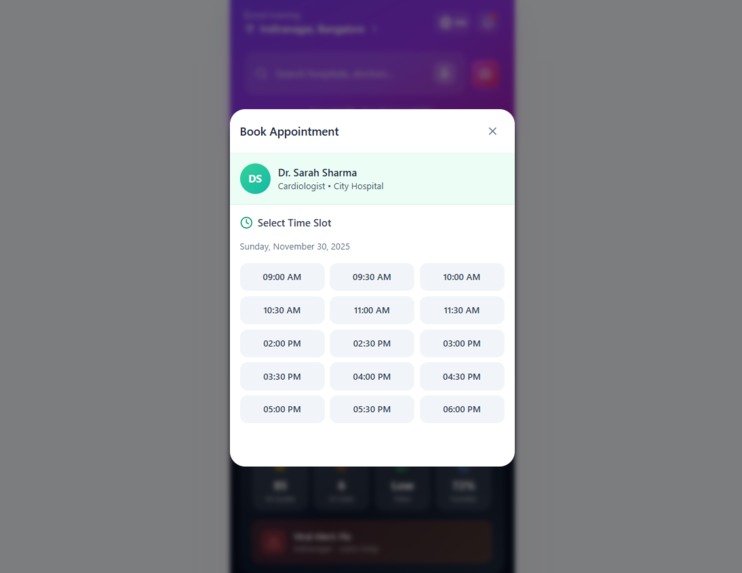
Appointment booking process
-
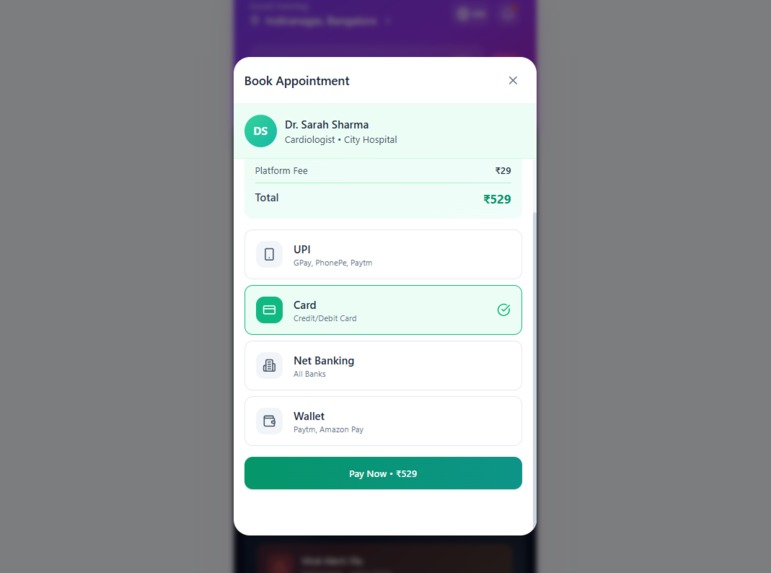
Appointment booking process
-
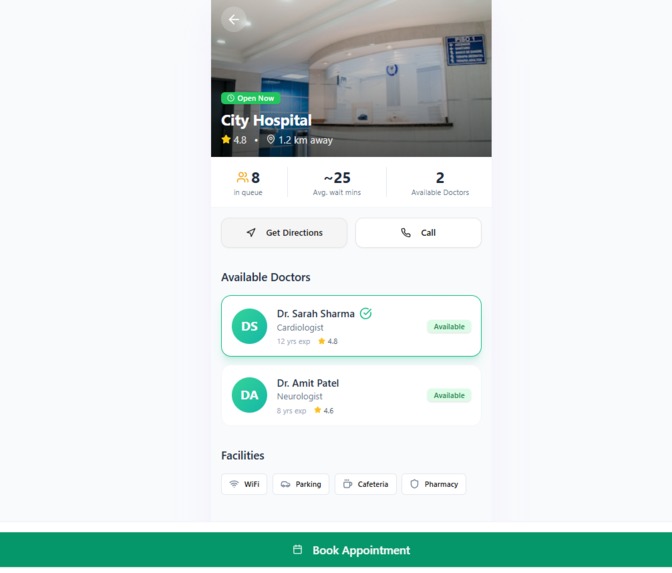
Appointment booking process
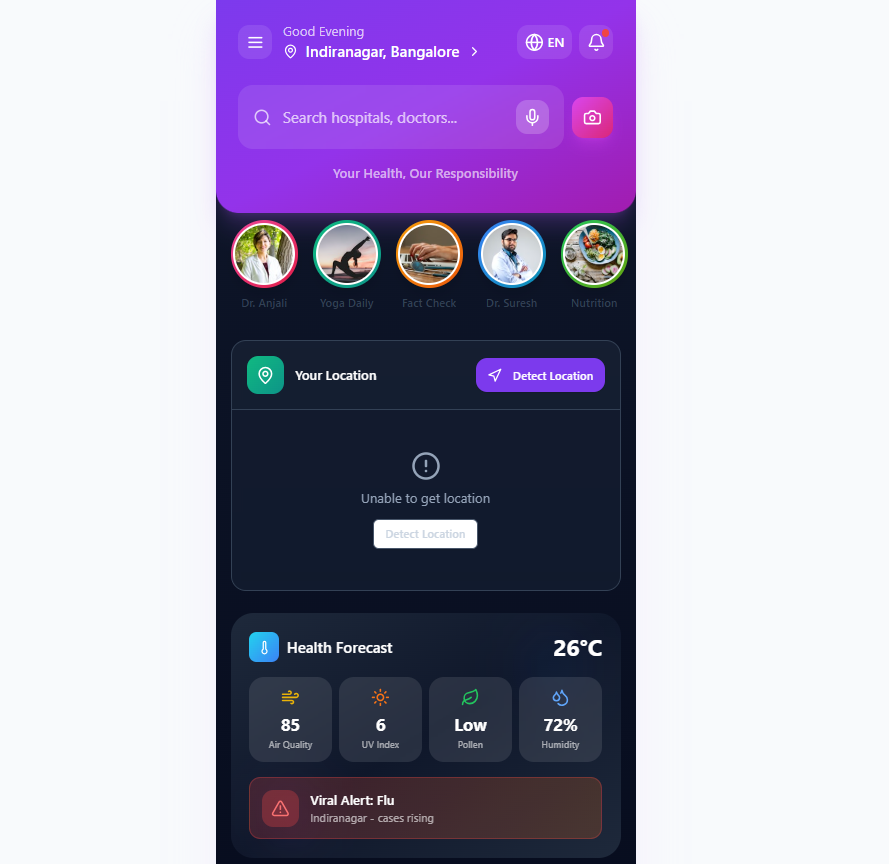
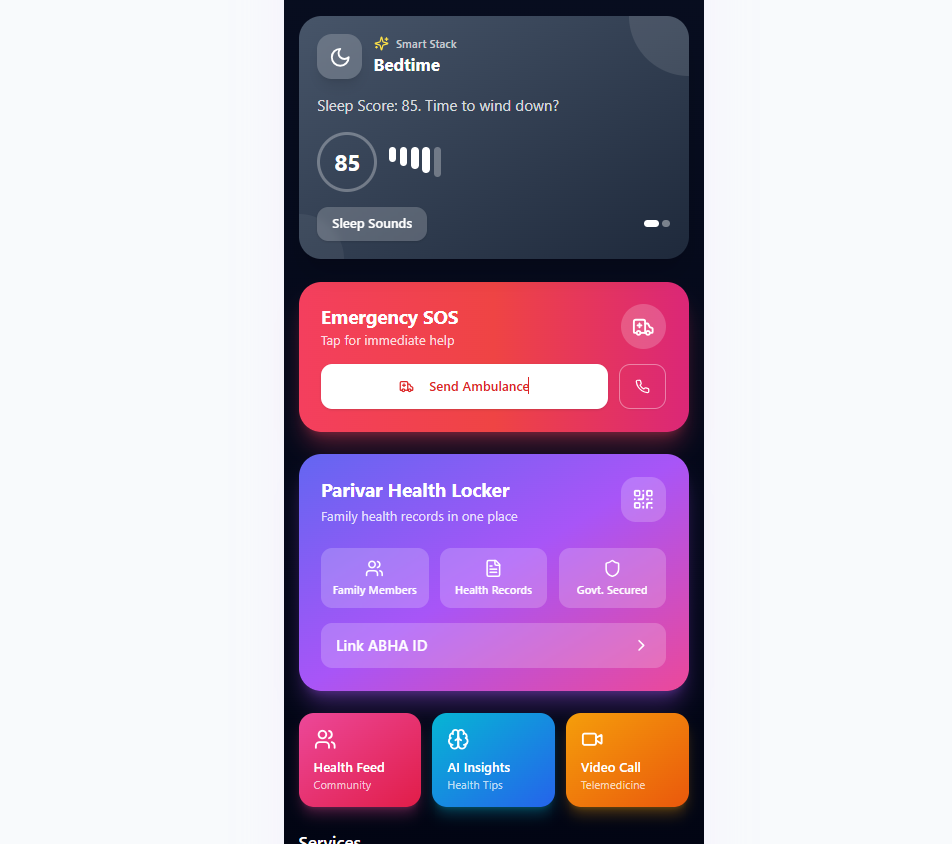
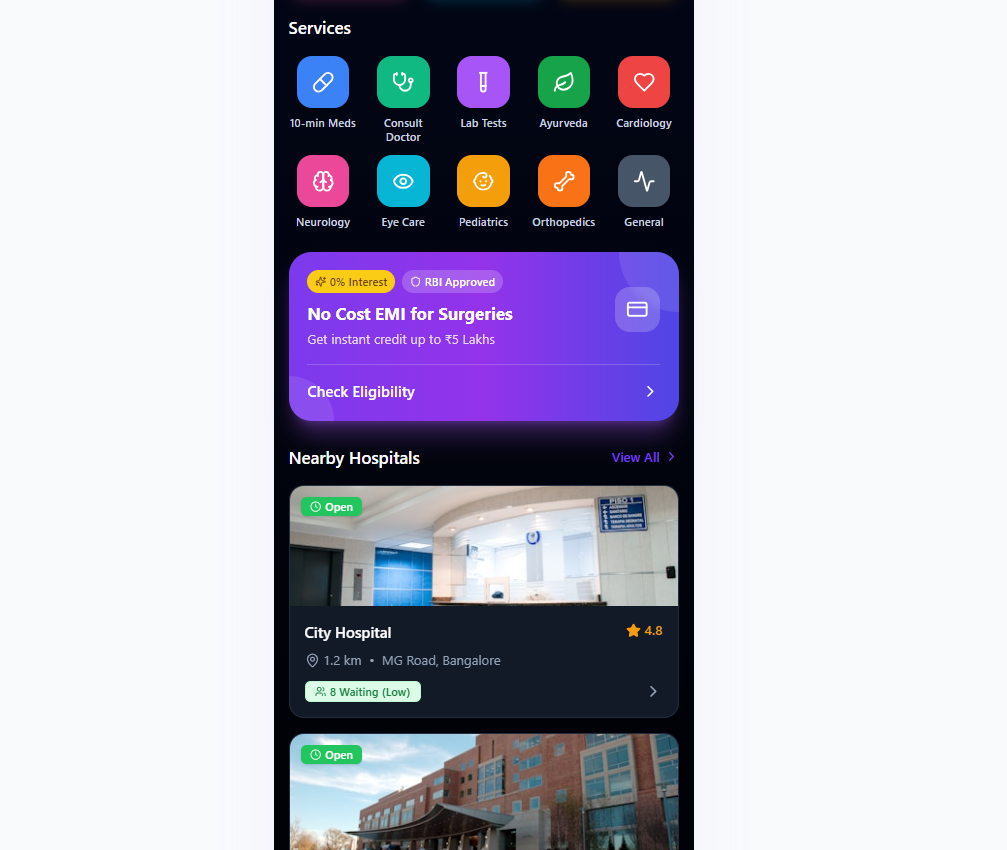
💡 Inspiration The Indian healthcare landscape is often fragmented. Patients frequently struggle to find nearby hospitals with availability, face language barriers when accessing medical information, or panic during emergencies without a clear plan. We noticed that while there are apps for booking doctors or ordering medicine, there wasn't a single "Super App" that combined emergency response, chronic management, and preventative AI wellness—specifically tailored for the vernacular Indian user.
We wanted to build a digital guardian that doesn't just react to sickness but proactively manages family health in the language they speak at home.
📱 What it does Health Guard is a comprehensive, multilingual healthcare ecosystem designed for the 1.4 billion people of India. It bridges the gap between patients and medical services through:
🚑 Emergency Response: A robust SOS system that dispatches ambulances and alerts community volunteers with a single tap.
🏥 Accessibility: A Hospital Finder that tracks live queue statuses and allows instant doctor booking via Telemedicine.
🧠 AI Assistance: Vaidya AI, our chatbot, provides symptom checking and health advice in 6 regional languages (English, Hindi, Telugu, Tamil, Bengali, Kannada).
🍛 Nutritional AI: The Scan Thali feature uses computer vision to analyze Indian meals and provide nutritional breakdowns.
📂 Digital Records: A Family Health Locker linked to ABHA IDs, ensuring medical history is portable and secure for the whole family.
⚙️ How we built it Frontend: We used [Flutter/React Native] to ensure a smooth cross-platform experience with a modern Dark Mode UI.
Backend: Built on [Node.js/Firebase] to handle real-time GPS tracking for ambulances and live hospital queue updates.
AI & ML:
We utilized LLMs (fine-tuned on medical datasets) to power Vaidya AI for multilingual conversations.
Computer Vision models were trained on datasets of Indian cuisine to power the Scan Thali calorie counter.
Integrations: We integrated Google Maps API for location services and simulated ABHA (Ayushman Bharat Health Account) protocols for secure health record storage.
🚧 Challenges we ran into Language Nuances: Translating complex medical terminology into regional languages (like Tamil or Bengali) without losing accuracy was difficult. We had to implement strict context checks for the AI.
Food Recognition: Training the "Scan Thali" model to differentiate between visually similar Indian dishes (e.g., Dal Fry vs. Sambar) required extensive data augmentation.
Latency: Ensuring the SOS feature triggered alerts instantly without battery drain from constant GPS usage required optimizing our background location services.
🏆 Accomplishments that we're proud of True Multilingual Support: Successfully implementing a UI that dynamically adapts to 6 different scripts and languages.
The "Scan Thali" Feature: It feels magical to snap a photo of a home-cooked meal and get an accurate nutritional breakdown instantly.
ABHA Integration: Creating a secure, compliant architecture for the Family Health Locker that respects user privacy and data sovereignty.
📚 What we learned Localization is key: Building for India means building for "Bharat." A health app is only useful if the user understands the advice given.
Trust is paramount: Users need to feel secure storing their family's medical history. We learned a lot about encryption and data privacy standards in Indian healthcare.
AI Hallucinations: We learned how to constrain AI responses to ensure Vaidya AI provides helpful suggestions without making unauthorized medical diagnoses.
🚀 What's next for Health Guard Offline Mode: Enabling basic first-aid guides and SOS functionality via SMS for areas with poor internet connectivity.
IoT Integration: Connecting the app with smartwatches to automatically trigger SOS if a fall or cardiac event is detected.
Drone Delivery: Partnering with logistics providers to test drone delivery for essential medicines in remote areas.
Government Integration: APIs to connect directly with the government's 108 ambulance network.
Built With
- base44

Log in or sign up for Devpost to join the conversation.