-
-
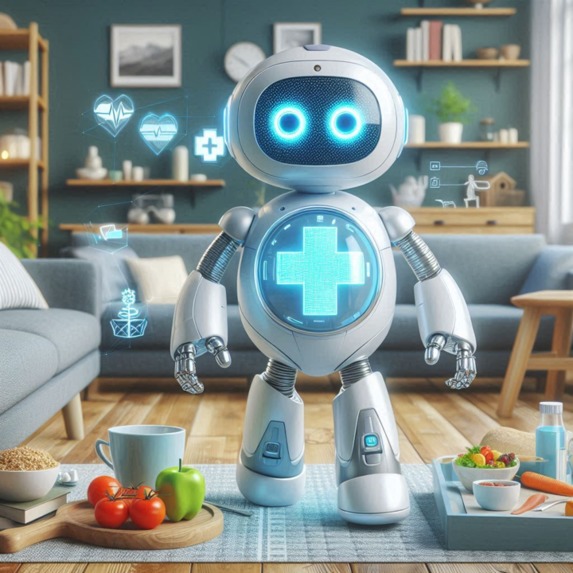
Health Companion icon
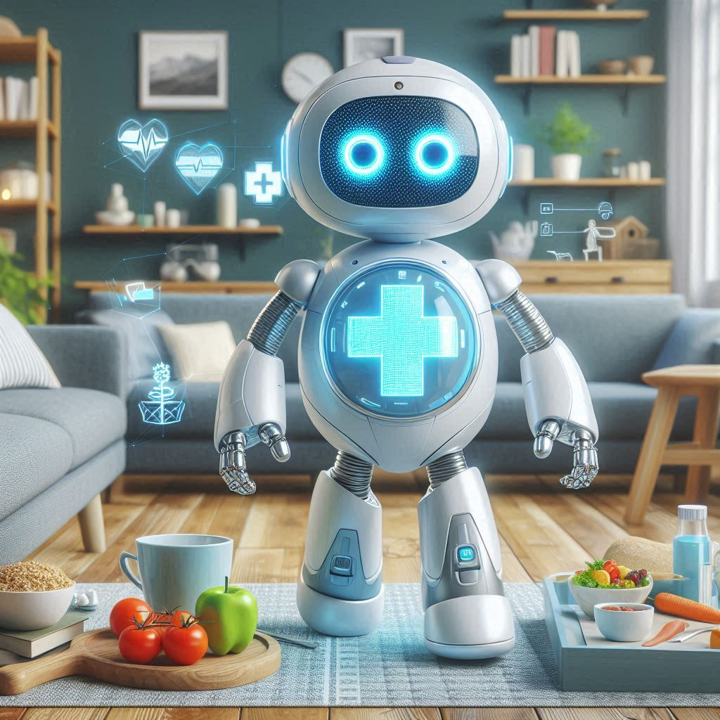
Inspiration
When illness strikes, it can feel as if life has come to a halt, presenting a barrage of decisions: to continue with daily activities or to pause, to prioritize health or privacy, and to seek immediate medical attention or not. Amidst this, questions arise: What is happening to me? How did I get here? What should I do next? How long will this condition last? Consulting a doctor is crucial, as we entrust them to address our concerns. However, it's essential to ask the right questions and effectively communicate our symptoms. Doctors are qualified professionals with experience, best practices, and current knowledge, aiming to perform with excellence. Yet, there is a risk of either over-treatment or under-diagnosis. Attention to detail by both parties can mitigate these risks, but the possibility of error remains.
What it does
Track 1
1. Use RTM or RPM to gather patient-reported outcomes and/or physiologic/sensor data to improve the monitoring of patients’ health, particularly in a way compatible with health insurance coverage. Therapeutic categories of interest are outlined below, and refer to the conditions and diseases where Regeneron is focused on developing new medicines.
Remote Therapeutic Monitoring (RTM) could evolve with the integration of generative AI, offering a transformative approach to patient care. By utilizing AI to analyze patient-generated data through common language questioning, RTM systems can facilitate self-monitoring and symptom tracking. This empowers patients to better understand their health conditions and fosters a proactive healthcare environment. The AI model can synthesize the data into a comprehensive summary, highlighting key symptoms and generating pertinent questions for further consultation with healthcare providers. This could enhance patient engagement and streamline the diagnostic process, enabling timely interventions and personalized care plans. It holds the potential to revolutionize the way patients and doctors interact, making healthcare more accessible and efficient.
2. Gather data to be useful for real-world data (RWD) driven clinical research, particularly Patient Reported Outcomes (PROs) and digital sensor data beyond Electronic Health Record (EHR) and health insurance claims data. Example uses and contexts for RWD include Phase 4 post-approval understanding of how certain medications work in the real-world setting, and data used to develop digital biomarkers that correlate with and/or predict traditional disease progression measures.
In the context of real-world data (RWD) driven clinical research, mapping symptom summaries across patient records (EHR) can be a pivotal method for harnessing patient-reported outcomes (PROs) and digital sensor data. This approach transcends traditional data sources such as Electronic Health Records (EHR) and health insurance claims, offering a more nuanced view of medication efficacy in real-world settings. By correlating these findings with established disease progression metrics, researchers can develop digital biomarkers that not only mirror but also potentially forecast the trajectory of diseases. Such innovative methodologies could significantly enhance Phase 4 post-approval studies, providing deeper insights into patient experiences and treatment outcomes.
3. Do this in a way that is compelling for patients (adults and/or pediatric), caregivers, and healthcare providers
Engaging patients, caregivers, and healthcare providers in a compelling manner involves the use of clear, accessible language that resonates with their experiences and concerns. By employing an iterative approach to questioning, patients are encouraged to actively participate in their own care, reflecting on and articulating their symptoms and concerns in a way that is both informative and empowering. This method not only facilitates a deeper understanding of their health conditions but also fosters a collaborative environment where caregivers and healthcare providers can offer support and guidance without overwhelming the patient with medical jargon. Such an approach can be particularly beneficial when conducted in a familiar and comfortable setting, where patients feel at ease and more open to communication. Moreover, the involvement of a trusted family member or caregiver can enhance this process, ensuring that the patient's voice is heard and their health needs are adequately addressed. This patient-centered strategy not only improves the quality of care but also strengthens the relationship between patients, their support systems, and healthcare professionals.
How we built it
Leveraging Google's generative AI, a model was constructed to facilitate patients in conducting self-analysis of their symptoms. This model operates through a series of common language questions that patients can easily understand and respond to. As patients interact with the system, it incrementally learns from their symptoms. The system's learning capability ensures that it becomes more attuned to the patient's condition, potentially leading to more personalized and informed healthcare discussions.
Challenges we ran into
One of the challenges faced was finding a structure or model that can facilitate effective iterations with patients.
Accomplishments that we're proud of
The potential of this model to improve communication between healthcare professionals and patients is indeed a significant accomplishment. By providing a platform for clearer and more efficient dialogue, it can contribute to a higher standard of care. Enhanced communication can lead to better diagnosis, more effective treatment plans, and a more personalized healthcare experience, ultimately resulting in improved patient outcomes and satisfaction.
What we learned
Generative AI could indeed revolutionize the healthcare industry by enhancing communication between patients and medical professionals. It can make it easier for patients to articulate their symptoms, which in turn allows for more accurate diagnoses and personalized treatment plans.
What's next for Health companion
The future of Health Companion looks to develop direct integration capabilities to facilitate seamless information transfer between patients to health providers. This advancement will bypass the need for intermediary communication tools, allowing for real-time updates and potentially improving the quality of care through faster, more reliable data exchange.
Built With
- android
- google-ai-generative


Log in or sign up for Devpost to join the conversation.