Inspiration
Inspiration
imagine a world where you could have a helpful and informative conversation with a computer, just like you would with a friend. That's what we've tried to create with our project: a health chatbot.
What it does
Well, we know that mental health is a really important issue, and sometimes it can be tough to talk to someone about it. So, we thought, "Why not create a chatbot that can provide helpful information and support?" This way, people can get the information they need, anytime, anywhere.
How we built it
Teaching the Computer to Understand: First, we had to teach the computer to understand human language. We used a special kind of computer program called a Large Language Model (LLM). Think of it as a super smart parrot that can mimic human language.
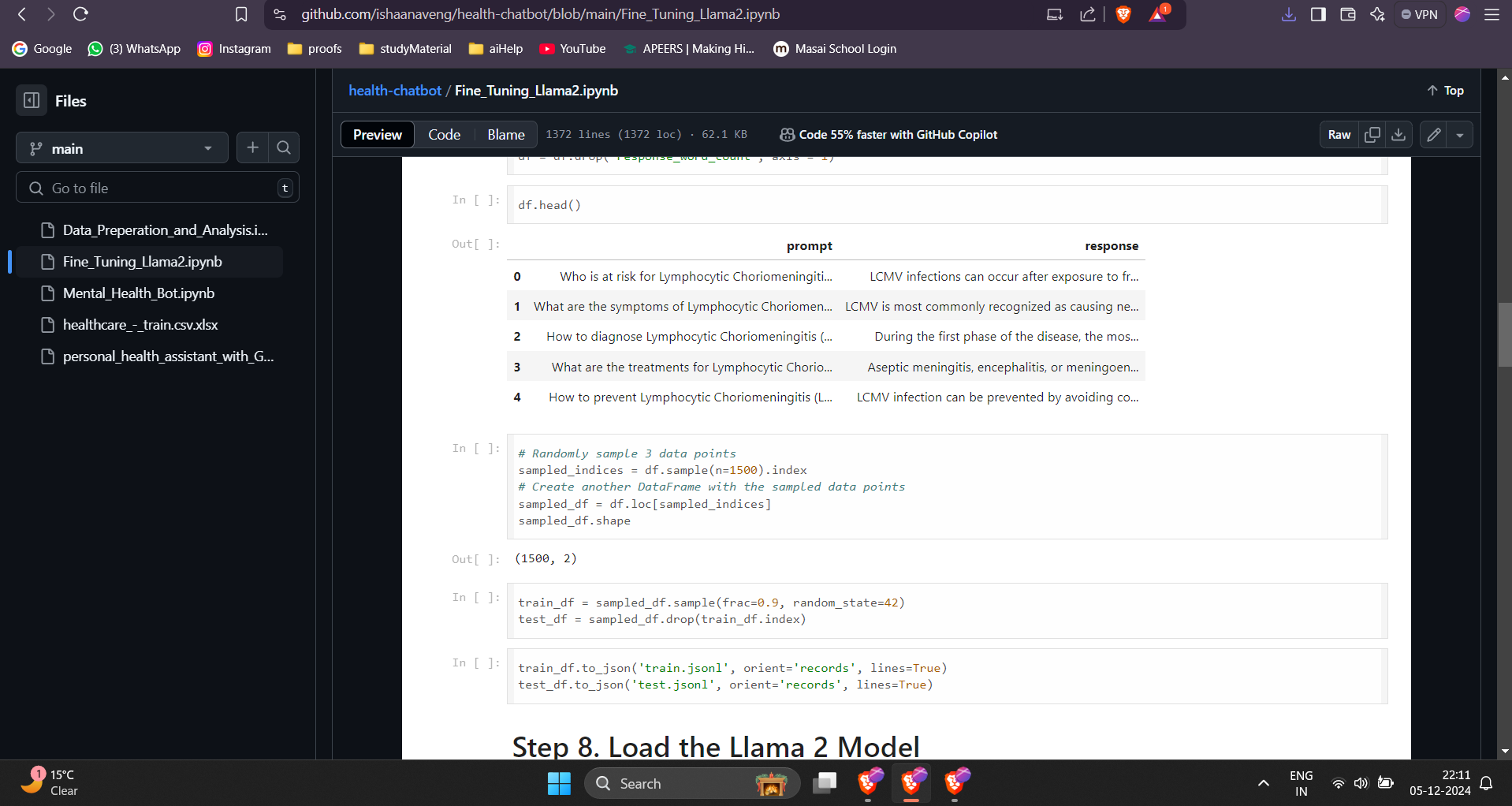
Training the Parrot: We trained this LLM on a huge dataset of conversations about health. This helped it learn to understand questions and provide accurate answers.
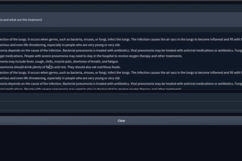
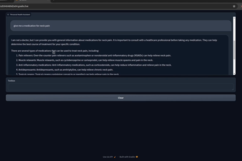
Building a Chat Room: Next, we created a simple chat interface using a tool called Gradio. This is where you can have a conversation with the chatbot.
Challenges we ran into
Keeping it Real: One of the biggest challenges was making sure the chatbot's responses were accurate and helpful. We had to be very careful to avoid giving out wrong information, especially when it comes to health. Teaching it to be Nice: We also wanted the chatbot to be friendly and supportive. It's important to be kind and understanding, especially when someone is feeling down.
Accomplishments that we're proud of
The Power of AI: We learned that AI can be a powerful tool for helping people, but it's important to use it responsibly. The Importance of Good Data: The quality of the data we used to train the model was crucial. Good data leads to better results. The Human Touch: While AI can be helpful, it can't replace human connection. It's important to remember that sometimes, the best way to get help is to talk to a real person.
What we learned
The Power of AI: AI can be a powerful tool for providing information and support, especially in areas like mental health where accessibility can be a challenge. It can process vast amounts of information and respond to queries quickly and efficiently.
The Importance of Data Quality: The quality of the data used to train the model significantly impacts its performance. High-quality data ensures that the model learns accurate and relevant information. It's crucial to curate and clean the data to minimize biases and inaccuracies. The Limits of AI: While AI can provide information and support, it cannot replace human empathy and understanding. It's essential to use AI as a tool to augment human capabilities, not as a replacement. Ethical Considerations: Developing AI systems that are fair, unbiased, and transparent is crucial, especially in sensitive areas like healthcare. We must be mindful of the potential for misuse and harm.
What's next for health chat bot
Expanding the Knowledge Base:
Incorporate more diverse and up-to-date health information sources. Consider integrating with reputable medical databases and organizations. Improving Natural Language Processing:
Enhance the chatbot's ability to understand and respond to complex queries and nuanced language. Explore advanced NLP techniques like sentiment analysis and intent recognition. Personalization:
Develop features that allow the chatbot to tailor its responses to individual users based on their specific needs and preferences. Consider using user data to provide personalized recommendations and advice. Privacy and Security:
Implement robust security measures to protect user data and privacy. Adhere to ethical guidelines and regulations for AI development. User Feedback and Evaluation:
Gather user feedback to identify areas for improvement. Conduct regular evaluations to assess the chatbot's effectiveness and accuracy.
Built With
- colab
- gradio
- hugginface
- llama2
- lora
- qlora

Log in or sign up for Devpost to join the conversation.