-
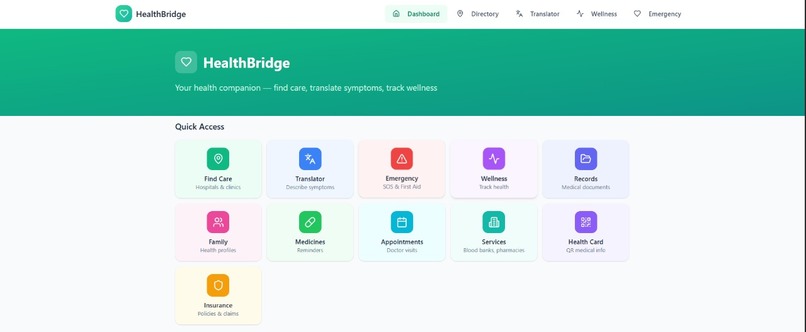
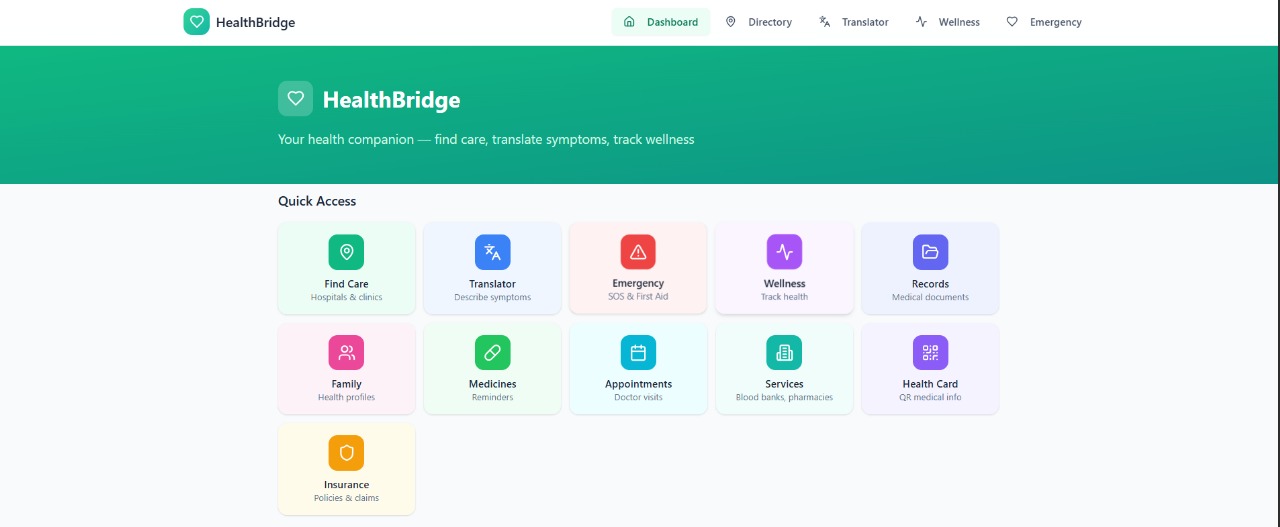
dashboard for ease access
-
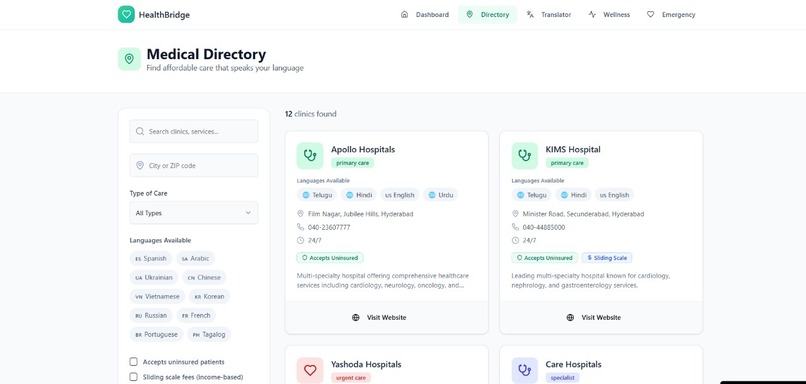
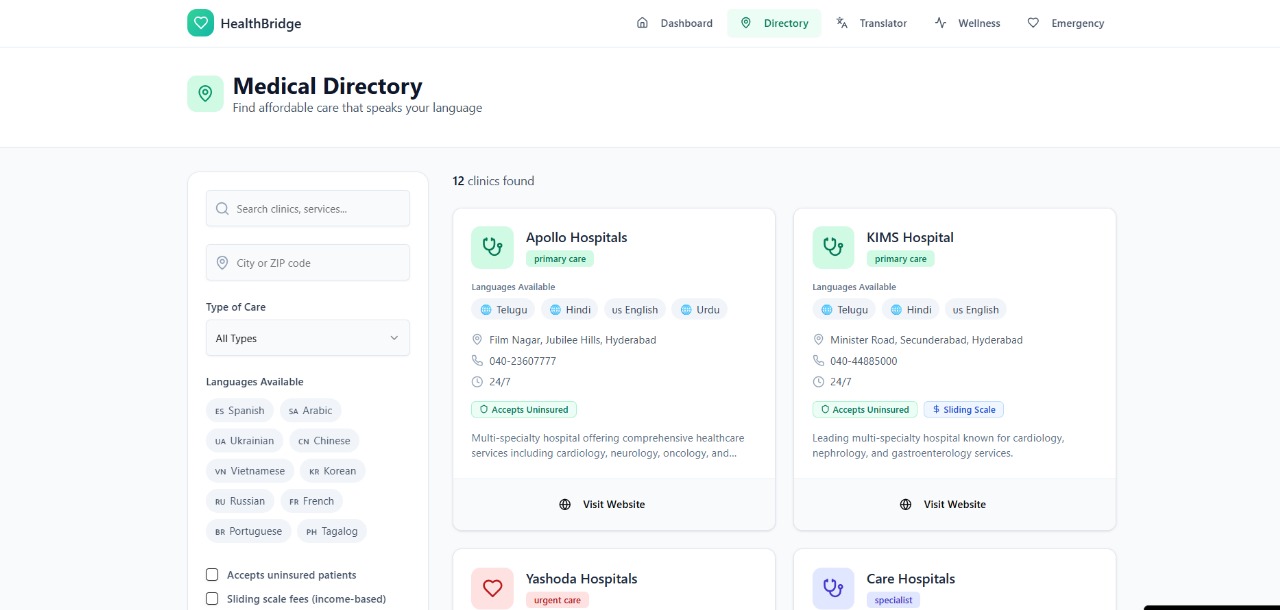
near by clinics and hospitals
-
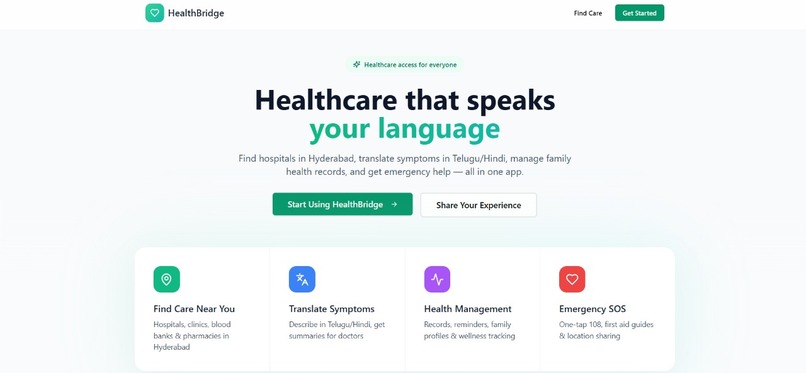
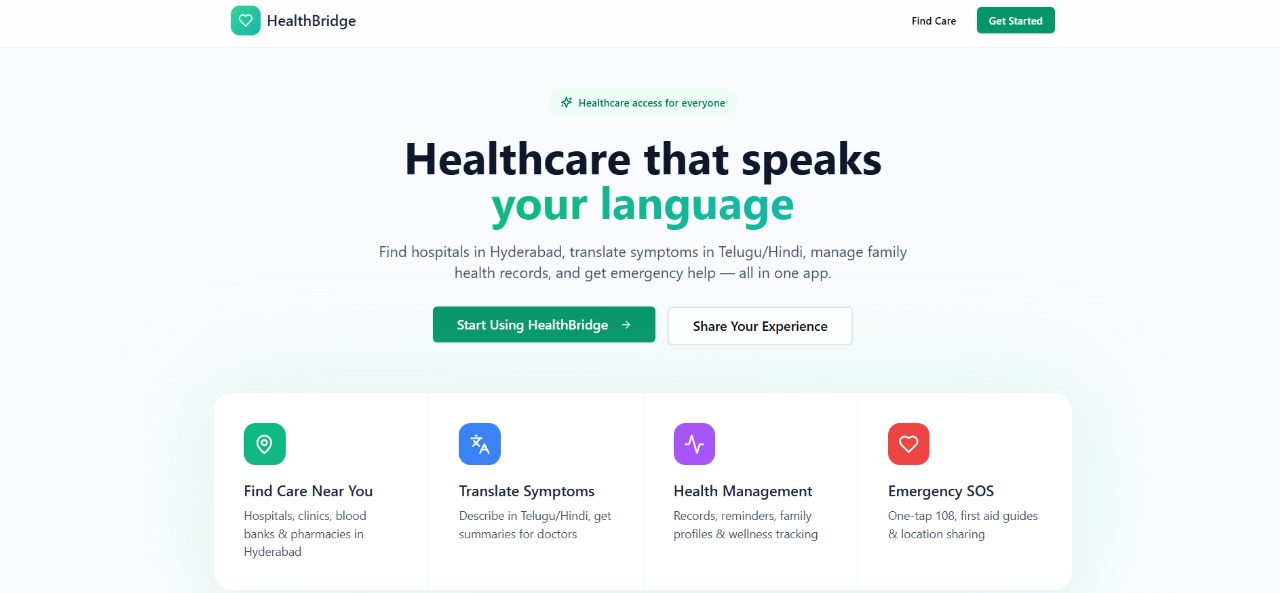
home page
-
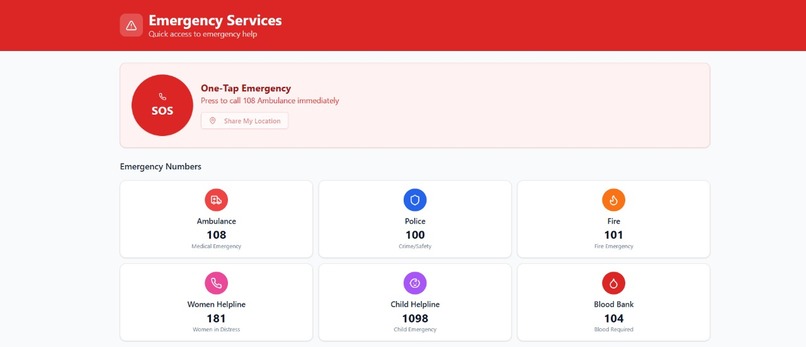
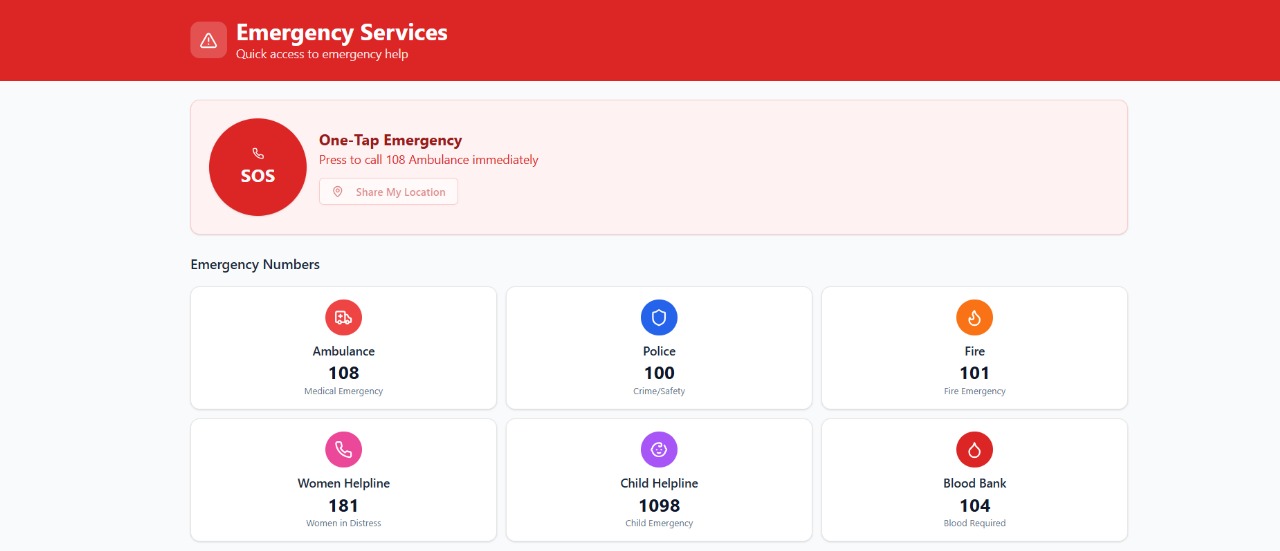
emergency page in case of fastly access for first-aid and ambulance
-
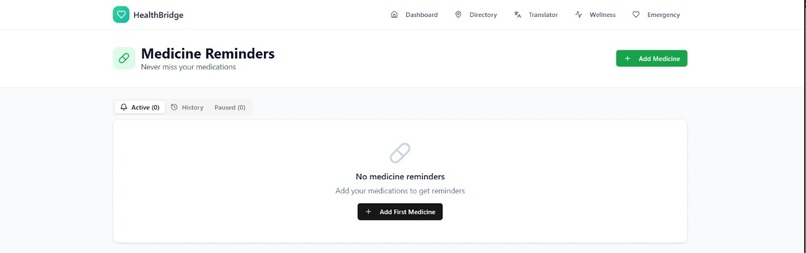
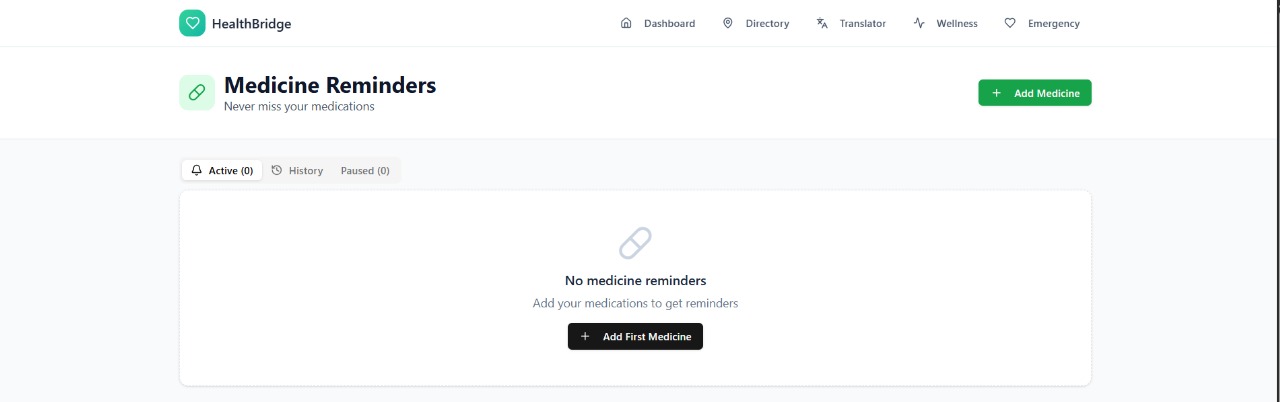
remainder for the intake of medicines
AI detecting cancer earlier than humans
Smartwatches saving lives by detecting heart attacks
Drones delivering medical supplies in remote areas
Health care technology innovation enhances the delivery, efficiency, accuracy, and accessibility of medical services through the use of advanced tools, digital systems, and intelligent technologies.
Using Artificial Intelligence (AI) & Machine Learning
Trained AI using millions of medical images
Designed algorithms to detect diseases
Integrated AI into hospital systems
- Using Robotics Engineering
Engineers created robotic arms for surgery
Sensors added for precision
Software programmed to assist surgeons
- Using Internet of Things (IoT)
Connected devices like smart beds, monitors, wearables
Built cloud systems to store and process data
Enabled real-time health tracking
- Using Big Data & Cloud Computing
Collected massive patient datasets
Analyzed patterns to predict diseases
Stored EHR (Electronic Health Records) securely
- Using Biotechnology
Developed DNA sequencing machines
Created personalized medicine models
Used 3D printing for prosthetics and organs (research stage)
- Using Mobile & Web Technologies
Built telemedicine apps
Designed patient dashboards
Created remote monitoring tools
- Collaboration Between Experts
Doctors + Engineers
Researchers + Data scientists
Hospitals + Tech companies
All innovations are built through research, testing, software development, hardware designing, clinical trials, and continuous improvement.
Data privacy and security
Keeping patient data safe (HIPAA compliance, encryption) is a major challenge.
✔ 2. Lack of quality medical data
AI models need large, accurate datasets—which are hard to get due to confidentiality.
✔ 3. Integration with old hospital systems
Hospitals use outdated software that doesn’t easily connect with new technologies.
✔ 4. High cost of development
Robotics, AI systems, medical devices are expensive to build and maintain.
✔ 5. Resistance to adoption
Doctors and nurses may find new technology complex or time-consuming to learn.
✔ 6. Technical failures can be risky
If an AI system or robot makes an error, patient lives can be affected.
✔ 7. Regulatory approvals take time
Medical technology must go through strict safety and legal approvals. Identify the healthcare problem (e.g., delay in diagnosis, lack of remote care, data management issues)
Research existing solutions Understand current medical tools, platforms, and limitations.
Design technology architecture
AI algorithms
IoT sensor network
Cloud database
Mobile/web app interface
Build the core technology
Train AI models using medical datasets
Connect wearable/IoT devices
Develop telemedicine modules
Create automated workflows
Develop user interface Easy-to-use dashboards for doctors, patients, and hospitals.
Test the system
Clinical testing
Software testing
Data accuracy checks
Integrate with hospital systems EHRs, monitoring devices, and pharmacy units.
Ensure security & privacy Encrypt Technical Learning
How AI models analyze medical data
How IoT devices collect real-time health metrics
Importance of cybersecurity in healthcare
Integration of cloud services with healthcare apps
Medical/Domain Learning
How hospitals manage patient records
How diagnosis workflows operate
Importance of accuracy in medical decisions
Team / Project Learning
Time management
User-centered design
Built With
- base44
- python

Log in or sign up for Devpost to join the conversation.