Inspiration
We all know the problems with healthcare here, it takes a year to see a specialist and when you are in the doctor's office, you are rushed through. Our solution hopes to empower users to take their health into their own hands and come in prepared, or to help find solutions to help them between visits.
What it does
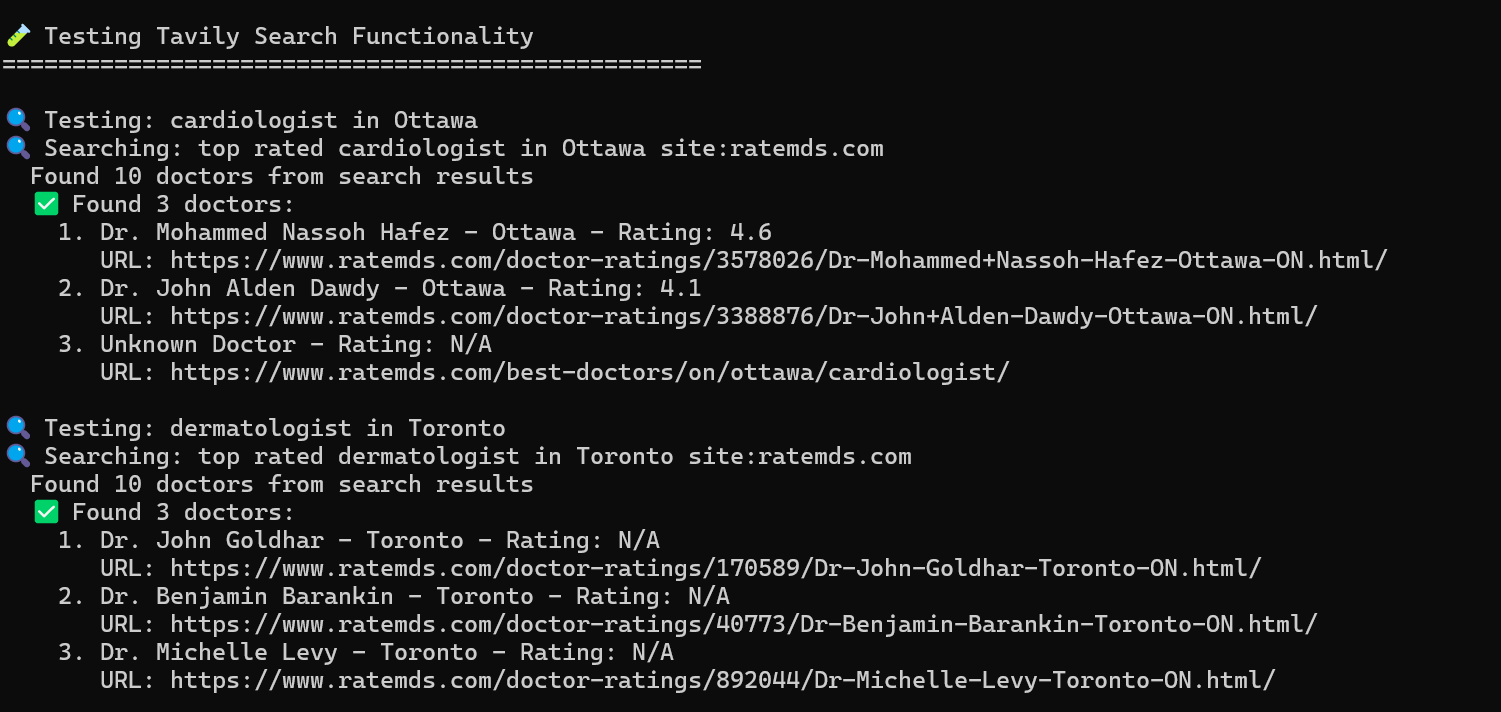
Enter an ailment (e.g. migraine) or set of symptoms (e.g. headache, nausea, light sensitivity) and our bot will figure out what's the most likely diagnosis, and provide a list of the top-rated specialists in your city (from RateMDs), as well as a list of FDA approved drugs, supplements, medications, and lifestyle changes to help you manage symptoms. We only use reputable sources for our information since we used Tavily and told it which sites to crawl and search.
We have dreams to build this out to be suitable for rare disease management which requires crowdsourced answers, and include information about the latest in research, clinical trials, etc.
How we built it
We used Tavily to search for results and then crawl the pages of the top results. Then we consolidated the sequence of interactions using Gemini. Gemini was used to consolidate the results of Tavily's crawling.
Challenges we ran into
Tavily rate limiting slowed us down a bit and we had to pivot to using hotspot at one point! We also built this app in separate features rather than making 1 presentable before moving on. We won't get all our features in for this demo, we built the features 1 by 1 and hoped to put them all together at the end.
Accomplishments that we're proud of
Built out multiple individual features in this time:
- From a set of symptoms, use LLM to determine possible diagnosis
- Get the top 3 doctors in 1-2 specialties based on the user's input/diagnosis
- Crawl the specified sources to get information on how the user can treat their symptoms
- Also built a second chat bot that should ask the user if they want more information about any of our recommendations (e.g. info about the doctor's research areas, more info about the side effects of a recommended medication, etc)
What we learned
We went in with the goal of learning about agents and definitely succeeded there!
While the method of building individual features and putting them together worked for us in the past, we were too ambitious this time, so we would build 1 small niche feature in a presentable format and then build on top of it instead.
Vibe coding creates a lot of bloat rather than solving the root problem. Cursor created multiple script files to test small features to debug, and made changes against our wishes.
What's next for Health Assistant
We have dreams to build this out to be suitable for rare disease management which requires crowdsourced answers, and include information about the latest in research, clinical trials, etc.
Built With
- agents
- cursor
- gemini
- google-cloud
- lovable
- python
- tavily

Log in or sign up for Devpost to join the conversation.