-
-
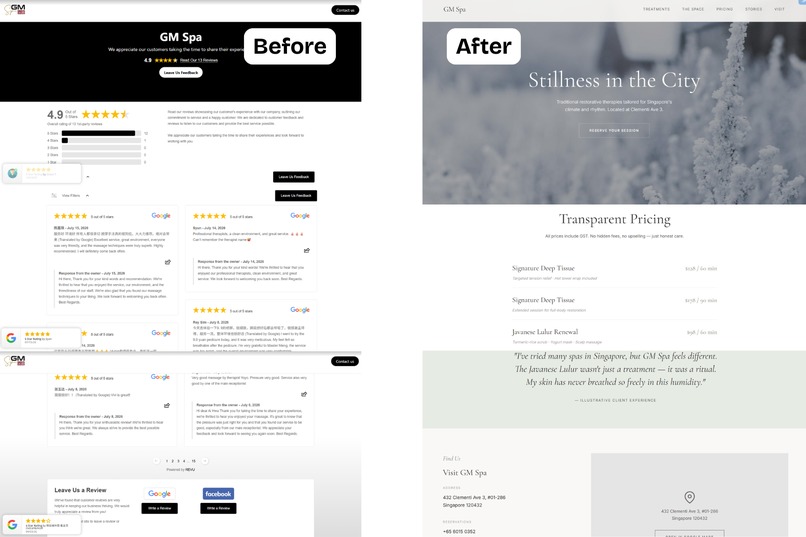
Sample 1
-
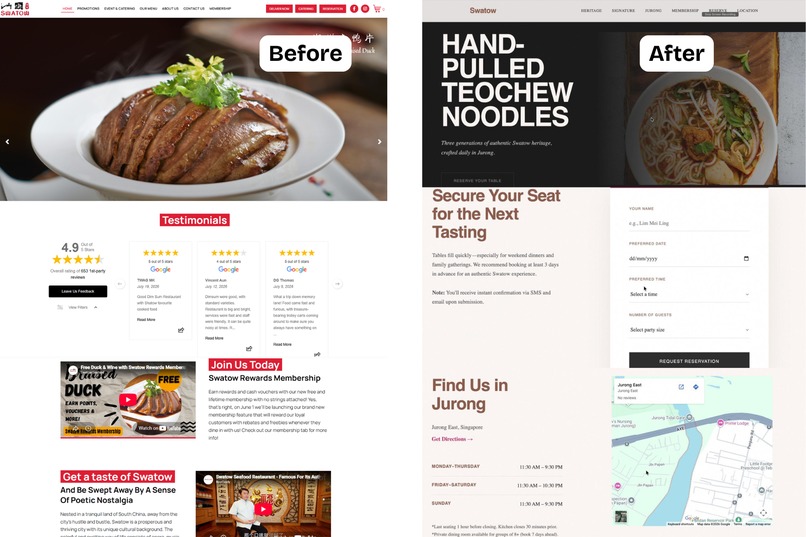
Sample 4
-
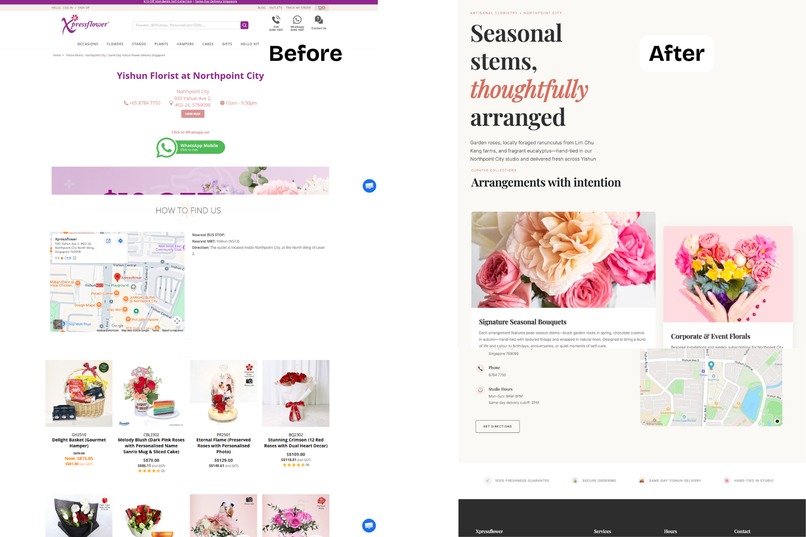
Sample 3
-
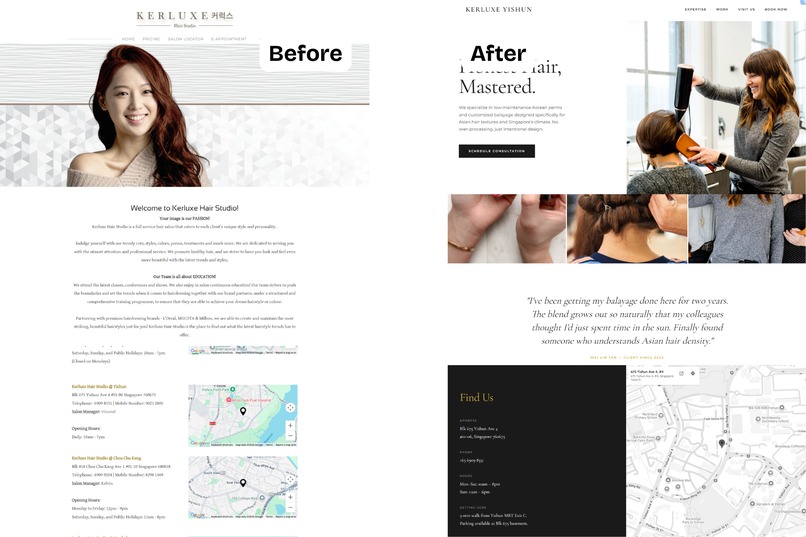
Sample 2
-
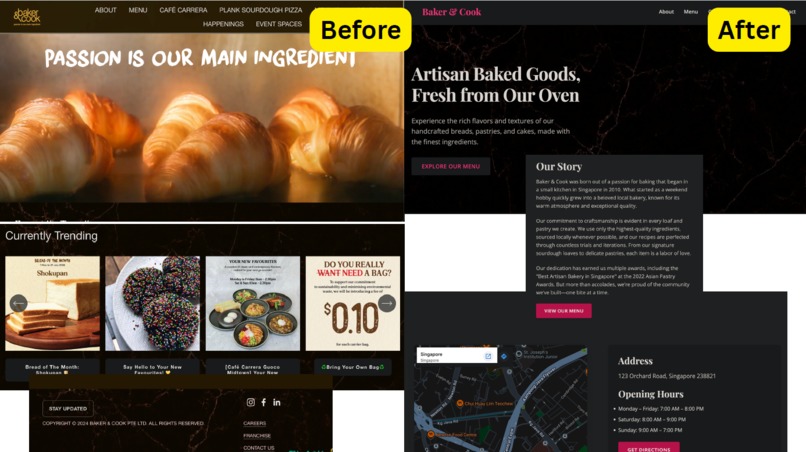
Sample 5
-
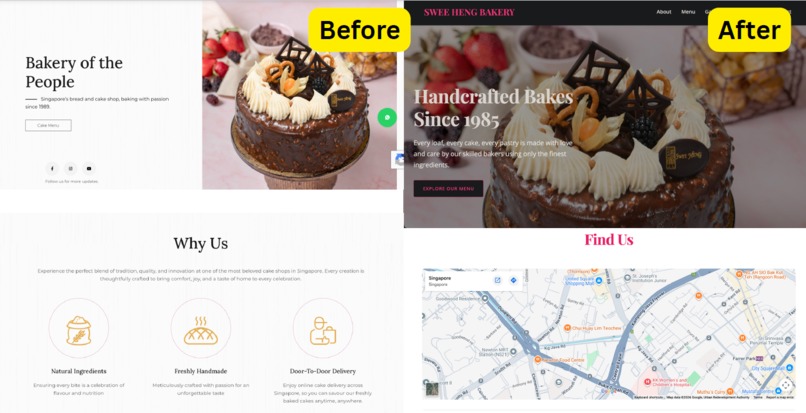
Sample 6
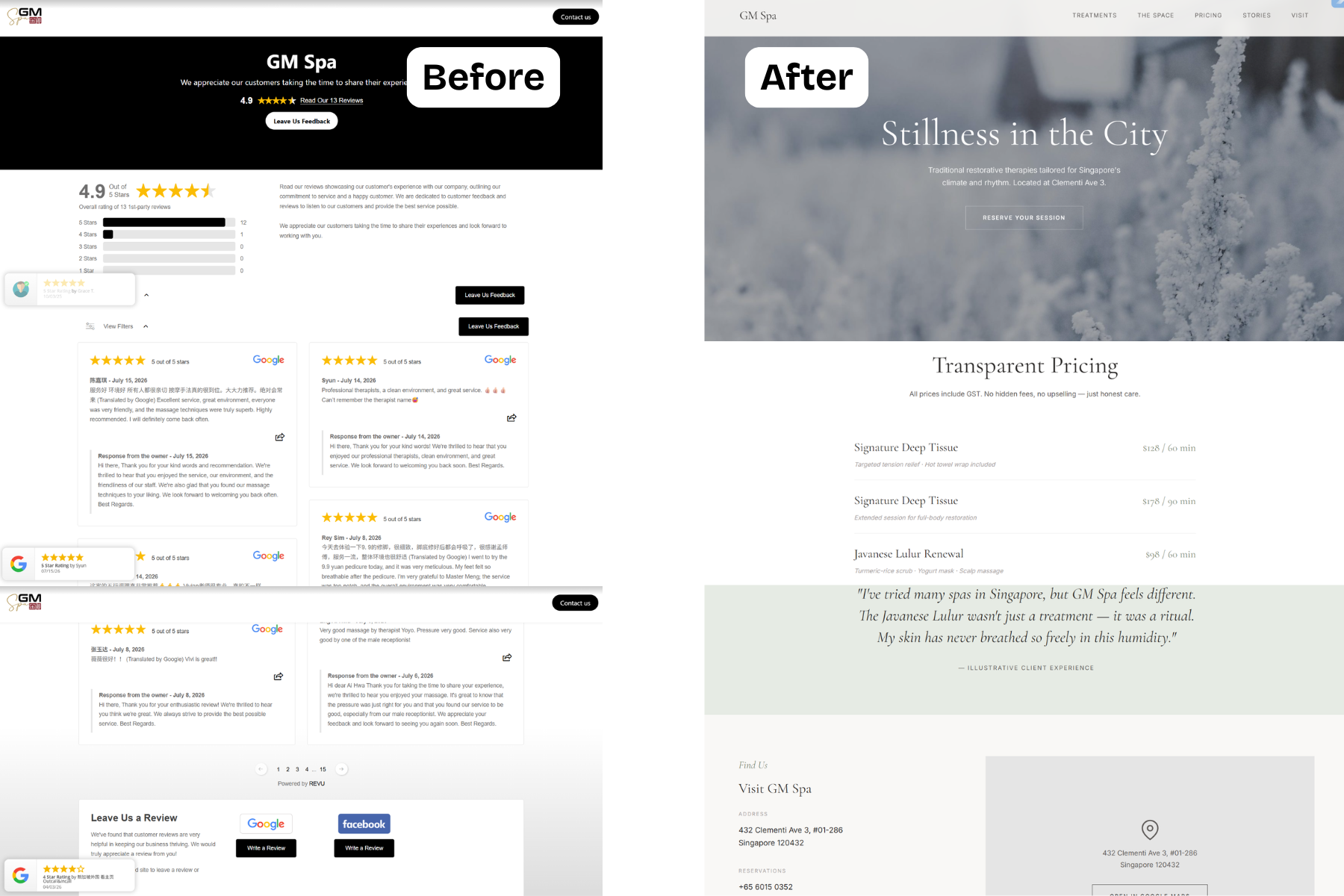
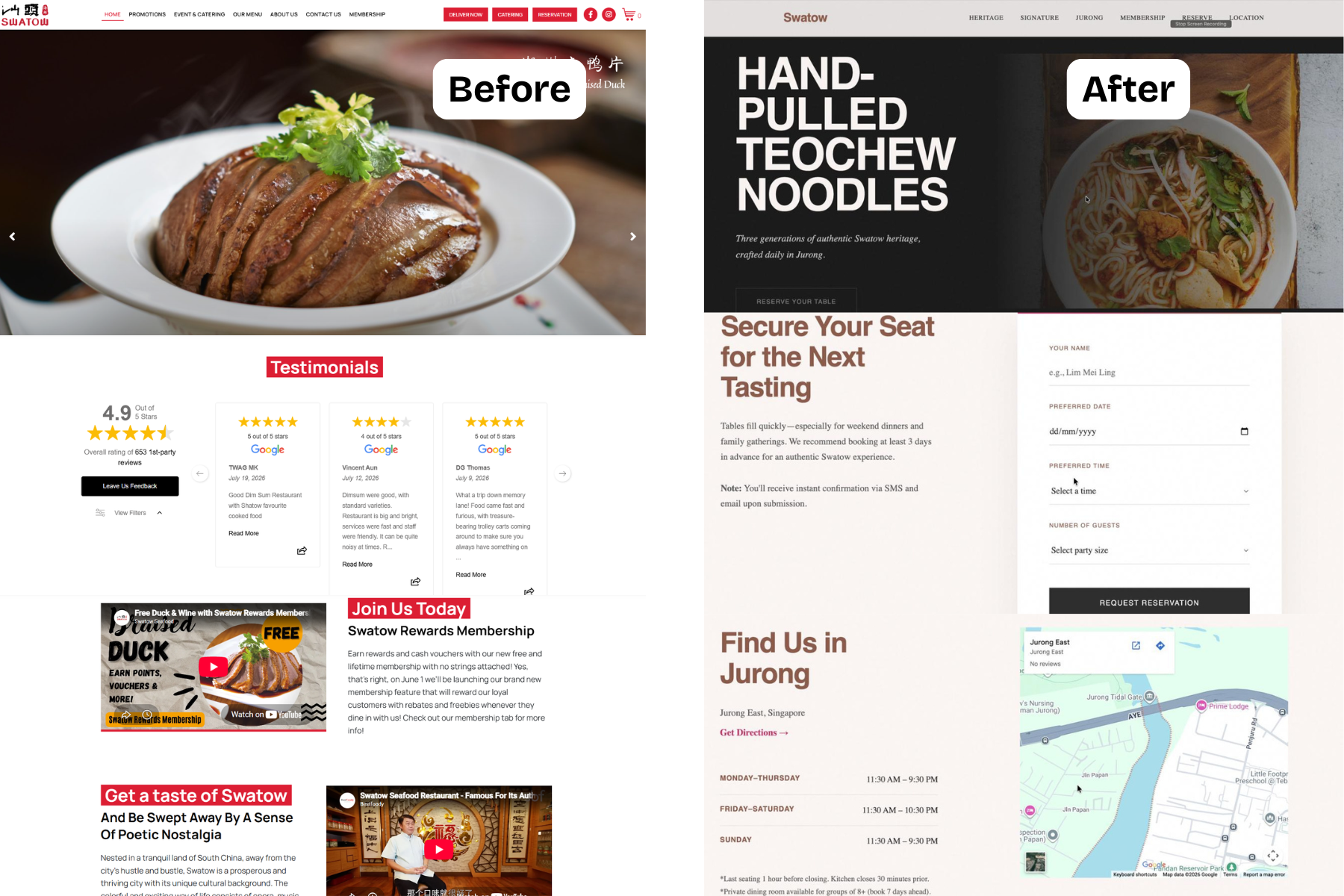
Inspiration
Many small brick-and-mortar businesses still rely on outdated websites that no longer reflect the quality of their products or services. At the same time, web designers and agencies spend significant time searching for potential clients, creating redesign mock-ups, and drafting personalised outreach emails.
We wanted to automate this workflow while keeping a human in control of the final decision. Our goal was to reduce the repetitive work involved in finding leads and creating proposals, allowing designers to spend more time on creative work and client relationships.
What it does
Reb Design is an AI-powered website redesign and outreach agent designed to help web designers streamline their workflow.
It automatically discovers brick-and-mortar businesses with outdated websites or a poor online presence.
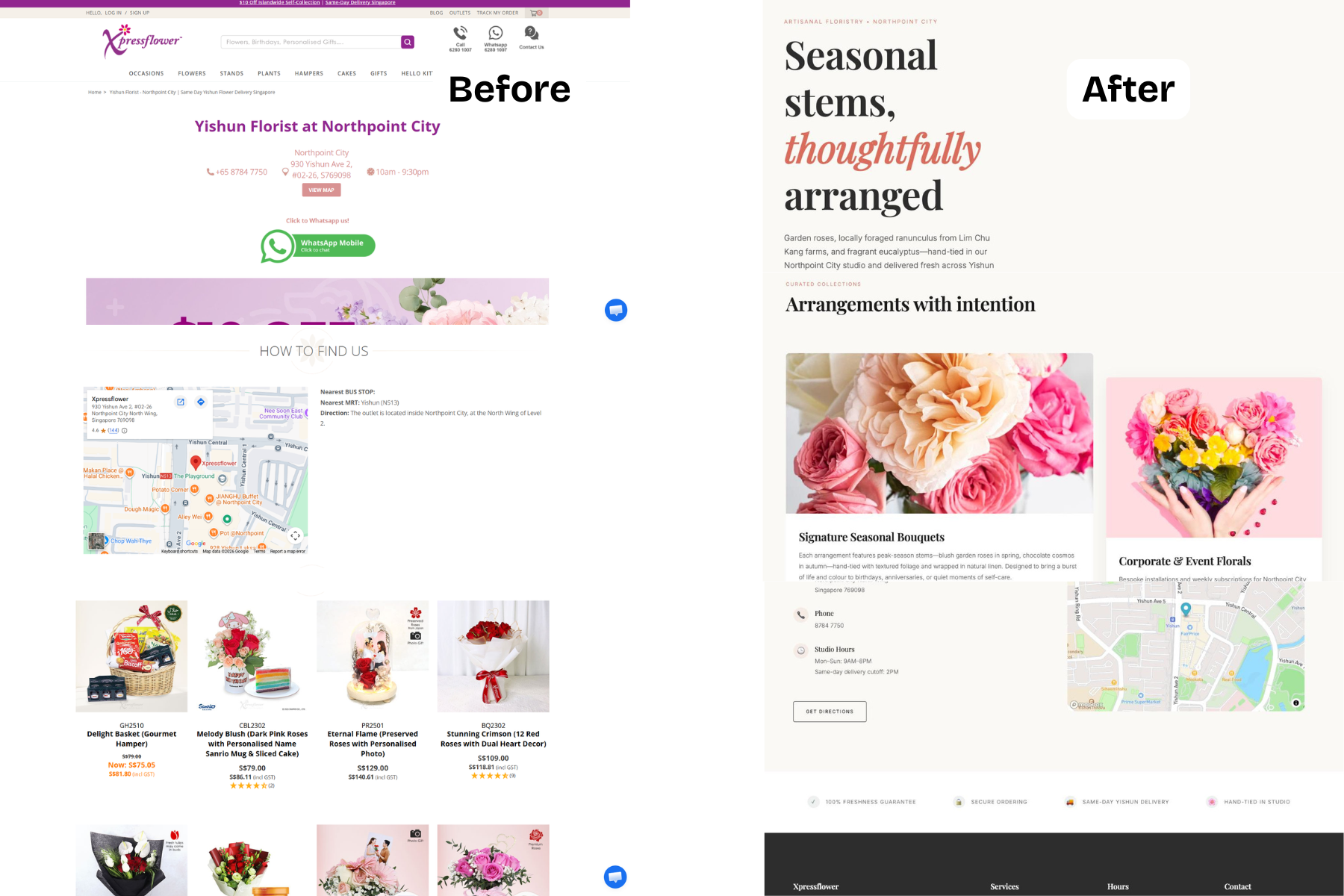
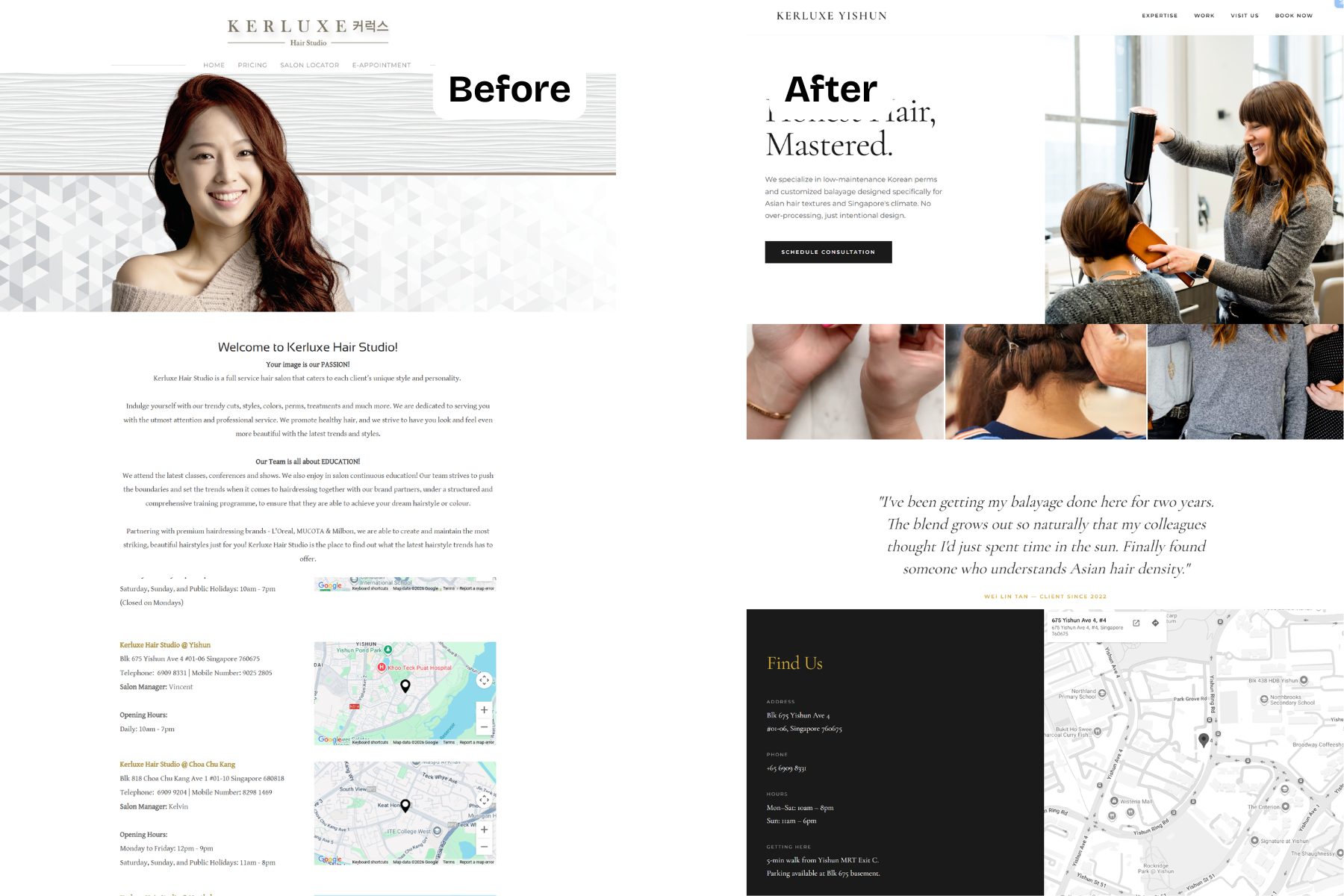
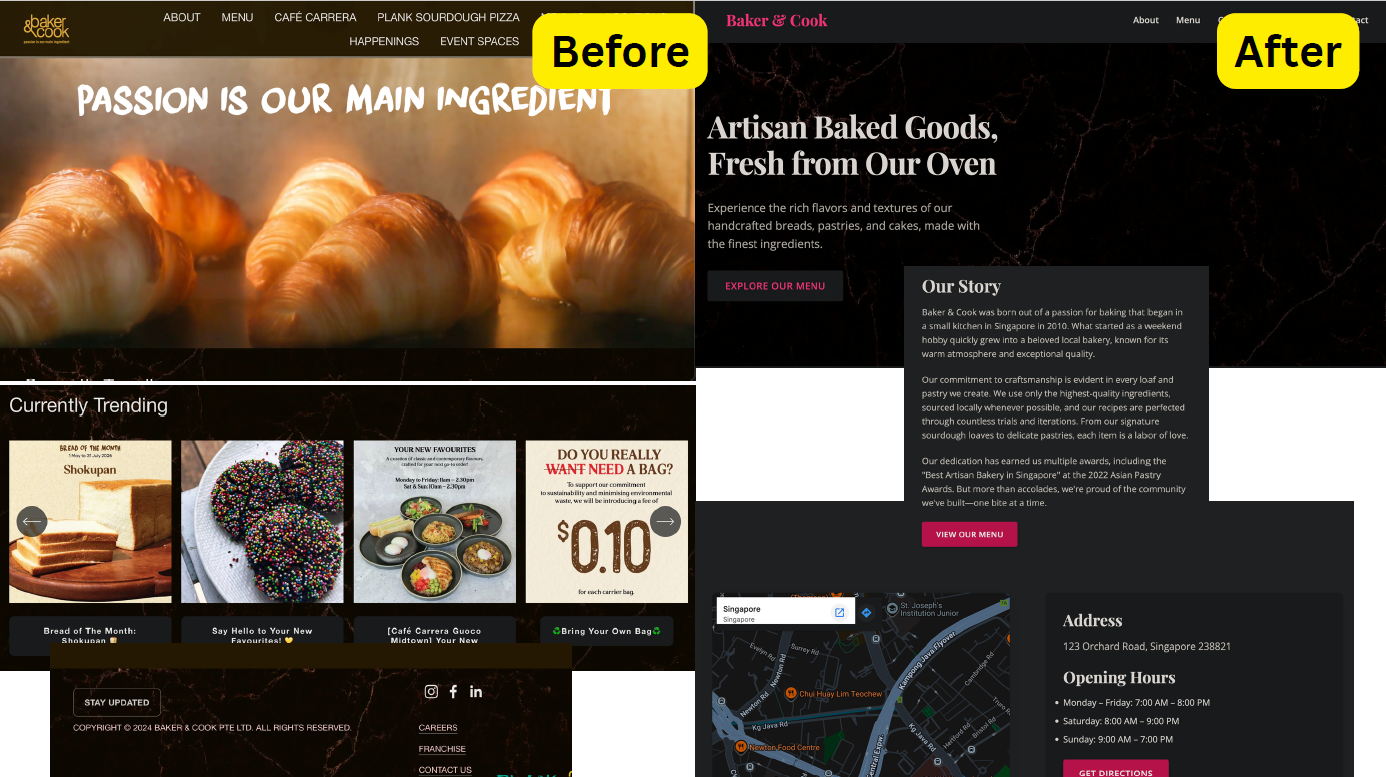
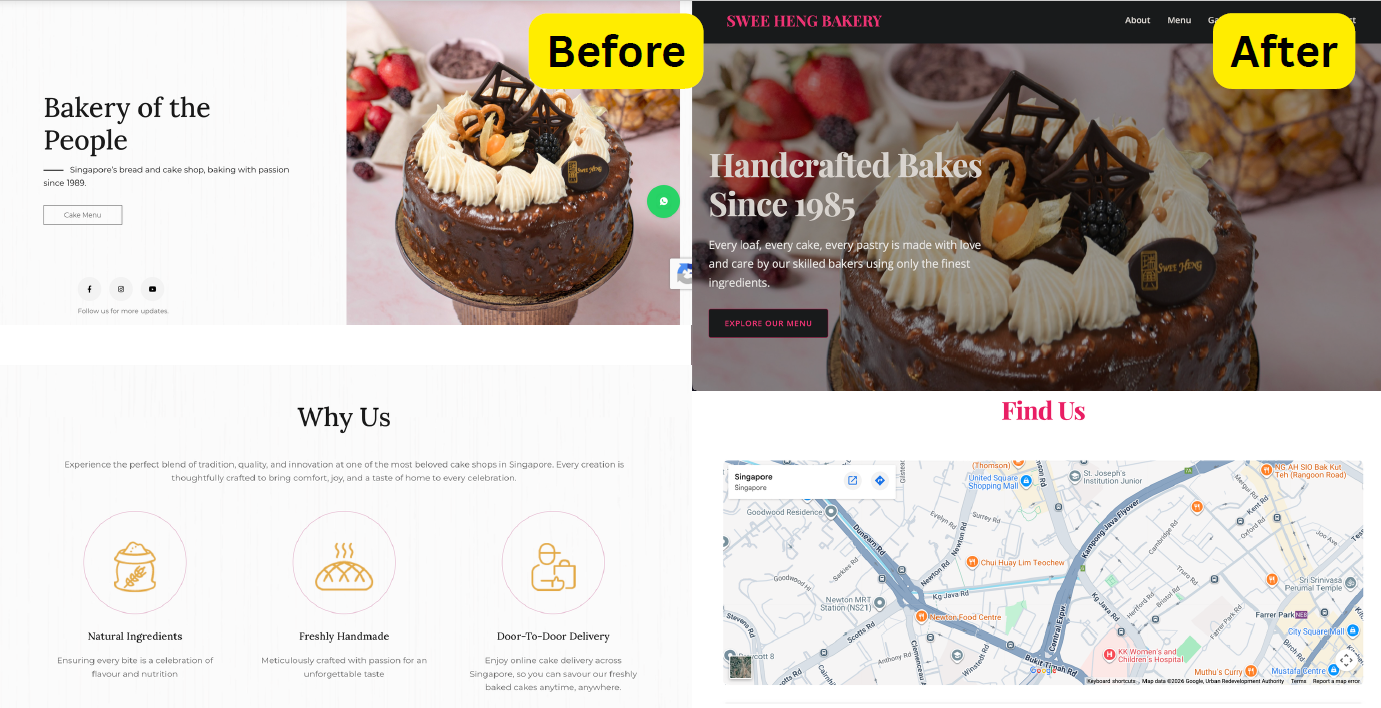
It then generates a cleaner, more user-friendly landing page tailored to each business's brand. Each landing page incorporates brand logos and images, and uses colours, fonts, and UI/UX elements suited to the specific sub-industry in which the business operates.
It also drafts personalised outreach emails, sending potential clients the AI-generated websites to gauge their interest.
By combining AI-powered business discovery, website redesign, and outreach automation into a single workflow, Reb Design helps web design agencies and freelancers scale lead generation and proposal creation in minutes rather than hours.
How we built it
We built Reb Design as a modular FastAPI application with clearly separated components for discovery, analysis, AI generation, rendering, and outreach.
The discovery pipeline uses connectors such as Exa, Google Maps, and DuckDuckGo to identify businesses with weak online presence. Their websites are then analysed using qwen3-vl-plus (or equivalent) for factors such as responsiveness, trust signals, calls-to-action, and overall design quality.
For the redesign stage, we used qwen3.7-max to generate responsive HTML landing pages that are customised to each business. The generated pages are rendered using Playwright and Mapbox to produce desktop, tablet, and mobile previews.
Finally, the platform drafts personalised outreach emails and presents everything through a web dashboard, where the web designer can then review, approve, or reject each proposal before it is sent.
Challenges we ran into
One of our biggest challenges was producing redesigns that felt genuinely tailored instead of generic AI-generated templates. We needed to ensure the generated websites reflected each business's branding, industry, and visual identity.
We also faced issues looking for leads and potential clients as Exa search would initially return lots of irrelevant results such as online blogposts and schools rather than small local businesses.
Another challenge was designing a provider abstraction layer so that different LLM providers could be swapped through configuration alone, without requiring code changes. This allowed us to experiment with various Qwen models to find one that best fits our project's use case.
Balancing automation with user trust was also important. Rather than fully automating outreach, we introduced confidence scoring and a human approval step to ensure users always remain in control.
Accomplishments that we're proud of
- Building an end-to-end workflow that takes a business from discovery to a ready-to-send proposal.
- Creating AI-generated landing pages that adapt their branding, layout, and styling to different industries.
- Packaging everything into a simple dashboard that makes reviewing leads and generated content straightforward.
What we learned
This project taught us that building reliable AI applications involves much more than prompting a language model. Good software architecture, modular components, prompt engineering, validation, and user experience are equally important.
We also learned the value of keeping humans involved in high-impact decisions. AI can dramatically reduce repetitive work, but human oversight remains essential when communicating with potential clients.
What's next for Reb Design
We plan to expand Reb Design with more discovery sources, richer website analysis, and stronger personalisation for generated designs.
Future improvements include integrating real analytics and SEO recommendations, generating multi-page and dynamic websites instead of single landing pages, supporting more outreach channels such as LinkedIn, and enabling users (both web designers and their clients) to fine-tune generated designs through natural language instructions.
Ultimately, we hope to make Reb Design a complete AI assistant that helps web designers find leads, build proposals, and win new clients faster while maintaining full creative control.
Built With
- agentic-ai
- ai
- automation
- duckduckgo-api
- exa-api
- fastapi
- full-stack
- google-maps
- html/css
- human-in-the-loop-ai
- javascript
- jinja
- llms
- mapbox-api
- natural-language-processing
- playwright
- python
- qwen
- rest-api
- saas
- sql
- ui/ux
- web-scraping
- website-redesign


Log in or sign up for Devpost to join the conversation.