














Inspiration
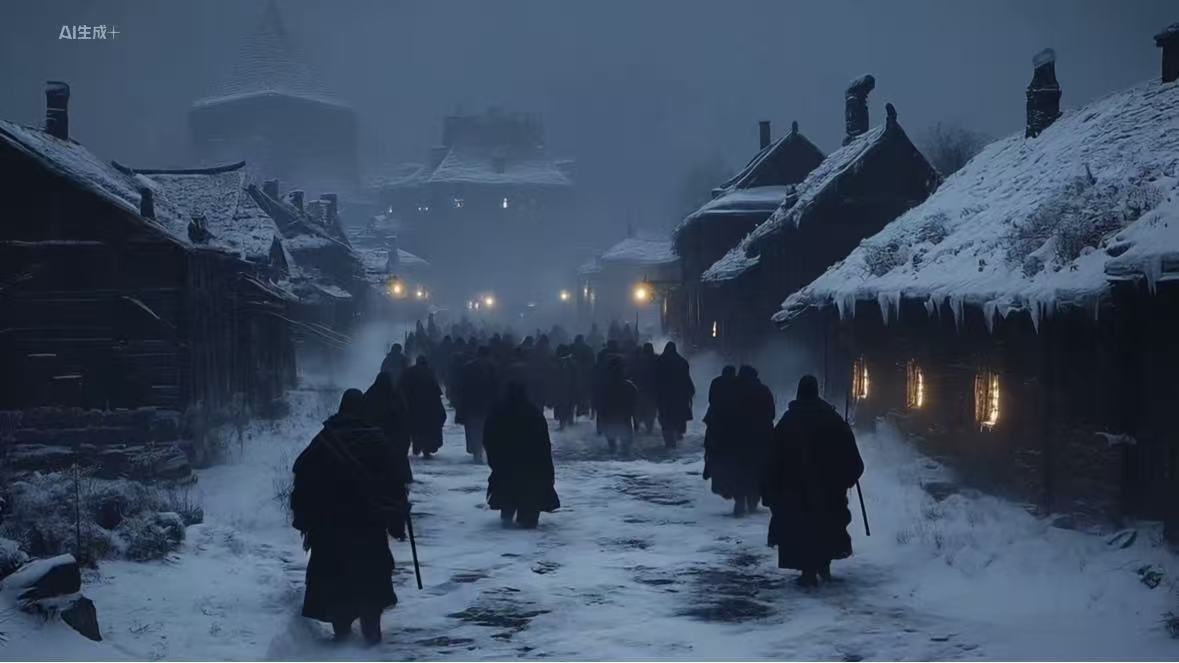
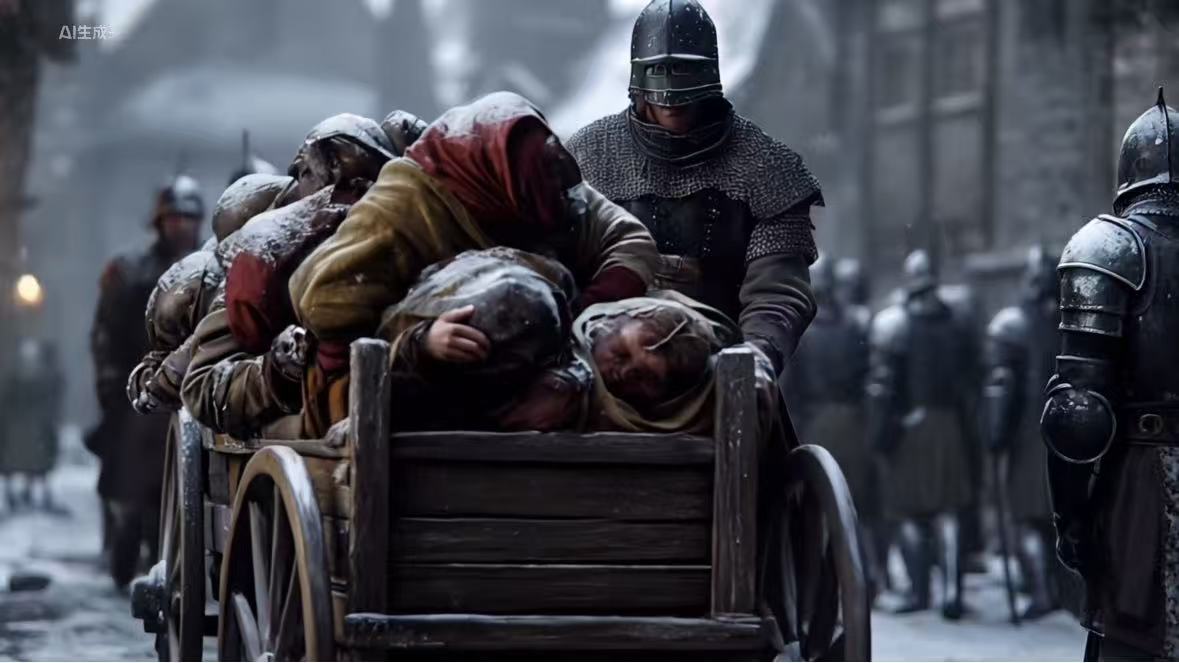
The story draws inspiration from the dark historical backdrop of the medieval Black Death pandemic, integrating class contradictions and human conflicts triggered by the desire for power. It focuses on "hope and resistance in despair" — with the suffering of the people under the plague as the background, it uses the princess's journey from the awakening of kindness to active resistance to explore the confrontation between the abuse of power and the glory of human nature, conveying the core belief that "individual courage can rewrite injustice."
What it does
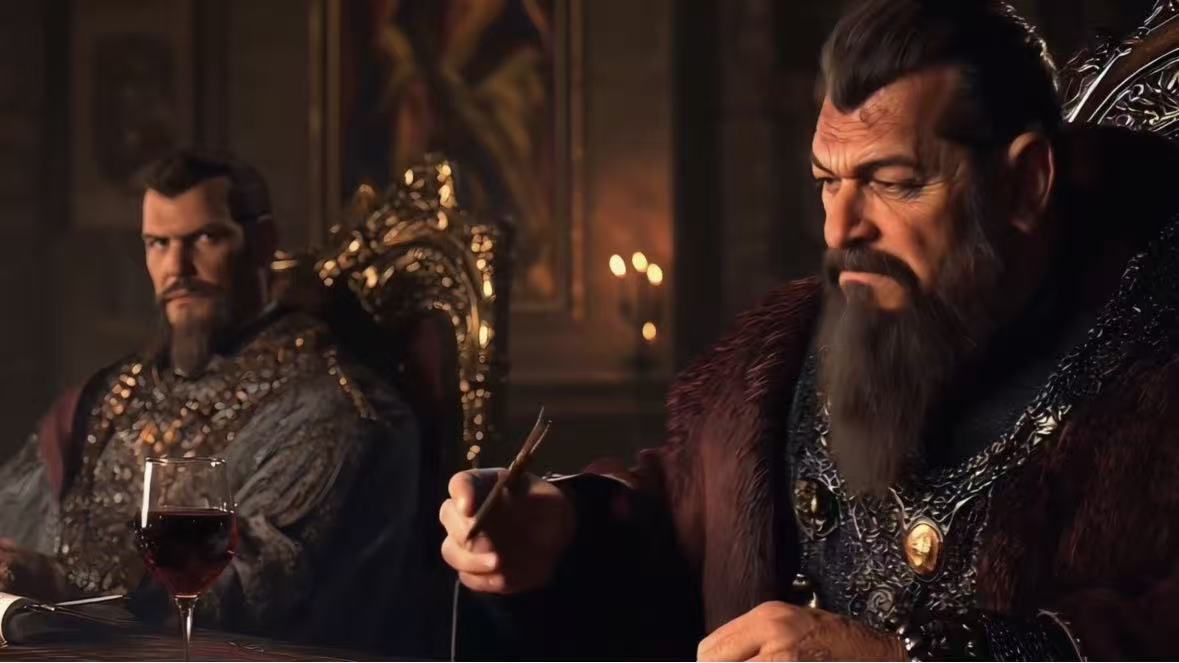
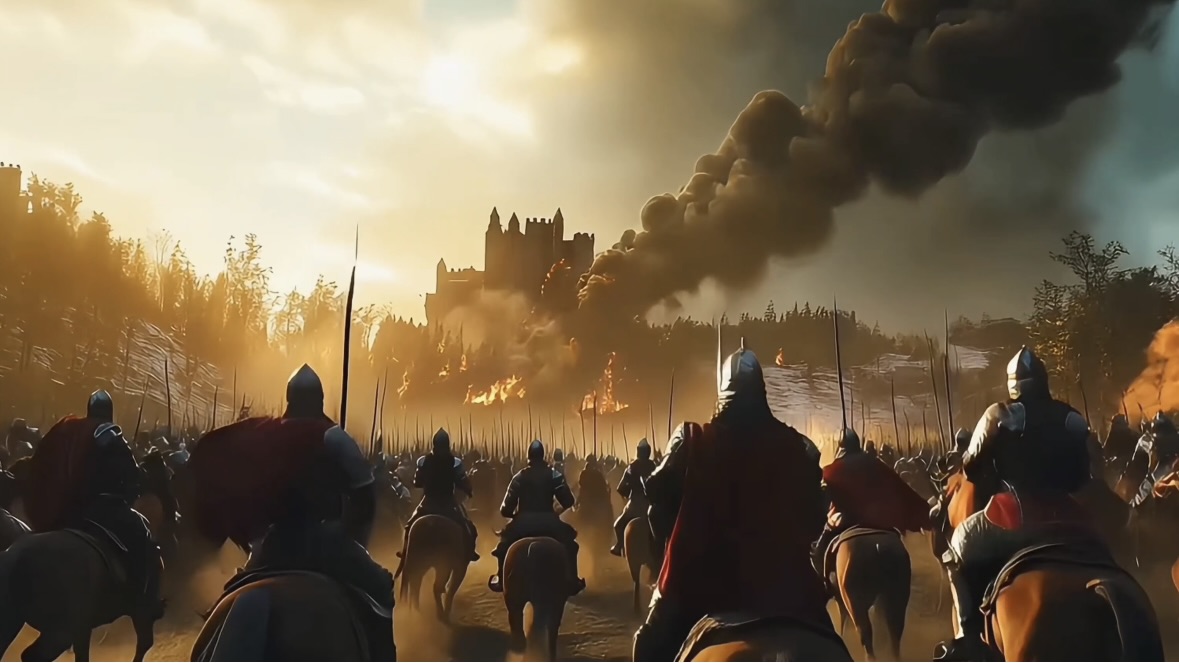
This is a narrative story set against the backdrop of the medieval plague. Through the interactions between characters such as the princess, king, nobles, and commoners, it showcases the social crisis and power conspiracy amid the raging Black Death. Its core is to present the main line of "oppression and resistance": the king amasses wealth through the plague and deliberately incites wars; the princess evolves from aiding commoners to seeing through the conspiracy, and finally abandons the idea of fleeing, chooses to take up arms, unites with righteous forces to fight against tyranny, and brings the hope of survival and a fair order to the people.
How we built it
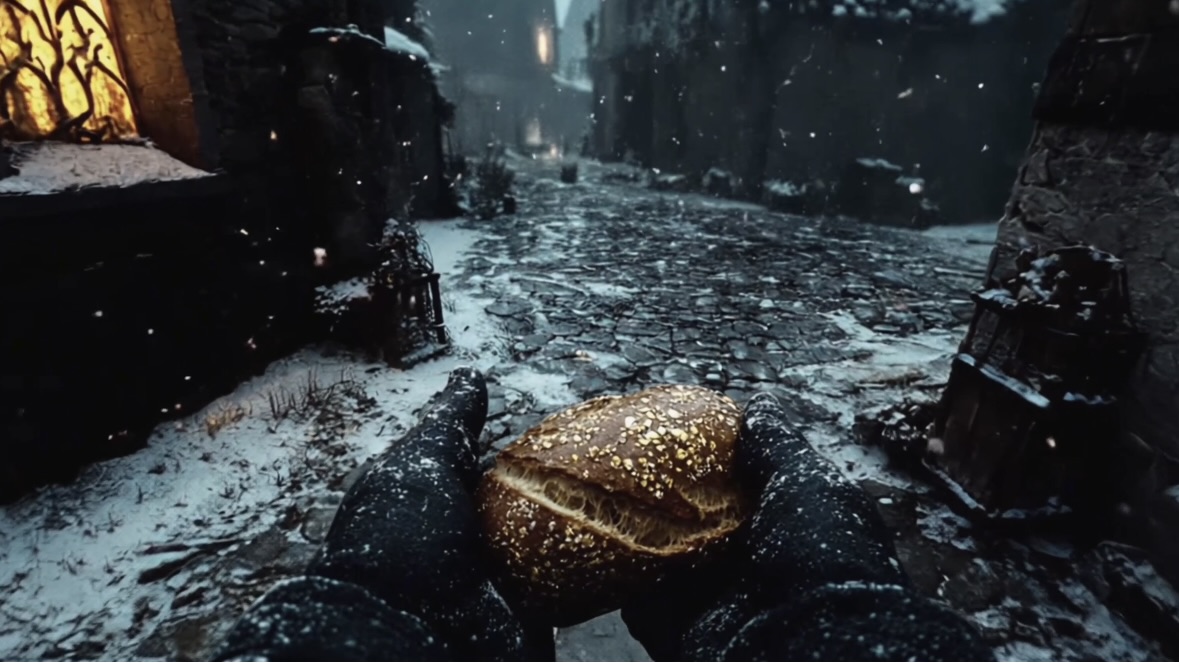
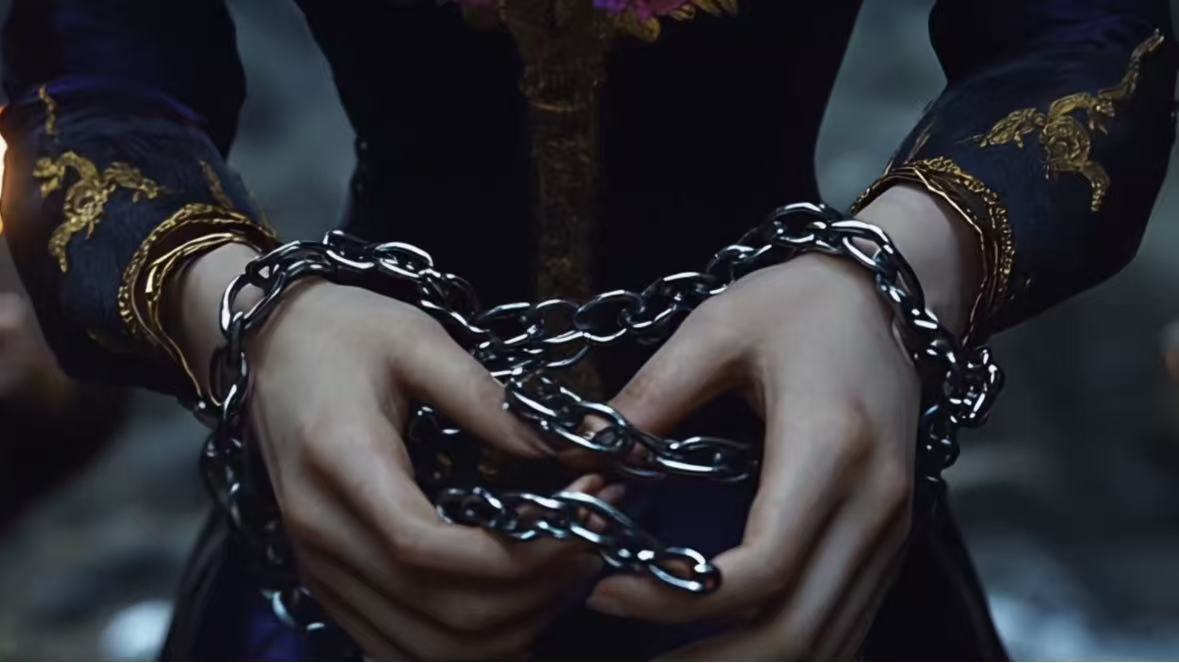
Set the core conflict: Take the Black Death pandemic as the external crisis, superimpose the king’s power ambition (taxation, war conspiracy) as the internal contradiction, and construct a dual predicament of "natural disaster + man-made disaster". Shape three-dimensional characters: Distinguish between good and evil camps (evil king / kind princess / righteous nobles / suffering commoners), and use specific plots (the boy giving away bread, the princess being framed, the prince’s rescue) to promote character growth and position changes. Connect key plots: Form a complete narrative chain from the spread of the plague → power oppression → the germination of kindness → the exposure of the conspiracy → the outbreak of resistance → the arrival of hope, highlighting the turning point (the princess’s transformation from "pleading" to "resisting").
Challenges we ran into
Balance historical context and fictional plots: It is necessary to conform to the real social impacts of the medieval Black Death (sharp population decline, widespread panic), while ensuring that fictional elements such as the king’s conspiracy and magical potion do not appear abrupt and avoiding logical discontinuities. Ensure natural transition of character motivations: The princess’s transformation from "relying on the king to reduce taxes" to "taking the initiative to resist with arms" needs reasonable foreshadowing. Her determination must be gradually strengthened through plots such as "being framed" and "witnessing the tragic situation of commoners" to avoid emotional leaps. Control the narrative rhythm: It is necessary to balance the explanation of the plague background, power struggles, character interactions and other contents within the limited length, so as to prevent abruptness caused by insufficient foreshadowing of some plots (such as the prince’s rescue and the potion conspiracy).
Accomplishments that we're proud of
Constructed a warm conflict narrative: Against the dark backdrop, through details such as the boy giving away bread and nobles secretly aiding commoners, the warmth of human nature is preserved. This makes "resistance" not only a fight against tyranny, but also rooted in reverence for life, enhancing the story's appeal. Shaped a growth-oriented protagonist: The princess transforms from a weak image of passive pleading into a leader who takes the initiative to resist. Her transformation is clear and convincing, conveying the positive value that "courage stems from kindness". Achieved thematic realization: Through the ending of "no oppression, no famine" in the story, it echoes the core of "Healing for all", making "healing" refer not only to the elimination of the plague, but also to the end of social injustice. The theme is clear and in-depth.
What we learned
Narrative must take "conflict" as the core: A clear core contradiction (the king’s tyranny vs. the people’s survival) is the key to driving the story forward, making character behaviors more purposeful and the plot more compelling. Details determine the authenticity of the story: Era-appropriate details (such as heavy snow like a shroud, commoners in tattered clothes, and an empty national treasury) can enhance immersion and make the fictional story more convincing. Character growth is the emotional anchor: The protagonist’s transformation (the princess’s evolution from "kindness" to "courage") can resonate with readers, elevating the story’s theme from "fighting evil" to "individual growth driving collective redemption" and deepening the story’s depth.
What's next for Healing for all
Expand story branches: Supplement plots such as the formation of the noble alliance and how commoners participate in the resistance, enrich the group perspective of "healing for all", and make the resistance no longer confined to the princess alone. Deepen the connotation of "healing": Incorporate content about social reconstruction after the plague (such as the formulation of fair tax laws and the improvement of the medical system), extending "healing" from "ending the disaster" to "establishing a long-term just order". Add character arcs: Supplement background stories for characters like the king and villainous nobles, showcase the complexity of their motives, and endow the story with more realistic reflective significance instead of a simplistic "good versus evil" opposition.
Built With
- english
- jimengai
- ltxvideo
- viduai
- weavy
