-
-
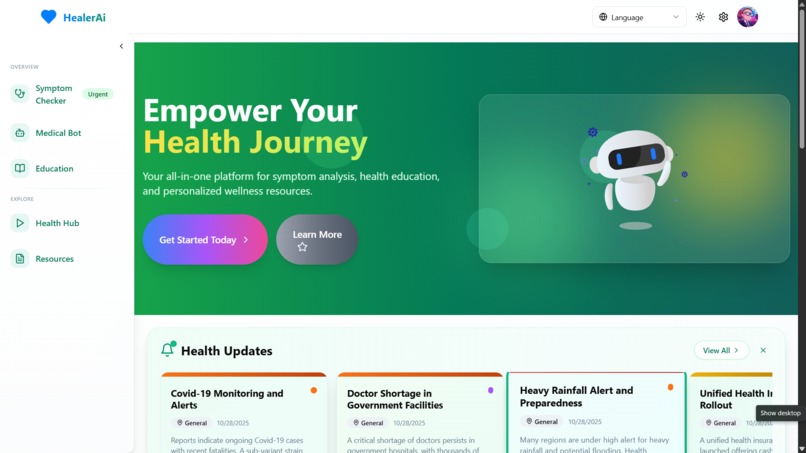
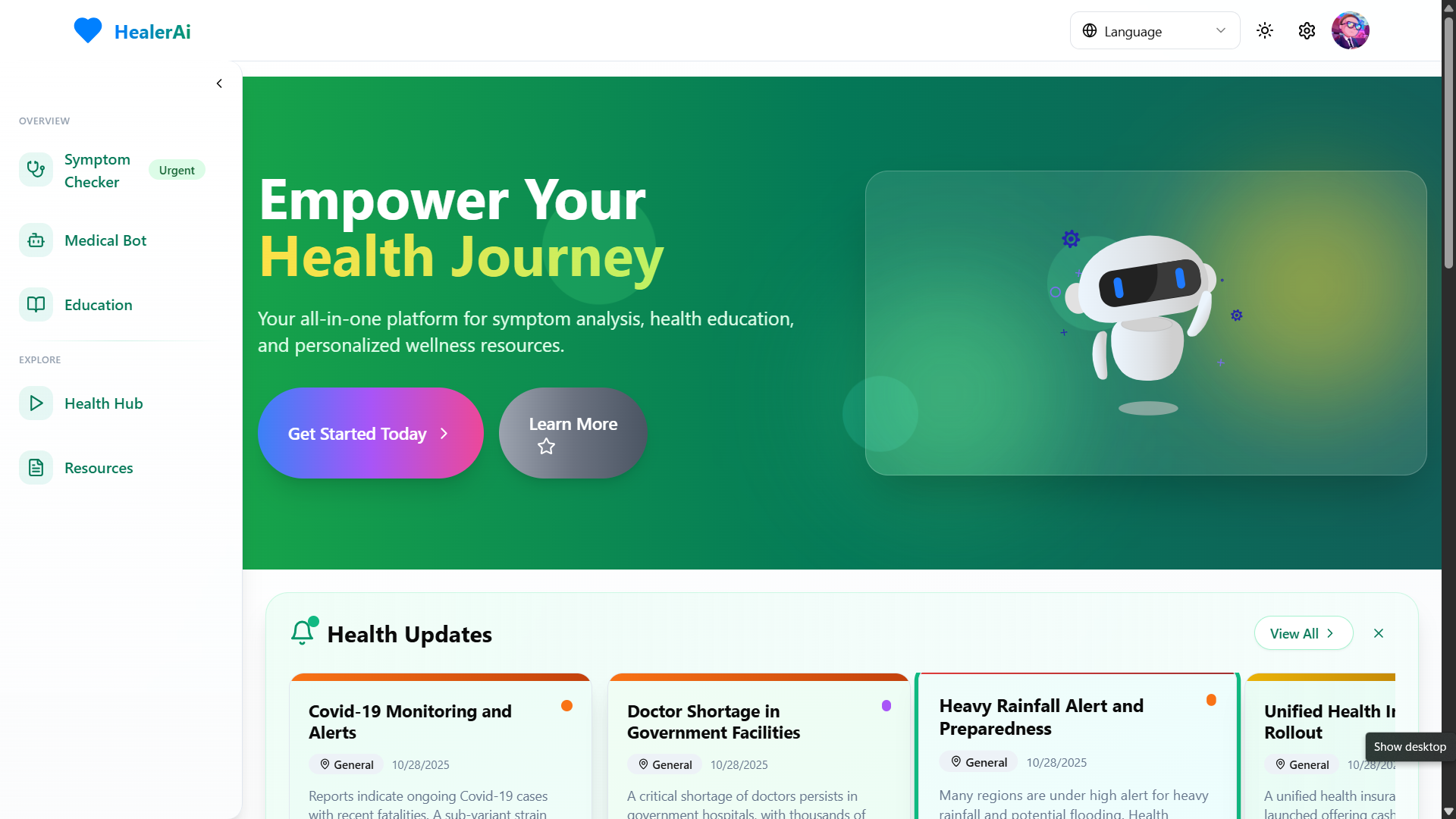
Home page
-
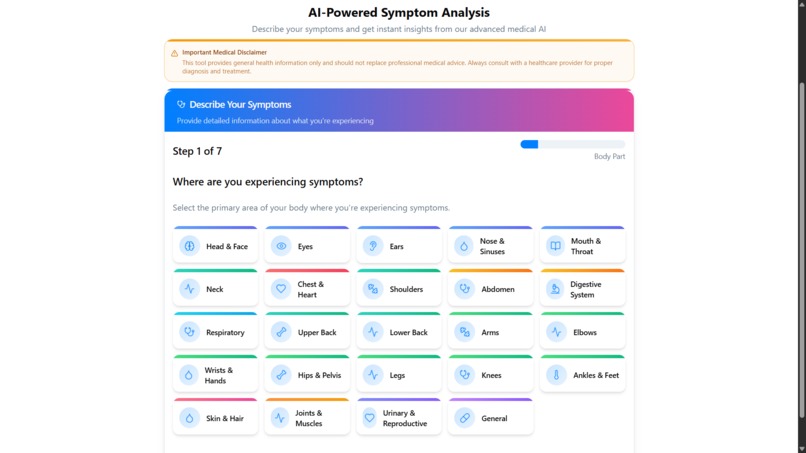
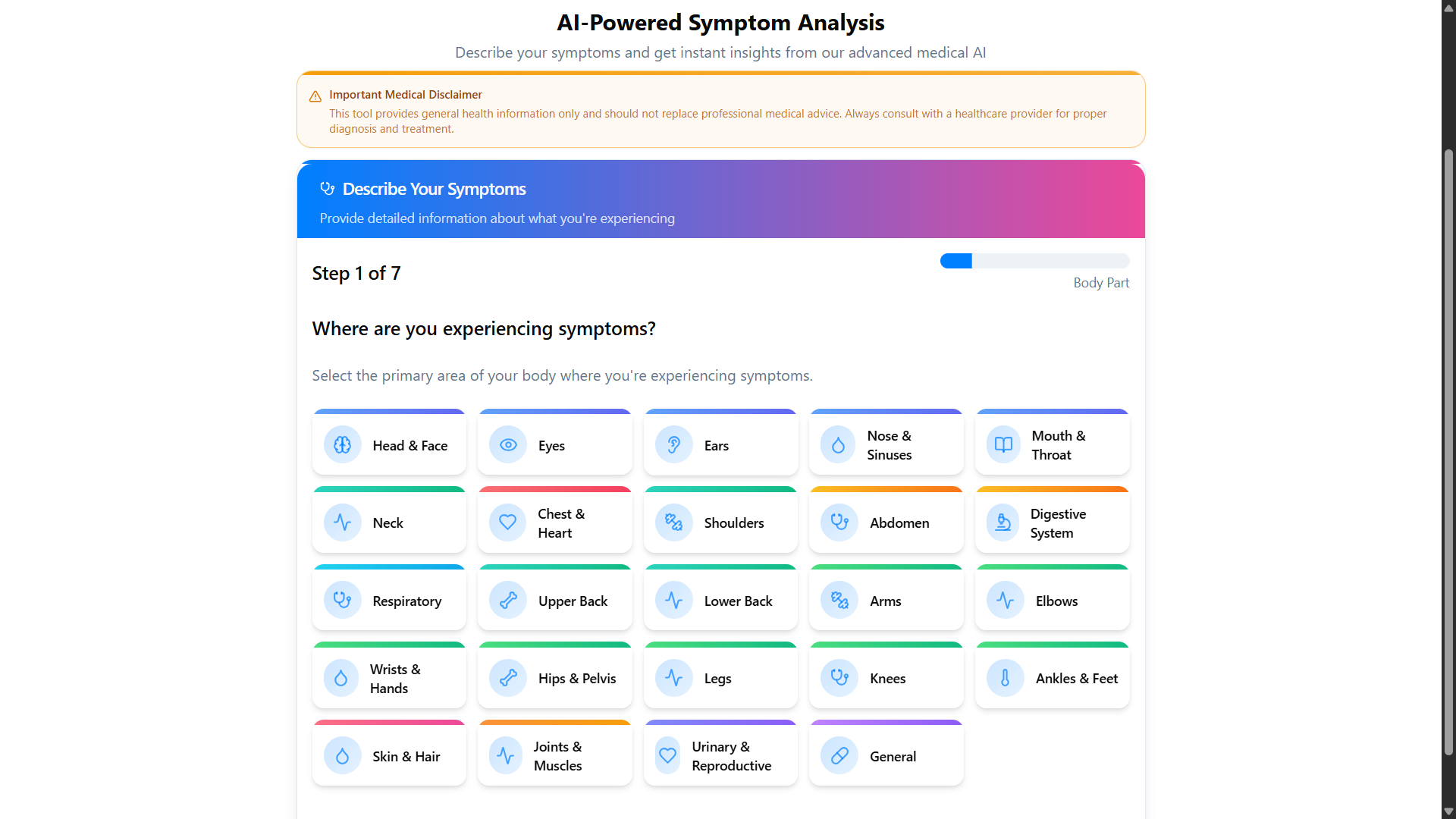
symptom checker page
-
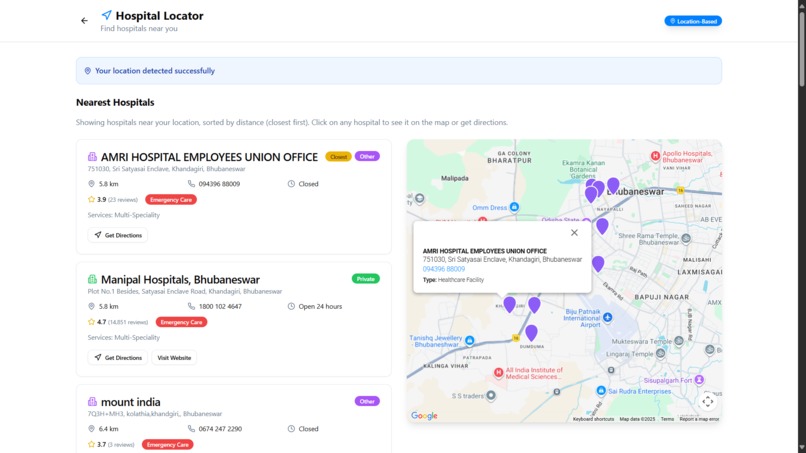
health resource page
-
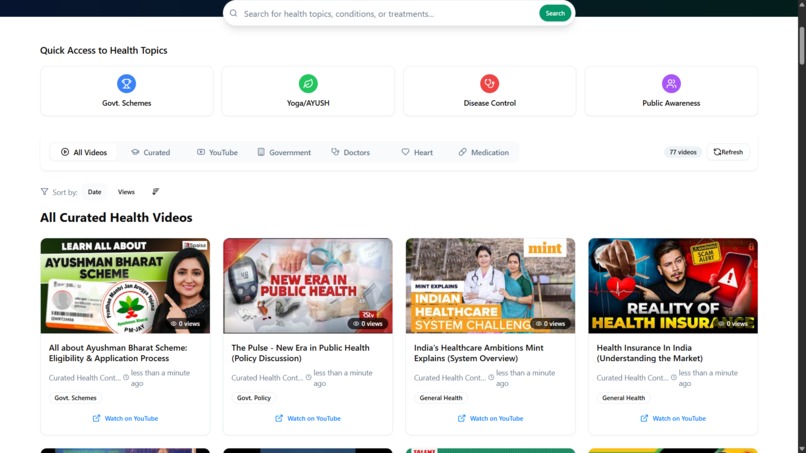
HealthHub page
-
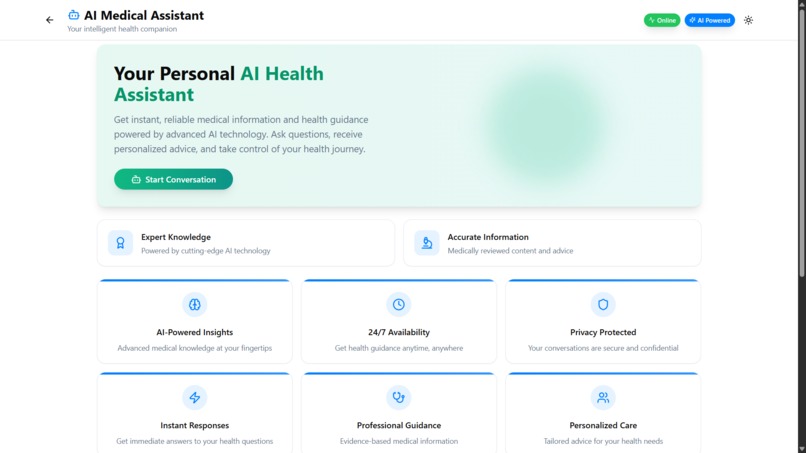
Ai health assistant page
-
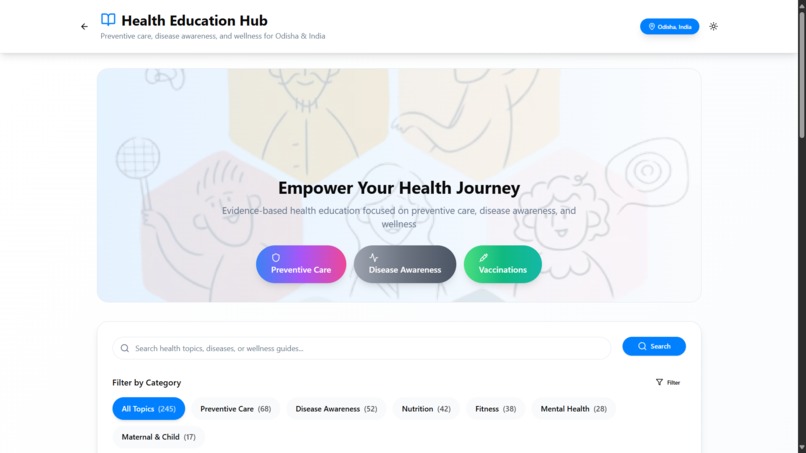
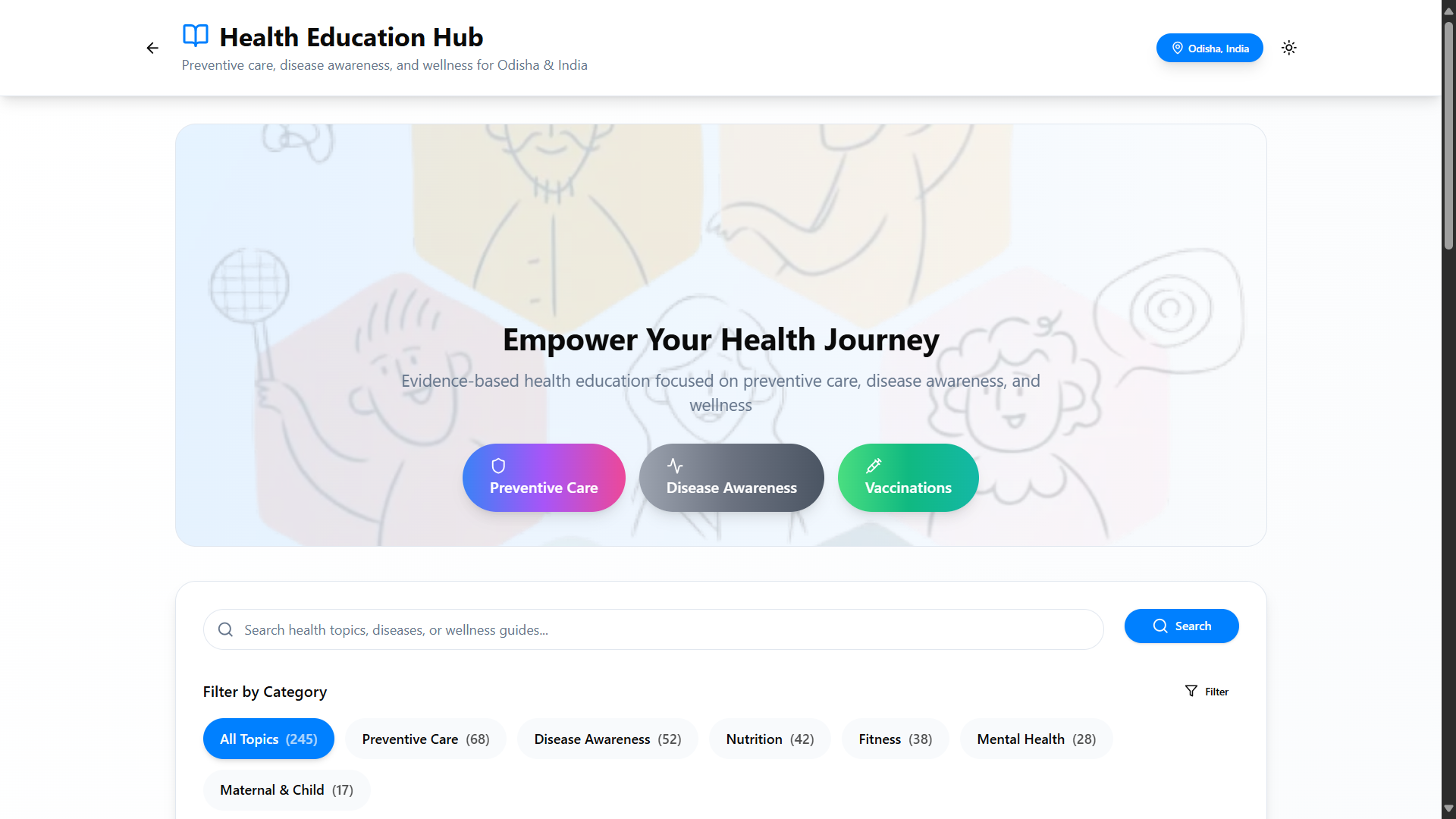
Health Education page
Inspiration
We often see people around us especially in rural and semi-urban areas suffering from preventable health issues simply because they lack access to reliable information. Many are less literate, depend on hearsay, or cannot understand English-only medical resources. With AI evolving rapidly, we thought: why not use this technology to bring trusted healthcare guidance directly to those who need it most? That idea became the foundation for Healer AI.
What it does
Healer AI is a multilingual, web-based health assistant that empowers users to:
- Check symptoms through an interactive, step-by-step flow
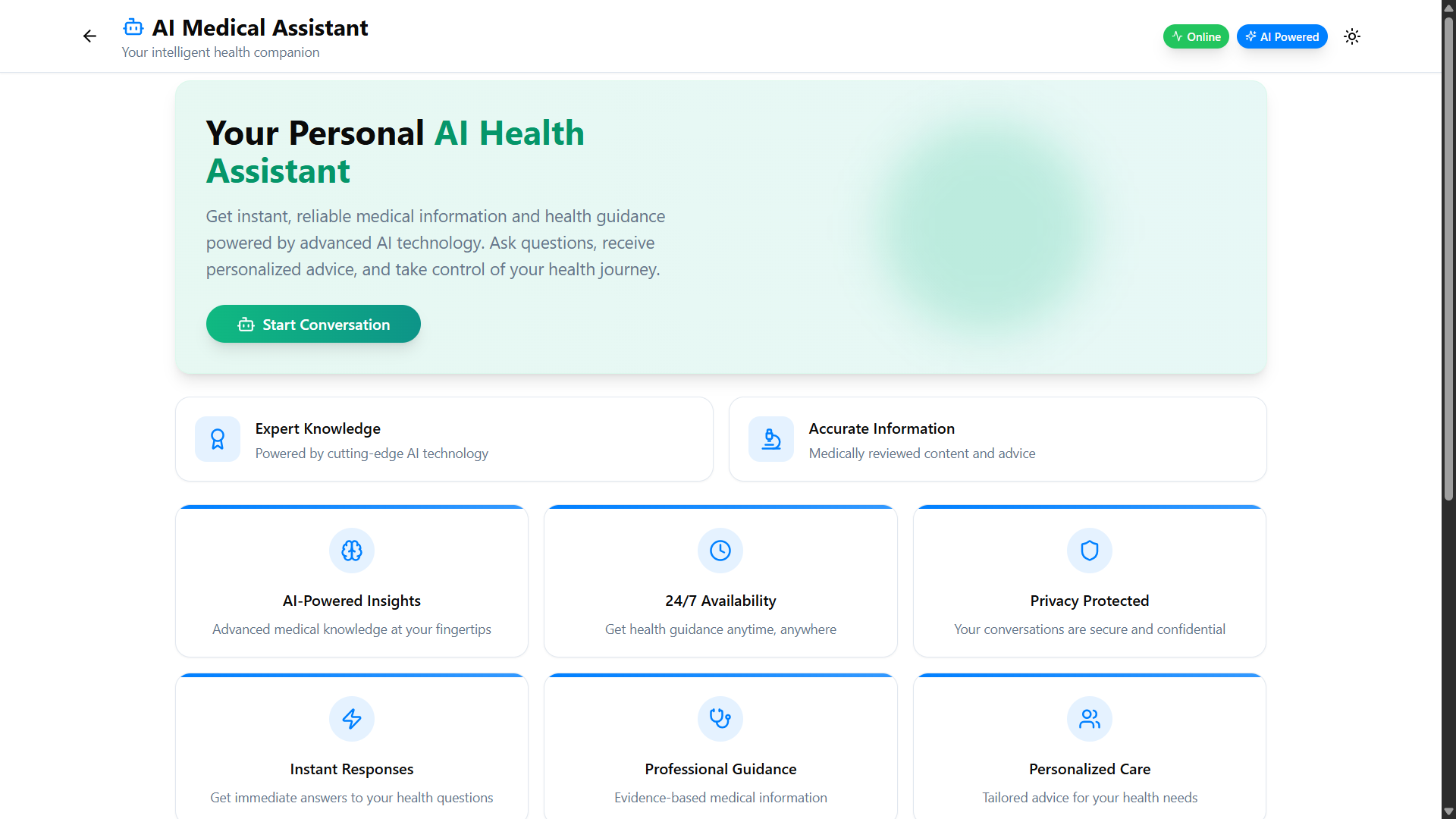
- Chat with an AI medical bot for awareness and vaccination details
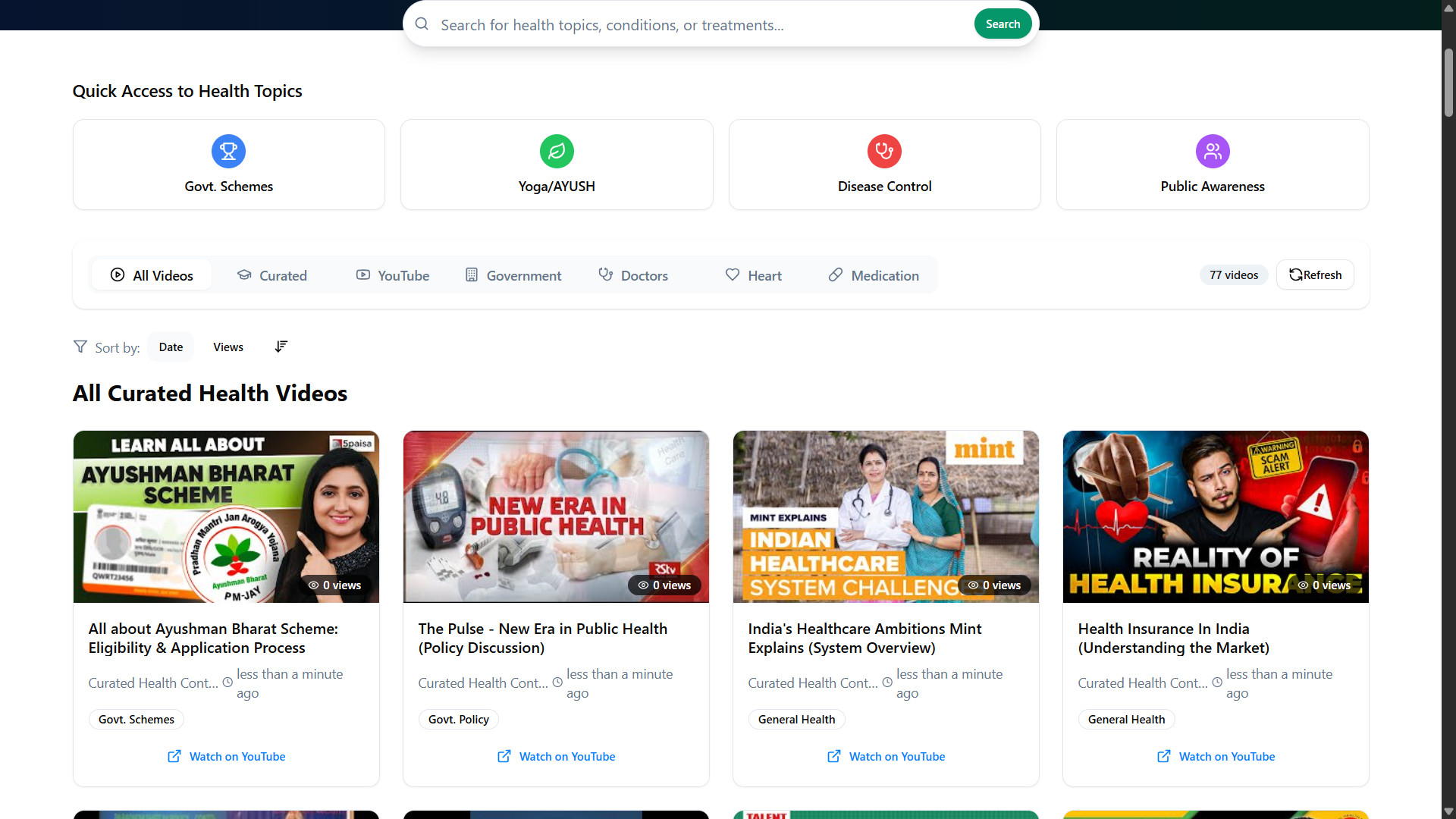
- Learn through curated health education videos
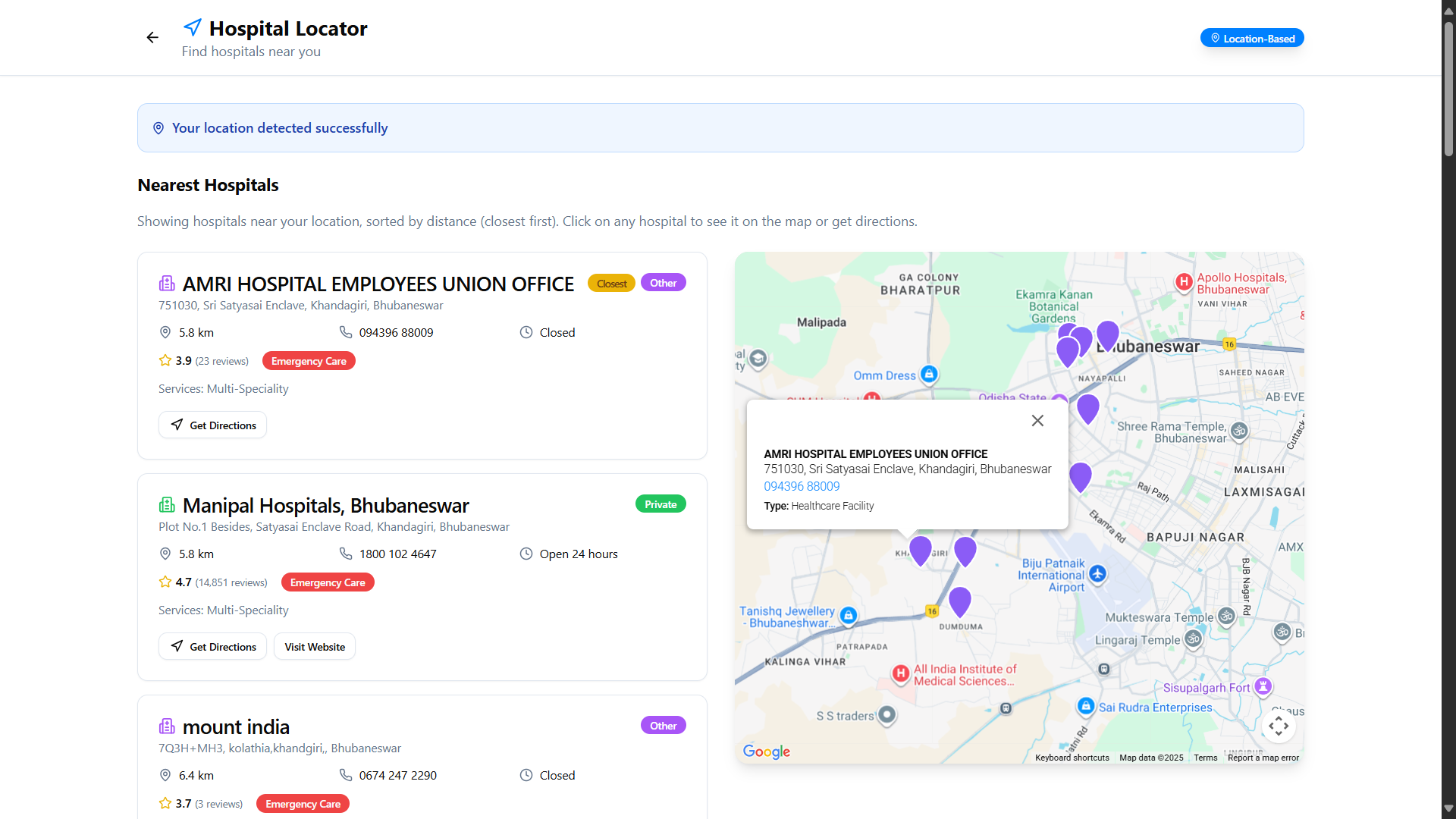
- Find nearby hospitals, blood banks, and clinics using geolocation
- Receive real-time alerts on disease outbreaks and safety measures It’s like having a knowledgeable health advisor in your pocket—accessible, reliable, and available 24 × 7.
How we built it
We developed the platform using NLP and LLM based conversational models integrated through custom prompt workflows. The backend connects to government health databases for verified information and uses APIs for YouTube videos and location services. The frontend was built as a responsive, lightweight web interface, optimized for low bandwidth and multiple Indian languages. We also implemented data validation layers, multilingual translation support, and a scalable architecture deployable on cloud infrastructure. The front end is reactive and easy to interact and understand, so that diverse population and age group of india can use it to its maximum potentials.
Challenges we ran into
- Ensuring medical accuracy while using AI outputs
- Handling data privacy and security for user health information
- Building a simple and intuitive UI for low digital-literacy users
- Managing real-time data updates from external sources
- Coordinating multiple APIs while maintaining fast response times
Accomplishments that we're proud of
- Successfully integrated five independent modules into one seamless platform
- Achieved multilingual conversational support for inclusivity
- Developed a structured symptom-checker logic rather than relying solely on the LLM
- Created a low-bandwidth friendly design suitable for rural connectivity
- Built a scalable system ready for government and institutional adoption
What we learned
We learned how to combine AI, healthcare data, and human-centric design into a functional ecosystem. We understood the importance of ethical AI practices, validated information sources, and designing for real world constraints like network issues and language diversity. We also realized that what feels easy and intuitive for us like using ChatGPT or navigating digital tools can be challenging for rural communities or elderly users. Recognizing this gap made us more empathetic designers and motivated us to create an accessible, easy to use solution that truly meets their needs. This journey also taught us effective teamwork, agile problem solving, and how technology can create meaningful social impact when built with empathy and purpose.
What's next for Healer AI
we have thought about a lot of things that can be done in future with proper technical help and guidance, some of which are:
- Build a mobile app and WhatsApp/SMS version for better reach.
- Integrate voice-based input for users with low literacy levels
- Onboard verified doctors for better and dependable guidance as AI isn't the final thing
- Partner with government health programs for large-scale deployment
- Expand support to regional dialects (already done most still can do more) and offline modes

Log in or sign up for Devpost to join the conversation.