-
-
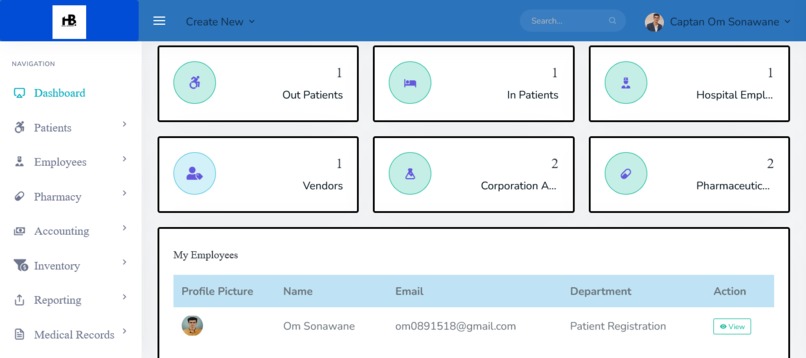
Dashboard
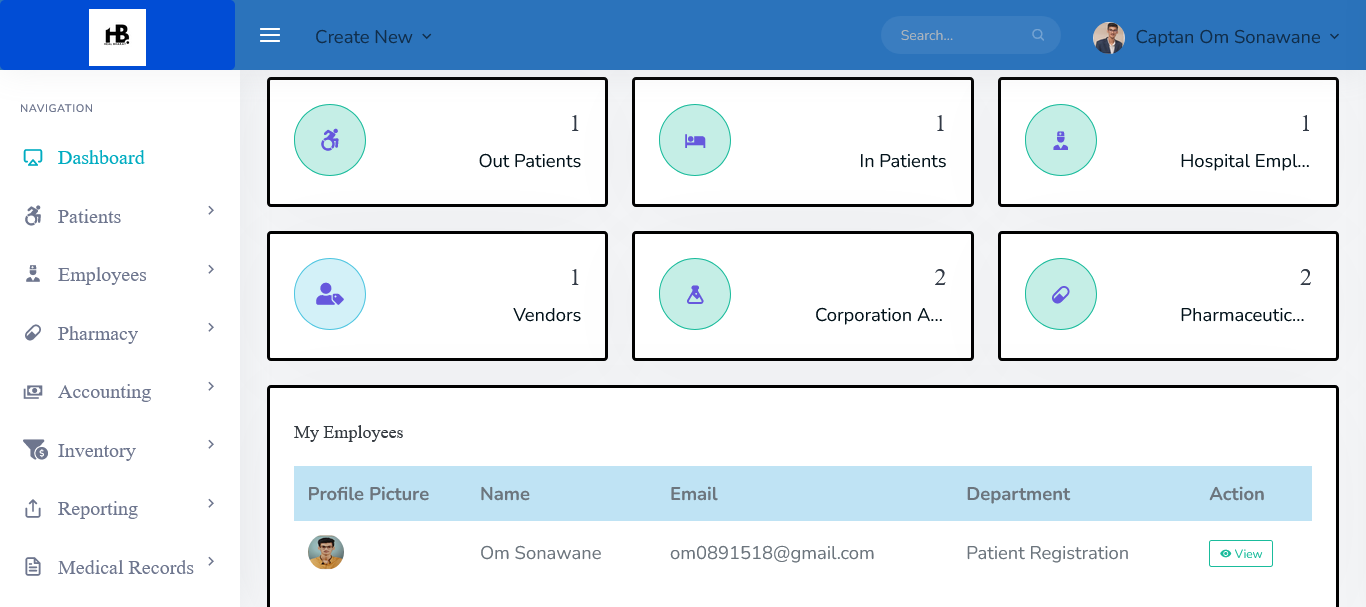
Inspiration
The healthcare industry faces numerous challenges, including long patient wait times, inefficient resource allocation, and fragmented data systems. Our goal was to develop an integrated platform that streamlines patient flow, optimizes resource utilization, and enhances operational efficiency using AI-powered solutions and real-time tracking.
What it does
HealBharat 2.0: Unified Health Data & Analytics Platform is designed to:
- Improve Patient Flow: AI-powered kiosks for symptom checking, streamlined registration, and mobile-based appointment booking.
- Enhance Resource Utilization: Real-time bed availability tracking, department-wise allocation, and pharmacy synchronization.
- Optimize Operations: Automated workflows for labs, surgeries, and discharge planning.
- Integrate Data Seamlessly: Centralized patient records across multiple vendors for improved care coordination.
- Ensure Accessibility: A user-friendly system that integrates with all healthcare touchpoints.
How we built it
- Frontend Development: HTML, CSS, JavaScript, Bootstrap
- Backend Development: MERN Stack (MongoDB, Express.js, React.js, Node.js), PHP, MySQL
- Database Management: MongoDB, MySQL
- Deployment & Hosting: AWS (EC2, S3, RDS, DynamoDB, Route 53)
- Development Tools: VS Code, Git/GitHub
- Additional Libraries & Frameworks: PHPMyAdmin
Challenges we ran into
- Data Integration Complexity: Ensuring seamless data exchange between different healthcare systems.
- Real-Time Synchronization: Maintaining accuracy in tracking doctor availability and bed management.
- Scalability: Adapting the system for different healthcare facilities, from small clinics to large hospitals.
- Security & Compliance: Adhering to healthcare data protection regulations and ensuring secure data transmission.
Accomplishments that we're proud of
- Successfully implemented AI-powered patient flow management.
- Integrated a real-time resource tracking system.
- Developed a doctor in/out tracking feature using mobile proximity.
- Ensured scalability and adaptability for different healthcare environments.
- Achieved seamless data integration across vendors.
What we learned
- The importance of real-time automation in healthcare.
- Effective ways to integrate multiple systems for improved efficiency.
- How to optimize healthcare workflows using AI and mobile technology.
- Best practices for maintaining data security and compliance.
What's next for HealBharat 2.0
- Expanded AI Capabilities: Advanced analytics for predictive healthcare insights.
- Telemedicine Integration: Enhancing remote patient consultations and follow-ups.
- Wearable Device Connectivity: Syncing with IoT-enabled health trackers for real-time monitoring.
- Rural Healthcare Outreach: Deploying solutions in underserved areas for better accessibility.
- Smart Hospital Automation: Further automation of hospital operations for increased efficiency.
Impact of the solution
Our project revolutionizes healthcare by reducing wait times, simplifying patient access, and enhancing service delivery. Through AI and real-time tracking, we ensure better patient experiences, optimized hospital operations, and improved resource allocation.
Conclusion
HealBharat 2.0 addresses a crucial need in healthcare by leveraging AI, automation, and real-time tracking. Its unique patient-centric and integrated approach ensures strong commercial viability and potential for IPR protection. This transformative solution has the potential to reshape healthcare delivery, making it more efficient, accessible, and future-ready.
Specific areas of application
- Hospitals & Clinics: Streamlining patient care and operational efficiency.
- Rural Healthcare Centers: Bridging healthcare access gaps.
- Pharmacies & Diagnostic Labs: Enhancing coordination and inventory management.
- Public Health Programs: Enabling data-driven decision-making.
- Telemedicine Platforms: Supporting remote consultations and healthcare services.

Log in or sign up for Devpost to join the conversation.