-
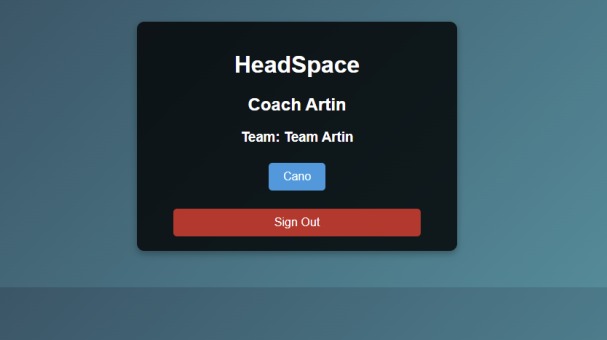
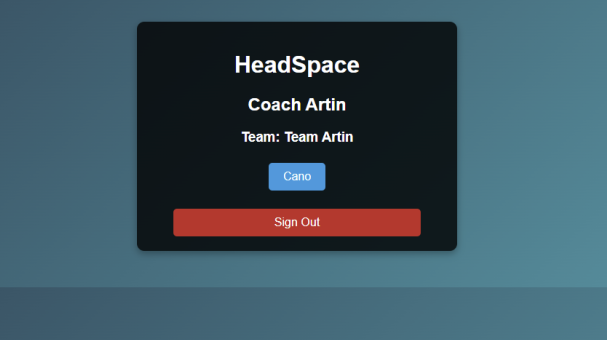
Coach's view
-
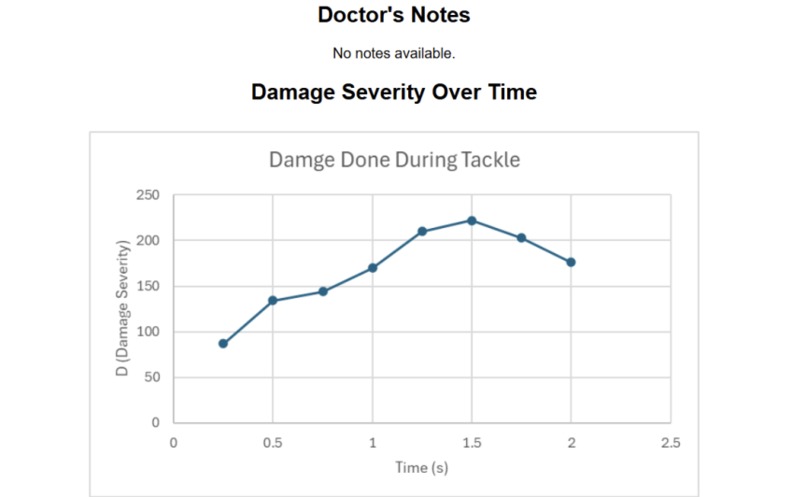
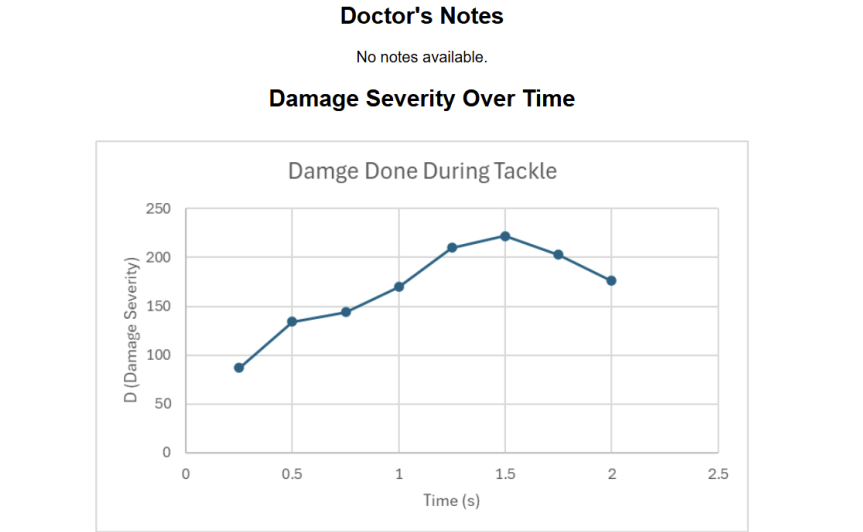
Graph damage severity
-
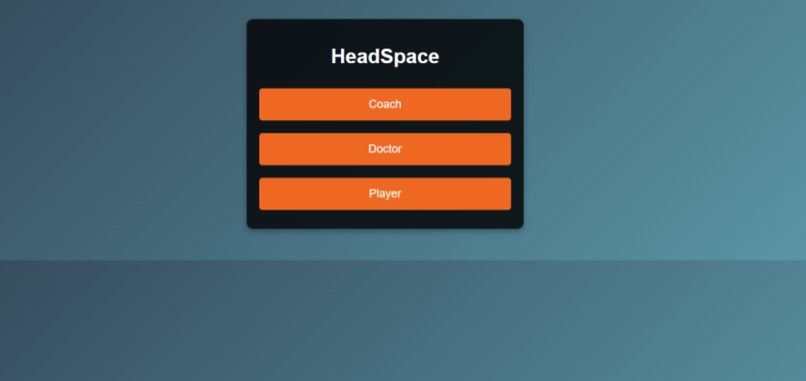
Main Screen
-
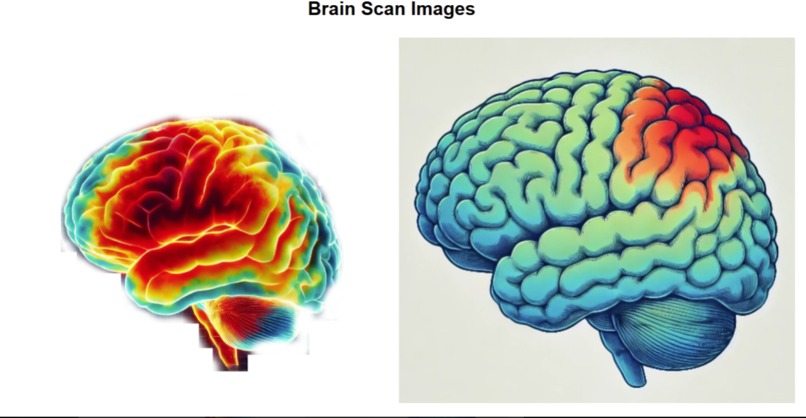
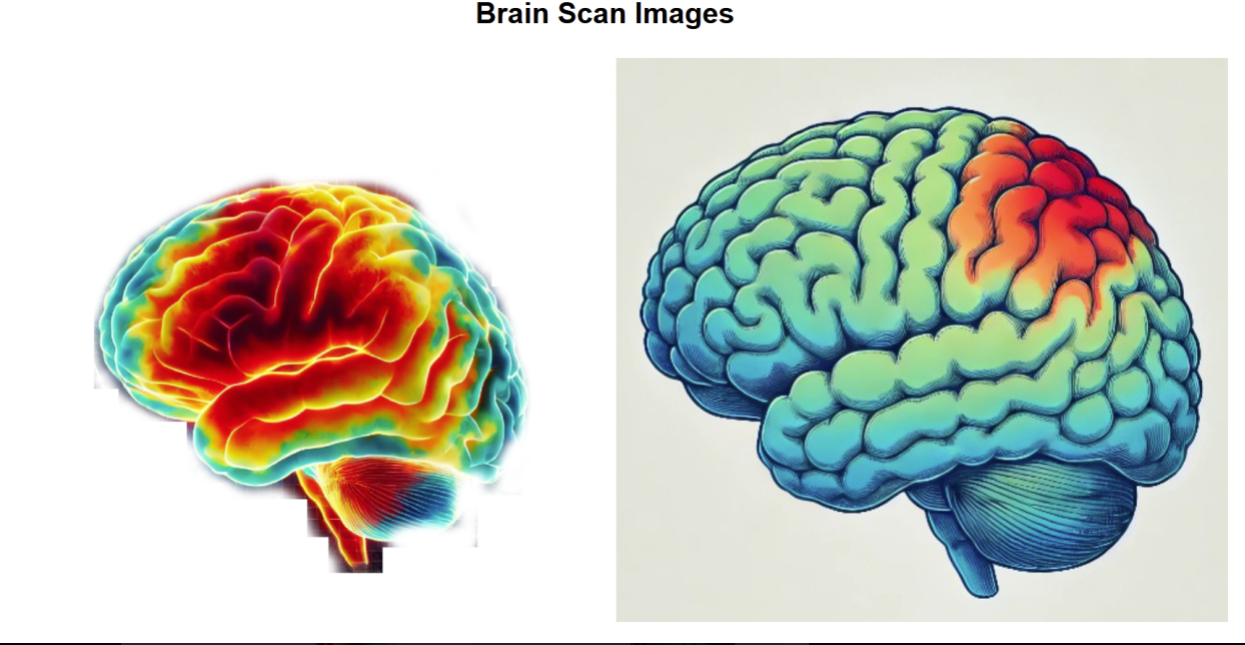
Head map of damage
-
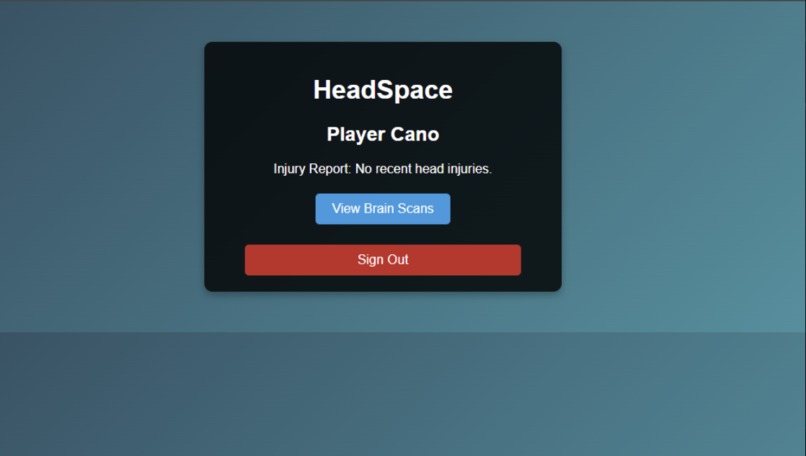
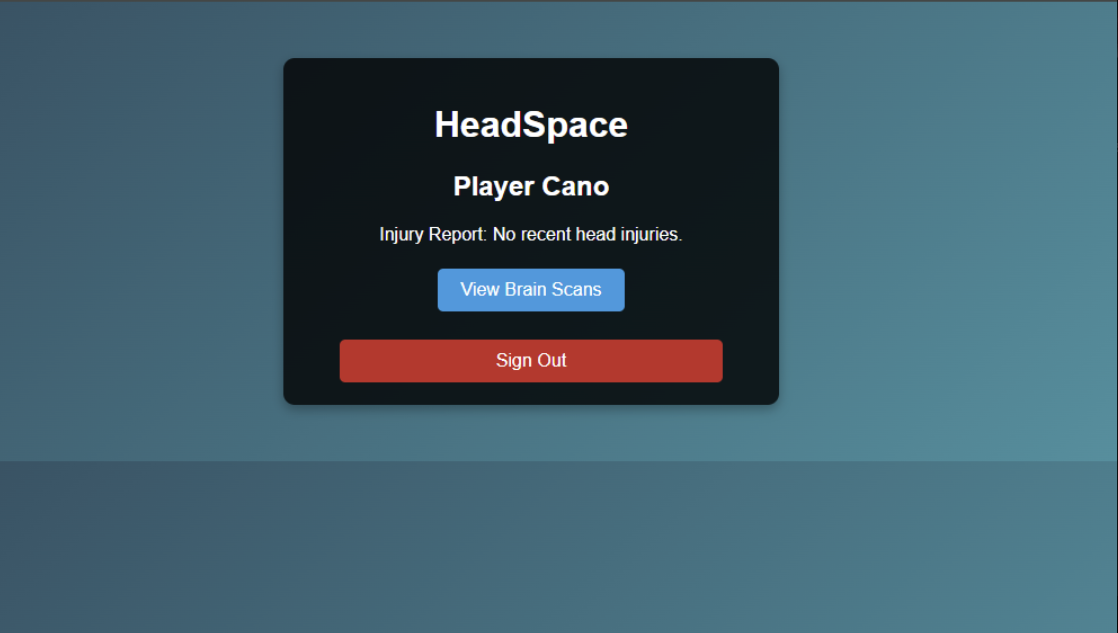
Player's view
-
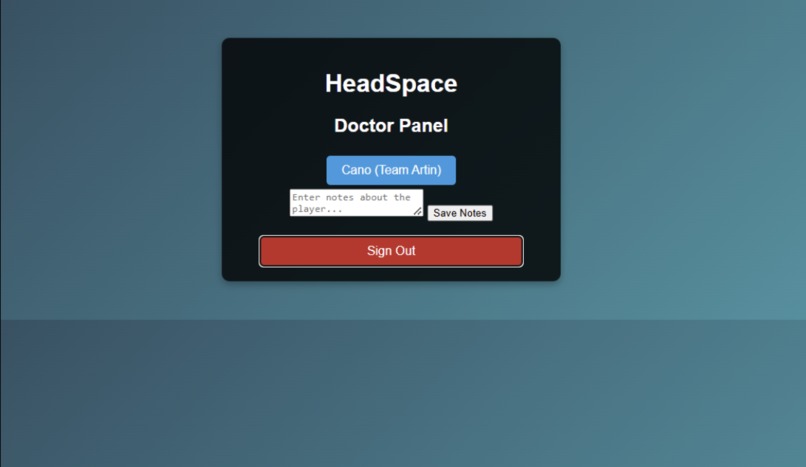
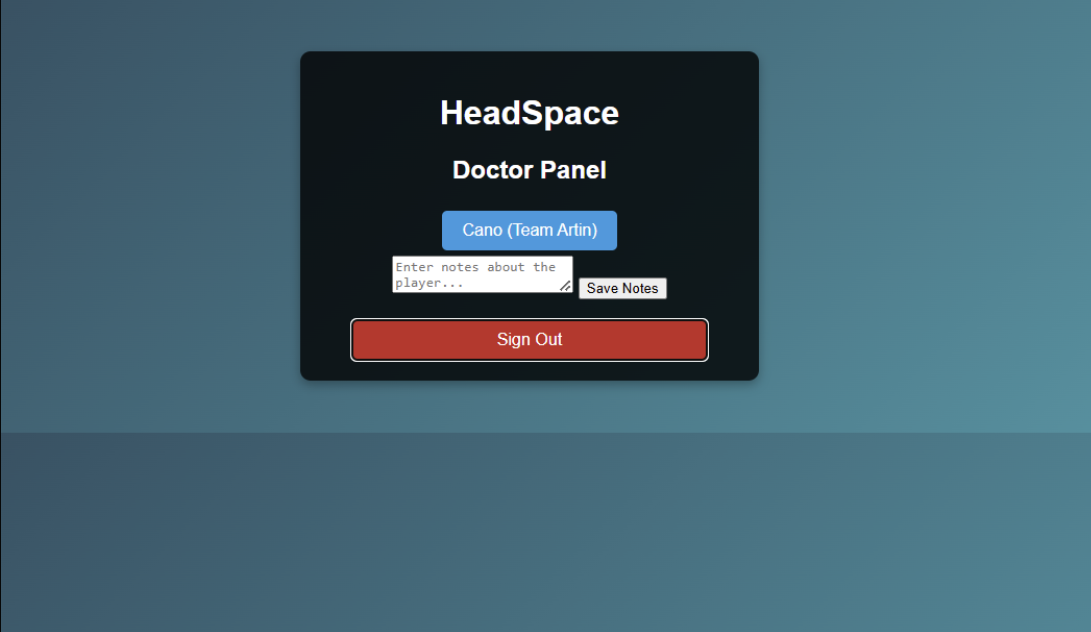
Doctors view
-
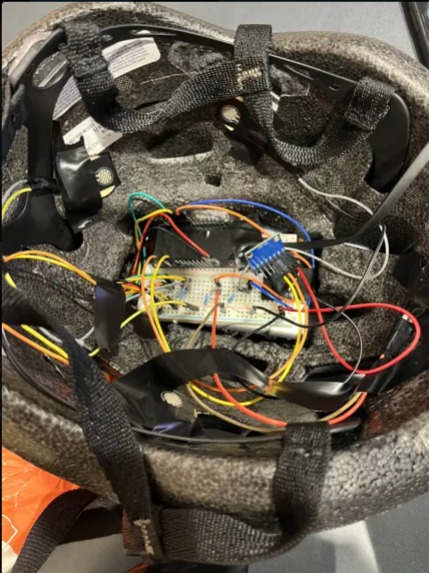
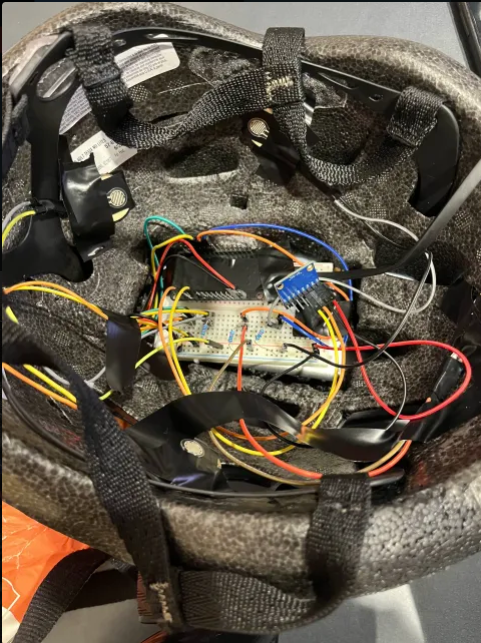
Helmet
-
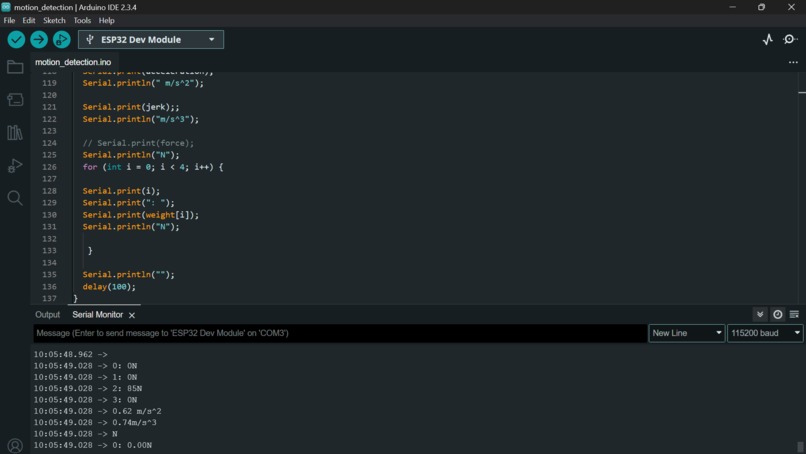
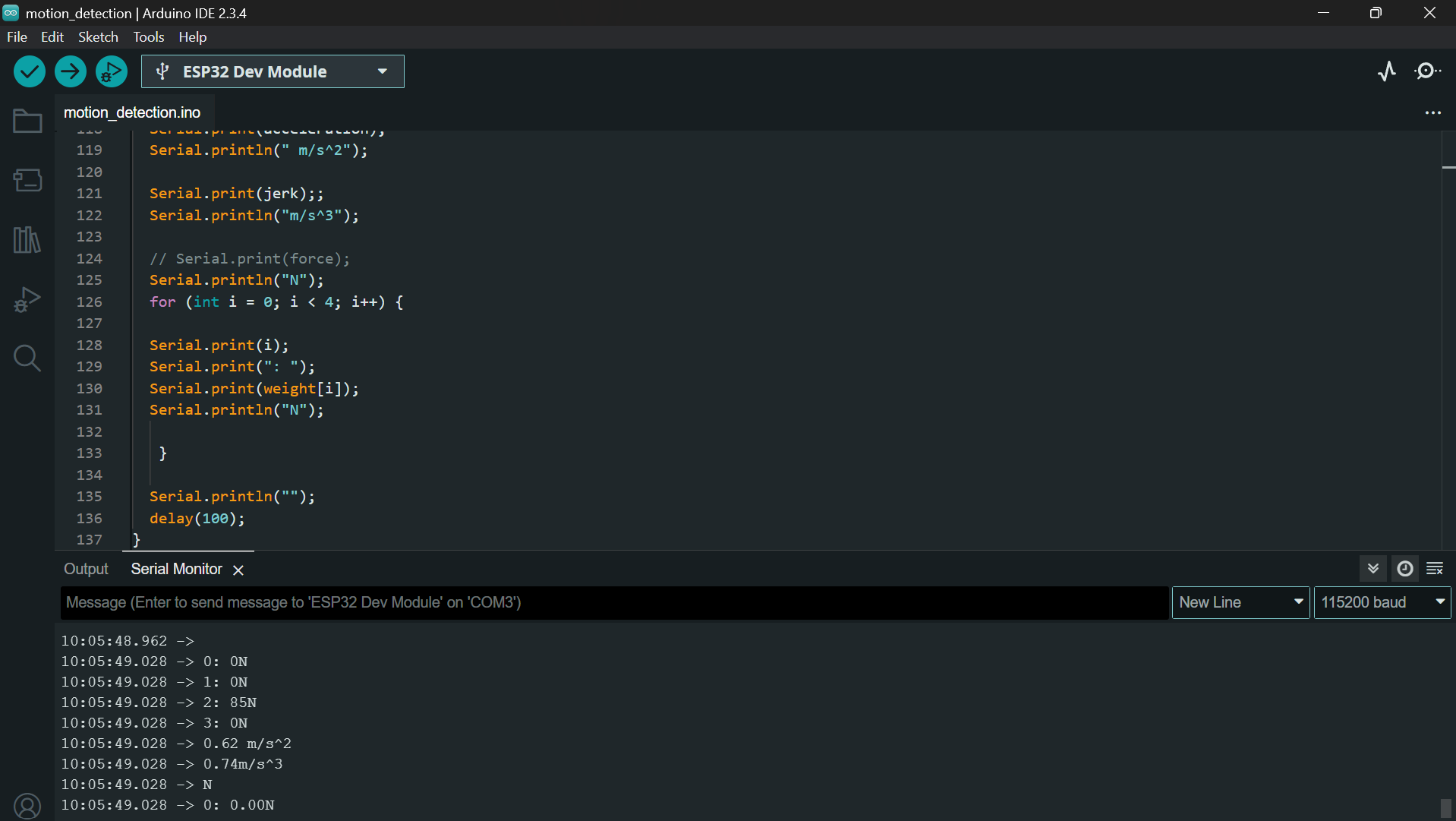
Newtons Display

Inspiration🚀
Sports are thrilling, but they also come with risks—especially when it comes to head injuries. Concussions and undetected head trauma can have lifelong consequences, yet many athletes continue playing without realizing the severity of an impact. Inspired by Goal #3: Good Health and Well-Being of the United Nations Sustainable Development Goals (SDGs), we wanted to create a smarter, safer future for athletes using cutting-edge technology. Our goal? A helmet that not only detects impacts but also empowers athletes, coaches, and medical professionals with real-time data and instant healthcare access.
What it does⛑️
Headspace is an intelligent helmet system designed to monitor, analyze, and report head impacts in real time. Our smart sensors detect and measure impact forces, storing the data in a centralized web platform. The platform provides: ✅ Impact force analysis, visualizing where the impact occurred on the brain ✅ Doctor assessments and recommendations, based on real-time data and past impact history ✅ Interactive graphs, displaying impact severity over time for better injury tracking and prevention This ensures that athletes, coaches, and medical professionals have access to critical data for informed decision-making on player safety and recovery.
How we built it 🛠️
We combined hardware sensors, software analytics, and wireless communication to create a fully functional prototype. Force resistance sensors integrated into the helmet detect the intensity and location of impacts, providing precise data on every hit. This data is processed through a custom algorithm to assess severity and determine whether medical attention is needed.
The data is then stored in a centralized web platform, where medical professionals can access detailed reports and provide recommendations. Using the ESP32Dev module, we enabled wireless communication for seamless data transmission between the helmet and the platform. The sensors are mounted on breadboards for flexibility and ease of adjustment during prototyping, ensuring the system is adaptable and easy to modify. For the user interface, we used React, HTML, CSS and JavaScript to create a smooth, intuitive experience, allowing athletes, coaches, and medical professionals to easily access and interpret the data. The helmet integrates all components into a lightweight, functional design that maintains comfort while ensuring accurate data collection.
Challenges we ran into ⚠️
One of the major challenges we faced was ensuring the accuracy of the force resistance sensors (FRS). To get reliable readings, we had to test the sensors multiple times under different conditions, such as varying impact strengths and angles, and fine-tune their calibration. We also had to carefully consider sensor placement on the helmet, as different positions yielded slightly different results. On top of this, we encountered difficulties with real-time data transmission. Ensuring that the data from the helmet was sent to the web platform without lag or loss was critical for providing accurate, timely insights. Optimizing the ESP32Dev module for stable wireless communication required several rounds of testing and adjustments to maintain smooth data flow, ensuring the system was both reliable and efficient for real-time monitoring.
Accomplishments that we're proud of 🏆
With the knowledge we had and the time available, we successfully created a functional model that integrates all the necessary components. Despite the challenges, we were able to combine force resistance sensors, the ESP32Dev module, and the helmet design into a cohesive system. This allowed us to achieve accurate impact detection, real-time data transmission, and seamless communication with our web platform. The fact that we were able to create a model that functions effectively in real-world conditions, while being lightweight and comfortable, is a significant accomplishment. It shows how resourcefulness and innovation can lead to tangible solutions for improving safety in sports.
What we learned 📚
We learned a lot about collaboration and problem-solving. Working together as a team helped us overcome challenges and combine our strengths. We improved our skills in hardware integration and testing, and learned how to adapt and fix issues as they came up. This project also taught us the importance of clear communication to make sure everything worked smoothly and efficiently.
What's next for HeadSpace 🚀
Next, we plan to refine the system by improving the accuracy of the sensors and enhancing the data analysis features. We’ll also focus on testing in real-world scenarios to ensure the system works effectively in various sports. Additionally, we aim to make the helmet more comfortable, durable, and user-friendly, while exploring opportunities for wider adoption in sports teams and partnerships with medical professionals to further improve player safety.


Log in or sign up for Devpost to join the conversation.